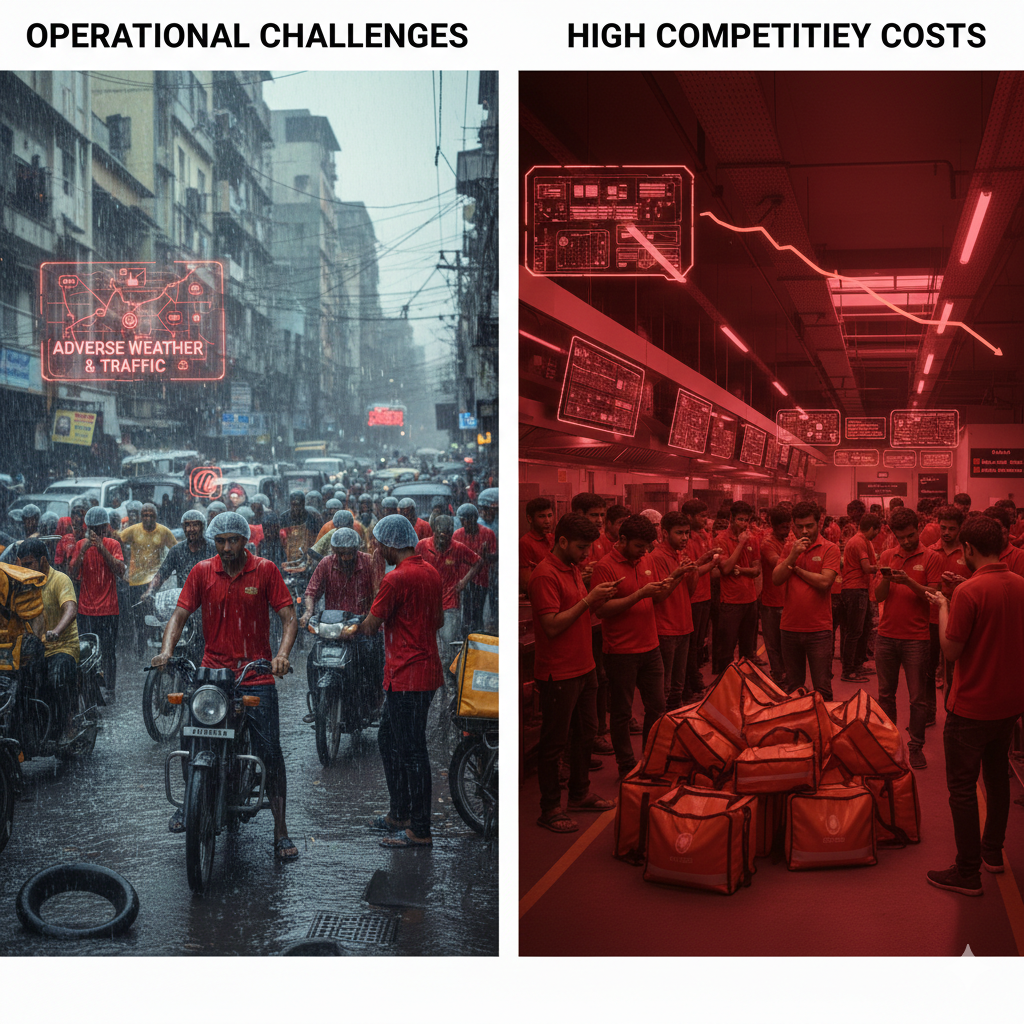
The challenges of cloud kitchen business in India are often underestimated. While cloud kitchens offer low entry cost and faster scalability, they also come with operational, financial, and platform-driven risks. This guide explains the major challenges faced by cloud kitchen businesses in India and how founders can prepare for them realistically.
Start Here Before Entering the Cloud Kitchen Business
This article is part of GrowKitchen’s cloud kitchen education and risk-analysis series. To understand the fundamentals of delivery-first food businesses, start with our pillar guide: Cloud Kitchen as a Service and our comprehensive guide on Cloud Kitchen Business in India.
For food business licensing and compliance in India, always verify details on FSSAI, GST Portal, and Udyam MSME.
Challenges of Cloud Kitchen Business in India Explained
A cloud kitchen is a delivery-only food business that operates without dine-in seating. While this model reduces real estate and staffing costs, it also introduces a different set of challenges compared to traditional restaurants.
In India, many cloud kitchens fail not because of lack of demand, but due to poor execution, weak systems, and unrealistic expectations.
1. Heavy Dependence on Food Delivery Aggregators
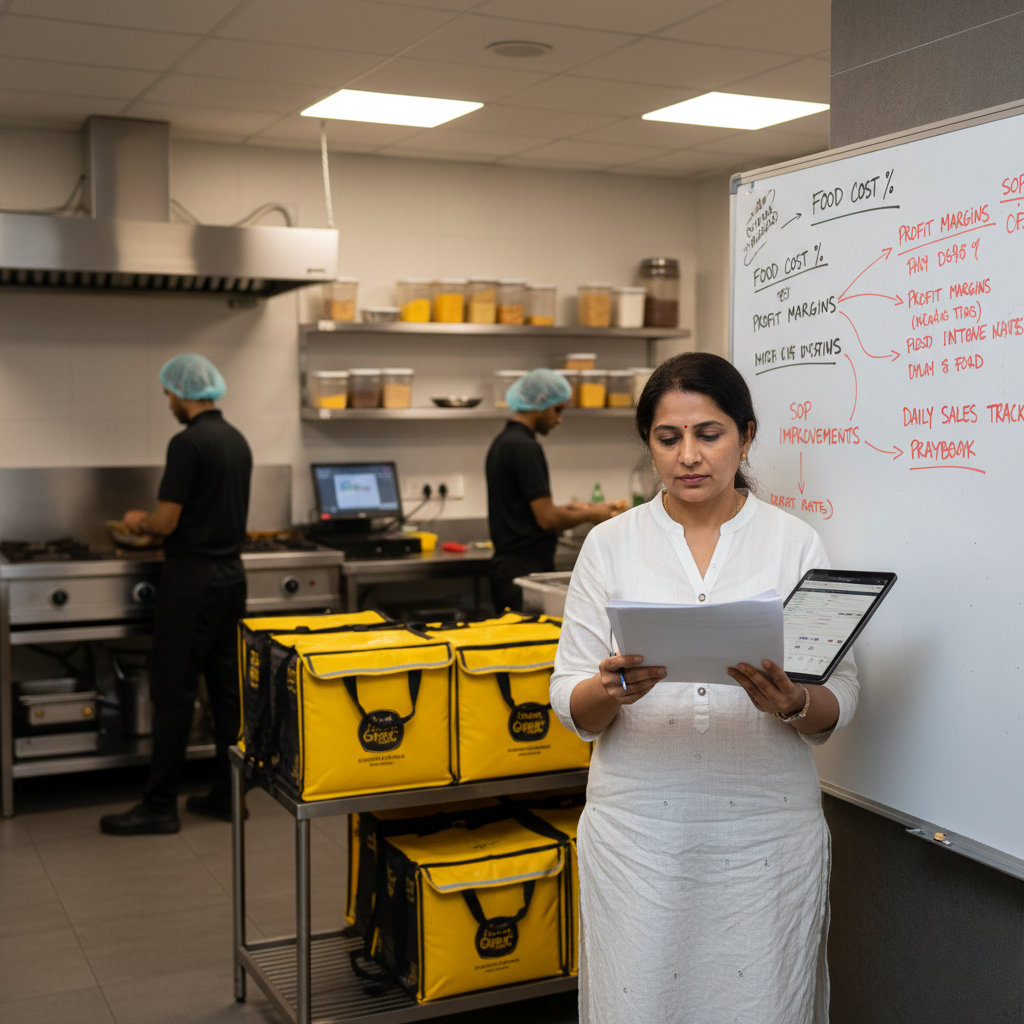
One of the biggest challenges of the cloud kitchen business in India is heavy dependence on food delivery platforms such as Swiggy and Zomato. For most new kitchens, these platforms are the primary source of demand.
High commissions, frequent policy changes, discount expectations, and visibility algorithms directly impact margins and order volume. Kitchens with no direct ordering strategy remain vulnerable.
2. Intense Competition and Market Saturation
Low entry barriers have led to overcrowding in the cloud kitchen space. New brands launch frequently, often with similar menus and pricing.
This results in price wars, discount dependency, and low brand loyalty. Standing out without a strong product, packaging, or retention strategy becomes extremely difficult.
3. High Sensitivity to Operational Errors
Cloud kitchens operate under constant rating pressure. Minor issues such as delayed dispatch, spillage, wrong items, or inconsistent portioning can immediately impact ratings.
Unlike restaurants where recovery is possible through service, cloud kitchens are judged primarily through reviews and stars. This makes operational discipline non-negotiable.
SOP-driven execution is critical: Cloud Kitchen SOP Checklist.
4. Difficulty in Controlling Costs at Scale
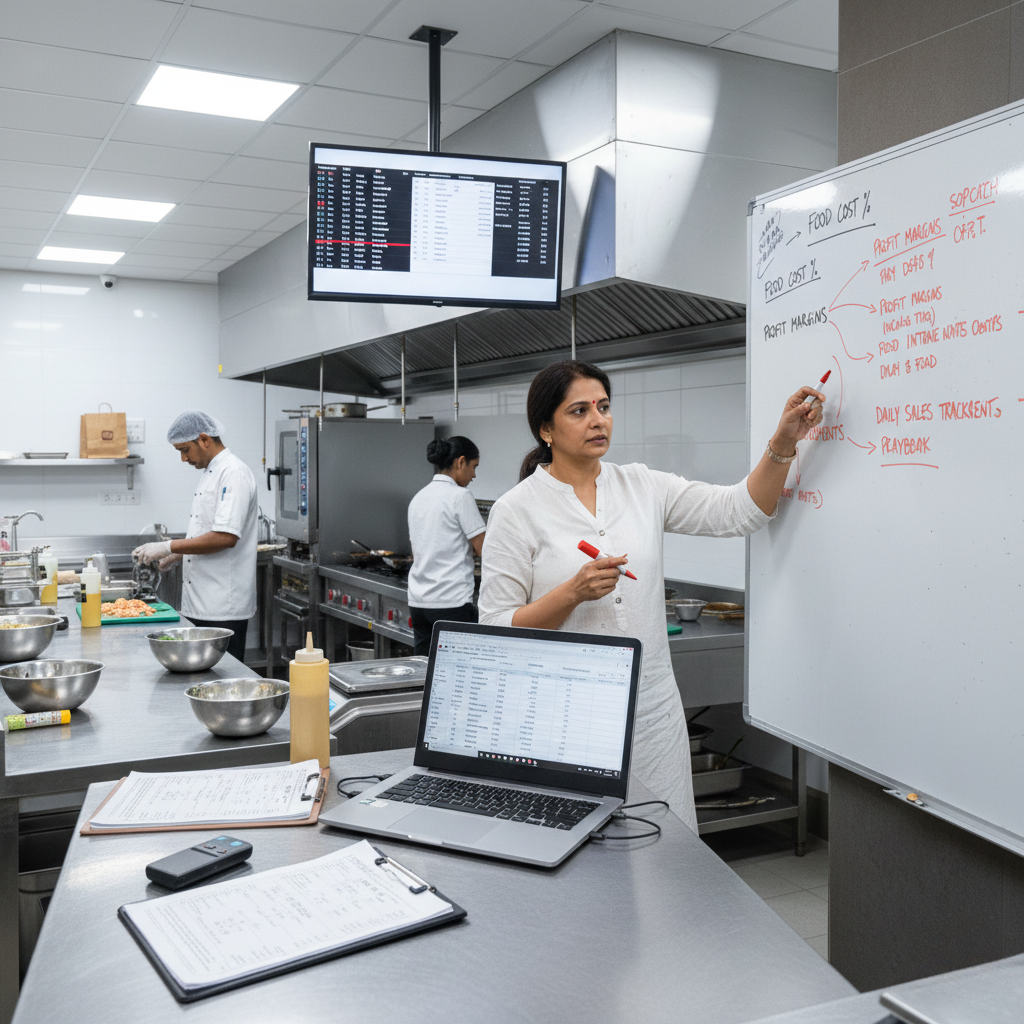
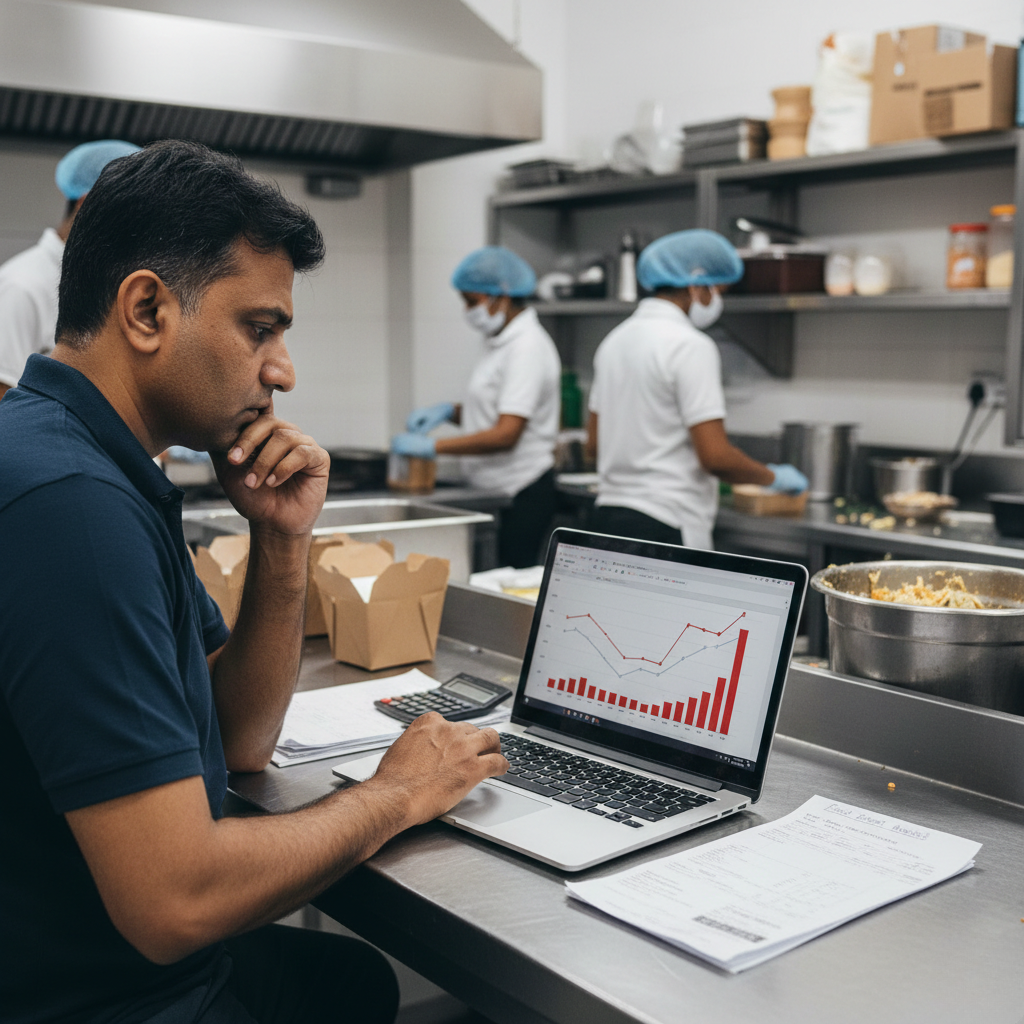
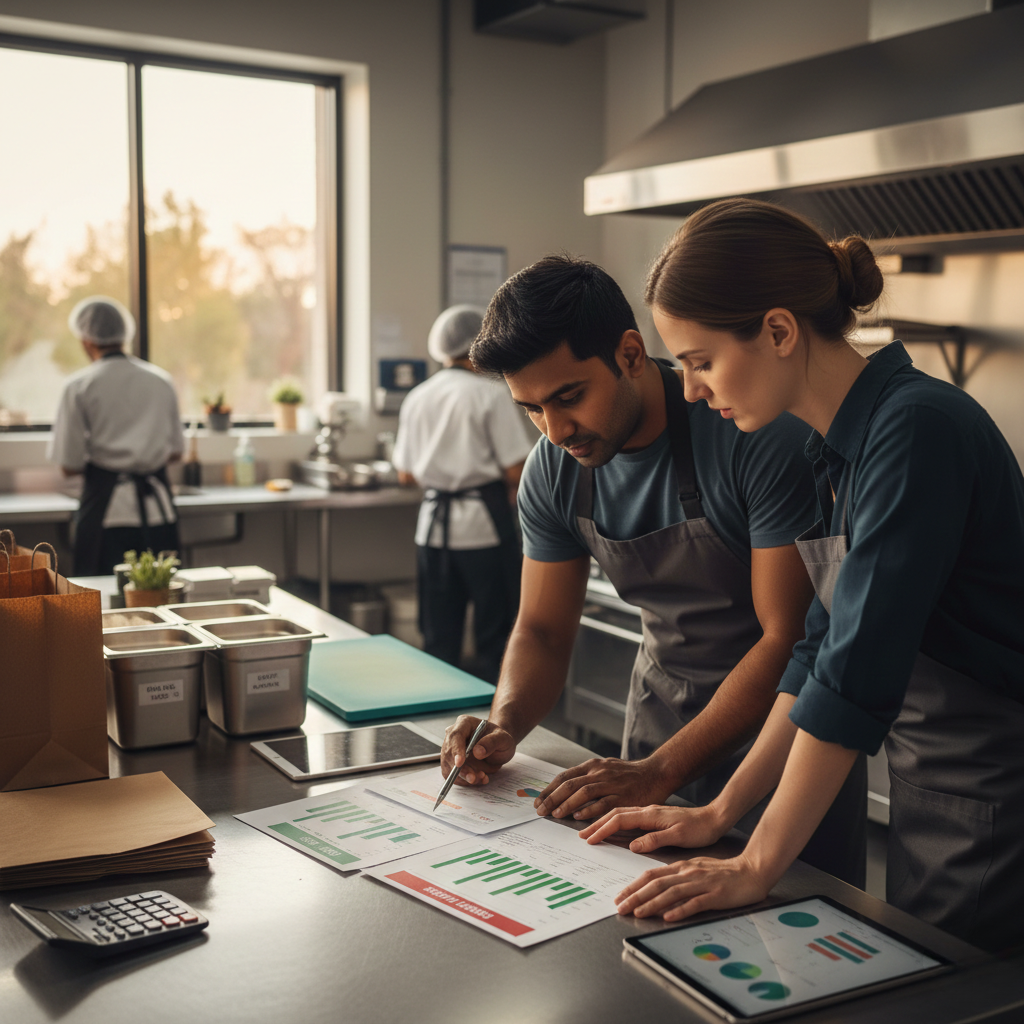
Many founders assume cloud kitchens automatically mean high margins. In reality, food cost, packaging cost, platform commission, refunds, and manpower can quickly erode profitability.
Without strict portion control, vendor discipline, and daily tracking, margins slip silently. This is one of the most common reasons for early shutdowns.
5. Weak Brand Recall and No Physical Presence
Cloud kitchens lack walk-ins, signage, and physical visibility. Brand trust must be built purely through online experience, packaging quality, ratings, and repeat orders.
This makes marketing, storytelling, and customer retention significantly more important than in traditional food businesses.
6. Scaling Without Systems Leads to Failure
Many cloud kitchens attempt to scale quickly after initial success. Without documented SOPs, cost sheets, and training systems, scaling multiplies errors instead of revenue.
Sustainable expansion requires structured replication: How to Scale Cloud Kitchens.
7. Founder Dependency and Burnout
Early-stage cloud kitchens often depend heavily on the founder for decision-making, quality checks, vendor coordination, and daily firefighting.
This leads to burnout and inconsistency. Businesses that do not transition from founder-driven to system-driven operations struggle to survive long-term.
Who Should Enter the Cloud Kitchen Business?
Understanding the challenges of cloud kitchen business in India helps founders decide if this model suits them.
- Founders comfortable with data and systems
- Operators focused on repeat orders, not hype
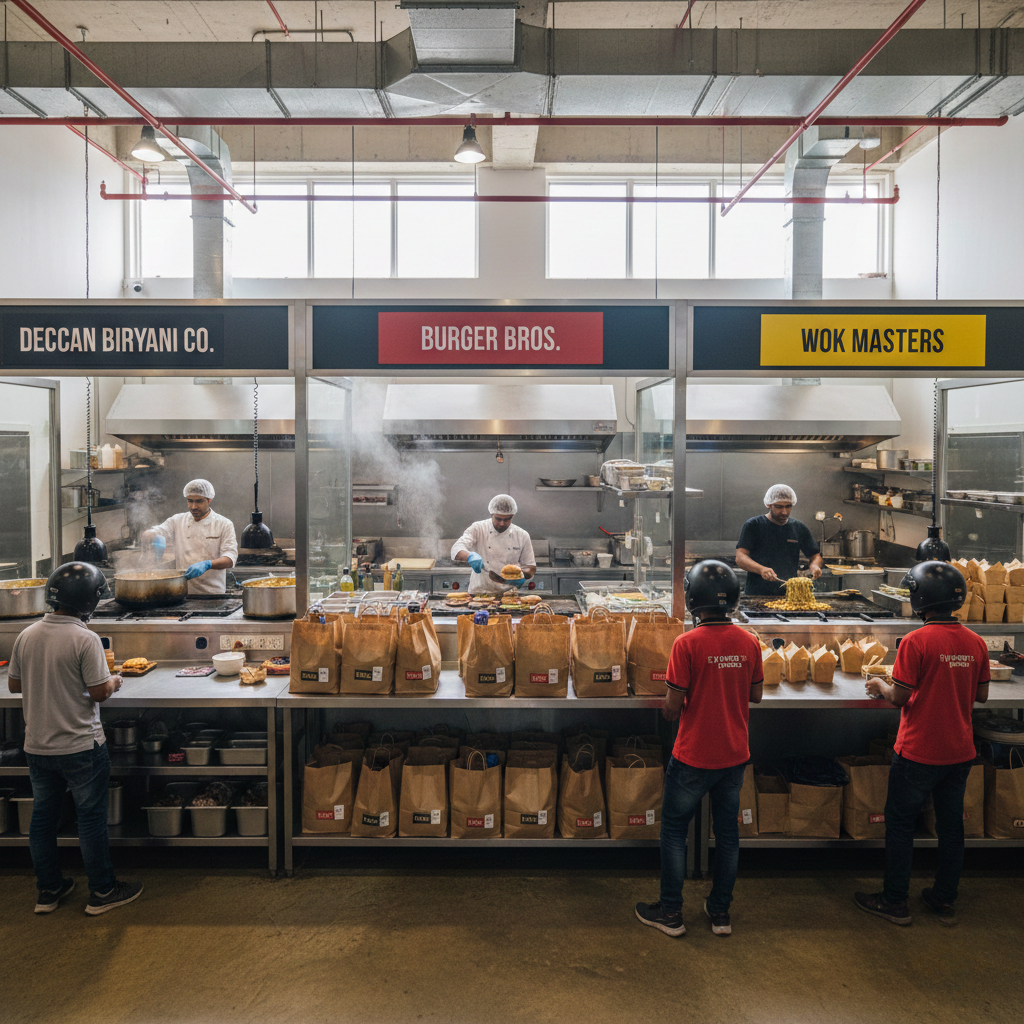
- Multi-brand and shared-infrastructure players
- Subscription and meal-plan focused businesses
Why Many Cloud Kitchens Fail in India
Most cloud kitchens fail due to poor execution, not lack of demand. Weak SOPs, uncontrolled costs, and unrealistic expectations are common reasons.
A deeper analysis: Why Cloud Kitchens Fail in India.
Final Thoughts: Overcoming Cloud Kitchen Challenges
The challenges of cloud kitchen business in India are real, but manageable with the right approach. Cloud kitchens reward discipline, documentation, and long-term thinking.
Founders who treat cloud kitchens as system-driven businesses rather than shortcuts to success are far more likely to build sustainable and profitable operations.
FAQs: Challenges of Cloud Kitchen Business in India
What is the biggest challenge in cloud kitchen business?
Heavy dependence on aggregators and maintaining consistent operations.
Why do most cloud kitchens fail?
Poor systems, weak cost control, and lack of repeat customers.
Can cloud kitchen challenges be managed?
Yes, with SOPs, cost tracking, and customer retention strategies.
Is cloud kitchen business still worth it in India?
Yes, but only for founders willing to operate with discipline and patience.
- Cloud Kitchen Business in India
- How to Start a Cloud Kitchen
- Cloud Kitchen SOP Checklist
- Why Cloud Kitchens Fail