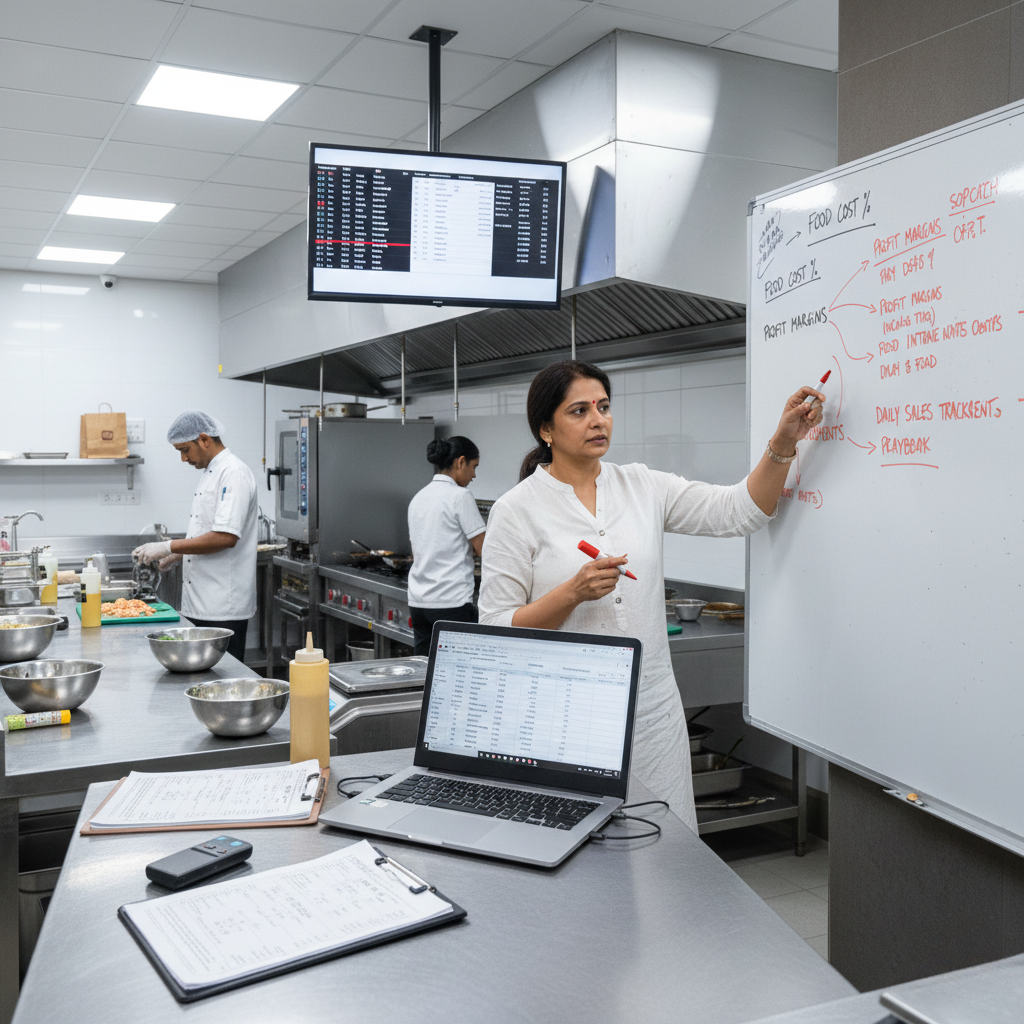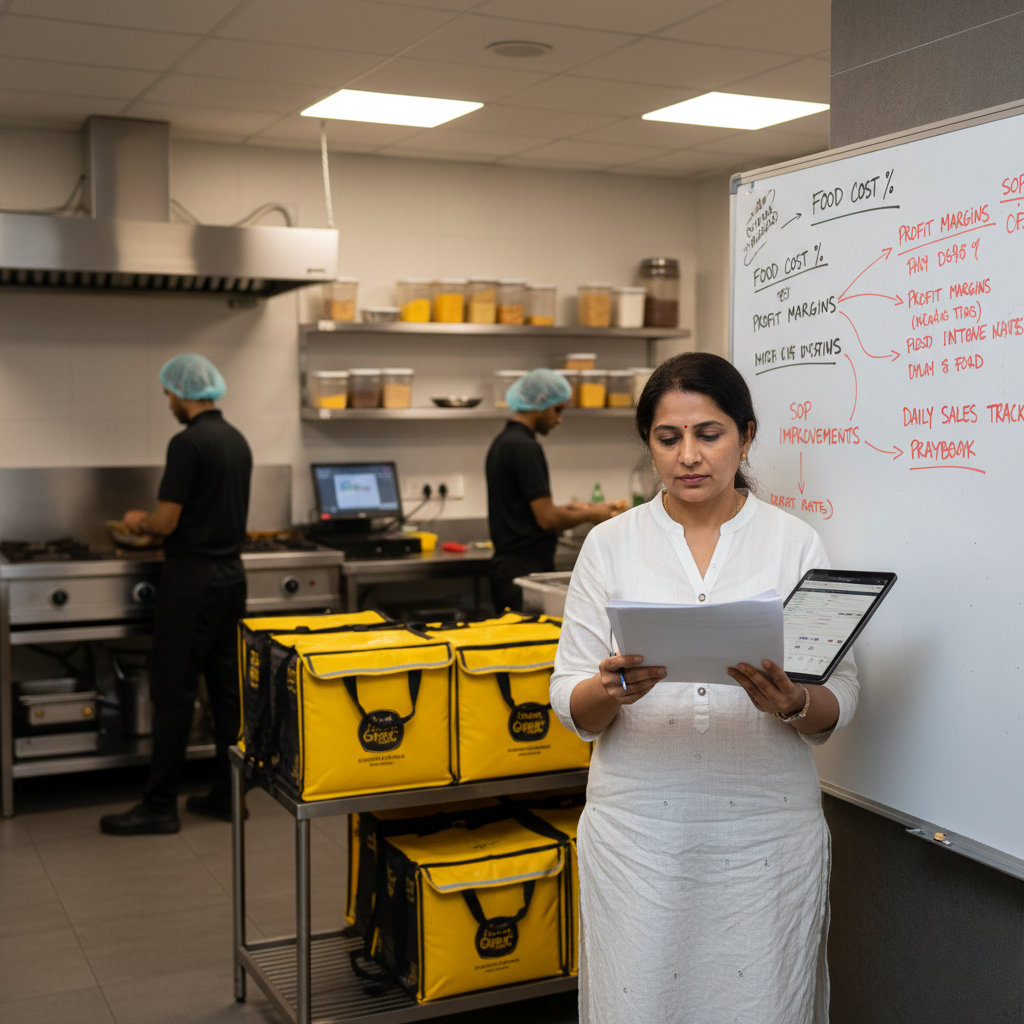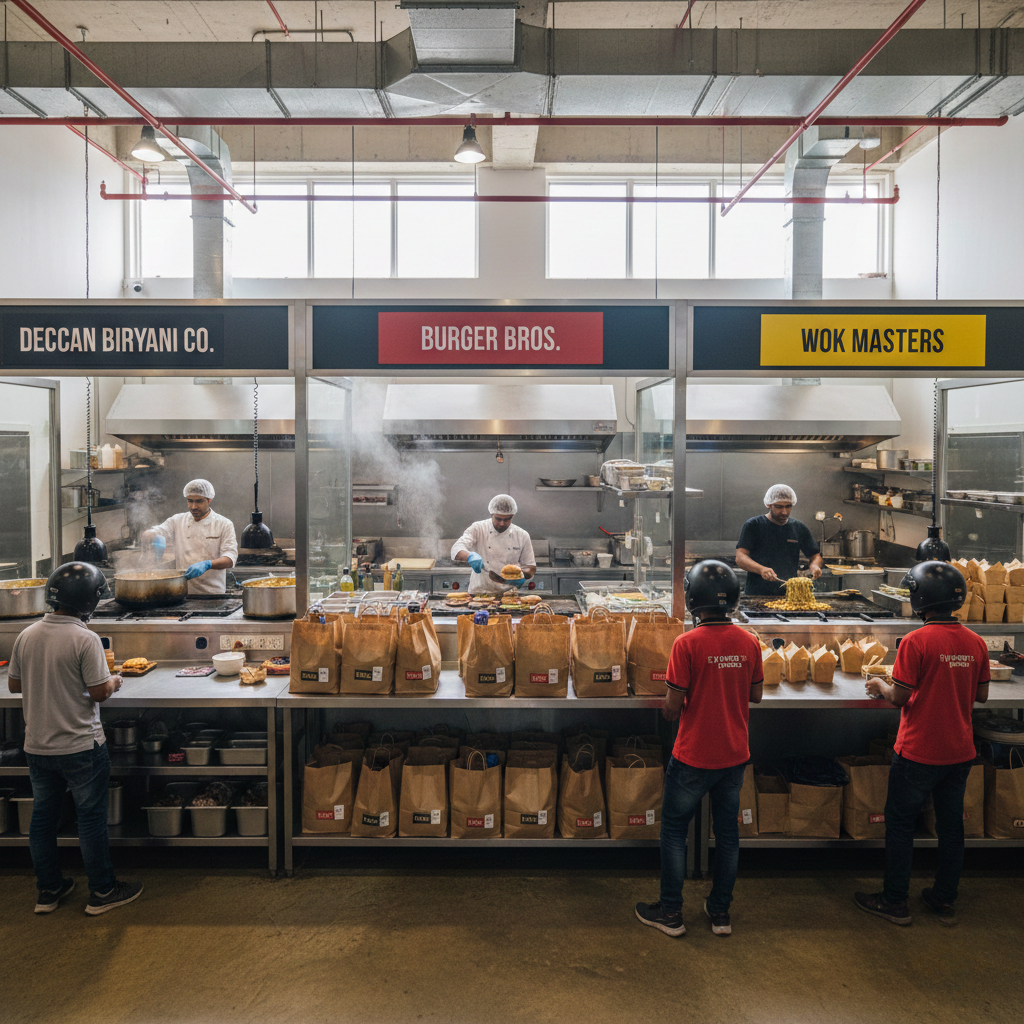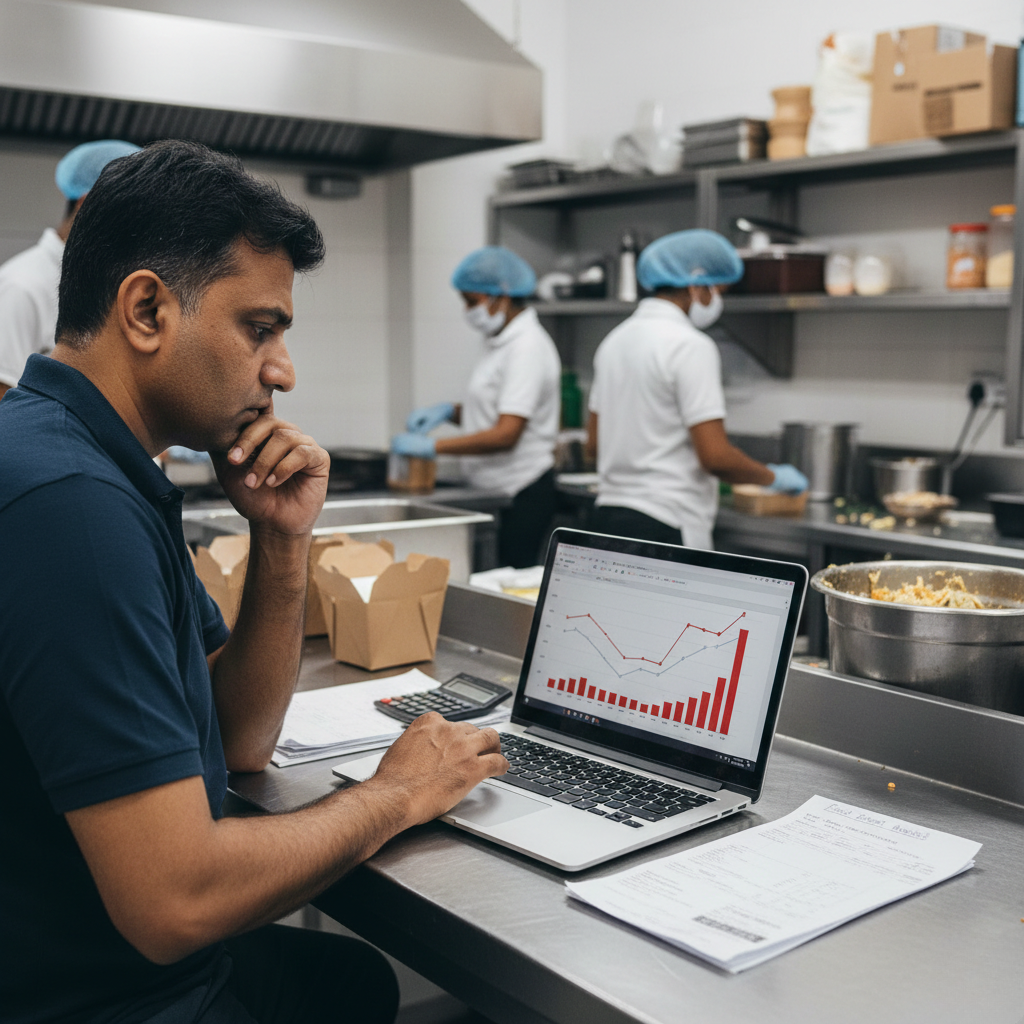
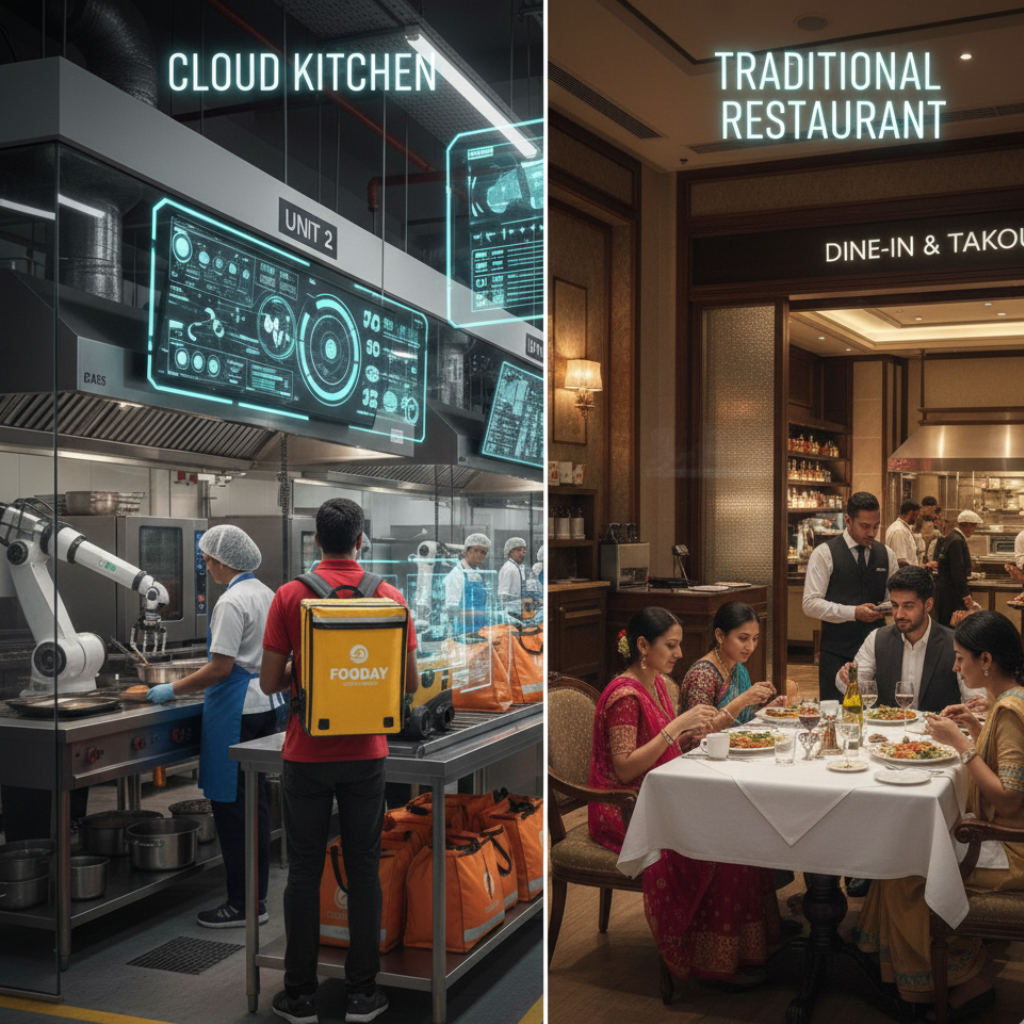
The debate of cloud kitchen vs restaurant in India has become increasingly relevant as food entrepreneurs evaluate cost, scalability, and long-term sustainability. While traditional restaurants focus on dine-in experience, cloud kitchens prioritise delivery efficiency and system-led operations. This guide compares cloud kitchens vs restaurants in India across cost, operations, scalability, risk, and profitability.
Start Here Before Choosing Between Cloud Kitchen or Restaurant
This article is part of GrowKitchen’s cloud kitchen comparison and decision-making series. For a complete understanding of delivery-first food businesses, start with our pillar guide: Cloud Kitchen as a Service and our comprehensive guide on Cloud Kitchen Business in India.
For licensing and compliance requirements applicable to both models, always refer to FSSAI, GST Portal, and Udyam MSME.
Cloud Kitchen vs Restaurant: Understanding the Core Difference
A cloud kitchen is a delivery-only food business that operates without a dine-in facility. It focuses on kitchen efficiency, packaging, and fast delivery.
A restaurant, on the other hand, is designed around customer experience, ambience, service staff, and walk-in discovery in addition to food quality.
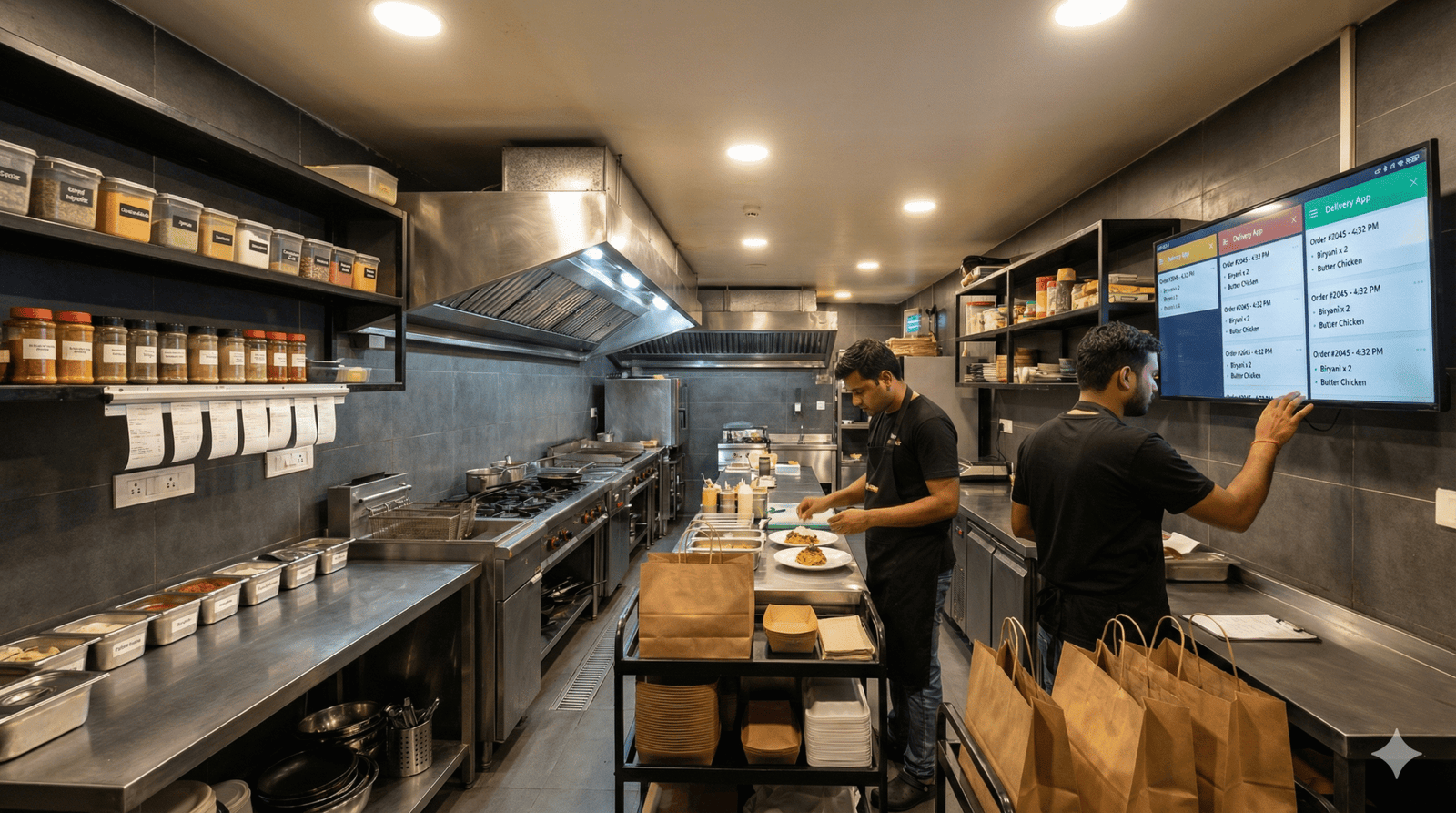
Startup Cost: Cloud Kitchen vs Restaurant in India
One of the biggest differences between a cloud kitchen and a restaurant in India is startup cost.
Cloud kitchens typically require lower capital investment because there is no need for expensive interiors, dining furniture, or front-of-house staff.
Restaurants require higher upfront investment due to real estate, interior design, service staff, and compliance for dine-in operations.
Operations: Efficiency vs Experience
Cloud kitchen operations are system-driven. SOPs define prep, portioning, packing, and dispatch. Operational consistency directly affects ratings and visibility.
Restaurants operate with a dual focus—kitchen execution and front-of-house service. This adds complexity in staffing, training, and daily management.
For cloud kitchens, SOPs are non-negotiable: Cloud Kitchen SOP Checklist.
Scalability: Cloud Kitchen vs Restaurant in India
Cloud kitchens are generally easier to scale because they rely on repeatable systems rather than physical experience. A successful kitchen model can be replicated across locations with consistent SOPs.
Restaurants are harder to scale because customer experience, service quality, and location dynamics vary significantly. Scaling often requires higher capital and stronger management depth.
Learn structured scaling methods here: How to Scale Cloud Kitchens.
Business Risk and Failure Rate
Cloud kitchens have lower financial risk due to reduced fixed costs. However, they face platform dependency and intense competition.
Restaurants face higher financial risk because of long lease terms, higher fixed expenses, and slower break-even timelines.
Many cloud kitchens fail due to poor systems, not lack of demand: Why Cloud Kitchens Fail in India.
Profitability Comparison
Cloud kitchen profitability depends on unit economics, delivery efficiency, and repeat orders. Margins can be strong if food cost and refunds are controlled.
Restaurants rely on a mix of dine-in volume, upselling, and experience-led pricing. Profitability is often slower but more stable once brand loyalty is built.
Who Should Choose Cloud Kitchen vs Restaurant?
Choosing between a cloud kitchen and a restaurant depends on founder mindset, capital, and long-term goals.
- Cloud kitchen suits: system-driven founders, delivery-first brands, multi-brand operators
- Restaurant suits: experience-led brands, hospitality-focused founders, premium dining concepts
Future Outlook: Cloud Kitchen vs Restaurant in India
Cloud kitchens and restaurants will coexist in India. Cloud kitchens will dominate convenience-driven consumption, while restaurants will remain relevant for social and experiential dining.
Hybrid models combining dine-in and delivery-first kitchens may become more common in the future.
Final Verdict: Cloud Kitchen vs Restaurant
There is no universal winner in the cloud kitchen vs restaurant debate. Each model serves a different purpose and founder profile.
Cloud kitchens offer faster scalability and lower risk, while restaurants offer brand depth and experiential value. The right choice depends on execution capability and long-term vision.
FAQs: Cloud Kitchen vs Restaurant in India
Is a cloud kitchen better than a restaurant in India?
It depends on goals. Cloud kitchens suit delivery-first businesses, while restaurants suit experience-led brands.
Which is more profitable: cloud kitchen or restaurant?
Cloud kitchens can achieve faster profitability, but restaurants may build stronger long-term brand equity.
Can a restaurant run a cloud kitchen?
Yes. Many restaurants operate cloud kitchen brands alongside dine-in operations.
Which model is easier to scale?
Cloud kitchens are generally easier to scale due to system-led replication.
- Cloud Kitchen Business in India
- How to Start a Cloud Kitchen
- Cloud Kitchen SOP Checklist
- Why Cloud Kitchens Fail