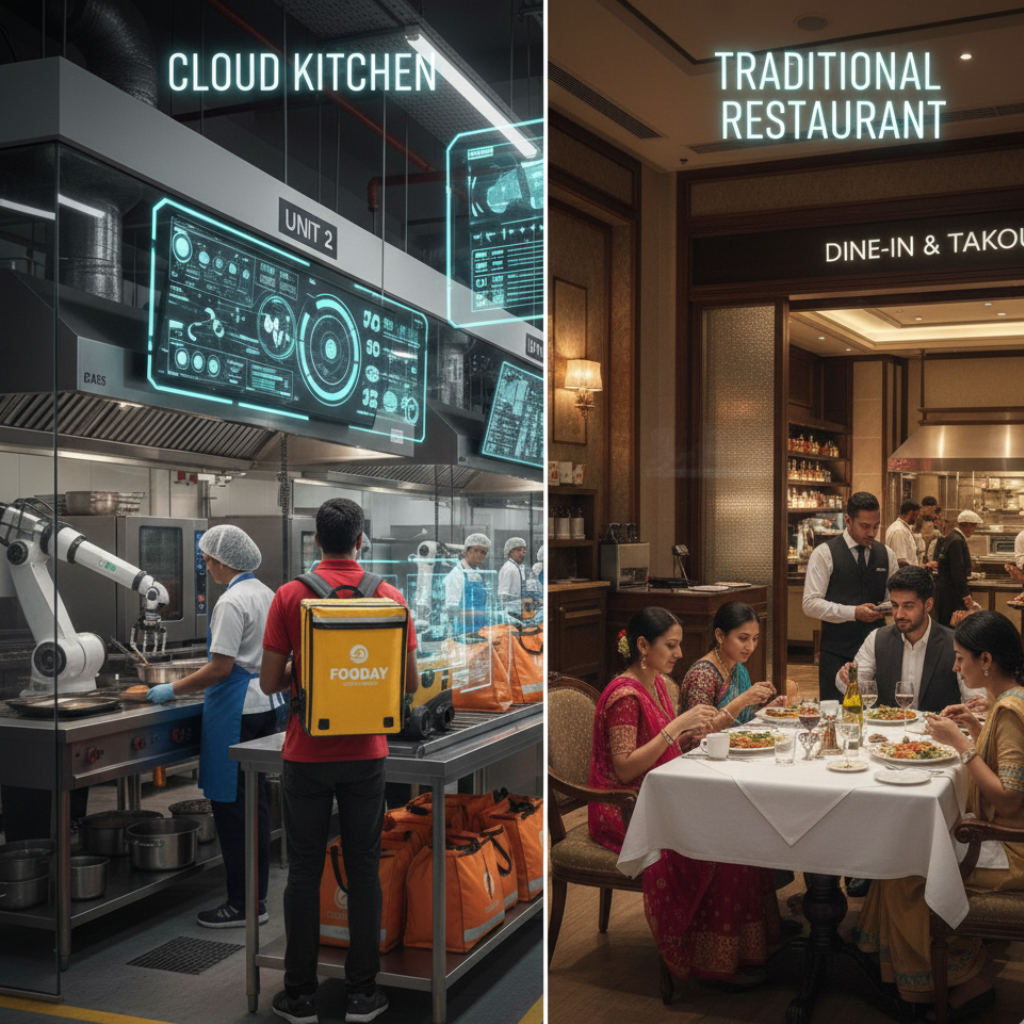
Starting a food business in India has never been more exciting-or confusing. With changing consumer habits, rising real estate costs, and the dominance of food delivery apps, entrepreneurs now face a critical question: Should you open a cloud kitchen or a traditional restaurant?
In this 2025 guide, we compare cloud kitchens and restaurants across investment, profitability, risk, scalability, and long-term sustainability-so you can make a practical, informed decision.
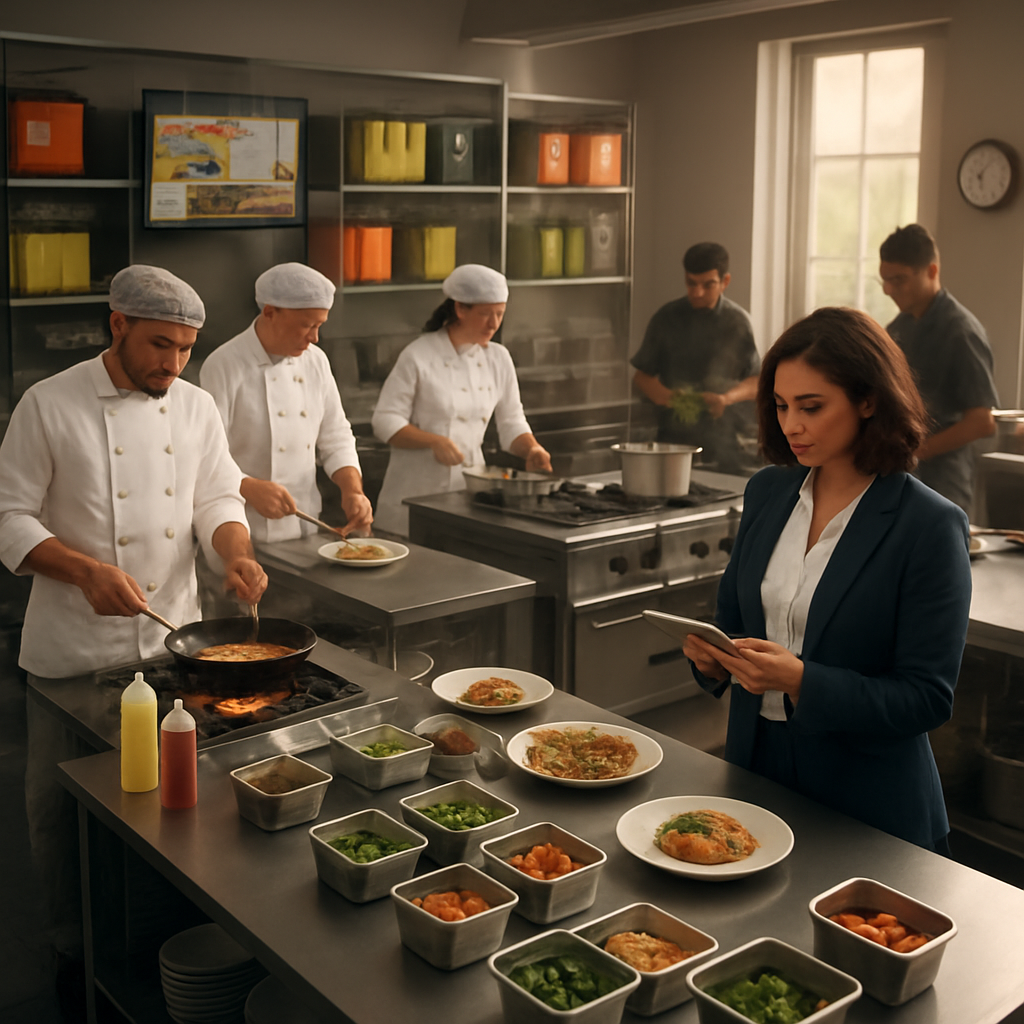
Understanding the Two Food Business Models
What Is a Cloud Kitchen?
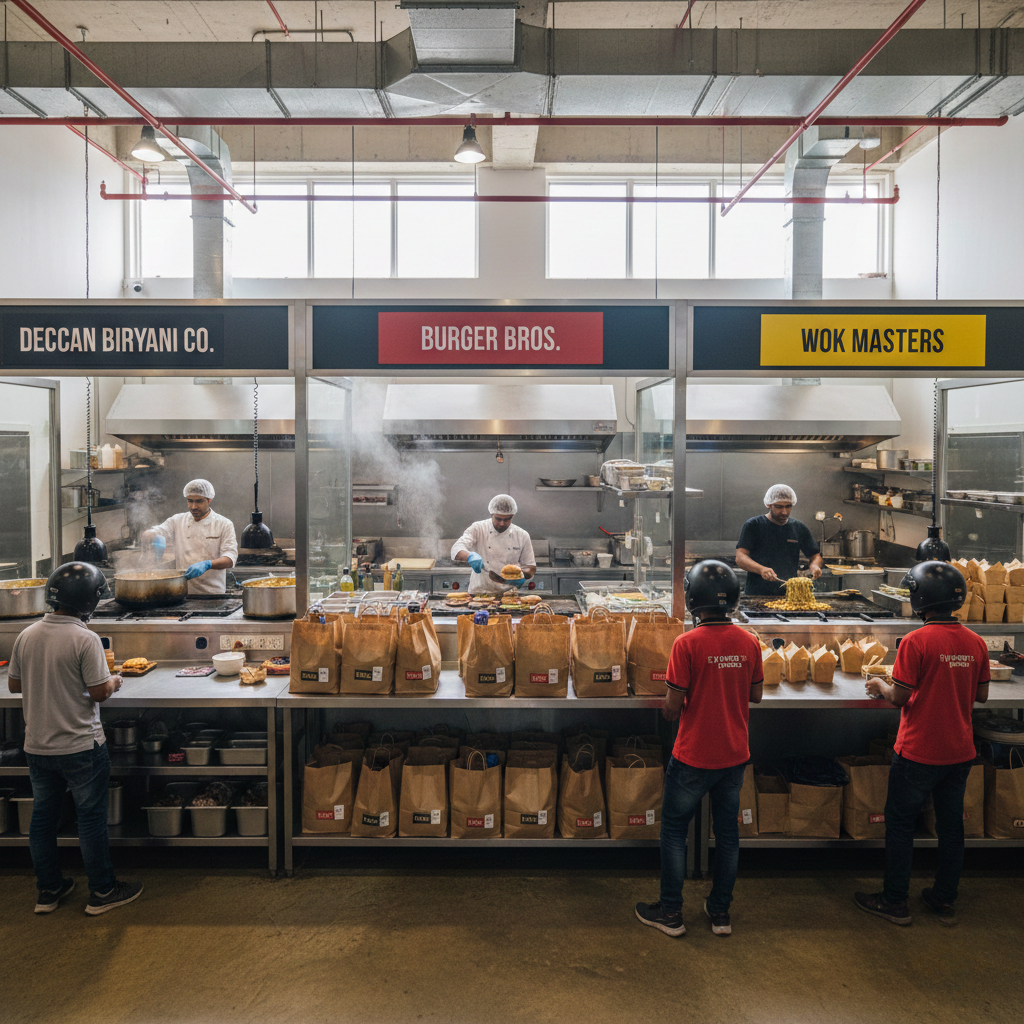
A cloud kitchen is a delivery-only food business with no dine-in space. Orders are received through food delivery platforms or direct online channels, and operations focus purely on food preparation and dispatch.
Cloud kitchens prioritize efficiency, lower fixed costs, and faster scalability.
What Is a Traditional Restaurant?
A restaurant operates with a dine-in facility, front-of-house staff, interiors, and a physical location designed to attract walk-in customers.
Restaurants rely on ambience, service, and in-person experience in addition to food quality.
Initial Setup Cost Comparison (India)
| Cost Factor | Cloud Kitchen | Restaurant |
|---|---|---|
| Initial Investment | ₹5–10 lakh | ₹25–60 lakh |
| Real Estate Cost | Low | High (prime location) |
| Interiors & Ambience | Minimal | Very High |
| Staff Requirement | Low | High |
For budget-conscious entrepreneurs, cloud kitchens clearly offer a lower barrier to entry.
Operational Complexity
Restaurants are operationally complex businesses. They require front-of-house staff, customer service management, inventory coordination, hygiene control, and daily footfall planning.
Cloud kitchens eliminate many of these challenges by focusing only on food production. This makes them easier to manage, especially for first-time founders.
Profit Margins & Monthly Earnings
Profitability is one of the biggest deciding factors. Here’s how the two models typically compare:
- Cloud Kitchen: 15%–30% net profit margin
- Restaurant: 8%–15% net profit margin
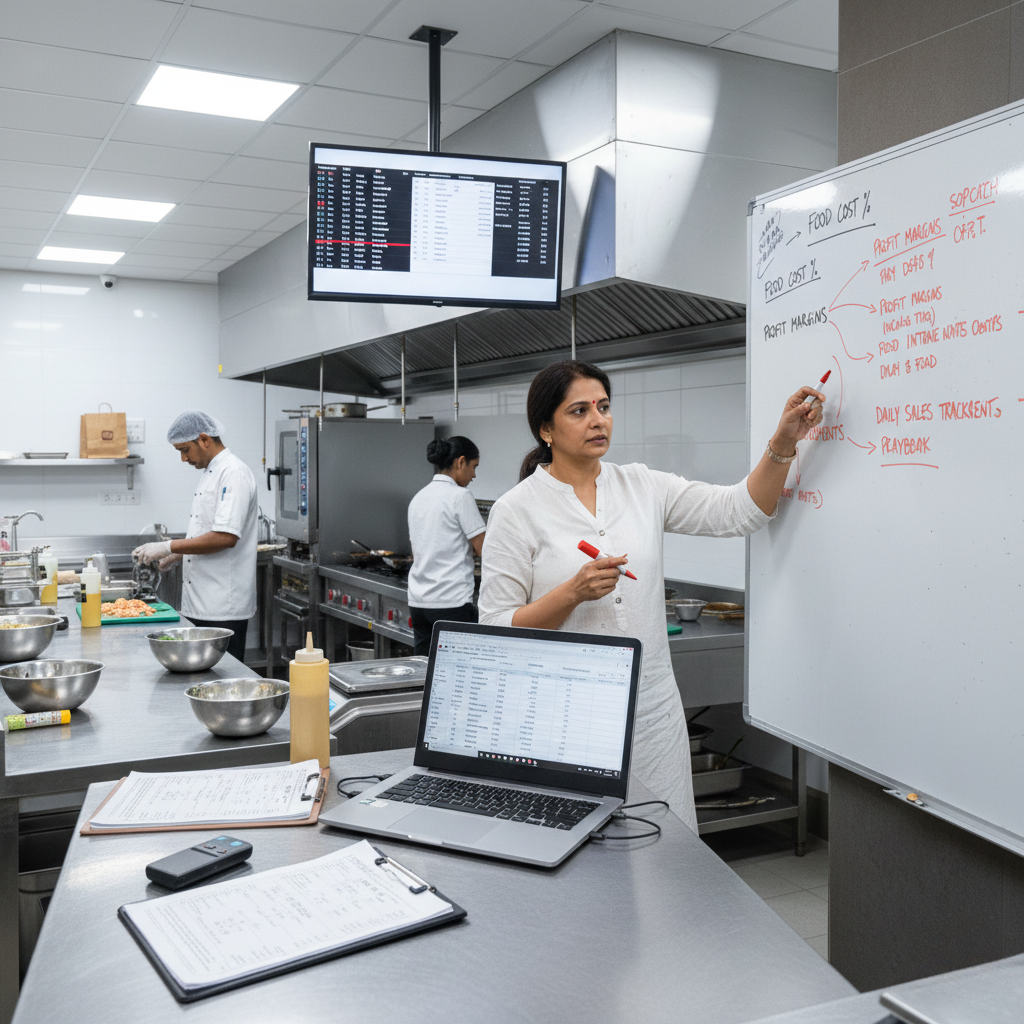
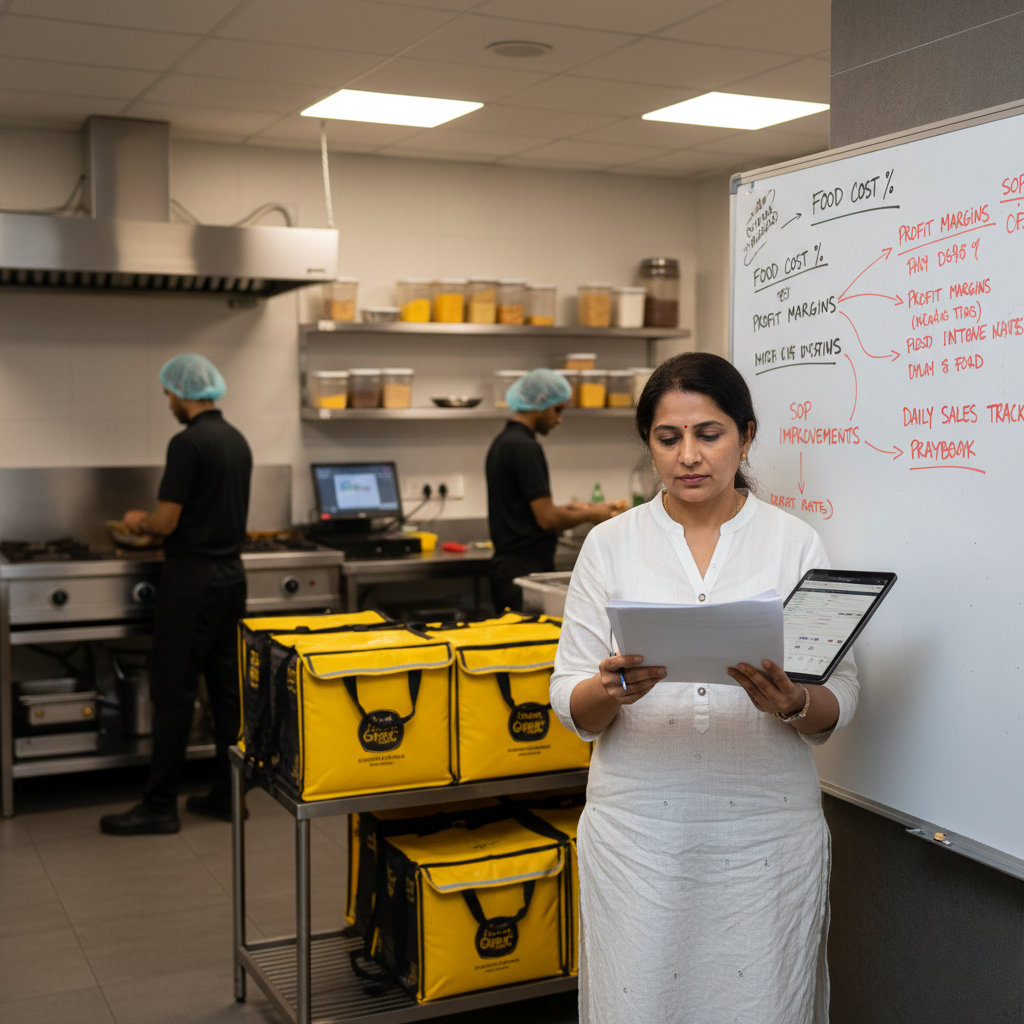
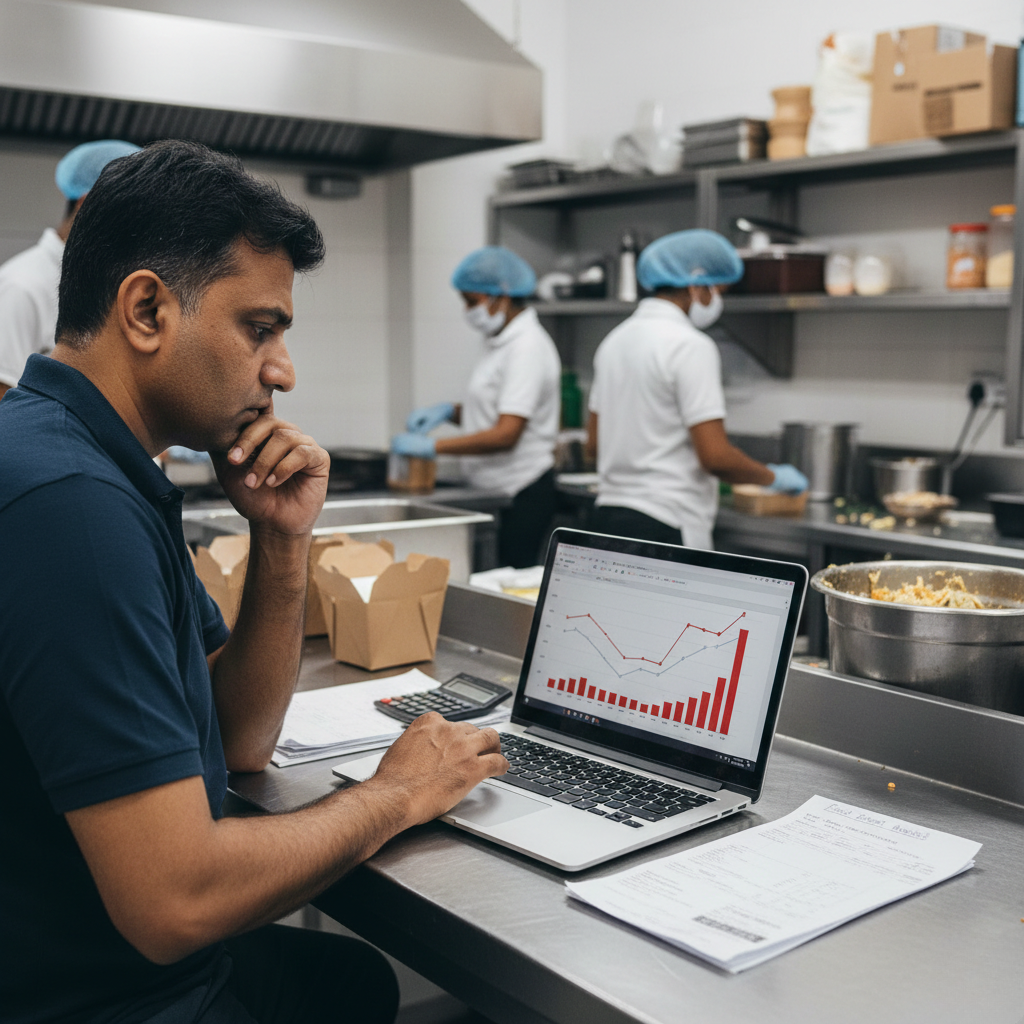
Restaurants have higher revenue potential per outlet, but their fixed costs significantly reduce net margins. Cloud kitchens benefit from lean operations and faster break-even.
Changing Customer Behavior in 2025
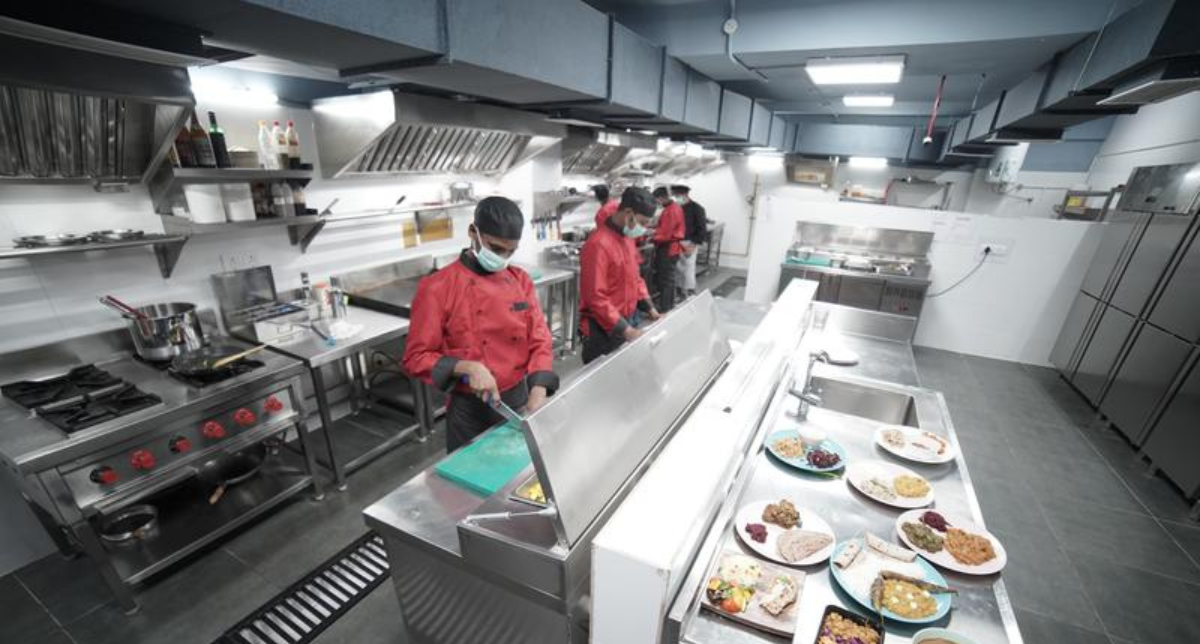
Indian consumers are increasingly comfortable ordering food online. Convenience, speed, and discounts often matter more than dining ambience.
This shift has fueled the growth of delivery-first brands, making cloud kitchens more relevant than ever in 2025.
Risk & Failure Rate
Restaurants carry higher financial risk due to:
- High fixed monthly costs
- Dependence on footfall
- Longer break-even timelines
Cloud kitchens involve lower sunk costs. If a concept fails, owners can pivot menus, brands, or cuisines quickly.
Scalability & Expansion
Scaling a restaurant usually means opening another outlet, which requires new real estate, staff, and capital.
Cloud kitchens scale differently:
- Multiple brands from one kitchen
- Expansion via delivery hubs
- Data-driven menu optimization
This makes cloud kitchens far more scalable in the Indian market.
Brand Building: Online vs Offline
Restaurants build brands through physical experience-ambience, service, and location. Cloud kitchens build brands digitally through packaging, ratings, social media, and consistency.
In 2025, strong digital branding often delivers faster reach than physical presence.
Industry Insight
According to data shared by India Brand Equity Foundation, India’s food services market continues to grow, with delivery-led formats expanding faster than dine-in.
Final Verdict: Which Is Better in India (2025)?
- Choose a Cloud Kitchen if: You want lower investment, faster break-even, and scalability
- Choose a Restaurant if: You want a premium dining experience and long-term brand presence
In 2025, cloud kitchens are generally the better option for new entrepreneurs, while restaurants suit experienced operators with higher capital.
Frequently Asked Questions (FAQs)
1. Is a cloud kitchen more profitable than a restaurant?
Yes, cloud kitchens usually have higher net profit margins due to lower fixed costs.
2. Can a restaurant also run a cloud kitchen?
Yes, many restaurants operate cloud kitchen brands alongside dine-in operations.
3. Which model breaks even faster?
Cloud kitchens typically break even faster than restaurants.
4. Are restaurants still relevant in 2025?
Yes, but mainly for premium dining, experiences, and social occasions.
5. What is better for first-time entrepreneurs?
Cloud kitchens are generally better for first-time food business owners.
People Also Read
- Cloud Kitchen Setup Cost in India
- How Much Does a Cloud Kitchen Earn Per Month?
- How Many Orders Are Needed to Break Even?
- Franchise vs Cloud Kitchen: Which Is Better?