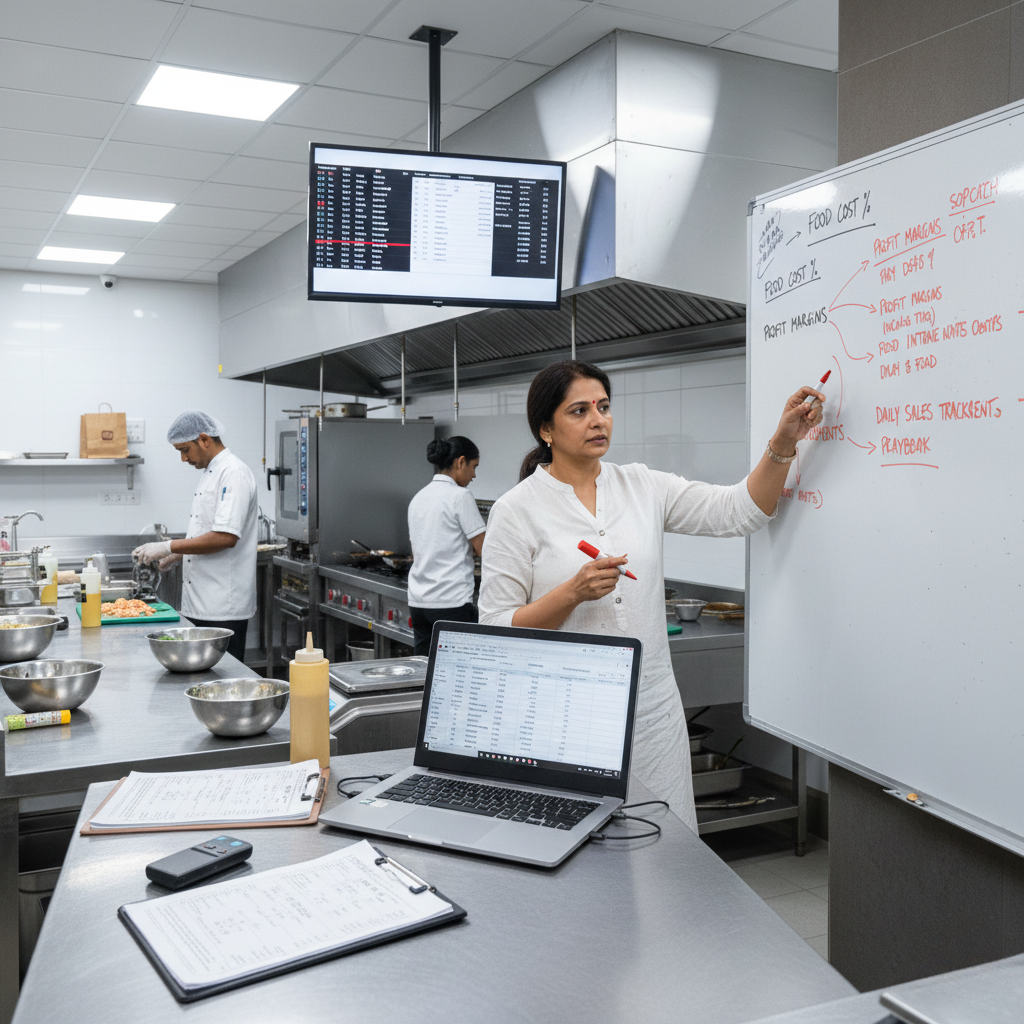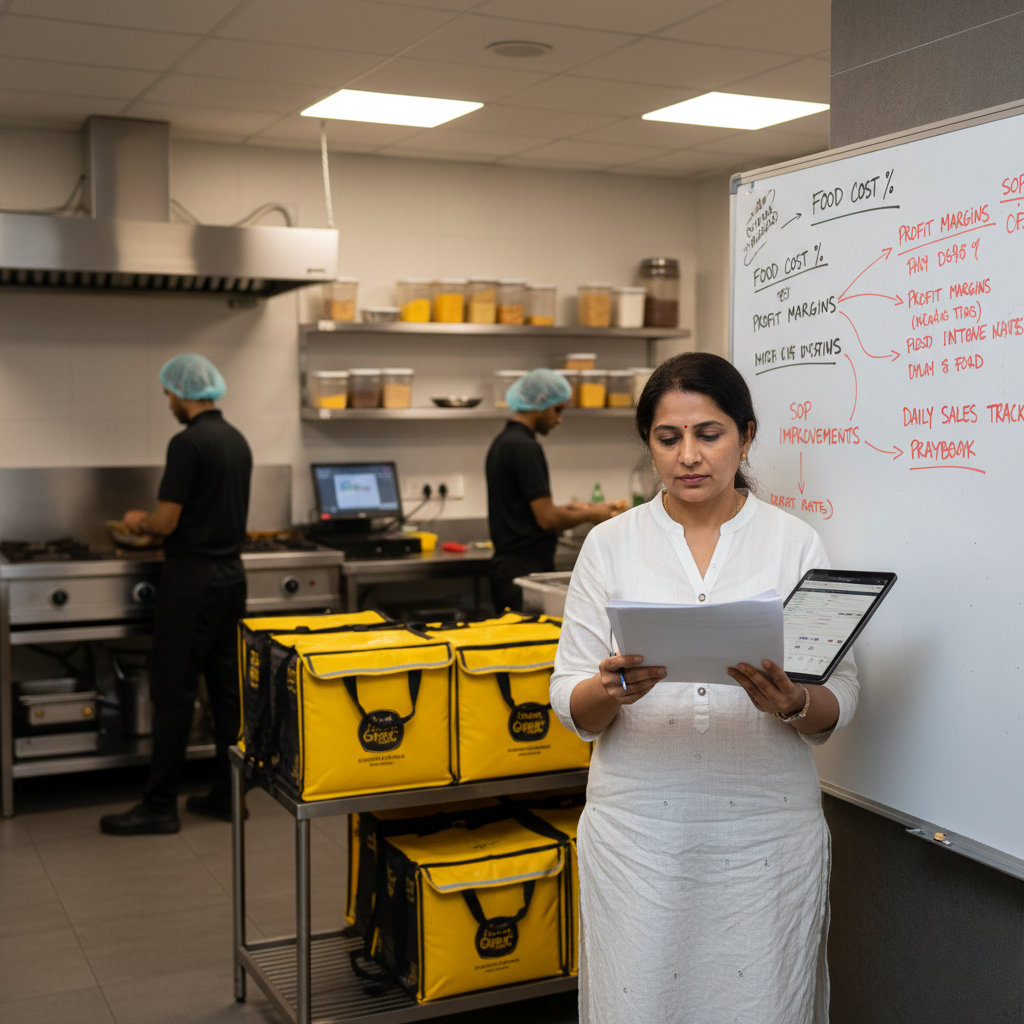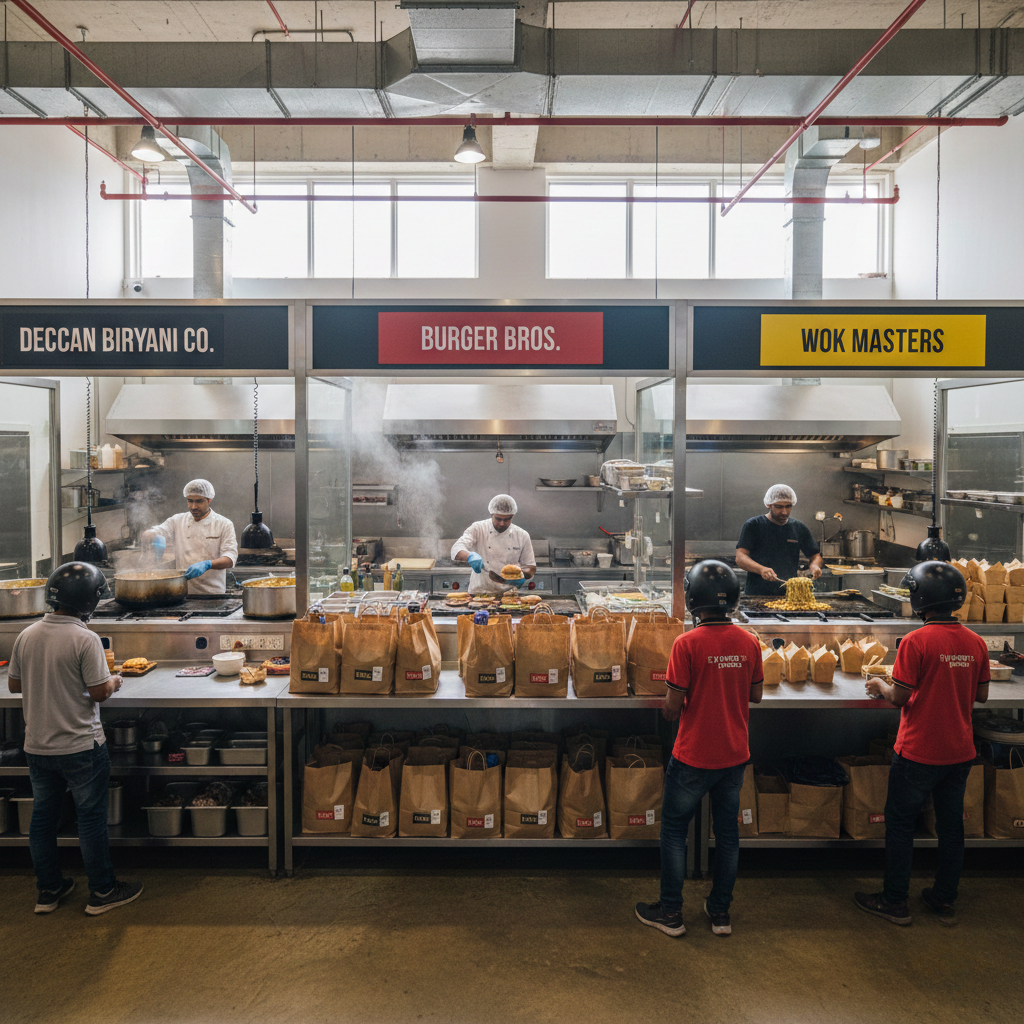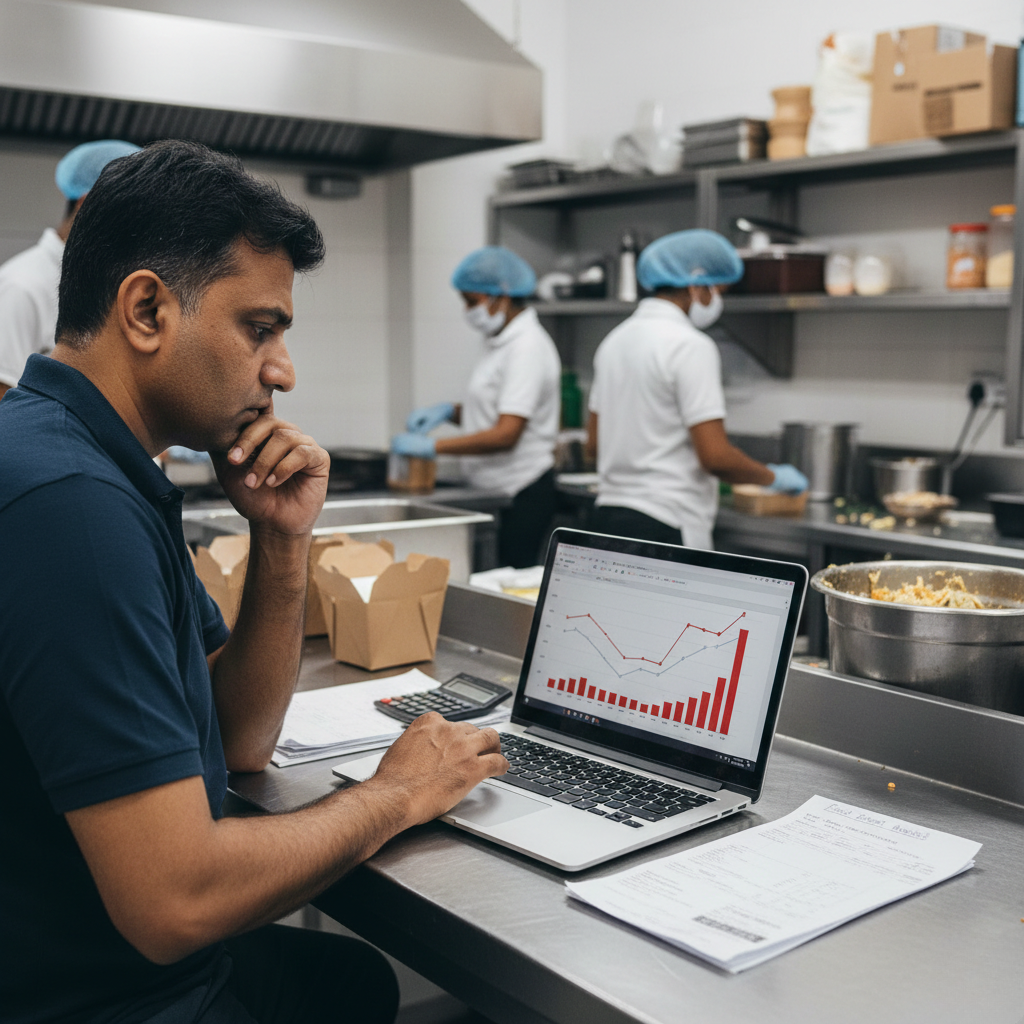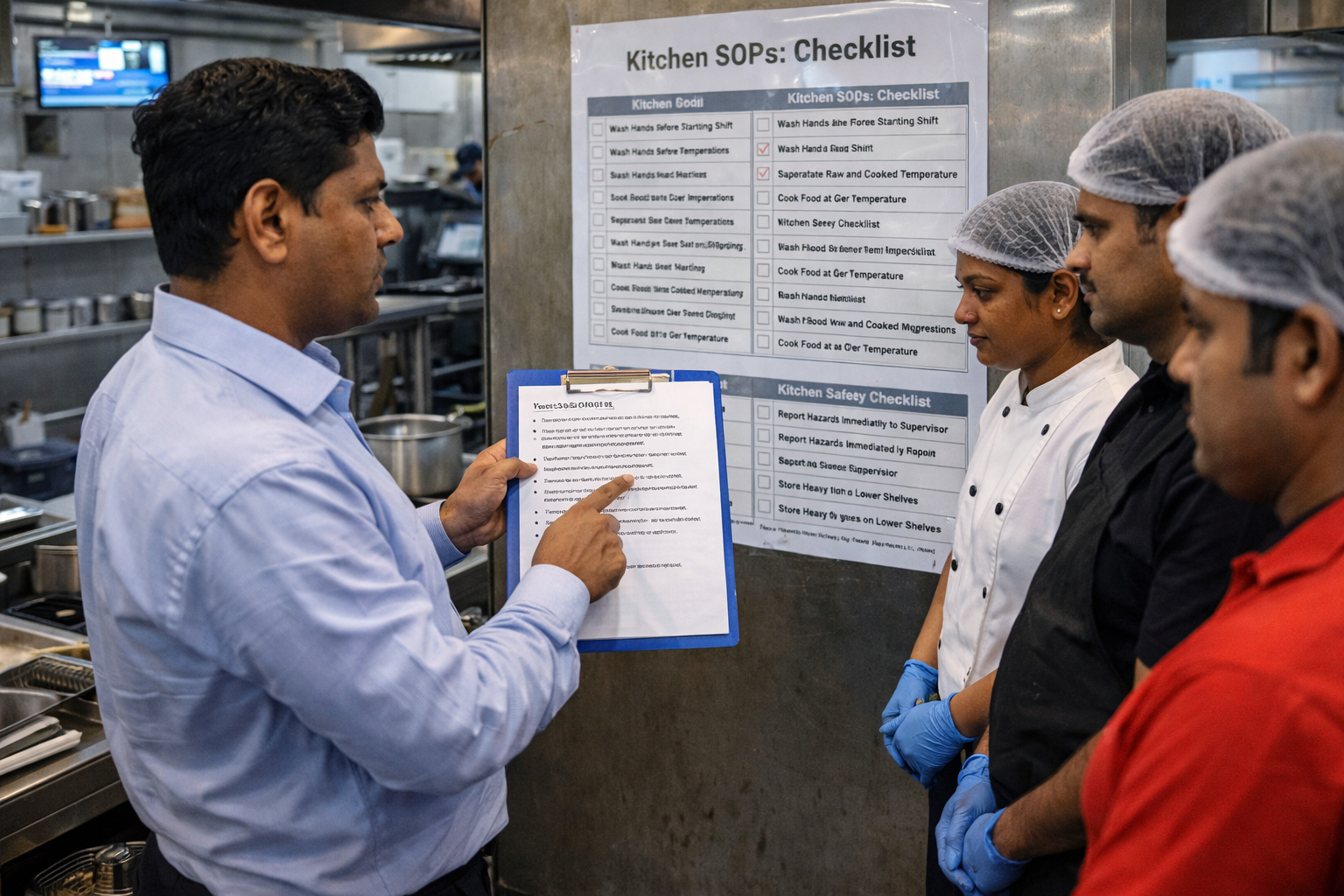
In the cloud kitchen business, success is not driven by recipes alone—it is driven by systems. Standard Operating Procedures (SOPs) form the backbone of every successful cloud kitchen, ensuring consistency, cost control, quality assurance, and scalability.
This guide explains cloud kitchen SOPs in detail and shows how founders can build a structured framework to run profitable and scalable kitchens across locations.
What Are Cloud Kitchen SOPs?
Cloud kitchen SOPs are documented, step-by-step instructions that define how every task in the kitchen should be performed. These procedures cover food preparation, hygiene, inventory handling, order processing, packaging, and customer service.
Since cloud kitchens often operate multiple brands, shifts, and locations, SOPs ensure uniformity regardless of who is working or where the kitchen is located.
Why SOPs Are Critical for Cloud Kitchens
Without SOPs, cloud kitchens face operational chaos—leading to inconsistent food quality, high wastage, delayed orders, and negative reviews.
- Consistent taste and portion control
- Reduced food and manpower costs
- Faster onboarding of new staff
- Smooth expansion to new locations
SOP-driven kitchens are easier to monitor, audit, and scale profitably.
Kitchen & Food Preparation SOPs
Kitchen SOPs define how food is prepared, cooked, and plated (or packed). These procedures are essential for maintaining brand consistency.
Key kitchen SOP elements include:
- Standardized recipes with measurements
- Cooking time and temperature guidelines
- Portion size control
- Plating and packaging standards
Clear instructions reduce dependency on individual chefs and prevent taste variations.
Food Safety & Hygiene SOPs
Food safety SOPs protect both customers and the business. Poor hygiene can lead to license cancellation and brand damage.
- Daily kitchen cleaning schedules
- Personal hygiene standards for staff
- Raw and cooked food segregation
- Waste disposal procedures
Founders should follow compliance guidelines published on the FSSAI official website.
Inventory & Procurement SOPs
Inventory SOPs help reduce wastage and prevent stock shortages. They define how ingredients are ordered, stored, and consumed.
- Vendor approval and quality checks
- Daily stock reconciliation
- FIFO (First-In-First-Out) method
- Minimum and maximum stock levels
Well-defined inventory SOPs directly improve kitchen profitability.
Order Management & Packaging SOPs
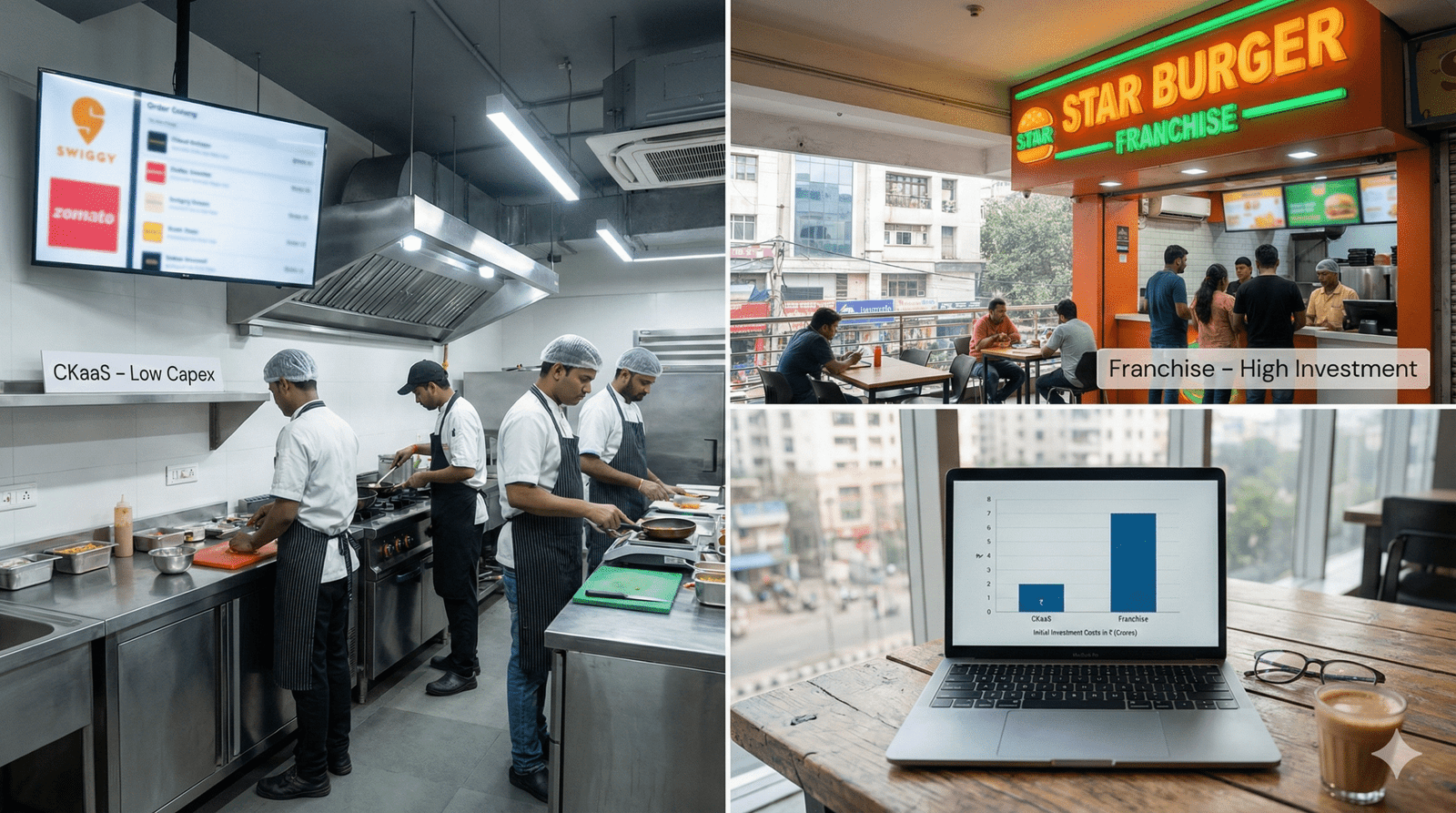
Order SOPs ensure speed and accuracy from order receipt to dispatch. Even minor mistakes can lead to refunds and poor ratings.
- Order acceptance timelines
- Kitchen queue prioritization
- Packaging material standards
- Labeling and sealing guidelines
Consistent packaging SOPs also enhance brand perception and customer trust.
Staff Training & Workforce SOPs
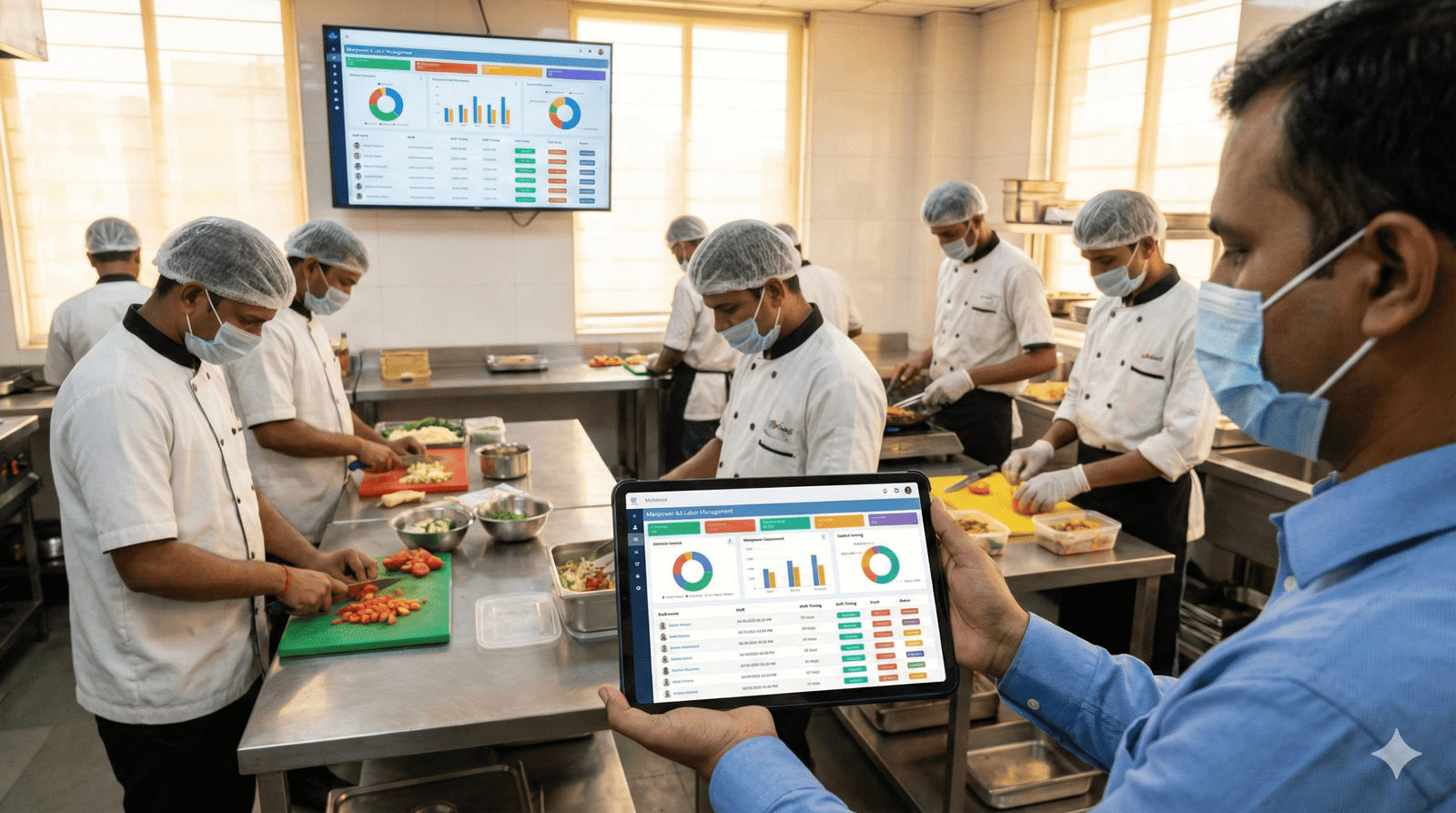
Staff SOPs define roles, responsibilities, and performance standards. They are especially useful for high-turnover kitchen environments.
- Onboarding and training checklists
- Shift scheduling guidelines
- Performance evaluation criteria
- Disciplinary and escalation processes
Well-trained teams execute SOPs more efficiently, reducing operational errors.
Technology & Reporting SOPs
Technology SOPs define how POS systems, dashboards, and reports are used daily.
- Order aggregation system usage
- Daily sales and wastage reports
- Inventory and vendor tracking
- Customer feedback monitoring
According to industry insights from Restaurant India, SOP-driven kitchens using technology scale faster with fewer errors.
Using SOPs to Scale Cloud Kitchens
SOPs make cloud kitchens scalable. When processes are documented and repeatable, founders can replicate success across multiple locations.
- Uniform brand experience
- Centralized monitoring
- Lower training costs
- Faster new kitchen launches
Without SOPs, expansion usually results in loss of control and declining profitability.
Frequently Asked Questions (FAQ)
What are SOPs in a cloud kitchen?
SOPs are documented procedures that define how daily kitchen operations should be performed to ensure consistency and efficiency.
Are SOPs mandatory for cloud kitchens?
While not legally mandatory, SOPs are essential for profitability, food safety, and scalability.
How often should cloud kitchen SOPs be updated?
SOPs should be reviewed every 6–12 months or whenever menus, processes, or regulations change.
Can SOPs help reduce cloud kitchen losses?
Yes, SOPs reduce wastage, errors, and inefficiencies—directly improving margins.
People Also Read
- Cloud Kitchen Operations Management in India
- End-to-End Cloud Kitchen Setup in India
- Cloud Kitchen Expansion Strategy in India
- Challenges of Cloud Kitchen Business in India