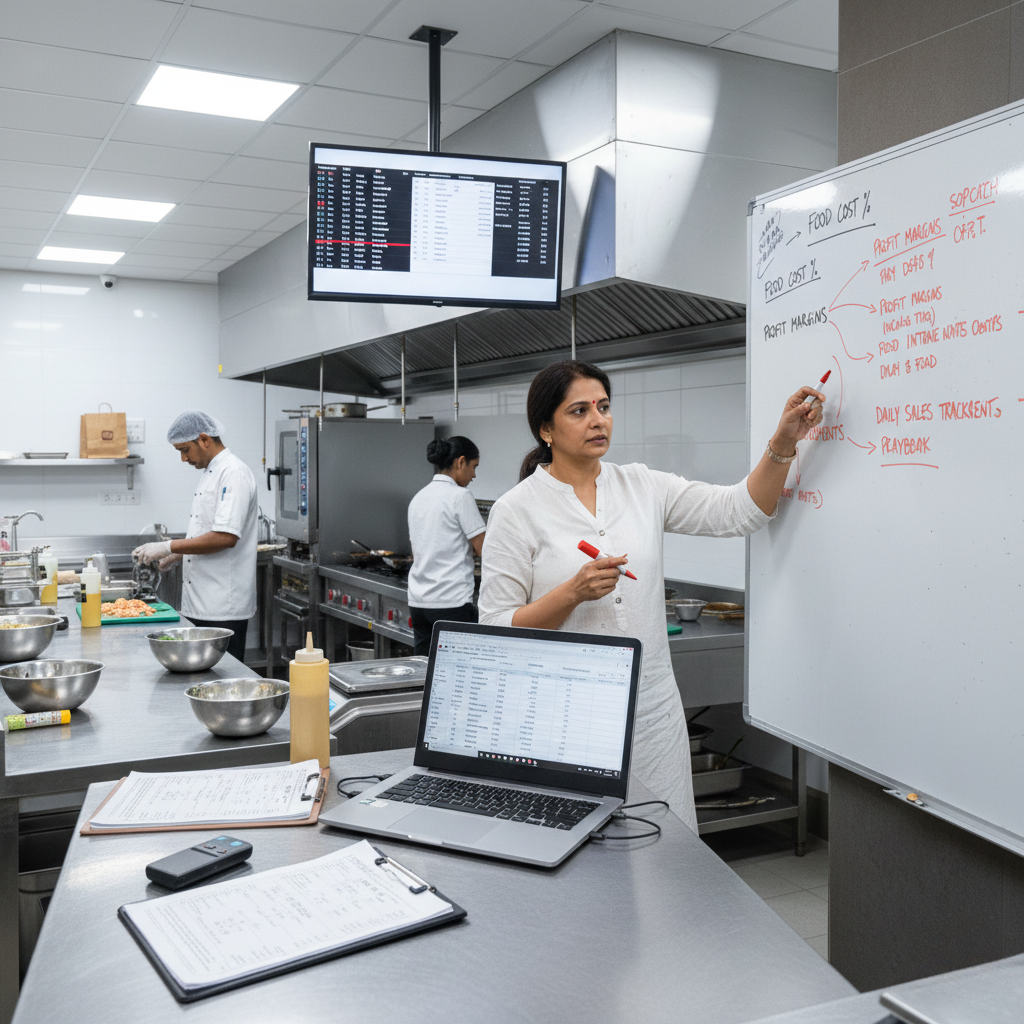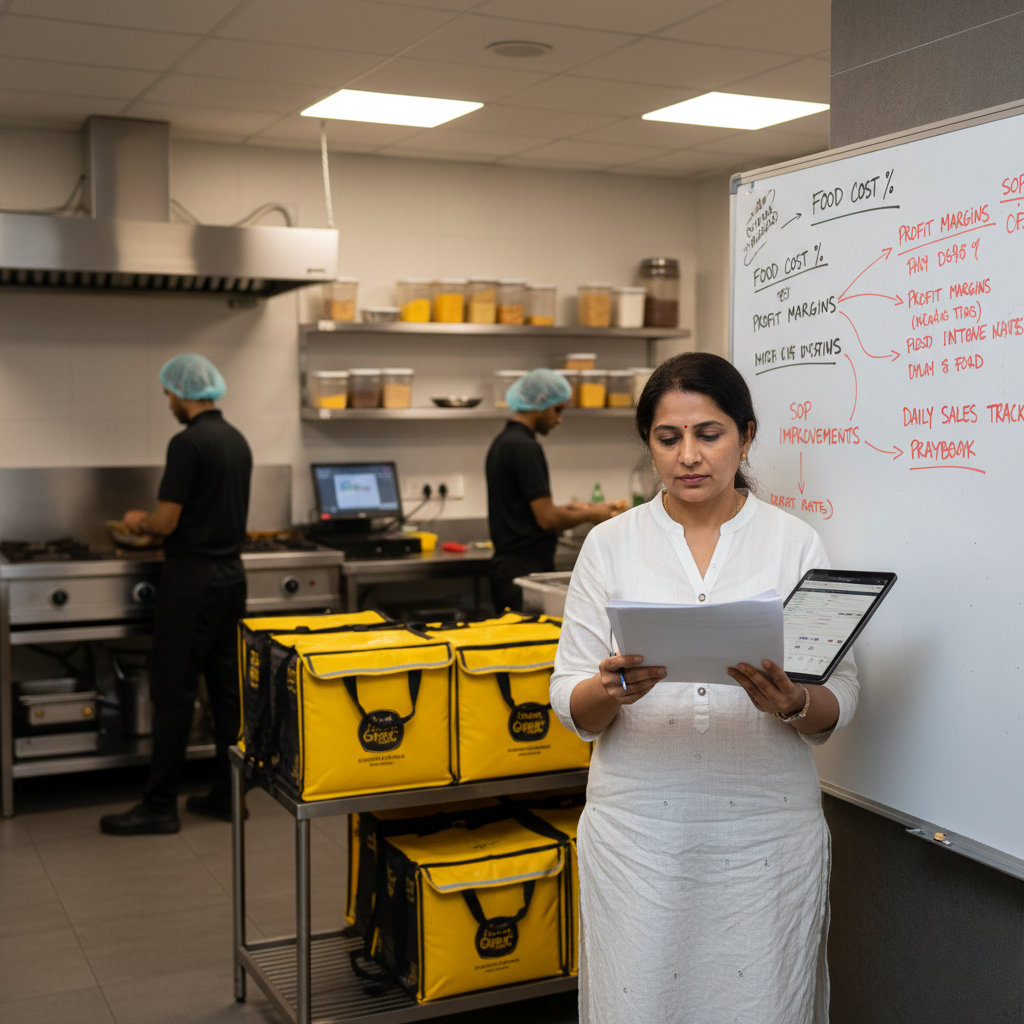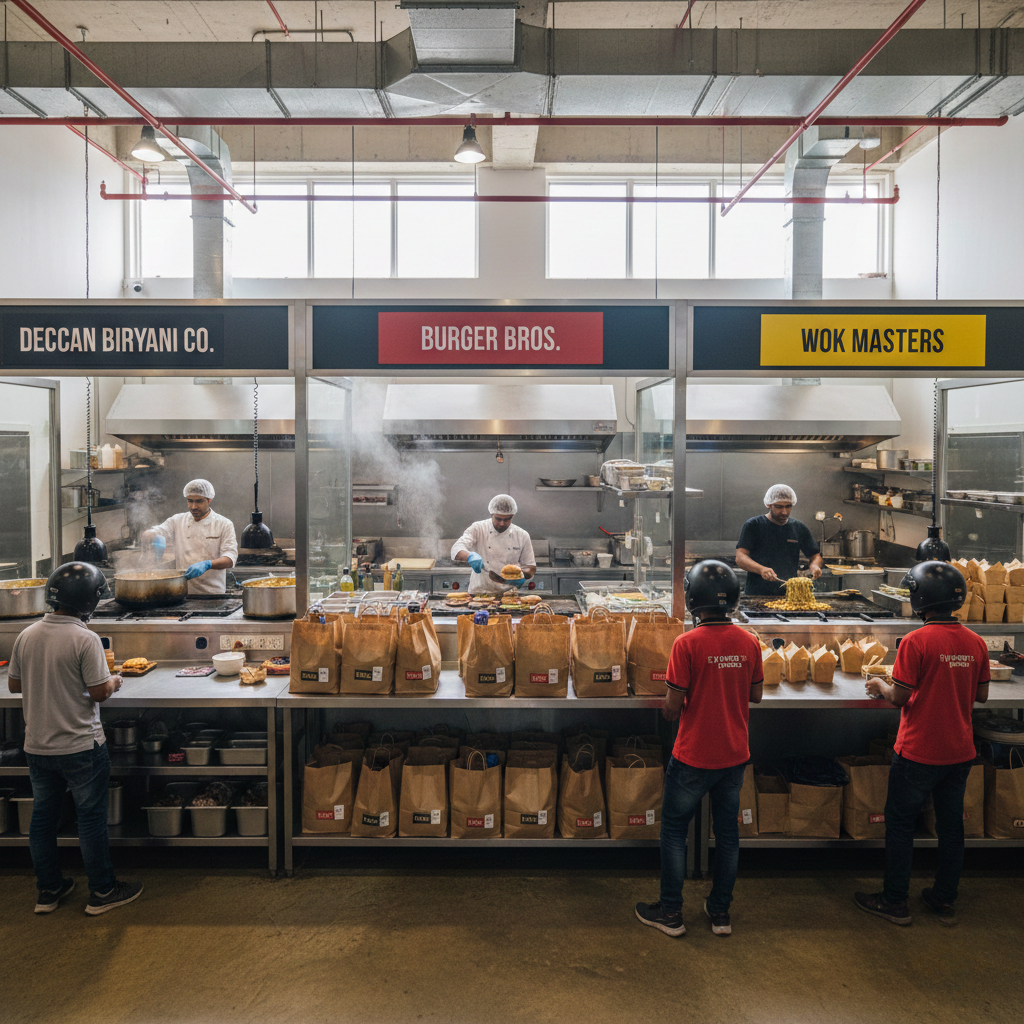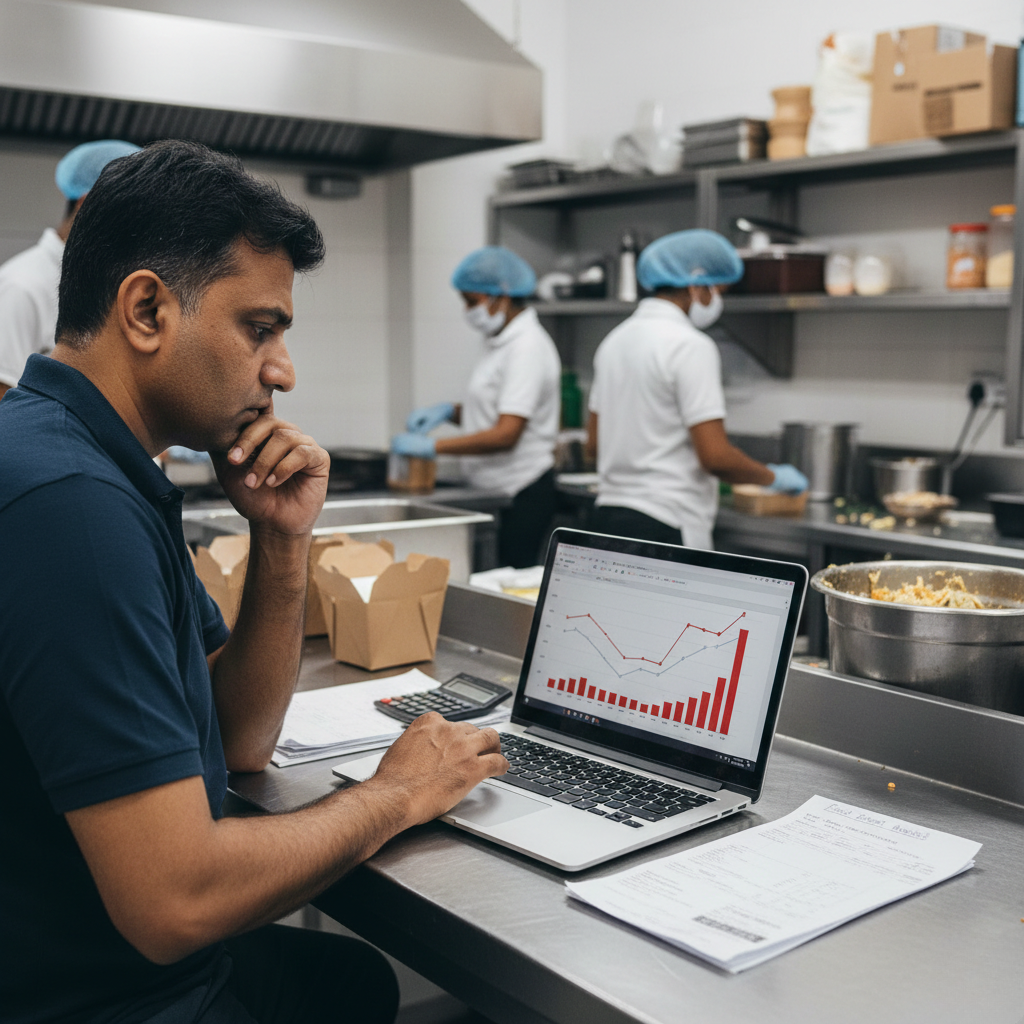
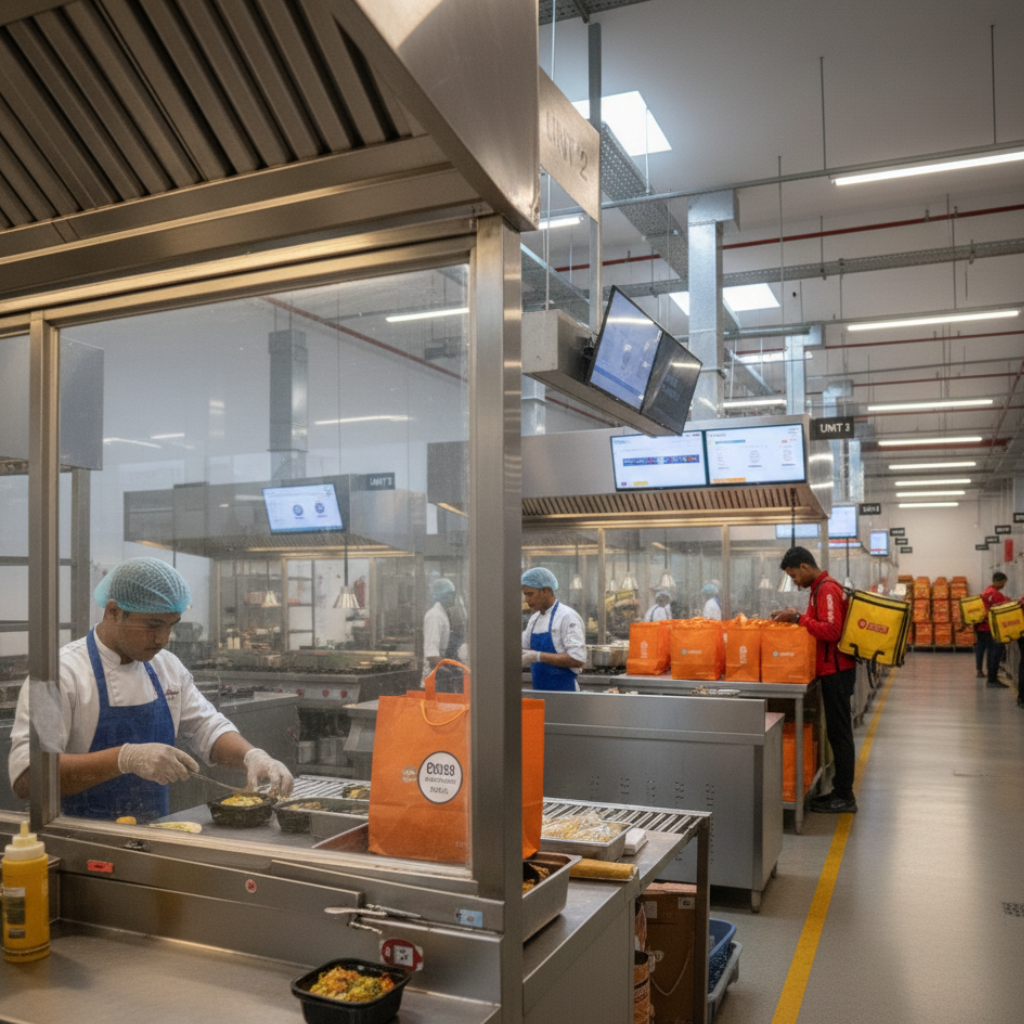
While launching a cloud kitchen in India may seem easy, long-term success depends entirely on how well operations are managed. Strong cloud kitchen operations management ensures consistent food quality, controlled costs, faster delivery, and scalability without chaos.
In this guide, we break down end-to-end cloud kitchen operations in India and explain why efficient backend management is the real driver of profitability.
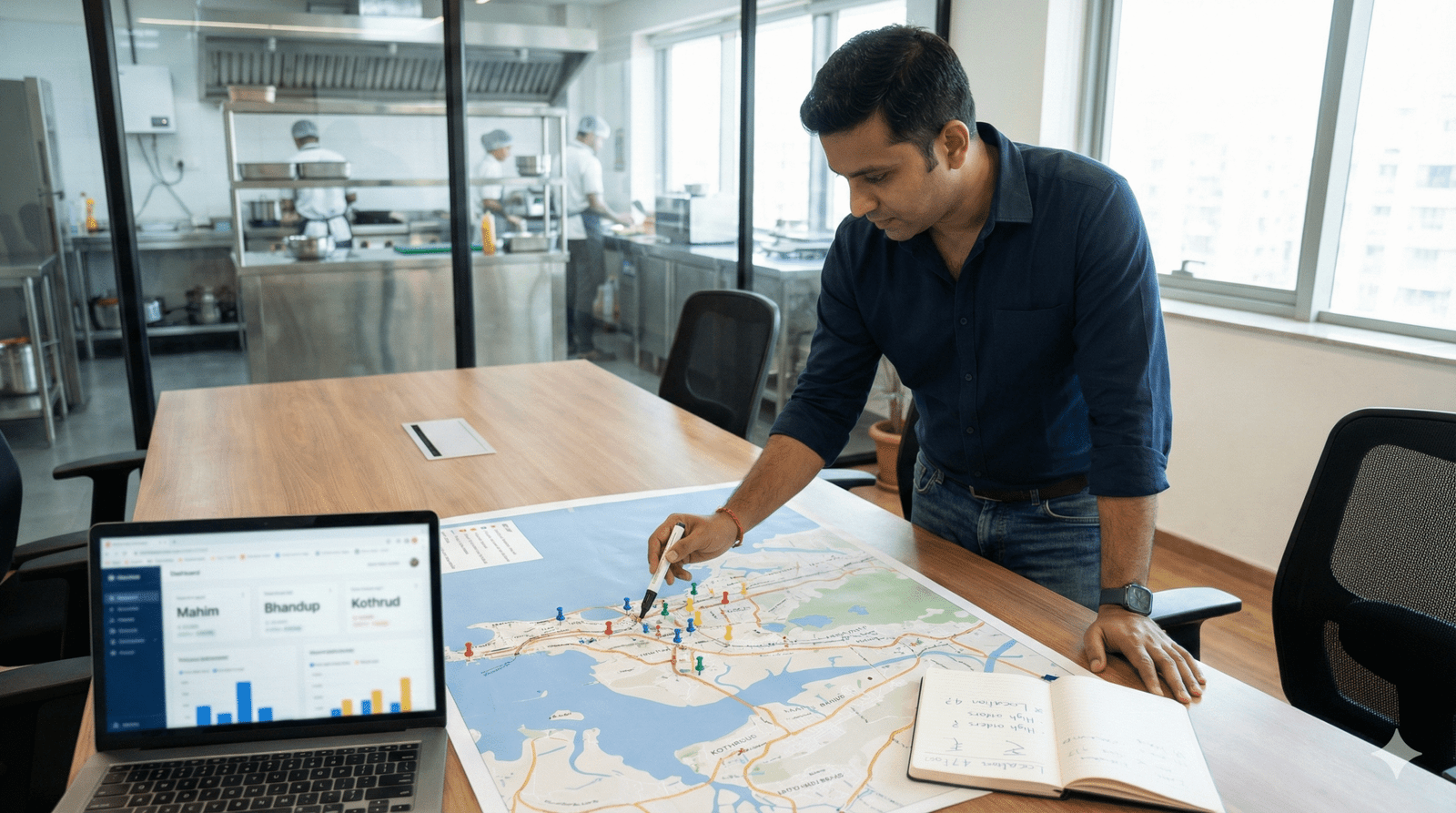
What Is Cloud Kitchen Operations Management?
Cloud kitchen operations management refers to the systematic handling of daily activities involved in running a delivery-only kitchen. This includes order processing, food preparation, inventory control, staff management, packaging, dispatch, and quality monitoring.
Since cloud kitchens operate on thin margins, even small inefficiencies can significantly impact profits.
Why Operations Are Critical for Cloud Kitchens
Unlike traditional restaurants, cloud kitchens depend on speed, accuracy, and consistency. Poor operations can lead to delayed orders, wrong packaging, food wastage, and negative customer reviews.
- Higher customer satisfaction
- Lower food and manpower costs
- Smooth multi-brand management
- Scalable expansion
Standard Operating Procedures (SOPs)
SOPs form the backbone of cloud kitchen operations. They ensure uniformity across staff shifts and locations.
Key SOP areas include:
- Recipe preparation and portion control
- Food hygiene and safety
- Order acceptance and cooking timelines
- Packaging and labeling
Documented SOPs also make it easier to train new staff and replicate operations across multiple kitchens.
Inventory & Raw Material Management
Inventory mismanagement is one of the biggest causes of losses in cloud kitchens. Overstocking increases wastage, while understocking leads to order cancellations.
Best practices include:
- Daily stock tracking
- First-In-First-Out (FIFO) method
- Vendor standardization
- Automated inventory alerts
According to insights published by Restaurant India, kitchens using digital inventory tools reduce food wastage by up to 30%.
Staffing & Workforce Management
Cloud kitchens require lean but highly efficient teams. Operations managers must ensure optimal staffing without over-hiring.
- Clear role definitions
- Shift-based scheduling
- Performance tracking
- Regular hygiene and skill training
Well-trained staff directly impacts order speed, food consistency, and customer ratings.

Order Processing & Kitchen Workflow
Efficient order flow is essential for maintaining fast delivery times. Orders from multiple platforms must be synchronized and prioritized correctly.
An optimized kitchen workflow includes:
- Real-time order display
- Parallel cooking for multiple brands
- Dedicated packing station
- Seamless handover to delivery partners
A centralized POS system helps prevent missed or delayed orders.
Quality Control & Customer Feedback
Maintaining consistent quality is challenging when order volumes increase. Strong quality control systems prevent brand dilution.
- Daily taste and portion checks
- Mystery orders
- Packaging quality audits
- Customer feedback analysis
Monitoring customer reviews on delivery platforms provides real-time insights into operational gaps.
Role of Technology in Operations Management
Technology enables cloud kitchens to manage operations with fewer people and better accuracy.
- POS and order aggregation
- Inventory and vendor management
- Sales and profitability dashboards
- Data-driven demand forecasting
You can explore best practices and compliance guidelines on the FSSAI official website for food safety operations.
Scaling Operations Without Losing Control
When expanding to multiple kitchens or brands, operations management becomes even more critical. Centralized control systems help founders maintain visibility across locations.
Successful scaling strategies include:
- Central SOP enforcement
- Shared procurement
- Standard kitchen layouts
- Performance benchmarking
Without operational discipline, expansion often results in rising costs and declining quality.
Frequently Asked Questions (FAQ)
What is the biggest challenge in cloud kitchen operations?
Maintaining consistency in food quality and delivery time while controlling costs is the biggest operational challenge.
How can I reduce operational costs in a cloud kitchen?
Cost reduction can be achieved through portion control, inventory optimization, staff efficiency, and technology adoption.
Is technology mandatory for cloud kitchen operations?
While not mandatory, technology significantly improves accuracy, scalability, and profitability.
Can one operations manager handle multiple cloud kitchens?
Yes, with standardized SOPs and centralized dashboards, one manager can oversee multiple locations effectively.
People Also Read
- End-to-End Cloud Kitchen Setup in India
- Cloud Kitchen Expansion Strategy in India
- Cloud Kitchen Business Model in India Explained
- Challenges of Cloud Kitchen Business in India