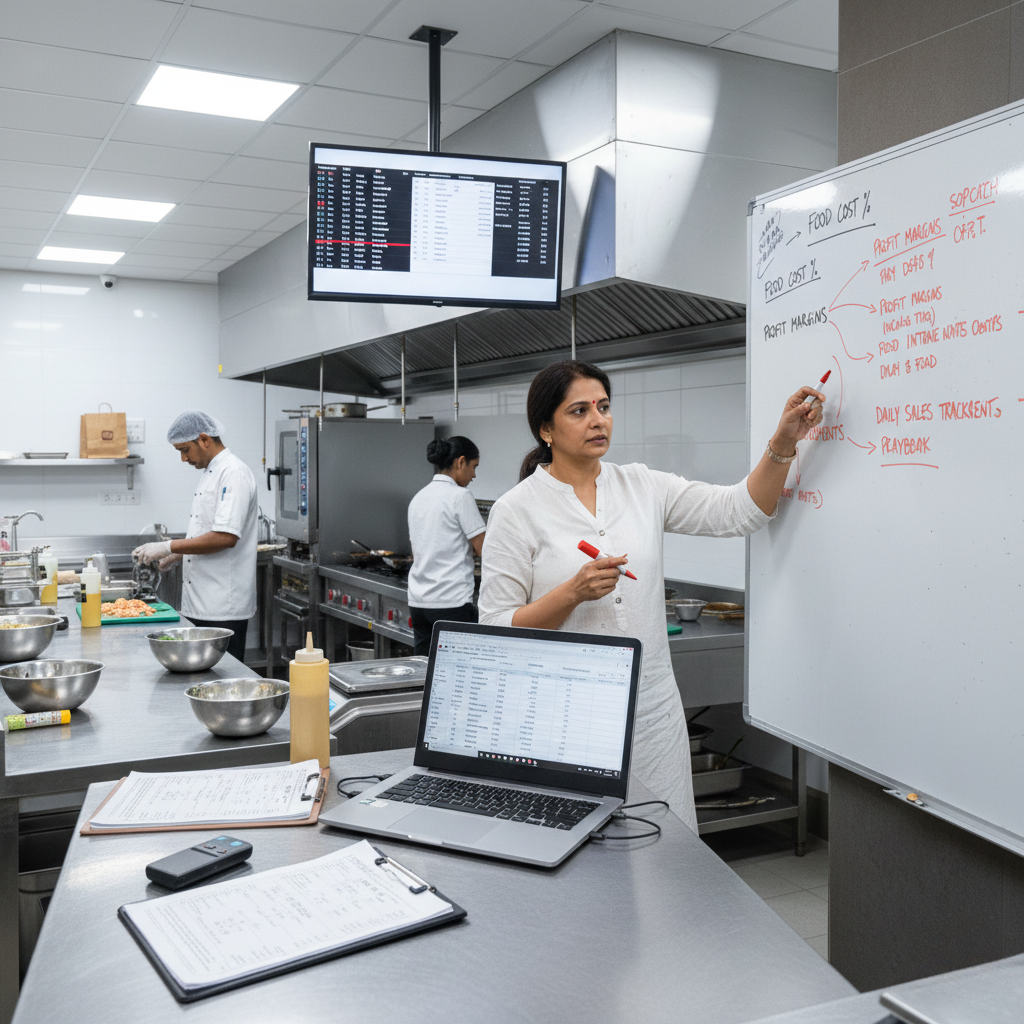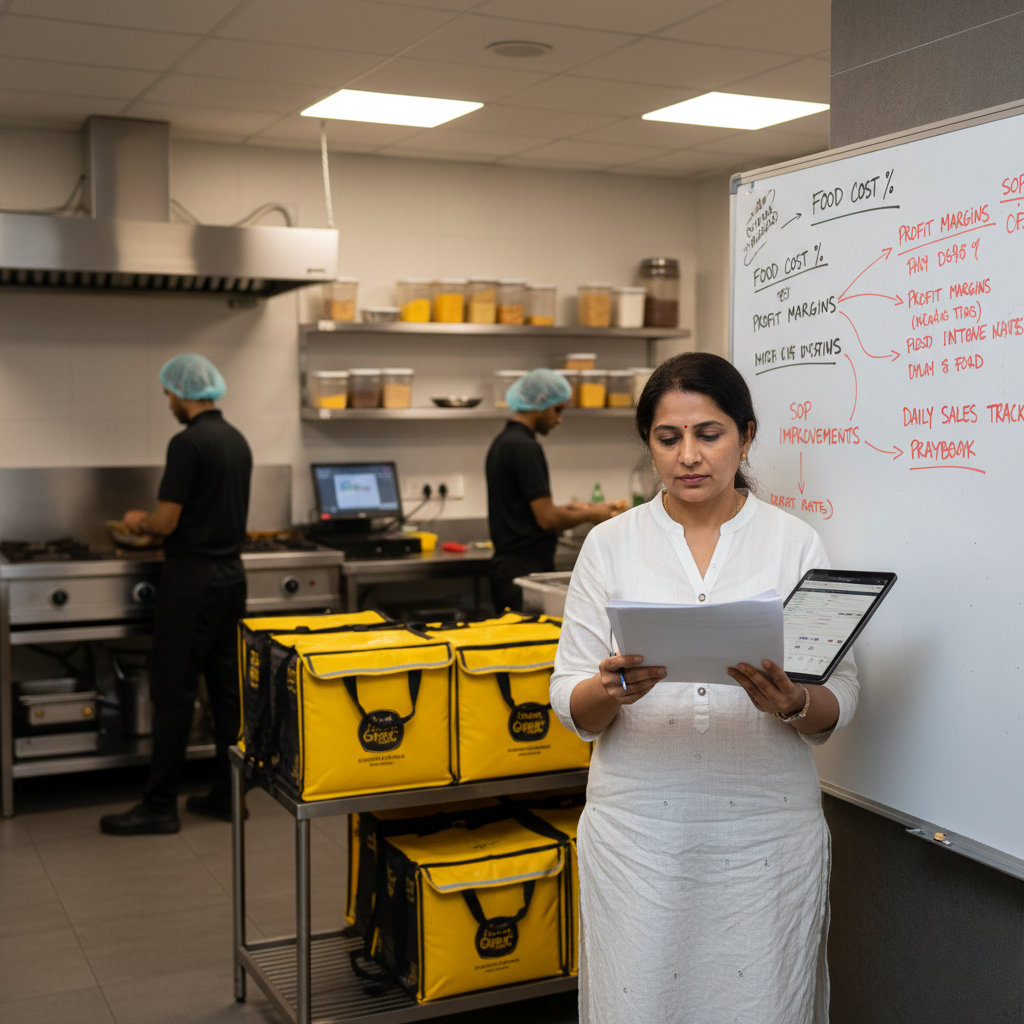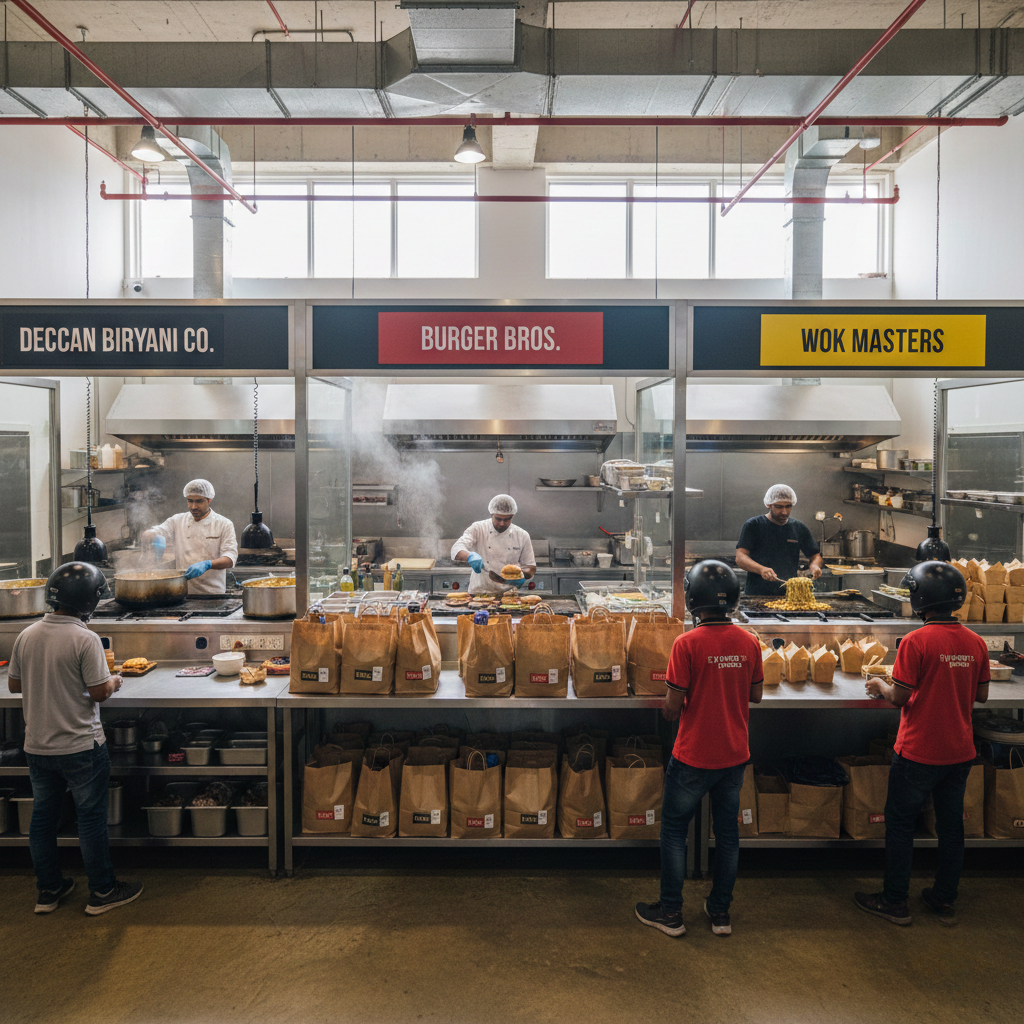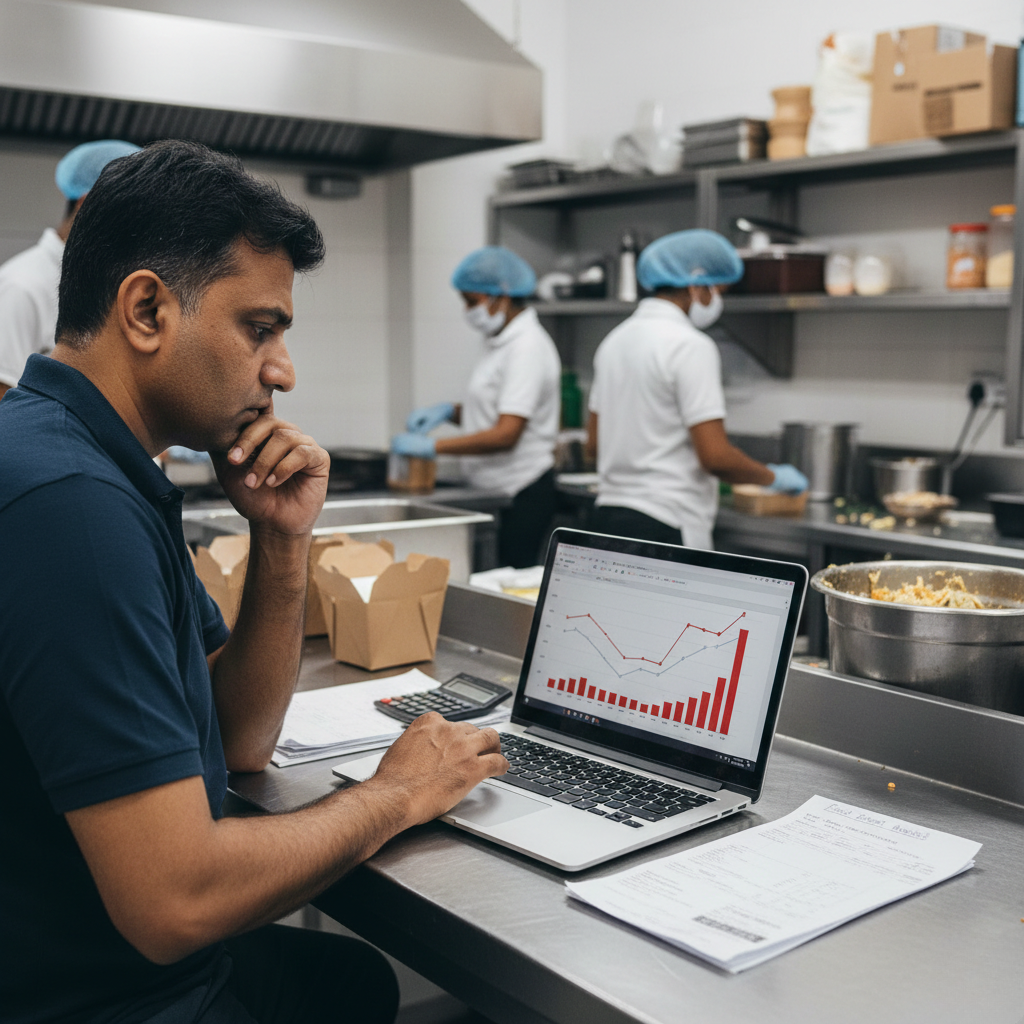
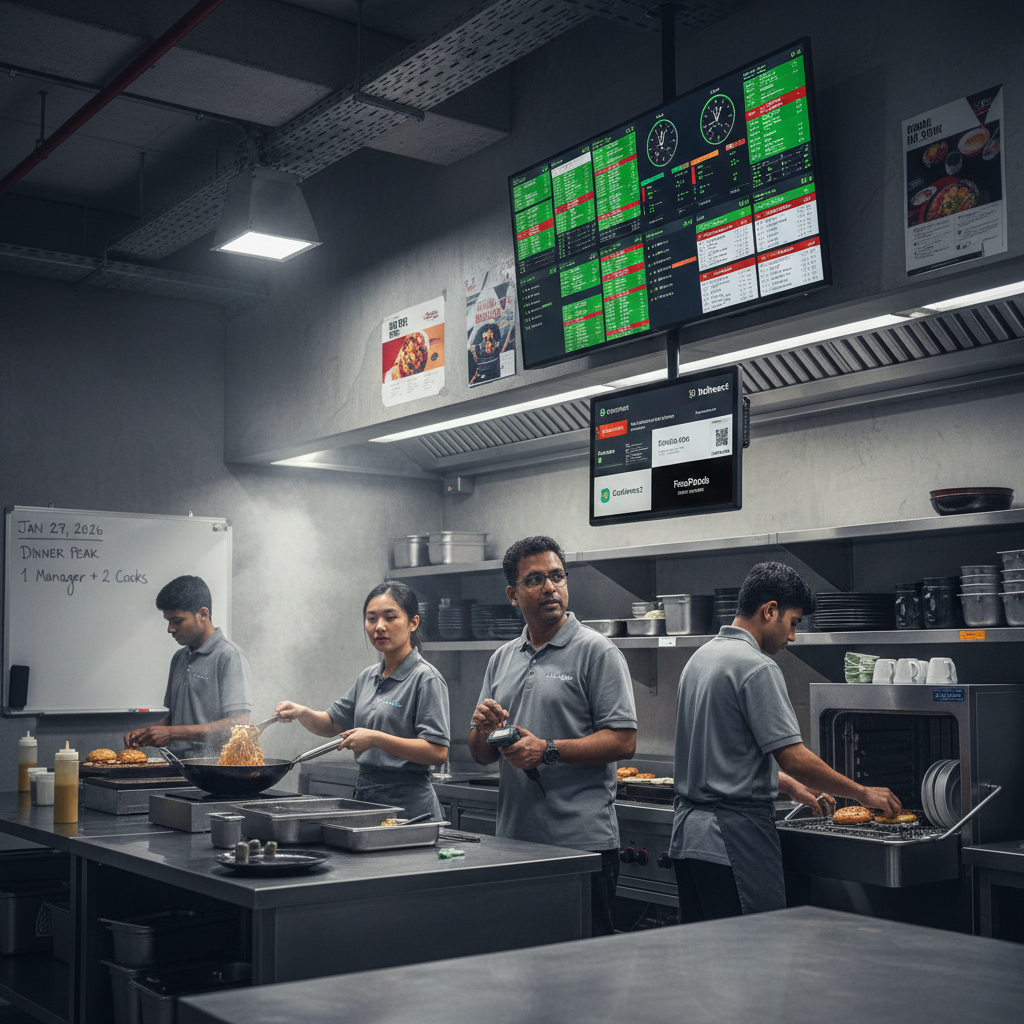
Staff planning and labor cost control in cloud kitchens in India. Many founders either overstaff and burn cash or understaff and destroy ratings. This guide explains staff planning and labor cost control for cloud kitchens in India, shows ideal manpower structures with examples, and explains how professional operators build staffing systems that stay efficient as order volume scales.
Start Here Before Planning Staff for a Cloud Kitchen
This article is part of GrowKitchen’s profitability + operations learning series. If you are still understanding delivery-first business models, start with: Cloud Kitchen Business in India.
Staff efficiency depends on compliance, training, and documentation. Ensure alignment with FSSAI, mandatory food safety training through FoSTaC, and proper wage reporting under Indian labor and GST Network guidelines.
Why Staff Planning Makes or Breaks Cloud Kitchen Profitability
Many cloud kitchen owners believe staffing problems are temporary.
In reality, poor manpower planning quietly destroys margins every single day.

What Counts as Labor Cost in a Cloud Kitchen?
Labor cost is not just monthly salaries. It must be calculated end-to-end.
- Kitchen staff salaries (commis, helpers).
- Kitchen manager or supervisor cost.
- Cleaning and utility staff.
- Overtime, weekly offs, and relievers.
- Recruitment, training, and attrition cost.
Ignoring hidden labor costs leads to incorrect profitability assumptions.
Ideal Labor Cost Percentage for Cloud Kitchens
Unlike restaurants, cloud kitchens require lean staffing.
- 10–12%: Excellent control (high SOP discipline).
- 12–15%: Healthy and scalable.
- 15–18%: Warning zone.
- Above 18%: Unsustainable long term.
If labor cost crosses 15%, margins start collapsing rapidly.
Example: Staffing for a 100–150 Orders/Day Kitchen
Let us look at a realistic single-brand cloud kitchen setup.
- 1 Kitchen supervisor
- 2 Commis (hot + cold section)
- 1 Helper / packer
- Shared cleaning support
This structure supports consistency without idle manpower.
How Overstaffing Destroys Margins
Overstaffing usually happens due to fear of failure.
- Too many cooks for low order volume.
- Dedicated staff for low-frequency tasks.
- No peak vs non-peak staffing logic.
Idle manpower is the most expensive waste in a cloud kitchen.
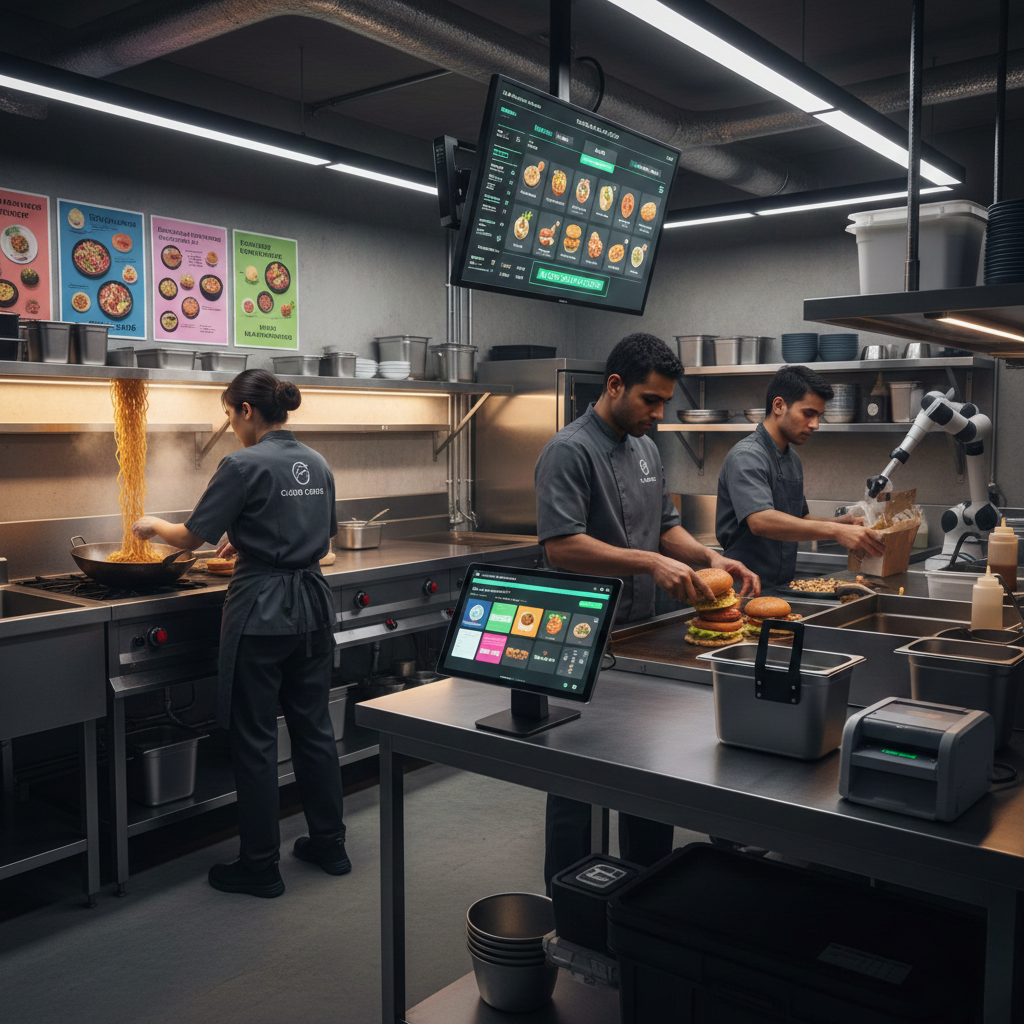
Why Understaffing Is Equally Dangerous
Cutting staff aggressively may look profitable short-term.
- Delayed orders.
- Inconsistent portions.
- Higher refunds and re-cooks.
- Rating drops.
Lower ratings increase ad dependency and long-term losses.
Learn how ratings impact margins here: Why Cloud Kitchens Fail in India. See this – linkedIn.
Role Clarity: The Foundation of Labor Efficiency
Labor inefficiency is often a role clarity problem.
- Undefined prep responsibilities.
- Cooking and packing overlap.
- No accountability for wastage.
SOP-based role definition improves speed and accuracy.
Reference: Cloud Kitchen SOP Checklist.
Shift Planning Based on Order Peaks
Orders do not arrive evenly throughout the day.
- Lunch peak: 12 PM – 3 PM
- Dinner peak: 7 PM – 11 PM
Staff strength should expand only during peaks.
Cross-Training to Reduce Headcount
Cross-trained staff reduce dependency on extra hires.
- Cooking + packing capability.
- Prep + inventory logging.
- Basic dispatch handling.
Cross-training increases resilience during attrition.
The Hidden Cost of Staff Attrition
Attrition silently increases labor cost.
- Training time loss.
- Quality inconsistency.
- Managerial overload.
Stable teams outperform larger rotating teams.
How Consultants Design Scalable Staffing Systems
Professional operators design staff systems before scaling.
- Order-to-manpower ratios.
- Peak vs base staffing models.
- Role-wise SOPs.
- Daily productivity tracking.
This staffing discipline is part of the Cloud Kitchen Operations Framework.
Why Scaling Without Staff Systems Fails
Adding brands or locations multiplies labor mistakes.
Kitchens that scale without staff planning lose control within weeks.
Final Thoughts: Labor Cost Is a System Problem
Staff cost is predictable when systems exist.
Headcount should follow orders not fear.
Build lean teams. Scale responsibly.
FAQs: Staff Planning in Cloud Kitchens
What is an ideal labor cost percentage?
12–15% is healthy for most Indian cloud kitchens.
How many staff are needed for a cloud kitchen?
It depends on order volume, menu complexity, and SOP maturity.
Is cross-training important?
Yes. Cross-trained teams reduce cost and improve stability.
Should staff be increased before scaling?
No. Systems should be built before headcount increases.