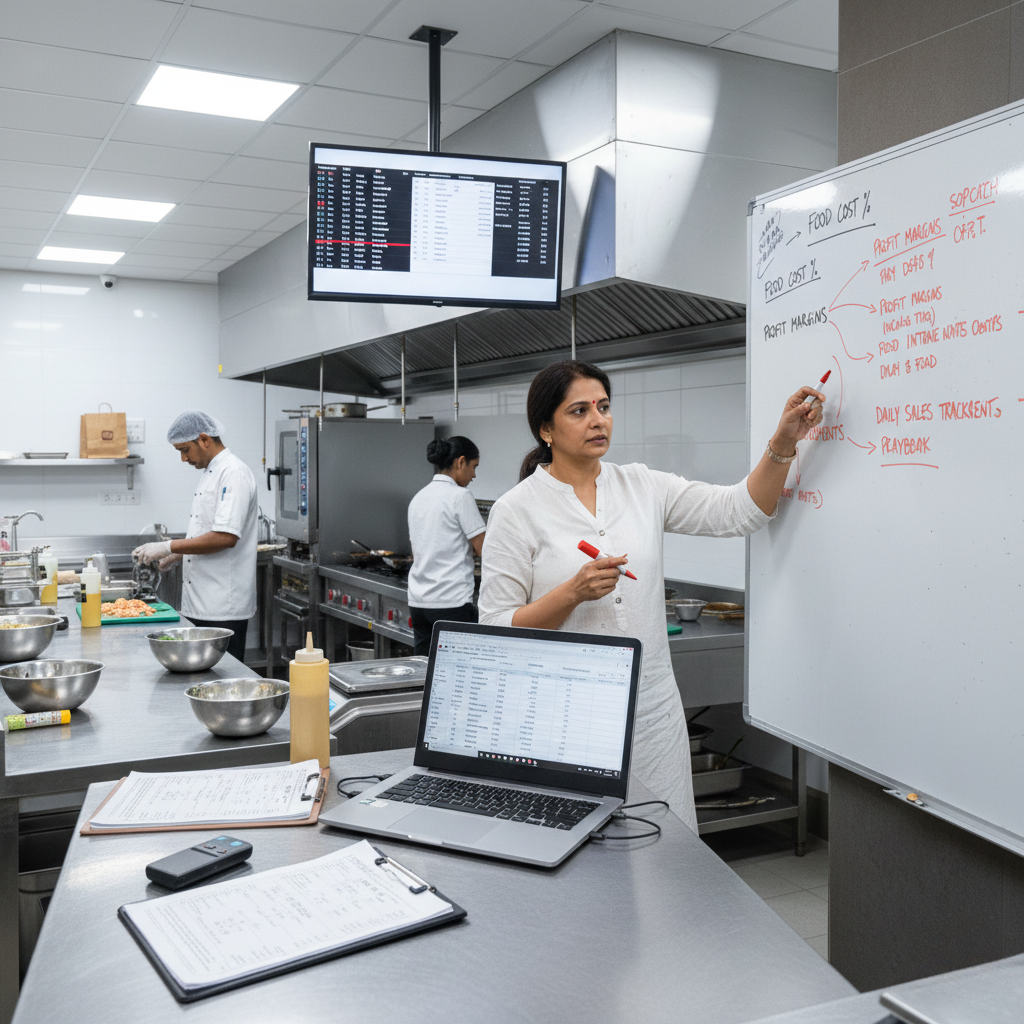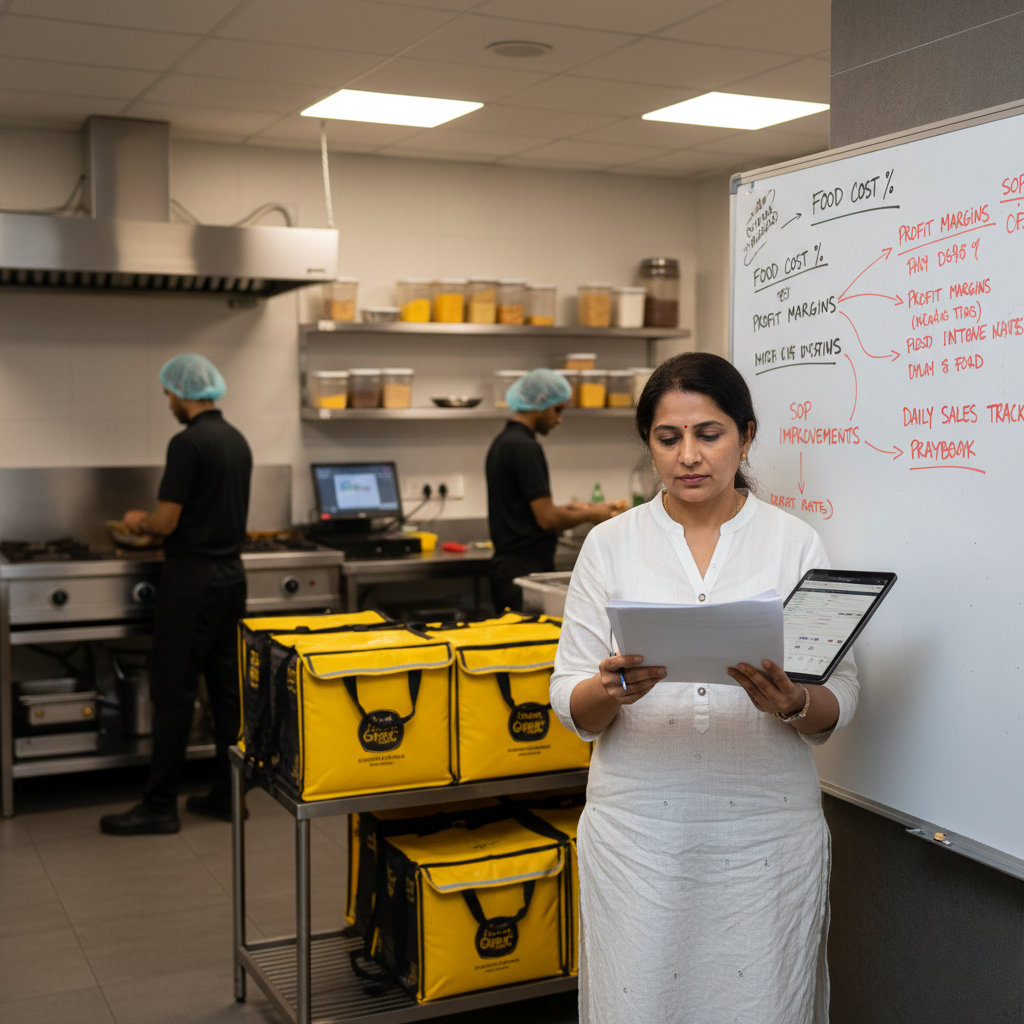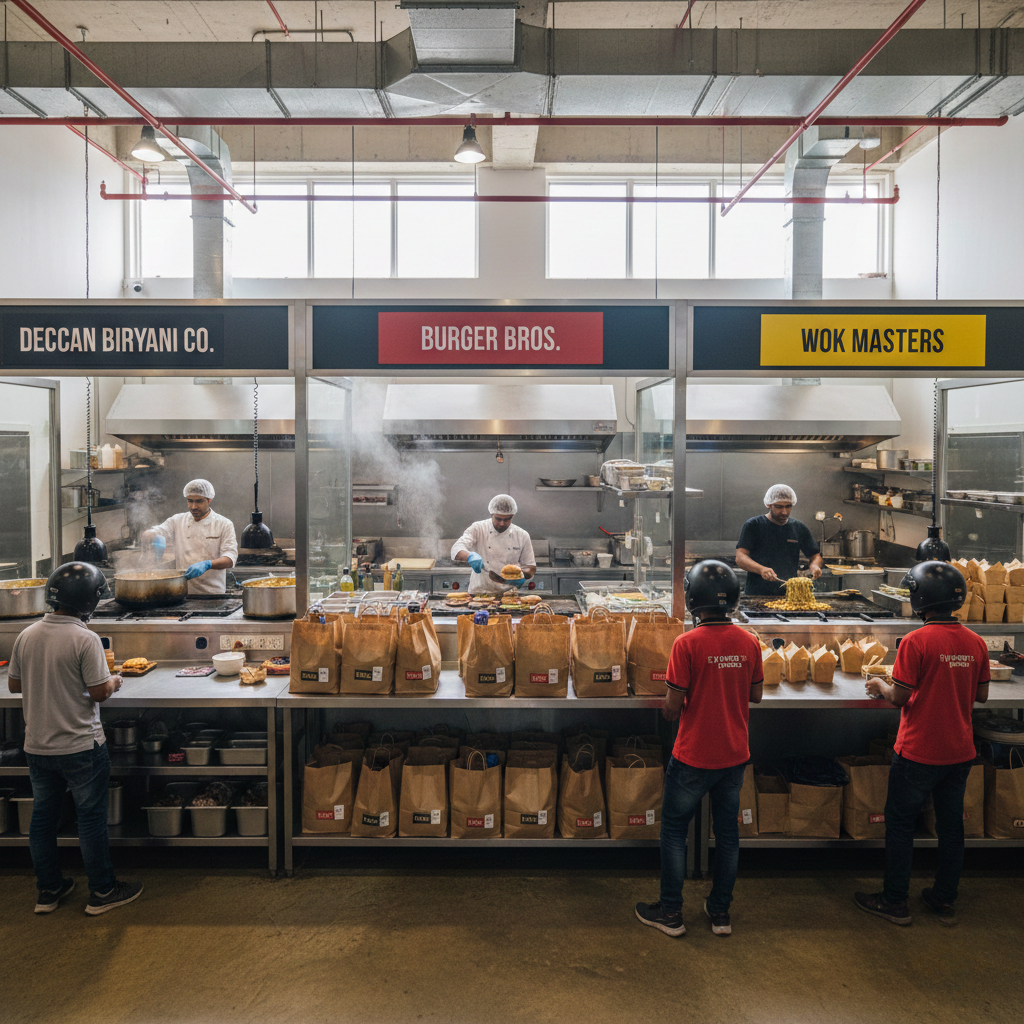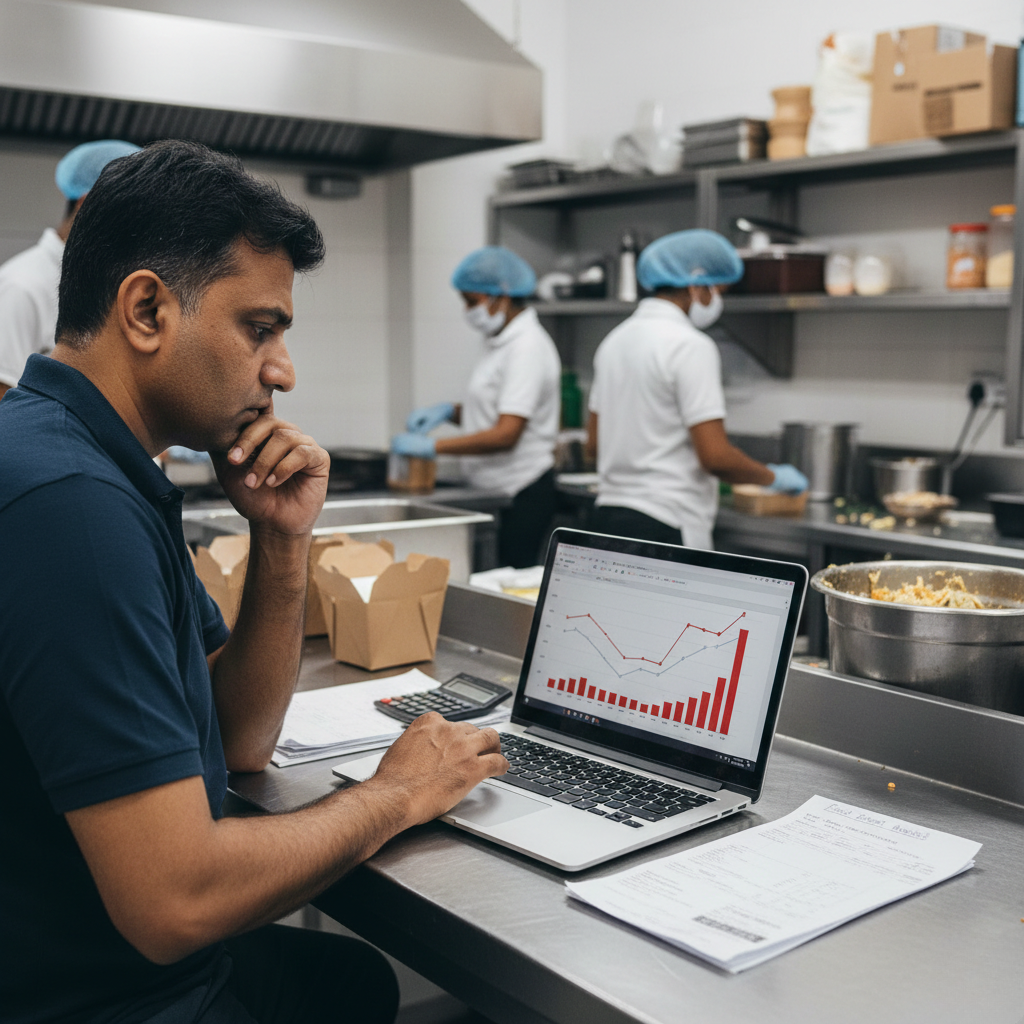
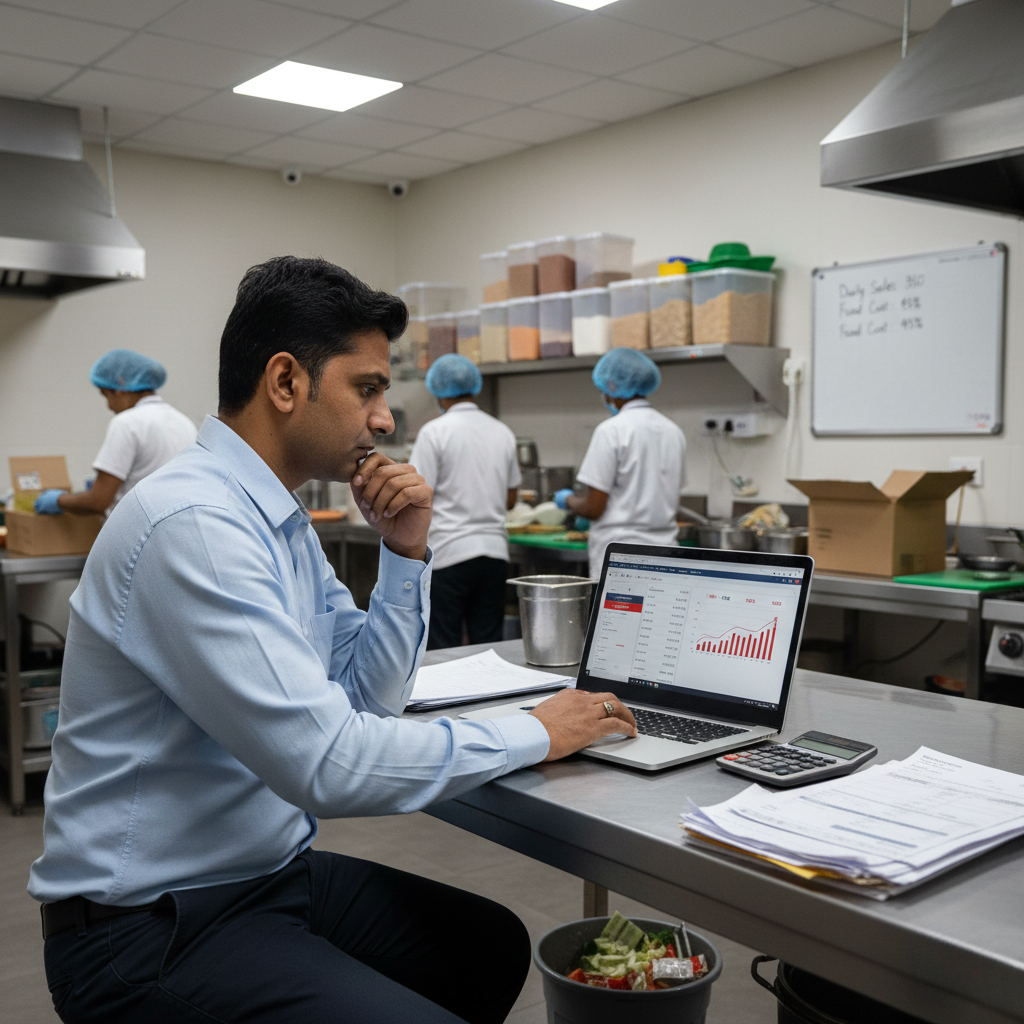
Signs Your Cloud Kitchen Needs a Profitability Consultant is a topic most founders think about much later than they should. Sales may be steady, brands may be visible on delivery platforms, and daily operations may look functional, yet profits remain weak or inconsistent. This stage is often misunderstood. It is not a failure of effort, but a signal that the business has outgrown founder-led decision-making. This guide explains the warning signs, why internal fixes stop working, and when professional profitability intervention becomes necessary.
Why Founders Struggle to Fix Profitability Alone
In the early stages, founders control everything. Decisions are fast, visibility is high, and problems are obvious. As the kitchen stabilises, complexity increases. Multiple cost heads, staff layers, aggregator metrics, and operational dependencies dilute founder visibility. At this stage, profitability issues become systemic, not tactical.
To understand this transition, revisit Cloud Kitchen Business in India and evaluate Common Operational Mistakes in Cloud Kitchens.
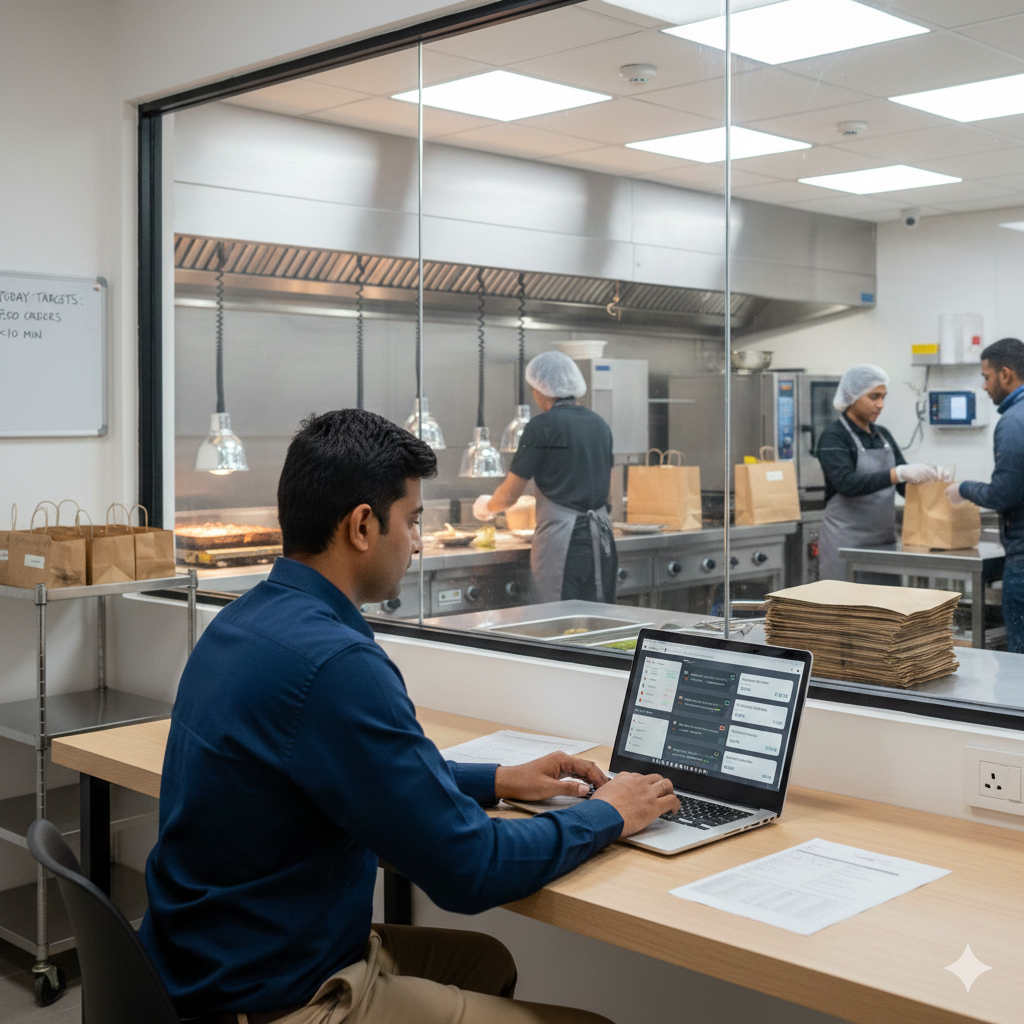
Profitability Problems Rarely Announce Themselves
Kitchens rarely collapse suddenly. Instead, profits weaken gradually, margins fluctuate, and cash flow tightens slowly.
Sales Are Growing but Profit Is Not
One of the clearest warning signs is when revenue increases but profit remains flat or declines. Founders often respond with more marketing, deeper discounts, or additional brands. These actions increase complexity without fixing unit economics. This stage often requires external profitability diagnosis.

You Don’t Know Your Real Per-Order Margin
Many founders track daily sales but cannot confidently answer how much profit they make per order. Food cost, packaging, commissions, refunds, wastage, and payroll are not viewed together. When margin visibility is unclear, decision-making becomes reactive.
Food Cost Keeps Creeping Up
Gradual food cost increase is often normalised by founders. Portion drift, recipe shortcuts, supplier substitutions, and wastage quietly reduce contribution margin. When internal controls fail, consultants bring structure and discipline.
Learn how systems reduce food cost in How SOPs Reduce Food Cost & Complaints.
Staff Cost Feels High but Productivity Feels Low
Over time, founders add staff to manage pressure instead of fixing systems. Payroll increases, yet output per person does not. This imbalance indicates a need for role clarity and process redesign.
This issue is addressed through Role-Based Kitchen Operations Explained.
Discounts Are the Only Way to Maintain Volume
When order flow depends heavily on discounts, margins become fragile. Kitchens often enter a cycle where offers maintain sales but destroy profitability. This is a strong signal that unit economics are broken.
Understand this trap in Why Discounts Are Not Solving Your Profit Problem.
Aggregator Penalties Are Reducing Payouts
Many founders focus only on commission rates. Late dispatch, cancellations, and preparation delays reduce net payouts quietly. When these leakages feel hard to trace, external review often brings clarity.
Learn more in Cloud Kitchen Aggregator Commission Impact in India.
Dispatch and Refund Issues Repeat Weekly
Repeated refunds, wrong orders, and late handovers indicate broken execution. Founders often firefight daily instead of fixing root causes. Dispatch systems bring quick profitability relief when implemented correctly. Learn how in Cloud Kitchen Dispatch SOP.
Scaling Feels Risky Instead of Exciting
Founders know intuitively when operations are not ready. If expansion increases anxiety instead of confidence, margins are not stable. This hesitation is often a sign that profitability systems are missing.
Learn why growth hurts weak operations in When Growth Is Hurting Your Cloud Kitchen Operations.
What a Profitability Consultant Actually Fixes
A profitability consultant does not run marketing campaigns. They diagnose unit economics, redesign operational flow, lock food cost controls, and build visibility systems. Their role is to replace guesswork with structure.
Final Takeaway: Knowing When to Ask for Help Is a Strength
Most successful kitchens did not fix profitability alone. They recognised when internal efforts plateaued and brought in external perspective.
Proven frameworks from GrowKitchen, along with operating brands like Fruut and GreenSalad, show how structured profitability consulting turns fragile kitchens into predictable, scalable businesses.
FAQs: Signs Your Cloud Kitchen Needs a Profitability Consultant
Is hiring a profitability consultant expensive?
It is usually cheaper than continuing operational losses.
When is the right time to hire a consultant?
When profits stagnate despite stable demand.
Can small cloud kitchens benefit from consultants?
Yes. Structure matters more than size.
What changes happen first after consulting?
Food cost visibility and execution discipline improve fastest.