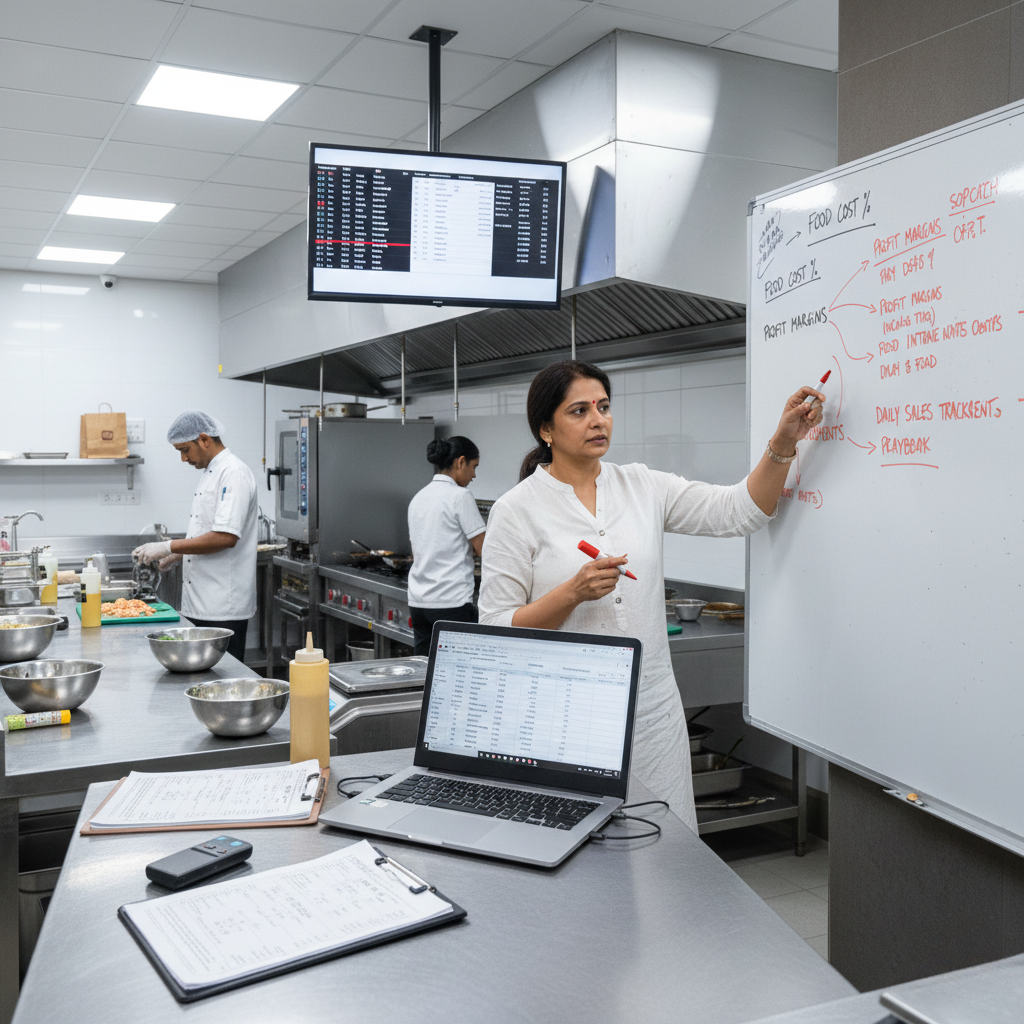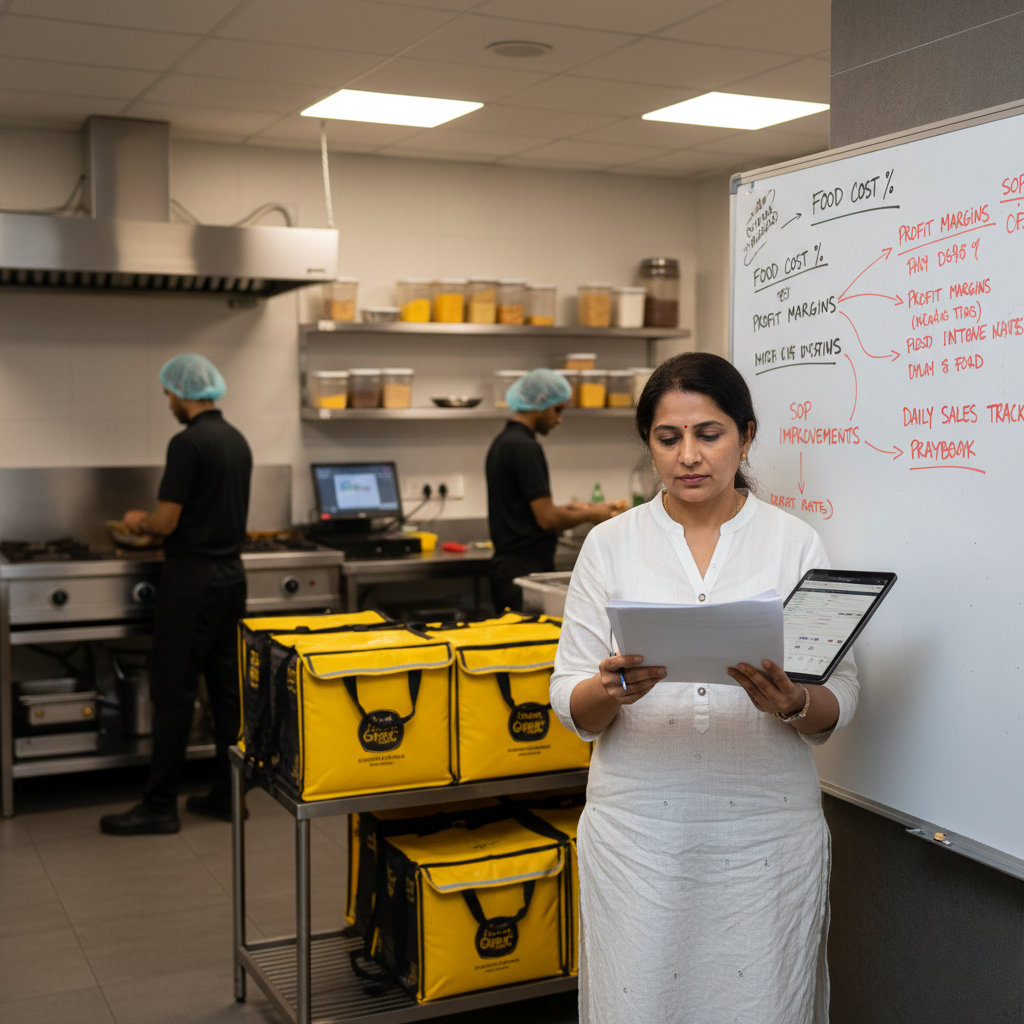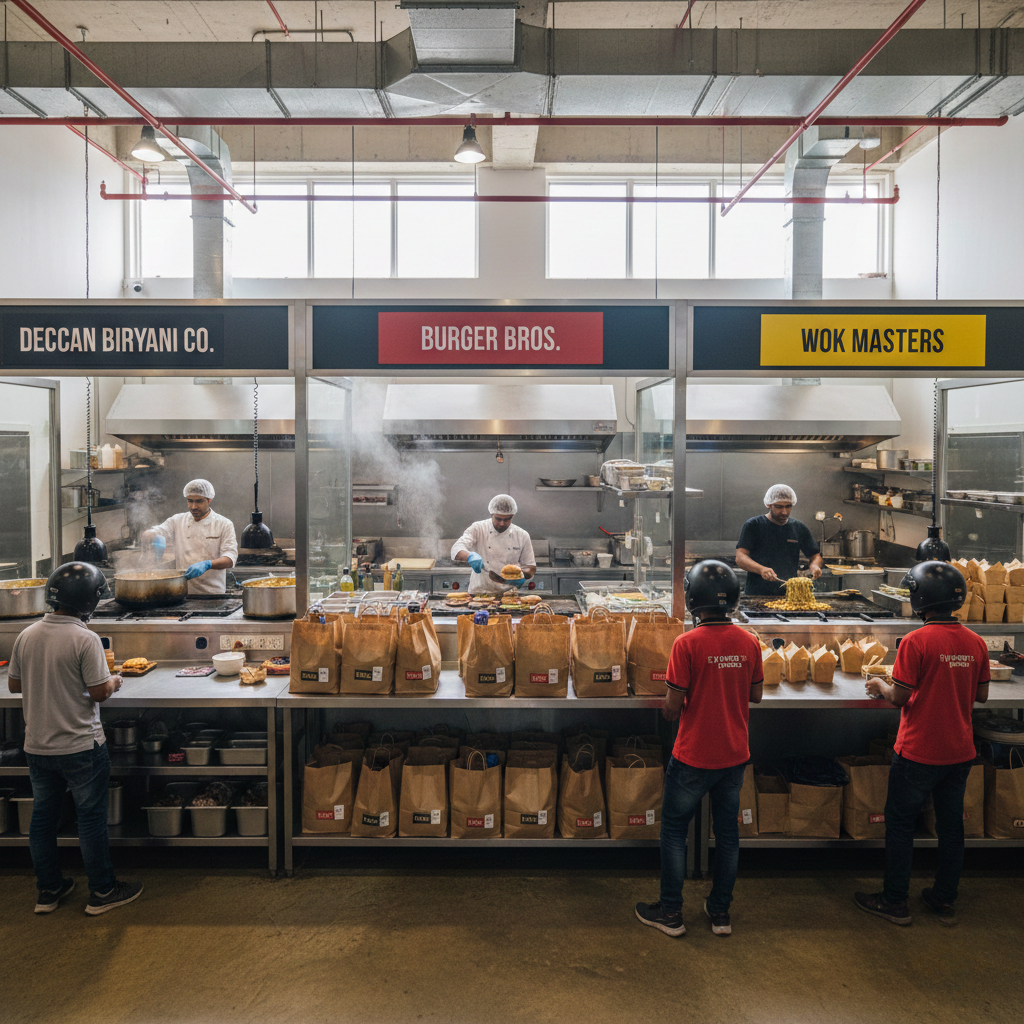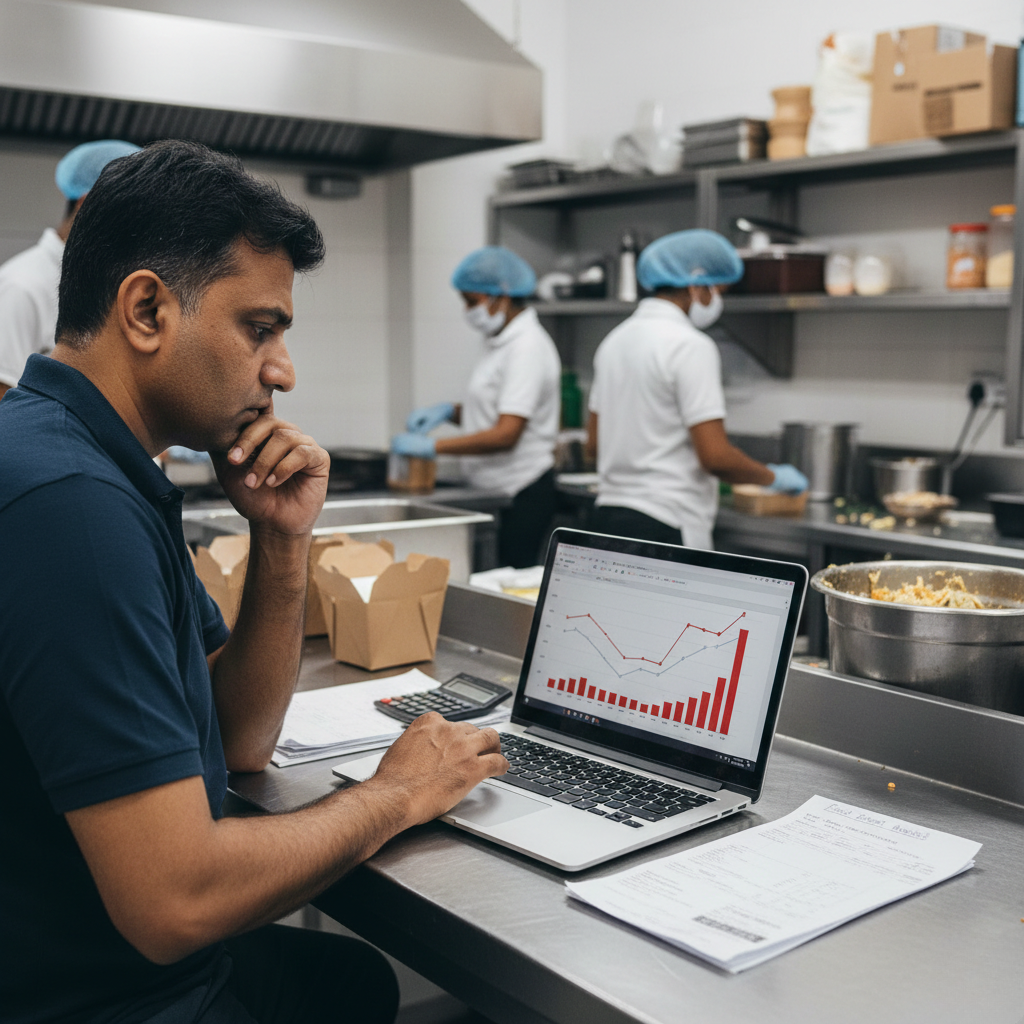
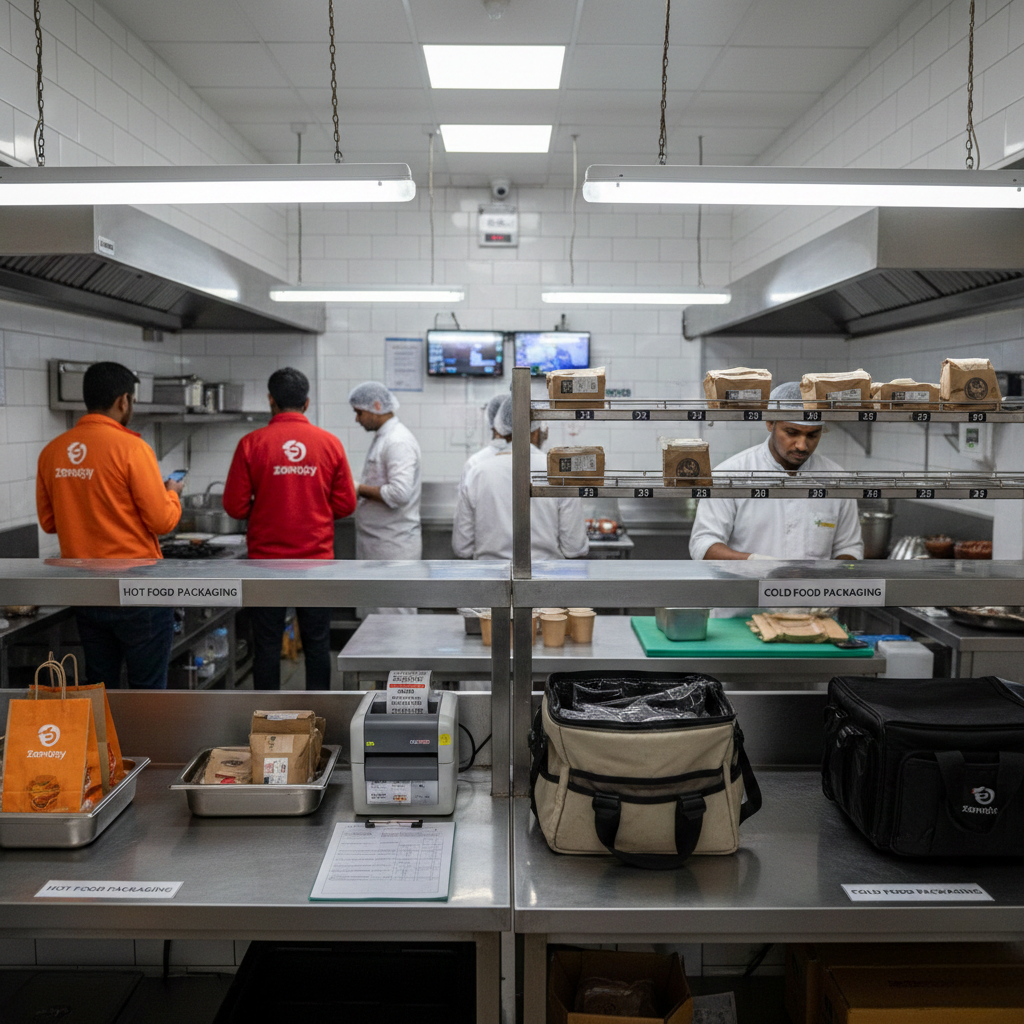
Scaling on Swiggy and Zomato is not about running more ads or offering bigger discounts. It is about operational reliability, contribution margin control, visibility signals, and repeatable execution. This step-by-step guide shows how to scale your cloud kitchen on aggregators profitably not emotionally. Scaling Cloud Kitchens in India
Scaling Your Cloud Kitchen on Swiggy and Zomato: A Step-by-Step Guide
Most cloud kitchens believe scaling on Swiggy and Zomato means increasing ad spend or offering aggressive discounts. But real growth on aggregators is driven by performance metrics: late dispatch %, refund %, cancellation %, rating trends, contribution margin, and repeat customer rate. Aggregators reward kitchens that are predictable at scale, not kitchens that are loud on marketing.
The common failure pattern is simple: teams chase impressions first and fix operations later. That sequence is backwards. On Swiggy and Zomato, weak operations don’t just reduce customer satisfaction. They directly reduce algorithmic distribution, ad efficiency, and payout quality. Scaling starts with reliability signals that improve ranking and protect margins.
If your unit economics are unstable, more orders will amplify leakage. Before scaling visibility, fix profitability using Cloud Kitchen Profitability Consultant in India .
This playbook gives you a structured, implementation-ready roadmap to scale sustainably on Swiggy and Zomato. It is written for founders and operators who want predictable growth, not random spikes.
If you are building a delivery-first brand portfolio or running multi-brand kitchens, you should also explore our CKaaS model overview: Cloud Kitchen as a Service (CKaaS) .
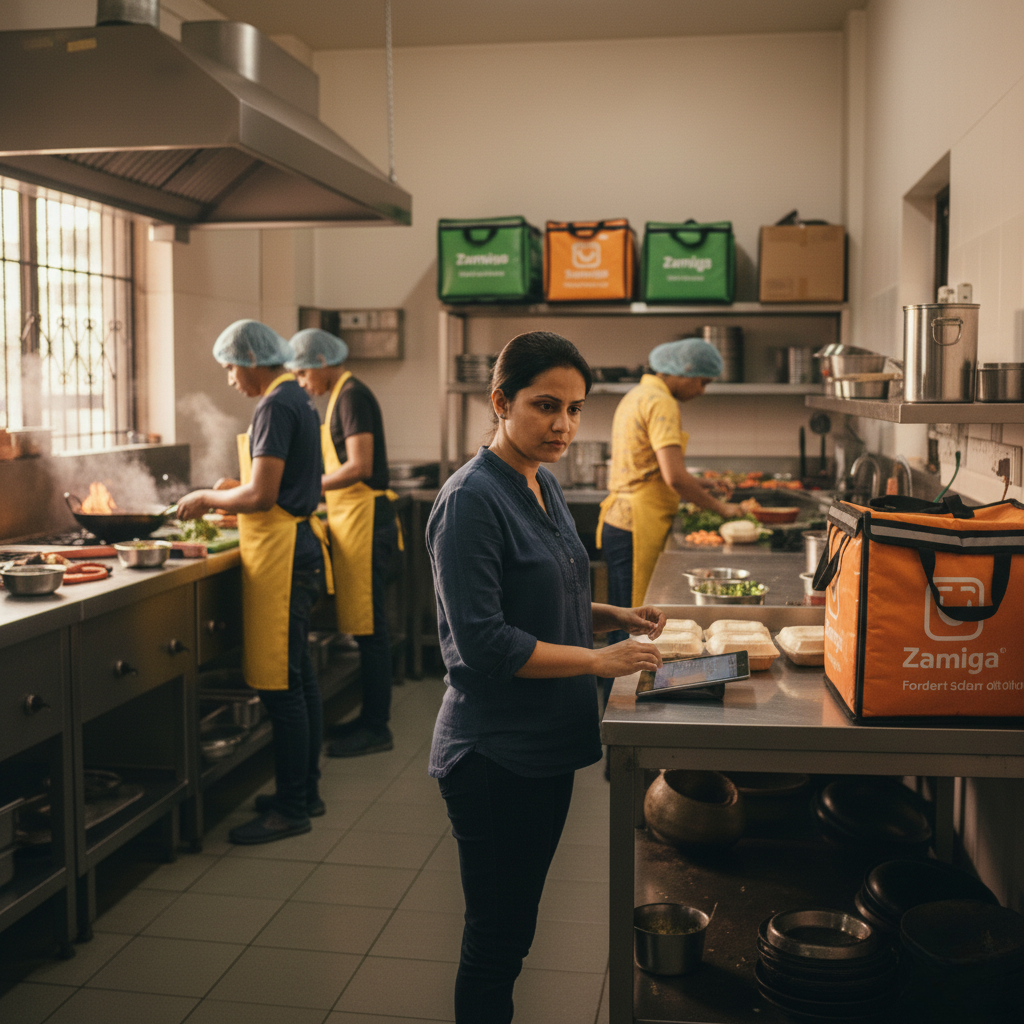
How Swiggy and Zomato Actually Decide Your Visibility
Most operators treat aggregator growth like a black box. But visibility is not random. Platforms typically reward signals of reliability and customer satisfaction because those signals protect user experience. Your ranking is influenced by what happens after the order is placed: whether it gets dispatched on time, whether it gets canceled, whether the customer complains, whether the refund rate increases, and whether the rating trend stays stable.
This is why two brands with similar food can perform very differently. One brand may be faster, more consistent, and better at packaging execution. That brand wins distribution because the platform trusts it to deliver a predictable customer experience at higher volume.
If you want a deeper breakdown on where kitchens lose money silently while scaling, refer to: Refunds and Cancellations Impact on Cloud Kitchen Profitability .
Step 1: Fix Unit Economics Before Scaling Visibility
Scaling begins at contribution margin per order. If your order-level profitability is weak, growth becomes a faster way to lose money. Many kitchens “feel busy” but still struggle because leakage increases with volume.
You must calculate a real order-level margin: Order Value – Commission – Packaging – Food Cost – Discount – Refund Leakage = Contribution Margin.
The mistake is tracking only sales. Sales can grow while profits collapse. If you do not track contribution margin by SKU and by platform, you can’t scale predictably. Fix the base first, then amplify.
Deep dive here: Refunds and Cancellations Impact on Cloud Kitchen Profitability .
Until contribution margin is stable, do not increase ad spend.
Step 2: Stabilize Ratings Above 4.2 Before Scaling
Visibility on Swiggy and Zomato depends heavily on reliability signals. Ratings below 4.0 reduce impressions. Late dispatch and refunds reduce distribution weight. A kitchen that is “good sometimes” will not scale on aggregators.
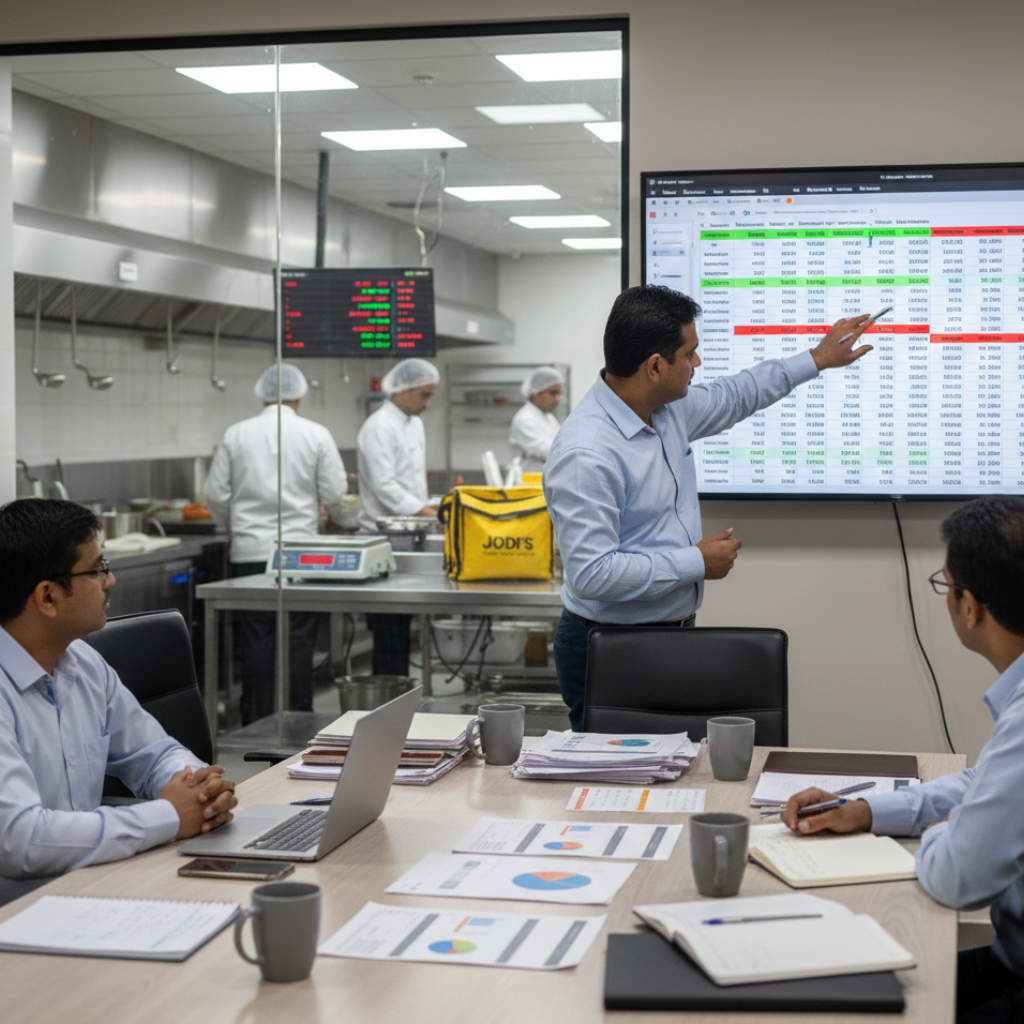
The fastest rating improvement usually comes from fixing basics: consistent portioning, packaging discipline, order accuracy, and dispatch speed. Most negative reviews are not about taste. They are about missing items, spillage, cold food, late dispatch, and confusing packaging.
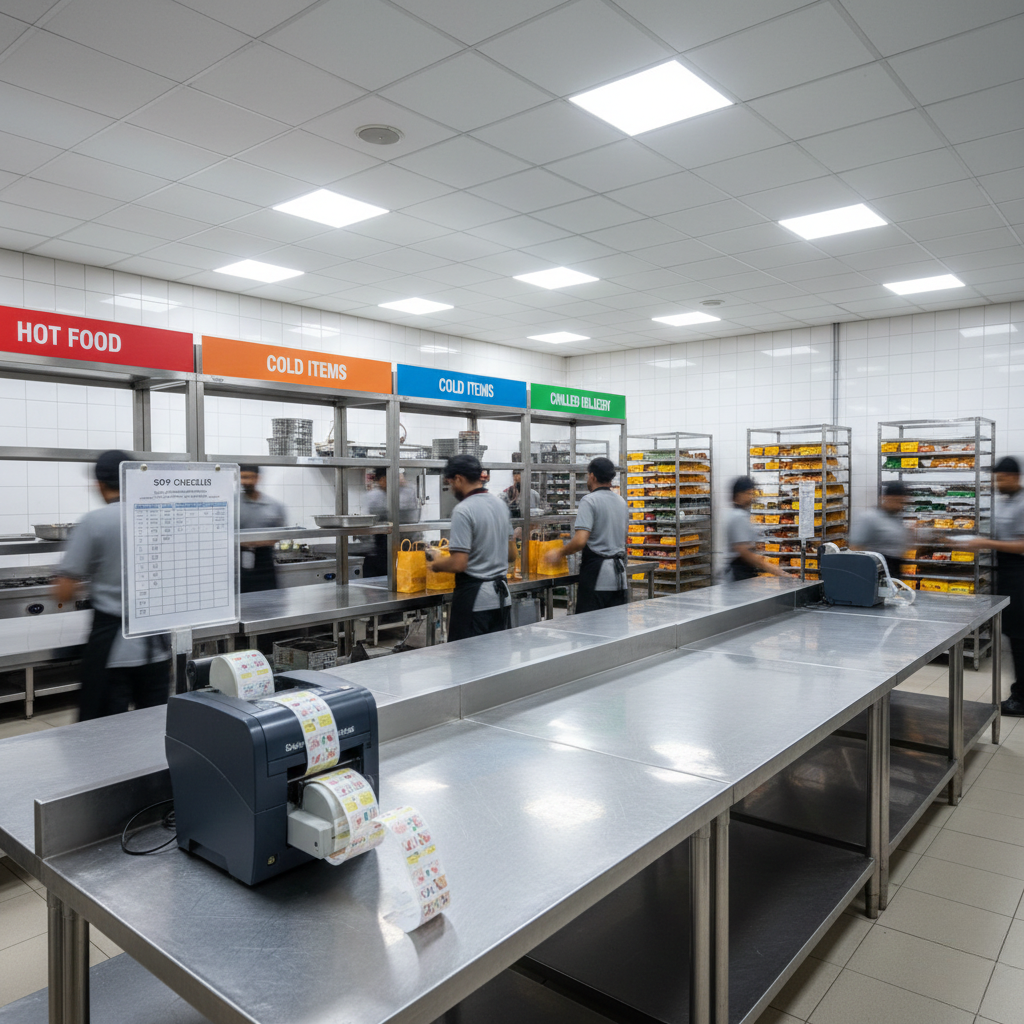
Install a packing checklist + dispatch gate. Use: Cloud Kitchen Dispatch SOP .
External platform policies: Swiggy Refund Policy and Zomato Ordering Terms .
Scaling begins when reliability becomes predictable. Predictability becomes ranking.
Operational Systems That Make Scaling Easier (And Cheaper)
Teams usually try to scale by hiring more people. But scale becomes easier when you install systems. The right systems reduce dependence on “experienced staff” and make output consistent even when staff changes.
If you want one simple rule: build processes that produce consistent outcomes even on your worst day. That means station responsibilities, batch sizes, prep cycles, label discipline, and a dispatch gate. When these are implemented, your kitchen can handle higher volumes without breaking.
If you’re trying to fix a unit that is already leaking and losing money, start here: How to Fix a Loss-Making Cloud Kitchen .
Step 4: Run Ads Only After Operational Stability
Ads amplify what already exists. If your operations leak, ads will multiply refunds. If your kitchen is slow, ads will multiply late dispatch.
Run ads only when:
- Ratings stable 4.2+
- Refund rate under control
- Prep time predictable
- Contribution margin positive
- Packaging and dispatch gates in place
Ads should be used to increase visibility on stable SKUs, not to “save” a failing unit. To understand the ROI logic properly, read: Marketing Spend vs ROI in Cloud Kitchens .
Discounts vs Profit: The Trap That Kills Scaling
Discounts can create short-term volume, but they also lower contribution margin and attract low-loyalty buyers who churn quickly. Many kitchens confuse discount-driven spikes with growth. Real growth is when repeat customers rise while your contribution margin stays stable.
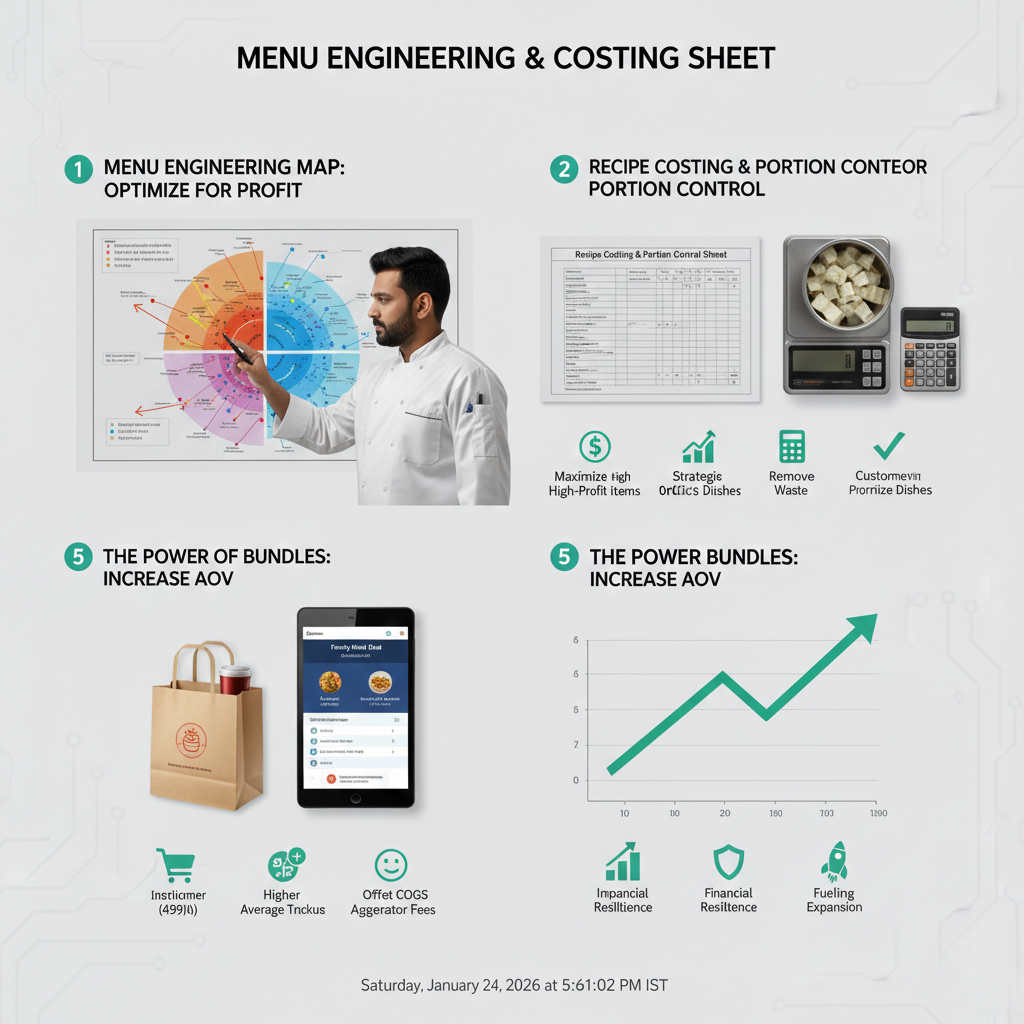
The better approach is to design value perception through combos, add-ons, and bundling. You improve AOV without cutting price, and you protect payout quality.
If commission is squeezing your profits, start with this analysis: Aggregator Commission Impact in India .
Step 5: Expand to Multiple Locations Systematically
Once one location is stable, replicate system not chaos. Multi-location scaling fails when founders replicate menu but not execution discipline.
Use hub-and-spoke supply where possible. Centralize procurement. Standardize SOPs. Keep training modular. Make the output predictable, not dependent on “one good staff member.”
Learn the expansion framework: Cloud Kitchen Expansion Strategy in India .
Expansion without systems increases refund rate and damages brand rating.
Step 6: Install Weekly Data Feedback Loops
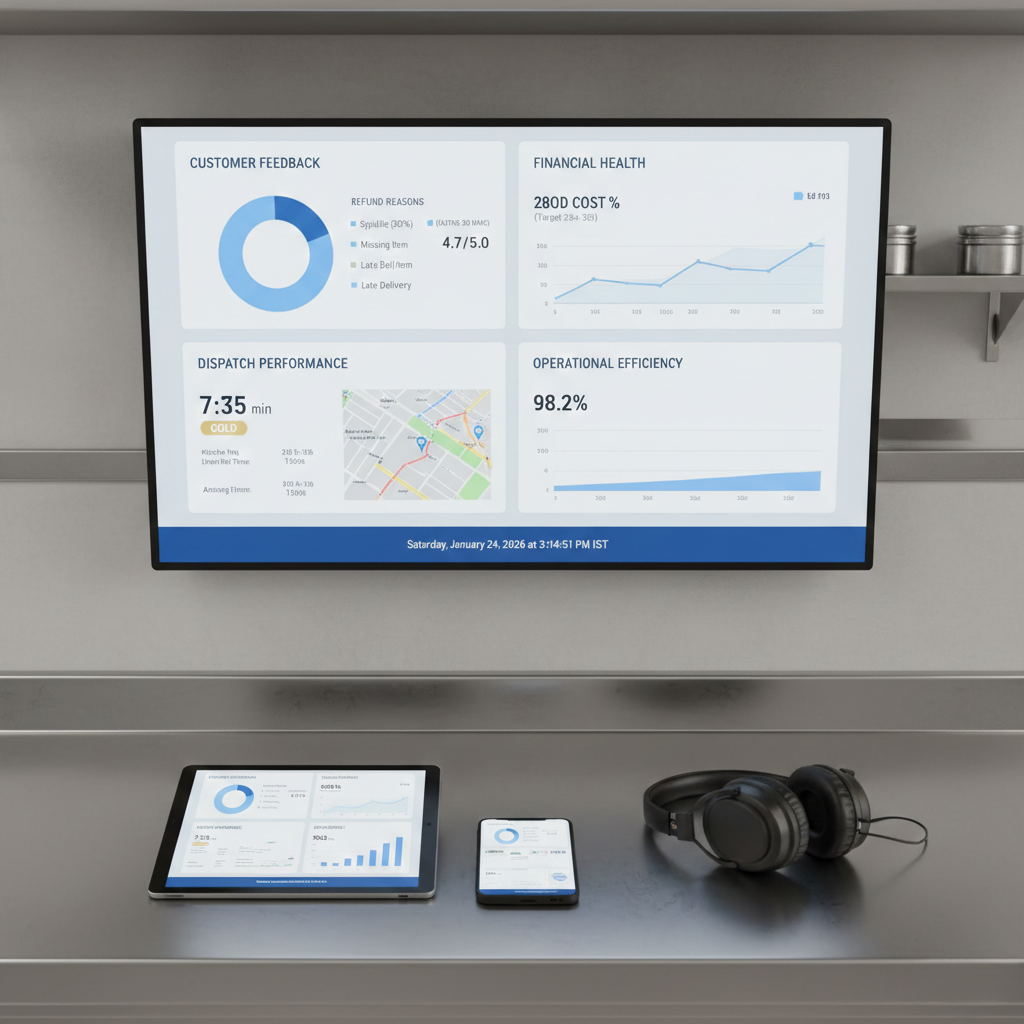
Scaling on Swiggy and Zomato requires weekly review loops. Daily firefighting doesn’t scale. Weekly review creates pattern detection and process improvements.
Track weekly:
- Refund reason mapping
- Cancellation heatmap
- Late dispatch trend
- SKU margin drift
- Ad ROI by zone
- Packaging complaint types
Data without SOP updates is wasted insight. Every insight must lead to a process change, checklist addition, or menu adjustment.
Process discipline reference: How Process Discipline Improves EBITDA .
Final Takeaway: Scaling on Swiggy and Zomato Is an Execution Game
Scaling is not marketing. Scaling is reliability. Reliability improves distribution. Distribution improves pricing power. Pricing power improves contribution margin.
If you want structured scaling support, explore: GrowKitchen.
Operating partner brands like Fruut and GreenSalad use system-led scaling models.
Book a consultation today and scale profitably on aggregators.