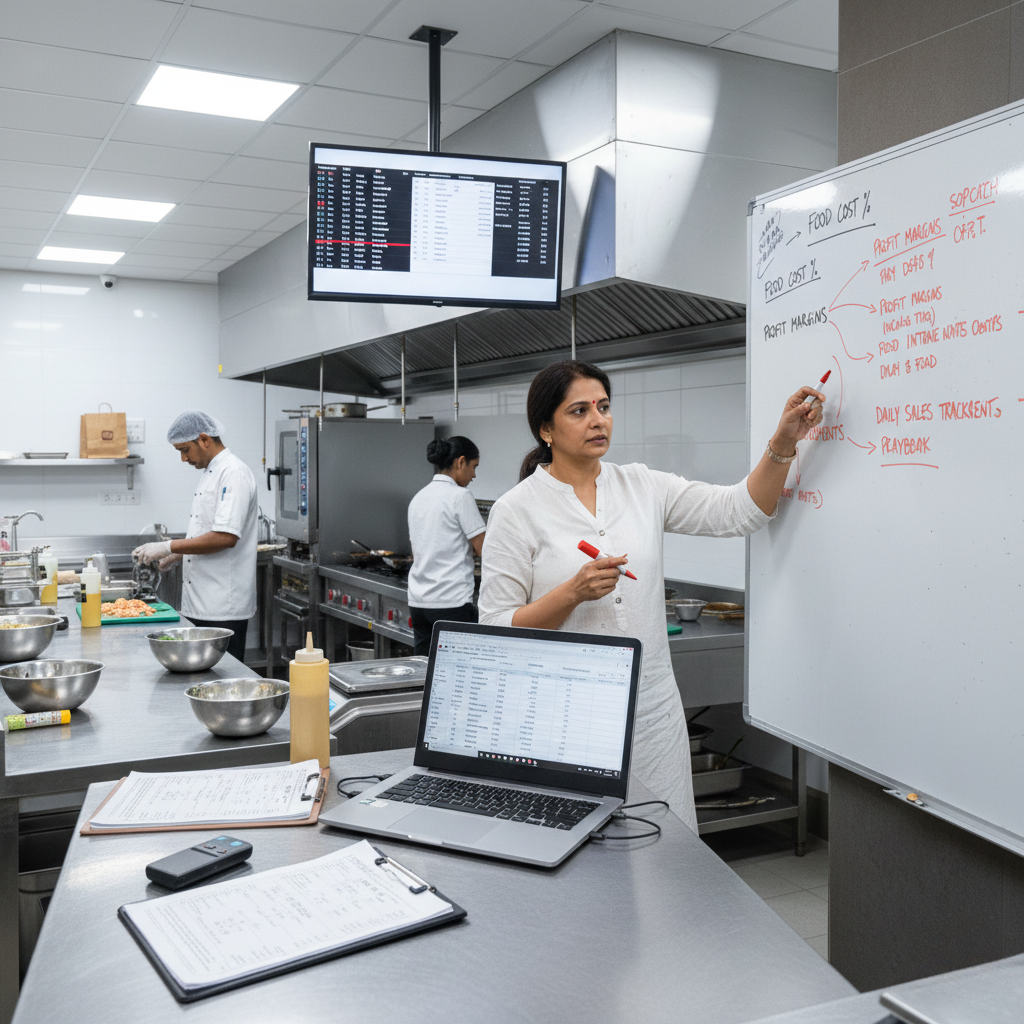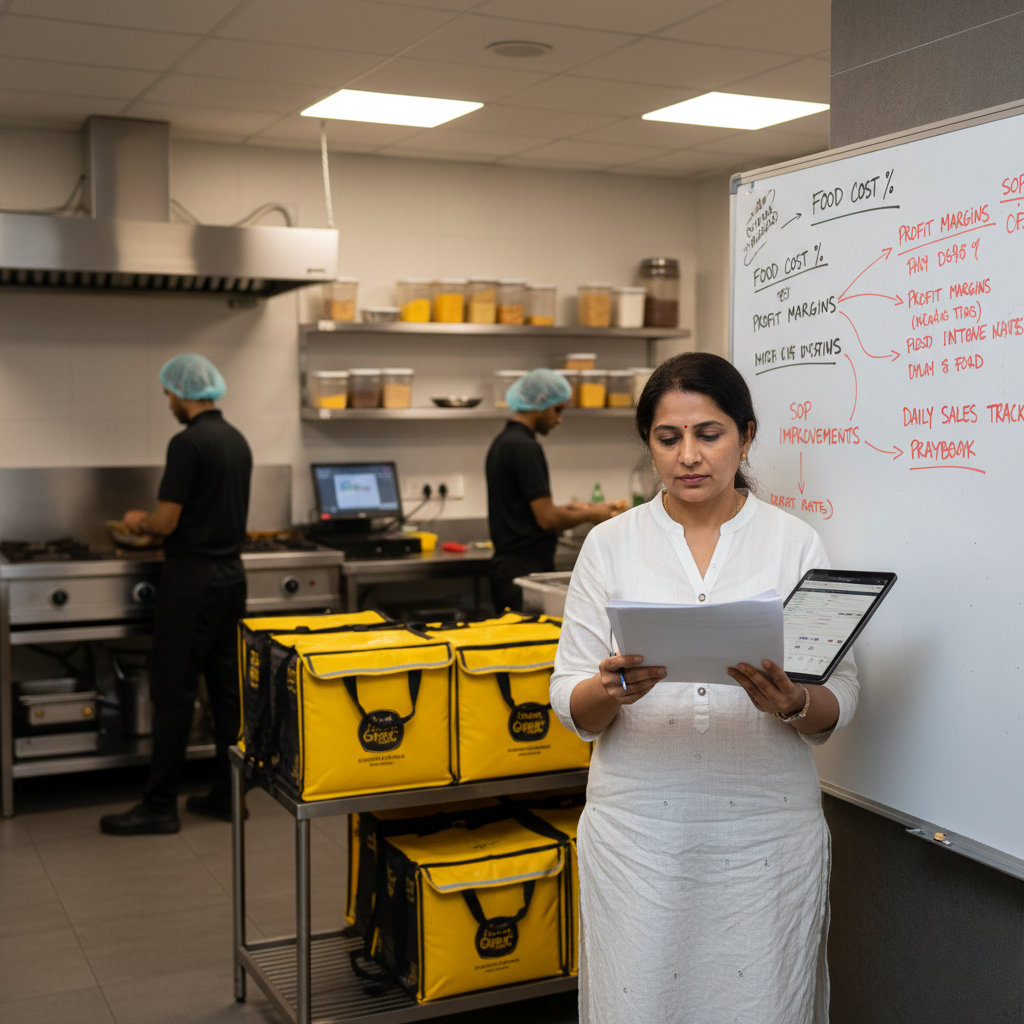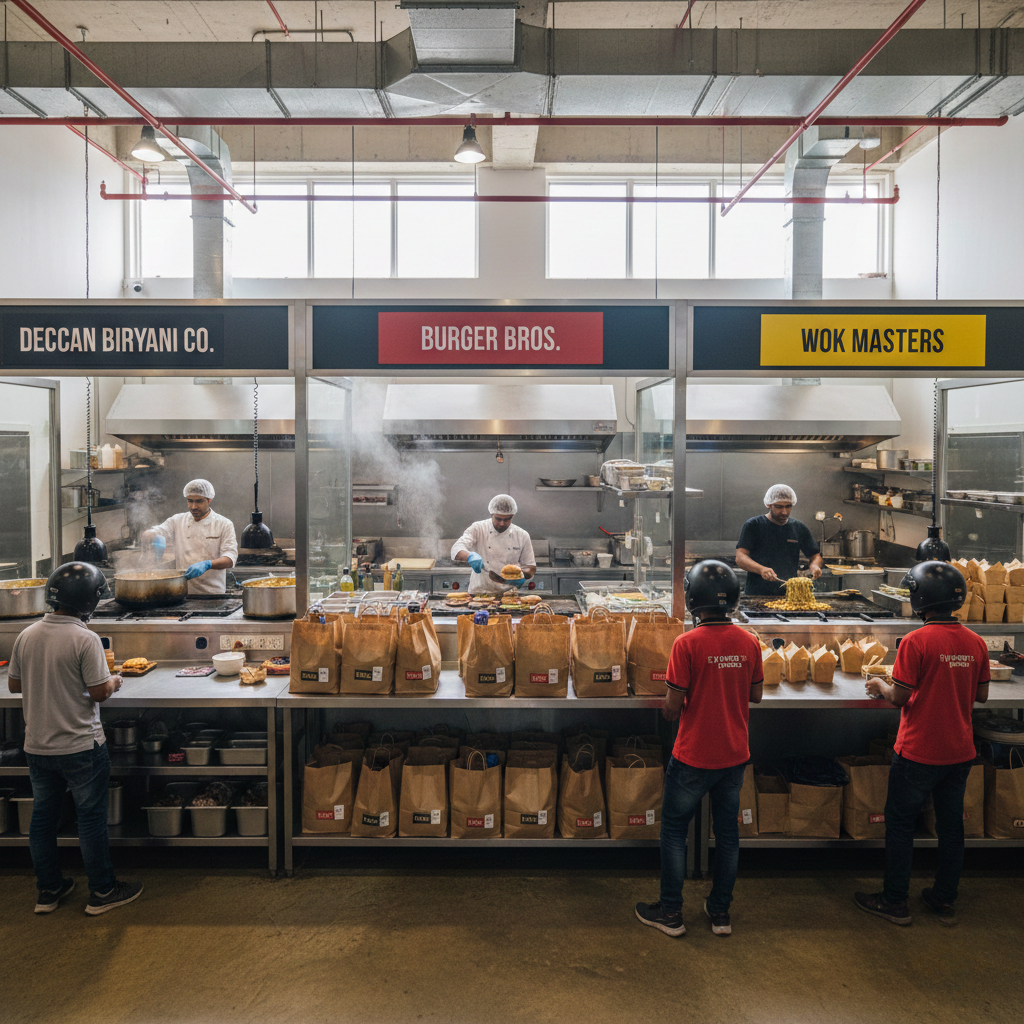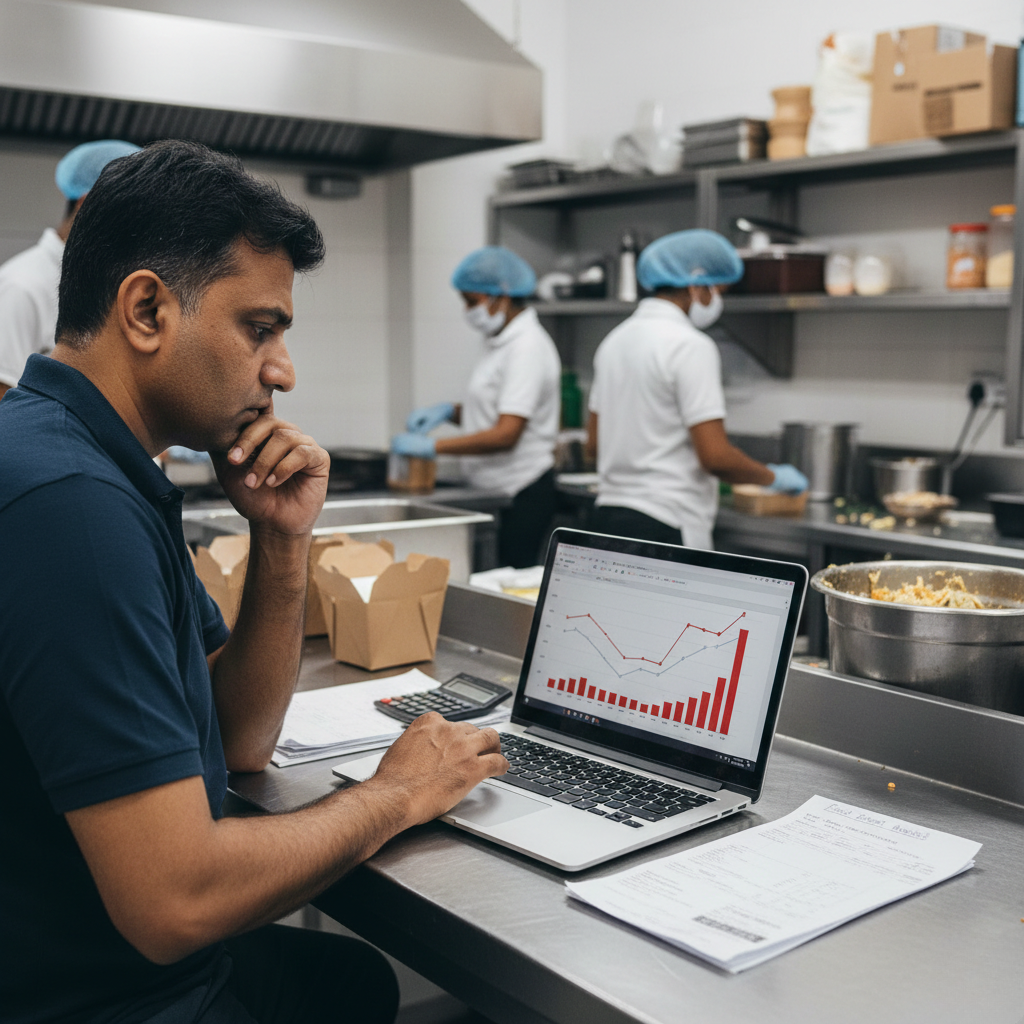
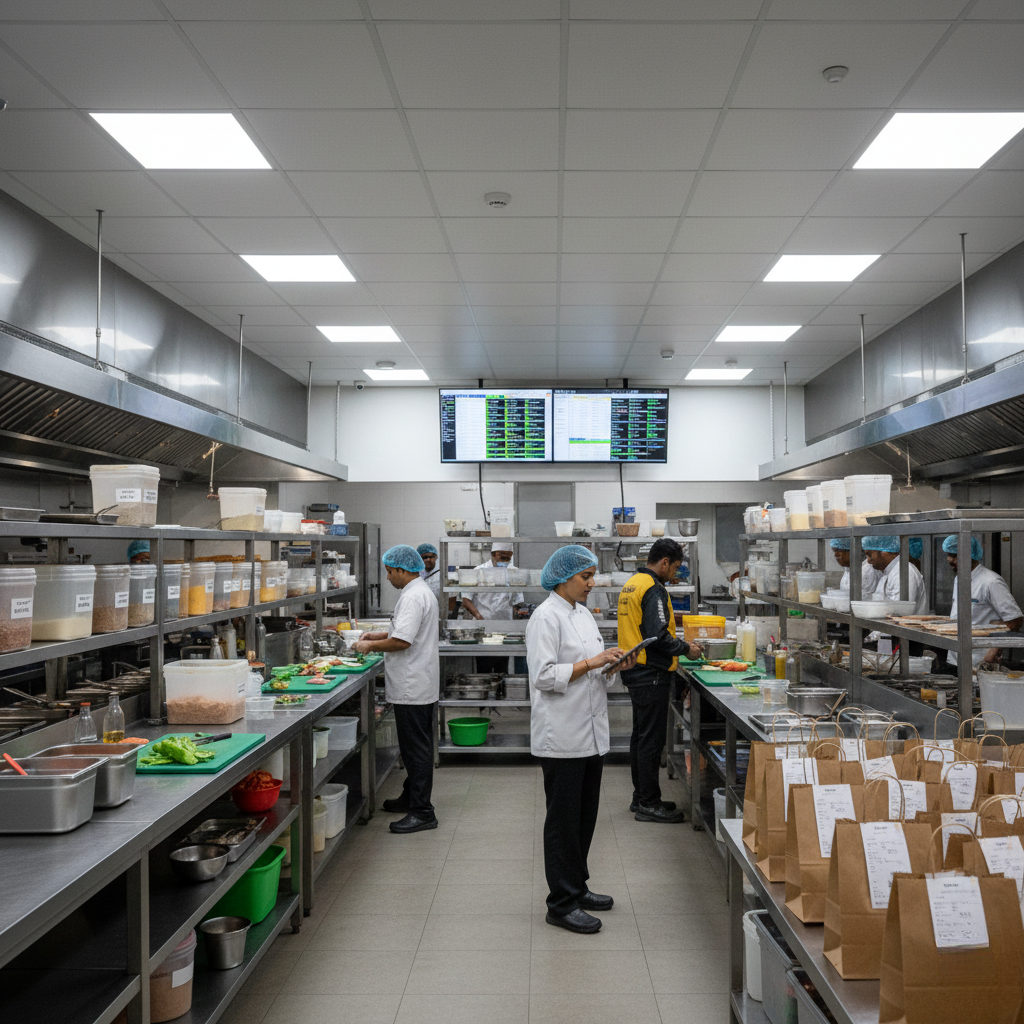
Operations Scaling Guide From 50 to 300 Orders explains one of the most dangerous and misunderstood phases in a cloud kitchen’s journey. Hitting 50 daily orders feels stable. Pushing toward 300 orders feels like success. Yet this transition is where most cloud kitchens break operationally. Delays rise. Staff struggle. Founders lose control. Ratings fall. This guide explains why scaling from 50 to 300 orders is not linear, what operational systems must change, and how disciplined kitchens scale volume without destroying execution.
Why 50 to 300 Orders Is the Most Critical Scaling Jump
At 50 orders a day, most cloud kitchens survive on flexibility. Staff multitask. Founders supervise closely. Errors are corrected informally. This model collapses as volume approaches 200–300 orders. What worked at 50 orders actively fails at 300. This explains why many kitchens stall or collapse, as explored in Cloud Kitchen Operation Consultant.
Why Scaling Orders Is Not Just About Demand
Many founders assume scaling is a marketing problem. More ads. More discounts. More visibility. But operational capacity determines whether growth is sustainable. Orders only create value if they can be executed consistently.
How Operations Work at 50 Orders a Day
At 50 orders, operations are forgiving. Prep mistakes can be corrected mid-service. One strong cook can carry the kitchen. Dispatch errors are manageable. This stage creates false confidence about operational readiness.
The Invisible Breakpoint Between 80 and 120 Orders
Most kitchens feel stress between 80 and 120 daily orders. Prep runs short. Cooking queues build. Packing slows. Founders respond by pushing harder. This delays the collapse, but does not prevent it.
Scaling Prep Planning From 50 to 300 Orders
Prep planning is the first system that must scale. Guess-based prep works at low volume. At higher volume, under-prep causes delays and over-prep causes wastage. Scaled kitchens plan prep using demand patterns and buffers.
Learn this discipline in How Prep Planning Reduces Delays & Refunds.
Why Cooking Stations Hit Capacity First
Cooking is a throughput constraint. At 300 orders, timing, sequencing, and batch control matter. Without SOPs, cooks improvise under pressure. Improvisation creates inconsistency.
Packing Becomes a Bottleneck at Scale
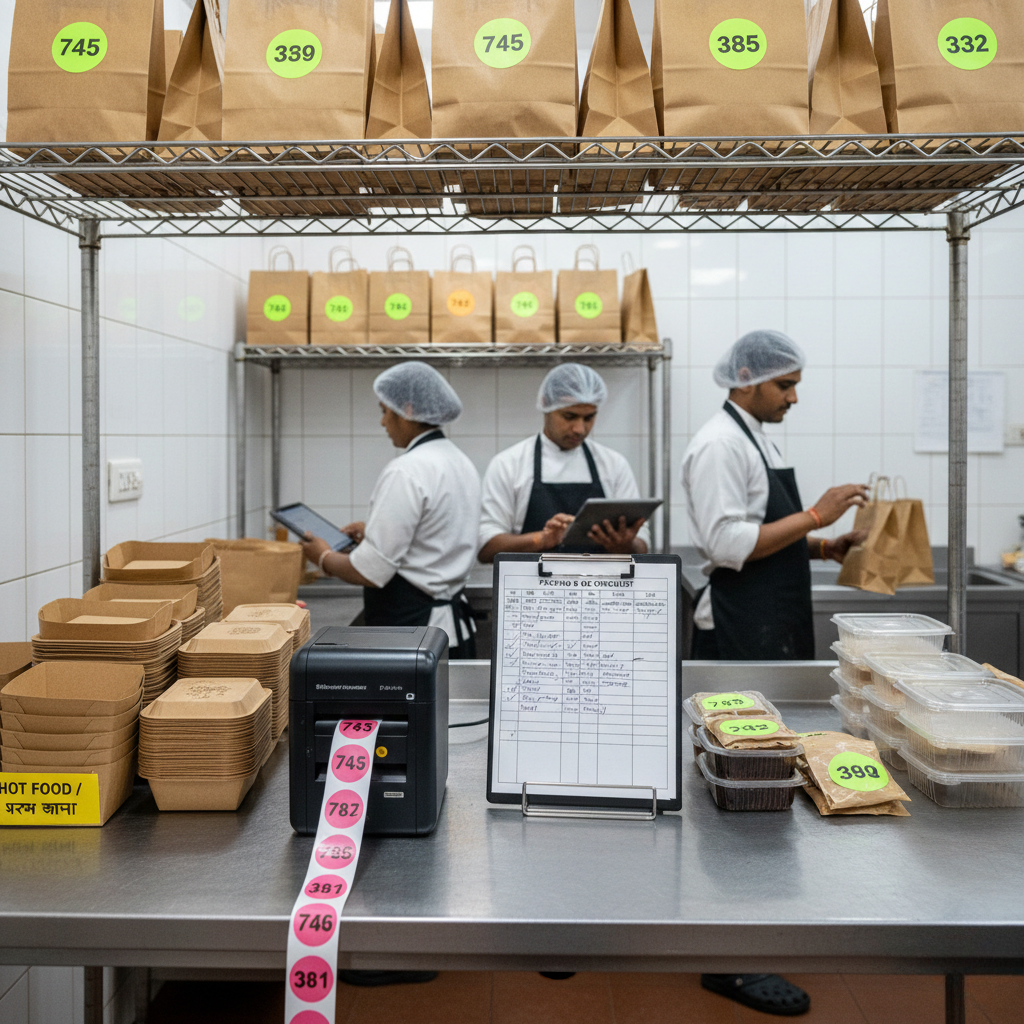
Packing is often underestimated. At higher volumes, missing items, leakage, and slow sealing become common. Scaled kitchens separate packing from cooking responsibilities. Packaging discipline protects speed and accuracy.
Learn why in Why Packaging Is an Operational Decision.
Dispatch Systems Required Beyond 150 Orders
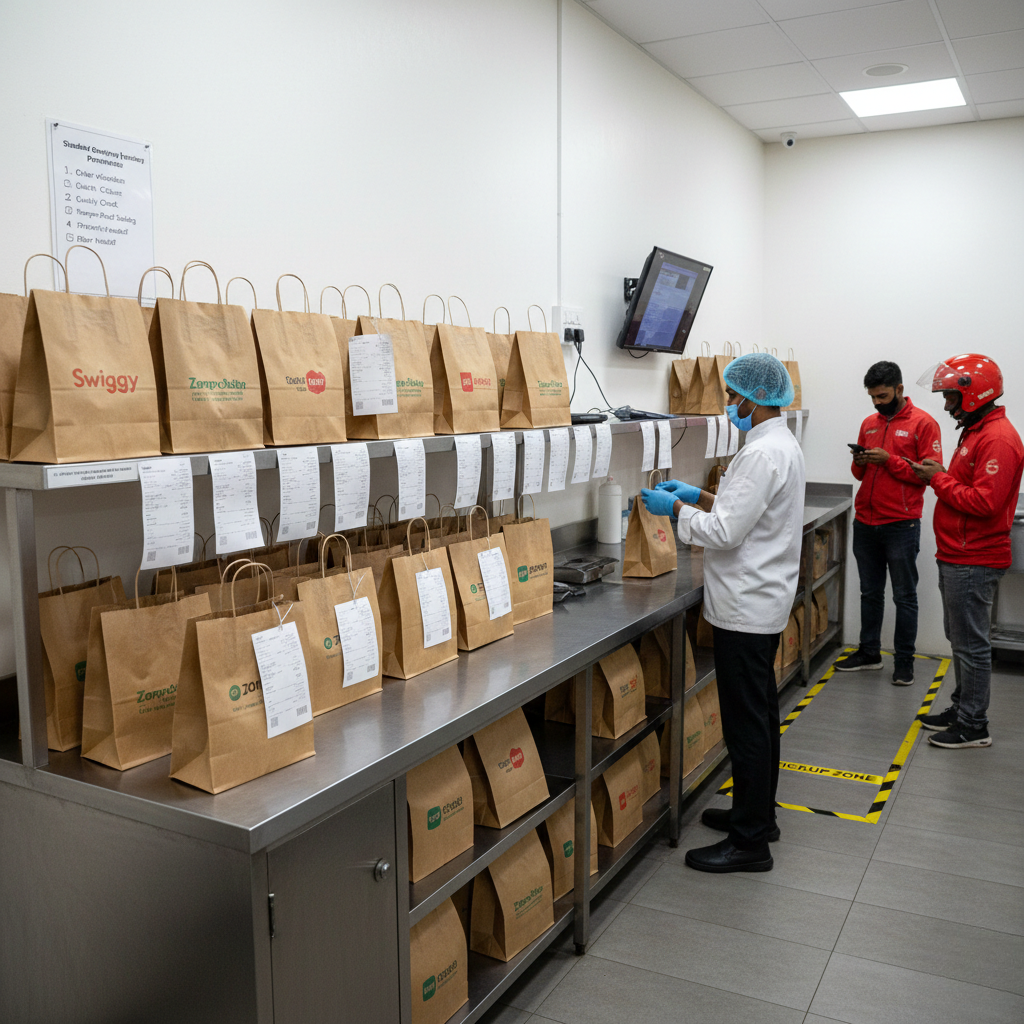
Dispatch chaos increases exponentially with volume. Riders arrive simultaneously. Orders pile up. Handover slows. Without staging and ownership, delivery time explodes. Dedicated dispatch SOPs are non-negotiable at scale.
Learn structured dispatch in Cloud Kitchen Dispatch SOP.
Why Staffing Must Change Between 50 and 300 Orders
Scaling does not mean hiring randomly. It means defining roles. Multitasking staff collapse under volume. Role-based staffing increases output per person.
Inventory Control at Higher Order Volumes
Inventory errors amplify at scale. Stockouts halt service. Overstocking inflates wastage. Scaled kitchens track daily consumption trends. Inventory systems stabilise execution.
Learn structured control in Cloud Kitchen Inventory Management in India.
Why Layout Efficiency Matters at 300 Orders
Extra steps multiply at scale. Poor layout adds minutes per order. Fatigue increases. Errors rise. Scaled kitchens optimise layout around flow, not convenience.
Learn common mistakes in Kitchen Layout Mistakes That Slow Operations.
Why Ratings Often Fall During Scaling
Ratings reflect consistency. Scaling without systems reduces consistency. Delays, missing items, and leakage increase complaints. Ratings fall as a result, not because of customers.
This is explained in Why My Cloud Kitchen Ratings Are Falling.
Systems Required to Scale Safely to 300 Orders
Scaling requires predictability. Predictability requires systems. SOPs, prep plans, dispatch flow, audits, and role clarity absorb volume safely. Systems reduce founder dependency as volume increases.
Learn this transition in How Operations Systems Reduce Dependency on Founders.
How Scaling Impacts Profitability
More orders do not guarantee more profit. Operational leakage eats margins at scale. Refunds, wastage, and inefficiency increase silently. Controlled operations convert volume into profit.
This relationship is explained in How Operations Impact Cloud Kitchen Profitability.
From 50 Orders to 300 Orders: Final Takeaway
Scaling is not about handling more orders. It is about handling them consistently. Kitchens that scale systems before scaling volume grow faster and safer. Proven frameworks from GrowKitchen help founders scale without losing control.
FAQs: Scaling Cloud Kitchen Operations
When should I start preparing for 300 orders?
Before crossing 100 daily orders.
Do I need more staff to scale?
Not immediately. Role clarity improves output first.
Should marketing pause during scaling?
Yes, until operations stabilise.
Is scaling always stressful?
Only when systems lag behind demand.