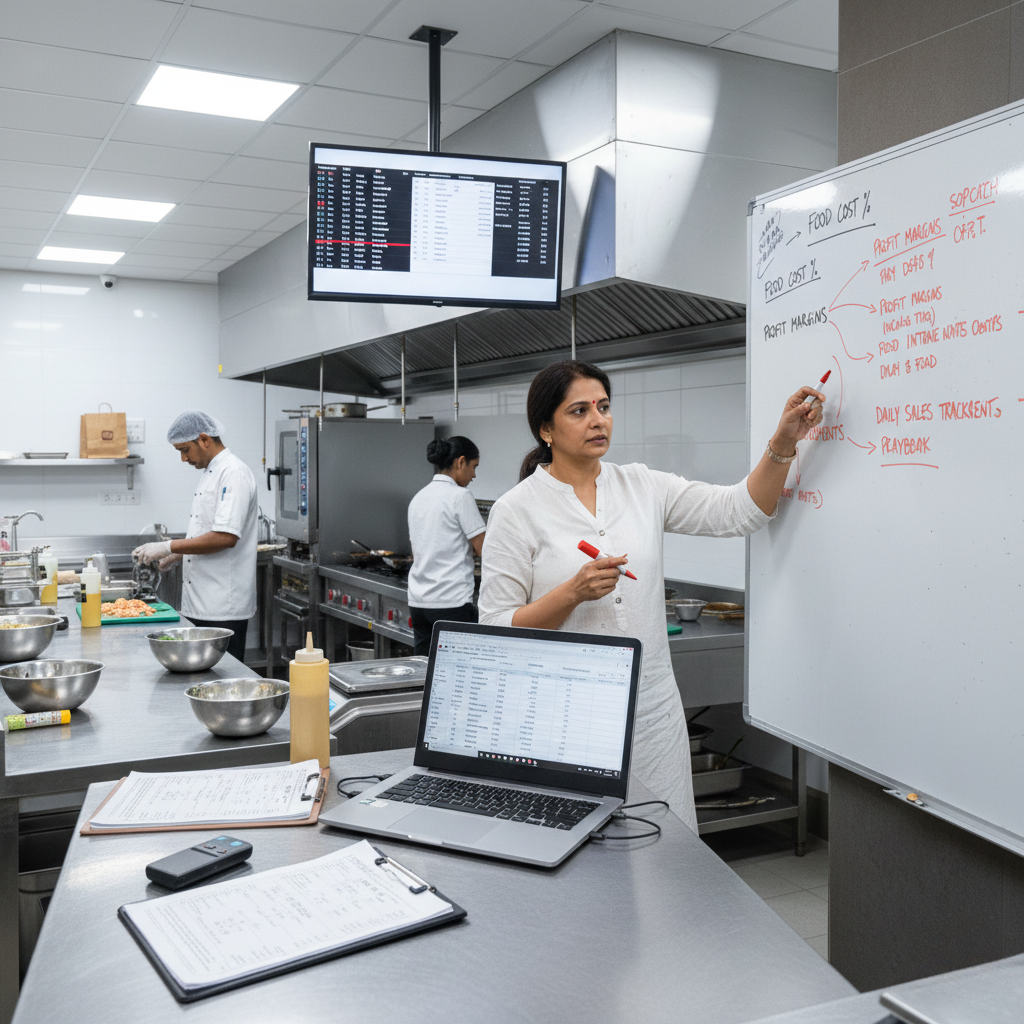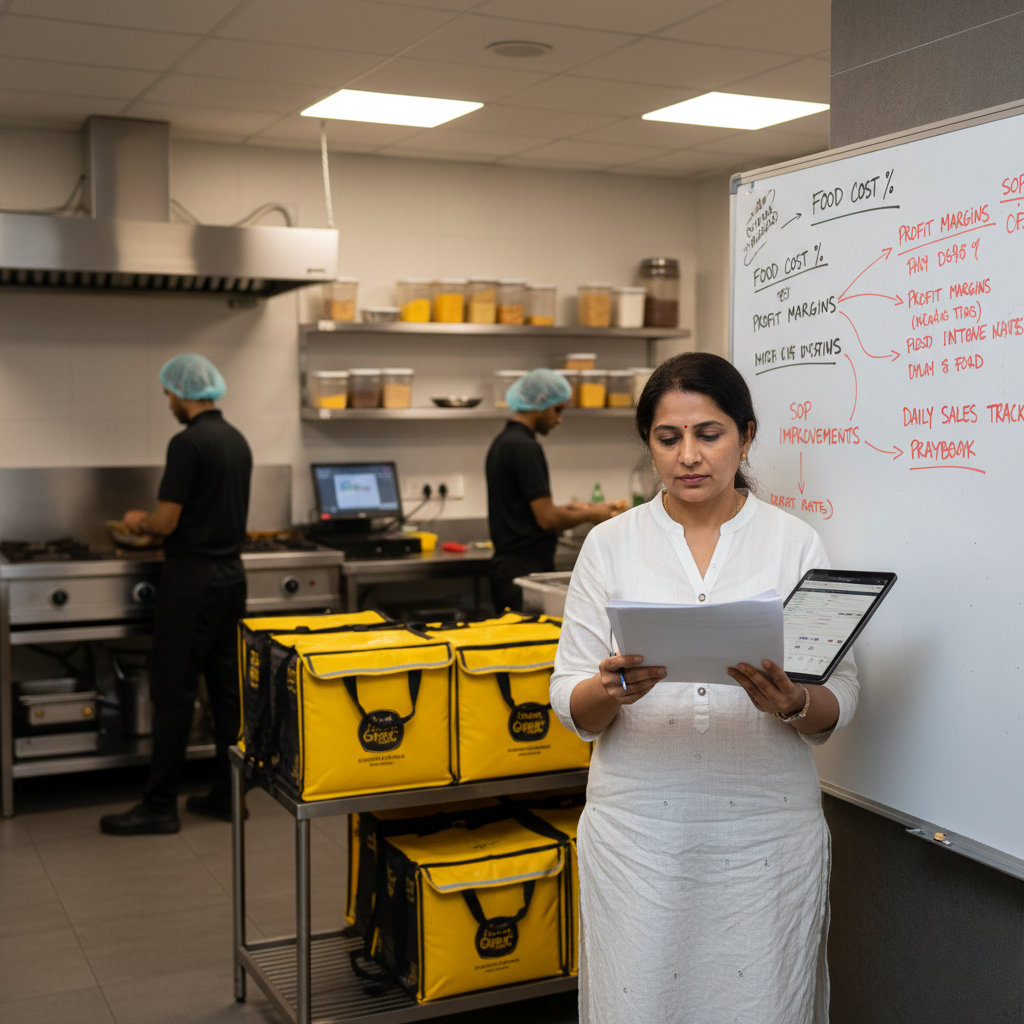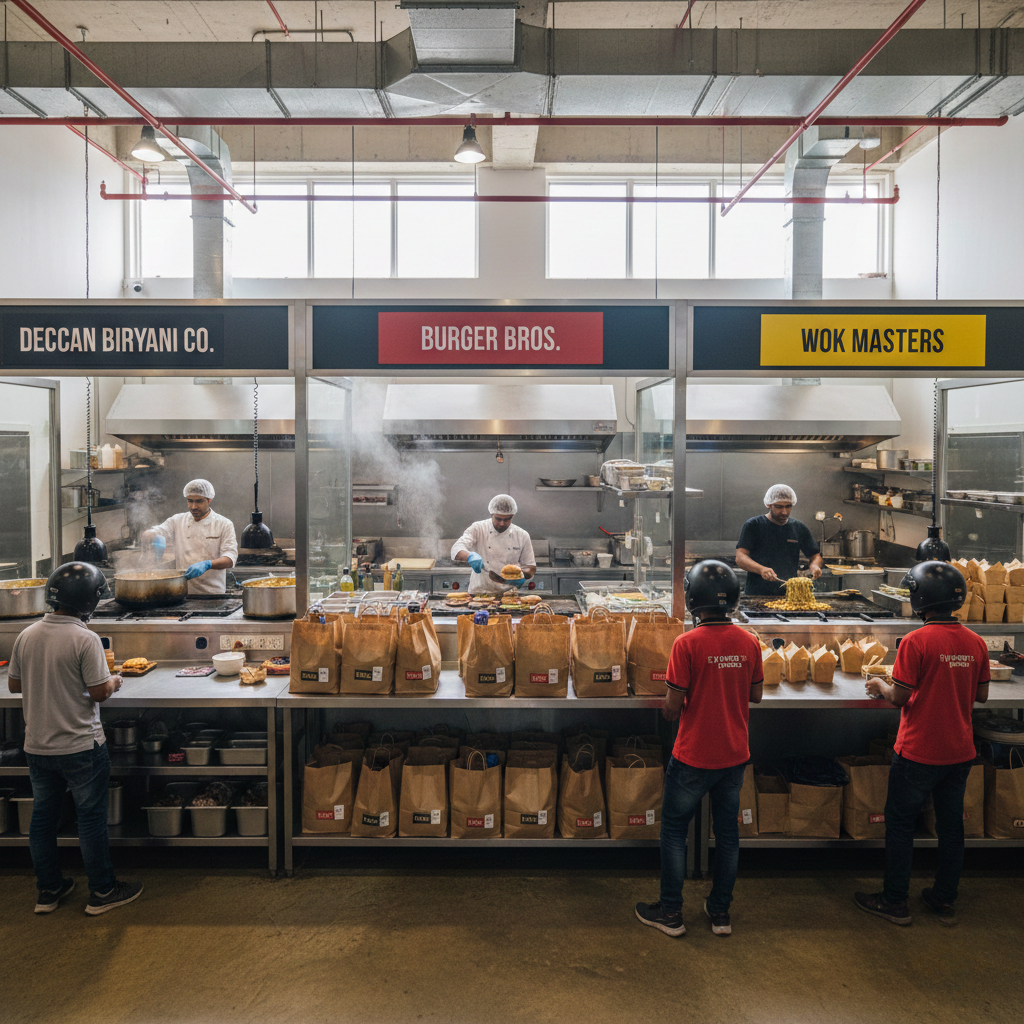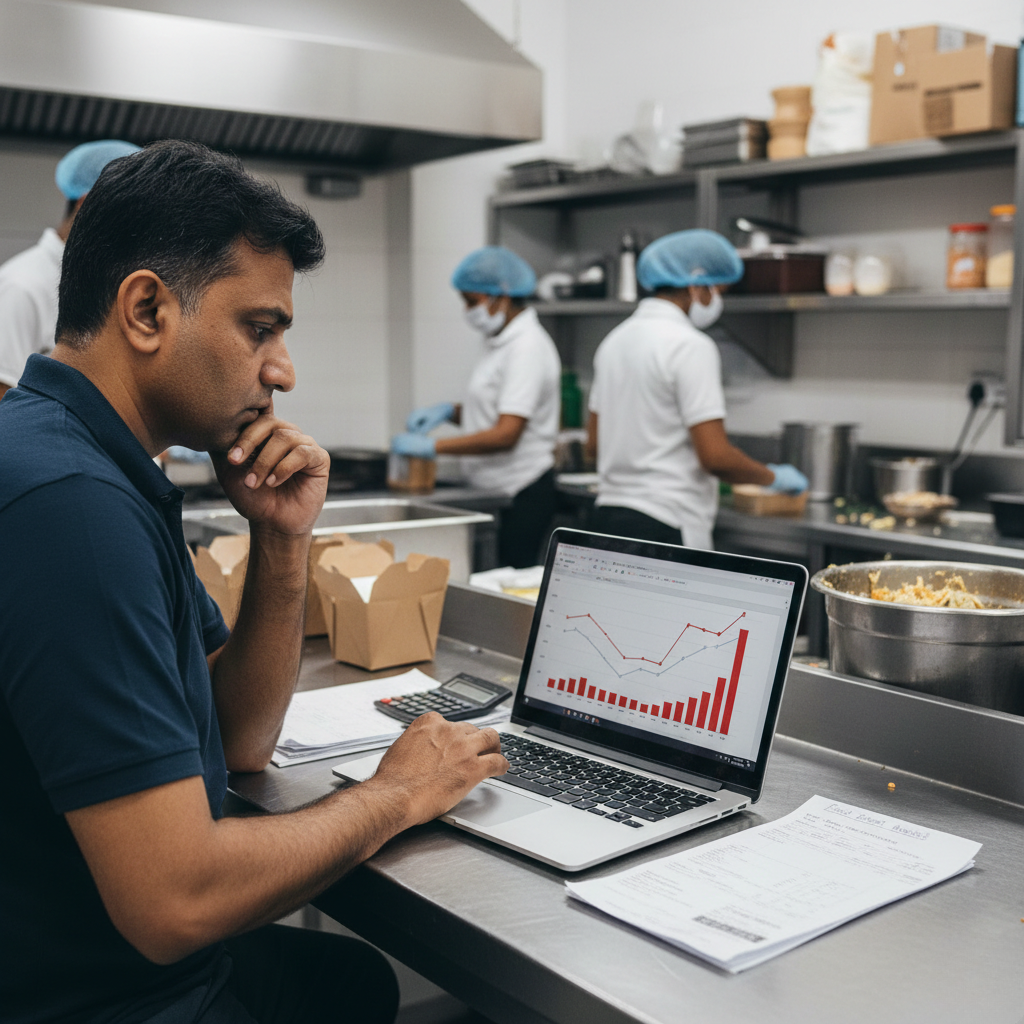
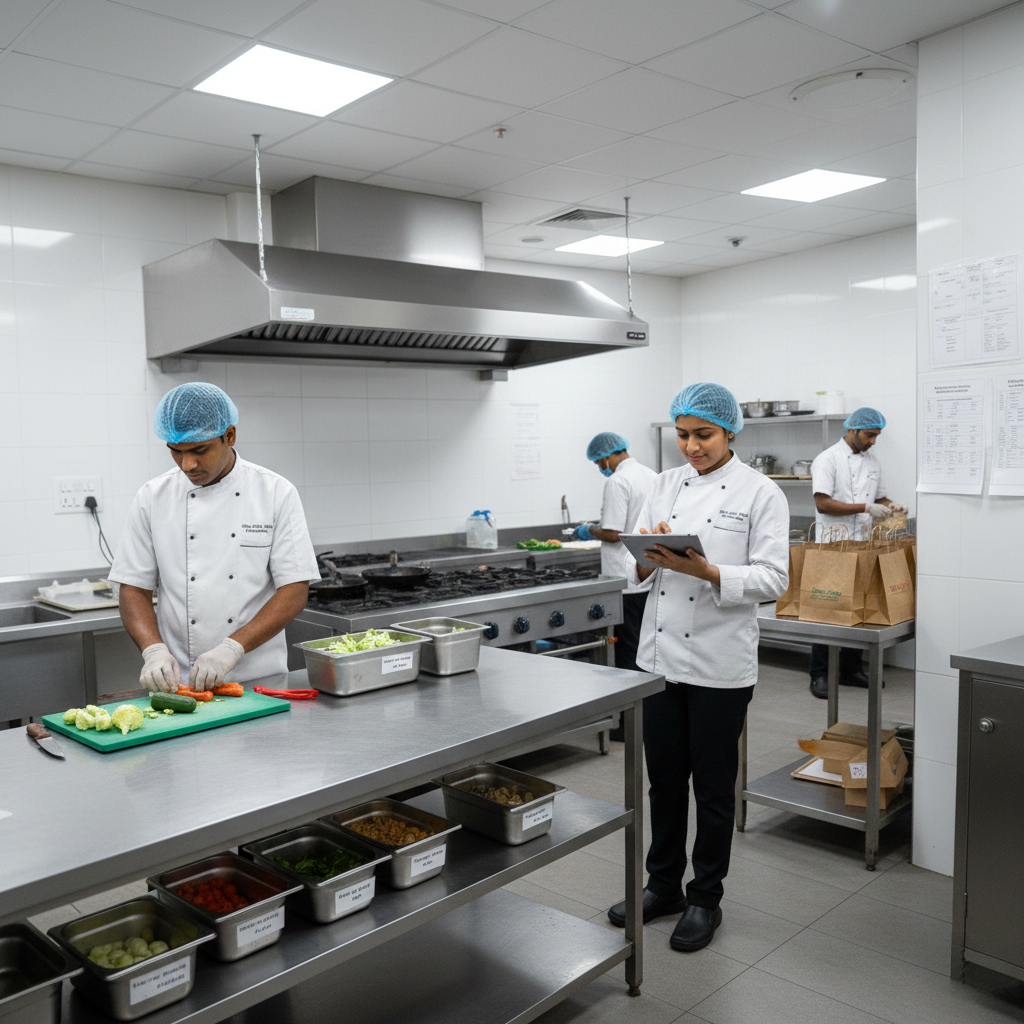
How to Stabilise a Running Cloud Kitchen addresses a phase most Indian cloud kitchen founders reach after initial traction. Orders are coming in. The kitchen is operational. Revenue exists. Yet daily operations feel fragile. Performance fluctuates. Founders remain deeply involved. Stability feels temporary. This guide explains why running cloud kitchens often remain unstable, what operational instability actually means, and how founders can systematically stabilise execution without burning out or overstaffing. Cloud Kitchen Operations Consultant.
Why Most Running Cloud Kitchens Are Not Stable
Many cloud kitchens confuse activity with stability. Orders flowing in creates the illusion that systems are working. In reality, daily performance depends heavily on founder presence, staff experience, and constant firefighting. When any one of these weakens, operations immediately wobble. This fragility explains why many kitchens struggle to scale, as explored in Why Most Cloud Kitchens Collapse After Initial Growth.
What Operational Stability Actually Means
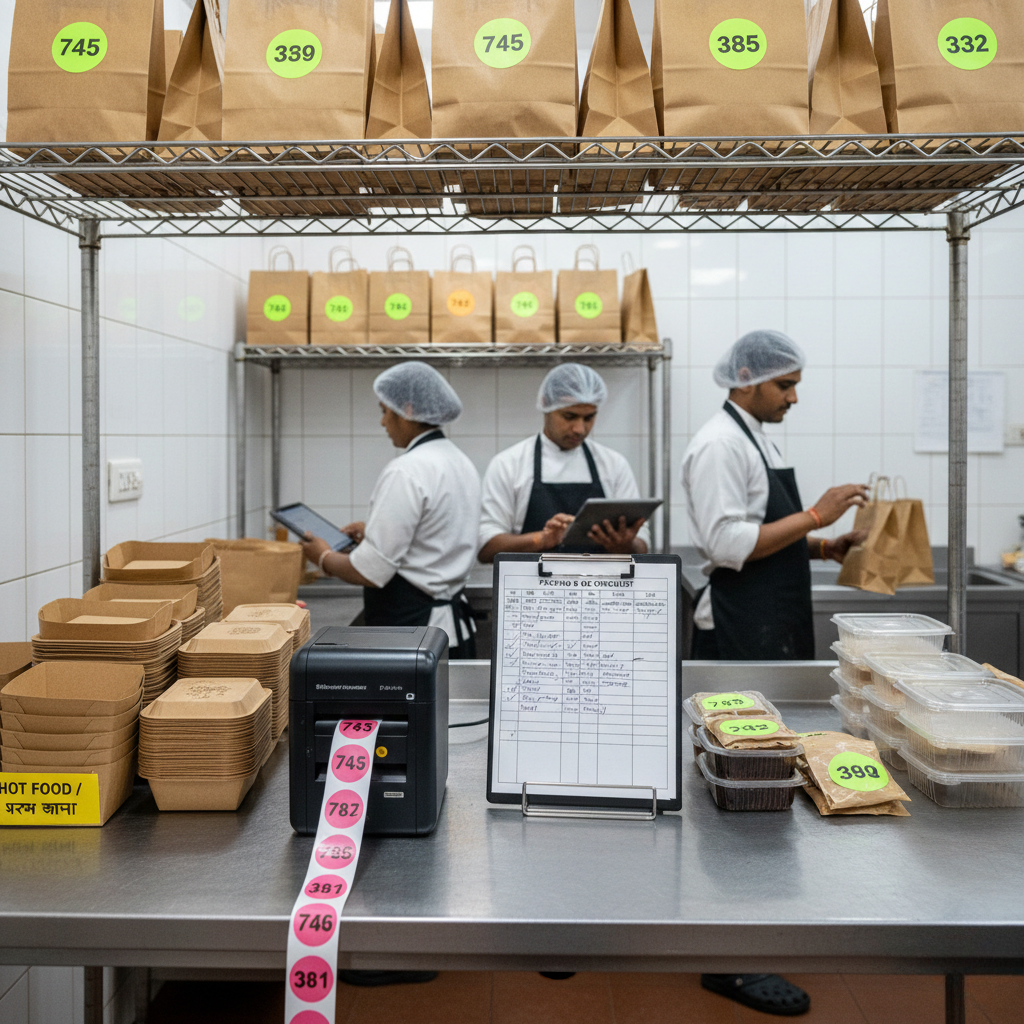
Stability does not mean zero problems. It means problems do not disrupt service. Stable kitchens deliver consistent speed, predictable quality, and controlled costs regardless of who is on shift. Stability is created by systems, not supervision.
Signs Your Cloud Kitchen Is Running but Unstable
Peak hours feel stressful every day. Performance varies by shift or staff member. Founders hesitate to step away. Issues repeat even after being “fixed”. These symptoms indicate missing systems, not lack of effort.
Reducing Founder Dependency to Create Stability
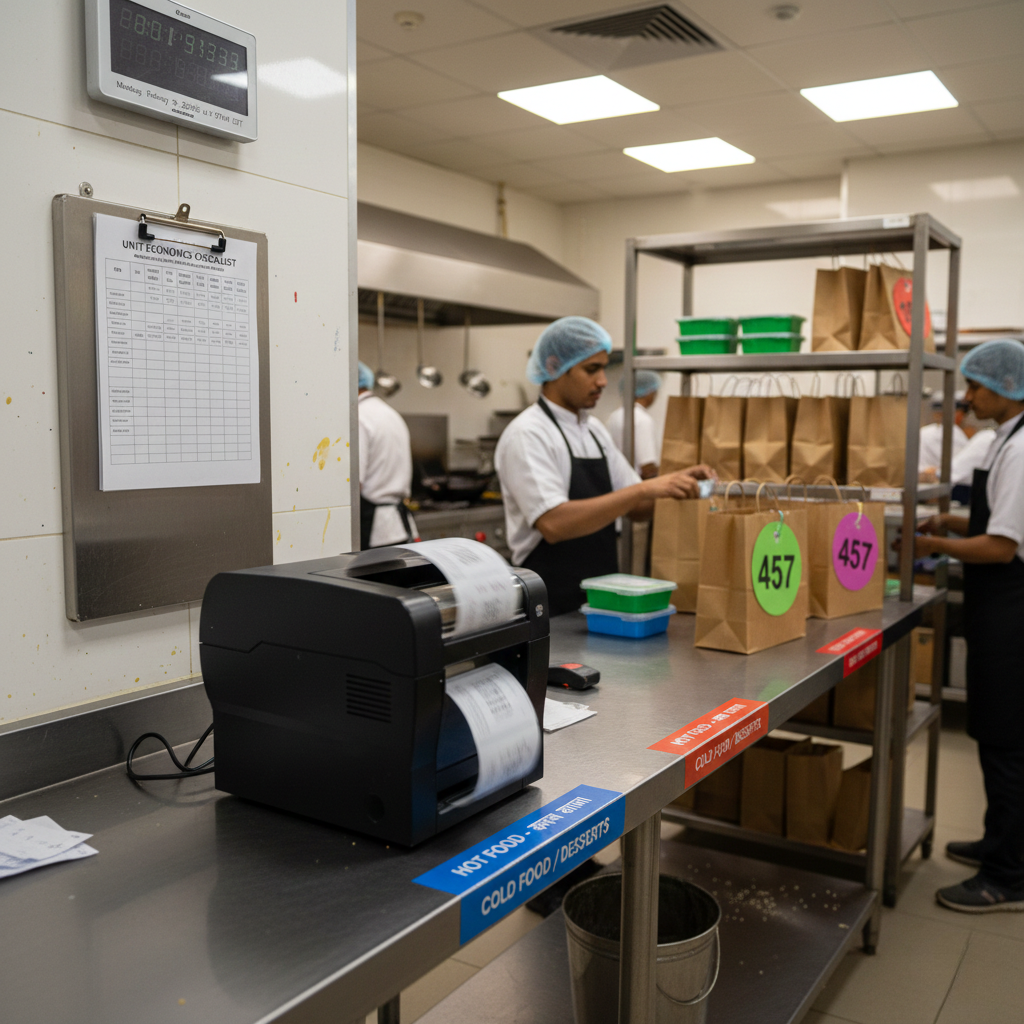
Founder dependency is the biggest barrier to stability. When decisions, approvals, and troubleshooting depend on one person, operations cannot stabilise. Systems replace individuals as the source of control.
This transition is explained in How Operations Systems Reduce Dependency on Founders.
Stabilising Service Through Prep Discipline
Instability often starts before service begins. Inconsistent prep pushes pressure into live cooking. This leads to delays, mistakes, and rushed execution. Daily prep planning aligned with demand stabilises the entire day.
Learn this connection in How Prep Planning Reduces Delays & Refunds.
Why Dispatch Stability Protects Ratings
Dispatch is the final control point. Unstructured dispatch creates visible chaos even when cooking is under control. Stable kitchens use dedicated dispatch roles, order staging, and clear handover flow. This stabilises delivery times and customer experience.
Learn structured dispatch in Cloud Kitchen Dispatch SOP.
Packaging Discipline as a Stability Lever
Packaging failures create instability downstream. Leakage, spillage, and presentation issues trigger complaints and refunds. Stable kitchens standardise packaging types, sealing methods, and packing sequence. Packaging must be treated as an operational system.
This is explained in Why Packaging Is an Operational Decision.
Stabilising Staff Performance Through Role Clarity
In unstable kitchens, staff multitask constantly. Multitasking creates variability and accountability gaps. Role-based operations stabilise output per person. When roles are clear, performance becomes predictable.
Inventory Control as a Foundation of Stability
Stockouts destabilise service. Overstocking increases wastage. Both introduce daily uncertainty. Inventory systems align supply with demand, stabilising execution.
Learn structured inventory control in Cloud Kitchen Inventory Management in India.
How Kitchen Layout Affects Operational Stability
Poor layout increases unnecessary movement. Movement increases fatigue. Fatigue increases mistakes. Stable kitchens design layout around workflow, not convenience. Layout discipline is covered in Kitchen Layout Mistakes That Slow Operations.
Why SOPs Are Central to Stabilisation
SOPs remove decision fatigue. They define what happens, when it happens, and who owns it. Stable kitchens rely on SOPs more than supervision. This is how consistency is maintained daily.
How Stability Improves Profitability
Stability reduces refunds. Stability reduces wastage. Stability improves ratings and repeat orders. Operational stability directly impacts margins, as explained in How Operations Impact Cloud Kitchen Profitability.
The Transition From Running to Stable Operations
Stabilisation is gradual. Founders document processes, define ownership, and enforce routines. Each system removes one dependency. Over time, operations become predictable and calm.
How to Stabilise a Running Cloud Kitchen: Final Takeaway
Running a cloud kitchen is not enough. Stability determines whether it can grow. Kitchens that replace effort with systems gain control, confidence, and consistency.
Proven frameworks from GrowKitchen help founders stabilise operations without burning out.
FAQs: Stabilising Cloud Kitchen Operations
Can a small cloud kitchen achieve stability?
Yes. Smaller teams benefit faster from structured systems.
Does stability require hiring more staff?
Usually no. Stability improves productivity per person.
How long does stabilisation take?
Initial stability is often visible within weeks.
Should growth pause during stabilisation?
Yes. Stability should precede aggressive scaling.