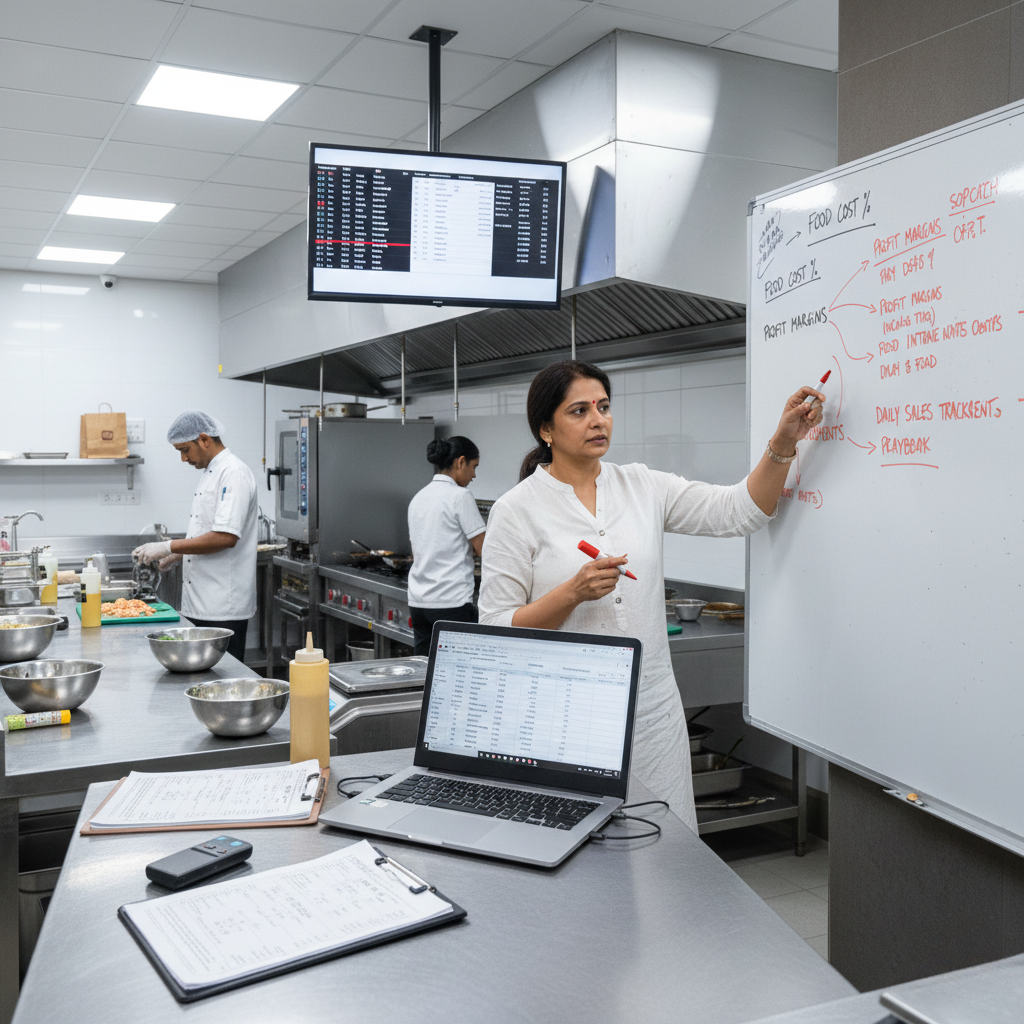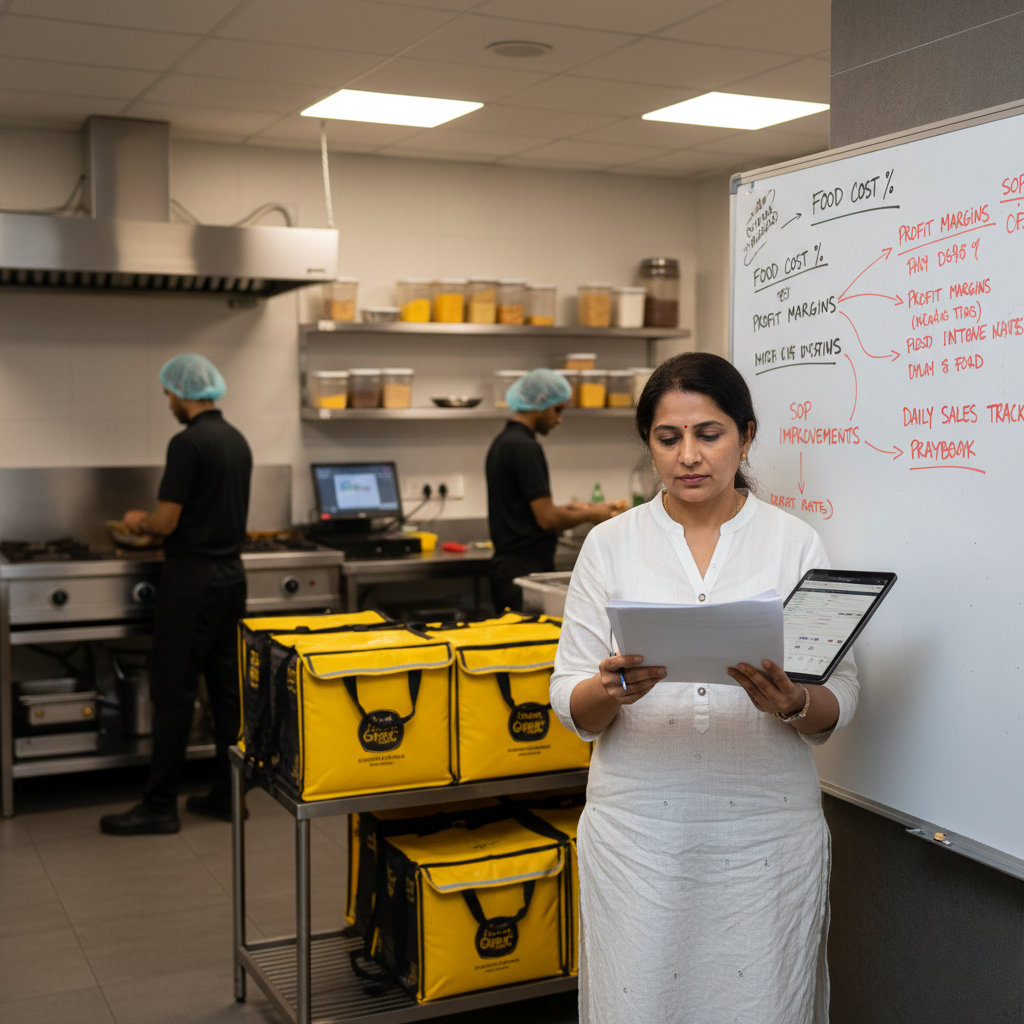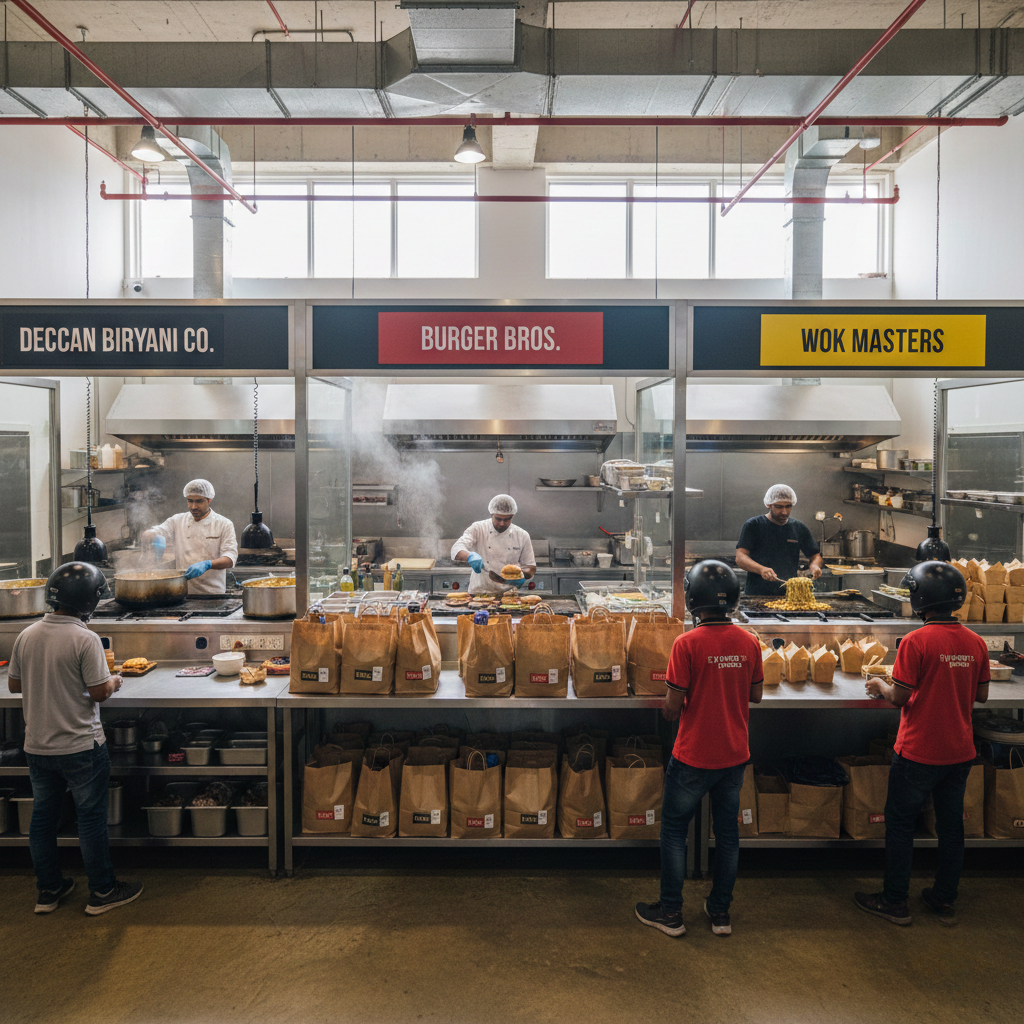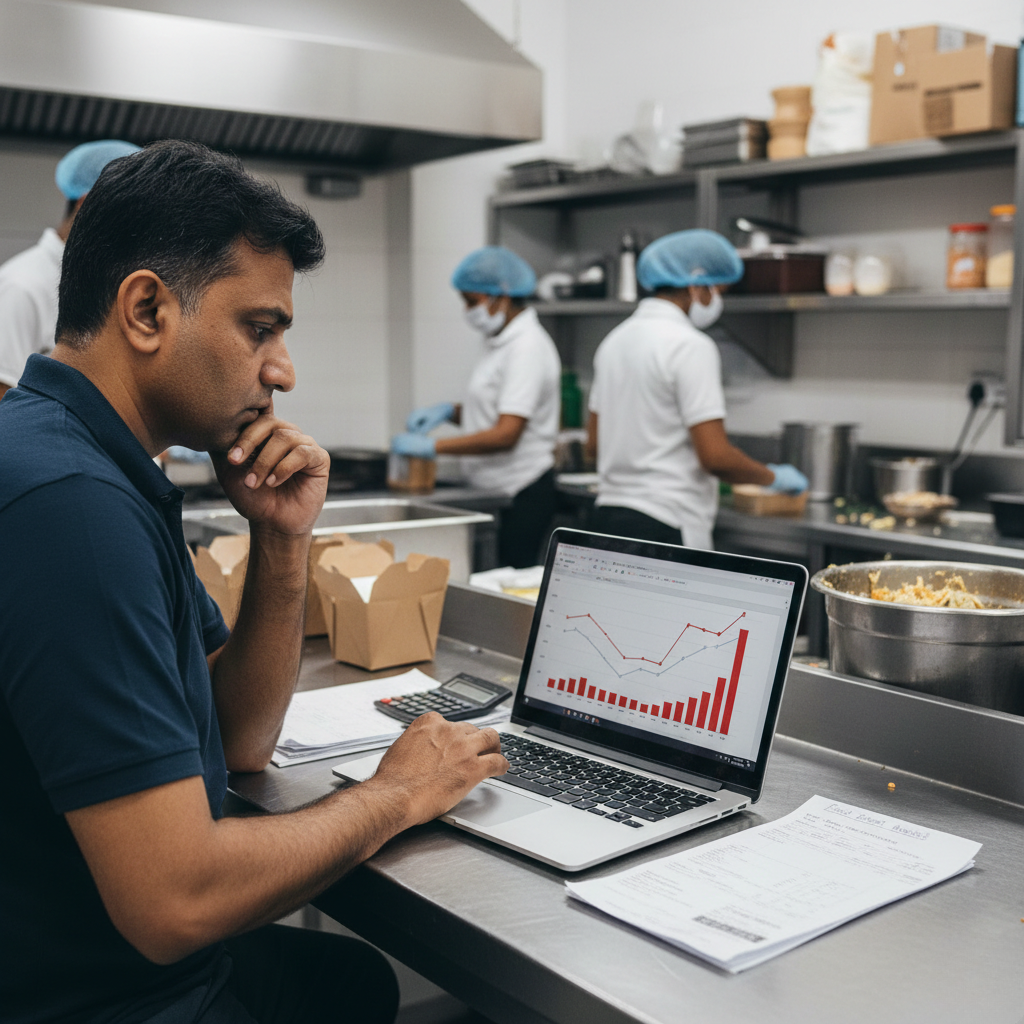
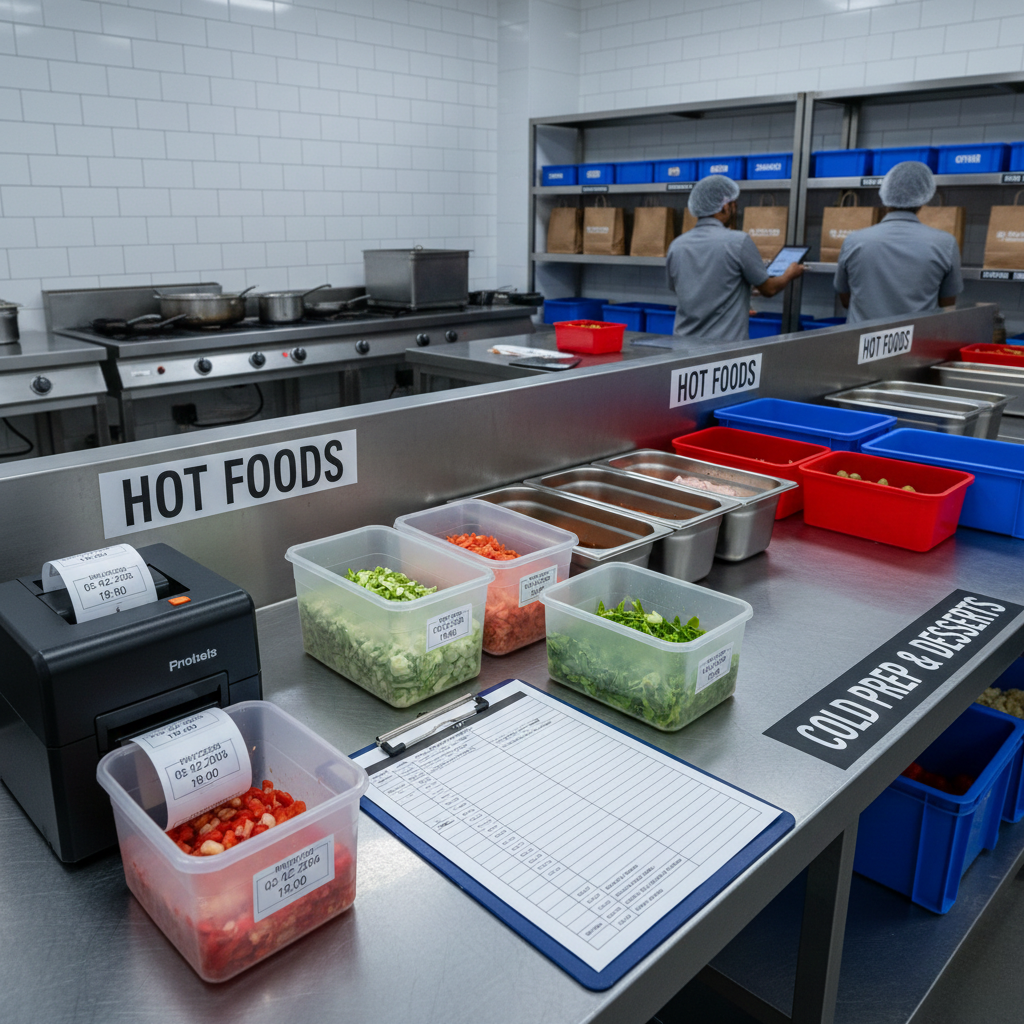
How Prep Planning Improves Margins is one of the most misunderstood truths in cloud kitchen profitability. Most kitchens don’t lose money because food is expensive. They lose money because prep is unplanned. Over-prep creates wastage. Under-prep creates delays. Panic prep creates inconsistency. Prep planning is not a kitchen activity. It is a margin-control system. This guide explains how structured prep planning reduces food cost, improves staff productivity, stabilizes dispatch, and turns unpredictable kitchens into controlled, profitable operations.
How Prep Planning Improves Margins: Why Most Kitchens Bleed Before Service Even Starts
Many cloud kitchen founders focus on service hours. But the biggest margin damage happens before the first order is accepted. Poor prep planning creates a chain reaction: excess raw material usage, rushed cooking, inconsistent portions, delayed dispatch, refunds, and staff burnout.
Kitchens often mistake prep as a “support task.” In reality, prep is the foundation of speed, quality, and profitability. If prep is wrong, service cannot be right.
If your kitchen is running but margins feel unstable, start with Common Operational Mistakes in Cloud Kitchens and understand how operational leaks silently destroy profit.
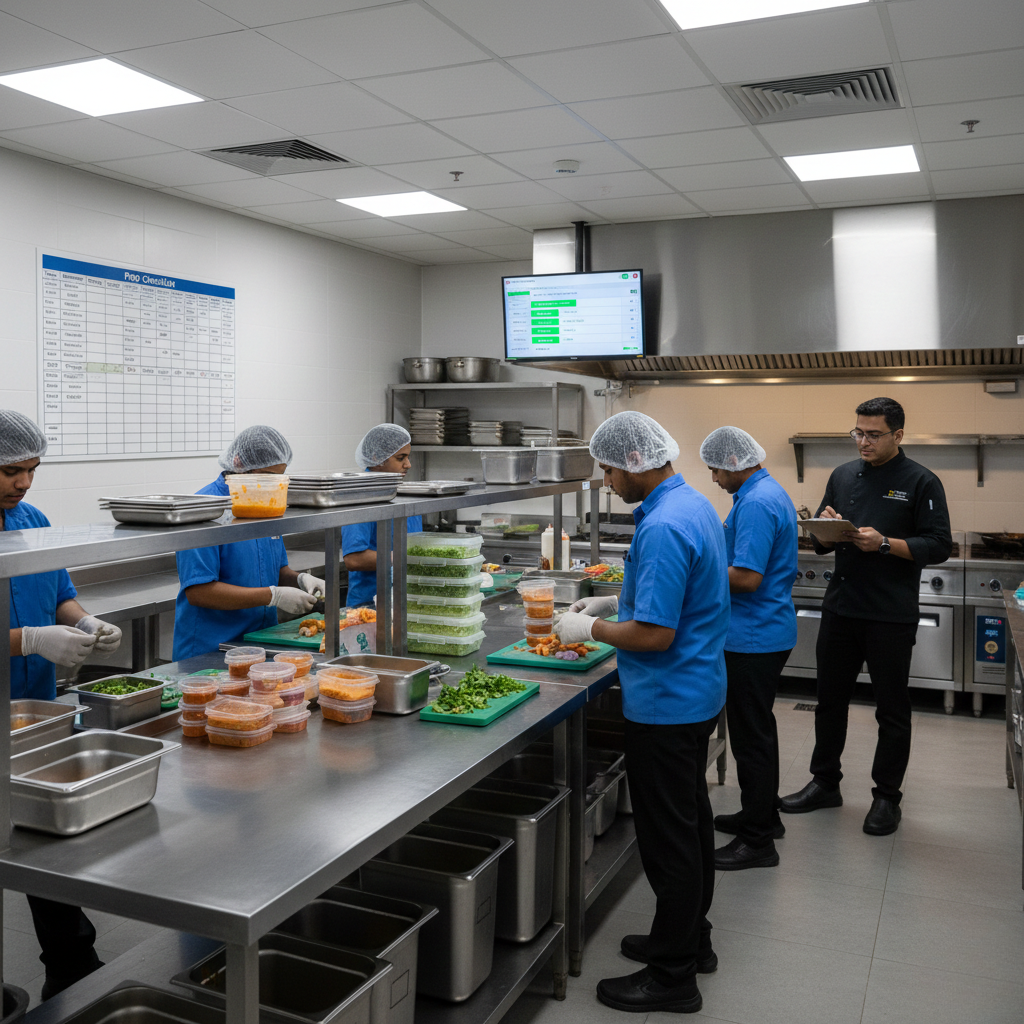
What Prep Planning Actually Means in a Cloud Kitchen
Prep planning is not just chopping vegetables in advance. It is the structured decision of: what to prep, how much to prep, when to prep, who preps it, how long it can be held, and when it must be discarded.
Without prep planning, kitchens operate on instinct. Instinct leads to over-prep on slow days and under-prep on peak days. Both destroy margins differently.
Profitable kitchens don’t cook faster. They prepare smarter.
How Prep Planning Controls the Most Invisible Cost Structure
Most founders track rent, salaries, and commissions. Prep-related losses rarely appear clearly in reports. They hide inside: wastage, expired prep, re-cooking, inconsistent batch yields, emergency purchases, and staff overtime.
When prep is planned correctly: raw material conversion becomes predictable, batch yields stabilize, spoilage reduces, and service becomes smoother.
Prep planning turns raw materials into controlled inventory instead of daily guesswork.
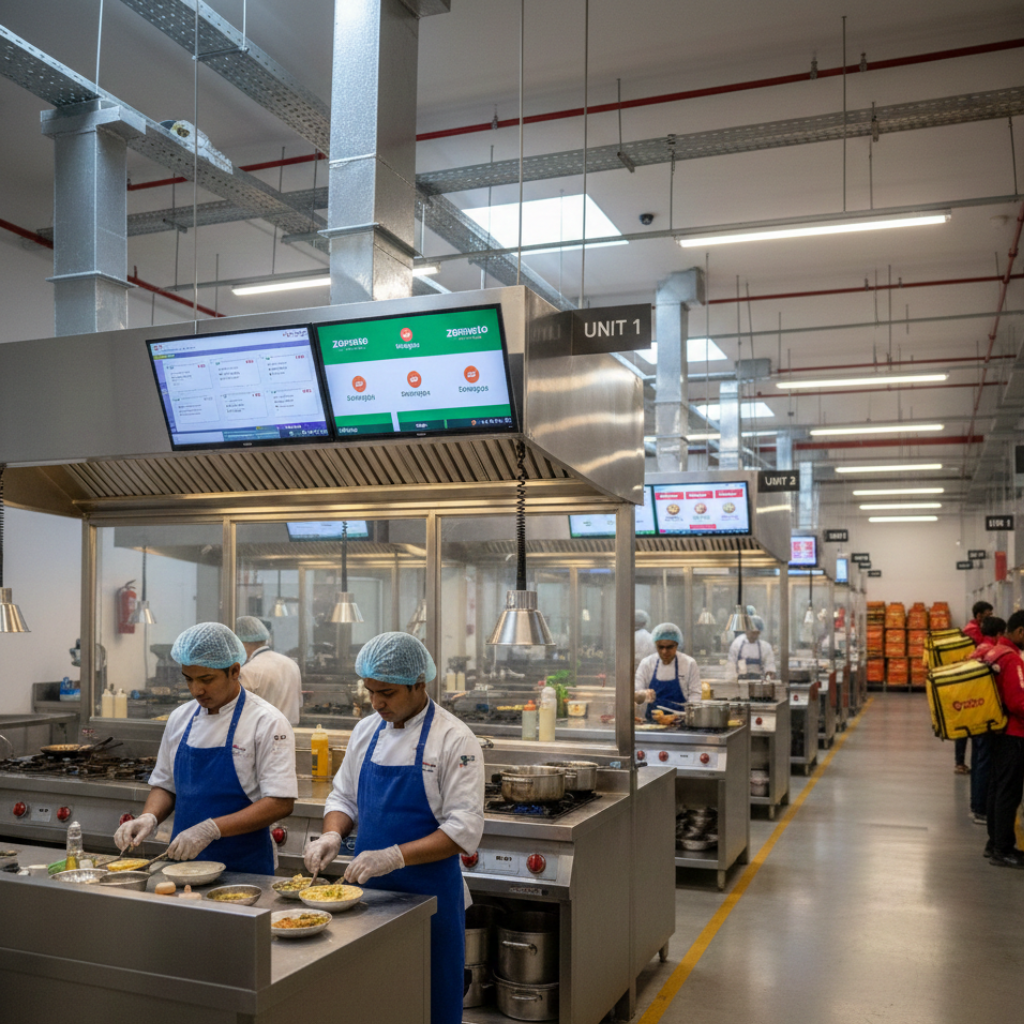
Prep Planning Is the First Lock on Food Cost
Food cost rarely increases suddenly. It drifts upward slowly through prep mistakes. Excess chopping, uncontrolled marination, oversized batches, and poor holding discipline all add hidden grams to every order.
Prep planning improves margins through:
1) Controlled batch sizing: Prep is planned in time-based batches (example: 90–120 minute windows). This avoids full-day over-prep.
2) Yield predictability: Each prep batch has an expected yield. When yields vary, issues are visible immediately.
3) Holding-time discipline: Prep planning defines how long an item can be used safely. Old prep does not get “adjusted” into service.
4) Recipe integrity: When prep is standardized, recipes remain consistent during cooking.
Food cost control works best when prep SOPs support recipe SOPs. For deeper insight, read How SOPs Reduce Food Cost & Complaints.
Prep Planning Turns Staff Time into Profitable Output
In many kitchens, staff looks busy all day. But output per person remains low. The reason is poor prep timing.
Without prep planning: staff prep during peak, abandon stations, and create bottlenecks. This increases stress and reduces throughput.
Prep planning improves productivity by:
• Separating prep hours from service hours
• Assigning prep roles clearly
• Preventing last-minute multitasking
• Reducing peak-hour chaos
When prep is done right, service staff only focuses on execution. This directly improves orders per staff hour.
To understand role clarity deeper, see Role-Based Kitchen Operations Explained.
How Prep Planning Protects Aggregator Payouts
Aggregators don’t penalize kitchens directly for bad prep. They penalize outcomes caused by bad prep: delays, cancellations, wrong items, and inconsistent quality.
Prep planning improves aggregator metrics by: reducing preparation time during peaks, improving order acceptance confidence, and stabilizing dispatch timing.
Predictable prep leads to predictable service, which leads to predictable payouts.
For deeper margin impact, read Aggregator Commission Impact in India.
External policy references: Swiggy Refund Policy, Zomato Ordering Terms.
Prep Planning Is the Hidden Driver of Fast Dispatch
Dispatch speed is decided before the order arrives. Kitchens with poor prep always chase the clock. Kitchens with planned prep stay ahead of it.
Prep planning ensures: ingredients are ready, cooking sequences are smooth, and packing starts on time.
This reduces dispatch delays, wrong orders, and rider escalations.
Pair prep planning with Cloud Kitchen Dispatch SOP for maximum margin protection.
How to Implement Prep Planning That Actually Improves Margins
Prep planning fails when it is generic. Profitable prep planning is data-backed and time-bound.
Step 1: Track last 14 days of order volume by time block.
Step 2: Define prep batches for each block.
Step 3: Assign prep ownership per station.
Step 4: Define holding limits and discard rules.
Step 5: Review prep vs wastage weekly.
Prep plans must evolve with menu changes, demand shifts, and staffing changes. Static prep plans eventually fail.
External hygiene standards useful for prep planning: FSSAI Schedule 4, ISO 22000.
Final Takeaway: Prep Planning Doesn’t Add Work. It Removes Waste
Prep planning is not extra effort. It is the removal of unnecessary effort.
When prep is controlled, food cost stabilizes, staff output improves, dispatch becomes predictable, and margins stop leaking.
Kitchens that plan prep scale safely. Kitchens that don’t plan prep burn out silently.
Operational systems from GrowKitchen, along with partner brands like Fruut and GreenSalad, help founders convert chaotic kitchens into controlled, profitable operations.
FAQs: How Prep Planning Improves Margins
Does prep planning slow down kitchens?
No. It removes last-minute chaos and improves speed during peaks.
How often should prep plans be reviewed?
Weekly for volume, monthly for structural changes.
Is prep planning useful for small kitchens?
Yes. Small kitchens benefit the most because margins are tight.