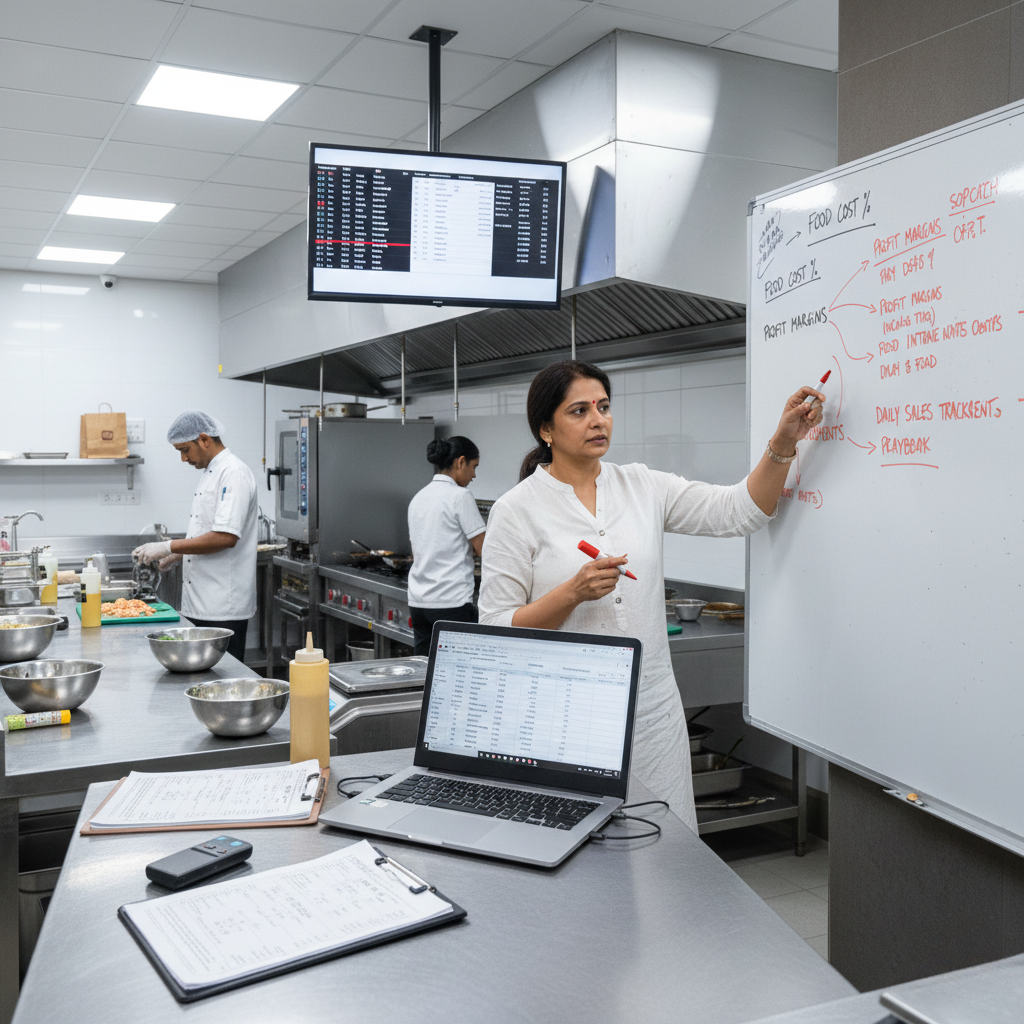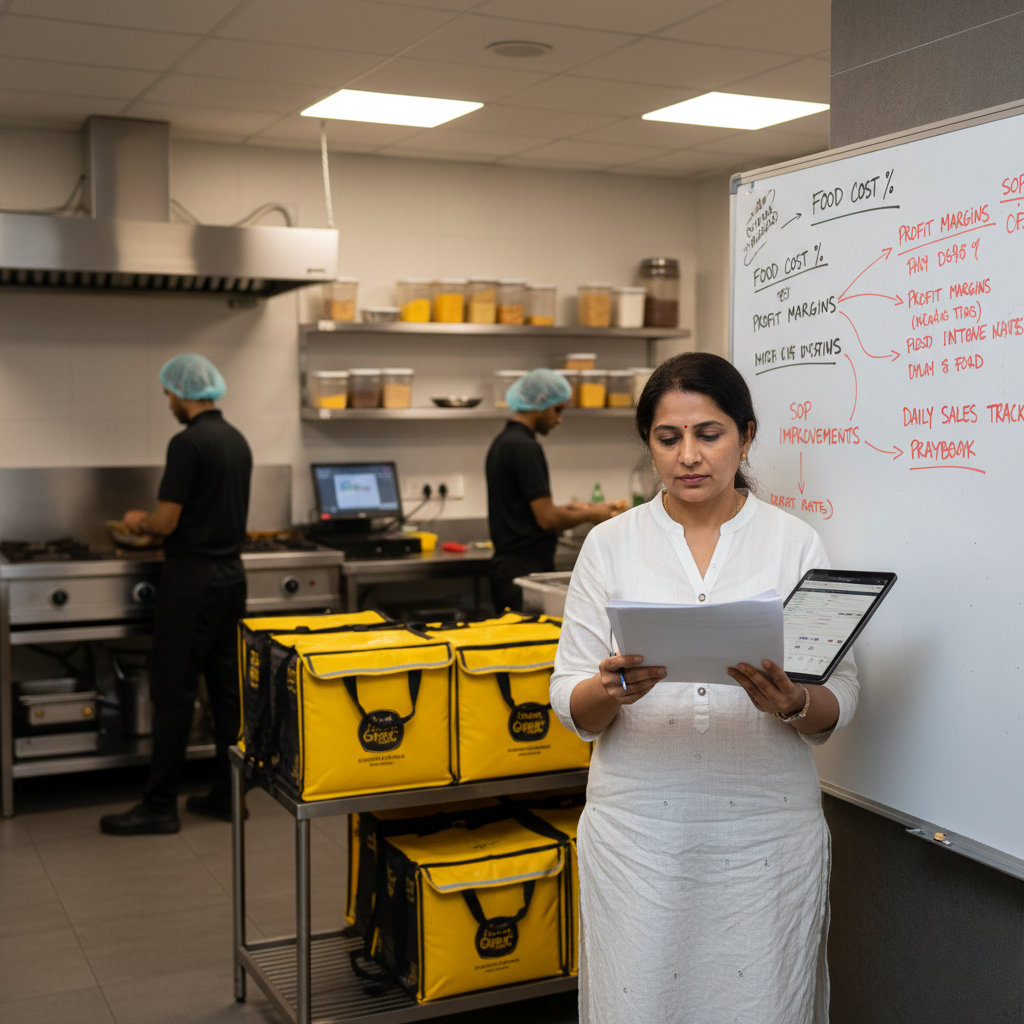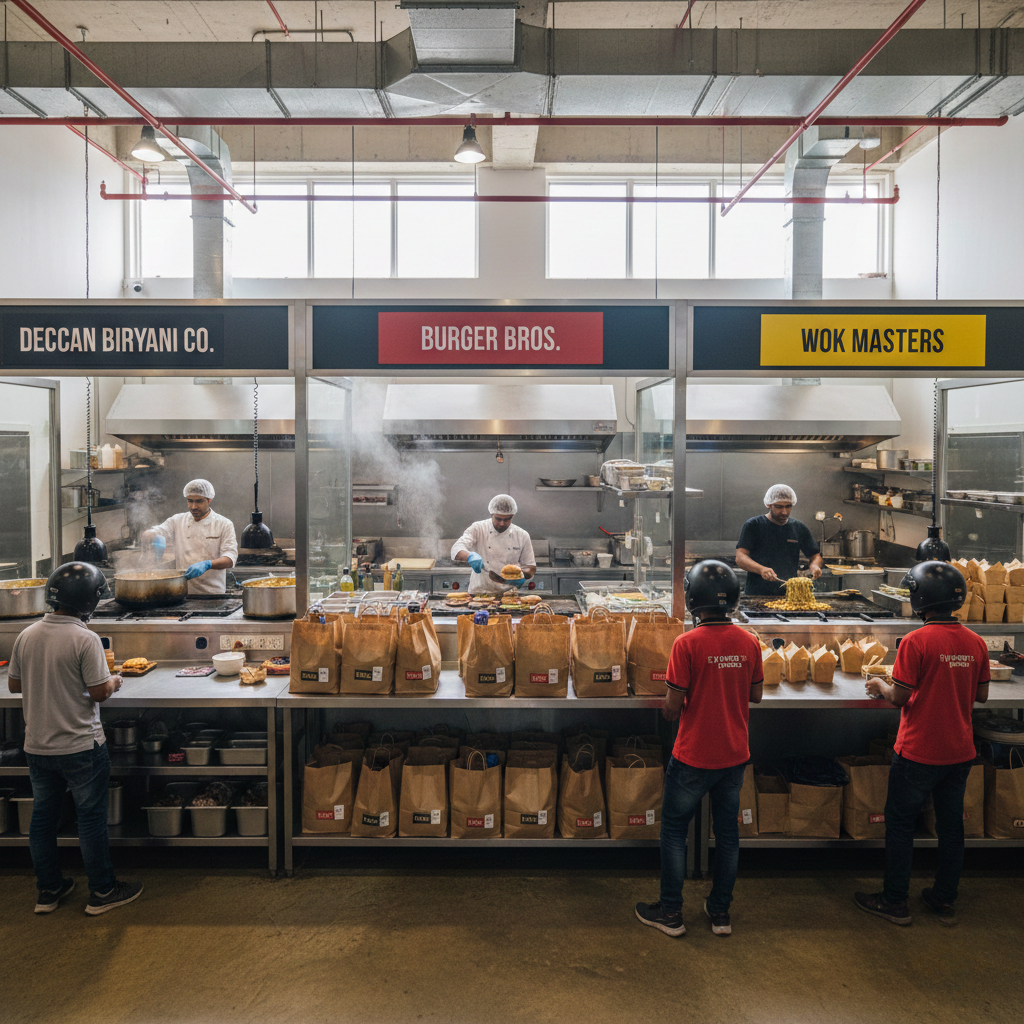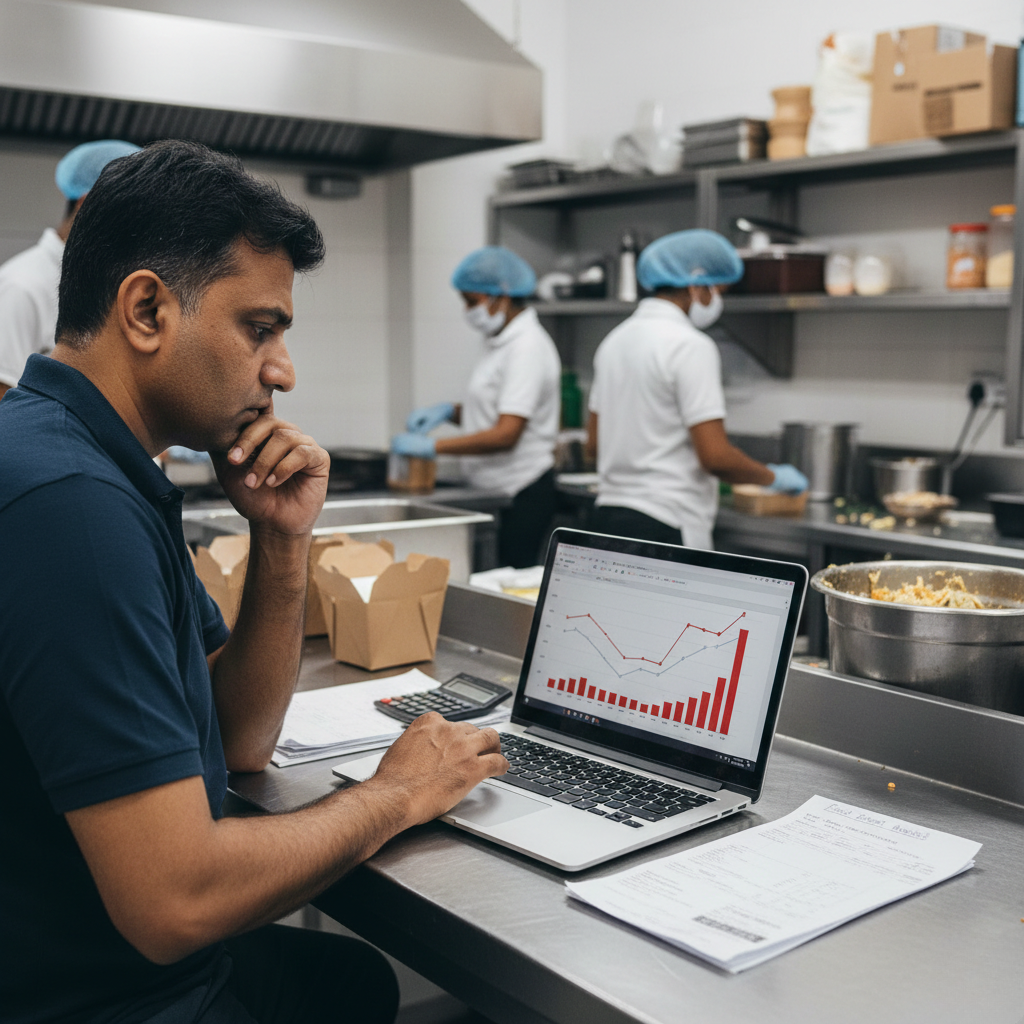
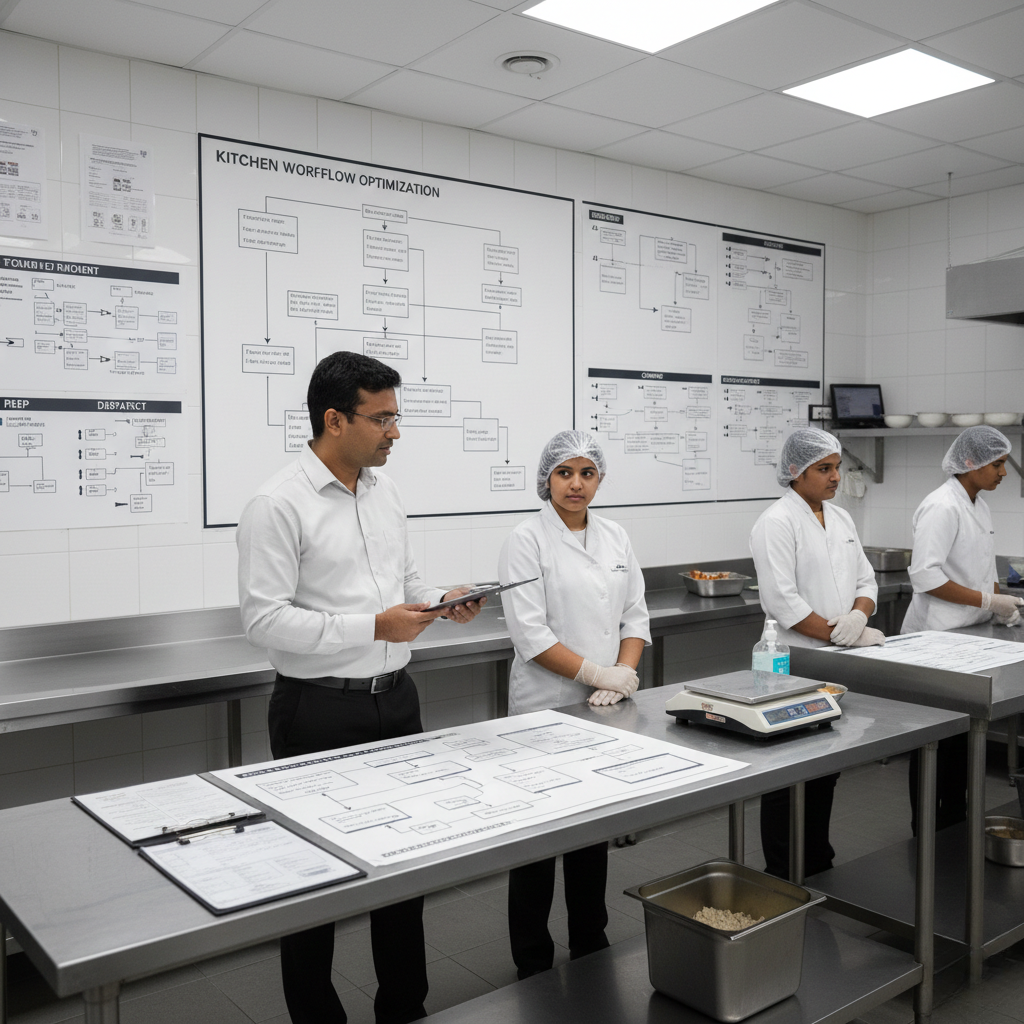
How Operations Consultants Design Kitchen SOPs is rarely understood by cloud kitchen founders until operations start breaking down. Many kitchens assume SOPs are simple checklists or generic documents. In reality, professionally designed kitchen SOPs are strategic tools built to control food cost, reduce complaints, standardize execution, and enable scalable growth. This guide explains how operations consultants design kitchen SOPs, the thinking behind each layer of documentation, and why consultant-designed SOPs outperform internally created ones in real cloud kitchen environments.
Why Understanding How Operations Consultants Design Kitchen SOPs Matters
Most cloud kitchens start without formal SOPs. Founders rely on personal experience, verbal instructions, and day-to-day supervision. This approach works temporarily. But as order volume grows, staff turnover increases, and multiple brands are added, undocumented execution begins to fail. This is where understanding how operations consultants design kitchen SOPs becomes critical for long-term stability.
To understand the ecosystem, start with Cloud Kitchen Operation Consultant and Cloud Kitchen Business in India and Common Operational Mistakes in Cloud Kitchens.
What Makes Consultant-Designed Kitchen SOPs Different
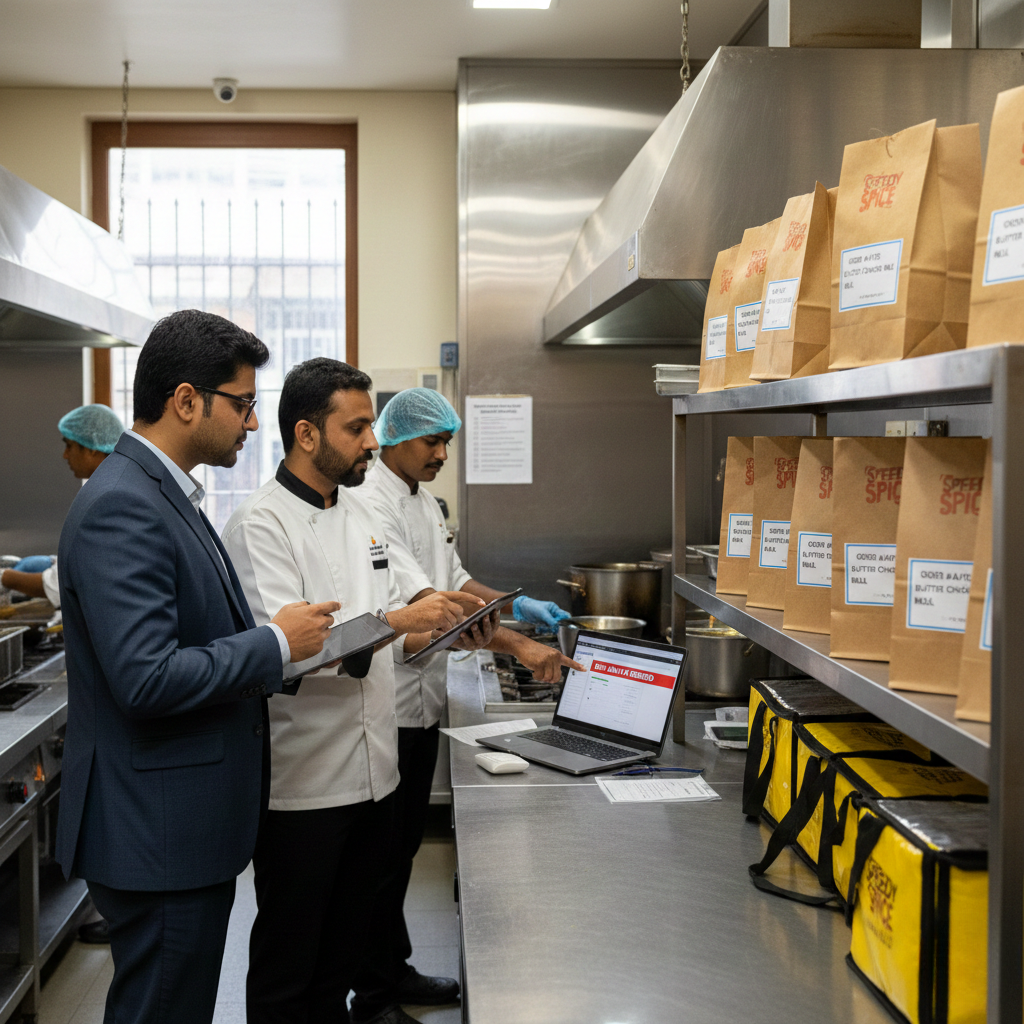
Operations consultants do not start with templates. They start with observation. How operations consultants design kitchen SOPs depends on real workflows, staff behavior, bottlenecks, and cost leak points.
How Operations Consultants Design Kitchen SOPs Through Diagnosis
The first step is diagnosis. Consultants observe prep, cooking, packing, dispatch, inventory handling, and staff coordination. Every deviation, shortcut, and workaround becomes data. This diagnostic phase explains why consultant-designed SOPs are grounded in reality.
Mapping the Current State Before Designing SOPs
Operations consultants document the current way work is done, not the ideal version. This includes prep timings, portion variation, decision points, and error frequency. Understanding the current state is essential to designing SOPs that staff can actually follow.
How Operations Consultants Design Kitchen SOPs Around Clear Objectives
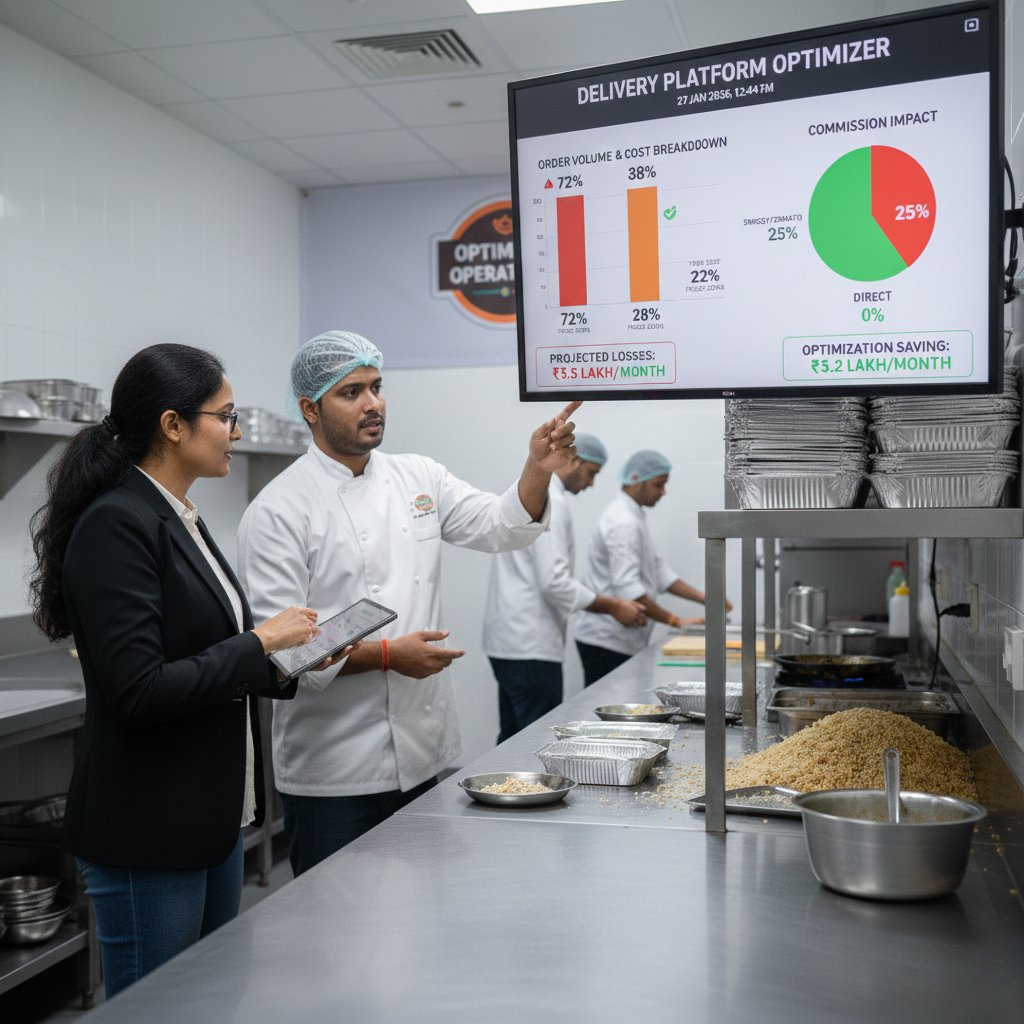
Every SOP has a purpose. Consultants define objectives such as reducing food cost, lowering complaints, improving speed, or enabling scale. SOPs are then designed to directly impact these outcomes. This objective-driven design separates professional SOPs from generic documentation.
How Operations Consultants Design Prep SOPs
Prep SOPs are designed by analysing demand patterns, wastage levels, and staff efficiency. Consultants define batch sizes, prep frequency, labeling rules, and storage methods. This directly controls food waste before service even begins.
Learn the prep-service link in Prep SOP vs Service SOP Explained.
How Operations Consultants Design Cooking SOPs
Cooking SOPs are designed to eliminate taste variation. Consultants document heat levels, cooking duration, oil usage, spice ratios, and plating logic. This ensures consistency regardless of who is on shift.
How Operations Consultants Design Portion Control SOPs
Portion drift is one of the largest hidden cost leaks in cloud kitchens. Consultants design SOPs using weights, ladles, scoops, and visual references. This standardization protects margins and customer expectations.
Learn why this matters in Importance of Portion Control in Cloud Kitchens.
How Operations Consultants Design Inventory SOPs
Inventory SOPs are built around visibility and accountability. Consultants define receiving checks, FIFO rules, batch tracking, and reconciliation frequency. This prevents expiry, pilferage, and emergency purchases.
Learn inventory discipline in Cloud Kitchen Inventory Management in India.
How Operations Consultants Design Dispatch SOPs
Dispatch SOPs are designed to reduce refunds and complaints. Consultants define order verification steps, brand checks, packaging standards, and rider handover protocols. This is often the highest complaint-reduction impact SOP.
Learn structured dispatch systems in Cloud Kitchen Dispatch SOP.
How Operations Consultants Design Role-Wise SOPs for Staff
Consultants reduce staff dependency by defining role clarity. Each role gets clear responsibilities, decision boundaries, and escalation rules. This simplifies training and reduces founder intervention.
How Operations Consultants Design SOPs for Multi-Brand Kitchens
Multi-brand kitchens multiply complexity. Consultants design brand-wise SOPs to prevent recipe mixing, portion confusion, and packaging errors.
Learn structured design in How to Build SOPs for Multi-Brand Cloud Kitchens.
How Operations Consultants Design Kitchen SOPs for Scaling
Scaling multiplies volume, not tolerance for mistakes. Consultants design SOPs that can be replicated across shifts, locations, and teams.
This principle is central to Cloud Kitchen Scaling Strategy.
How Operations Consultants Design Kitchen SOPs: Final Takeaway
SOPs designed by consultants are not theoretical documents. They are operational systems built from real-world execution. Kitchens that invest in professionally designed SOPs gain control, consistency, and the ability to scale without chaos. Structured SOP frameworks from GrowKitchen help founders implement SOPs that actually work on the ground.
FAQs: How Operations Consultants Design Kitchen SOPs
Why not design SOPs internally?
Internal teams often normalize inefficiencies. Consultants bring objectivity.
Do consultant-designed SOPs reduce food cost?
Yes. They target cost leaks at the source.
Are consultant SOPs useful for small kitchens?
Yes. Early SOP design prevents future chaos.
How long does SOP design take?
Typically 2–4 weeks depending on kitchen complexity.