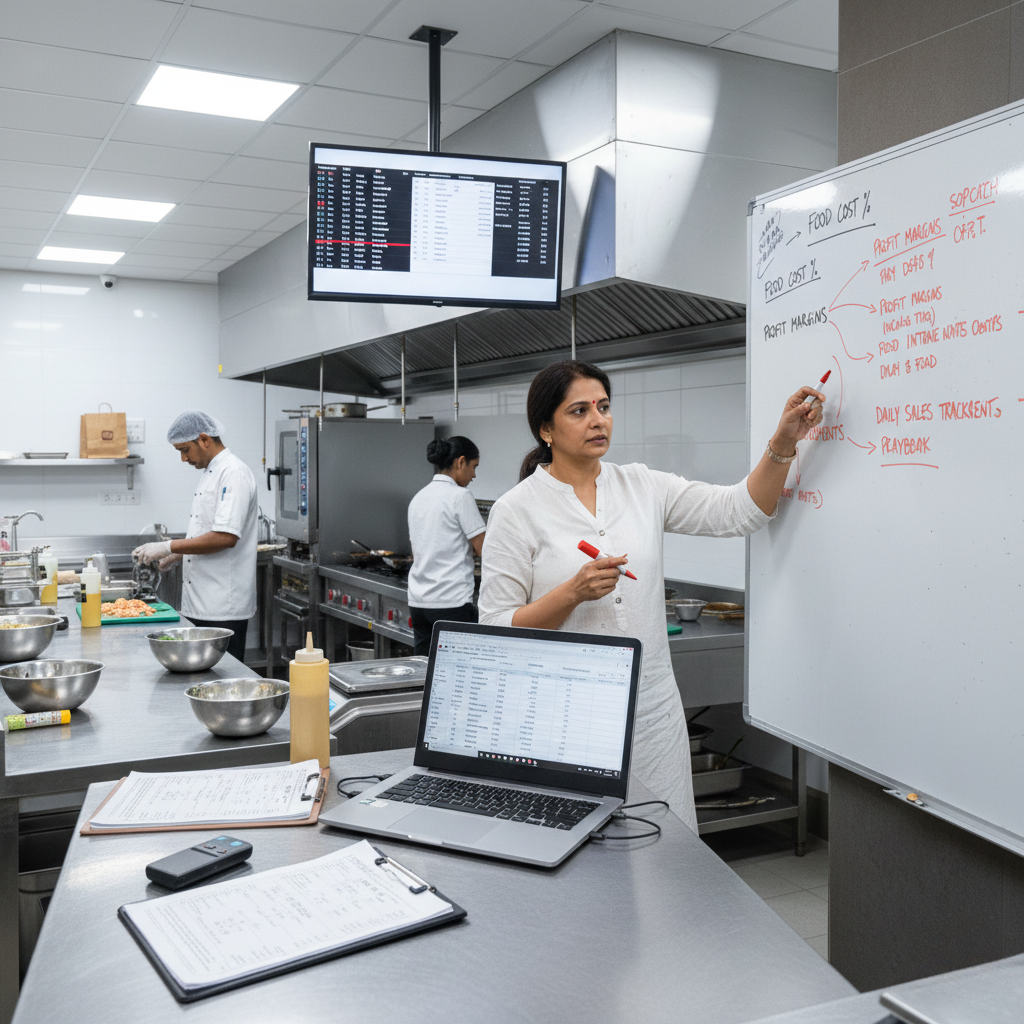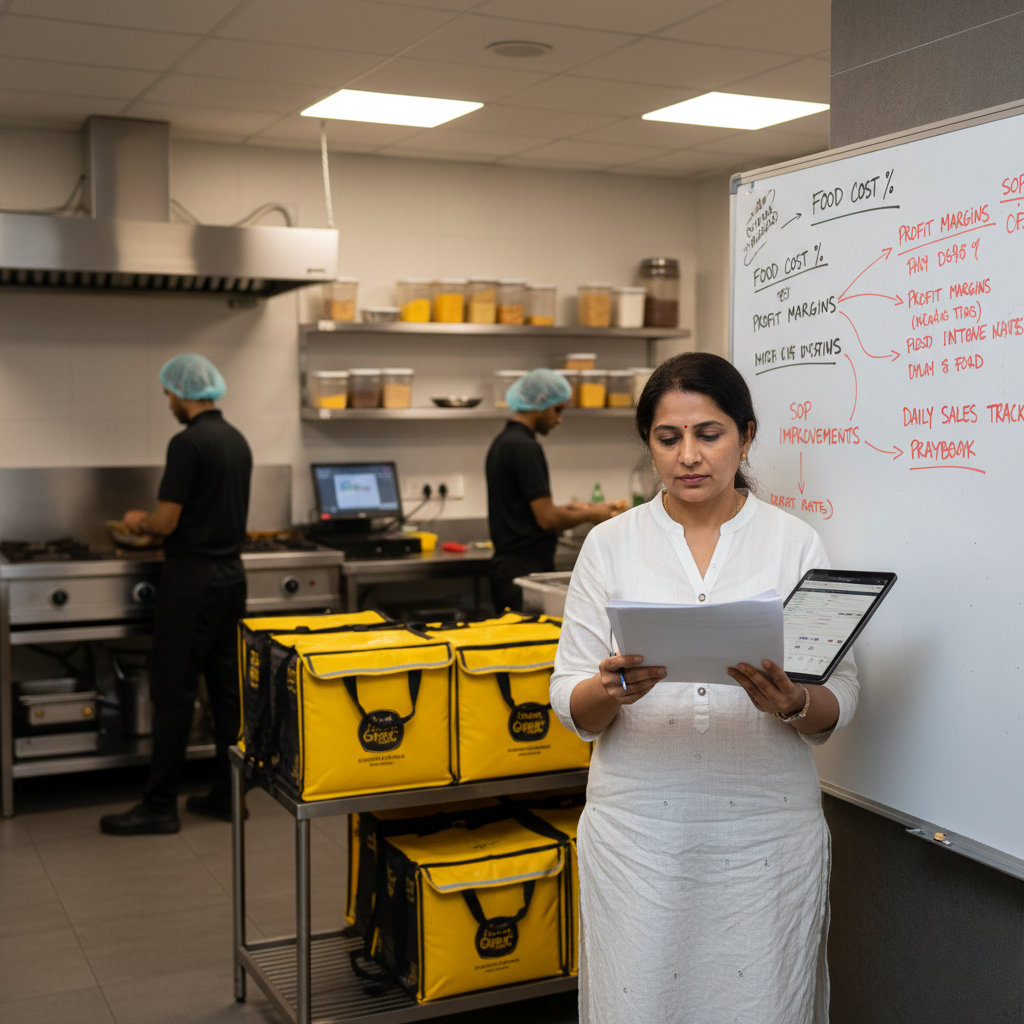
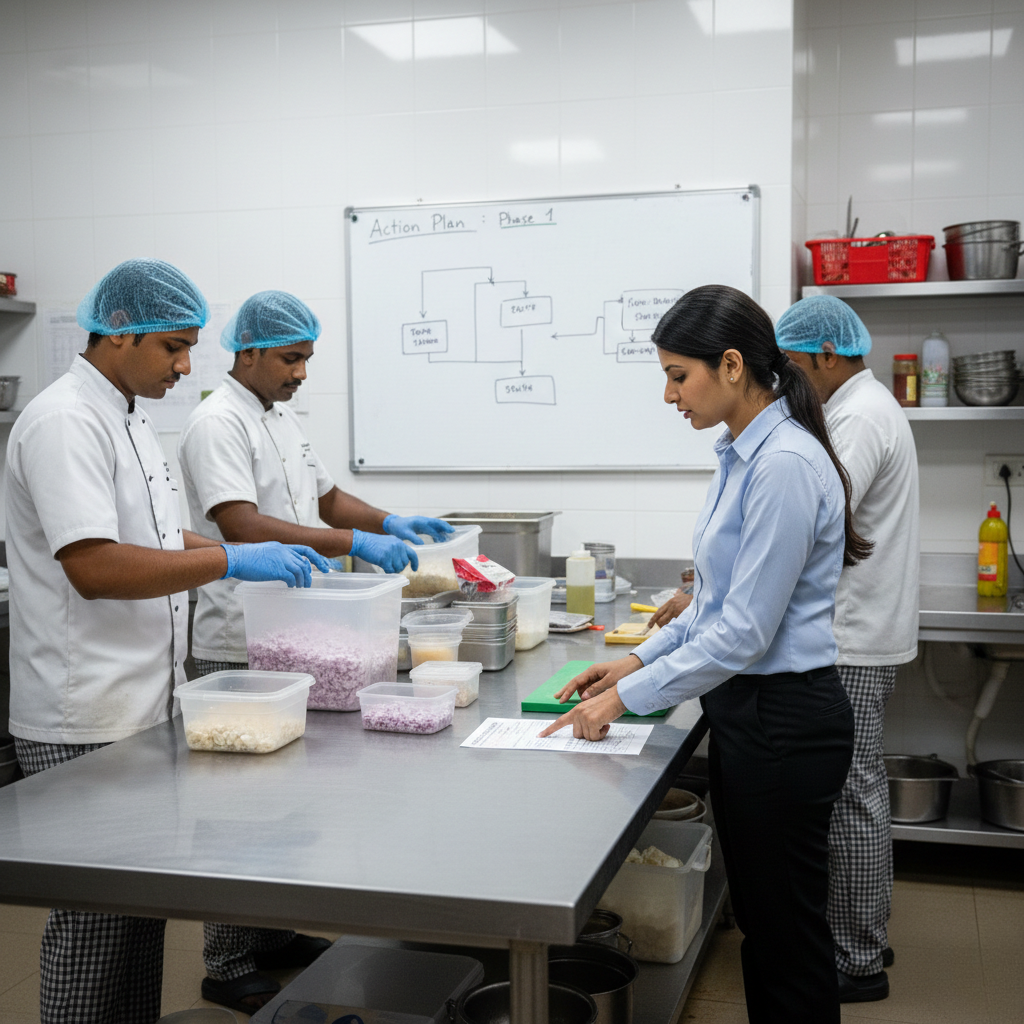
Fixing Broken Cloud Kitchens explains why many cloud kitchens in India feel permanently unstable despite strong demand and hardworking teams. Orders spike unpredictably, staff firefight constantly, founders stay stuck inside daily operations, and profits remain fragile. This chaos is not caused by bad staff or bad luck. It is the result of broken operational systems. This guide explains how chaos develops, why it becomes normalized, and how structured operations restore control, predictability, and profitability. Cloud Kitchen Operations Consultant.
Why Most Broken Cloud Kitchens Look Busy but Not Stable
Broken cloud kitchens are rarely empty. They are busy, loud, reactive, and constantly under pressure. Orders keep coming in, but execution feels fragile. Every peak hour feels like a crisis. Founders often assume chaos is part of the food business. Over time, instability becomes normal.
This pattern closely connects with Why Most Cloud Kitchens Collapse After Initial Growth.
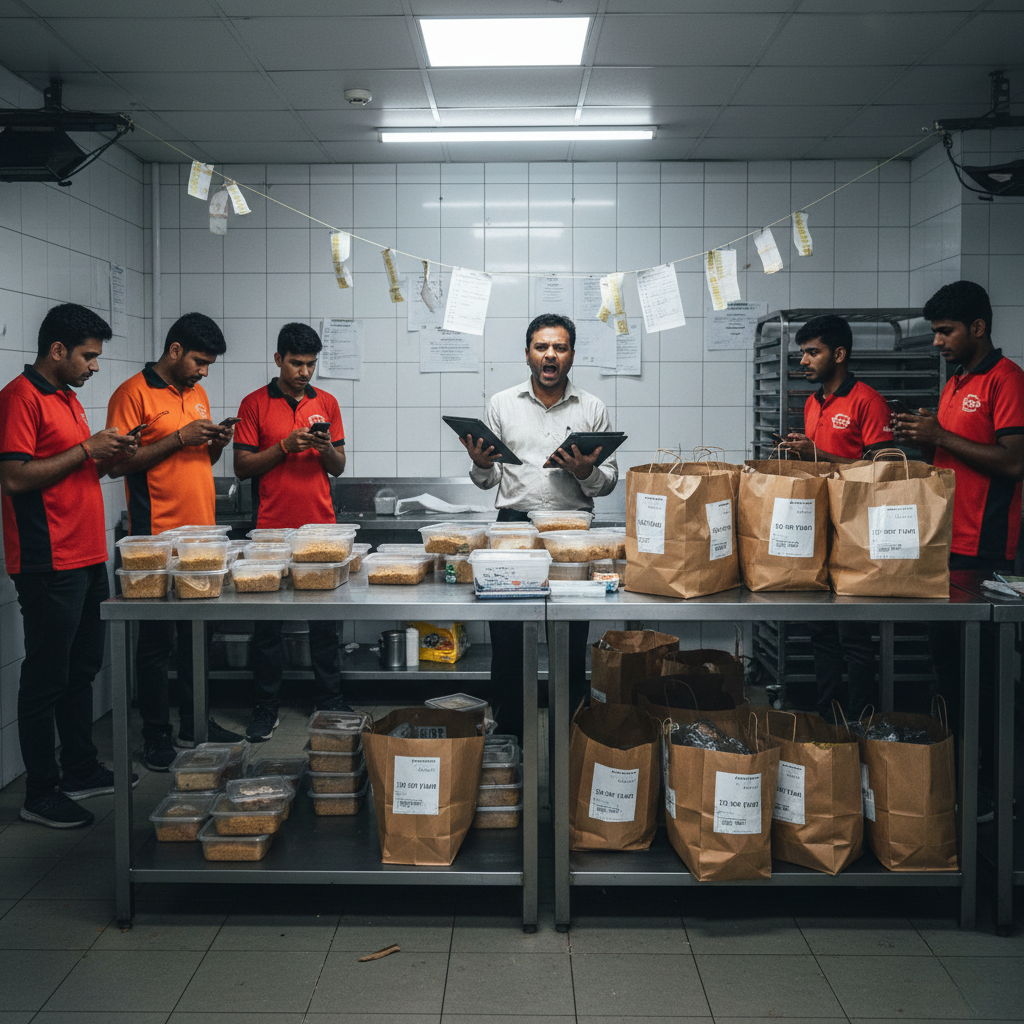
What Chaos Actually Looks Like Inside Cloud Kitchens
Chaos is not always shouting or visible panic. It shows up as constant interruptions, unclear priorities, repeated mistakes, and dependency on a few individuals. Kitchens run, but they do not flow.
The Real Root Cause of Operational Chaos
Chaos is not caused by staff incompetence. It is caused by missing systems. When SOPs are absent, roles are unclear, and workflows are undocumented, people react instead of execute. Over time, founders become the system.
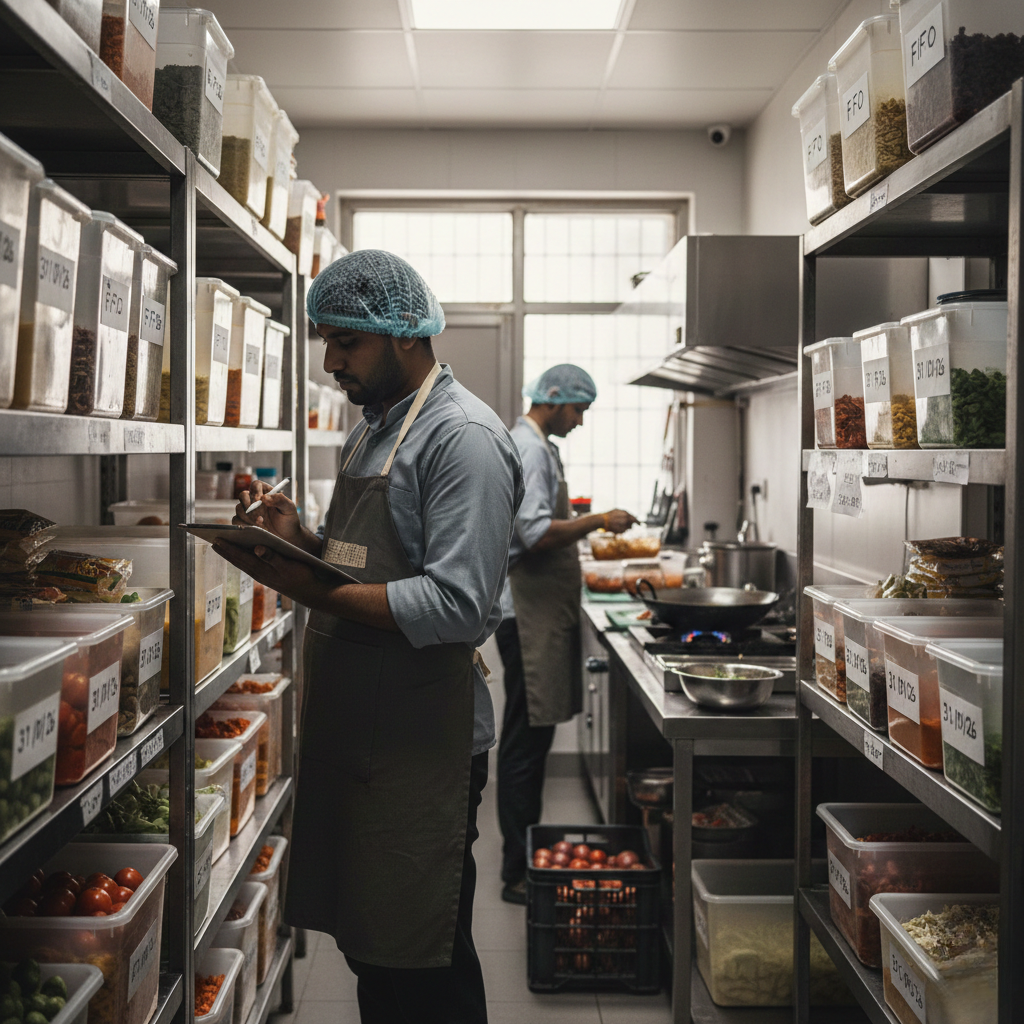
Founder Dependency as a Symptom of Chaos
In broken kitchens, nothing moves without the founder. Staff wait for approvals. Problems escalate upward. Decisions pause when the founder steps away. This creates mental exhaustion and prevents strategic growth. This pattern is explained in How Operations Systems Reduce Dependency on Founders.
How Broken Prep Planning Creates Daily Chaos
Many kitchens enter service unprepared. Ingredients are incomplete. Prep quantities are guessed. Cooking starts late. This pushes pressure into service hours. Structured prep planning removes chaos before orders arrive.
Learn the connection in How Prep Planning Reduces Delays & Refunds.
Dispatch Breakdown and Peak-Hour Panic
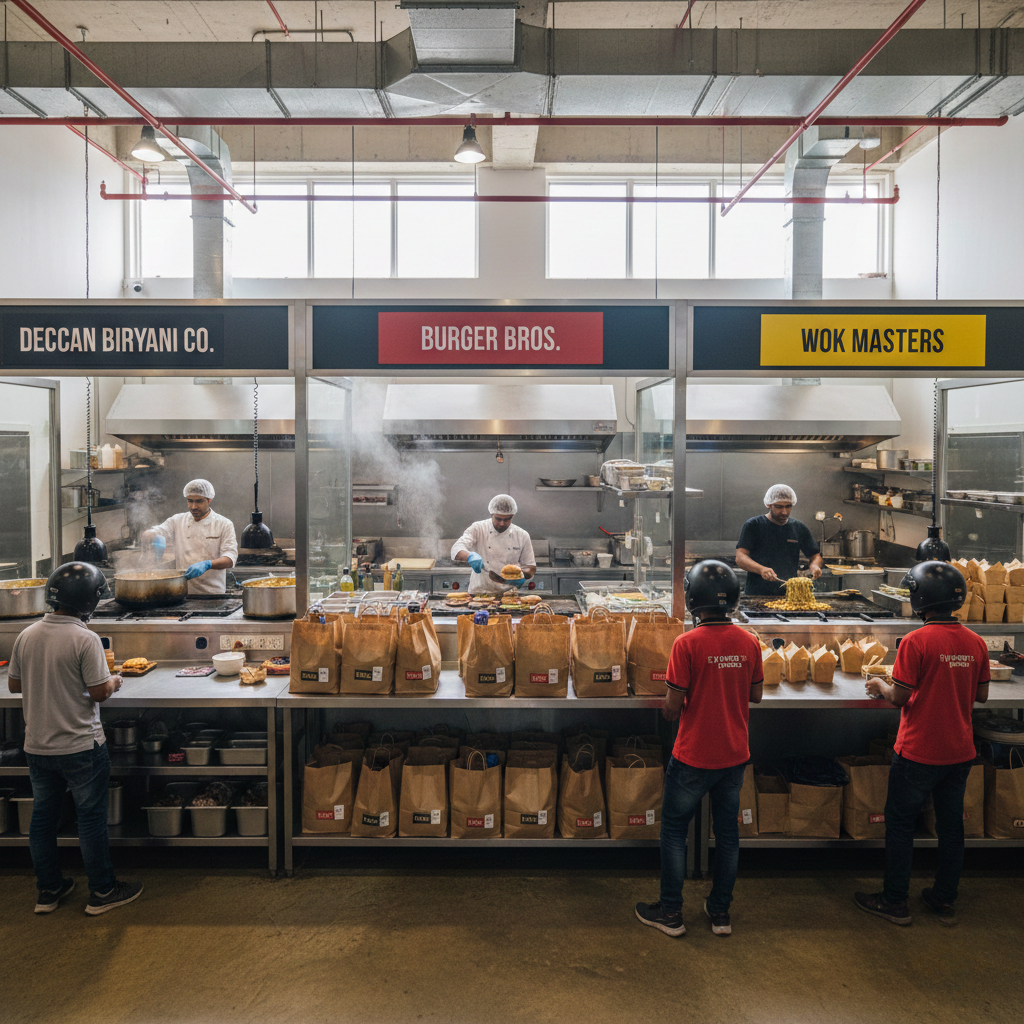
Dispatch is where chaos becomes visible. Riders crowd counters. Orders pile up. Staff search for packets. Even when food is ready, poor dispatch structure delays handover. Dispatch SOPs convert panic into flow.
Learn structured dispatch in Cloud Kitchen Dispatch SOP.
Packaging Chaos and Customer Complaints
Broken kitchens often treat packaging casually Inconsistent boxes, poor sealing, and rushed packing lead to leakage and refunds. Packaging failures amplify chaos downstream.
Operational packaging discipline is explained in Why Packaging Is an Operational Decision.
Why Staff Appear Inefficient in Chaotic Kitchens
Staff are often blamed for chaos. In reality, unclear roles force multitasking. Multitasking reduces speed, increases errors, and drains morale. Role-based operations restore accountability.
Inventory Gaps That Fuel Chaos
Stockouts trigger last-minute substitutions. Overstocks create wastage. Both disrupt execution during service hours. Inventory systems stabilize operations by aligning supply with demand.
Learn structured control in Cloud Kitchen Inventory Management in India.
How Poor Kitchen Layout Multiplies Chaos
Broken kitchens often have broken layouts. Staff cross paths. Prep blocks cooking. Packing interrupts production. Layout friction slows everything down.
Layout discipline is covered in Kitchen Layout Mistakes That Slow Operations.
How Systems Replace Chaos With Control
Systems remove guesswork. SOPs define execution. Checklists enforce discipline. Supervisors protect flow. Control is created through structure, not micromanagement. This shift transforms daily operations.
Why Chaos Destroys Profitability
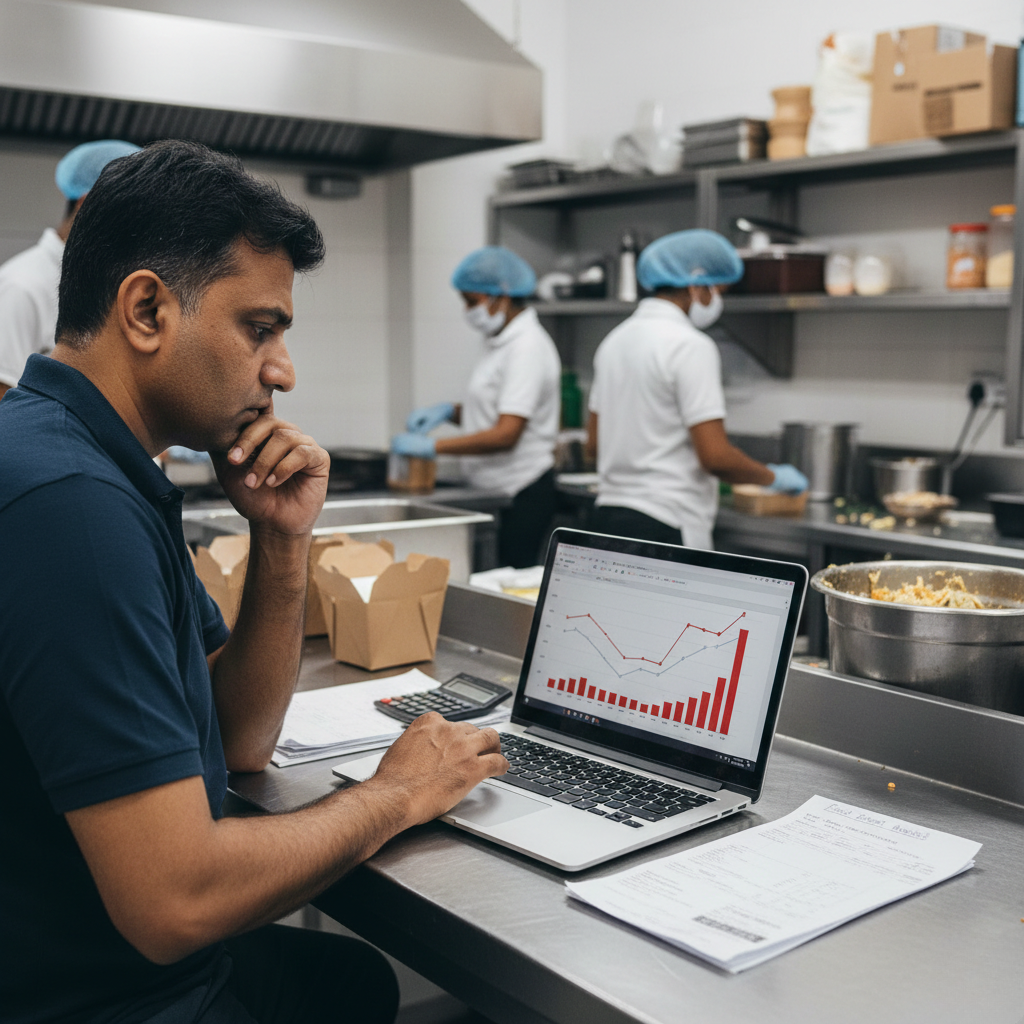
Chaos increases refunds. Chaos increases wastage. Chaos increases labor cost per order. Control restores margins by stabilizing execution.
This relationship is explained in How Operations Impact Cloud Kitchen Profitability.
The Transition From Chaos to Control
Control does not arrive overnight. It begins with documentation, role clarity, and disciplined routines. Each system removes one point of stress. Over time, operations become predictable.
From Chaos to Control: Fixing Broken Cloud Kitchens
Chaos is not inevitable. It is a sign that systems are missing. Kitchens that replace urgency with structure unlock stability, scalability, and sanity.
Proven frameworks from GrowKitchen help founders transform broken kitchens into controlled, system-led operations.
FAQs: Fixing Broken Cloud Kitchens
Is chaos normal in growing cloud kitchens?
Temporary stress is normal. Chronic chaos is not.
Can systems work with small teams?
Yes. Smaller teams benefit faster from structure.
How long does it take to regain control?
Initial stability often appears within weeks.
Does fixing chaos require more staff?
No. It usually reduces staffing pressure.