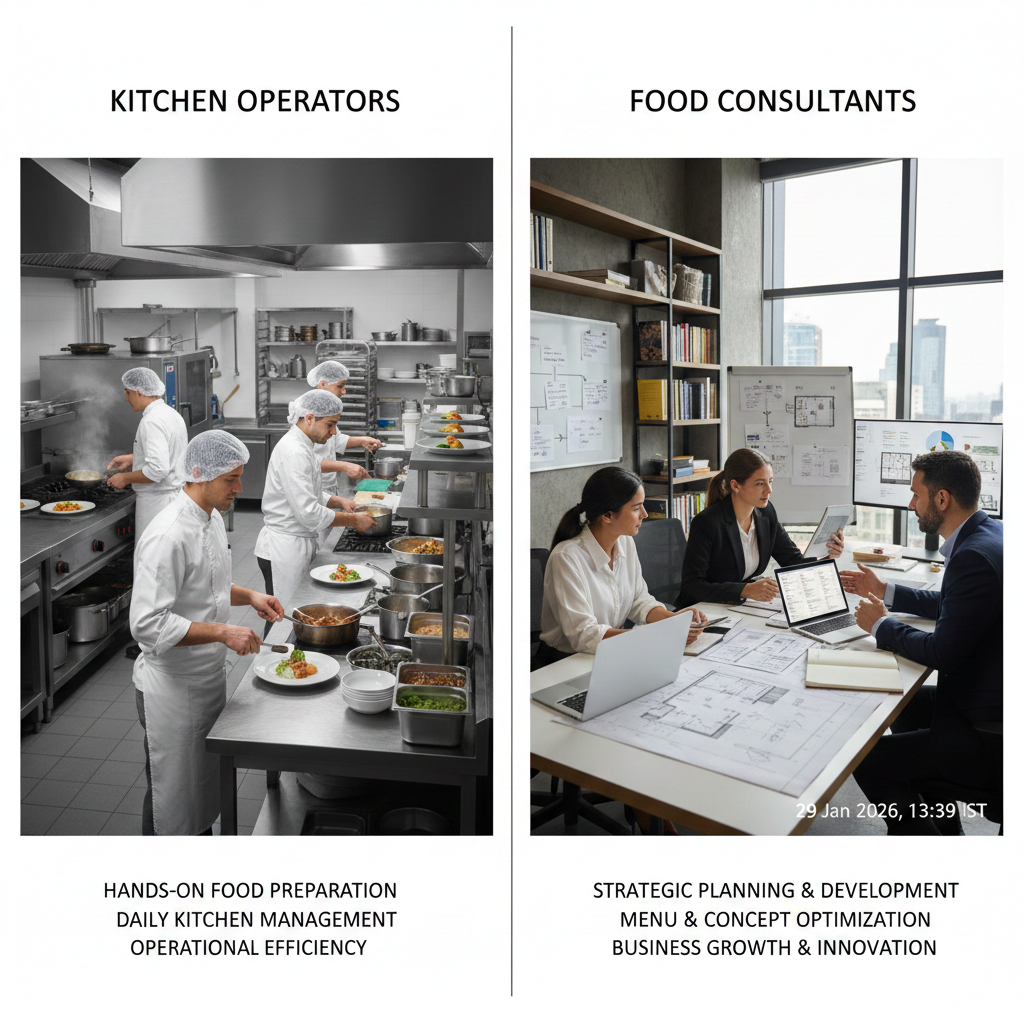
Difference Between Kitchen Operators and Food Consultants Many food founders assume kitchen operators and food consultants play the same role. In reality, the difference between kitchen operators and food consultants the two can determine whether a brand survives or collapses. While consultants advise from the outside, operators build systems from inside the kitchen. This guide explains the real difference between kitchen operators and food consultants, how each approach impacts profitability, execution, and scale, and why serious food businesses increasingly prefer operator-led support.
Read This Before Choosing Consulting or Operator Support
This article is part of GrowKitchen’s operations and profitability clarity series. If you are still understanding the fundamentals of running a cloud kitchen, begin with Cloud Kitchen Business in India before deciding what kind of external support you need.
Both consultants and operators only work effectively when basic compliance exists. Ensure alignment with FSSAI, structured staff training via FoSTaC, and compliant reporting through the GST Network.
Why Founders Confuse Operators With Consultants
Food founders often reach a point where growth feels stuck. Orders fluctuate, margins feel unclear, and daily execution consumes all mental bandwidth.
At this stage, founders look for “help.” But many don’t distinguish between advice-driven consulting and execution-driven kitchen operations.
What Does a Food Consultant Actually Do?
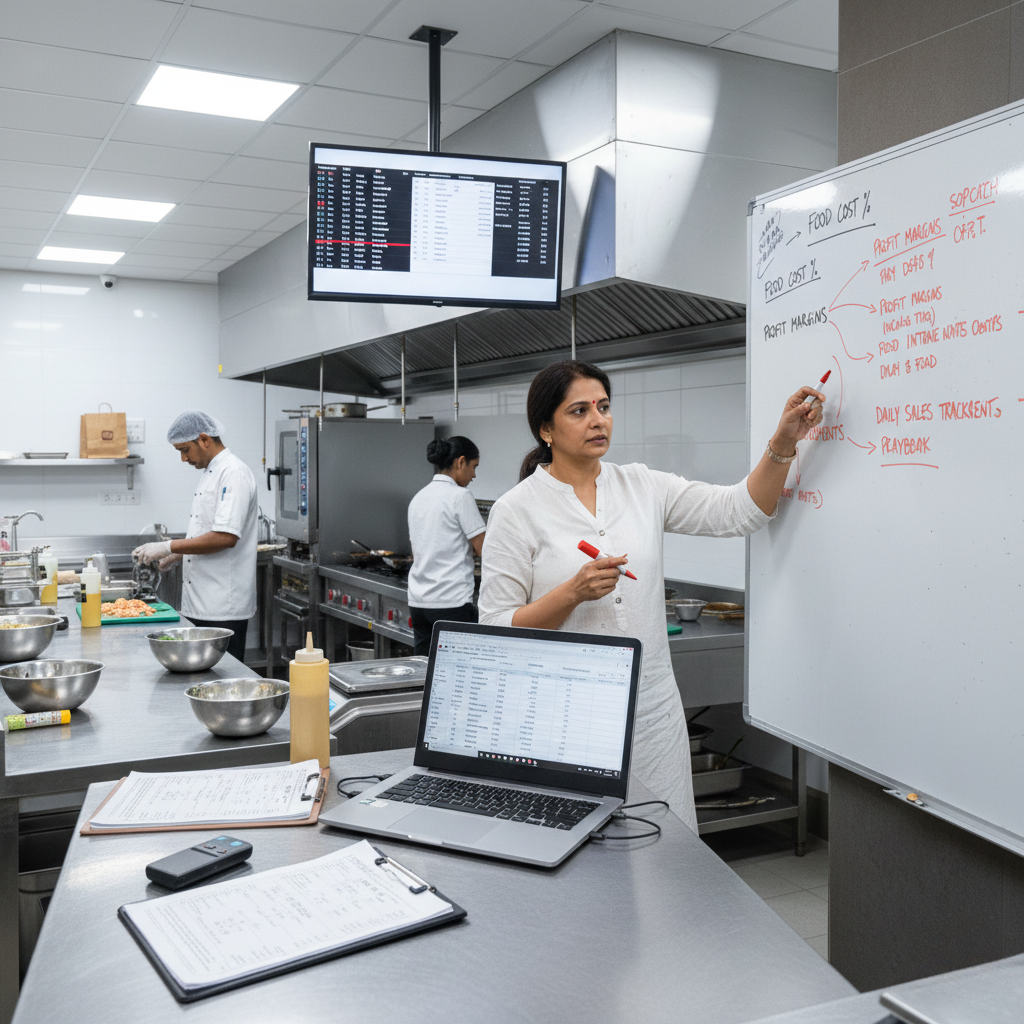
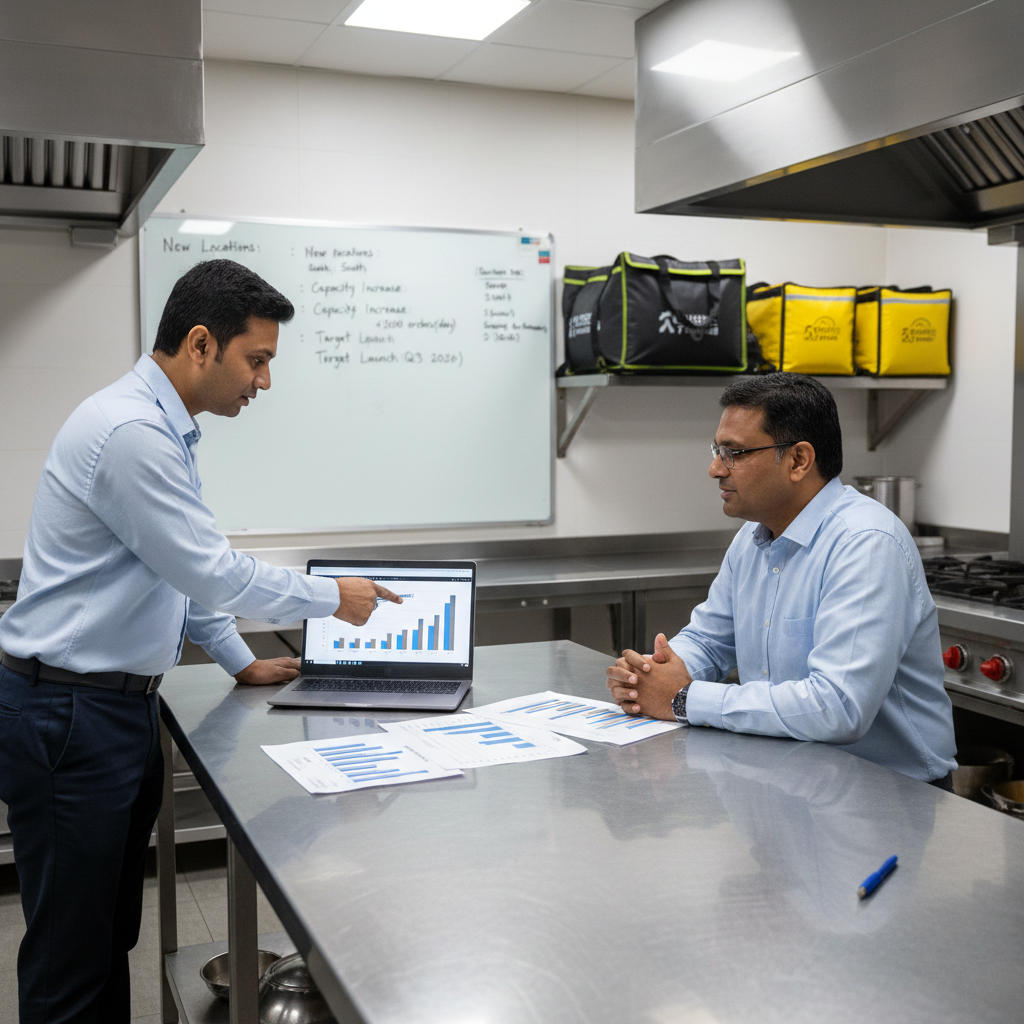
Food consultants primarily operate as external advisors. Their role is to diagnose problems and suggest improvements.
- Menu suggestions and positioning advice
- High-level cost and pricing recommendations
- Branding, presentation, and launch inputs
Consultants typically work through reports, presentations, and strategic documents. Execution is left to the founder and internal team.
What Does a Kitchen Operator Do?
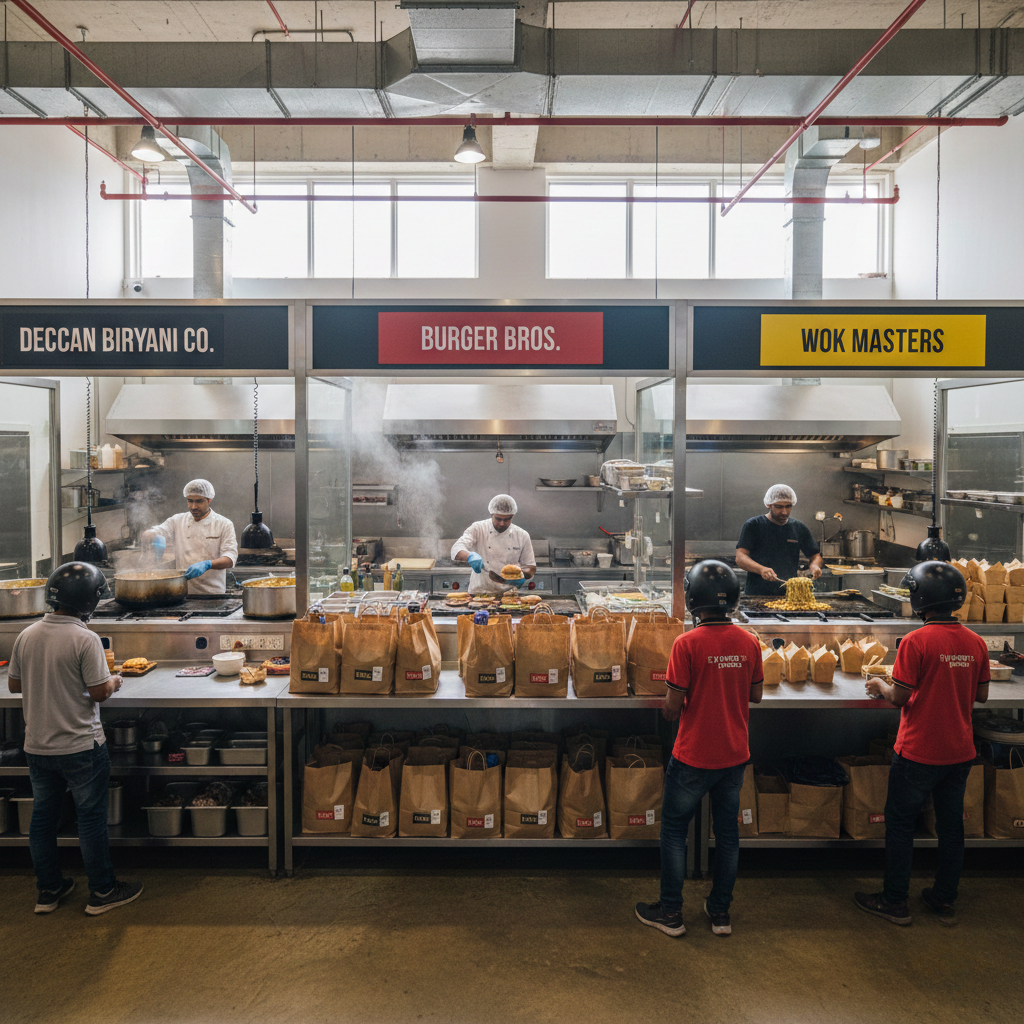
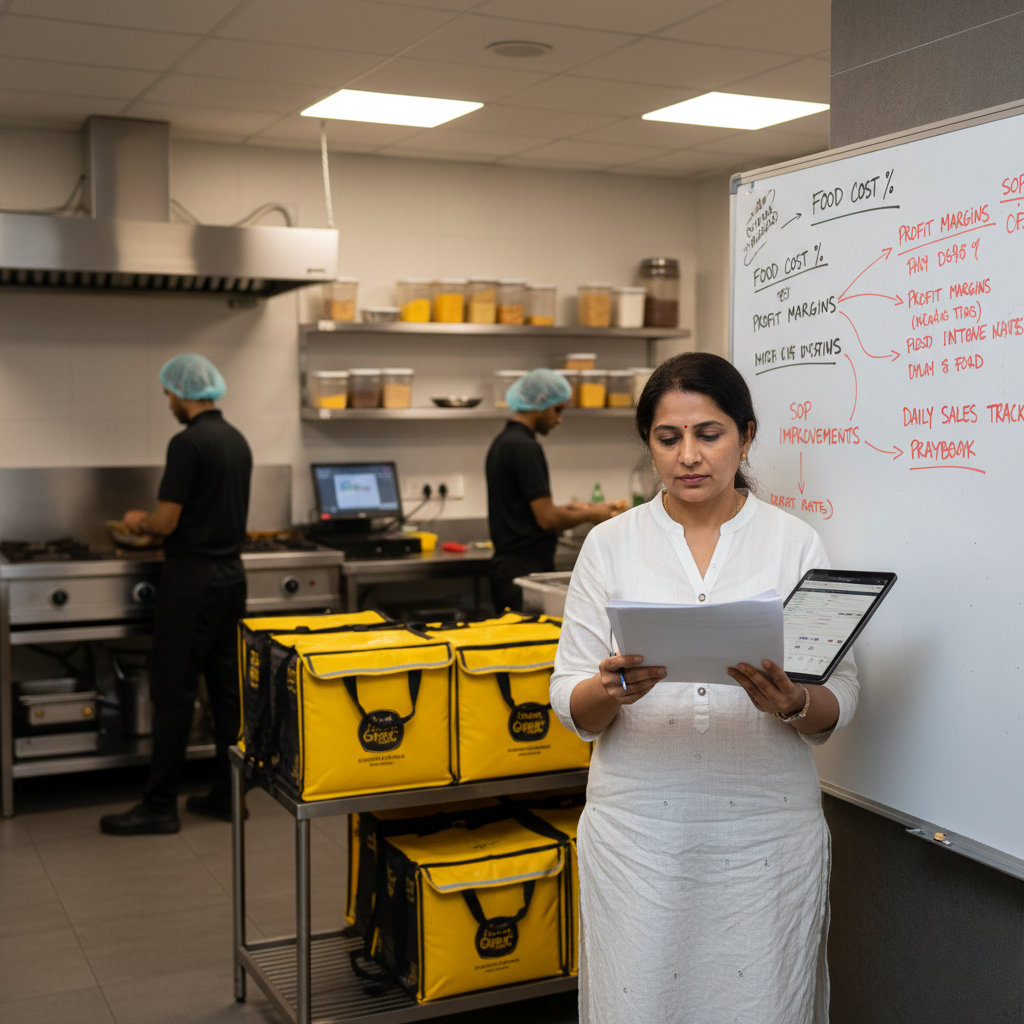
A kitchen operator works inside the system. Operators design, implement, and enforce daily execution.
- Build SOPs and train staff
- Track food cost, refunds, and wastage
- Fix execution gaps on the ground
Operators are accountable for outcomes not just recommendations.
Key Difference #1: Ownership of Results
Consultants advise and step back. Operators stay until results stabilize.
- Consultants measure success by delivery of advice
- Operators measure success by margin, ratings, and control
This difference becomes critical during scale, when mistakes multiply across locations.
Key Difference #2: Execution vs Explanation
Consultants explain what should change. Operators execute change daily.
- Consultants recommend SOPs
- Operators enforce SOPs
- Consultants analyze refunds
- Operators reduce refunds
Execution depth is what separates theory from profit.
Key Difference #3: Relationship With Data
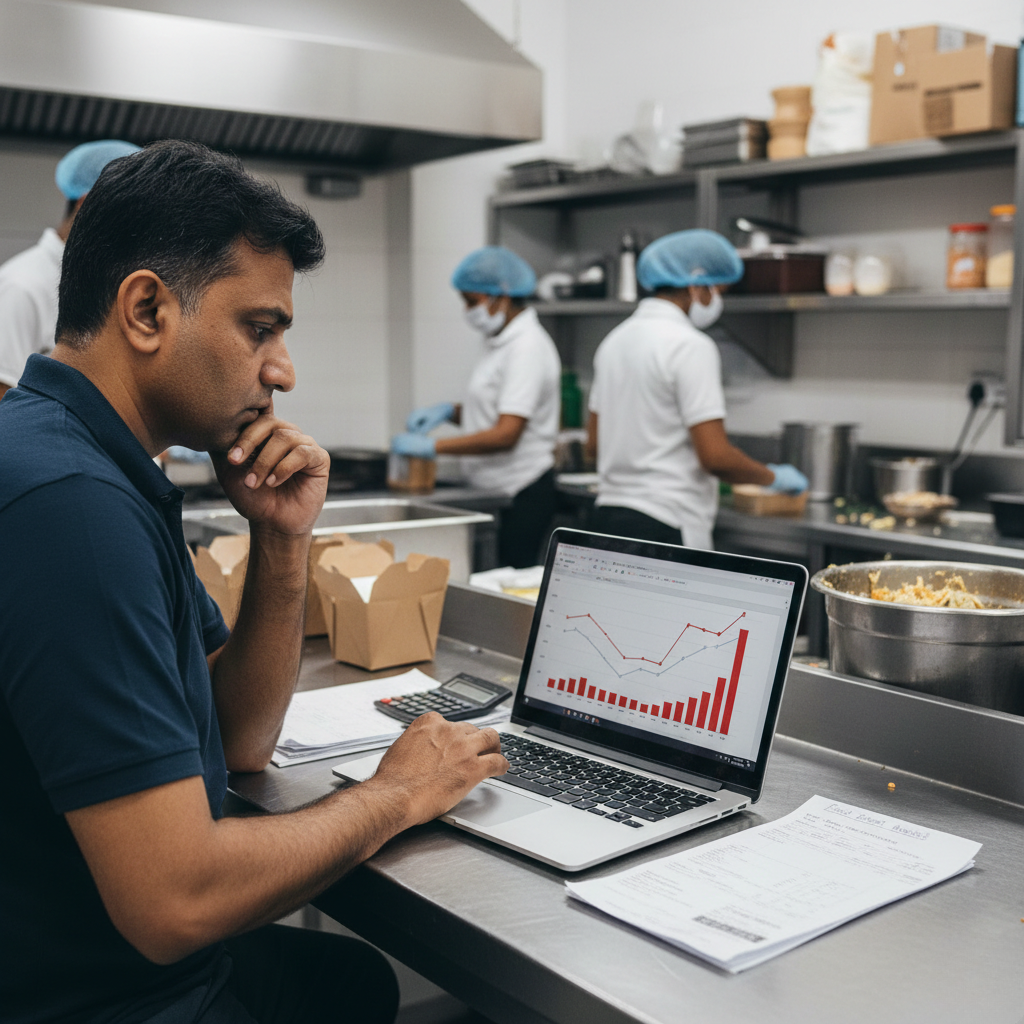
Consultants often rely on snapshots of data. Operators live inside daily numbers.
- SKU-wise contribution margins
- Food cost variance logs
- Refund and complaint categorization
Operator-led kitchens build dashboards that guide daily decisions.
Key Difference #4: Approach to Scaling
Consultants often push growth strategies early. Operators stabilize systems before expansion.
- Consultants focus on revenue growth
- Operators focus on repeatability
- Consultants suggest expansion
- Operators prepare kitchens to survive expansion
Scaling without systems is explained in How to Scale Cloud Kitchens.
When Food Consultants Actually Make Sense
Consultants are useful in specific scenarios:
- Early-stage ideation and concept validation
- Brand positioning and launch strategy
- Short-term expert inputs
They are not designed to replace operators.
Why Operator-Led Support Wins Long-Term
Profitable cloud kitchens prioritize operational control.
- Consistent food quality
- Predictable margins
- Lower refunds and better ratings
Brands like Green Salad and Fruut scaled by fixing execution before chasing growth.
Final Thoughts: Advice vs Accountability
The difference between kitchen operators and food consultants is not skill it is accountability.
Consultants advise. Operators build, enforce, and fix.
GrowKitchen focuses on operator-led clarity for founders who want control, not just direction.
FAQs: Kitchen Operators vs Food Consultants
Are food consultants bad?
No. They are useful for strategy, not execution ownership.
Do I need an operator or consultant?
If execution is broken, you need an operator.
Can one person be both?
Rarely. Operator-led consultants usually have real kitchen experience.
When should I switch from consulting to operations?
When advice stops translating into measurable results.