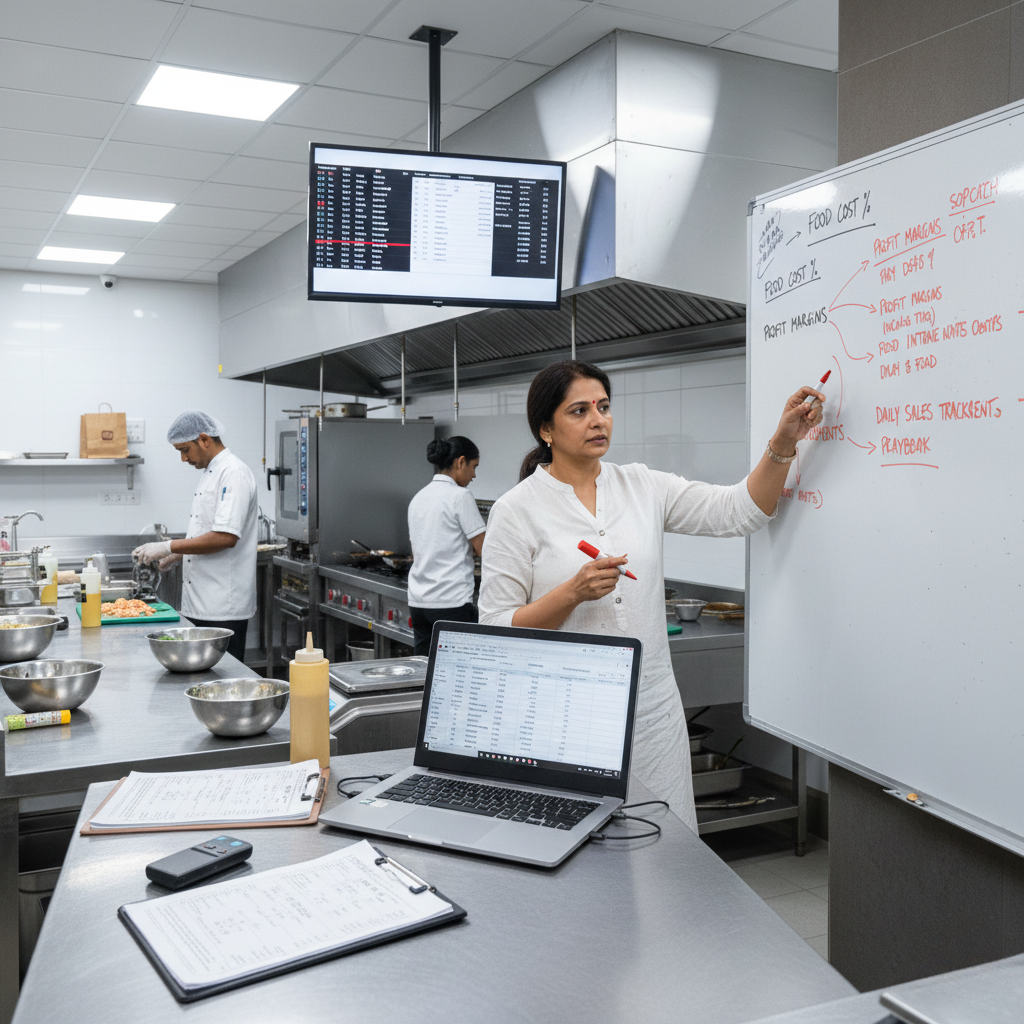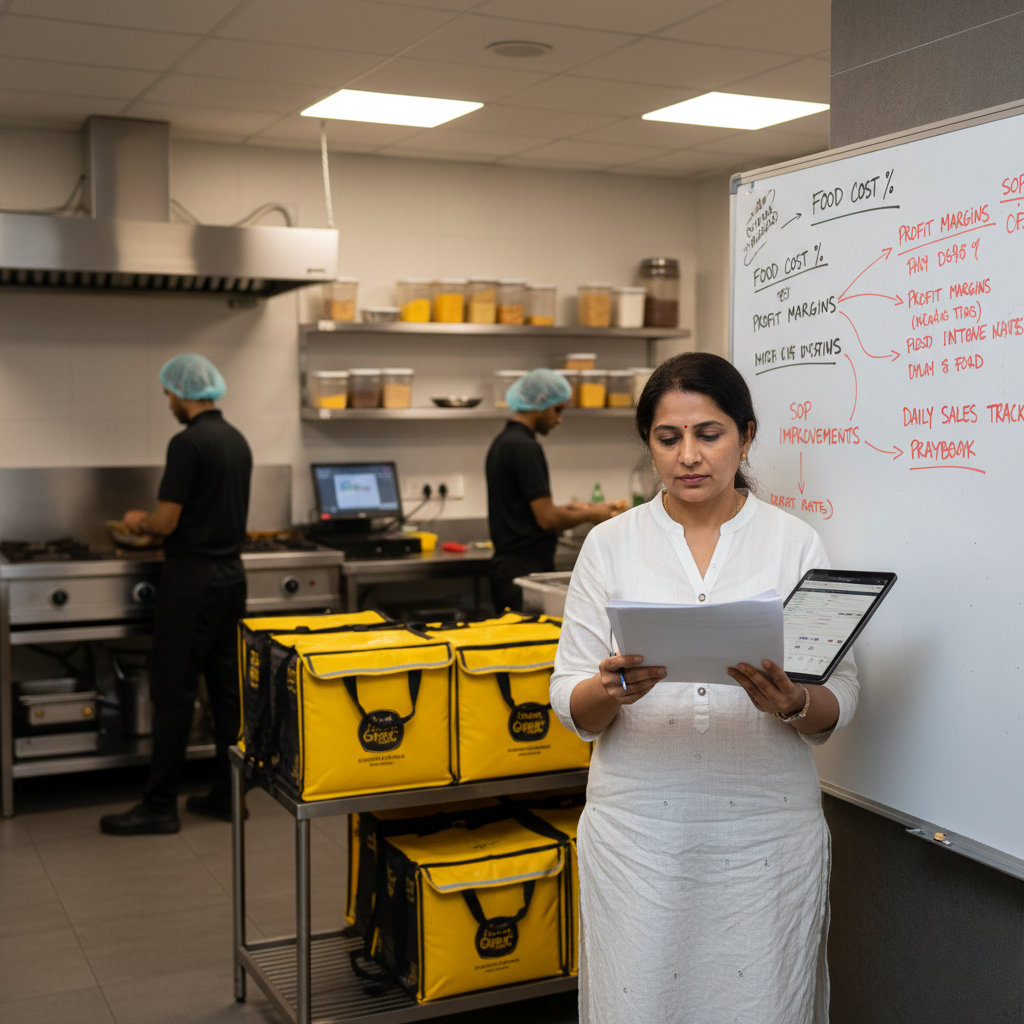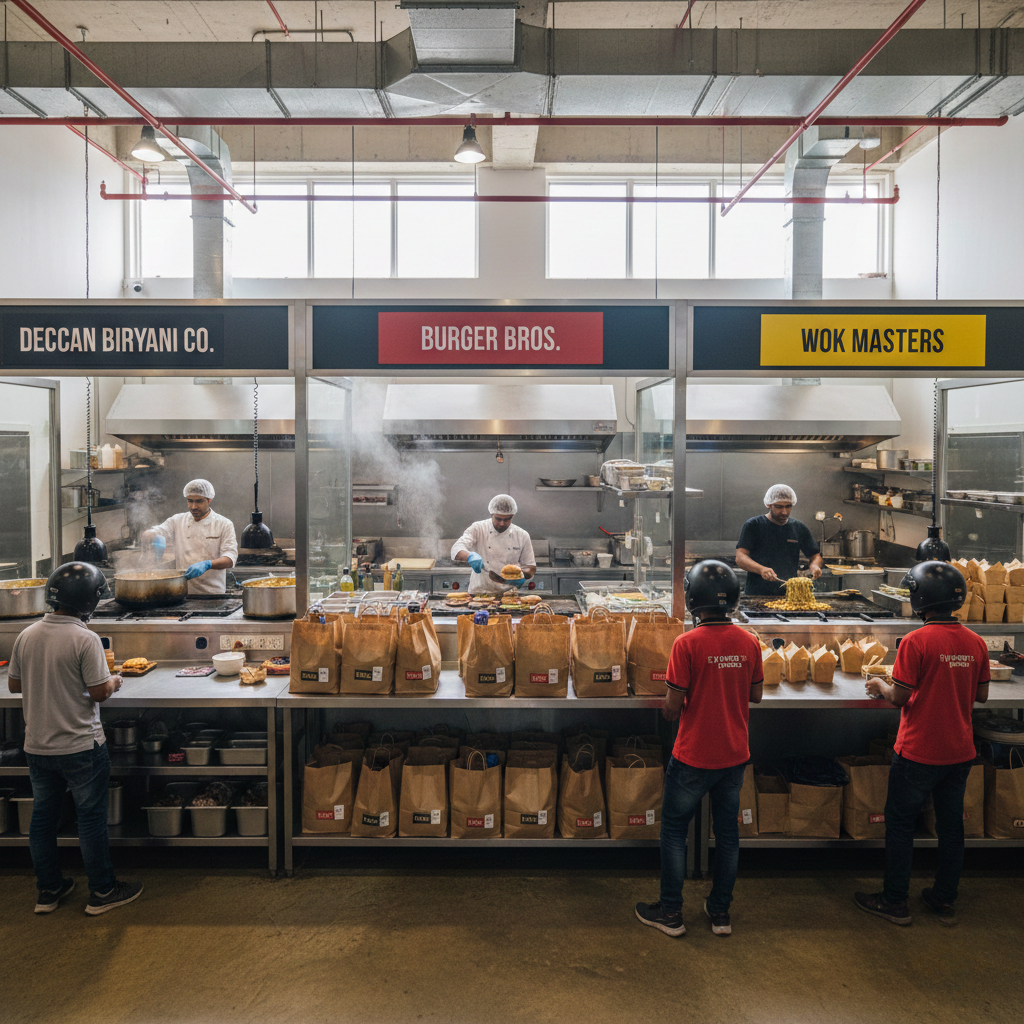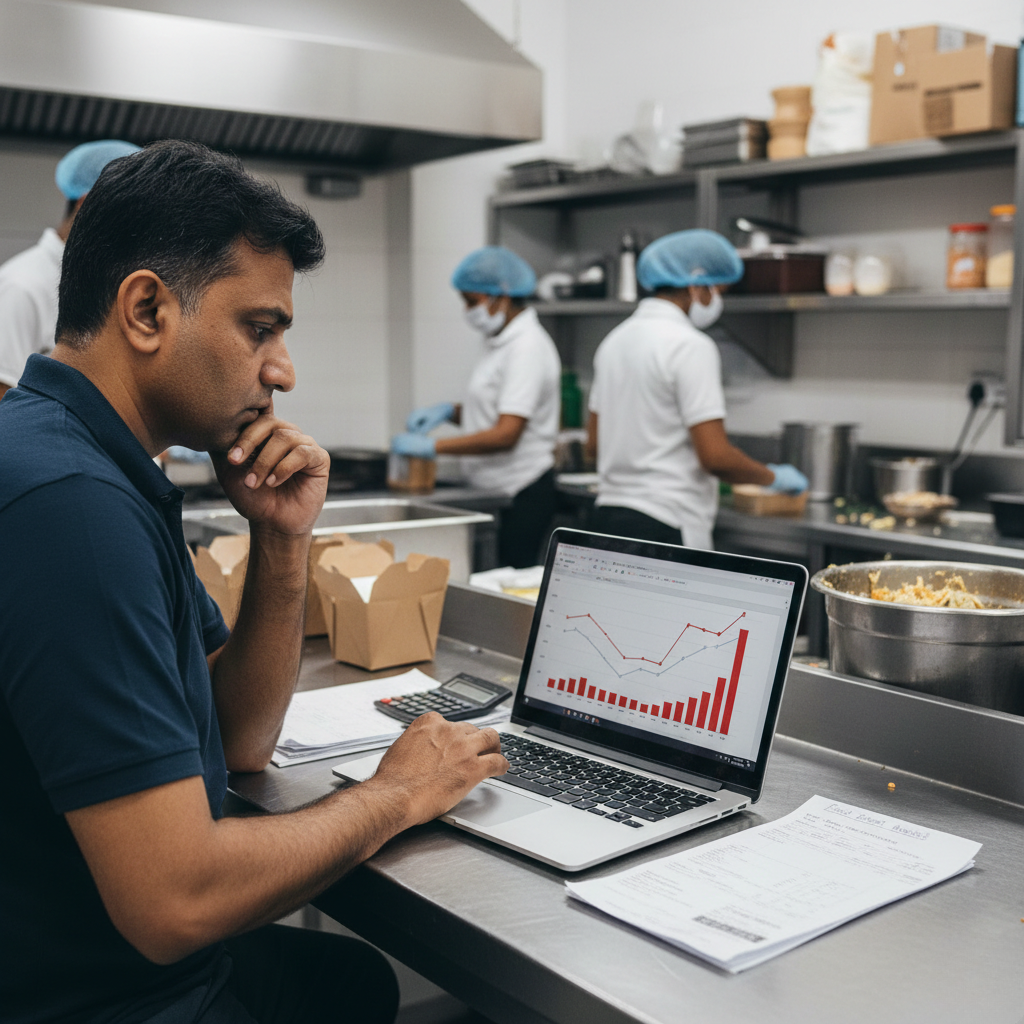
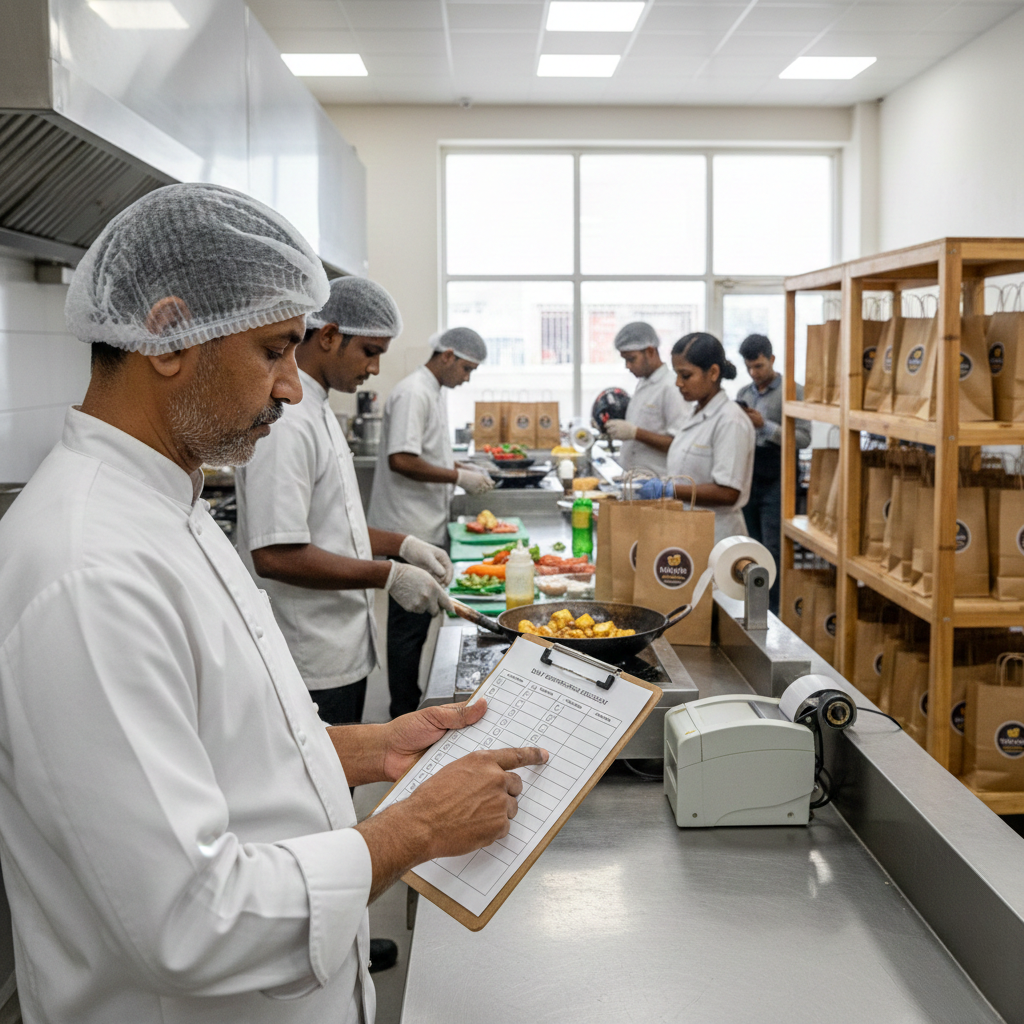
Daily Operations Checklist for Cloud Kitchens India-Cloud kitchens in India rarely fail because of lack of demand. They fail because daily operations are inconsistent, undocumented, and unmanaged. Missed checks, poor routines, and reactive firefighting silently destroy margins, ratings, and scalability. A strong daily operations checklist turns chaos into control. This detailed guide explains a practical, end-to-end daily operations checklist that profitable cloud kitchens in India follow to stay consistent, reduce losses, and scale sustainably.
Why Daily Operations Matter More Than Strategy
Cloud kitchens are operations-first businesses. Unlike dine-in restaurants, there is no margin buffer from ambience or service. Every mistake directly impacts food cost, refunds, customer ratings, and aggregator visibility.
Even a ₹5–₹10 leakage per order can turn a profitable kitchen into a loss-making one when order volumes increase.
If you are still understanding the delivery-first model, start with Cloud Kitchen Operations Consultant. and Cloud Kitchen Business in India to build strong fundamentals.
What Is a Daily Operations Checklist?
A daily operations checklist is a structured set of non-negotiable tasks that must be completed every day to ensure hygiene, consistency, cost control, and operational discipline.
It replaces dependency on memory, experience, or founder supervision with systems and accountability.
Opening Checklist: Before the First Order
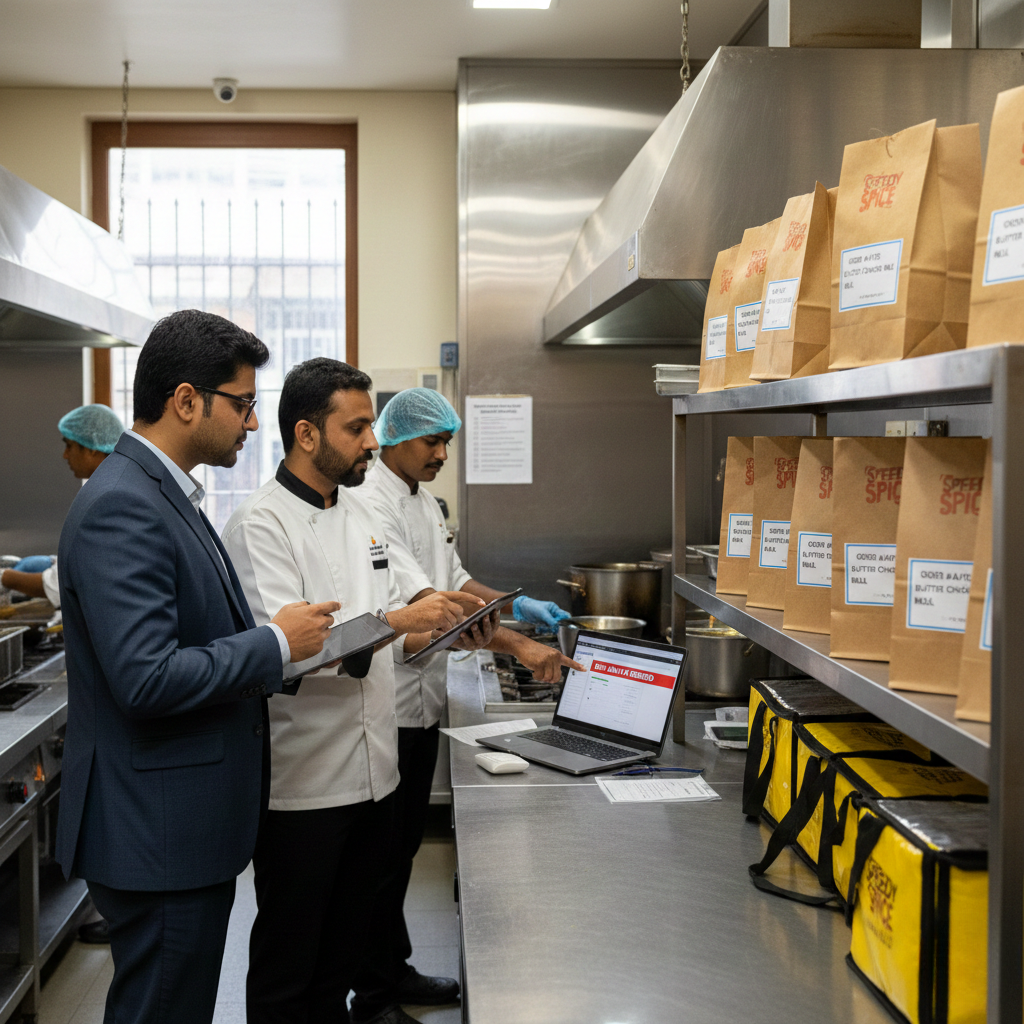
The day’s profitability is often decided before the first order arrives. Opening checks prevent chaos during peak hours.
- Staff attendance marked and roles assigned
- Kitchen cleaned and hygiene verified
- Gas, electricity, water, and exhaust checked
- Cold storage and freezer temperatures logged
- Raw material availability verified
- Swiggy and Zomato outlets marked online
Skipping opening checks usually results in delayed dispatch, cancellations, and poor ratings later in the day.
Daily Inventory Management Checklist
Inventory leakage is one of the biggest silent losses in cloud kitchens. Weekly or monthly tracking is too late.
- Opening stock reconciliation
- Expiry date check for perishables
- High-value ingredient verification
- Low-stock alerts for same-day reorder
- Previous day wastage review
Kitchens that track inventory daily outperform those that track it weekly.
Learn structured inventory control in Cloud Kitchen Inventory Management in India.
Pre-Preparation (Prep) Checklist
Poor prep planning causes over-preparation, under-preparation, and rush-hour errors.
- Demand forecast reviewed
- Prep quantities finalized SKU-wise
- Recipe cards available at prep stations
- Weighing scales and ladles placed
- Prep containers labeled with date and time
Portion discipline during prep protects food cost throughout the day.
Manpower & Shift Management Checklist
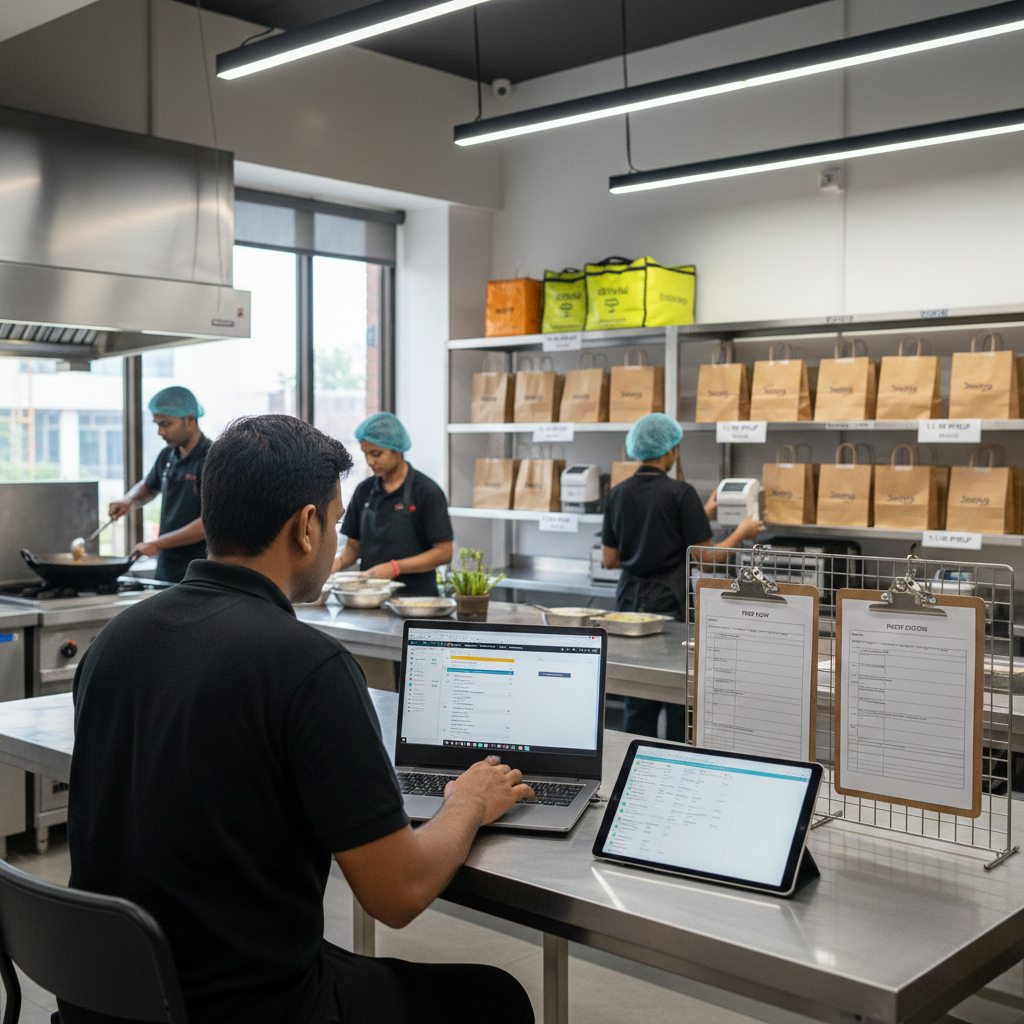
Labor inefficiency quietly destroys daily profit. Discipline matters more than headcount.
- Shift-wise staffing confirmed
- Peak hour coverage ensured
- Clear role allocation for cooks and packers
- Backup plan for absenteeism
- Break schedules planned
Strong manpower routines reduce founder dependency.
Live Order Processing Checklist
During service hours, accuracy is more important than speed.
- Orders accepted within platform SLA
- Cooking sequence followed as per SOP
- Item count verified before packing
- Add-ons and cutlery checked
- Order marked ready only after final verification
Packing & Dispatch Checklist
Most refunds originate from packing and dispatch errors, not food quality.
- Correct container selected
- Leak-proof sealing verified
- Order ID matched with items
- Rider handover time tracked
- Delayed pickups escalated immediately
Dispatch discipline is explained in Cloud Kitchen Dispatch SOP.
Aggregator Management Checklist
Aggregators must be actively managed every single day.
- Store uptime and visibility checked
- Discounts reviewed before activation
- Ad spends monitored against margin
- Customer complaints responded promptly
Learn margin-safe tactics in How to Reduce Swiggy Commission and industry insights from GreenSaladin.
Mid-Day Review Checklist
A short mid-day review prevents end-of-day surprises.
- Sales vs forecast reviewed
- Prep sufficiency assessed
- Staff fatigue monitored
- Early wastage signals identified
End-of-Day Closing Checklist
Closing routines protect tomorrow’s profitability.
- Final stock reconciliation
- Wastage logged with reasons
- Kitchen cleaned and sanitized
- Equipment shut down safely
- Next-day procurement planned
Daily Reporting Checklist
Reporting converts daily execution into learning and control.
- Total orders and revenue
- Refund count and root causes
- Food cost variance
- Manpower utilization
- Operational issues logged
Final Thoughts: Discipline Beats Motivation
Cloud kitchens don’t become profitable by working harder. They become profitable by following systems.
A daily operations checklist is the simplest and most powerful system you can implement.
Frameworks from GrowKitchen help founders convert daily chaos into predictable profits.
FAQs: Daily Operations Checklist for Cloud Kitchens
Is a daily checklist necessary for small kitchens?
Yes. Small kitchens feel the impact of mistakes faster.
Can checklists improve profit without increasing orders?
Yes. Most profit gains come from reducing daily leakage.
Who should manage the checklist?
The kitchen manager or shift lead.
Should checklists evolve over time?
Yes. They should adapt as order volume and complexity grow.