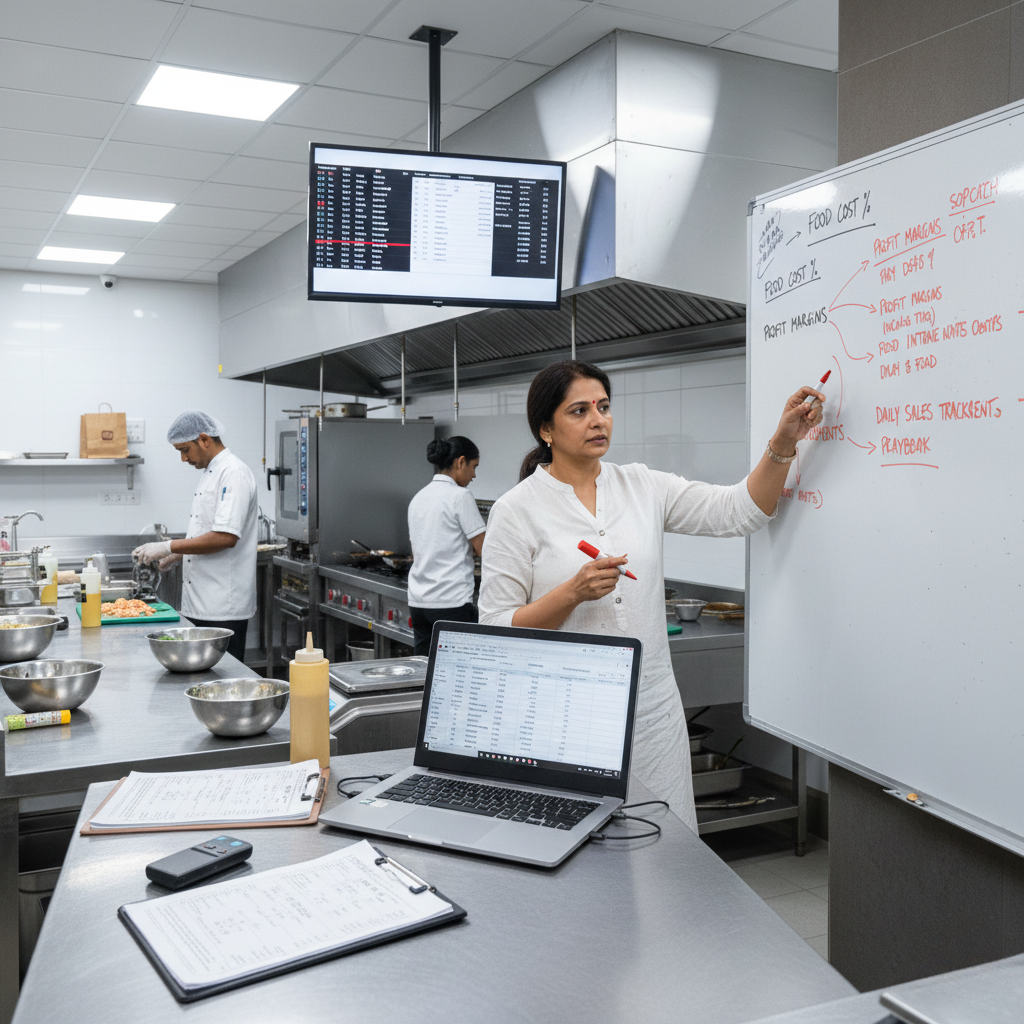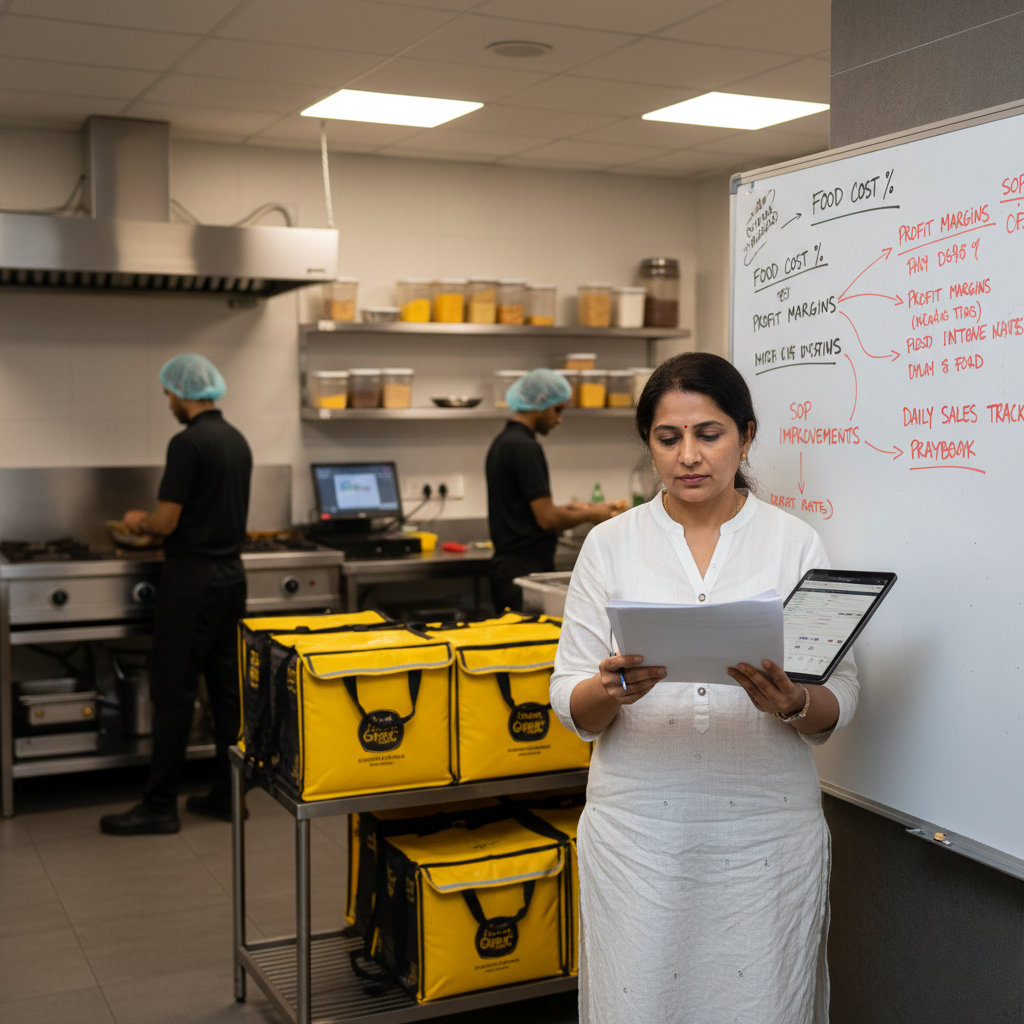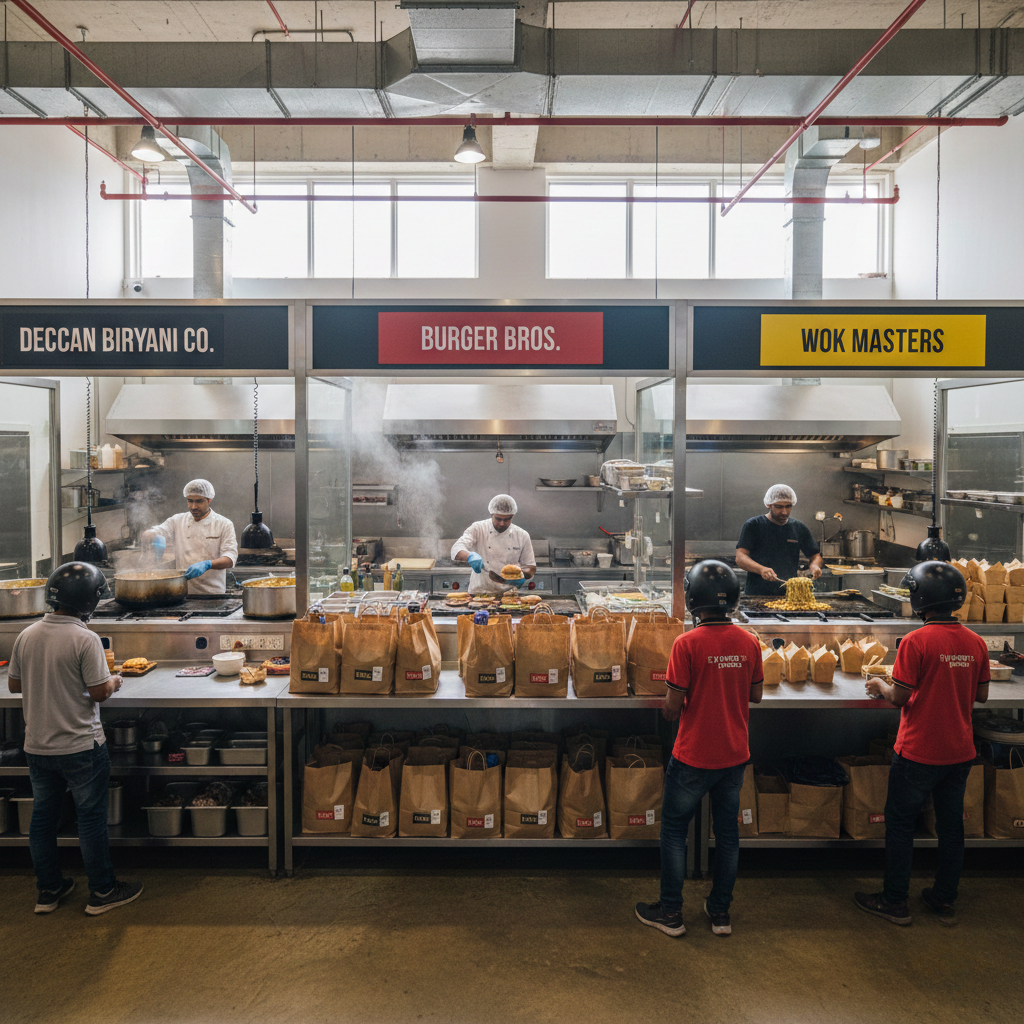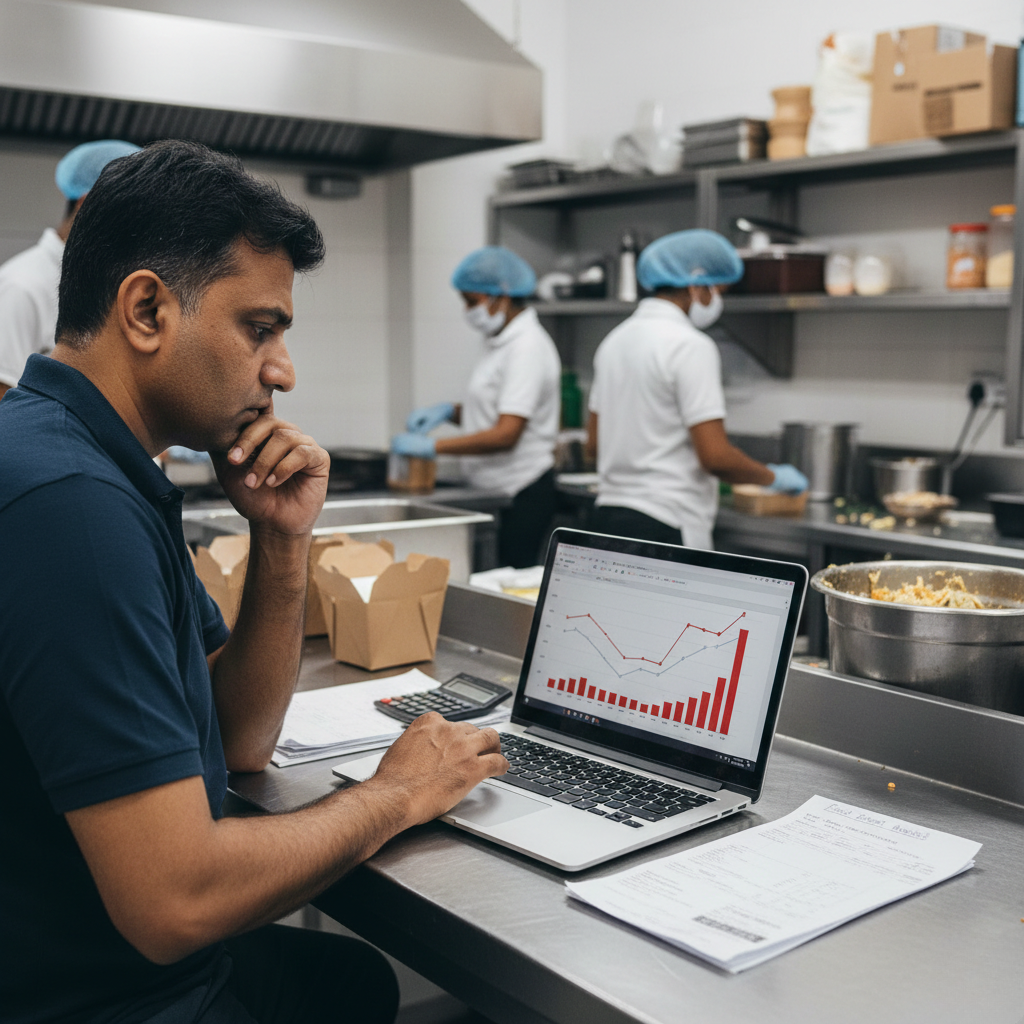
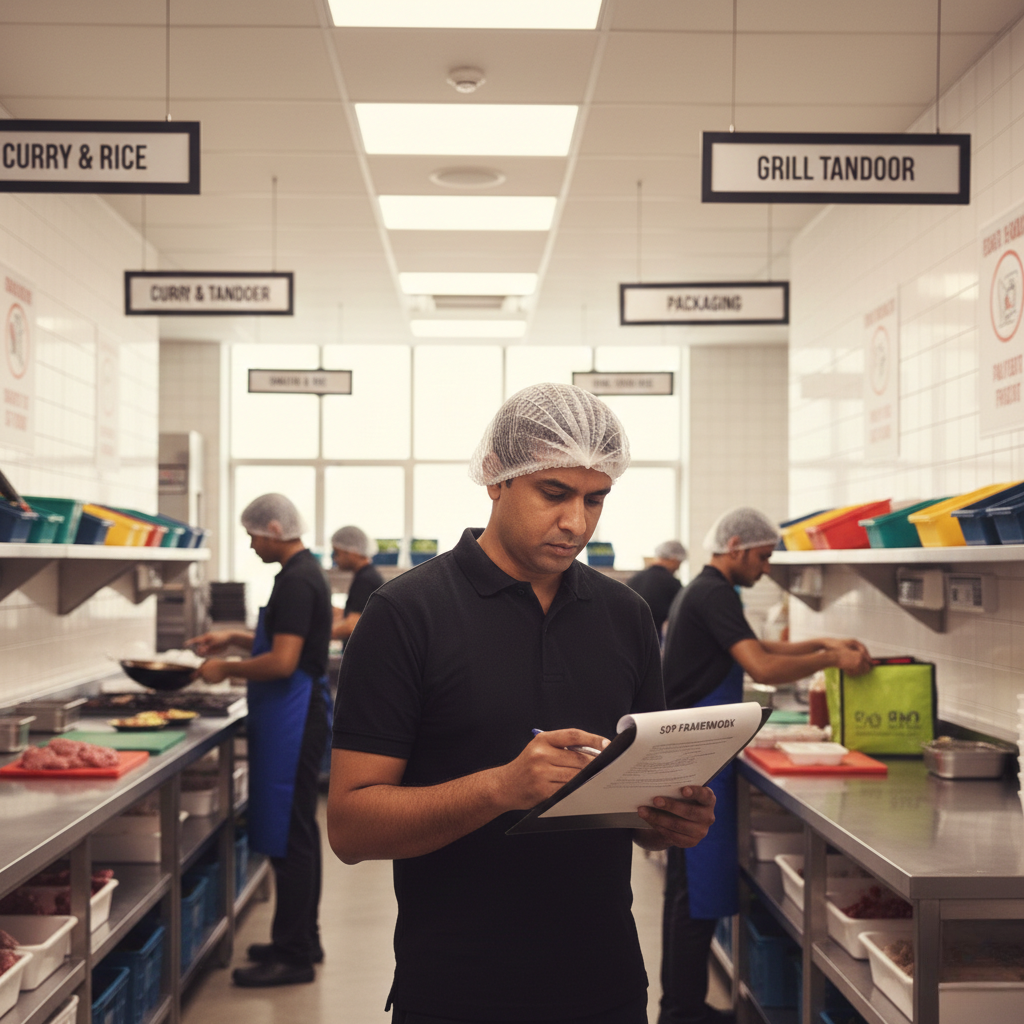
Cloud Kitchen SOP Framework Case Study-This case study focuses on a silent but destructive problem inside many cloud kitchens: staff confusion. Orders were coming in, staff was present, and the kitchen was operational-yet mistakes, delays, and misunderstandings were constant. Cloud kitchen as a service
The founder described it clearly: “Everyone is working hard, but nothing feels coordinated.” This is the story of how CKaaS eliminated staff confusion by introducing a structured SOP framework-and how that changed daily operations, margins, and founder stress.
Background: A Kitchen Full of Effort, But No Clarity
The cloud kitchen operated from a single location with two delivery-only brands. Daily orders averaged between 90 and 140, depending on promotions and weekends.
Staff attendance was stable. Most team members had been working for months. Yet performance varied dramatically depending on:
- Which staff members were on shift
- Who was leading service that day
- How busy the kitchen became
Despite experience, confusion was constant.
This is a common stage for kitchens that grow without documented systems, as discussed in what happens when cloud kitchens scale without systems.
What Staff Confusion Looked Like Daily
Confusion did not appear as one big failure. It appeared as dozens of small problems every shift.
- “Who is responsible for this order?”
- “Should this item be prepped now or later?”
- “Is this portion correct?”
- “Who handles dispatch issues?”
Each question slowed service. Each hesitation increased stress. Over time, confusion became normal.
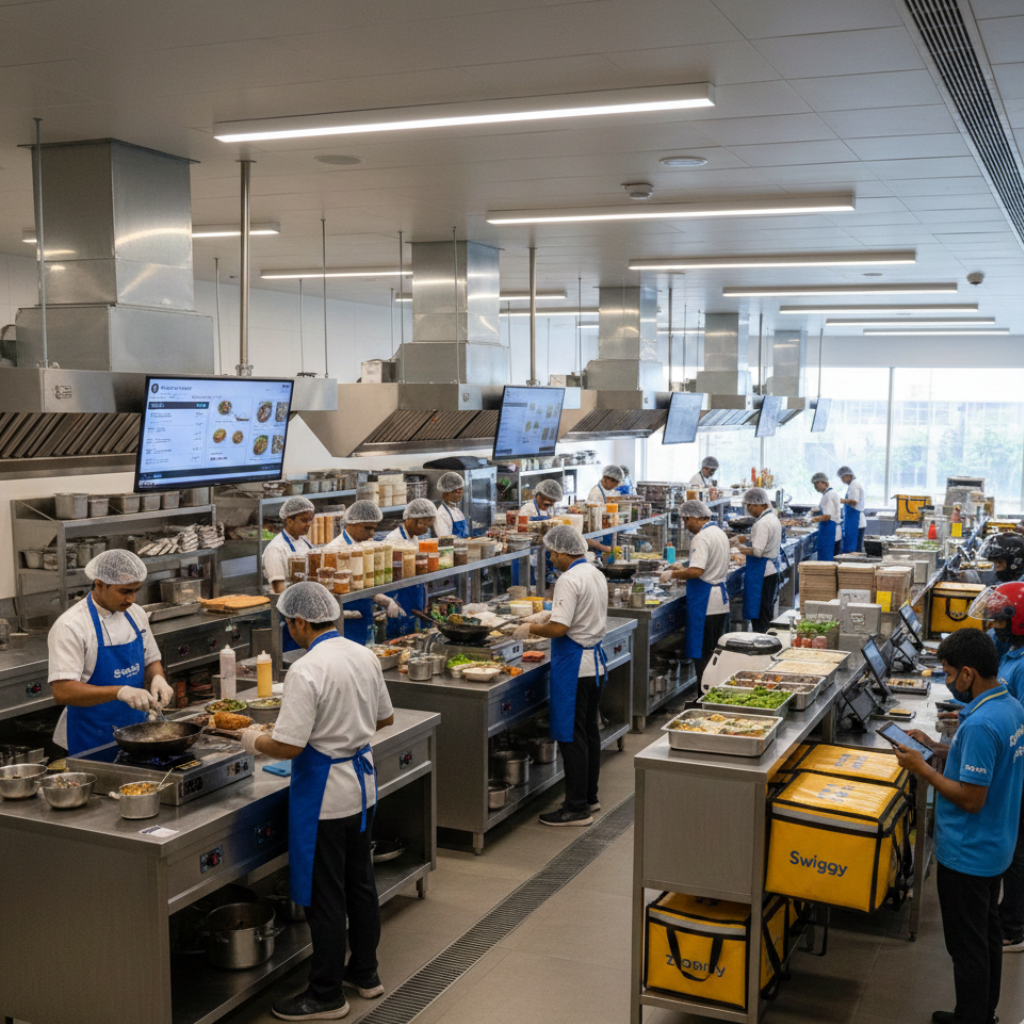
The Hidden Cost of Staff Confusion
Staff confusion feels operational, but its impact is financial and emotional.
- Higher error rates during peak hours
- Inconsistent food quality
- Wasted ingredients due to mistakes
- Increased dependence on the founder
Most importantly, confused teams cannot scale.
Why Confusion Increased as Orders Grew
As order volume increased, the kitchen expected staff to “figure things out” naturally. Instead, pressure exposed gaps.
Growth amplified:
- Unclear roles
- Verbal instructions
- Assumption-based decisions
- Inconsistent training
Without SOPs, experience could not scale.
Initial Diagnostic: What CKaaS Observed
CKaaS began by observing service flow instead of reviewing reports.
- Where do staff hesitate?
- Which questions repeat daily?
- Who gets interrupted the most?
- What decisions lack clarity?
The diagnosis was clear: staff confusion was a system failure, not a skill problem.
Root Cause #1: No Role-Based Ownership
Everyone helped with everything-which created collaboration, but no ownership.
During peak hours:
- Tasks overlapped
- Handoffs were unclear
- Errors were hard to trace
Without defined roles, accountability disappeared.
Root Cause #2: Verbal SOPs That Changed Daily
Instructions existed, but only verbally:
- “Do it like yesterday”
- “Usually we do it this way”
- “Ask the founder if unsure”
Verbal SOPs changed depending on who explained them. This created inconsistency.
Root Cause #3: Training Depended on People, Not Process
New staff learned by watching others. Quality depended on who trained them.
This resulted in:
- Different methods for the same task
- Conflicting instructions
- Longer learning curves
Training never standardized.
Root Cause #4: Founder as the Default Clarifier
Whenever confusion arose, staff escalated to the founder.
- Recipe clarifications
- Portion questions
- Order exceptions
Founder dependency reinforced confusion instead of resolving it.
CKaaS Intervention: Designing Clarity Into Operations
CKaaS treated staff confusion as a design issue.
The objective was simple: remove ambiguity from daily work.
The intervention focused on:
- Documented SOPs
- Role clarity
- Decision boundaries
- Repeatable training
System 1: Role-Based SOP Framework
CKaaS introduced role-specific SOPs:
- Prep SOPs
- Cooking SOPs
- Dispatch SOPs
Each role had:
- Defined tasks
- Clear responsibilities
- Known handoff points
This approach mirrors principles explained in role-based kitchen operations explained.
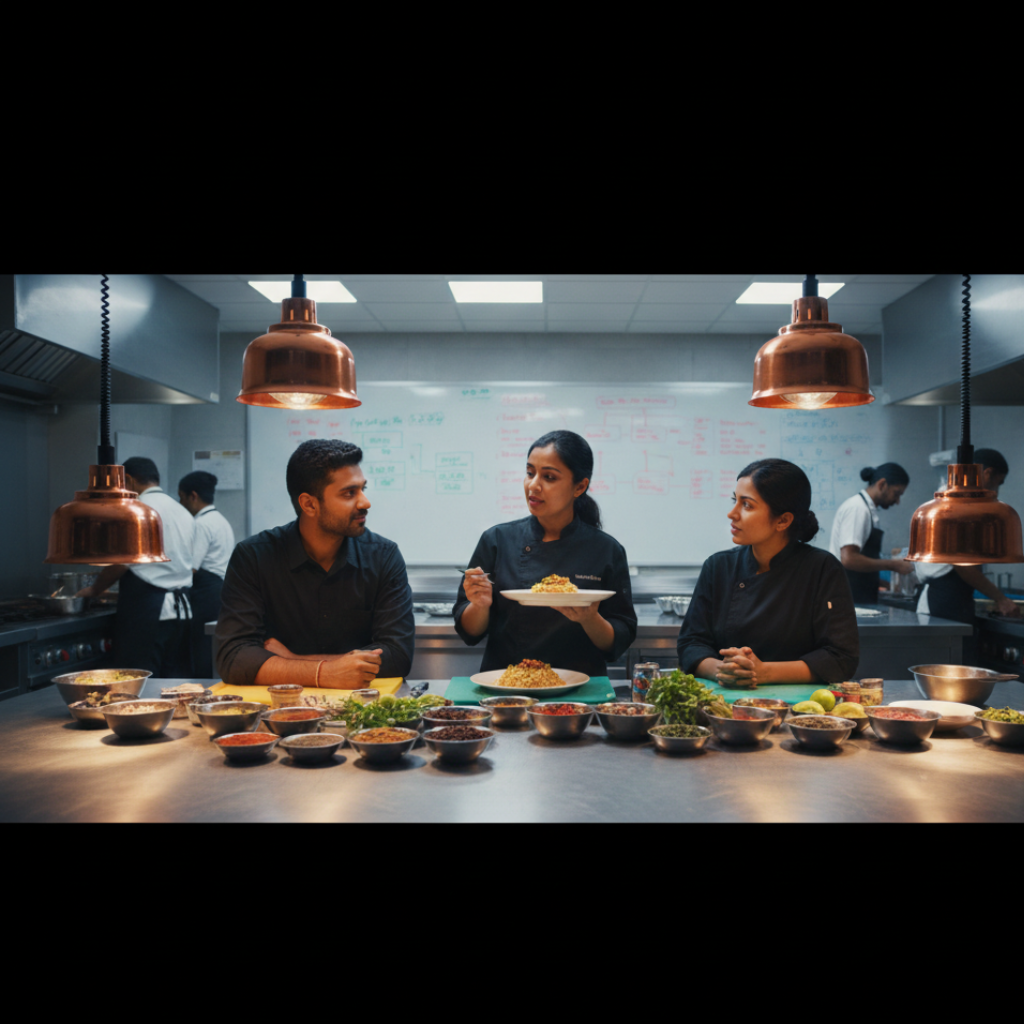
System 2: Standardized Recipe SOPs
Every menu item was documented with:
- Exact gram weights
- Prep sequence
- Cooking steps
- Packing standards
Recipes stopped being suggestions and became standards.
System 3: SOPs for Exceptions and Edge Cases
CKaaS documented what usually caused confusion:
- Ingredient shortages
- Substitutions
- Late orders
- Platform issues
Staff no longer needed to guess or escalate unnecessarily.
System 4: SOP-Driven Training
Training shifted from shadowing to structured onboarding.
- New hires followed SOP checklists
- Performance became measurable
- Training time reduced significantly
Consistency replaced dependency.
The Transition Phase: From Questions to Confidence
Initially, staff adjusted to following written systems. Within weeks:
- Questions reduced sharply
- Interruptions dropped
- Peak hours felt calmer
- Confidence increased
The kitchen began running with clarity instead of confusion.
The Outcome: A Confident, Coordinated Team
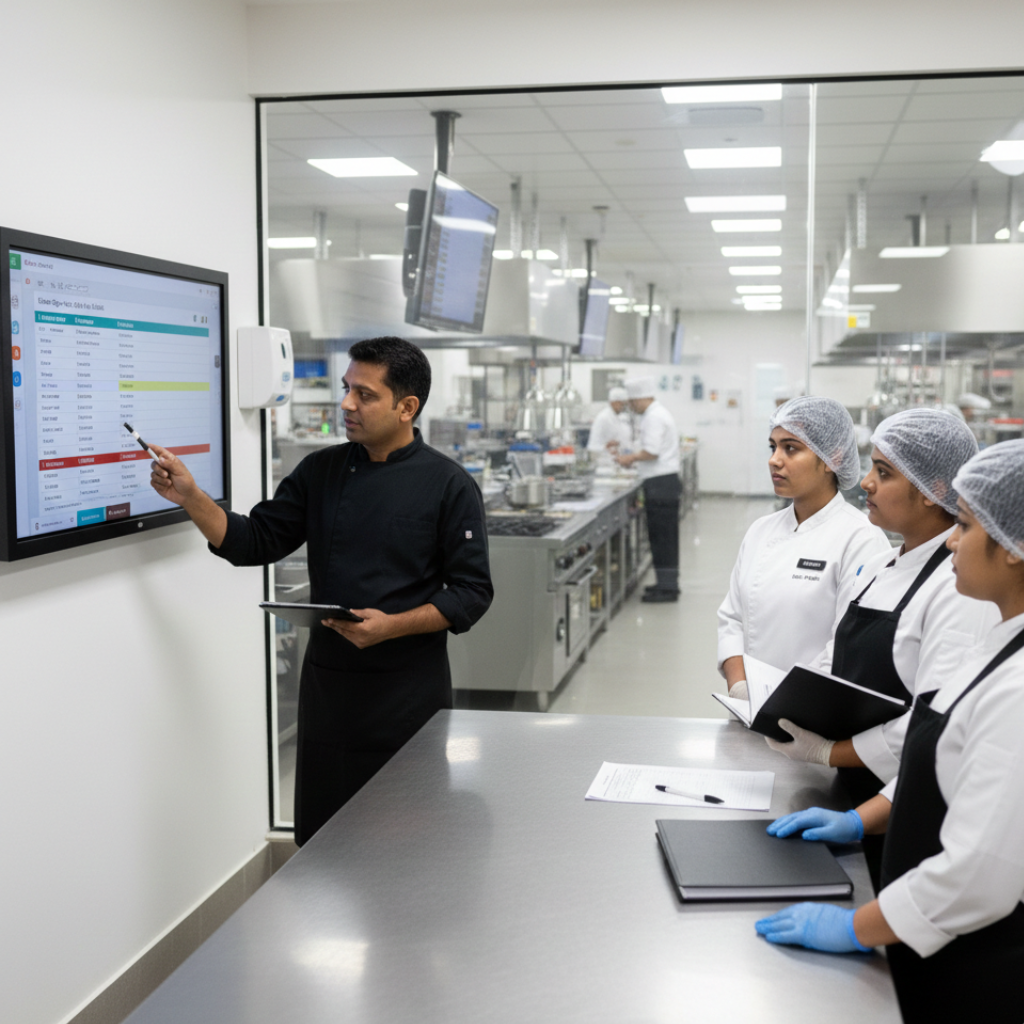
Within 45–60 days:
- Staff confusion reduced drastically
- Operational errors declined
- Service speed improved
- Founder interruptions dropped
The kitchen finally felt coordinated.
Founder Takeaways From This Case
- Confusion is a system gap, not a people issue
- Clarity improves speed and quality
- SOPs empower staff
- Confidence comes from structure
Why CKaaS SOP Framework Worked
CKaaS worked because it replaced ambiguity with clarity.
Instead of asking “Why are staff confused?”, CKaaS asked:
- What decisions repeat?
- What needs to be consistent?
- What can be documented?
This system-first thinking aligns with insights shared by industry professionals like Rahul Tendulkar and operationally disciplined brands such as Green Salad and Fruut.
Final Thoughts
Staff confusion is not inevitable. It is designed-unintentionally.
When SOPs are clear, teams perform better, stress reduces, and operations scale.
Still Have Questions?
For common SOP, operational, and scaling questions, read the Grow Kitchen FAQs.
You may also find these internal resources helpful:
- How to Fix a Loss-Making Cloud Kitchen
- From Zero Profit to Sustainable Margins
- What Happens When Cloud Kitchens Scale Without Systems
- How CKaaS Reduced Daily Firefighting Inside the Kitchen