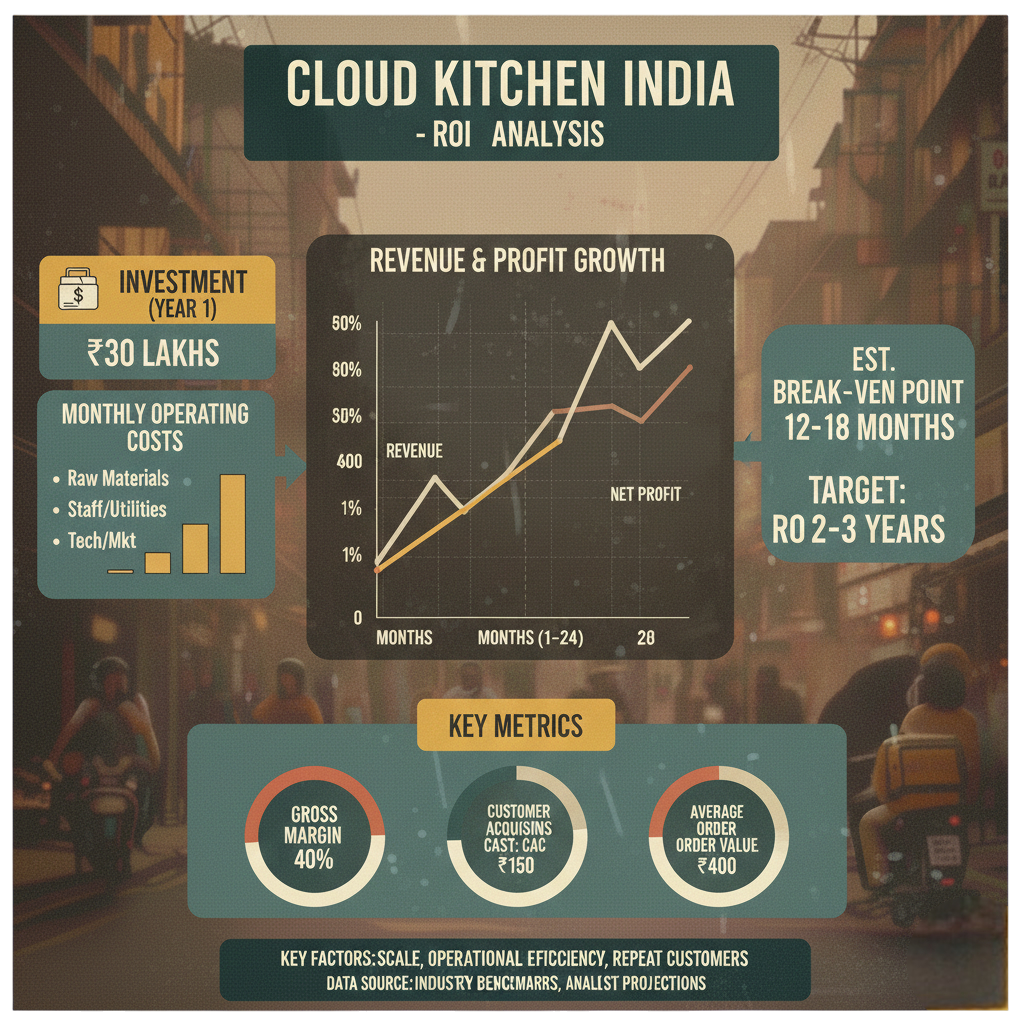
Cloud kitchen ROI in India is widely misunderstood. While delivery-first food businesses are often promoted as low-investment, high-return models, real ROI depends on execution quality, contribution margins, and how quickly founders build repeat demand. This guide breaks down how cloud kitchen ROI actually works in India, realistic return expectations, breakeven timelines, and the mistakes that quietly destroy profitability.
Start Here Before Calculating Cloud Kitchen ROI
This article is part of GrowKitchen’s financial viability and unit economics series. Before measuring ROI, it’s essential to understand how delivery-first kitchens operate: Cloud Kitchen as a Service and the broader ecosystem of delivery food businesses in India: Cloud Kitchen Business in India.
Cloud kitchens must also remain compliant with FSSAI, GST Network, and local municipal regulations to avoid financial risk.
Cloud Kitchen ROI in India Explained
ROI (Return on Investment) measures how efficiently a cloud kitchen converts invested capital into profit. In India, cloud kitchen ROI varies sharply based on city density, cuisine type, menu pricing, and cost discipline.
Unlike traditional restaurants, cloud kitchens often achieve faster breakeven due to lower front-end costs. However, faster breakeven does not automatically translate into sustainable ROI.
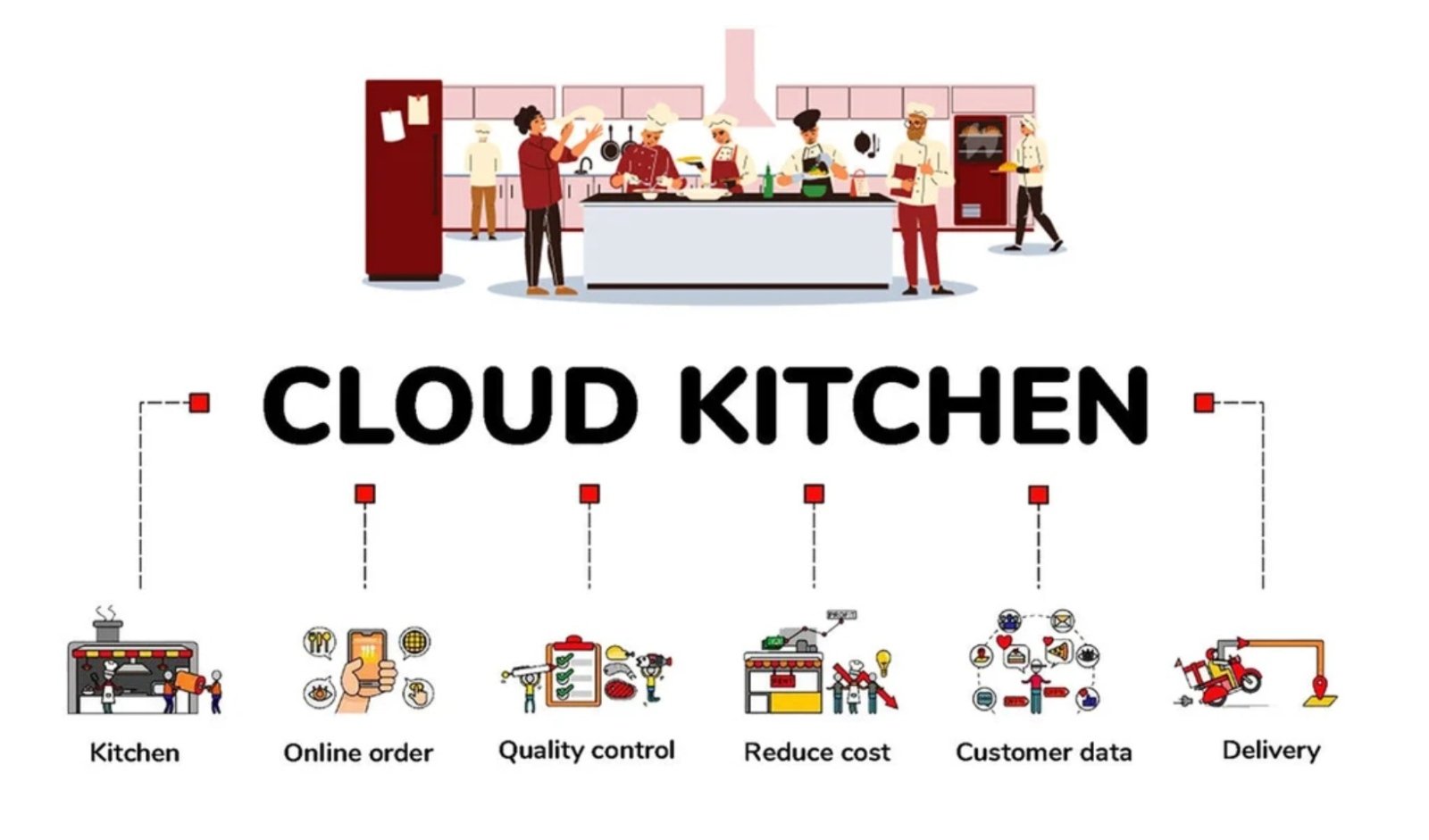
Key Factors That Impact Cloud Kitchen ROI
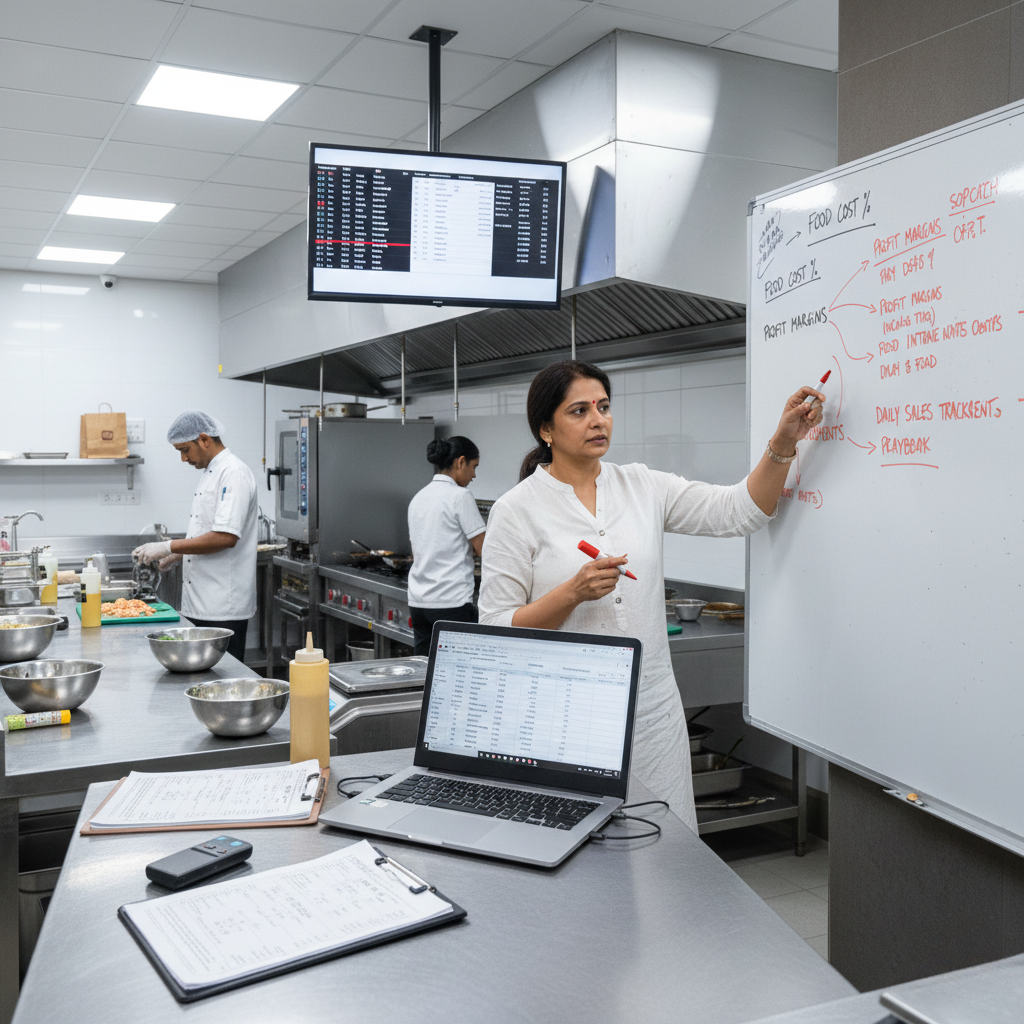
Cloud kitchen ROI is shaped by several interconnected variables. Founders often focus on revenue growth while ignoring the cost levers that actually determine returns.
- Initial setup and kitchen infrastructure investment
- Monthly fixed and variable operating expenses
- Food cost percentage and portion accuracy
- Aggregator commissions and ad spends
- Customer repeat rate and average order value
- Menu engineering and pricing structure
Weakness in any one area compounds across months, pushing ROI timelines further away.
Typical ROI Timeline for Cloud Kitchens in India
A disciplined cloud kitchen in India typically targets breakeven within 9–15 months and ROI within 12–24 months.
Kitchens that prioritise discounts and scale before stabilising margins often extend ROI to 30 months or more.
Impact of Swiggy and Zomato on ROI
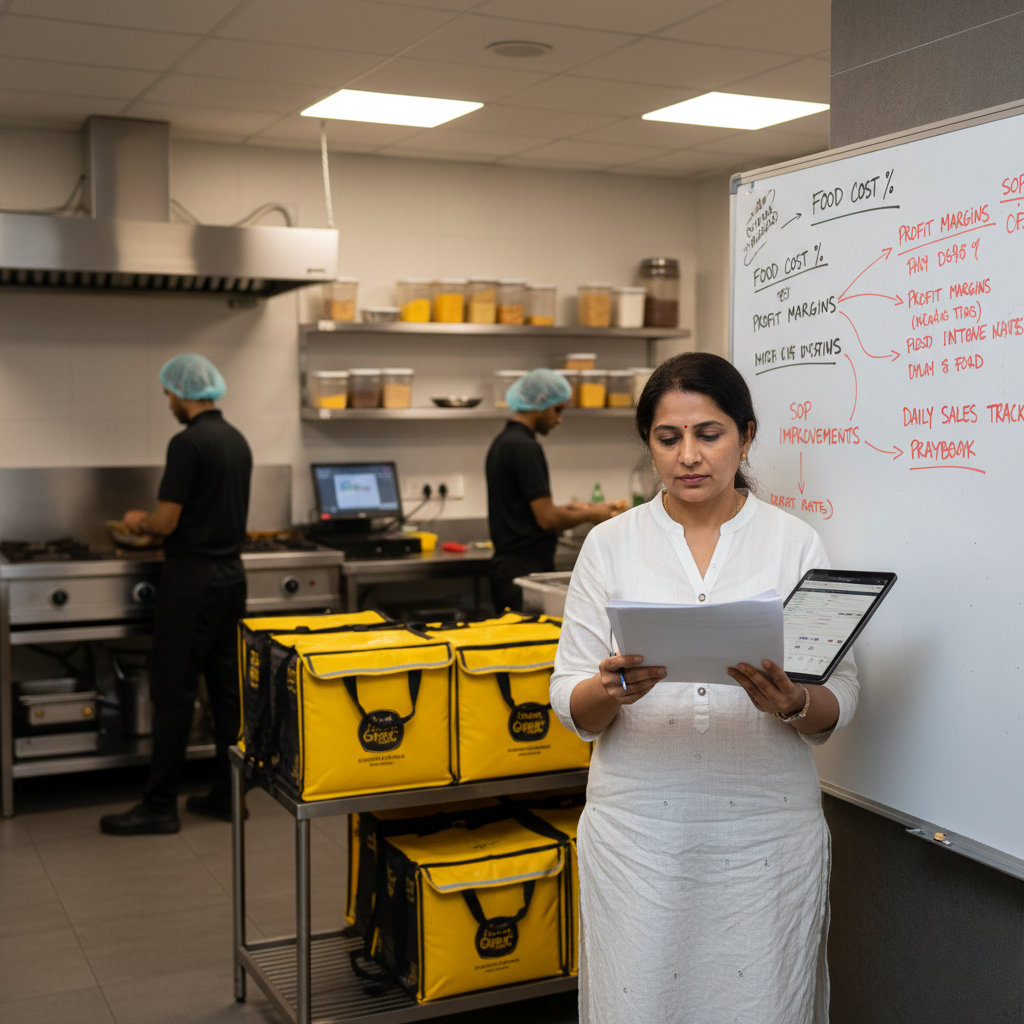
Aggregator platforms play a critical role in cloud kitchen ROI. While they provide demand, commissions, ads, and discounting pressure significantly compress margins.
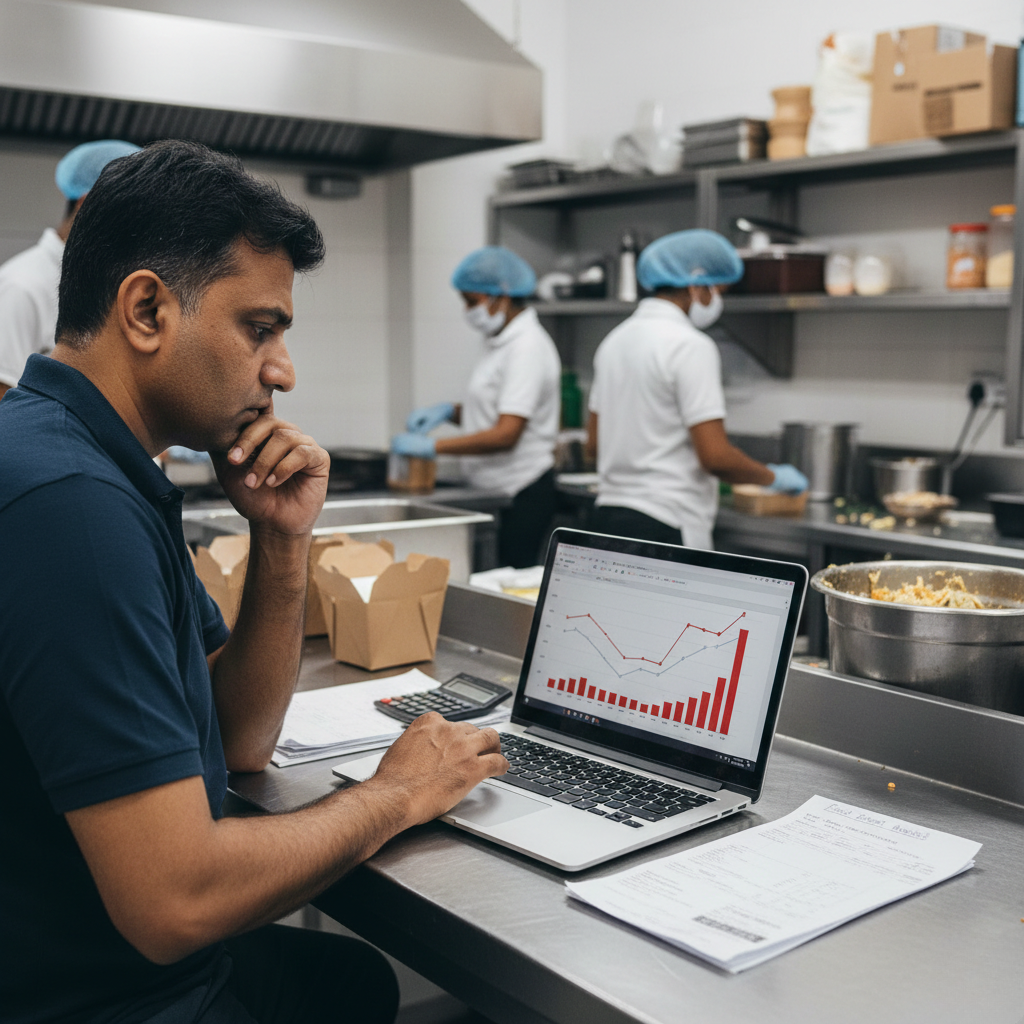
Many founders track revenue growth while ignoring contribution margin per order, leading to misleading ROI assumptions.
Why Operational Discipline Drives ROI
Kitchens with strong SOP discipline achieve predictable and faster ROI. Standardisation reduces wastage, labour inefficiency, and inconsistency.
Foundational systems for cost control: Cloud Kitchen SOP Checklist.
Does Running Multiple Brands Improve ROI?
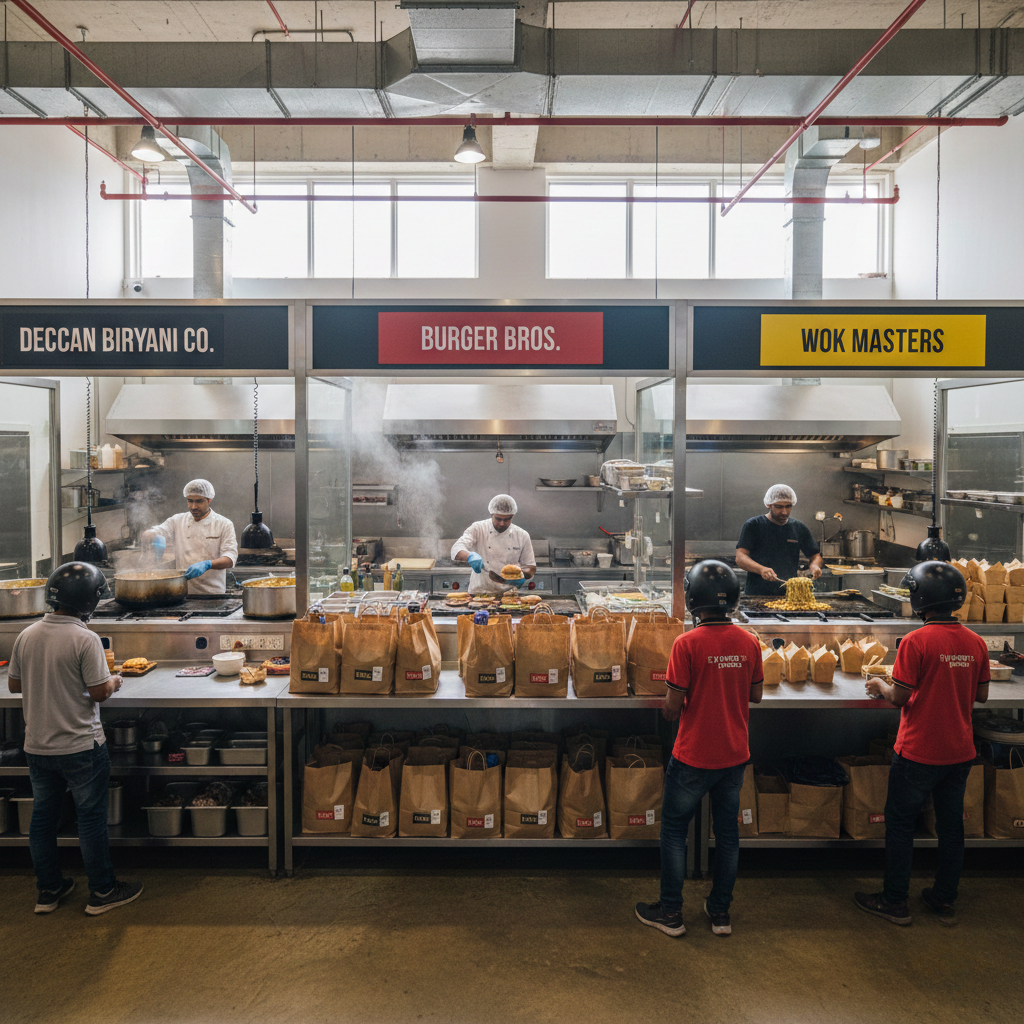
Multi-brand kitchens can improve ROI by spreading fixed costs across multiple revenue streams. However, poorly planned multi-brand setups increase complexity and errors.
ROI improves only when brands share ingredients, prep systems, and staff intelligently.
ROI Impact of Scaling Cloud Kitchens
Scaling multiplies ROI only after unit economics are stable. Expanding prematurely increases burn instead of improving returns.
Sustainable scaling frameworks: How to Scale Cloud Kitchens.
Why Cloud Kitchen ROI Fails in India
Most ROI failures are caused by weak financial visibility, excessive discounts, rising commissions, and lack of founder oversight.
Real failure patterns explained: Why Cloud Kitchens Fail in India.
Final Thoughts: Cloud Kitchen ROI in India
Cloud kitchens can deliver strong ROI in India, but only for founders who respect unit economics and operational discipline.
ROI is built gradually through systems, not shortcuts. Kitchens that master cost control, consistency, and repeat demand win sustainably.
FAQs: Cloud Kitchen ROI in India
What is a good ROI for a cloud kitchen?
A healthy ROI is achieved when the initial investment is recovered within 12–24 months.
Can cloud kitchens deliver faster ROI than restaurants?
Yes, due to lower setup costs and faster operational launch.
What hurts cloud kitchen ROI the most?
Poor cost control, aggressive discounting, and unmanaged aggregator dependency.
Does scaling always improve ROI?
No. Scaling improves ROI only after unit economics are proven.
- Cloud Kitchen Business in India
- Cloud Kitchen Setup Cost in India
- Cloud Kitchen Profit Margin in India
- How to Scale Cloud Kitchens