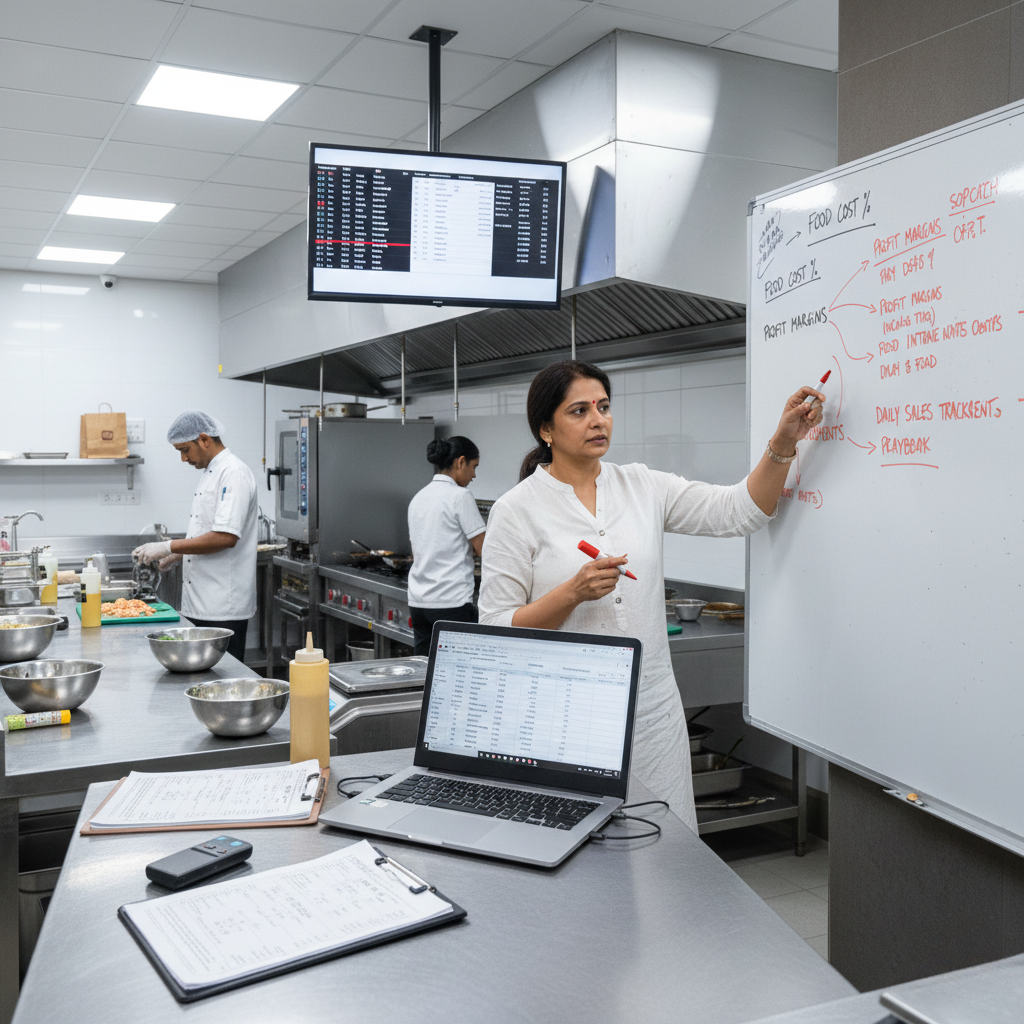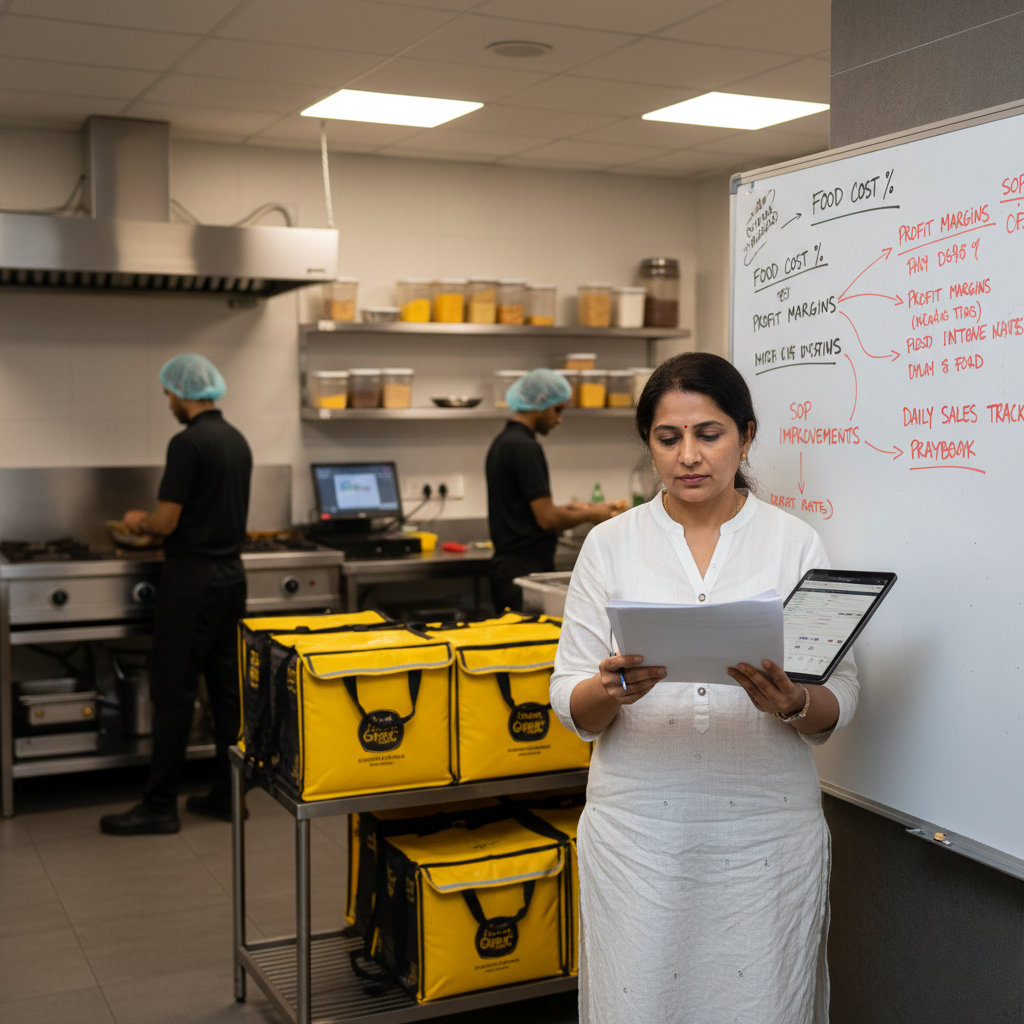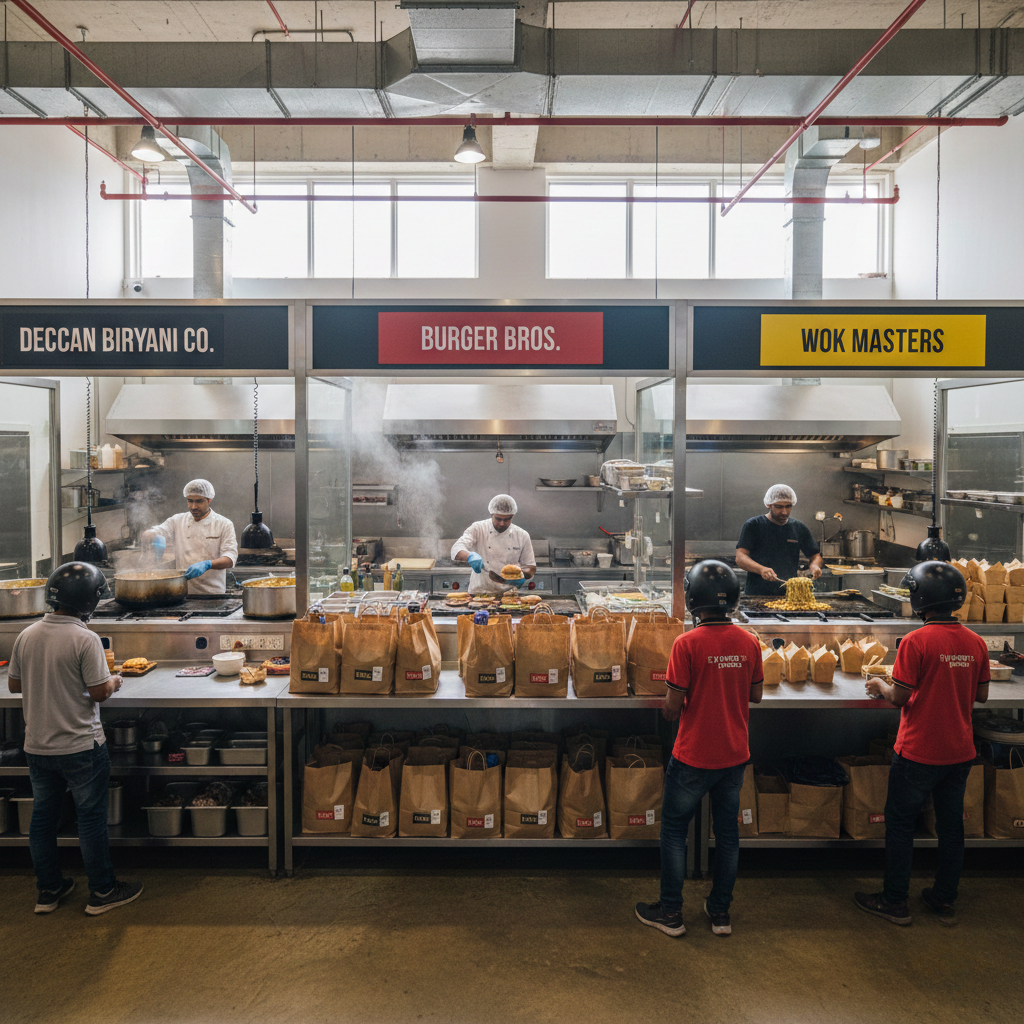
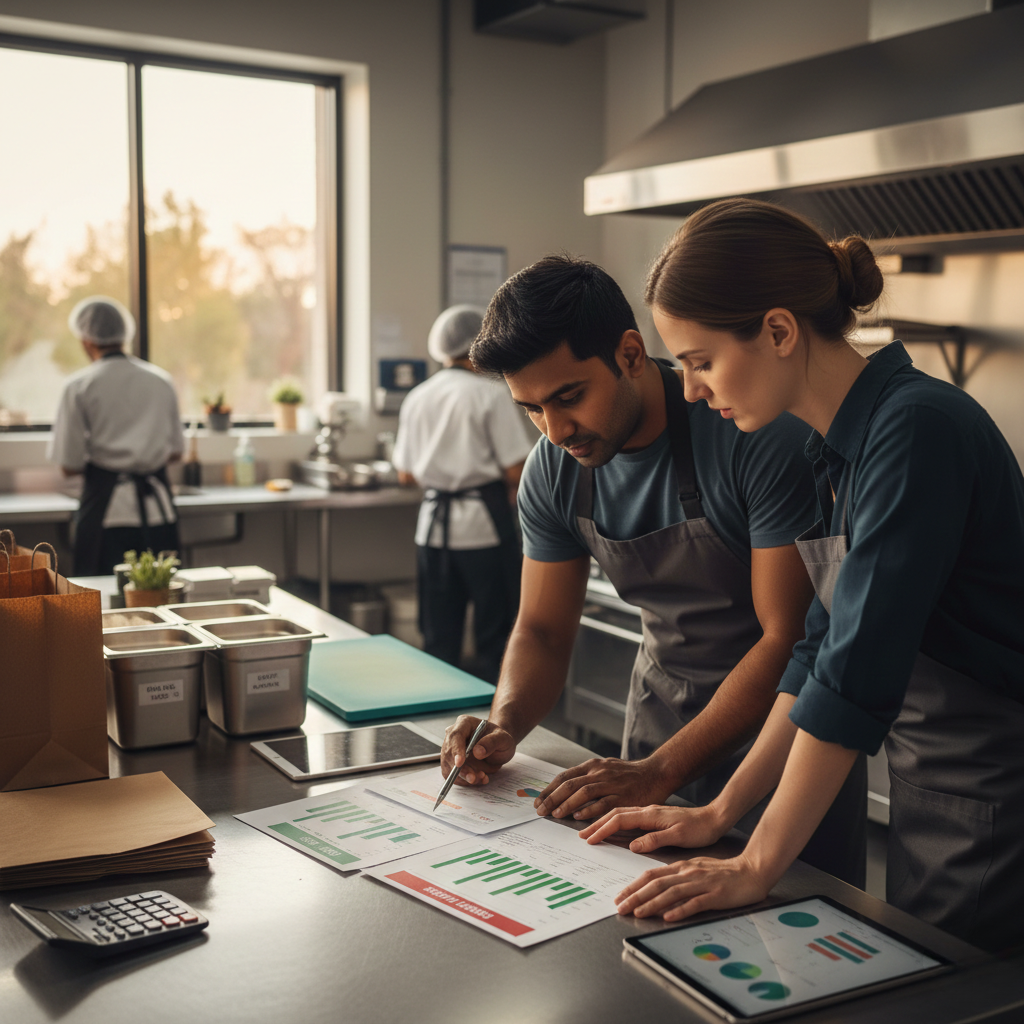
Cloud Kitchen Revenue VS Profit Case Study-This case study explores a confusing and frustrating phase that many cloud kitchen founders in India experience. Orders were increasing month after month. Revenue graphs were trending upward. Marketing appeared to be working. Yet, despite visible growth, profits refused to follow. Cloud kitchen as a service
The founder described the situation simply: “Sales are growing, but the business doesn’t feel healthier.” This is the story of why that happens-and how CKaaS corrected the underlying problems.
Background: A Kitchen That Looked Like It Was Scaling
The kitchen operated from a single location with multiple brands live on food aggregators. Daily order volumes increased steadily from 70 orders per day to nearly 150 within a few months.
Revenue grew consistently. From the outside, the kitchen appeared to be scaling successfully. Internally, however, the founder felt increasing pressure. Cash balances were unstable, vendor payments were stressful, and month-end numbers were unpredictable.
Despite growth, the business felt fragile.
This phase is commonly seen when cloud kitchens scale revenue before building systems, as discussed in when growth is hurting your cloud kitchen operations.
The Core Confusion: Growth Without Profit
The kitchen’s biggest challenge was not demand. It was understanding why growth was not translating into profit.
The founder struggled to answer key questions:
- Which brand was actually profitable?
- Did higher order volume improve margins?
- Were discounts helping or hurting?
- Was food cost increasing or just fluctuating?
Without clear answers, decisions were reactive. Discounts were increased to maintain momentum. Staff was added during busy periods. Inventory was stocked aggressively to avoid shortages.
Each decision made sense in isolation. Together, they prevented profitability.
Initial Diagnostic: What CKaaS Analyzed First
CKaaS intentionally ignored topline revenue during the initial diagnosis. Instead, the focus was placed on operational fundamentals.
- Contribution margin per order
- Brand-wise margin performance
- Food cost consistency
- Staff productivity by hour
- Inventory movement versus consumption
The diagnostic revealed a critical insight: revenue was growing, but contribution per order was shrinking.
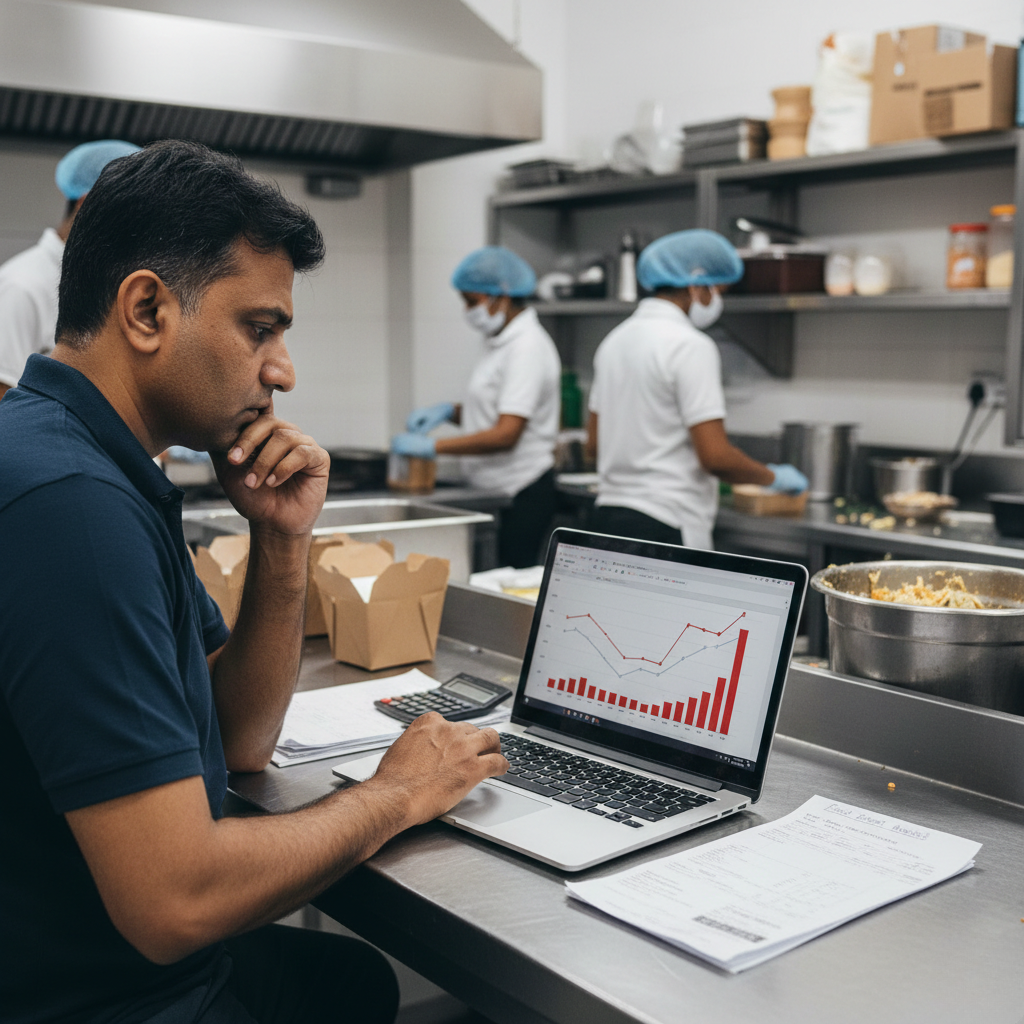
Issue 1: Discounts Inflating Revenue, Not Profit
A detailed review showed that much of the revenue growth was driven by aggressive discounting.
While discounts increased order volume and improved platform visibility, they also:
- Reduced contribution margin per order
- Masked rising food costs
- Created dependency on promotions
After platform commissions and discount absorption, many additional orders added very little profit.
This explains why discounts rarely solve profitability issues, as discussed in why discounts are not solving your profit problem.
Issue 2: Food Costs Rising Quietly
Ingredient prices had increased over time, but menu pricing had not been reviewed accordingly. Recipes existed, but portion control varied across staff and shifts.
As order volume grew:
- Small portion inconsistencies multiplied
- Food cost volatility increased
- Margins eroded silently
Without recipe-level costing tied to real purchase prices, food cost became unpredictable.
Issue 3: Staff Costs Scaling Without Productivity Tracking
To handle higher order volumes, additional staff was added. However, staff productivity was never measured.
The same number of cooks worked during slow afternoons and peak dinner hours. During peak periods, pressure increased. During slow periods, labour remained idle.
This resulted in:
- Higher staff cost without proportional output
- Increased errors during rush hours
- Lower morale due to uneven workload
Staff costs scaled faster than profit.
Issue 4: Inventory Absorbing Cash
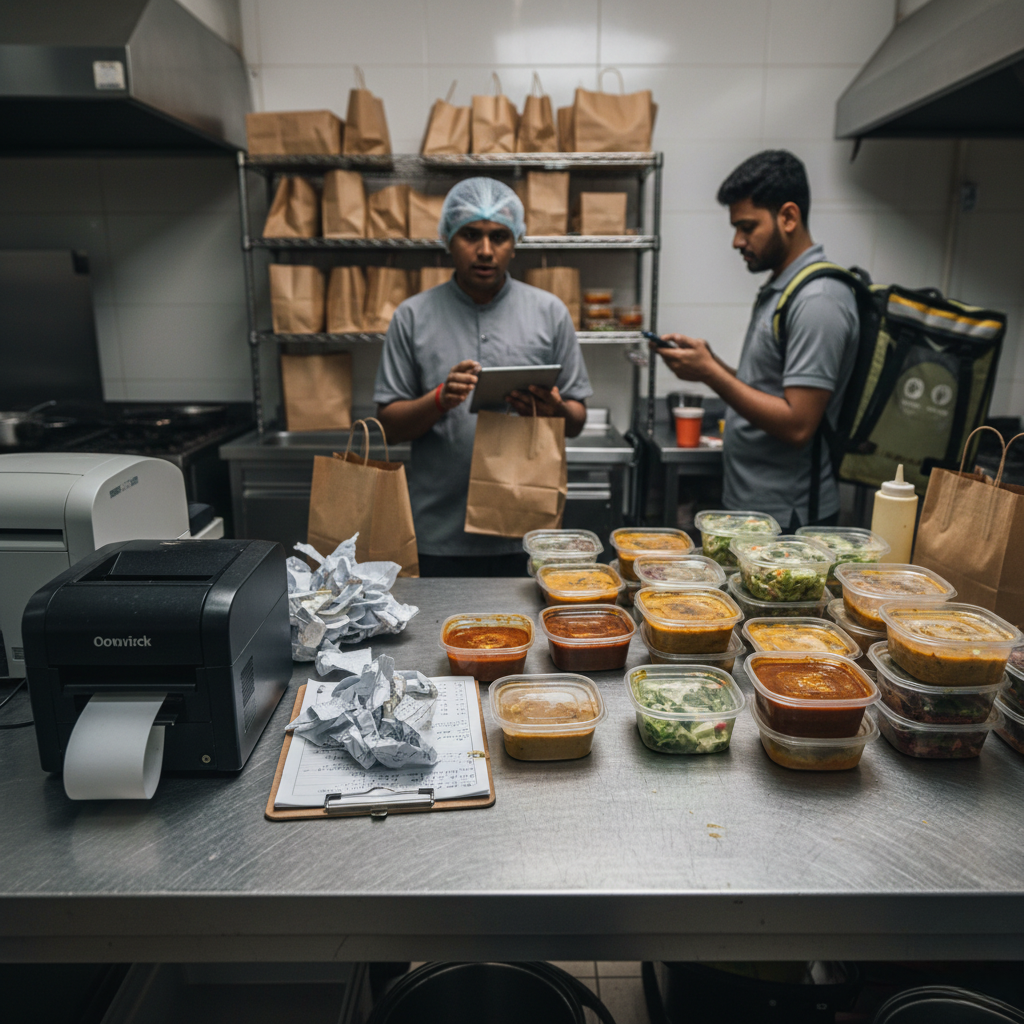
With higher order volume, inventory purchasing became more aggressive. The kitchen stocked larger quantities to avoid running out of ingredients.
This led to:
- Over-purchasing of perishables
- Higher spoilage
- Cash locked in unused stock
Despite growing revenue, cash availability worsened.
Issue #5: No Daily Profit Visibility
Revenue was reviewed daily through aggregator dashboards. Profit was reviewed monthly-if at all.
By the time losses were noticed, the month had already ended. Discount-heavy days, overstaffed shifts, and high-wastage weekends went uncorrected.
Without daily margin visibility, growth became risky.
CKaaS Intervention: What Changed
CKaaS focused on making profitability visible and controllable.
The intervention included:
- Standardizing recipe gram weights across all brands
- Updating recipe costing with real ingredient prices
- Introducing daily contribution margin tracking
- Aligning staff shifts with hourly order density
- Implementing weekly demand-based inventory planning
- Evaluating discounts based on margin impact
The goal was not to slow growth, but to make growth meaningful.
Behavioral Shift After Systems Were Introduced
As systems took hold, behavior inside the kitchen changed naturally.
- Portion control reduced food cost variability
- Staff productivity improved during peak hours
- Inventory purchases became predictable
- Discount decisions became data-driven
Operational stress reduced as clarity increased.
The Outcome: Profits Finally Caught Up With Revenue
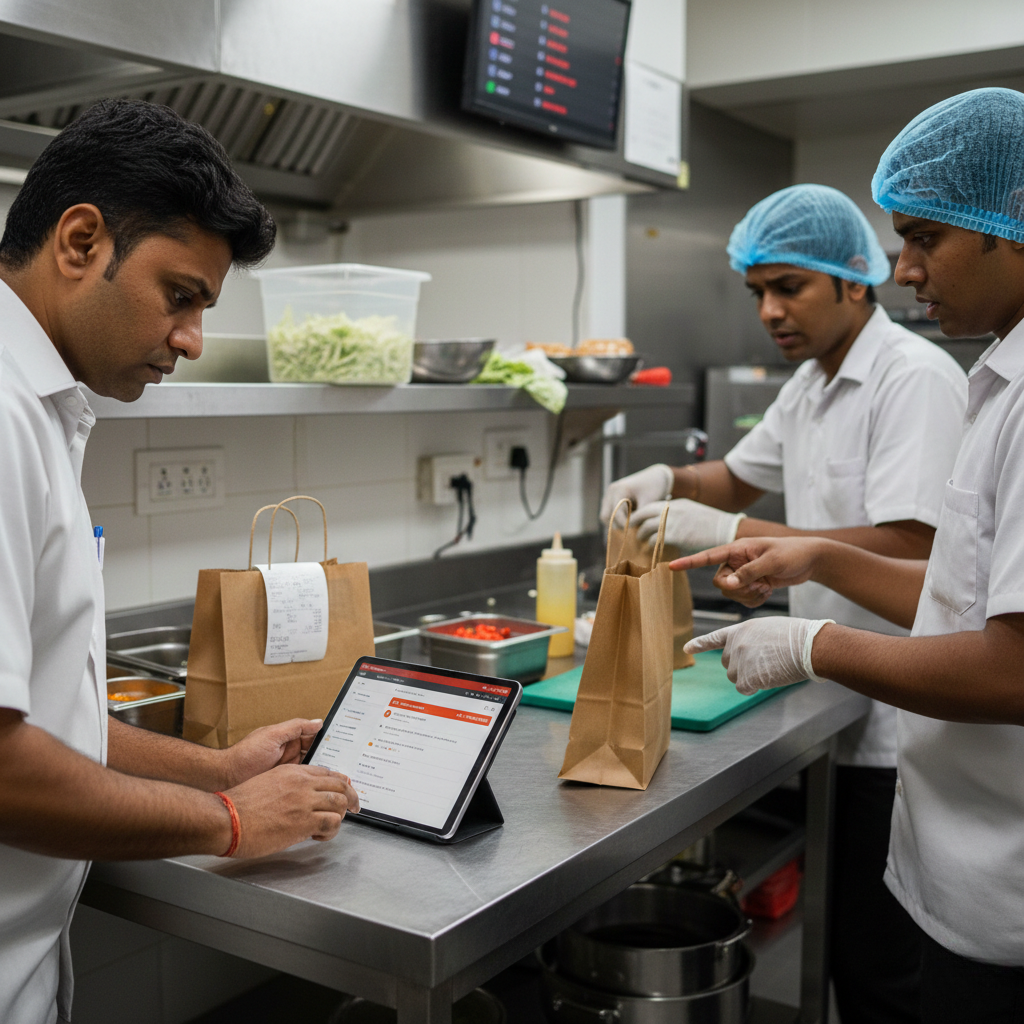
Within 60 days, the kitchen experienced a critical shift. Revenue continued to grow, but now profits followed.
- Food cost stabilized within a predictable range
- Staff costs aligned with real demand
- Inventory wastage reduced significantly
- Daily profit visibility improved decision-making
Growth finally felt healthy.
Key Learnings From This Case
- Revenue growth can hide margin erosion
- Discounts inflate sales, not profit
- Costs scale faster than revenue without systems
- Visibility changes behavior
Why CKaaS Worked Here
CKaaS worked because it treated profitability as an operational outcome.
Instead of asking “How do we sell more?”, it asked:
- Where is money leaking?
- Which processes are inconsistent?
- What decisions lack data?
This approach aligns with insights shared by industry professionals like Rahul Tendulkar and system-first brands such as Green Salad and Fruut.
Final Thoughts
If your cloud kitchen’s revenue is growing but profits are not, the issue is not demand. It is structure.
Growth without systems creates pressure. Growth with systems creates stability.
Still Have Questions?
For common operational and profitability questions, read the Grow Kitchen FAQs.
You may also find these internal resources helpful:
- How to Fix a Loss-Making Cloud Kitchen
- From Zero Profit to Sustainable Margins
- When Growth Is Hurting Your Cloud Kitchen Operations