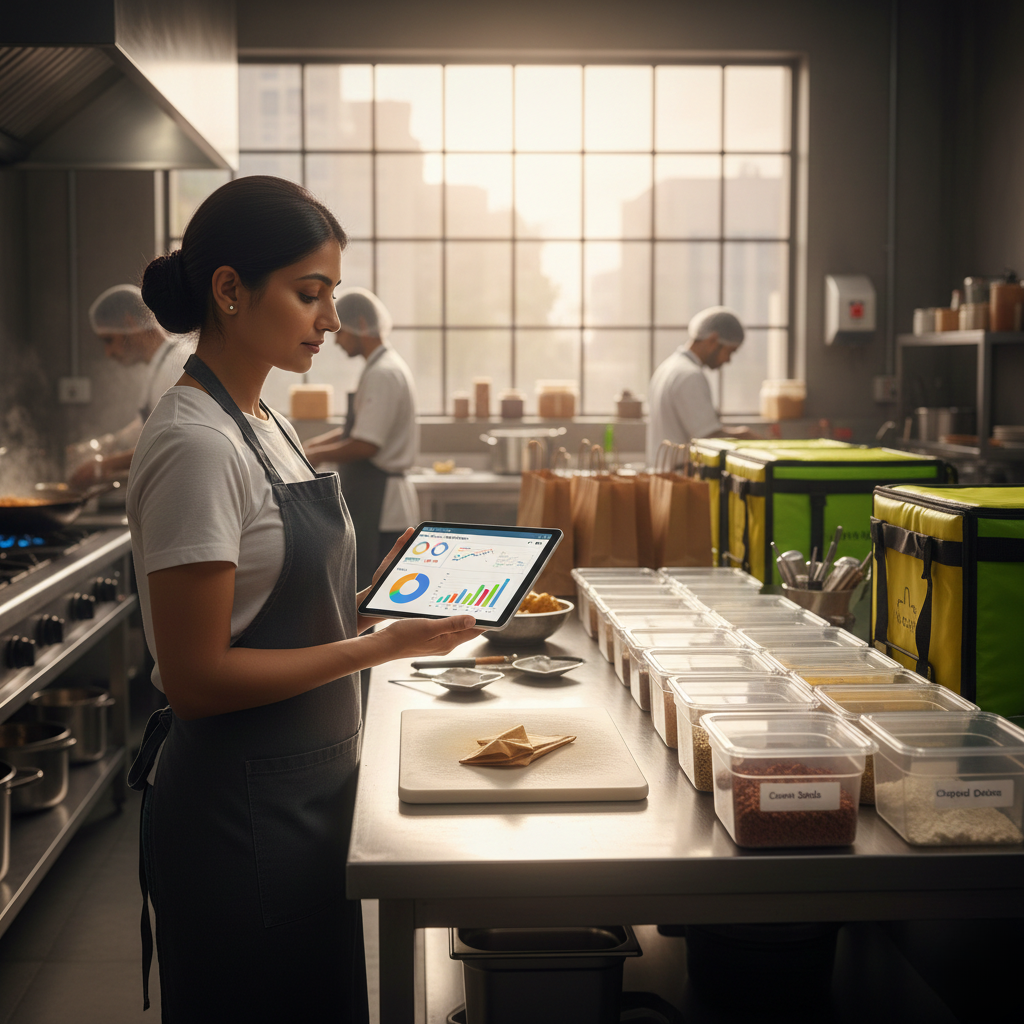
Cloud Kitchen Profit Turnaround Case Study-This case study documents the journey of a cloud kitchen in India that was operationally active but financially unstable. Orders were steady, customer feedback was acceptable, and the kitchen had survived the early launch phase. Yet, month after month, profits were either negligible or negative. Cloud kitchen as a service
What makes this case important is not the size of the kitchen or the cuisine type, but the pattern it represents. Many cloud kitchens reach this stage-running daily, appearing functional, but failing to generate predictable margins.
This is the story of how that changed within 60 days using CKaaS.
Background: A Kitchen That Had Survived, But Not Stabilized
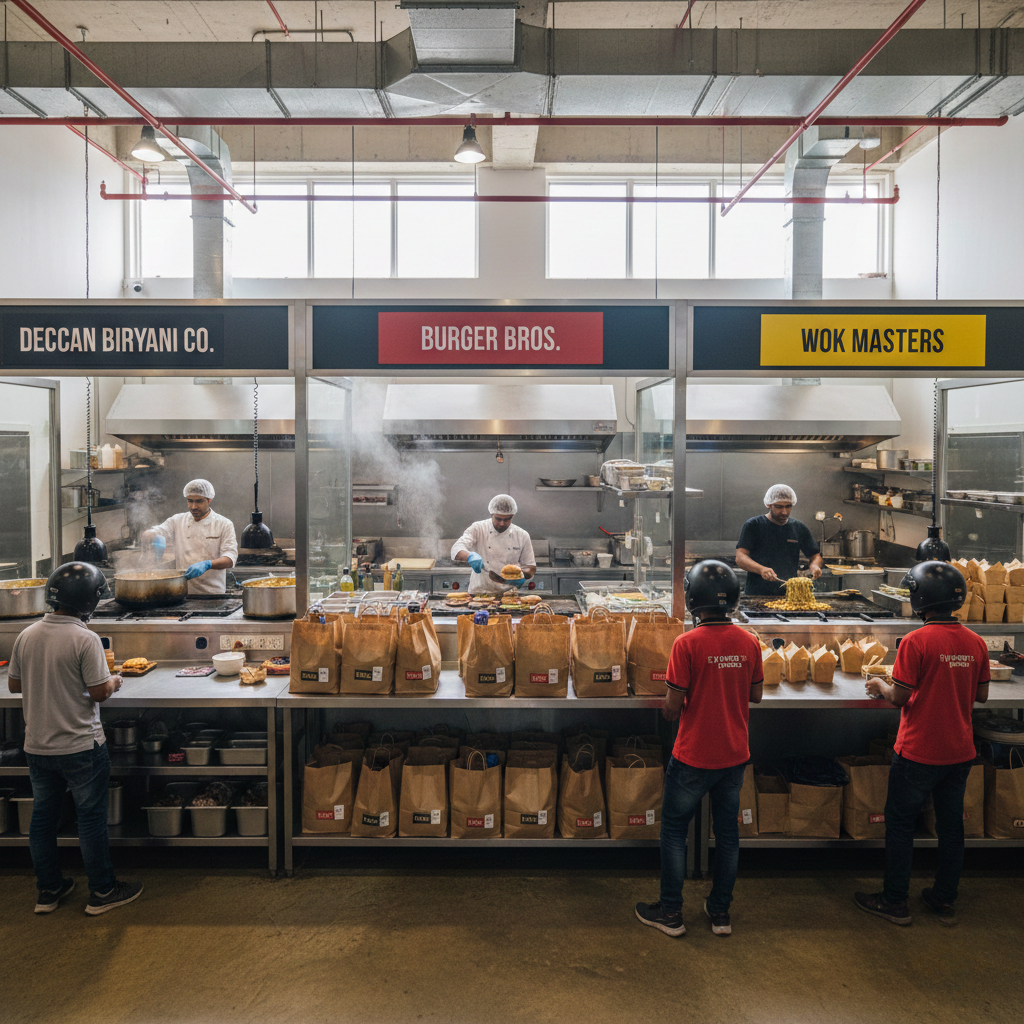
The kitchen operated from a single location and managed multiple brands on food delivery platforms. Daily order volumes ranged between 90 and 130 depending on discounts and platform visibility.
On paper, the business looked functional. The founder was deeply involved in daily operations, staff attendance was consistent, and there were no major quality complaints. However, profitability remained elusive.
Some months ended with small losses. Other months barely broke even. There was no predictable pattern, making planning impossible.
This phase is commonly seen in cloud kitchens that grow without systems, as explained in what happens when cloud kitchens scale without systems.
The Core Problem: No Margin Stability
The biggest challenge was not lack of revenue, but lack of margin stability.
The founder could not confidently answer questions such as:
- Which brand is actually profitable?
- Are we making money on weekdays or weekends?
- How much do discounts really cost us?
- Is food cost increasing or just fluctuating?
Without answers to these questions, every decision felt reactive. Discounts were increased to boost volume. Staff was added during busy weeks. Inventory was overstocked to avoid shortages.
Each decision felt logical in isolation-but together, they created financial instability.
Initial Diagnostic: What CKaaS Focused On First
CKaaS began by removing the focus from revenue and growth. Instead, the diagnostic phase concentrated on operational fundamentals.
- Recipe-level costing accuracy
- Contribution margin per order
- Staff productivity by time slot
- Inventory purchase versus consumption
- Daily visibility into profit and loss
The diagnostic revealed a clear pattern: the kitchen was operationally busy but financially blind.
Issue #1: Inconsistent Recipe Costing
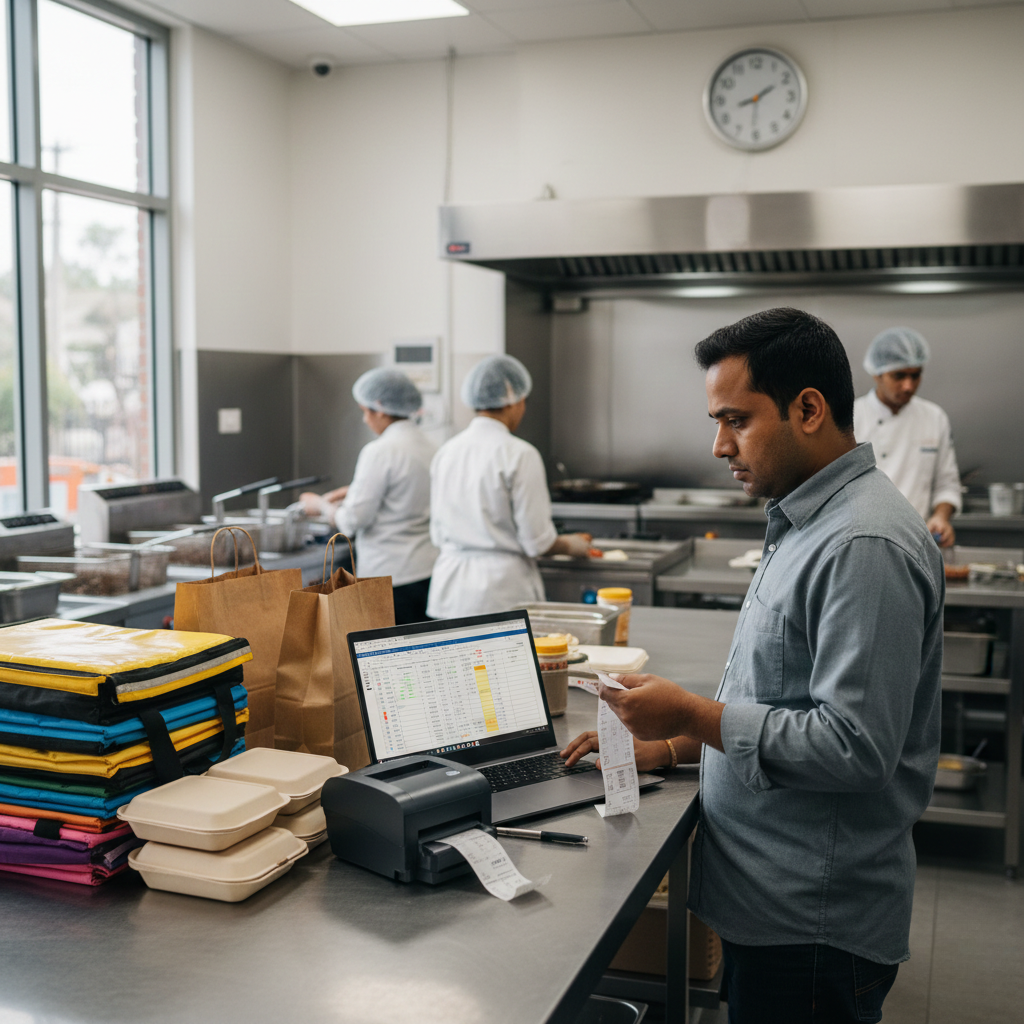
Recipes existed, but they were not enforced consistently. Portion sizes varied by staff member and by shift. Ingredient prices had increased over time, but menu pricing had not been revisited.
Once recipes were costed accurately using real purchase prices and actual yields, the results were surprising:
- Some high-volume items were barely profitable
- A few items were outright loss-making
- Food cost fluctuated daily without control
This explained a significant portion of the missing margins.
Issue #2: Staff Costs Detached From Demand
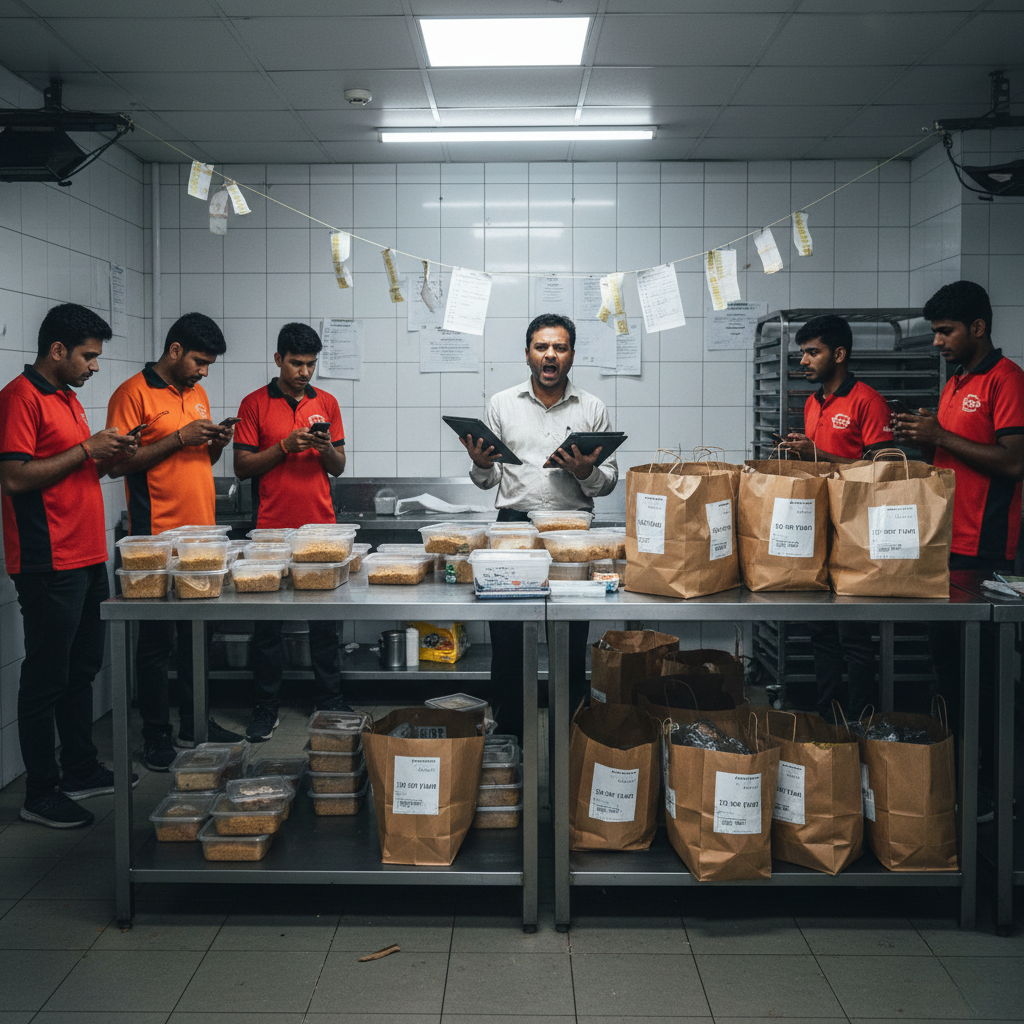
Staff scheduling was static. The same number of cooks worked slow afternoons and peak dinner hours.
Order data showed that nearly 65% of daily orders came within a limited evening window. Outside that window, productivity dropped sharply.
This resulted in:
- Idle labour hours during non-peak times
- Overworked staff during rush periods
- Higher mistakes and wastage during pressure
The kitchen was paying for availability, not productivity.
Issue #3: Inventory Locking Up Cash
Inventory purchasing was driven by intuition and fear of stockouts rather than demand planning.
This led to:
- Over-purchasing perishable items
- Spoilage and expiry losses
- Cash locked in unused stock
For a kitchen already struggling with margins, this was a critical leak.
Issue #4: No Daily Profit Visibility
Revenue was tracked daily through aggregator dashboards. Profit was not.
The founder reviewed profitability only at month-end, when it was too late to correct mistakes. Discount-heavy days, overstaffed shifts, and high-wastage weekends went unnoticed.
Without daily visibility, decisions were based on assumptions instead of data.
CKaaS Intervention: What Changed in 60 Days
CKaaS focused on building operational discipline before chasing growth.
The intervention included:
- Standardizing recipe gram weights across all brands
- Locking ingredient costs into recipe-level costing
- Introducing daily contribution margin tracking
- Aligning staff schedules to hourly order density
- Implementing weekly demand-based inventory planning
- Evaluating discounts based on real margin impact
No new brands were added. No additional marketing spend was introduced. The same kitchen operated under a new system.
Behavioral Shift Inside the Kitchen
As systems were implemented, behavior inside the kitchen changed naturally.
- Portion control reduced food cost variability
- Staff productivity improved during peak hours
- Inventory purchases became predictable
- Discount decisions became data-driven
Operational chaos was replaced by calm control.
The Outcome: Stable Margins in 60 Days
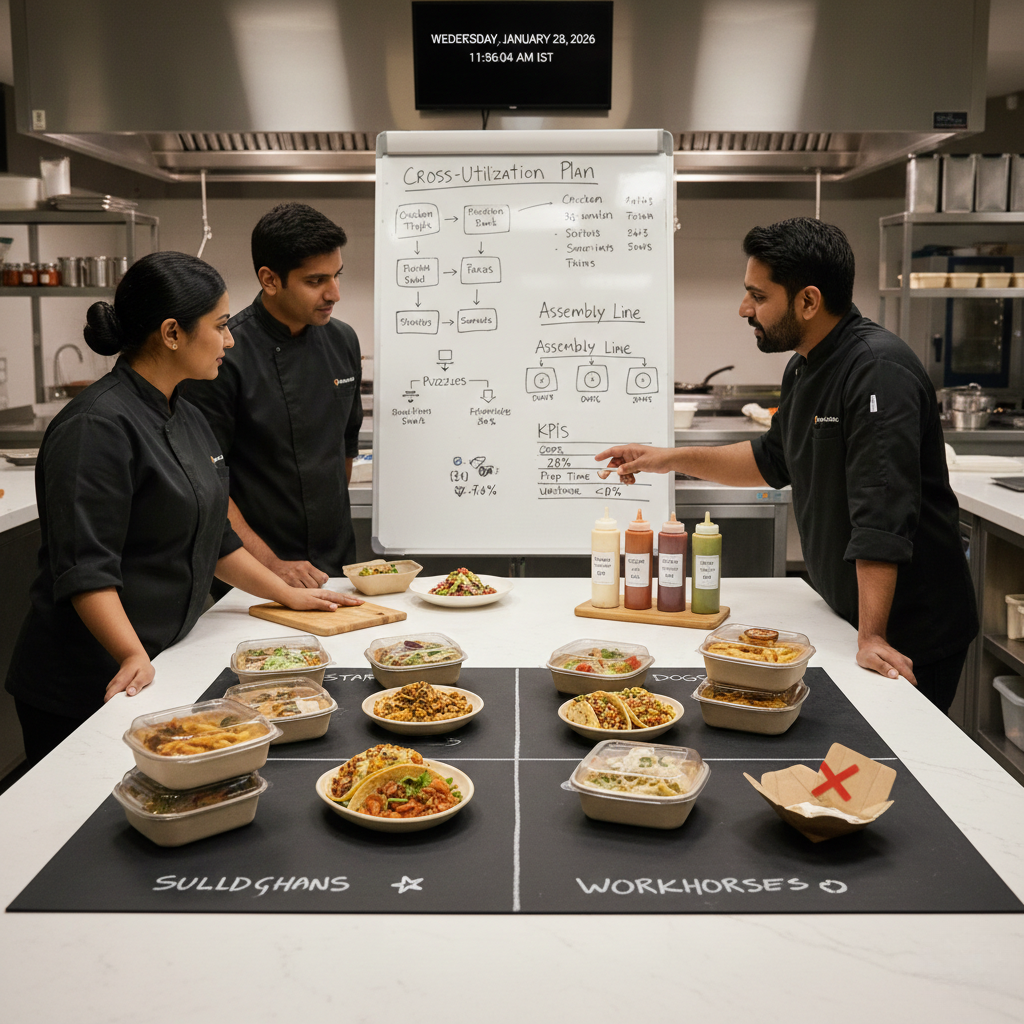
Within 60 days, the kitchen achieved something it had never experienced before: margin stability.
- Food cost stabilized within a predictable range
- Staff cost aligned with real demand
- Inventory wastage reduced significantly
- Daily profit visibility replaced uncertainty
Revenue remained stable. The difference was that profits stopped fluctuating.
Founder Takeaways From This Case
- Profitability is an operational outcome, not a marketing result
- High effort does not guarantee high margins
- Discounts amplify weak systems
- Visibility changes behavior
Why CKaaS Worked in This Case
CKaaS worked because it treated cloud kitchens like operational businesses, not experiments.
Instead of asking “How do we sell more?”, it asked:
- Where is money leaking?
- Which processes are inconsistent?
- What decisions lack data?
This approach aligns with insights shared by operators and advisors such as Rahul Tendulkar and brands that scaled sustainably like Green Salad and Fruut.
Final Thoughts
If your cloud kitchen is loss-making today, it does not mean the business is broken. It means the systems are missing.
Stability comes before scale. Profit comes before expansion.
Still Have Questions?
For common operational and profitability questions, read the Grow Kitchen FAQs.
You may also find these internal resources helpful:
- How to Fix a Loss-Making Cloud Kitchen
- From Zero Profit to Sustainable Margins
- When Growth Is Hurting Your Cloud Kitchen Operations