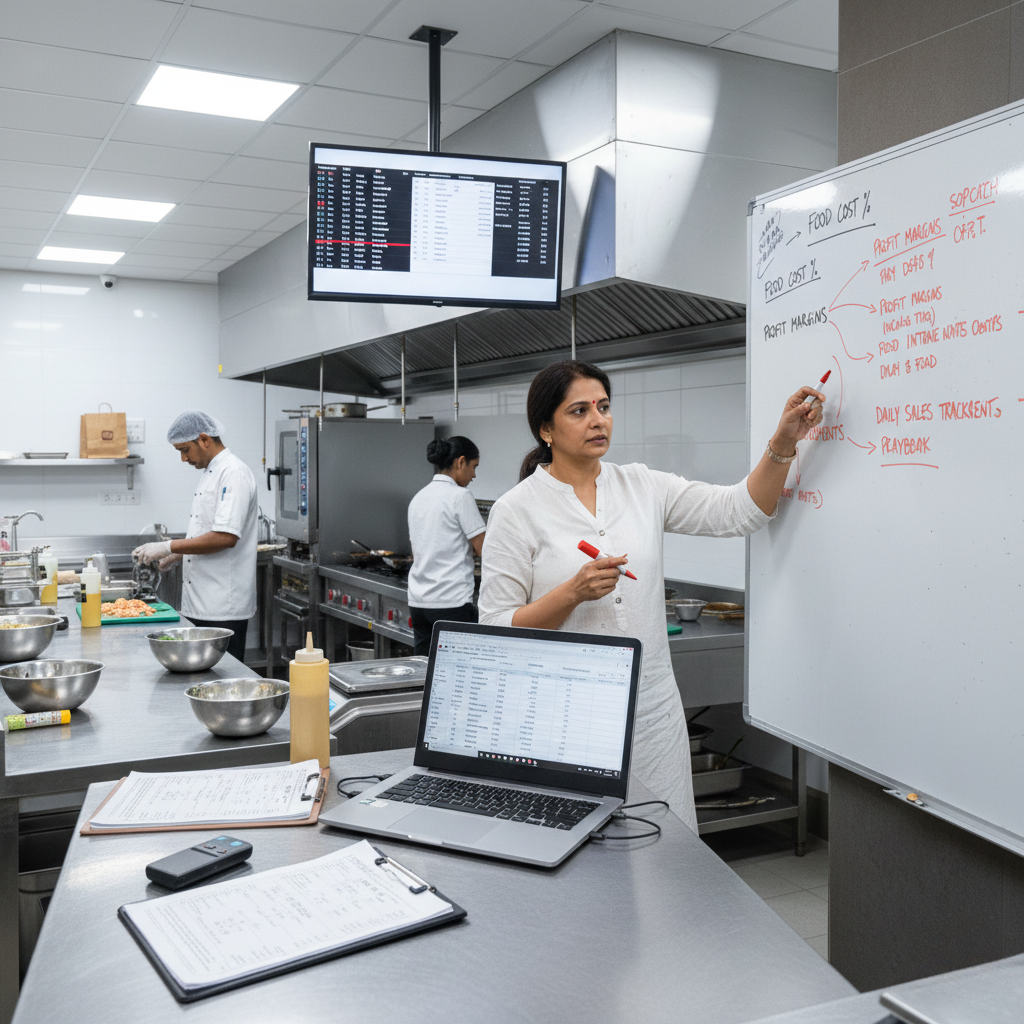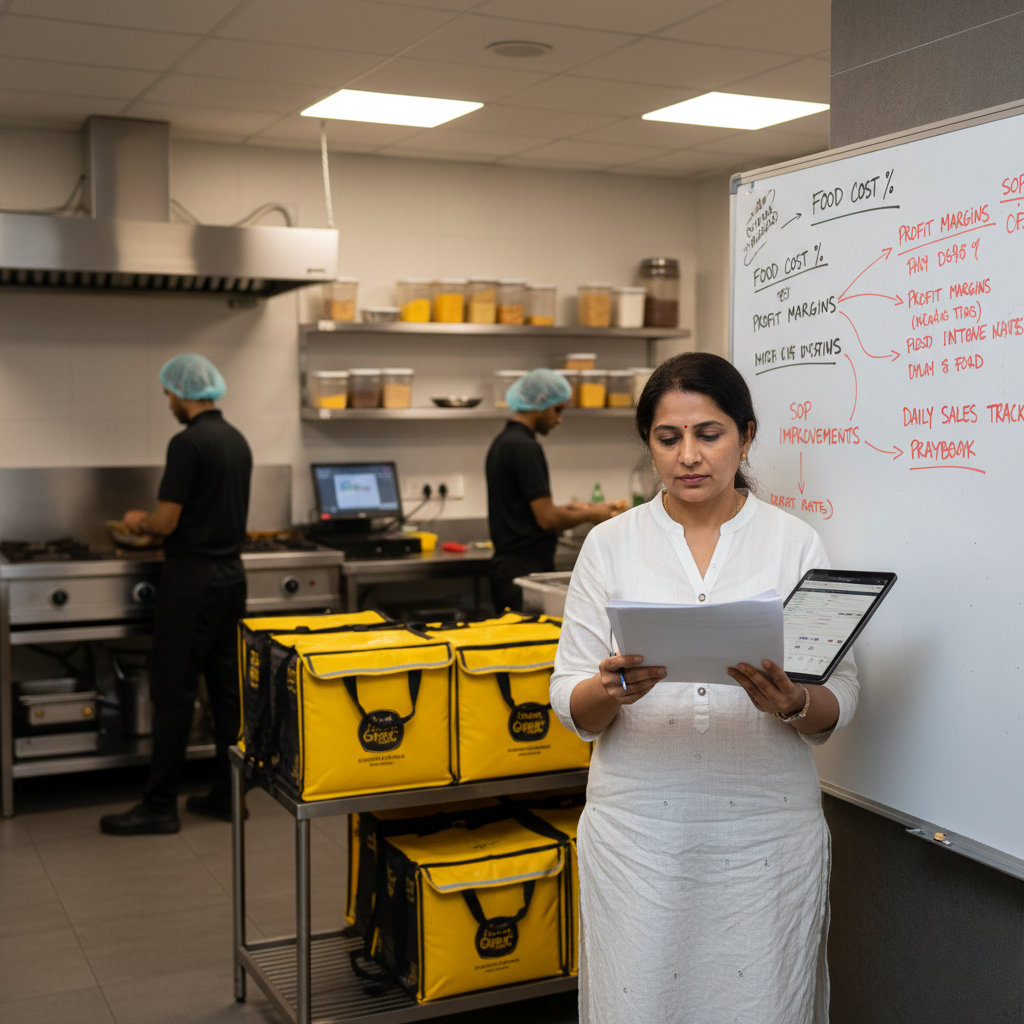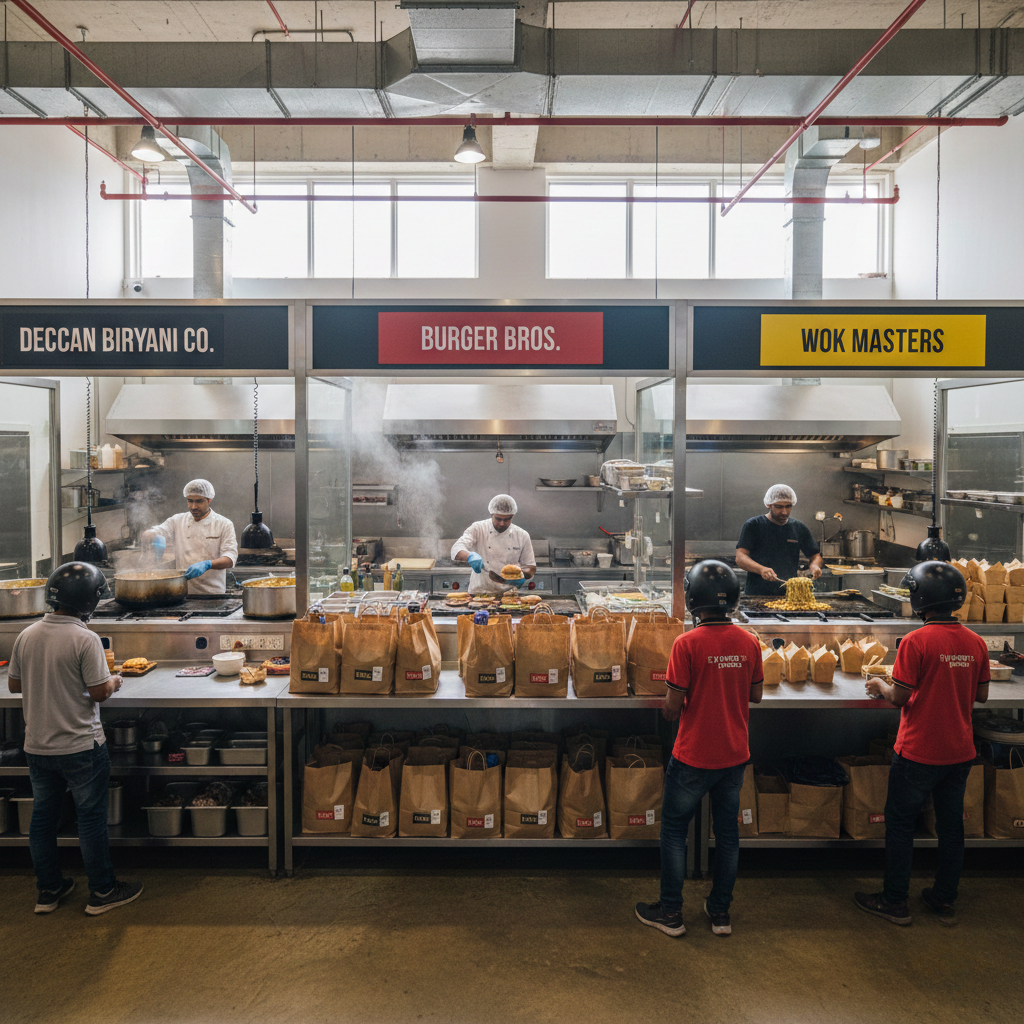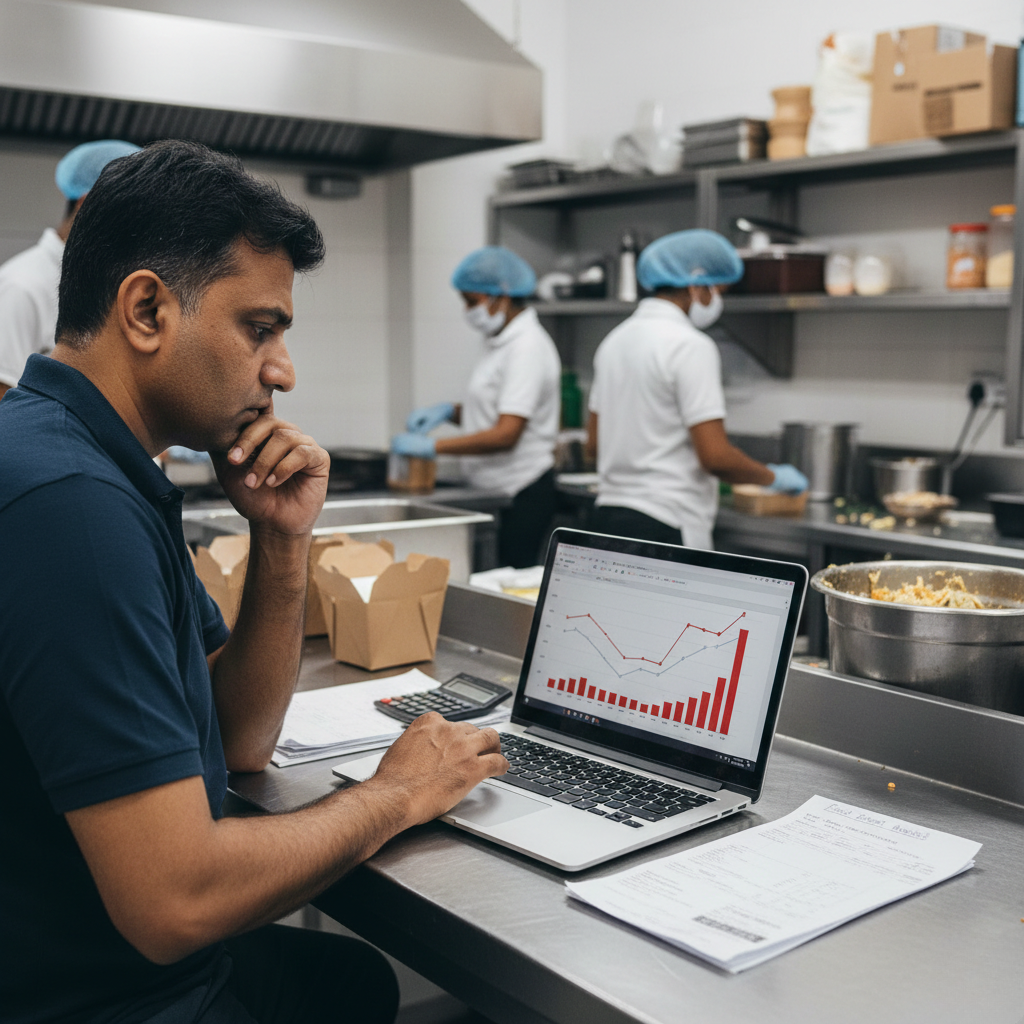
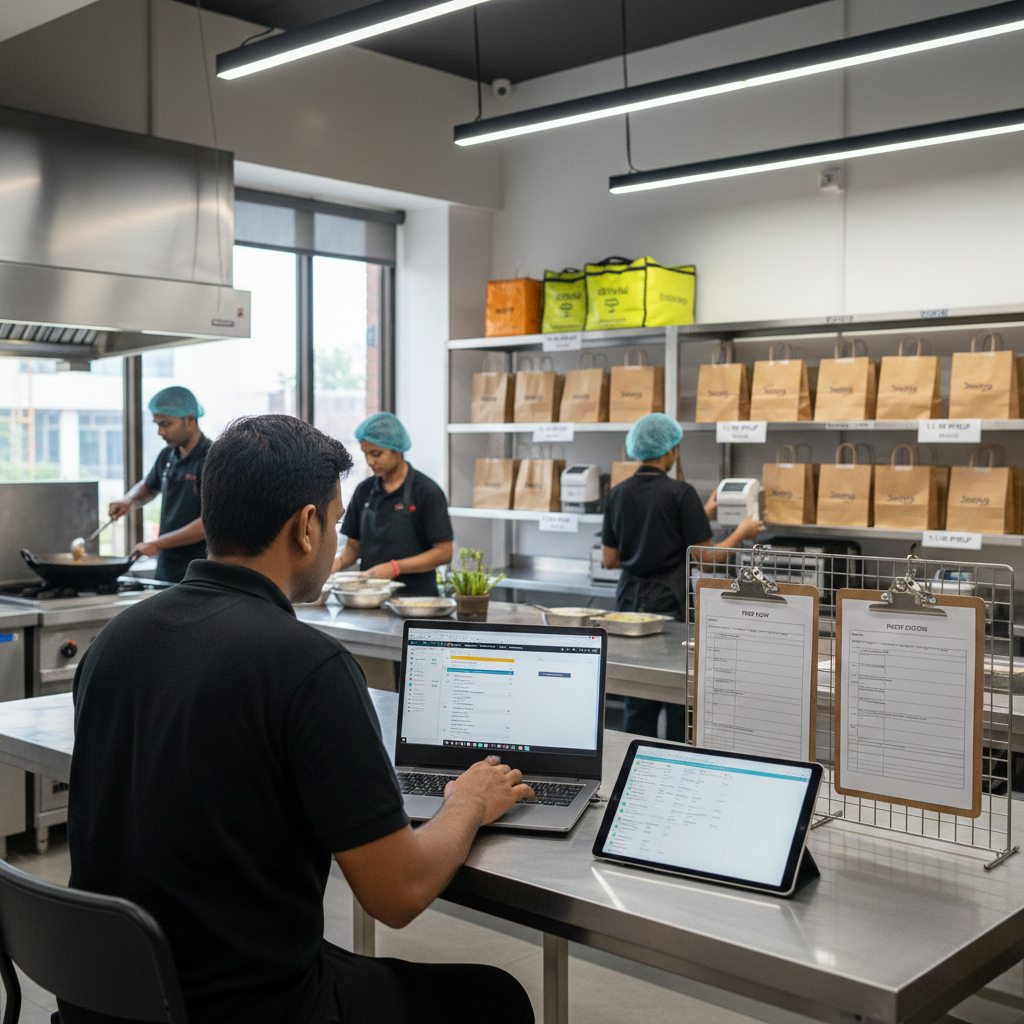
Cloud Kitchen Operations Profitability-In cloud kitchens, profit is not created by marketing, discounts, or even great food alone. Profit is created-or destroyed-by daily operations. Many cloud kitchens in India receive steady orders and good ratings, yet struggle to make money month after month. The reason is simple: weak operations silently eat margins. This guide explains why operations decide profit or loss in cloud kitchens, where most founders go wrong, and how strong operational control separates profitable kitchens from failing ones.
Cloud Kitchens Are Operations-First Businesses
Cloud kitchens are often mistaken for marketing-driven businesses. In reality, they are high-frequency, low-margin operational businesses.
When margins are thin, even small daily inefficiencies decide whether the business makes or loses money.
If you are still building fundamentals, start with Cloud Kitchen Operations Consultant. to understand how delivery-first kitchens truly work.
Why Sales Growth Alone Does Not Create Profit
Many founders believe higher sales will eventually lead to profit. In cloud kitchens, this assumption is dangerous.
A kitchen can grow from 20 to 200 orders a day and still lose more money than before if operations are not controlled.

Operations Control Unit Economics
Unit economics measure how much money a cloud kitchen makes per order. Operations determine whether unit economics stay healthy or collapse.
- Over-portioning increases food cost
- Poor packing increases refunds
- Slow dispatch increases cancellations
- Discount misuse reduces net realization
If operations leak even ₹10 per order, losses multiply rapidly at scale.
Learn how margins actually work in Cloud Kitchen Profit Margin in India.
Food Cost Is an Operational Outcome
Food cost is rarely high because ingredients are expensive. It becomes high because operations lack control.
- No gram-based recipe cards
- No weighing during prep or plating
- Different cooks, different output
- No wastage tracking
Strong operations enforce portion discipline through SOPs and daily monitoring.
Packaging and Dispatch Errors Kill Margins
Packaging is often treated as a minor detail. In reality, it is a major profit lever.
- Wrong items packed
- Spillage during transit
- Missing add-ons
- Delayed rider handover
Each mistake leads to refunds, replacements, bad ratings, and lower visibility.
These issues are controlled through How to Fix a Loss-Making Cloud Kitchen in India.
Manpower Efficiency Determines Daily Profit
Cloud kitchens run on tight labor margins. Even one inefficient shift can erase the day’s profit.
- Overstaffing during slow hours
- Understaffing during peak hours
- High attrition and retraining cost
- Founder dependency for decisions
Operations management creates shift planning, role clarity, and productivity benchmarks.
Inventory Mismanagement Causes Silent Losses
Inventory losses rarely show up clearly in P&L. They quietly accumulate through wastage and expiry.
- Over-purchasing without demand forecasting
- No daily stock reconciliation
- High spoilage of perishables
Operations-driven kitchens track inventory daily. Learn practical controls in Difference Between Kitchen Operators and Food Consultants.
Aggregator Profits Depend on Operations
Swiggy and Zomato do not destroy margins by default. Poor operations make aggregator economics painful.
- Incorrect pricing vs commission
- Unplanned discount participation
- Ad spends without margin visibility
Operations ensure pricing, discounts, and ads are aligned with contribution margin.
See tactical insights at How to Reduce Swiggy Commission and ecosystem signals from GreenSaladin.
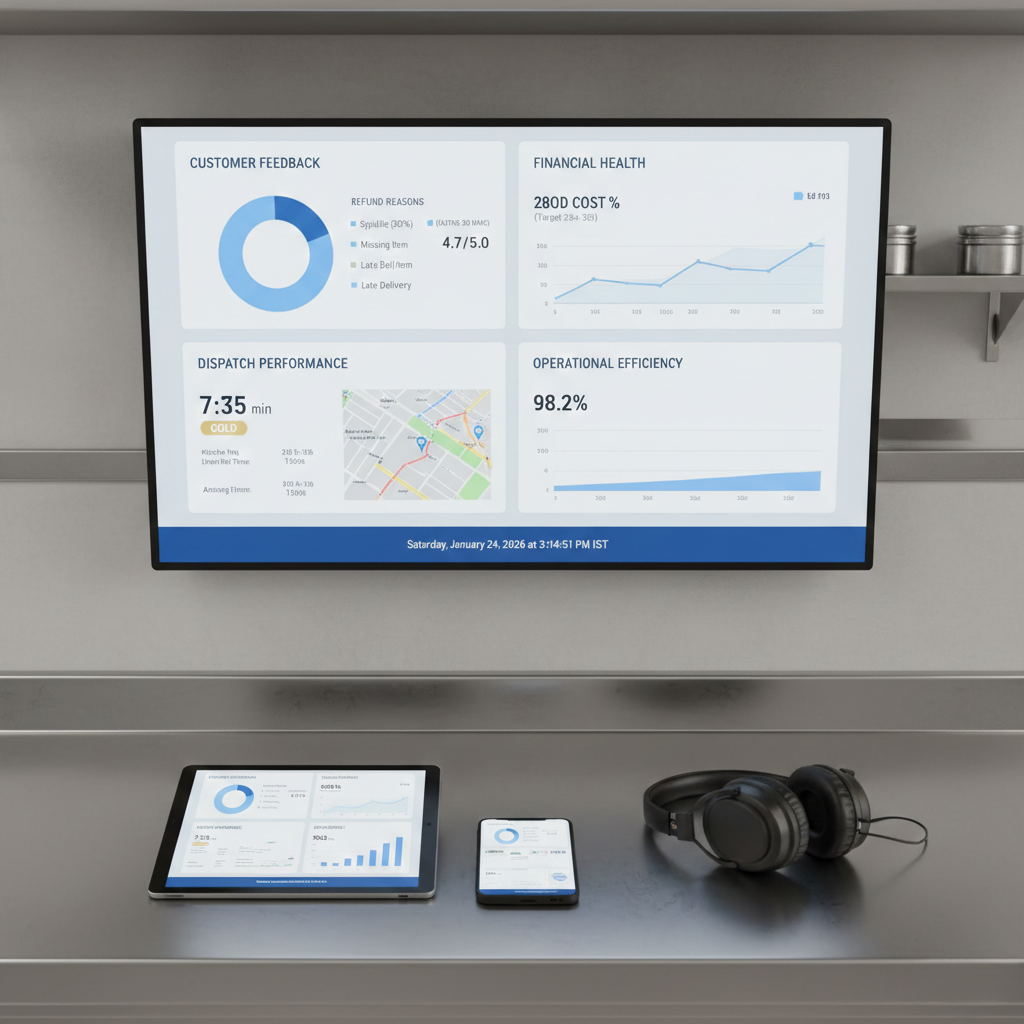
Dashboards Turn Operations into Profit Control
Profitable kitchens track what others ignore.
- Contribution margin per order
- Food cost variance
- Refund percentage
- SKU-level profitability
- Dispatch delay metrics
Dashboards convert daily chaos into measurable control.
Why Operations Matter Even More During Scaling
Scaling magnifies everything. Good operations scale profit. Bad operations scale losses.
This is why kitchens must fix operations before following any Cloud Kitchen operations framework.
Final Thoughts: Operations Decide the Outcome
Cloud kitchens do not fail because demand is low. They fail because operations are weak.
Strong operations turn average food into profit. Weak operations turn great food into losses.
Frameworks from GrowKitchen help founders build operational control before profit is lost.
FAQs: Operations and Cloud Kitchen Profitability
Can good operations really improve profit?
Yes. Most profit improvements come from reducing leakage, not increasing orders.
Are operations more important than marketing?
Yes. Marketing amplifies results. Operations decide whether results are profitable.
When should operations systems be implemented?
From Day 1 or before scaling.
Do small cloud kitchens need strong operations?
Small kitchens are affected faster by weak operations.