
Cloud Kitchen Advantages Disadvantages
Cloud Kitchen Advantages Disadvantages is one of the most important topics to understand before launching a delivery-first food business. Cloud kitchens look simple: no dine-in, lower rent, and faster scale. But the real game is commissions, ratings, refund leakage, and ops discipline. Use this page to make the right decision before you invest.
What Is Cloud Kitchen Advantages Disadvantages Context in India?
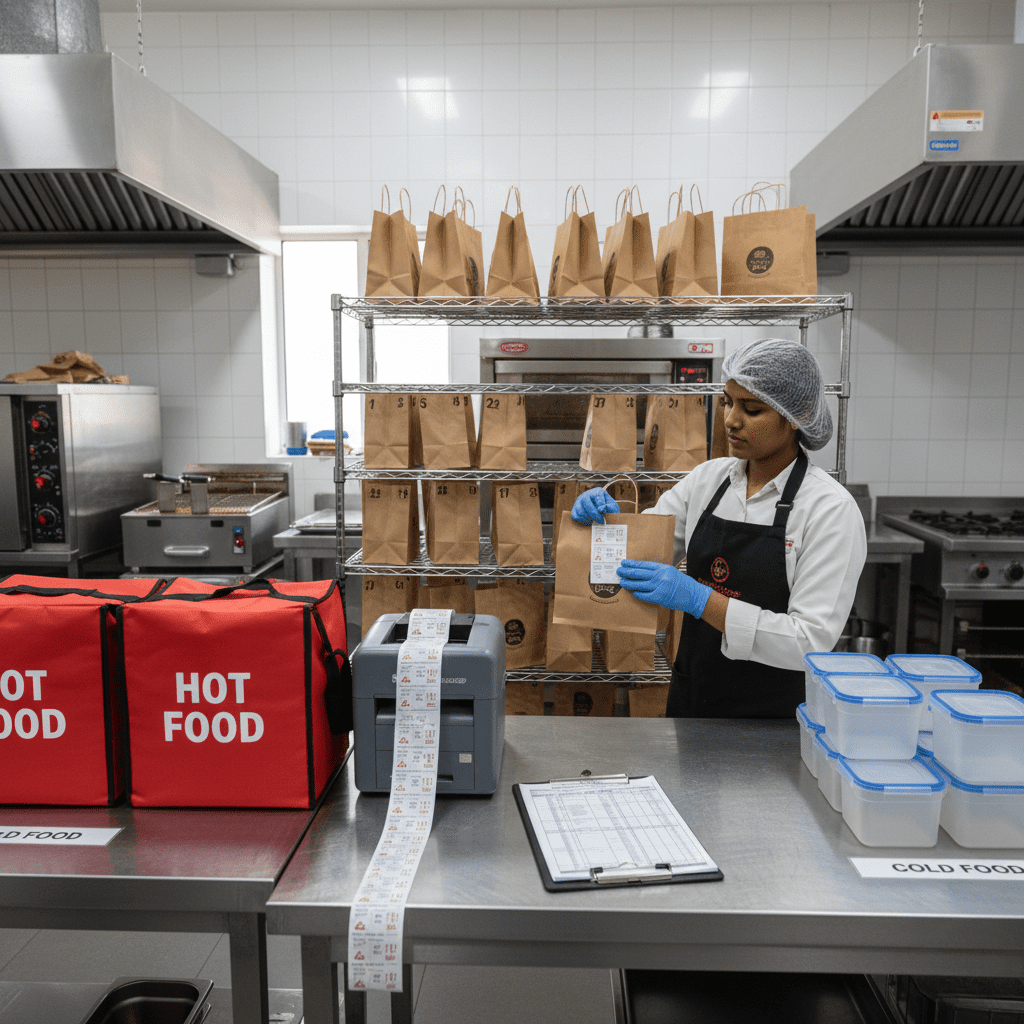
To understand Cloud Kitchen Advantages Disadvantages, you first need to understand what a cloud kitchen actually is. A cloud kitchen, also called a ghost kitchen or dark kitchen, is a delivery-only food business. Orders come from Swiggy, Zomato, or your own website. You do not spend on ambience or dine-in staff. You spend on menu, packaging, prep speed, and dispatch accuracy.
Cloud kitchen advantages disadvantages start with low overhead
Lower rent, fewer front staff, and faster setup compared to traditional restaurants.
Cloud kitchen advantages disadvantages depend on delivery quality
Food must survive 25 to 45 minutes. Packaging and portion control become critical.
Cloud kitchen advantages disadvantages depend on systems
SOPs, inventory, costing, and aggregator ranking decide profitability.
Cloud Kitchen Advantages Disadvantages and Profitability in India
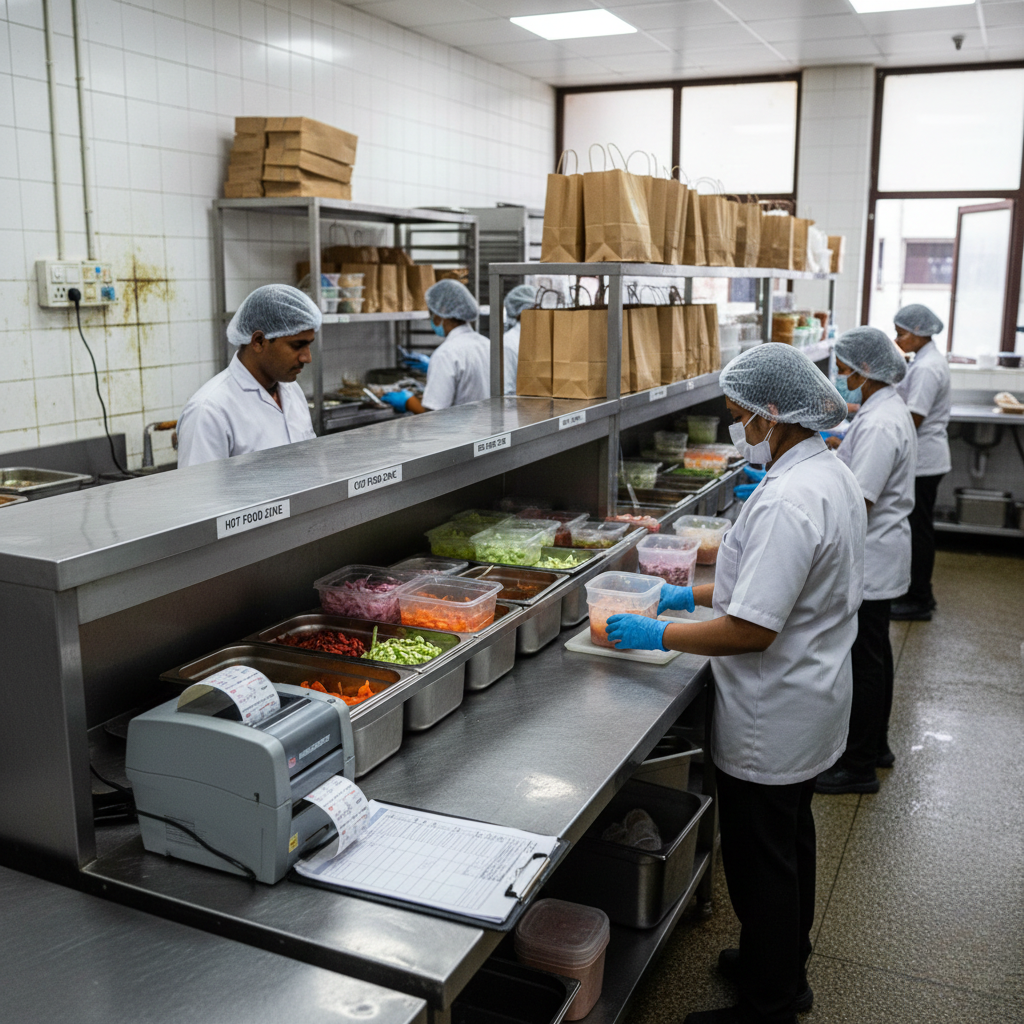
In any serious discussion on Cloud Kitchen Advantages Disadvantages, profitability is the deciding factor. Yes, a cloud kitchen can be profitable in India, but only if you run it like a control business, not a hope-based business. Profitable cloud kitchens protect margins through pricing, menu engineering, packaging SOPs, and dispatch checks.
Cloud Kitchen Advantages Disadvantages: Should You Start One?
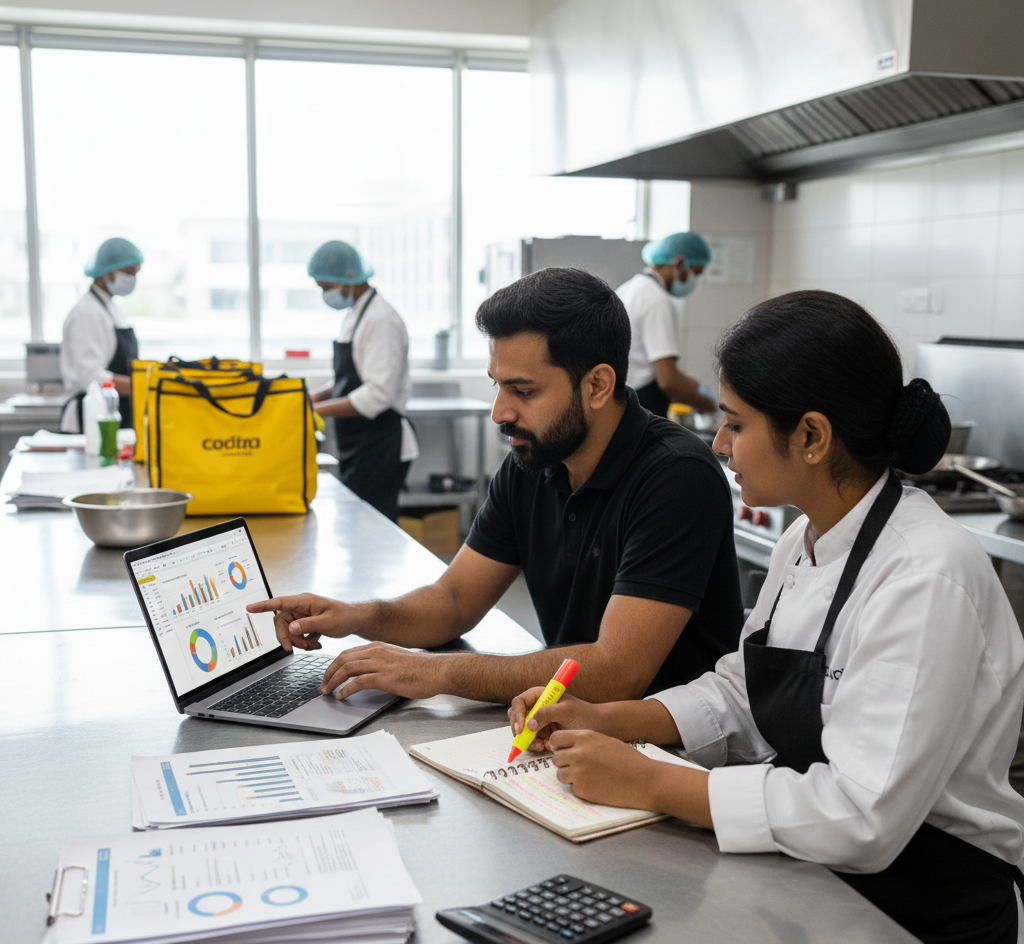
After reviewing the full Cloud Kitchen Advantages Disadvantages picture, the answer is simple: cloud kitchens are not shortcuts. They are systems businesses. If you want predictable growth, you need the right menu, SOPs, and unit economics plan before launch.
Start if cloud kitchen advantages disadvantages match your style
- You want a delivery-first business with lower capex
- You can follow SOPs daily for prep, packing, and dispatch
- You track margins, refunds, and ratings weekly
- You want to scale into multiple areas or cities
Avoid if cloud kitchen advantages disadvantages do not fit you
- You want dine-in glamour and heavy walk-in brand recall
- You expect passive income without daily control
- You dislike data, audits, and strict execution
- You do not want aggregator dependence
Limited onboarding slots per cycle to protect execution quality.
Want this built with a playbook?
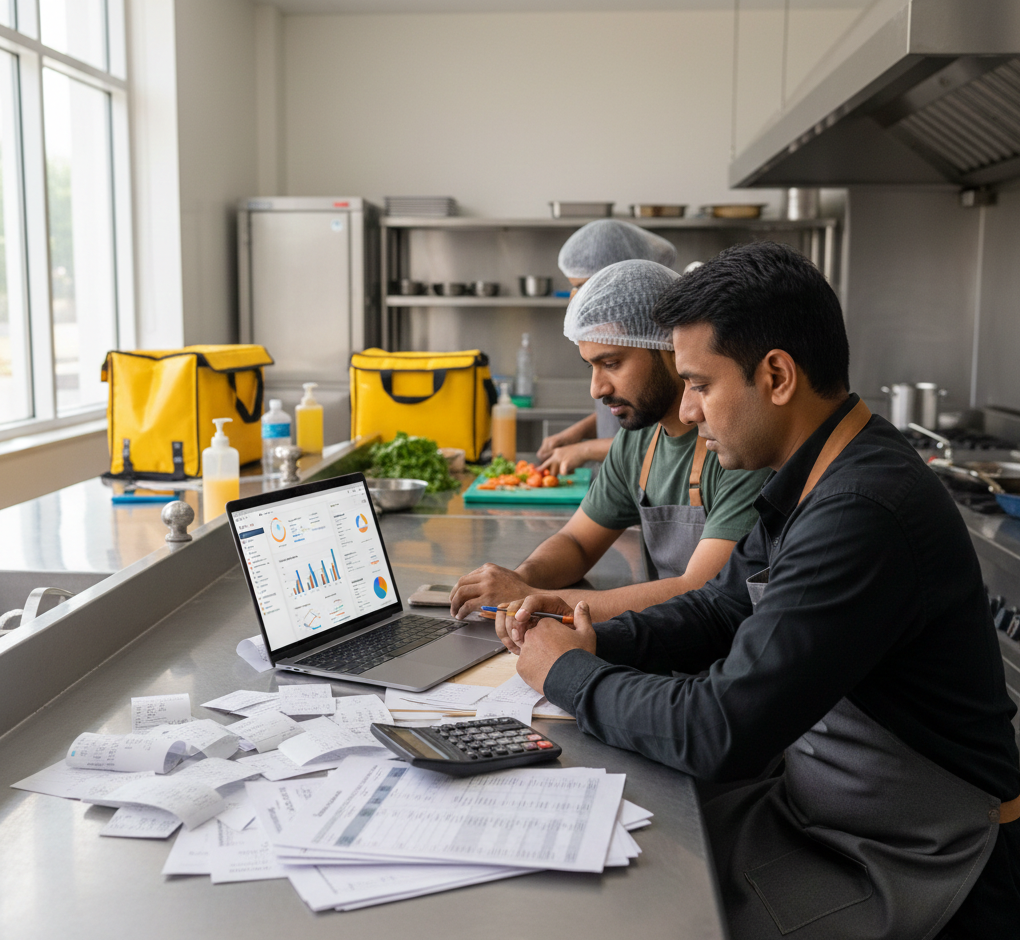
GrowKitchen helps founders launch with menu engineering, pricing, packaging SOPs, dispatch flow, and aggregator positioning so the model is built to survive and scale.
Explore CKaaS →