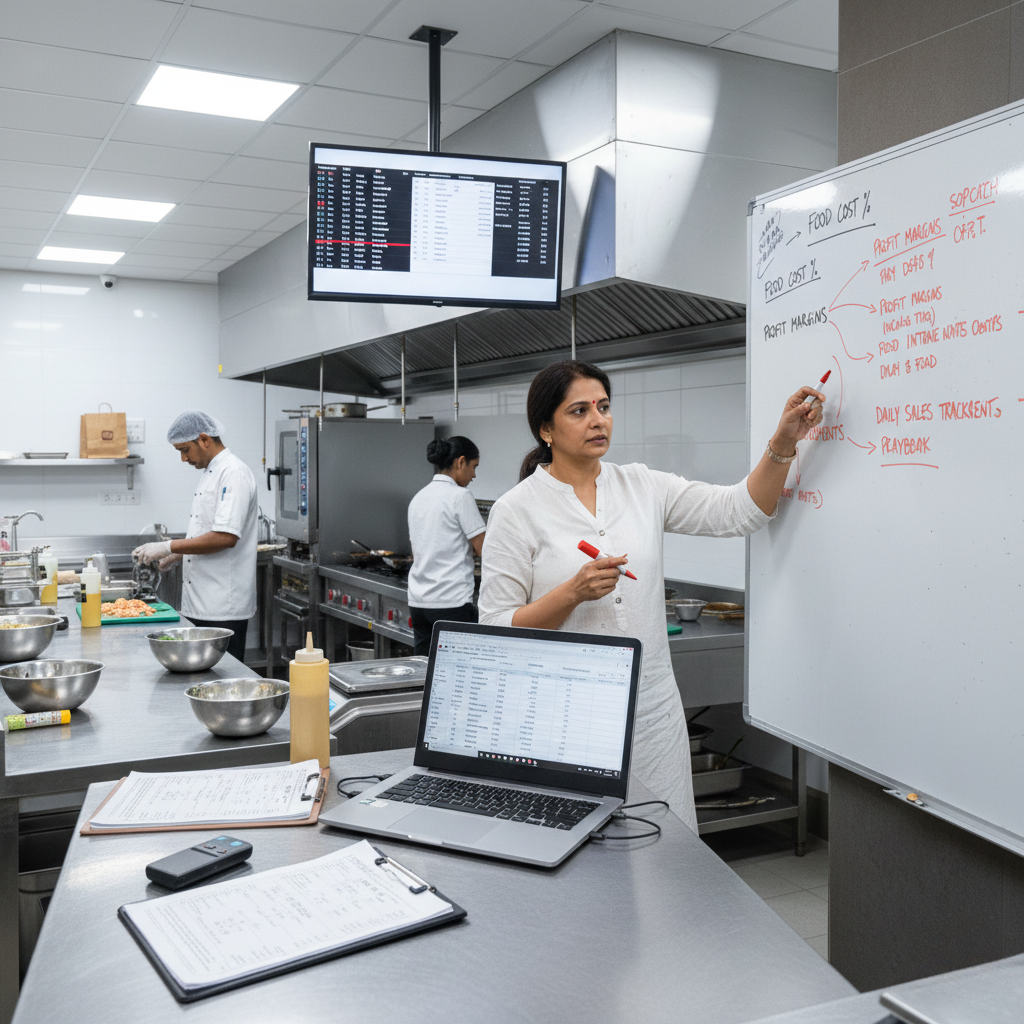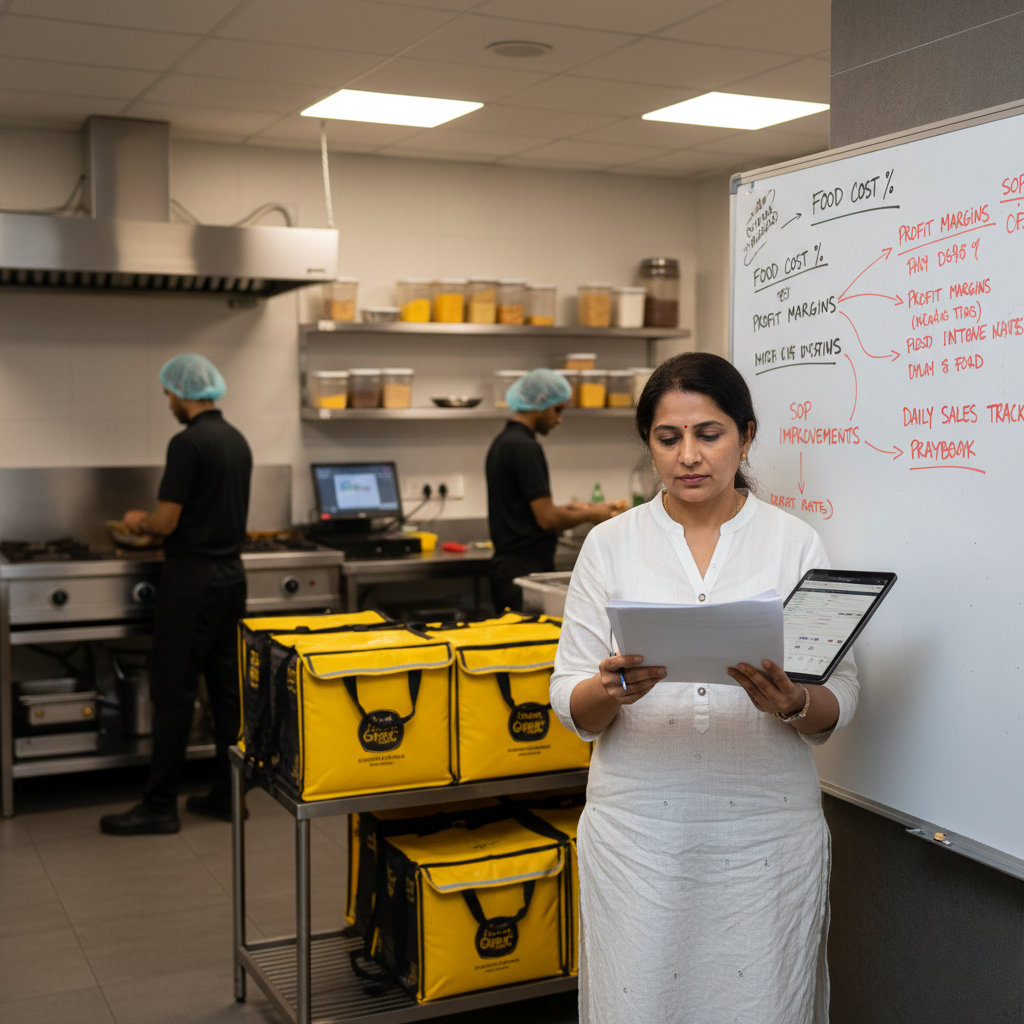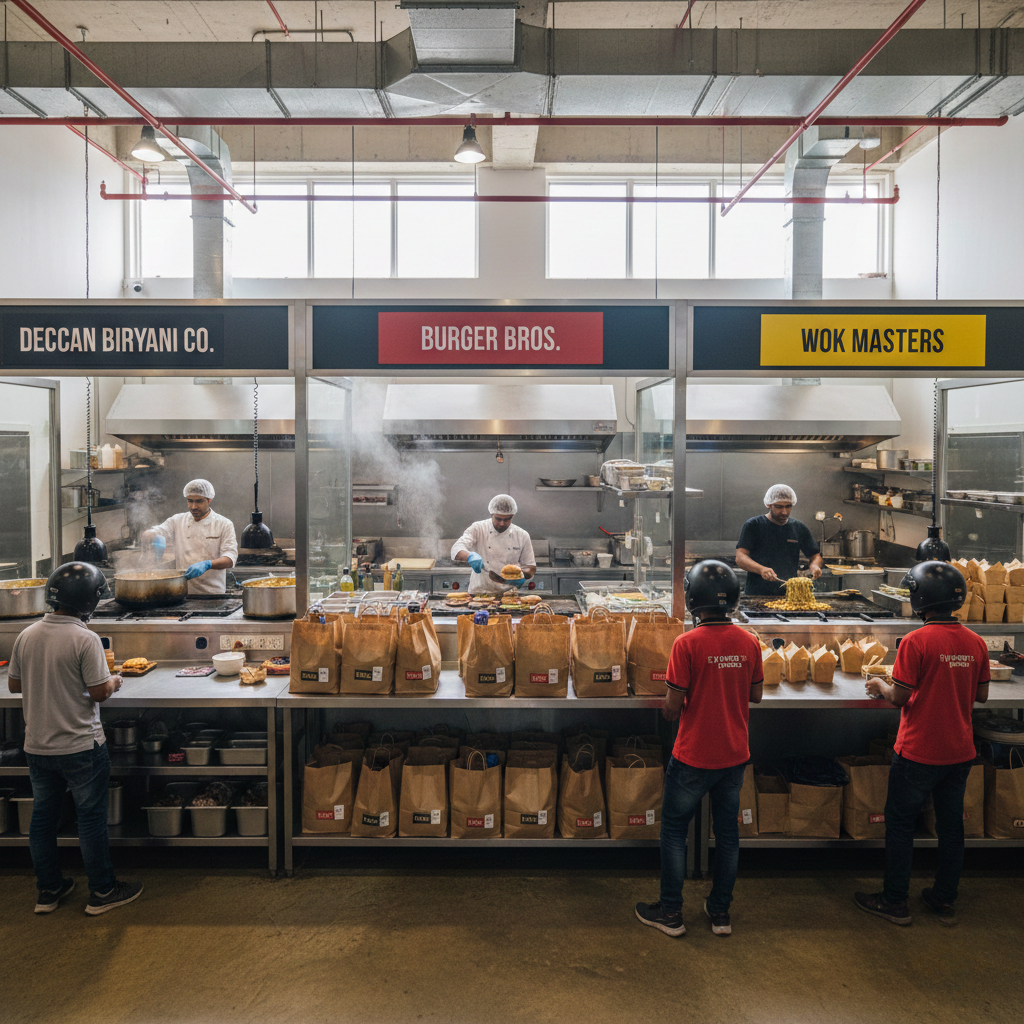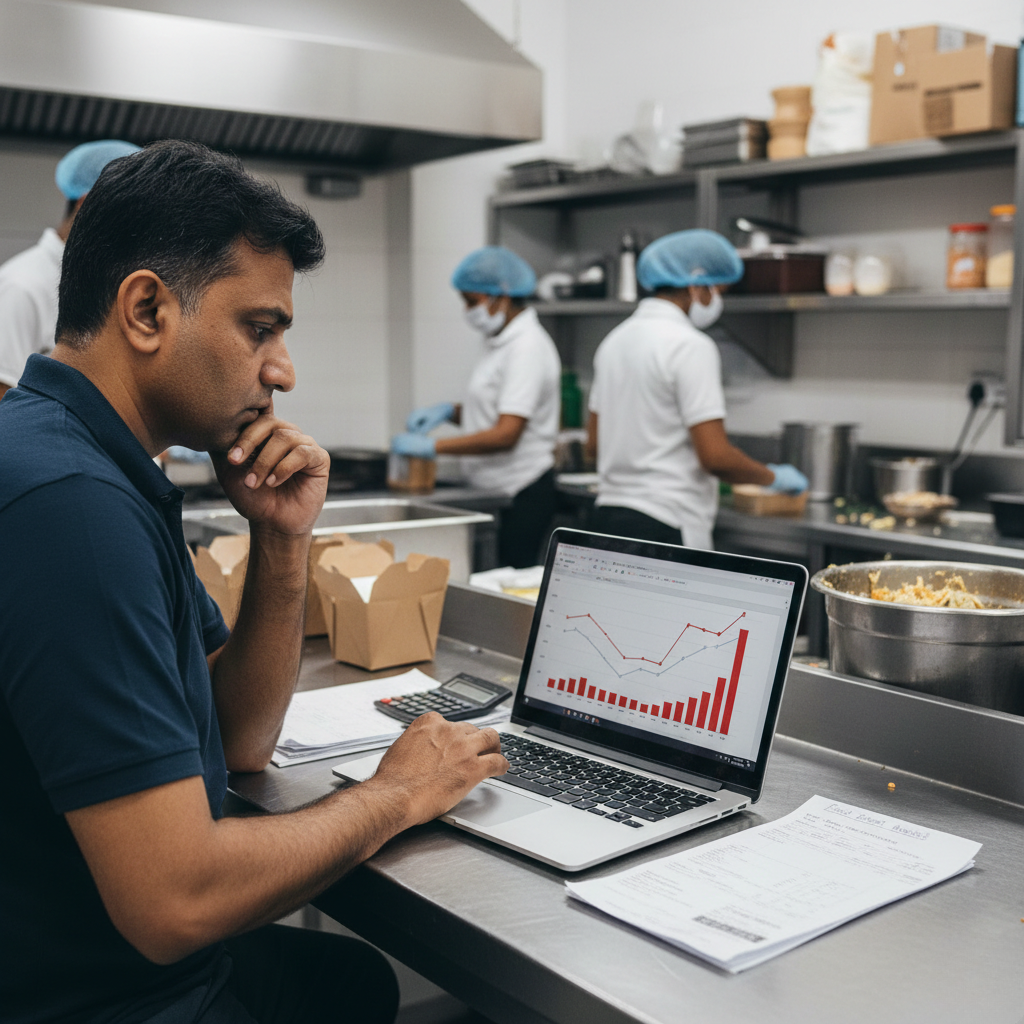
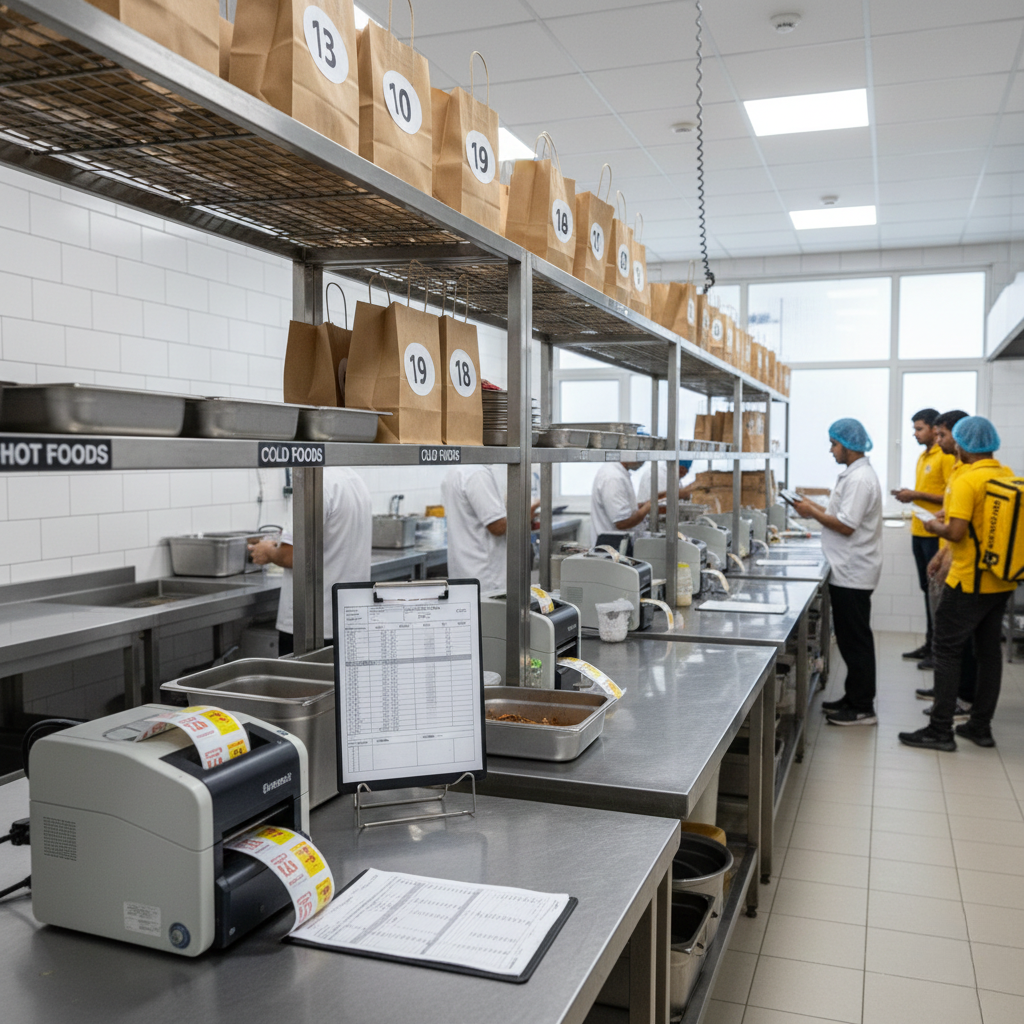
How CKaaS Aligns Growth With Operations is not a “run ads harder” growth hack or a “discount your way to scale” shortcut. It is a system alignment problem: making demand generation match operational capacity, keeping reliability signals clean while volume increases, and preventing growth from amplifying leakage. Most cloud kitchens don’t fail because marketing is useless. They fail because growth arrives faster than execution can handle it: prep buffers break, dispatch delays rise, packing errors spike, refunds increase, ratings drop, distribution falls, and then founders discount even more to recover. CKaaS aligns growth with operations by installing repeatable control systems measurable SOPs, role ownership, station gates, procurement routines, dispatch discipline, unit economics clarity, and weekly feedback loops. This guide explains how CKaaS aligns growth with operations in India using systems, not supervision.
How CKaaS Aligns Growth With Operations: Why Most “Growth Plans” Break Kitchens
Most cloud kitchen founders build growth as a marketing plan. Bigger offers. Higher ad budgets. More influencers. More cities. More brands.
But delivery brands don’t grow on marketing alone. They grow on reliability. A kitchen scales when it can handle more orders without creating more errors. If your kitchen cannot execute consistently during peak, then growth does not create profit. Growth creates pressure.
That’s why many outlets feel trapped in a pattern: discounts bring orders, orders create mistakes, mistakes create refunds and rating drops, rating drops reduce distribution, then discounts increase again. The kitchen becomes “busy,” but the business becomes fragile.
CKaaS exists to replace founder-dependent execution with system-driven execution. If you want the profitability baseline first, start with Cloud Kitchen Profitability Consultant in India and map repeat failure patterns using Common Operational Mistakes in Cloud Kitchens.
What “Alignment” Actually Means (Growth That Your Kitchen Can Survive)
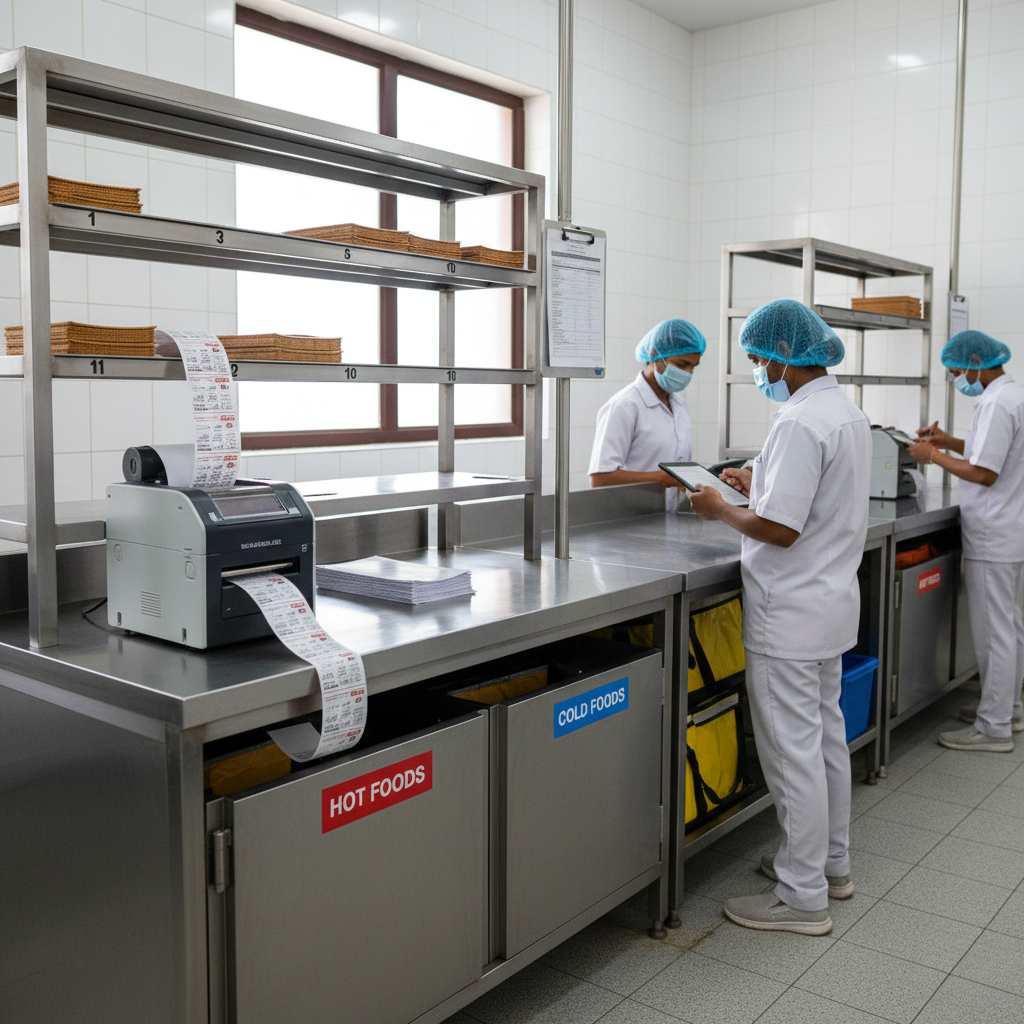
Alignment means your marketing and your kitchen are operating on the same reality. You don’t run an aggressive offer when your prep station is under-buffered. You don’t push a new SKU when pack accuracy is already dropping. You don’t scale campaigns when late dispatch is rising during peak.
In delivery kitchens, growth is not just demand. Growth is demand arriving into a system. If the system is weak, growth makes the weakness louder. If the system is strong, growth converts into repeat customers and stable margin.
This is why “growth vs operations” is a false debate. They are the same thing in different languages: growth is what happens before the order, operations is what happens after the order, and profitability is decided in the gap between the two.
CKaaS aligns growth with operations by building a control layer: measurable SOPs, role gates, dispatch discipline, procurement routines, and weekly feedback loops that keep reliability signals clean. Instead of “hoping” your kitchen survives a spike, CKaaS makes spikes predictable and manageable.
Without that control layer, founders become the alignment mechanism. They personally decide when to run offers, personally fix dispatch delays, personally check bags, personally calm down angry customers. That works at one kitchen. It breaks at scale.
The Unit Economics Lens: Alignment Means Every Extra Order Should Improve Margin, Not Damage It
Most founders judge growth by orders and revenue. But safe growth is measured by contribution margin stability. If margin drops when orders rise, your growth is misaligned. You are buying revenue at the cost of reliability.
Profit is still decided per order:
Order Value minus Aggregator commission & charges minus CKaaS fee / revenue share minus Packaging cost minus Food cost (COGS) minus Discount burn minus Refund/penalty leakage equals Contribution Margin.
Misalignment shows up as repeat leakage when volume increases: food cost drifts because portions vary, refunds rise because packing errors increase, cancellations increase because prep buffers break, late dispatch rises because dispatch is ungated, ratings drop, and then platforms reduce distribution. To recover, founders discount harder. That discount burn collapses contribution margin and creates a permanent dependency loop.
CKaaS aligns growth with operations by protecting this equation under volume: controlling food cost, reducing refunds, keeping cancellations low, and stabilizing dispatch and ratings so growth stays profitable. For platform fee clarity, use Aggregator Commission Impact in India, and for leakage mapping, use Refunds and Cancellations Impact on Cloud Kitchen Profitability.
The 14 Alignment Systems CKaaS Uses to Make Growth Operationally Safe
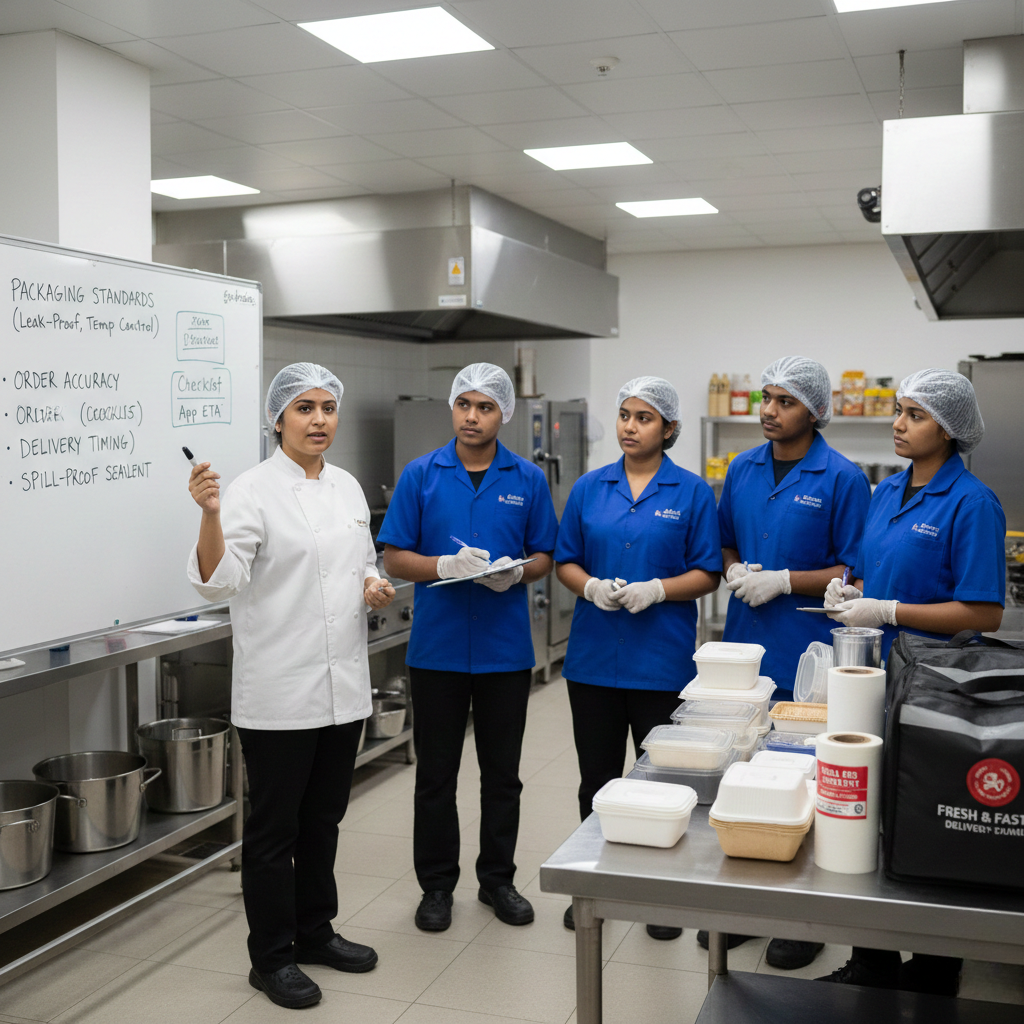
CKaaS aligns growth with operations by making demand “fit” your kitchen’s execution capacity. It does this through systems that reduce variability and prevent volume from amplifying mistakes. Below are the core alignment systems used by disciplined kitchen networks.
1) Growth gating: scale demand only when reliability signals are clean. Most kitchens run offers when metrics are already weak. CKaaS flips this. It treats refunds, late dispatch, cancellations, and rating trend as “permission signals” to scale. When signals are dirty, the system stabilizes first, then scales.
2) Menu engineered for throughput, not variety. Marketing loves new SKUs. Operations suffers from complexity. CKaaS aligns both by engineering a menu where bestsellers are repeatable and stations are stable, so growth pushes volume through predictable stations instead of chaotic variety.
3) Measurable SOPs that reduce interpretation under peak pressure. Under peak, people don’t “remember training.” They follow simple measurable steps. CKaaS SOPs specify grams, ml, timings, holding rules, and station sequence so output doesn’t drift when volume rises.
4) Portion tools that protect food cost and customer trust. Growth amplifies portion drift. A 10–20 gram drift becomes a monthly margin killer. CKaaS uses ladles, scoops, fill lines, and weighing routines for top SKUs so growth does not inflate COGS quietly.
5) RM specs + procurement discipline so marketing doesn’t scale inconsistency. If input varies, output varies. If output varies, ratings fall. CKaaS locks RM specifications (brand, cut size, fat %, pack size) and vendor discipline so taste and texture remain consistent at higher volume.
6) Reorder triggers and buffer rules that protect availability during spikes. A growth campaign that causes stock-outs is self-sabotage. Stock-outs create cancellations. Cancellations reduce distribution. CKaaS aligns growth by protecting inventory routines: reorder timing, minimum stock, and peak buffers.
7) Prep planning with par levels to match demand patterns. Alignment means the kitchen is ready before demand arrives. CKaaS uses par levels and prep calendars for top SKUs to prevent peak panic, late dispatch, and cancellations.
8) Batch yield tracking so prep volume stays accurate. Without yield tracking, kitchens over-prep (waste) or under-prep (delays). CKaaS measures batch yields so prep quantities match demand, protecting both throughput and cost.
9) Packing checklist as a growth protection system. Refunds often spike during campaigns because pack accuracy drops. CKaaS makes packing checklists mandatory: item count, add-ons, sauces, cutlery, label match, seal check, bag stability. This prevents “growth-led refunds.”
10) Dispatch gate + final scan to keep rider flow clean. Growth increases rider volume. Rider congestion and rushed handovers increase wrong-bag errors. CKaaS installs a dispatch gate and final scan process using Cloud Kitchen Dispatch SOP so increased volume does not mean increased mistakes.
11) Packaging standards to protect ratings when volume rises. A customer judges the experience before tasting: leakage, messy packing, crushed items, missing seals. CKaaS standardizes containers, sealing tape method, label format, bag rules, and orientation so growth doesn’t amplify complaint variance.
12) Role ownership so every gate has a responsible owner. Growth breaks kitchens that run on “everyone does everything.” CKaaS assigns owners for prep, cook, pack, dispatch, and review loops. Clear role gates reduce handoff mistakes and peak confusion. Framework: Role-Based Kitchen Operations Explained.
13) Weekly feedback loops that connect marketing outcomes to operational fixes. Alignment is sustained by review loops. CKaaS reviews refund reasons, rating comments, late dispatch count, cancellations, and availability issues weekly. Then SOPs are updated and retraining happens. Discipline lens: How Process Discipline Improves EBITDA.
14) ROI discipline: growth spend must be evaluated against margin, not orders. Orders are not ROI. Profit is ROI. CKaaS aligns growth by forcing the business to track contribution margin impact, not vanity spikes. Use the growth lens: Marketing Spend vs ROI in Cloud Kitchens.
If you want the common alignment mistakes founders repeat, start with Common Operational Mistakes in Cloud Kitchens. If you’re evaluating whether to expand via CKaaS or build your own, compare models using CKaaS vs Running Your Own Cloud Kitchen: ROI Comparison.
Swiggy/Zomato Reality: Platforms Reward Clean Signals, Not Loud Campaigns
Platforms do not see your brand story. They see risk and reliability signals: refunds, complaints, cancellations, late dispatch, rating trend, and availability.
When growth is misaligned, these signals get worse. Then distribution reduces. Founders respond by discounting more. That creates a pressure loop where the kitchen becomes busier but less reliable, and the business becomes more dependent on offers for survival.
External policy context: Swiggy Refund Policy and Zomato Online Ordering Terms.
The practical takeaway: treat reliability as your growth strategy. CKaaS aligns growth with operations by keeping reliability signals clean, so distribution stays strong without permanent discount dependency.
Where Growth Alignment Is Won Daily: Prep Readiness + Packing Accuracy + Dispatch Speed
Growth becomes operationally safe when three engines stay stable: prep readiness (buffers + throughput), packing accuracy (completeness + presentation), and dispatch speed (handover discipline + ETA reliability).
Prep readiness protects availability and prevents cancellations. Packing accuracy prevents refunds and complaint spikes. Dispatch speed protects temperature, ETA trust, and platform performance signals. These are not “ops details.” These are growth constraints.
Install dispatch predictability using Cloud Kitchen Dispatch SOP and reduce repeat failures using Common Operational Mistakes in Cloud Kitchens.
Why CKaaS Aligns Growth Better Than Founder-Led Growth (When Discipline Exists)
Founder-led growth often depends on heroic supervision: constant calls, constant checks, constant last-minute saves. It works until growth creates parallel problems across shifts and kitchens. Then alignment collapses because one person cannot be the system.
CKaaS aligns growth with operations when role-based gates exist and are enforced daily:
Prep role:
owns par levels, batch planning, labeling, and buffer readiness so spikes don’t create cancellations.
Cook role:
owns portion tools, recipe compliance, holding rules, and station sequence so volume doesn’t create inconsistency.
Pack role:
owns packing checklist, add-on verification, sealing, and presentation standards so campaigns don’t create refunds.
Dispatch role:
owns final scan, label match, rider handover speed, and bag stability checks so late dispatch doesn’t damage ratings.
Manager role:
owns weekly KPI review: refunds, cancellations, ratings, late dispatch, stock-outs, and SOP upgrades so alignment improves every week.
Framework: Role-Based Kitchen Operations Explained.
A Practical 7 to 30 Day Growth-Alignment Rollout (Before You Scale Campaigns)
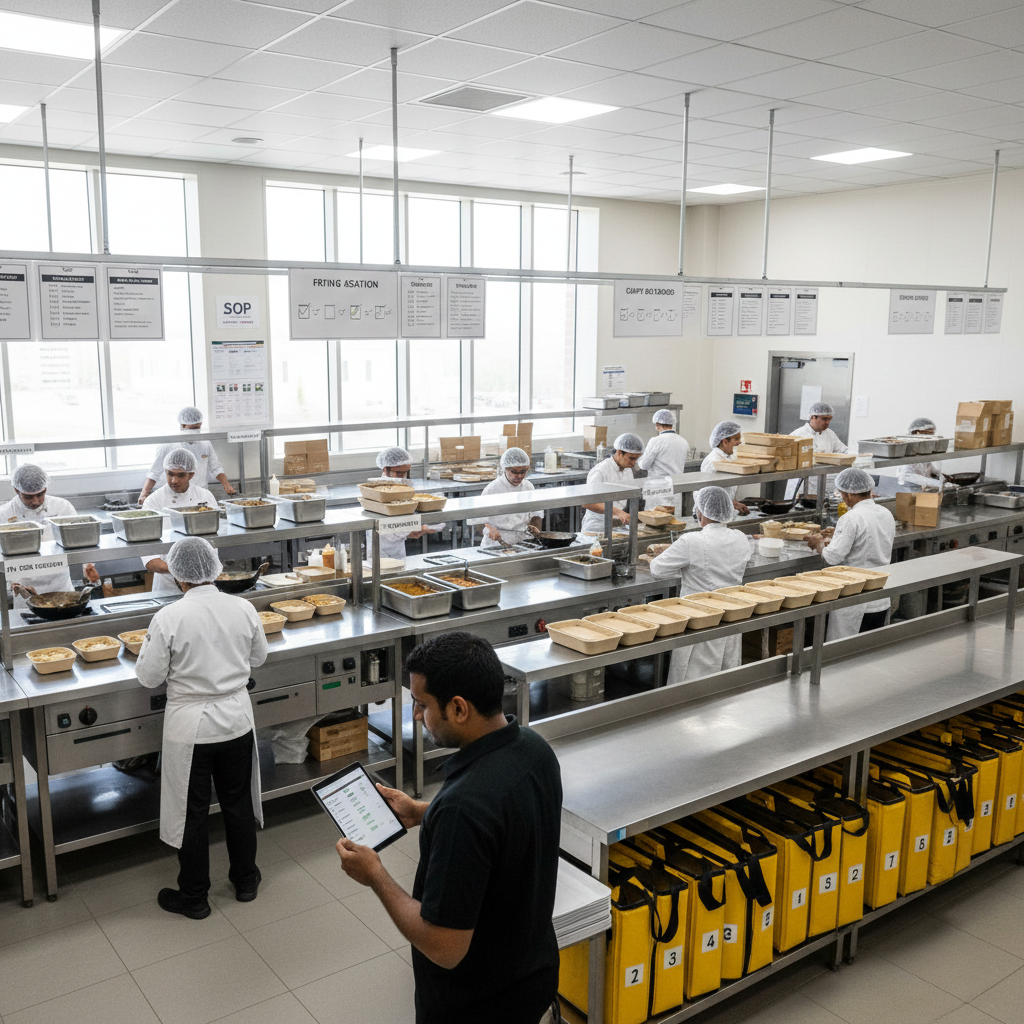
Alignment is not a brand meeting. It is a rollout sequence. Below is a practical path used by system-led kitchen networks to align growth with operational capacity.
Step 1 (Day 1–2): Define “clean signals” before spending more. Track refund rate, late dispatch count, cancellations, rating trend, and food cost % daily. If these signals are dirty, growth spend will amplify the problem.
Step 2 (Day 1–3): Freeze bestsellers and lock measurable SOPs + portion tools. Define grams/ml per portion, station sequence, holding rules, and packing standards for top SKUs. Measurability is what makes alignment enforceable.
Step 3 (Day 2–5): Install packing checklist + dispatch gate as mandatory. Train with sign-offs. Enforce dispatch scan and handover discipline using Cloud Kitchen Dispatch SOP.
Step 4 (Day 3–7): Standardize packaging, labeling, sealing, and bag rules. This protects ratings and complaint variance during spikes. Packaging inconsistency is one of the fastest ways growth turns into refunds.
Step 5 (Week 2): Build prep planning with par levels and reorder triggers. Protect availability during campaigns. Stock-outs and cancellations are growth killers on platforms.
Step 6 (Week 2): Assign role owners and enforce station gates daily. Prep, cook, pack, and dispatch must have owners and checklists. Growth becomes safe only when accountability is clear.
Step 7 (Week 3): Start weekly review loops that connect growth outcomes to ops fixes. Review refund reasons, rating comments, late dispatch, cancellations, and stock-outs weekly. Fix the top 2 repeating failures every week and retrain. That loop is what keeps alignment alive.
Use the discipline lens: How Process Discipline Improves EBITDA. If you are spending for growth, validate ROI properly via Marketing Spend vs ROI in Cloud Kitchens. If you’re comparing scaling approaches, reference: CKaaS vs Running Your Own Cloud Kitchen: ROI Comparison.
External process references (useful for standardisation thinking): Standardized Work (Lean lexicon), ISO 22000 overview, and FSSAI Hygiene Requirements (Schedule 4 reference).
Final Takeaway: CKaaS Aligns Growth With Operations by Making Reliability a Growth Asset
Growth and operations are not separate departments in cloud kitchens. They are one system. When growth outpaces execution, refunds rise, ratings fall, distribution drops, and discounts become permanent. That is not a marketing failure. That is misalignment.
CKaaS aligns growth with operations by installing repeatable control: measurable SOPs, portion discipline, procurement routines, prep buffers and par levels, checklist-driven packing, gated dispatch, role ownership, and weekly feedback loops that prevent repeat failures.
When reliability signals stay clean, platforms reward distribution. When distribution stays strong, you don’t need to burn margin to stay visible. That is how growth becomes profitable and sustainable.
Operating frameworks from GrowKitchen, and operating partner brands like Fruut and GreenSalad are built to convert “growth pressure” into “system-led scaling.”
FAQs: How CKaaS Aligns Growth With Operations
What does it mean to align growth with operations in cloud kitchens?
It means increasing demand only when the kitchen can execute reliably: stable prep buffers, packing accuracy, dispatch speed, and clean performance signals.
Why do refunds and ratings get worse during campaigns?
Because volume amplifies weak systems: missing add-ons, wrong items, sealing failures, late dispatch, and stock-outs caused by poor prep planning.
Does CKaaS replace marketing?
No. CKaaS makes marketing safer by reducing operational leakage so growth converts into repeat customers and predictable contribution margin.
What is the fastest alignment system to implement?
Packing checklist + dispatch gate + measurable SOPs for top sellers. These reduce preventable errors quickly and protect ratings during volume spikes.
- Cloud Kitchen Profitability Consultant in India
- Common Operational Mistakes in Cloud Kitchens
- Cloud Kitchen Dispatch SOP
- Role-Based Kitchen Operations Explained
- Refunds and Cancellations Impact on Cloud Kitchen Profitability
- Aggregator Commission Impact in India
- Marketing Spend vs ROI in Cloud Kitchens
- How Process Discipline Improves EBITDA
- CKaaS vs Running Your Own Cloud Kitchen: ROI Comparison