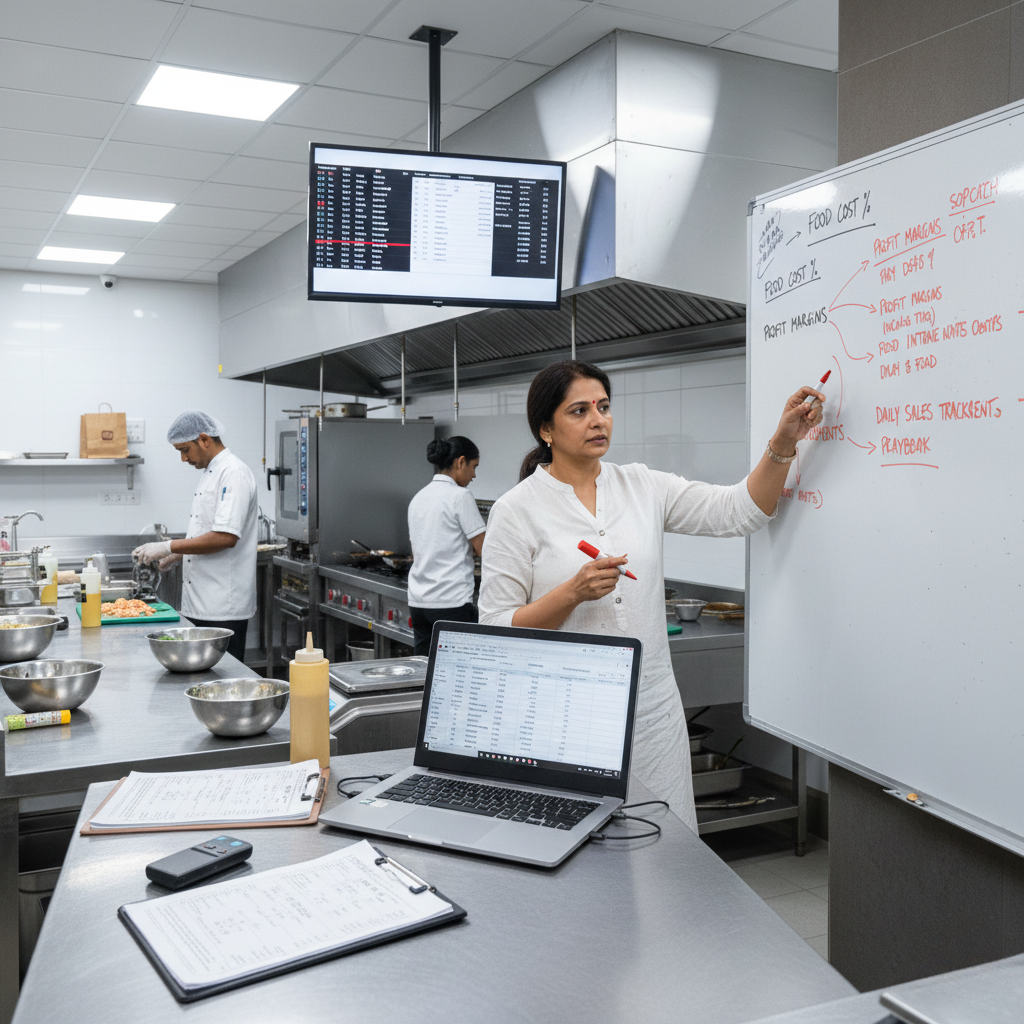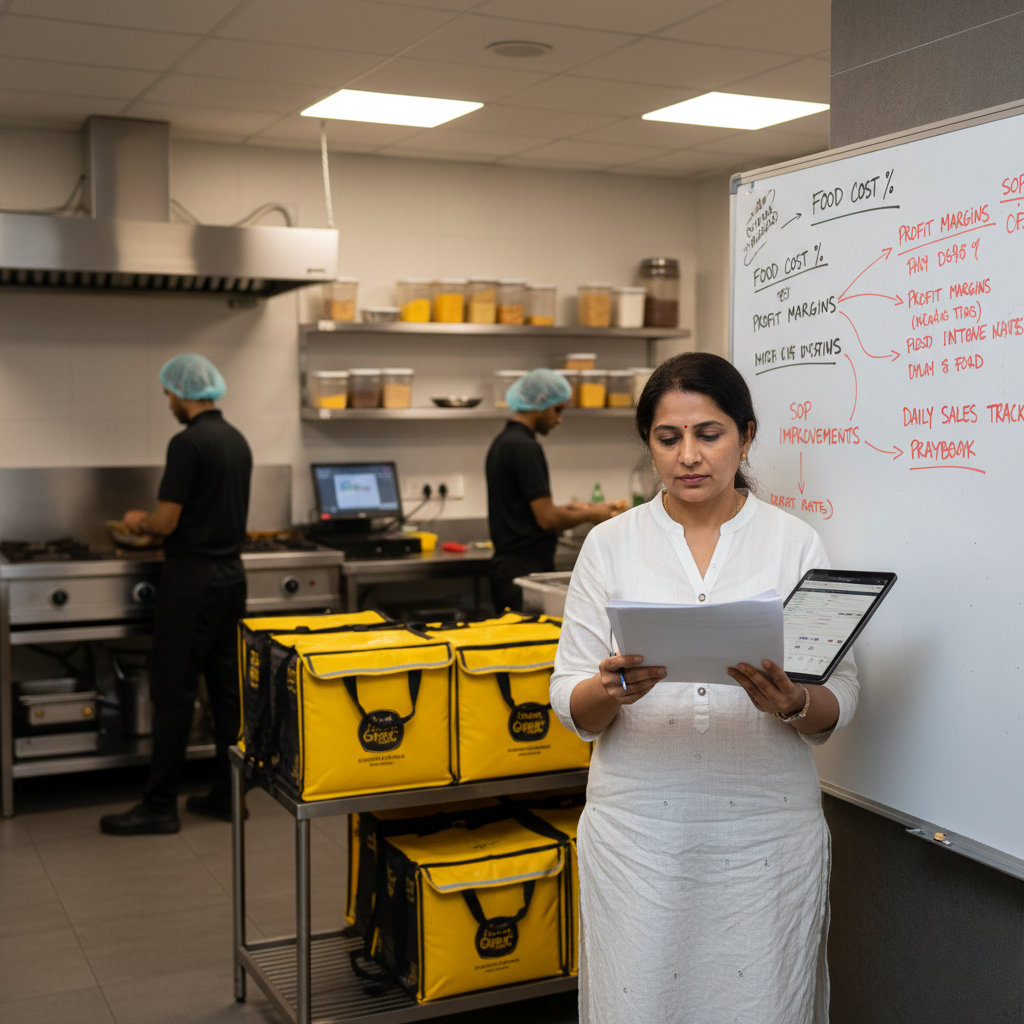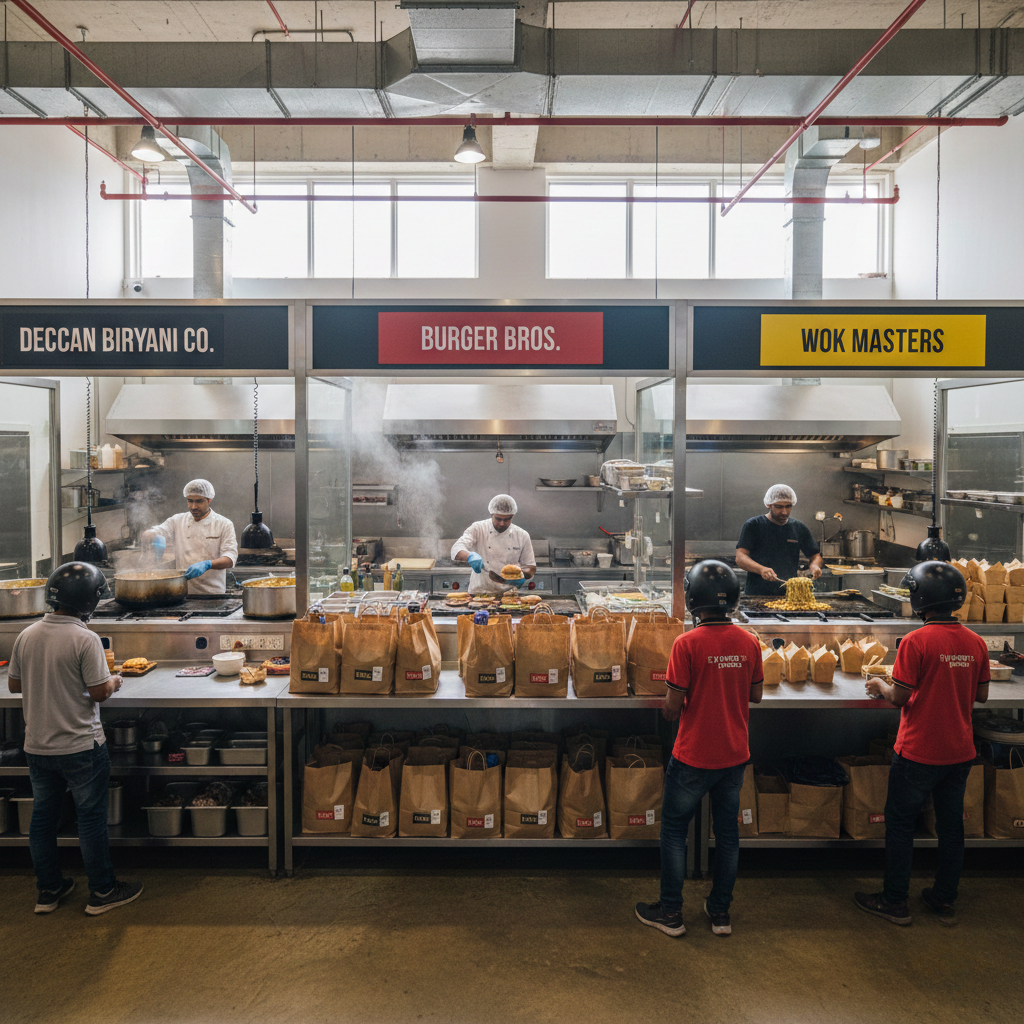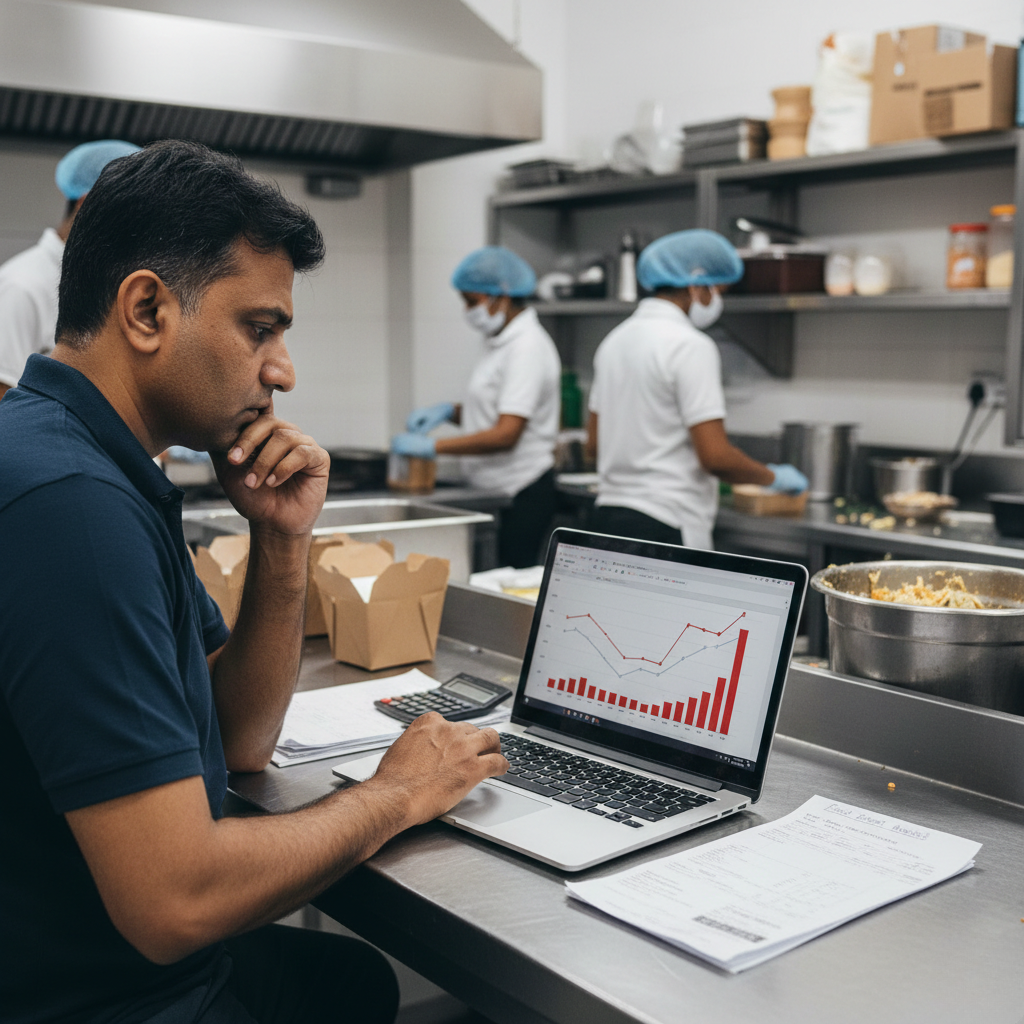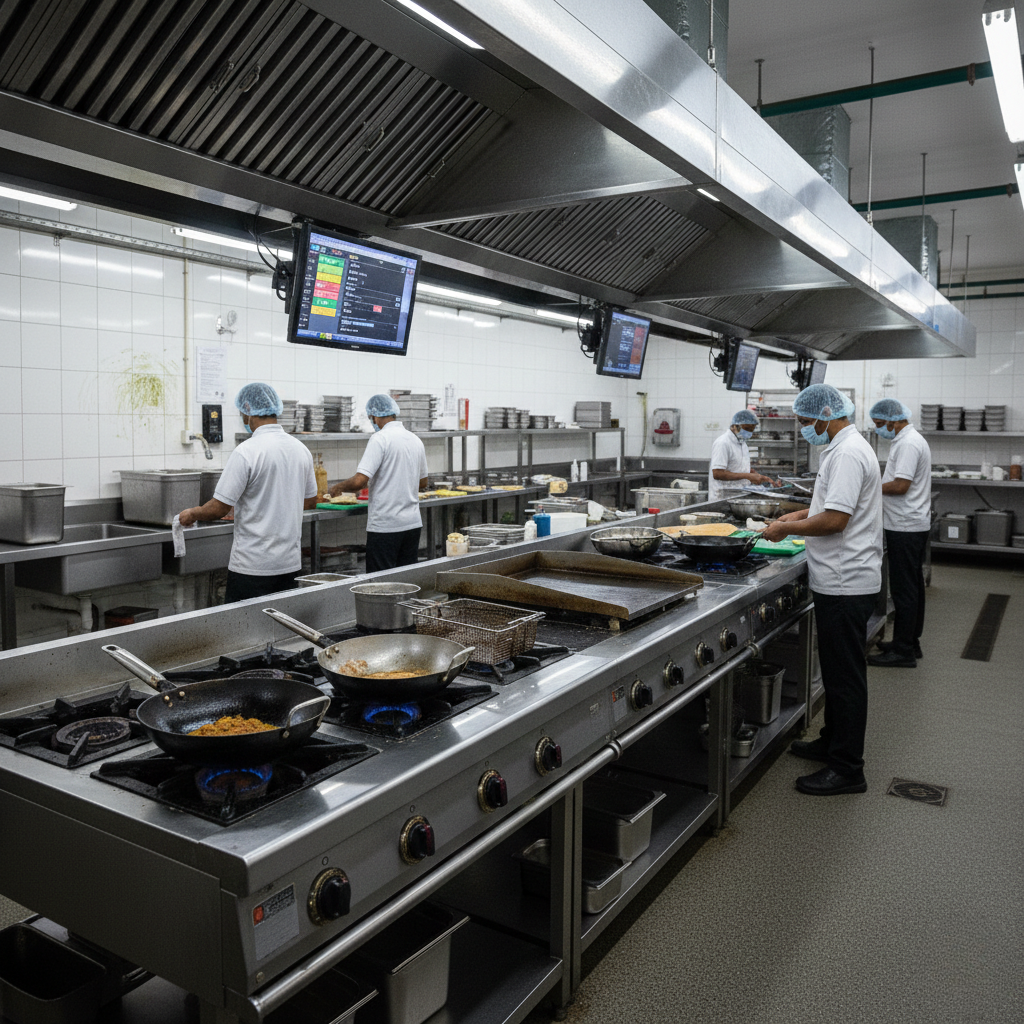
CAC for Cloud Kitchens Explained via CKaaS is not just about throwing more money into ads or boosting your discount strategies. It’s about creating a sustainable customer acquisition process where every rupee spent generates long-term value. Most cloud kitchens fail to achieve profitable scaling because they don’t understand how CAC fits into the broader picture of operational efficiency. This guide will explain how Cloud Kitchen as a Service (CKaaS) can help optimize CAC, align your operations with growth, and ensure that your acquisition efforts result in real profits.
Why CAC is Critical for Cloud Kitchens and How CKaaS Optimizes It
Cloud kitchens, often running on tight margins, have a unique challenge when it comes to Customer Acquisition Cost (CAC). CAC is not just about how much you spend to acquire customers it’s about how that spend aligns with your operations. If marketing campaigns outpace operational capacity, growth may end up costing you more than you make.
Many cloud kitchens focus on increasing orders and sales via ads, but this approach doesn’t work in the long term. When operational systems are not in place to handle the increased volume, mistakes are amplified, refunds rise, and customer satisfaction drops, ultimately pushing CAC higher.
CKaaS (Cloud Kitchen as a Service) optimizes CAC by aligning growth with operations. Rather than scrambling to manage increased customer volume, CKaaS ensures that your operations can handle the demand efficiently, allowing you to convert marketing spend into long-term value and profitable customers.
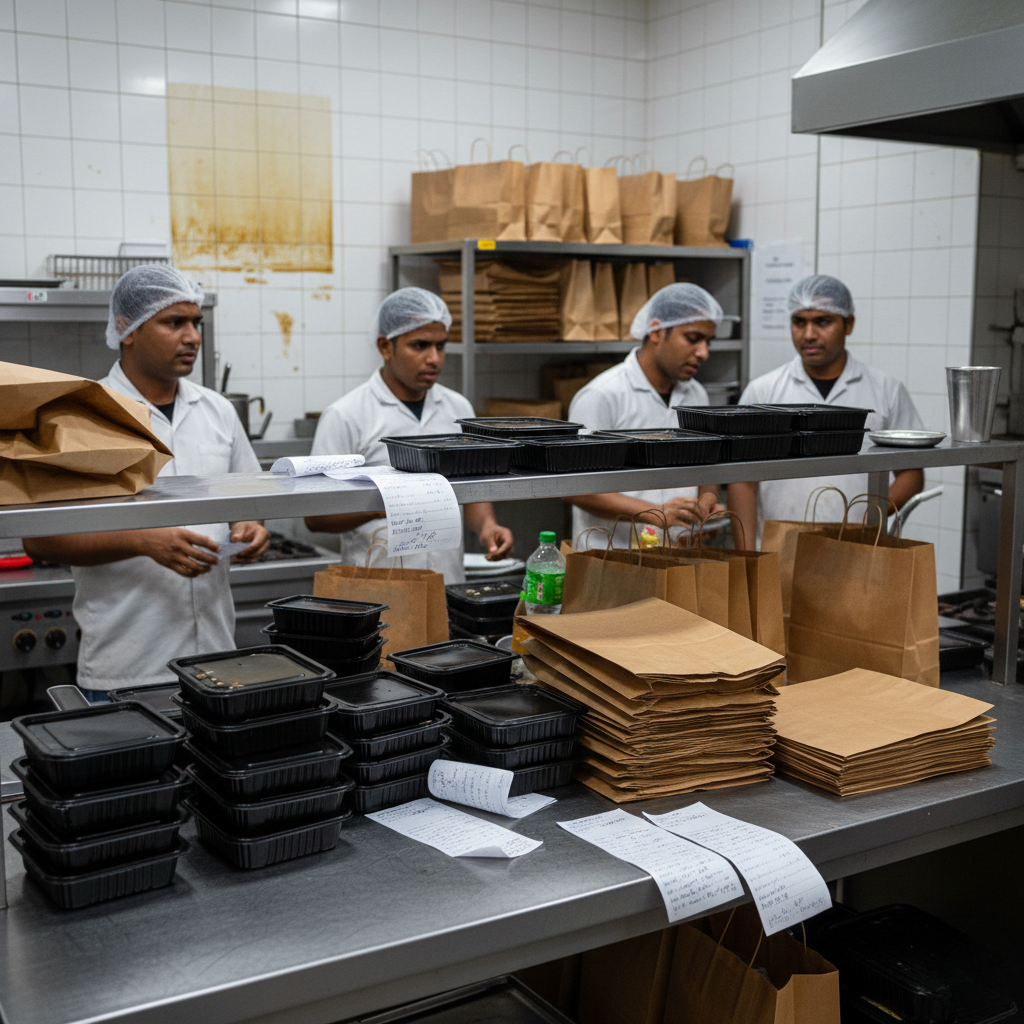
What is CAC, and Why Is It a Problem for Cloud Kitchens?
CAC is the total cost a business incurs to acquire a new customer. For cloud kitchens, this includes everything from advertising spend to discounts, influencer collaborations, and marketing campaigns. The goal is to minimize CAC while maximizing customer lifetime value (CLV).
However, the CAC for cloud kitchens often spikes when growth outpaces operational capacity. Increased ad spending or special offers lead to more customers, but if the kitchen cannot execute consistently due to delayed dispatches, wrong orders, or packing errors the result is a high number of refunds, complaints, and negative reviews.
This is where CKaaS steps in. By aligning operational systems with growth strategies, CKaaS reduces the leakage that increases CAC, ensuring that every penny spent on customer acquisition is fully optimized.
Understanding CAC in Cloud Kitchens: How CKaaS Reduces Costs and Boosts Margins
The main goal for any cloud kitchen is to lower CAC while increasing the value of each customer. But this can only happen when the kitchen has systems in place to consistently deliver high-quality service. Without those systems, every spike in demand creates operational breakdowns that push CAC up.
When cloud kitchens focus on lowering CAC through marketing alone, they often end up burning cash on ineffective campaigns that don’t address the root problem operational inefficiencies. The cost of high refunds, poor ratings, and customer churn raises the overall cost of acquiring customers, which directly impacts profitability.
CKaaS offers a solution by ensuring that kitchens have reliable systems to handle growth: from prep buffers to packing accuracy to dispatch discipline. By optimizing operational processes, CKaaS makes every customer acquisition dollar work harder, reducing CAC and improving margins.
With CKaaS, growth can scale in a controlled manner, ensuring that each new customer acquired is a profitable one, and CAC is reduced over time.
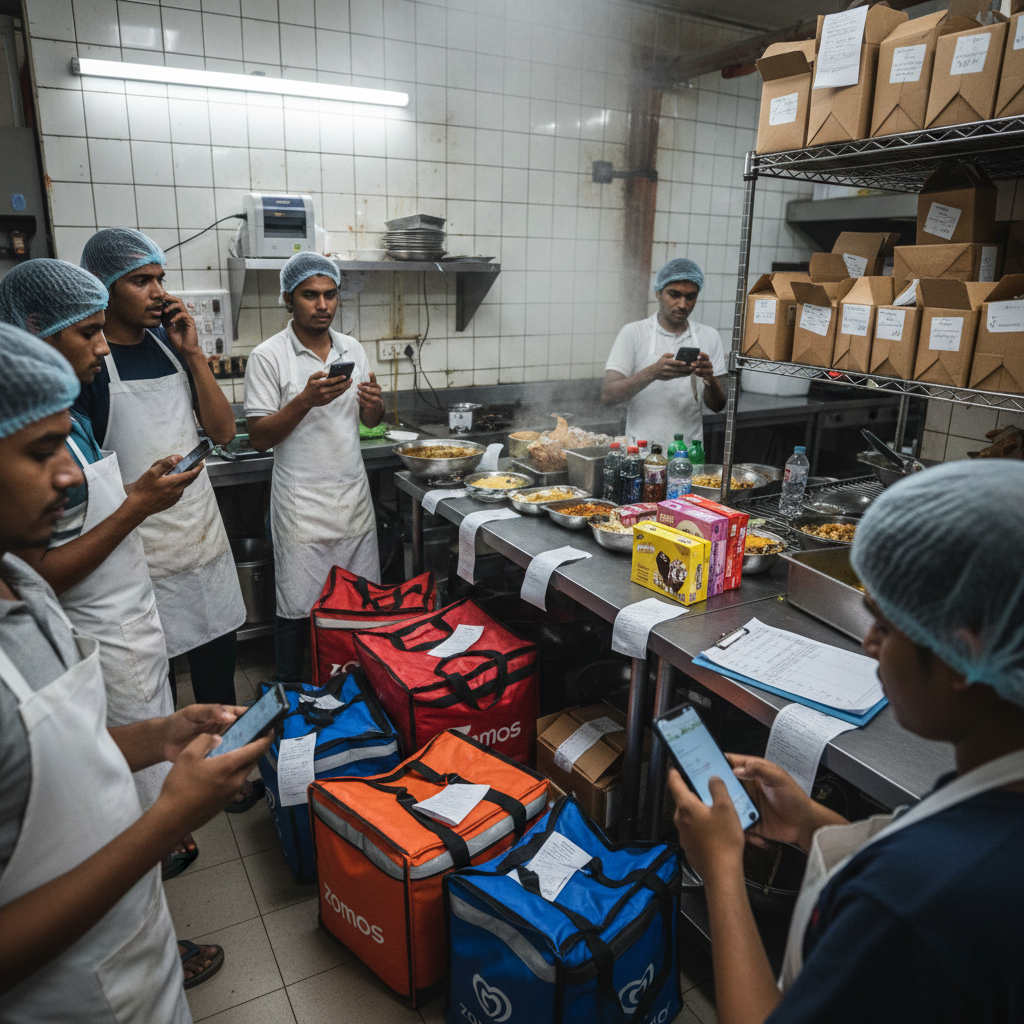
How CKaaS Optimizes CAC: The Core Systems That Make It Possible
CKaaS is not just about marketing. It’s about aligning your marketing strategies with operational readiness to ensure scalable growth. Below are the core systems CKaaS uses to optimize CAC:
- Growth gating: Scaling only when operational signals are clean ensures that marketing spend does not overwhelm kitchen capacity.
- Menu engineering: Focuses on scalable, repeatable items that reduce complexity and prevent operational errors, helping to maintain margin stability.
- Standard Operating Procedures (SOPs): Clear SOPs ensure consistency in quality and reduce operational mistakes that can spike CAC.
- Portion control: Consistent portions ensure food costs are managed and customer satisfaction remains high.
- Inventory discipline: Prevents stock-outs, ensuring that every order is fulfilled without cancellations or delays, reducing operational chaos.
- Prep planning with par levels: Helps kitchens prepare for demand surges without over-prepping, reducing waste and ensuring that food cost and labor costs stay controlled.
- Packing accuracy: Prevents refunds and ensures that customer expectations are met consistently, lowering CAC by improving retention.
- Dispatch discipline: Ensures quick and accurate handovers to delivery drivers, preventing delays and ensuring timely deliveries that enhance customer experience and reduce refunds.
- Role ownership: Assigning specific roles to staff helps maintain operational efficiency and ensures that there’s no confusion during peak hours.
- Weekly feedback loops: Regular reviews of customer feedback and operational data help identify areas for improvement, optimizing systems to reduce CAC over time.
The Importance of Reliability for Platforms Like Swiggy and Zomato
Platforms like Swiggy and Zomato reward kitchens that consistently provide reliable service. Growth should not just be about getting more orders but ensuring that the kitchen can handle those orders efficiently and without mistakes.
When reliability signals are clean, platforms reward kitchens with better visibility, leading to more orders and higher profitability. However, when operational failures occur due to poor systems, platforms decrease visibility, which increases the CAC for acquiring new customers.
CKaaS aligns marketing with operations, ensuring that kitchens can deliver the consistent quality that platforms value. This reduces the cost of customer acquisition by improving operational reliability.
For more on how platforms reward clean signals, read our detailed articles: Swiggy Refund Policy and Zomato Online Ordering Terms.
Why Role-Based Operations Reduce CAC and Improve Growth
Founder-led growth often relies on heroics and last-minute fixes. But as the kitchen grows, this approach becomes unsustainable. When mistakes happen, CAC increases due to refunds and negative reviews.
CKaaS ensures that growth is managed sustainably by implementing clear, role-based operations. This system reduces mistakes, improves consistency, and ultimately lowers CAC.
With CKaaS, each part of the kitchen operation has a clear owner, from prep to dispatch. This reduces confusion, ensures efficiency, and allows the kitchen to handle increased demand without compromising quality.
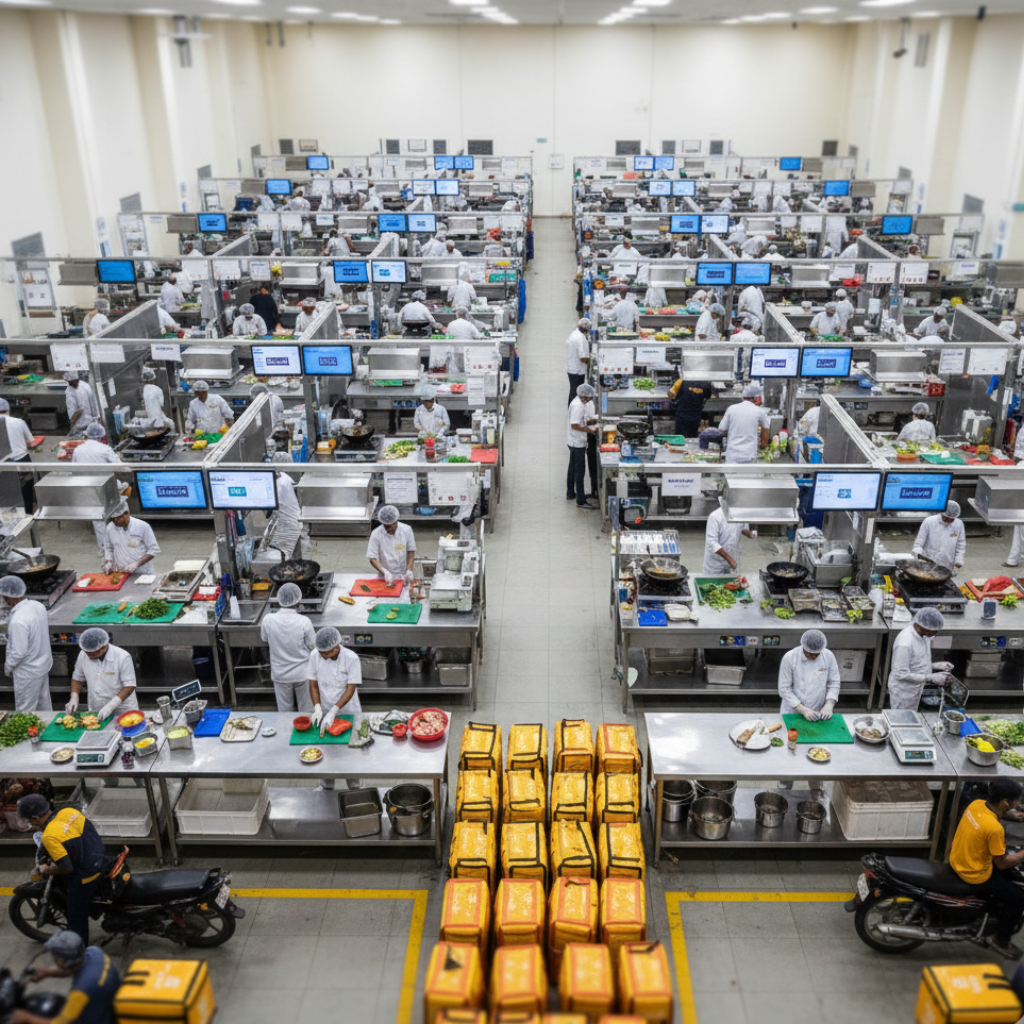
Final Takeaway: Optimizing CAC for Long-Term Success with CKaaS
CAC is a critical metric for cloud kitchens, but it can be optimized by aligning growth with operations. When marketing is aligned with a kitchen’s operational capacity, it reduces the risk of operational breakdowns and ensures that customer acquisition costs lead to profitable outcomes.
CKaaS helps cloud kitchens optimize CAC by providing a systematic approach to scaling operations. By reducing operational mistakes and increasing reliability, CKaaS ensures that every customer acquired is a profitable one.
For more on how to reduce CAC, explore these resources: Cloud Kitchen Profitability Consultant in India and Common Operational Mistakes in Cloud Kitchens.
FAQs: How CKaaS Optimizes CAC for Cloud Kitchens
What is CAC and why does it matter for cloud kitchens?
CAC is the cost of acquiring a new customer, and it’s crucial for cloud kitchens to optimize this cost to maintain profitability. High CAC can lead to unsustainable growth and operational inefficiencies.
How does CKaaS reduce CAC?
CKaaS reduces CAC by aligning marketing efforts with operational readiness, ensuring that the kitchen can handle increased demand without operational breakdowns, thus lowering costs like refunds and cancellations.
Does CKaaS replace marketing?
No. CKaaS works in tandem with marketing by ensuring that operational systems are optimized to handle the growth driven by marketing, making customer acquisition more cost-effective.
What is the most effective way to reduce CAC?
The most effective way to reduce CAC is to improve operational efficiency. By aligning growth with reliable systems, CKaaS ensures that each new customer is a profitable one.
- Cloud Kitchen Profitability Consultant in India
- Common Operational Mistakes in Cloud Kitchens
- Cloud Kitchen Dispatch SOP
- Role-Based Kitchen Operations Explained
- Refunds and Cancellations Impact on Cloud Kitchen Profitability
- Aggregator Commission Impact in India
- Marketing Spend vs ROI in Cloud Kitchens
- How Process Discipline Improves EBITDA
- CKaaS vs Running Your Own Cloud Kitchen: ROI Comparison
- Grow Kitchen on Twitter