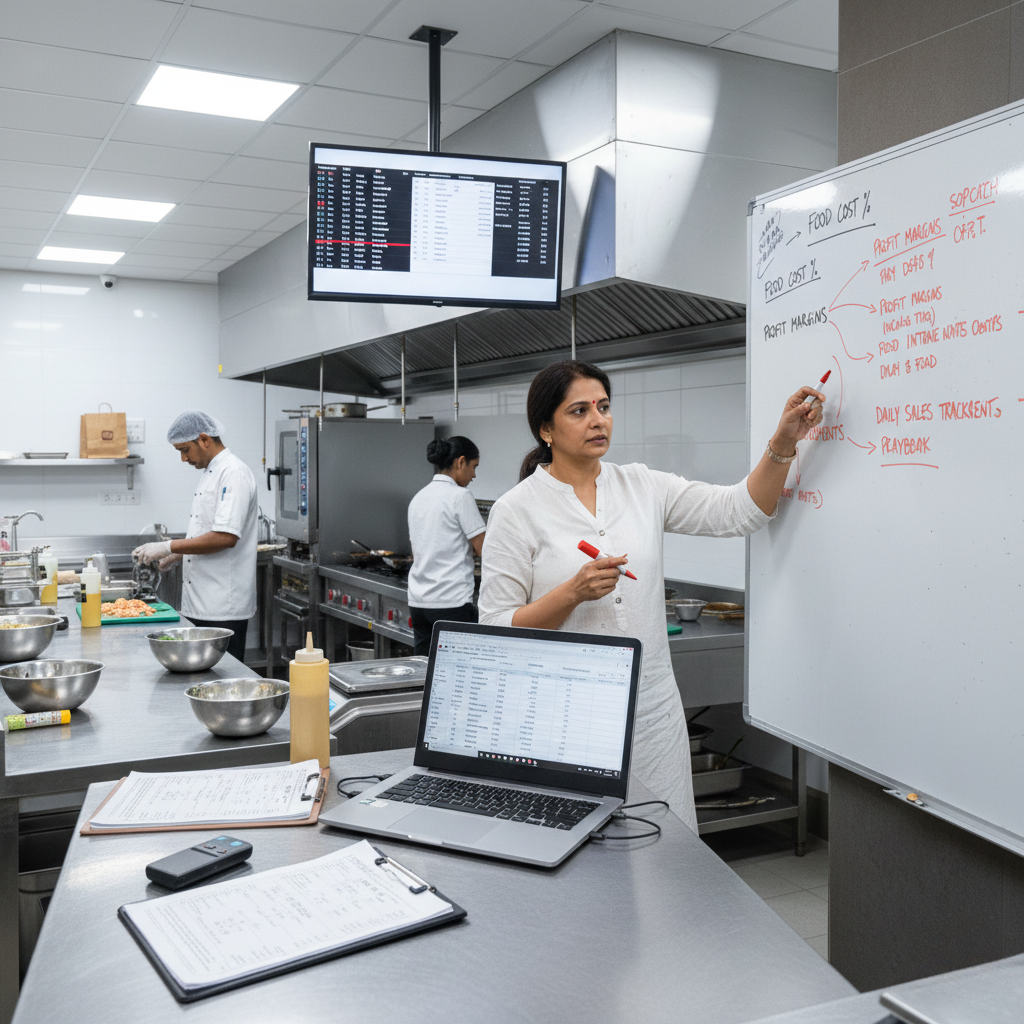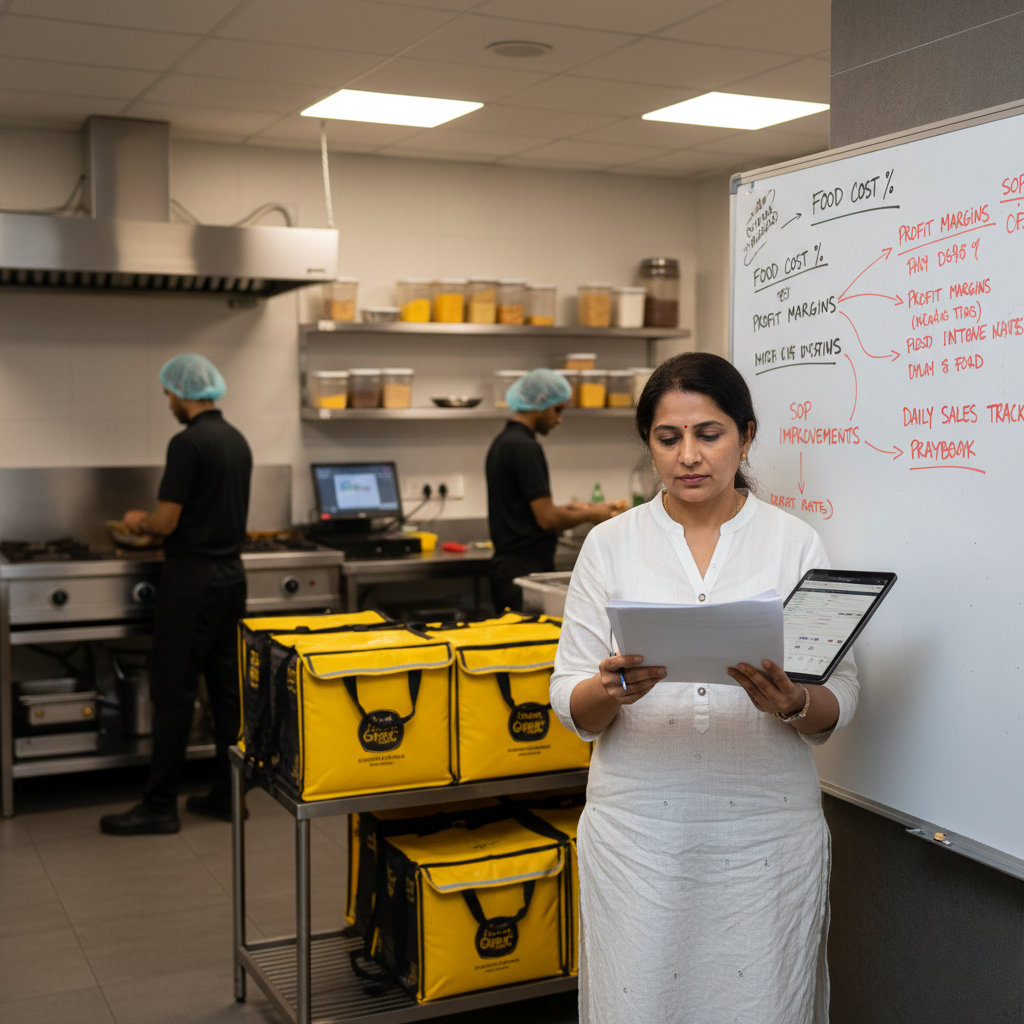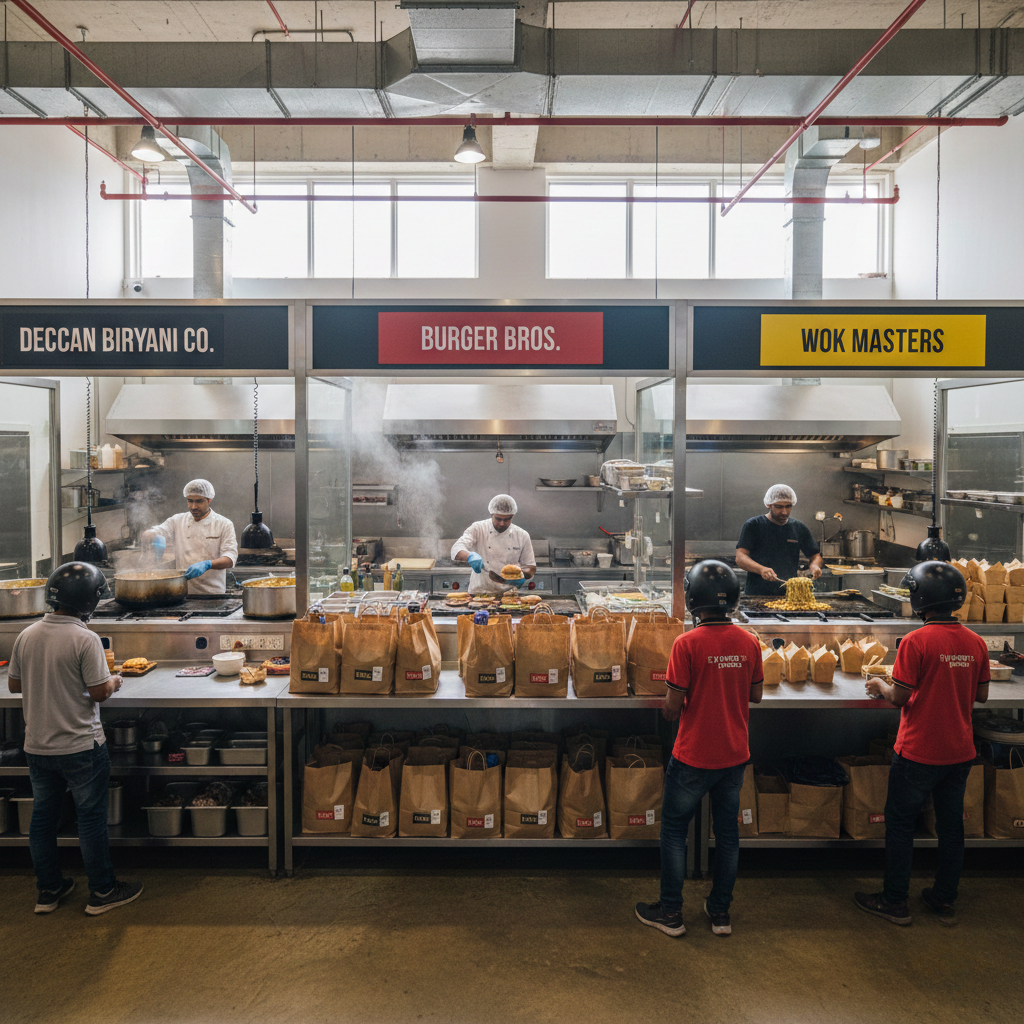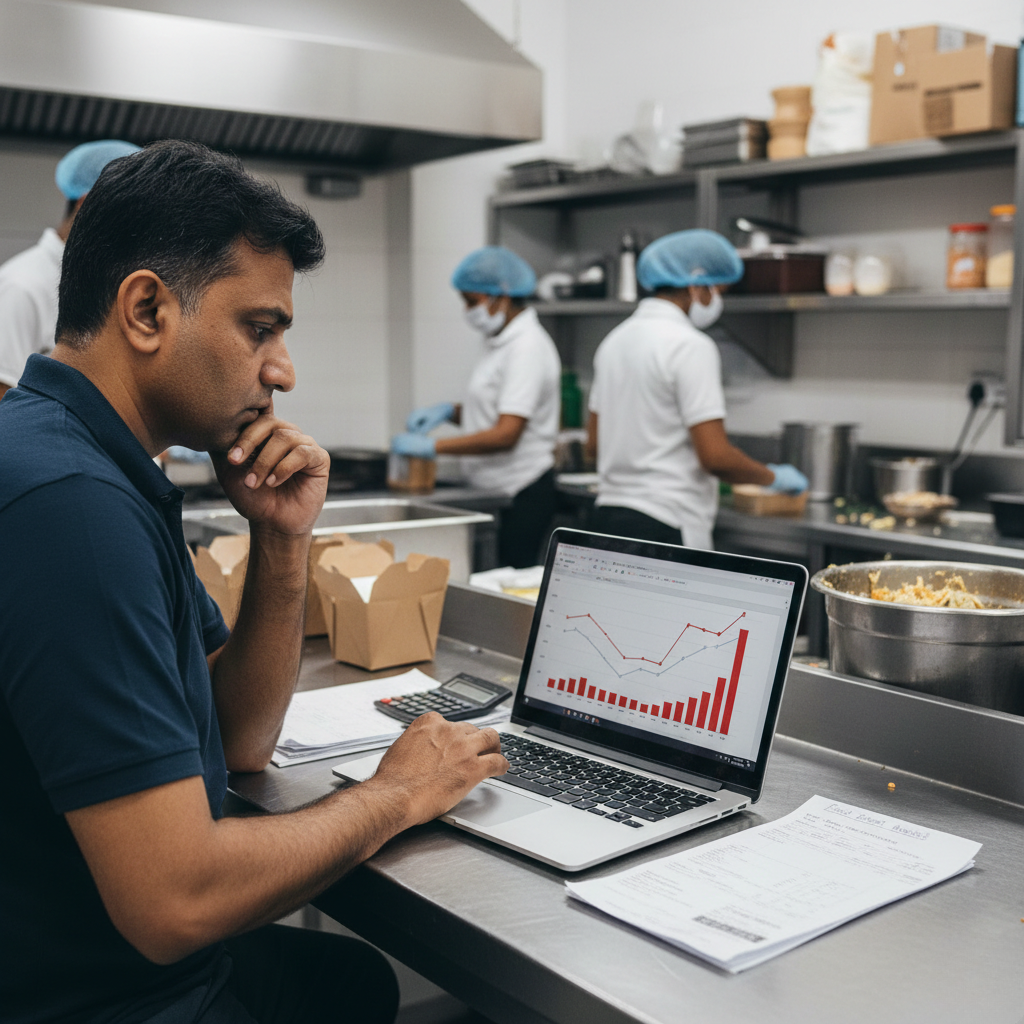
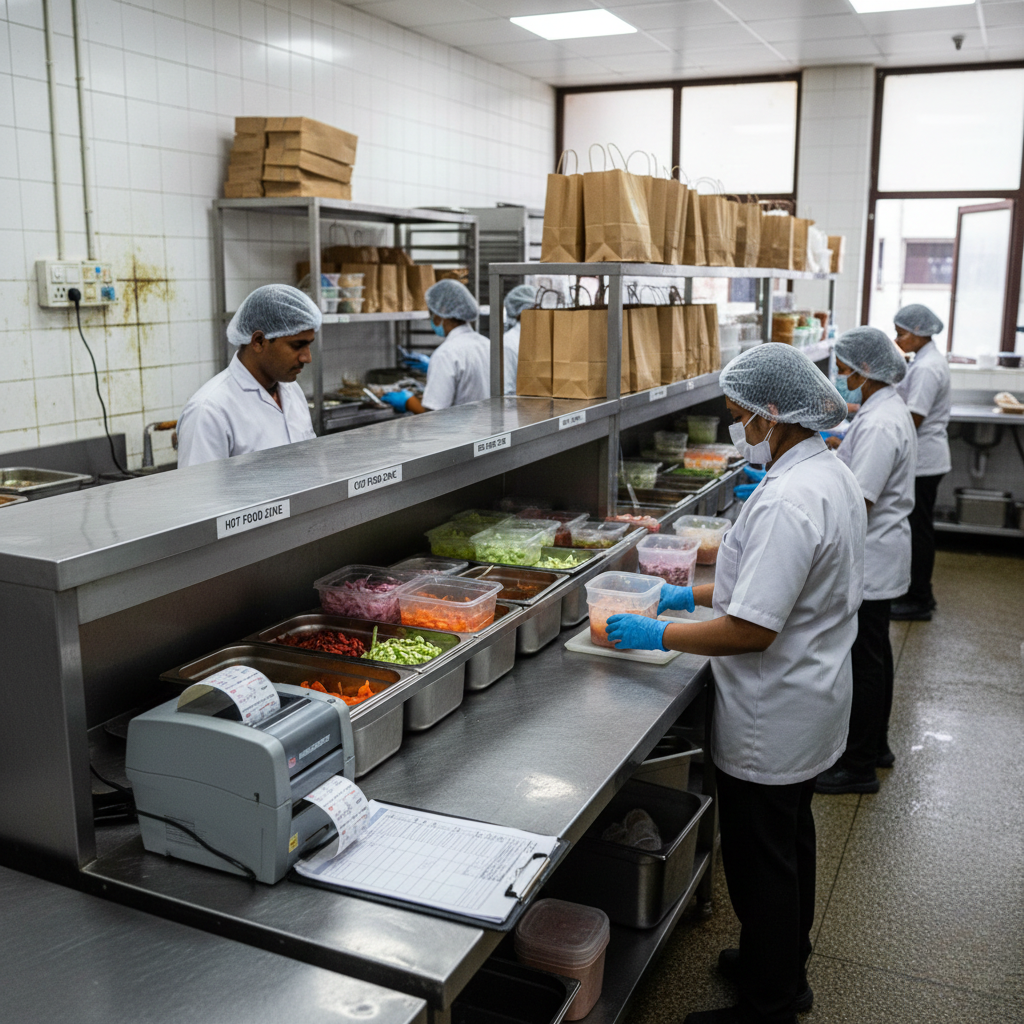
Scaling a cloud kitchen is not simply about increasing orders or launching new outlets. As volume grows, operational pressure increases, and systems that once worked smoothly begin to show weaknesses. Margin drift, dispatch delays, vendor inconsistency, team variability, and rating instability are some of the most common challenges operators face while expanding. This guide explores the most common challenges encountered when scaling a cloud kitchen and explains how structured operational systems can create sustainable, repeatable growth.
What Are the Most Common Challenges When Scaling a Cloud Kitchen?
Cloud kitchens are designed for delivery-first efficiency. At early stages, growth feels manageable because order volumes are limited and founders often remain closely involved in daily operations. However, once daily orders cross 120–150 and expansion into additional locations begins, operational complexity rises sharply. What once felt like manageable inefficiencies begin to compound into measurable financial loss. The challenges of scaling a cloud kitchen are rarely visible at small volumes. They become apparent only when variability increases across staff, procurement, dispatch, and customer experience.
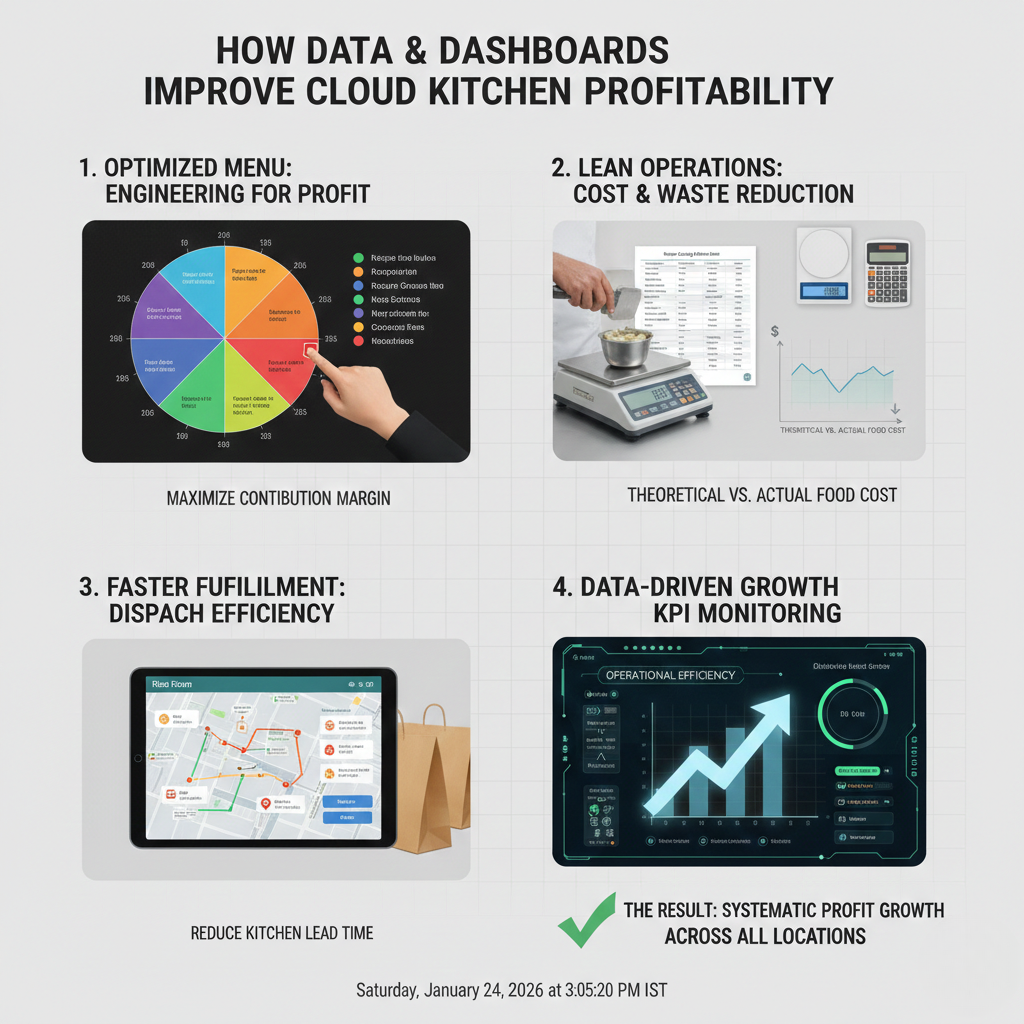
Most scaling failures are not caused by weak marketing campaigns. In fact, demand often increases successfully. The breakdown typically occurs at the operational layer. If profitability foundations are not clearly defined before expansion, growth amplifies weaknesses instead of multiplying profits. Before attempting multi-location scaling, it is essential to understand contribution margins, leakage patterns, and execution stability. Founders can review foundational profitability frameworks in Cloud Kitchen Profitability Consultant in India and identify recurring errors through Common Operational Mistakes in Cloud Kitchens .
Contribution Margin Drift During Volume Expansion
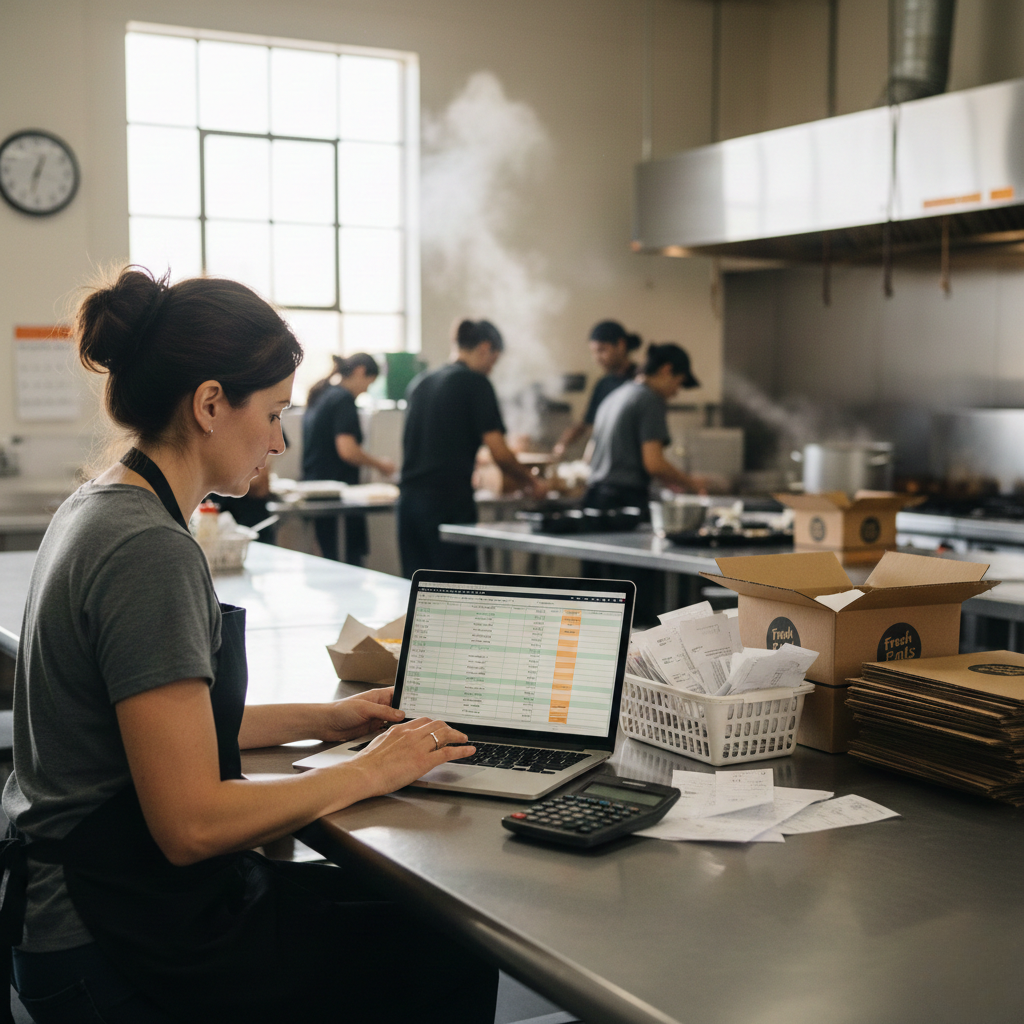
One of the most common and financially damaging challenges when scaling a cloud kitchen is contribution margin drift. At lower volumes, slight over-portioning, vendor price fluctuations, or refund leakage may not appear significant. However, when order counts increase, even small inefficiencies multiply into large financial discrepancies. Scaling exposes hidden costs that were previously absorbed within manageable daily revenue.
Margin instability typically emerges from inconsistent portion control during rush hours, differences in vendor pricing across cities, discount-heavy aggregator campaigns, and unmonitored refund patterns. Aggregator commission structures further intensify this pressure. Understanding how commissions and refund policies affect overall profitability is critical before scaling. Operators can examine commission impact more deeply in Aggregator Commission Impact in India , while reviewing policy references such as Swiggy Refund Policy and Zomato Online Ordering Terms.
Without stable contribution margins per order, scaling only accelerates financial strain. Sustainable growth begins with protecting unit economics before increasing order volume.
Dispatch Errors and Refund Escalation
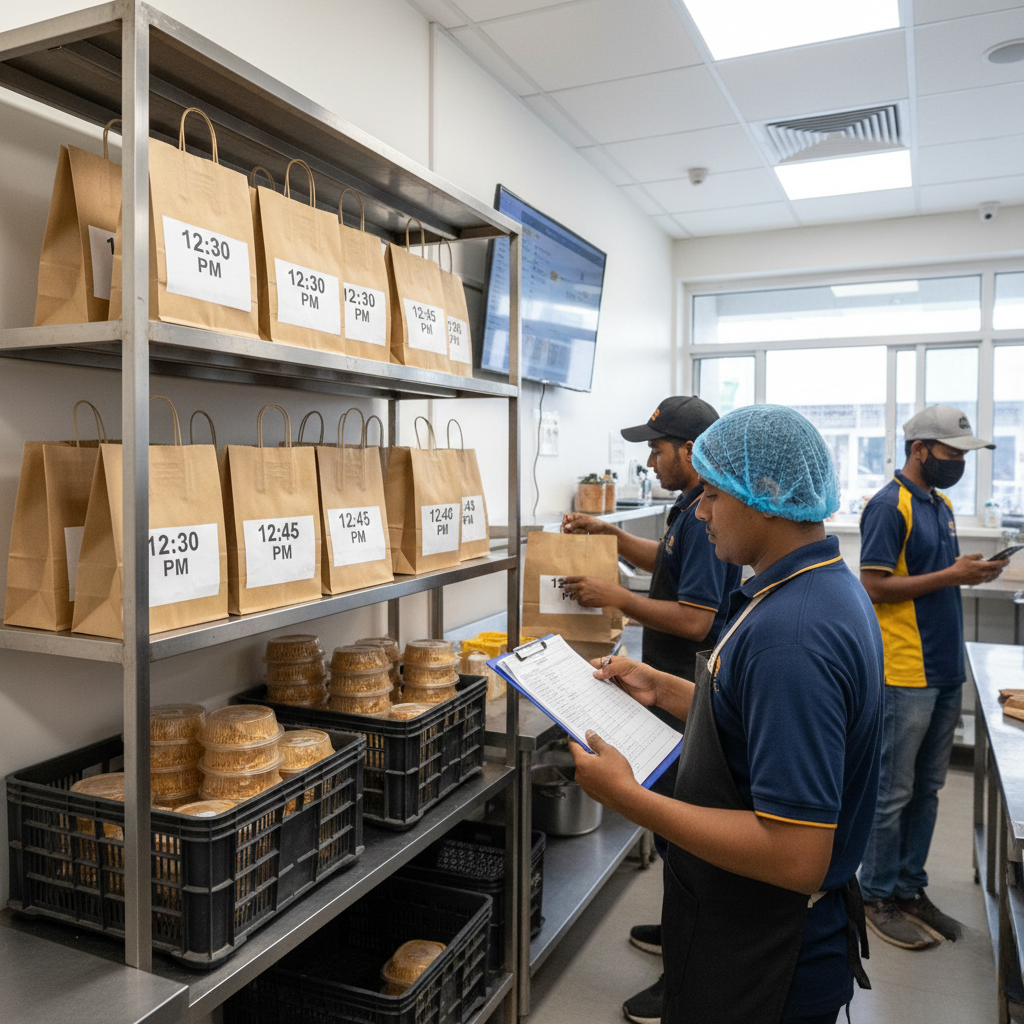
Dispatch becomes a high-risk control point when scaling. As order volume increases, the probability of packing errors, missing add-ons, incorrect labeling, and late handovers also rises. Each dispatch mistake directly impacts customer satisfaction and increases refund likelihood. Refunds not only reduce revenue but negatively influence platform distribution signals, affecting long-term visibility.
Many operators underestimate the financial impact of dispatch errors. A missing add-on may appear minor, but consistent errors reduce ratings, increase complaint rates, and lower algorithmic ranking. Installing structured packing and dispatch gates significantly reduces these risks. A detailed framework can be explored in Cloud Kitchen Dispatch SOP .
Operational Inconsistency Across Teams
As cloud kitchens expand into multiple locations, team inconsistency becomes a structural challenge. Different cooks interpret recipes differently, rush behavior overrides SOP discipline, and informal communication leads to ambiguity in responsibilities. Without clearly defined role ownership, execution quality varies significantly between outlets.
Role-based operational models reduce ambiguity and improve accountability. Clearly assigning ownership for prep, station cooking, packing, dispatch, and auditing ensures that each operational layer has measurable responsibility. This structured approach is explained in detail in Role-Based Kitchen Operations Explained .
Vendor and Procurement Variability
Scaling introduces procurement complexity. When multiple kitchens operate in different cities, vendor quality and pricing may vary. Ingredient yield differences, oil quality changes, packaging inconsistencies, and protein weight deviations all impact food cost and taste consistency. Without specification sheets and structured receiving checks, procurement instability silently erodes profitability.
Strong procurement discipline includes approved vendor lists, standardized rate negotiations, receiving quality audits, and yield tracking for key ingredients. Process stability at this layer directly contributes to EBITDA consistency. Operators can explore process-based financial control in How Process Discipline Improves EBITDA .
Premature Multi-Location Expansion
Rapid expansion without documented system replication is one of the most common reasons cloud kitchens struggle at scale. Stabilizing outcomes in one kitchen before replicating systems in another is essential. Expansion should follow measurable operational stability, not opportunity-driven impulse decisions.
A structured roadmap for expansion can be studied in Cloud Kitchen Expansion Strategy in India .
Lack of Structured Weekly Data Review
Many kitchens collect daily data but fail to conduct structured weekly reviews. Scaling requires consistent feedback loops where refund reasons, cancellation causes, dispatch trends, and margin variance are reviewed systematically.
If growth is increasing stress rather than stability, diagnostic frameworks are available in When Growth Is Hurting Your Cloud Kitchen Operations .
Conclusion: Scaling Challenges Reflect System Gaps
The most common challenges when scaling a cloud kitchen are predictable and preventable. Margin drift, dispatch instability, vendor inconsistency, team variability, menu overload, and premature expansion are not random occurrences. They are indicators of system immaturity.
Sustainable scaling requires protecting contribution margins, installing dispatch gates, enforcing procurement discipline, defining roles clearly, simplifying menu architecture, and conducting structured weekly reviews. Growth becomes reliable only when systems mature before expansion accelerates.
To explore structured operating models, visit GrowKitchen. Operating brands such as Fruut and GreenSalad follow system-led scaling frameworks for consistent execution.
FAQs: Scaling Challenges in Cloud Kitchens
What is the most common mistake while scaling?
Expanding order volume before protecting contribution margin per order.
Why do ratings drop during rapid growth?
Operational variability increases, exposing dispatch and quality gaps.
When should expansion begin?
Only after stable profitability, rating consistency, and process documentation are proven.