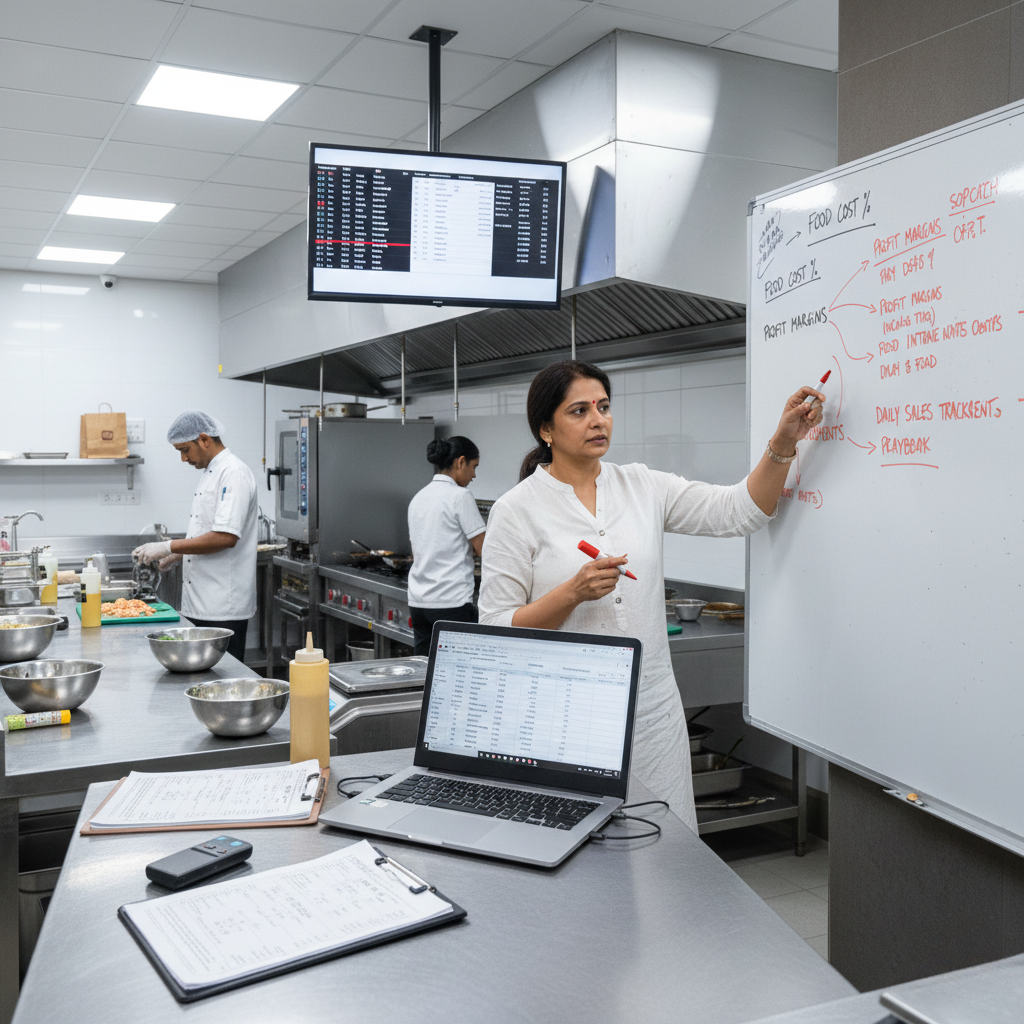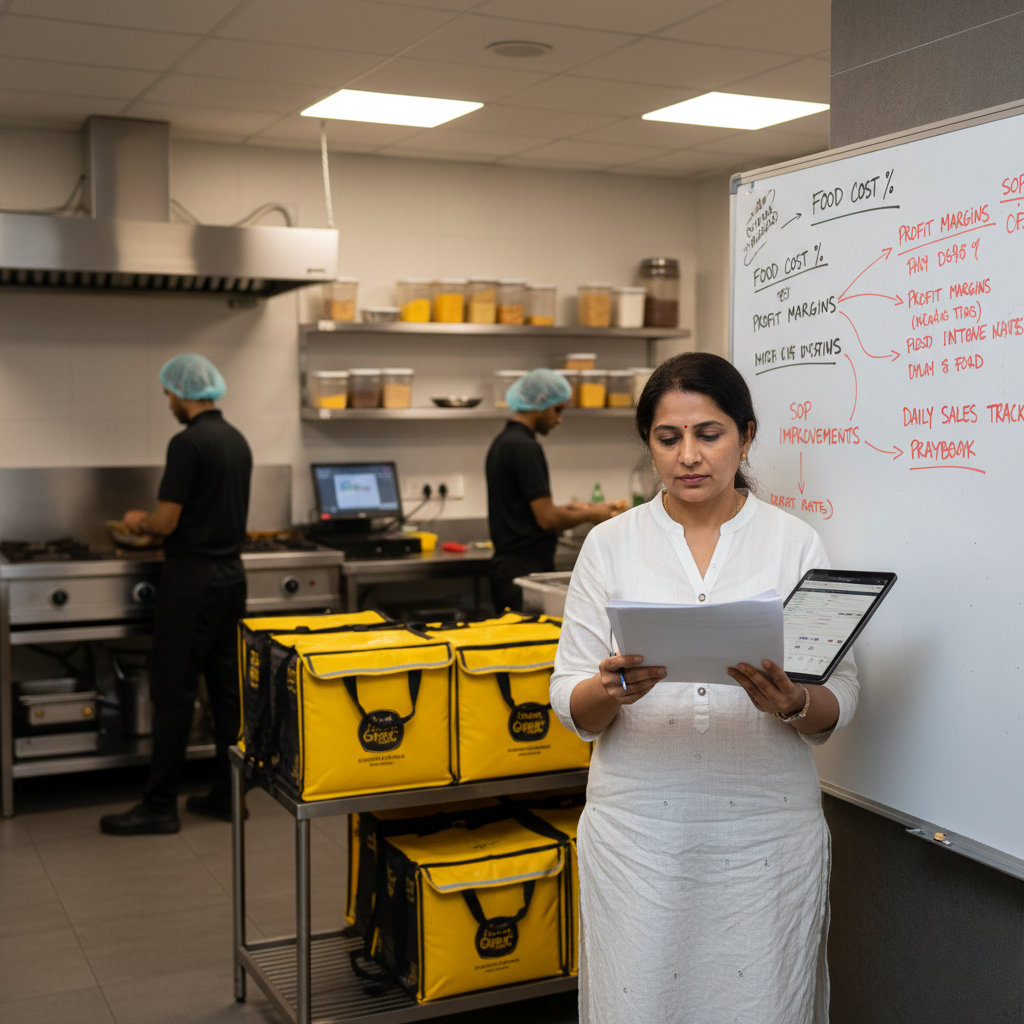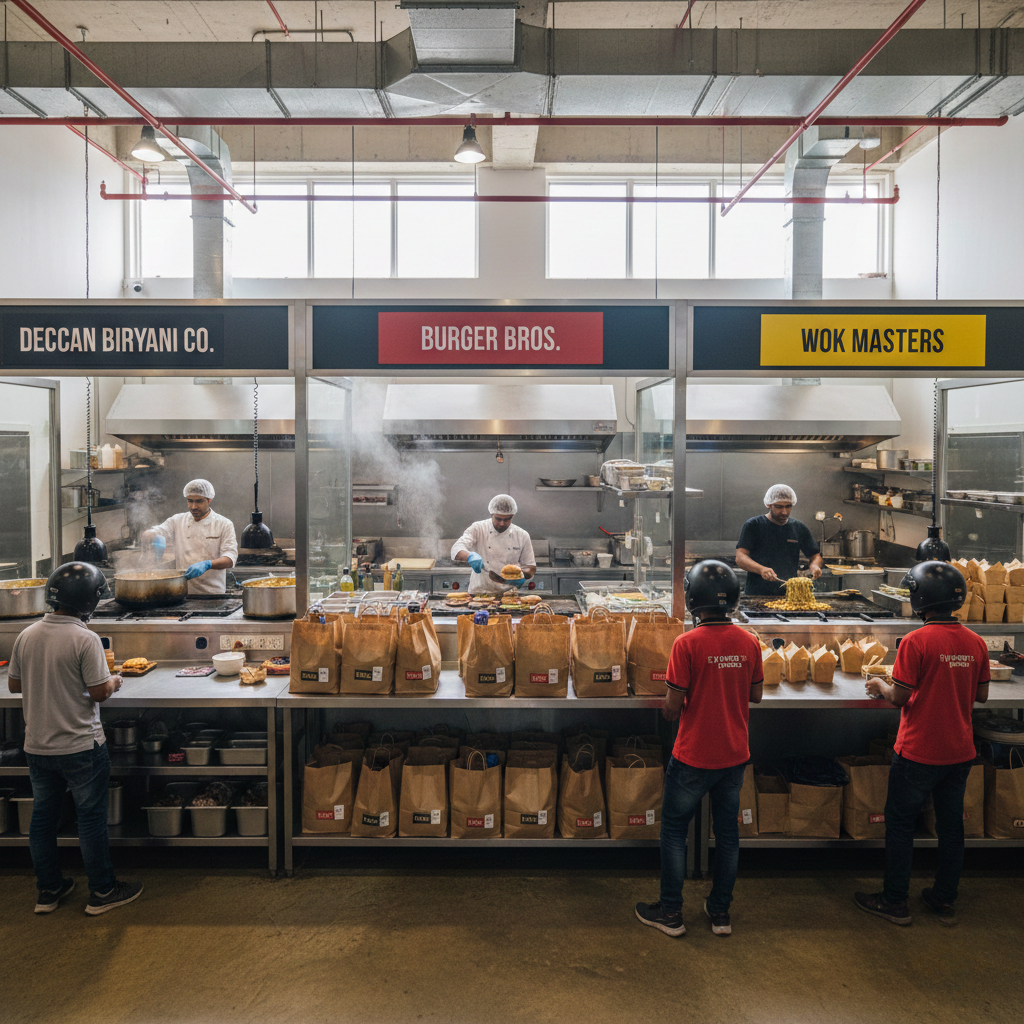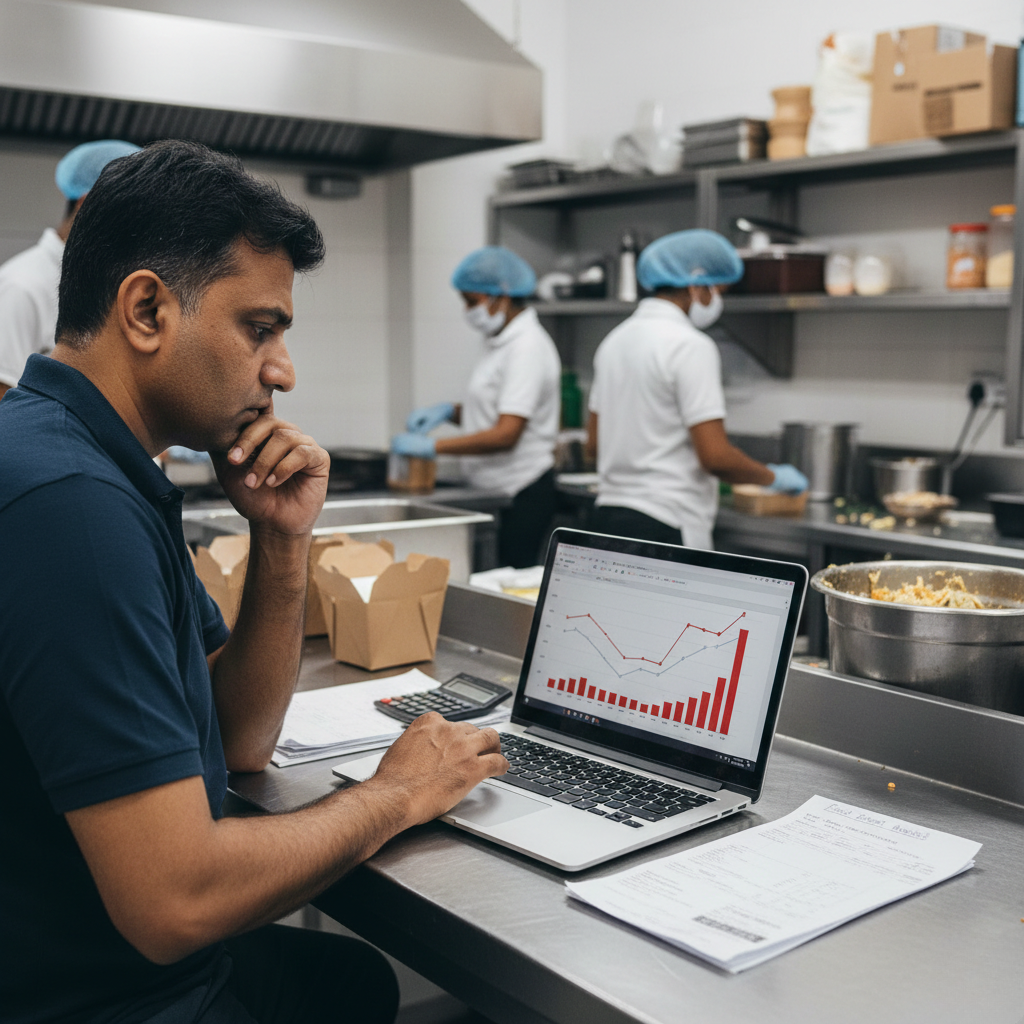
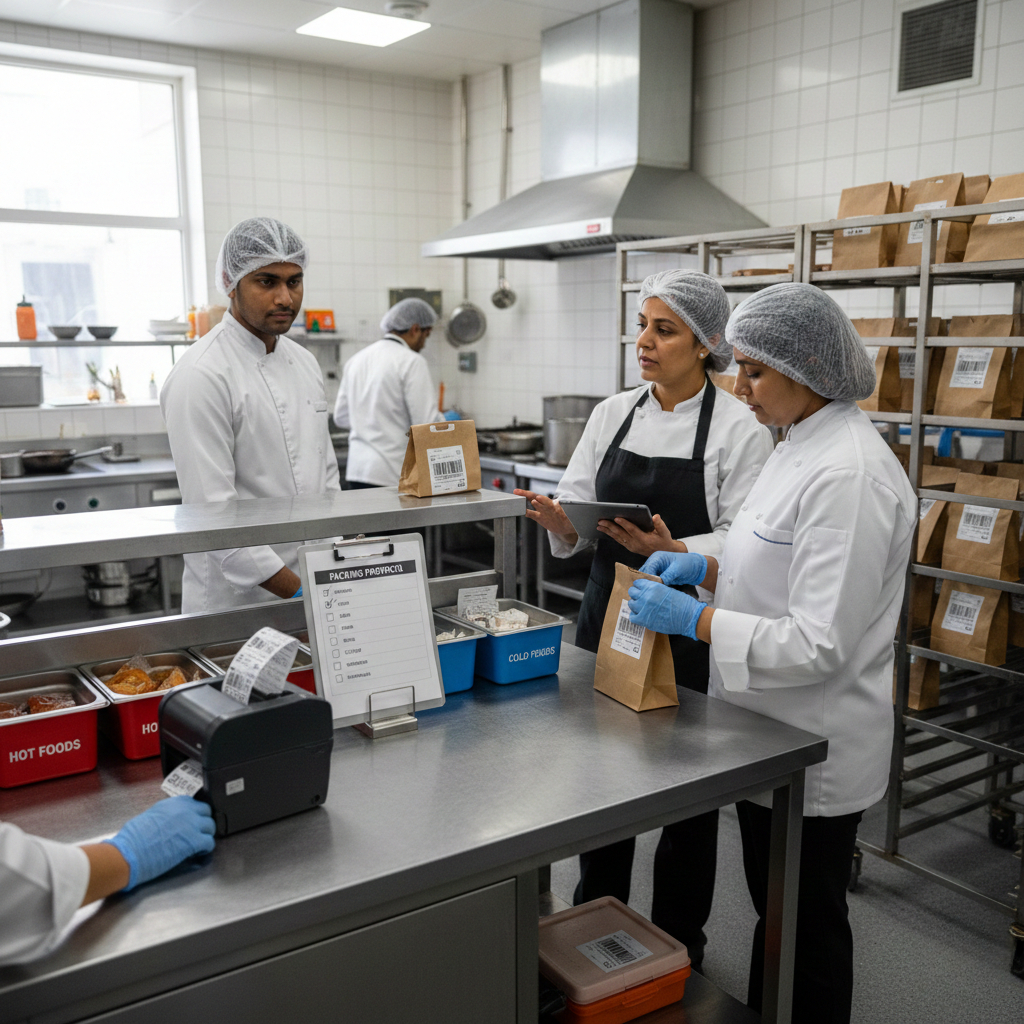
Cloud Kitchen Growth Strategies from Industry Leaders are not “run more ads” tactics or “deep discount” hacks. The brands that scale profitably treat growth as a systems discipline: margin clarity, menu architecture, supply control, dispatch precision, and data-driven iteration. This guide breaks down how industry leaders across India and globally grow without collapsing under refunds, commission pressure, or operational chaos and how you can apply the same frameworks.
Cloud Kitchen Growth Strategies from Industry Leaders (And What Actually Works)
Every cloud kitchen founder wants growth. More orders. More visibility. More cities.
But industry leaders understand something early: growth without control becomes margin erosion. Volume amplifies weakness. And aggregator platforms amplify instability.
In India, delivery growth is heavily influenced by ecosystems like Swiggy and Zomato. Globally, players like Uber Eats and infrastructure providers such as Kitchen United shaped early multi-brand scaling.
But no platform saves weak operations. Leaders grow because they control systems before chasing volume.
If you want a profitability-first lens before growth, start with Cloud Kitchen Profitability Consultant in India and identify your leakage layer via Common Operational Mistakes in Cloud Kitchens .
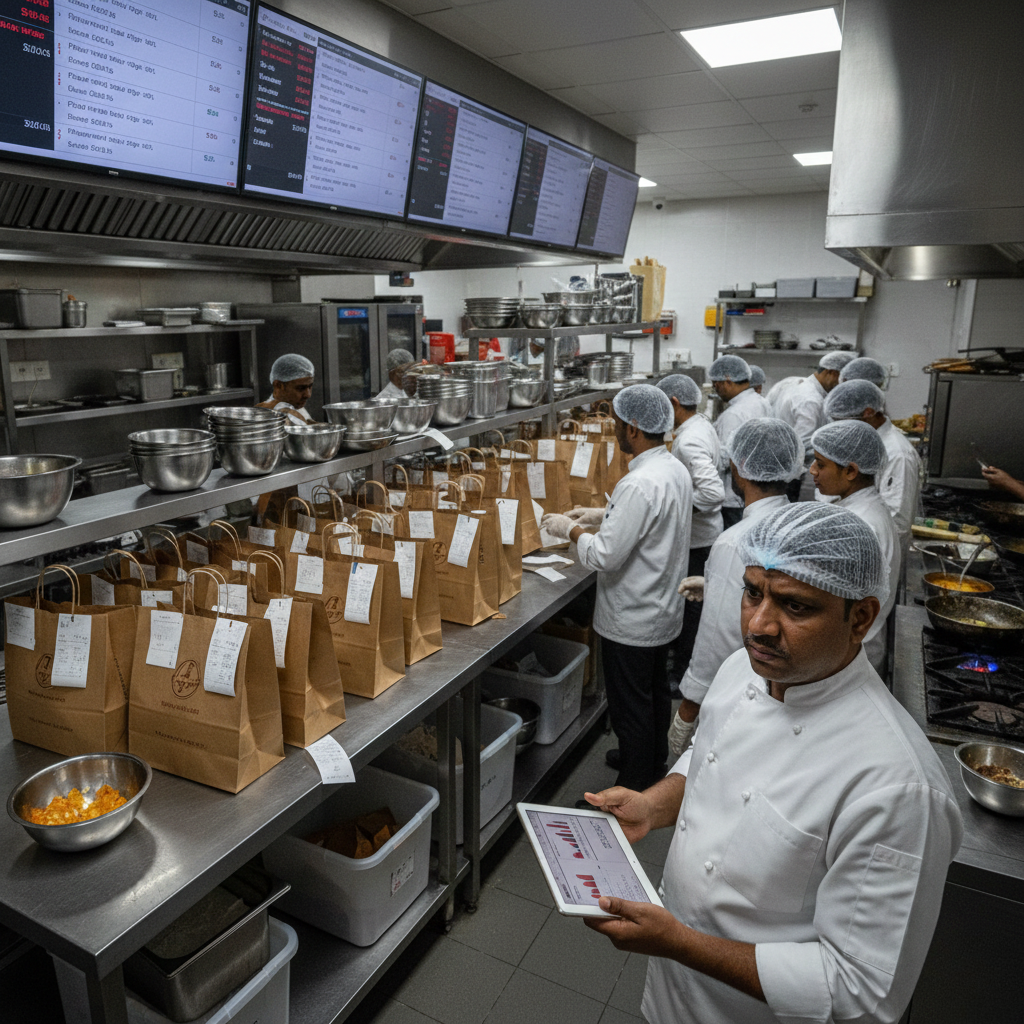
The Core Principle: Industry Leaders Scale Systems, Not Campaigns
Many kitchens experience temporary spikes: festive demand, influencer mentions, ad pushes.
Industry leaders build growth that compounds. They invest in: contribution margin stability, throughput optimization, dispatch reliability, rating protection, and repeat purchase triggers.
Brands that scale successfully treat kitchens like production environments not creative experiments.
1. Margin-First Growth (Not Revenue-First Growth)
Industry leaders never chase top-line blindly. They track contribution margin per order: Order Value – Commission – Packaging – Food Cost – Discount Burn – Refund Leakage.
Many kitchens lose ₹15–₹30 per order without realizing it. At 40 orders/day, it feels manageable. At 200 orders/day, it becomes catastrophic.
Understand the commission layer via Aggregator Commission Impact in India and refund leakage via Refunds & Cancellations Impact .
Leaders scale only when margin per order is predictable.
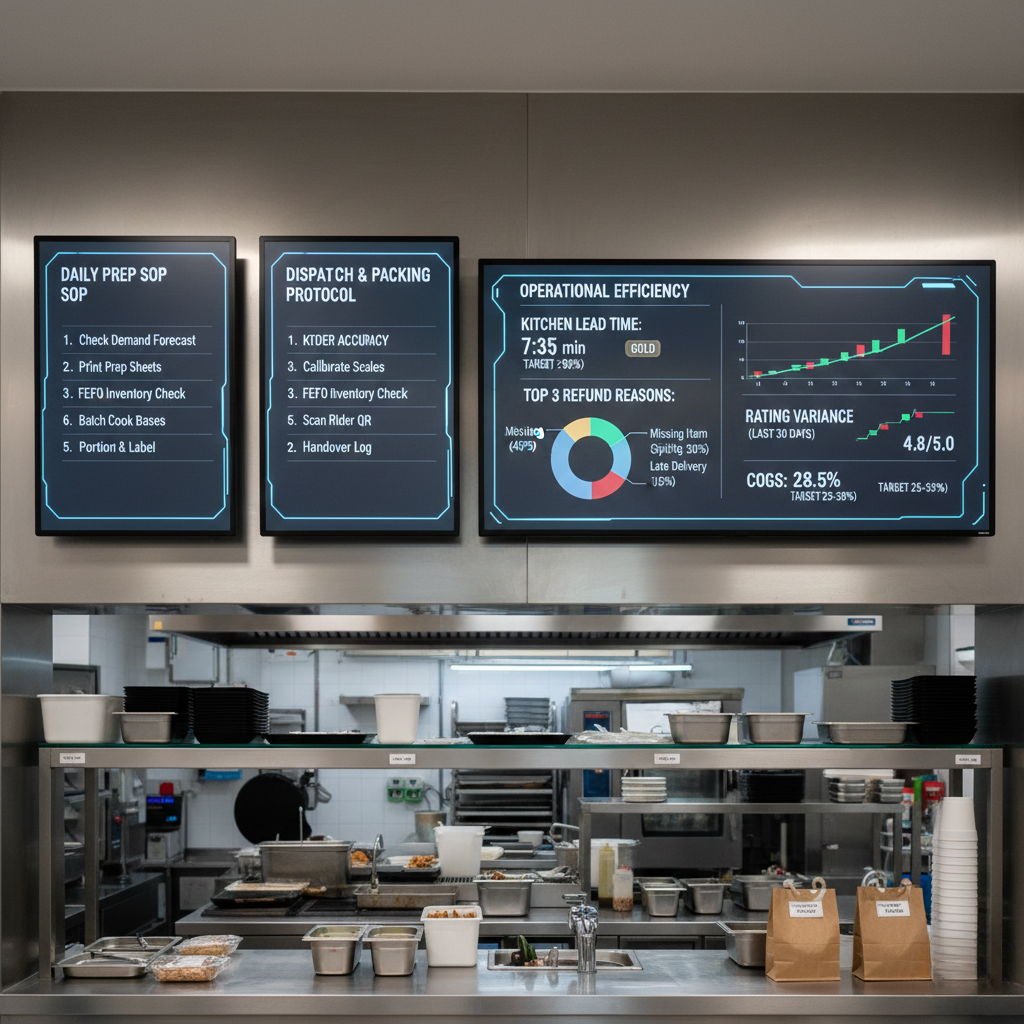
3. Dispatch Discipline: Where Growth Is Protected
Industry leaders obsess over dispatch. Wrong items, missing add-ons, spillage, late handover these kill ratings and distribution.
Protect growth through:
- Dedicated pack owner
- Final checklist gate
- Heat retention packaging
- Late dispatch monitoring
Framework reference: Cloud Kitchen Dispatch SOP .
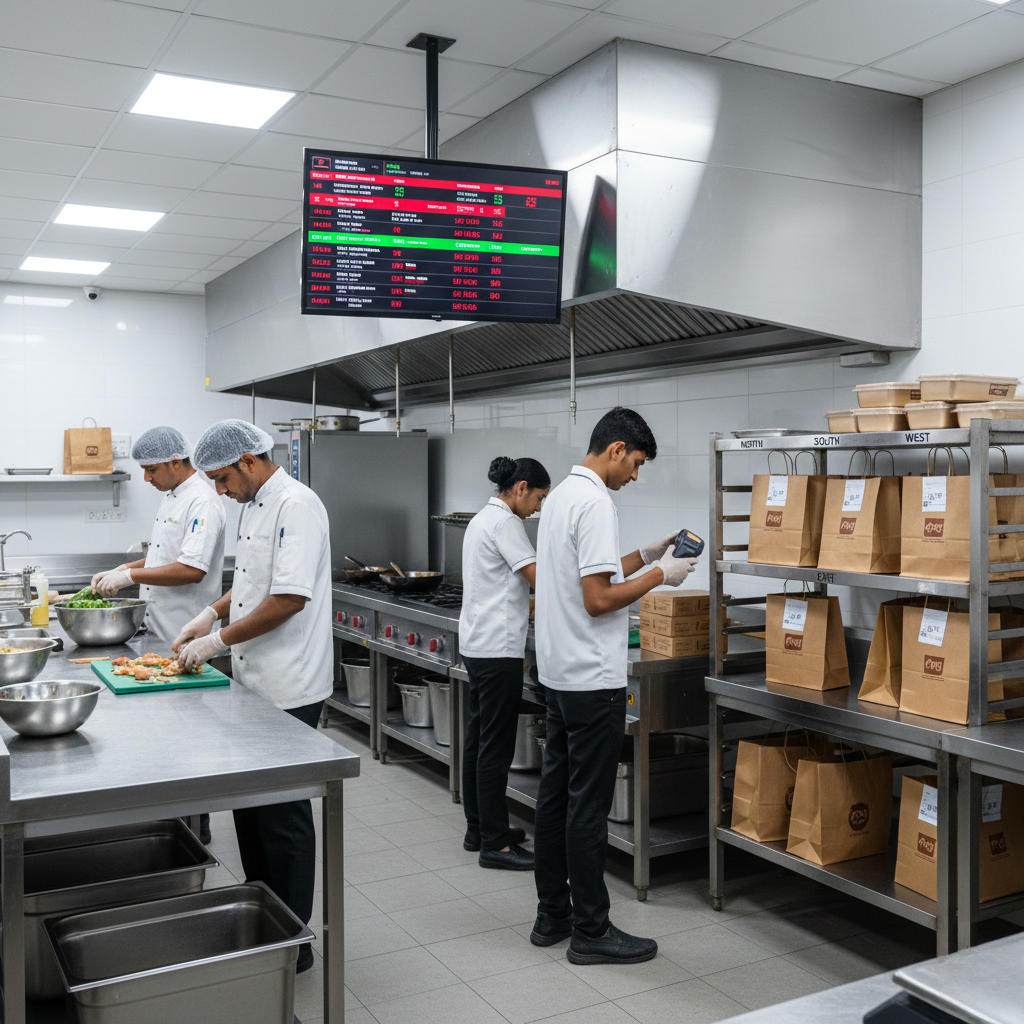
4. Weekly Data Feedback Loops
Industry leaders do not react emotionally. They run weekly system reviews.
Every week:
- Refund mapping by SKU
- Cancellation reason audit
- Late dispatch trend analysis
- Rating review clustering
- SKU-level margin drift check
Then one improvement decision. One controlled change. Not ten random experiments.
Process discipline reference: How Process Discipline Improves EBITDA .
5. Structured Multi-Location Expansion
Industry leaders never expand randomly. They stabilize one kitchen, document the system, then replicate.
Expansion models often include:
- Hub-and-spoke procurement
- Centralized base prep
- Standardized training modules
- Identical SOP replication
Detailed blueprint: Cloud Kitchen Expansion Strategy in India .
What Sustainable Growth Actually Looks Like
Industry leaders define growth differently:
- Stable 4.2+ rating benchmark
- Refund rate controlled weekly
- Dispatch SLA improving
- Consistent contribution margin across kitchens
- Reduced founder firefighting
If growth currently feels chaotic, diagnose here: When Growth Is Hurting Your Cloud Kitchen Operations .
Final Takeaway: Growth Is a Byproduct of Stability
The biggest lesson from industry leaders: scale stability first.
When portion control is tight, dispatch is reliable, margin is protected, procurement is disciplined, and weekly data loops exist growth compounds.
To explore system-led scaling frameworks, visit GrowKitchen. System-driven brands like Fruut and GreenSalad operate on repeatable growth principles.
FAQs: Cloud Kitchen Growth Strategies
What is the fastest growth lever?
Fix margin leakage and dispatch reliability first. Ads amplify stability.
Should I expand before fixing refunds?
No. Expansion multiplies leakage. Stabilize before replication.
How do industry leaders protect ratings?
Through dispatch gates, SKU simplification, and weekly feedback loops.
Is marketing not important?
Marketing works best when operations are stable. Otherwise, it amplifies problems.