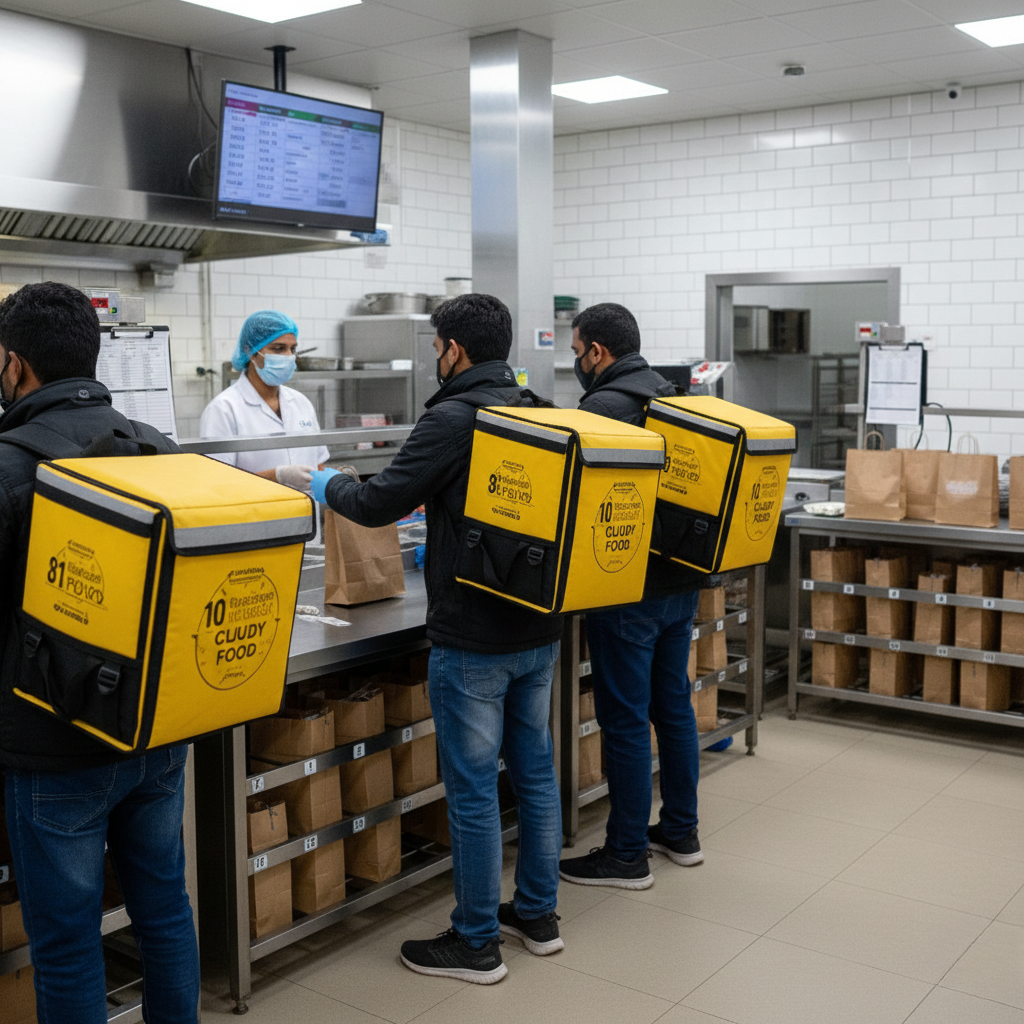
7 Powerful Lessons from How GrowKitchen Scaled Multiple Cloud Kitchens Across India
How GrowKitchen scaled multiple cloud kitchens across India is not a “more ads” story or a “lucky viral brand” story. It is a systems story. Most cloud kitchens can grow orders for a week. Very few can scale across locations without margin drift, refund spikes, rating drops, and founder-dependent firefighting. This case-style guide breaks down exactly how GrowKitchen scaled multiple cloud kitchens across India using unit economics control, SOP depth, role-based execution, dispatch gates, procurement discipline, and weekly data loops that make outcomes repeatable so brands can scale without chaos.
How GrowKitchen Scaled Multiple Cloud Kitchens Across India Without Scaling Chaos
How GrowKitchen scaled multiple cloud kitchens across India sounds like a marketing headline. In reality, scaling delivery kitchens across cities is an operational physics problem. Volume increases variability. More kitchens multiply exceptions. More staff multiplies inconsistency. And aggregator platforms punish instability faster than founders can react.
That’s why many multi-city cloud kitchen expansions fail in the same way: one location performs well, two locations perform okay, and by the third or fourth location ratings fragment, refunds rise, food cost drifts, dispatch becomes unpredictable, and profit disappears.
GrowKitchen’s scaling approach is built on one principle: replicate systems, not supervision. The goal is not “more kitchens.” The goal is “same outcomes across kitchens.” That is the real answer to how GrowKitchen scaled multiple cloud kitchens across India.
If you want the profitability foundation lens first, start with Cloud Kitchen Profitability Consultant in India and identify leak patterns using Common Operational Mistakes in Cloud Kitchens .
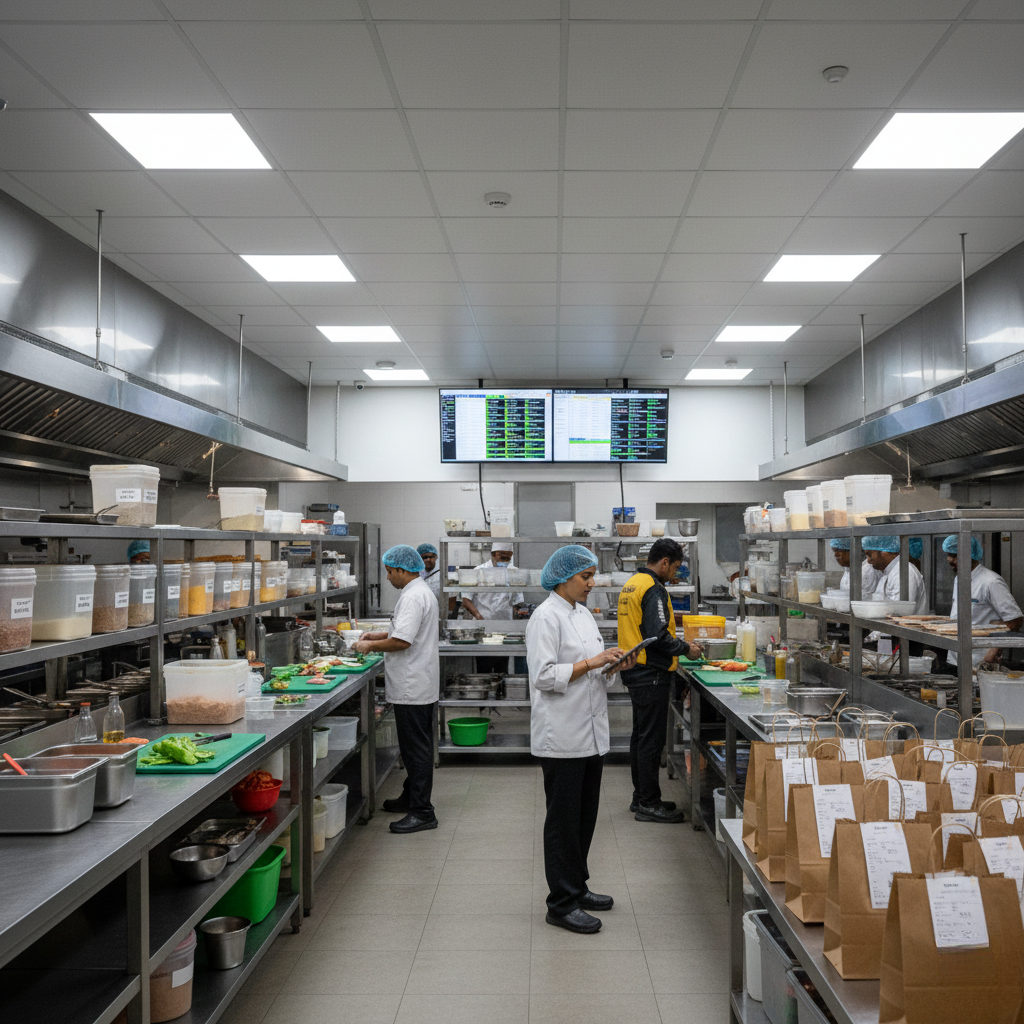
The Real Problem GrowKitchen Solves: Scaling Outcomes, Not Just Outlets
Most founders think expansion is about new locations. GrowKitchen treats expansion as an outcomes problem: can your kitchen maintain the same product quality, dispatch reliability, customer experience, and profitability as volume rises?
Because in aggregator-led businesses, stability is distribution. And distribution is revenue. But stable distribution only happens when your reliability signals stay healthy: ratings, refunds, cancellations, late dispatch, complaint rate.
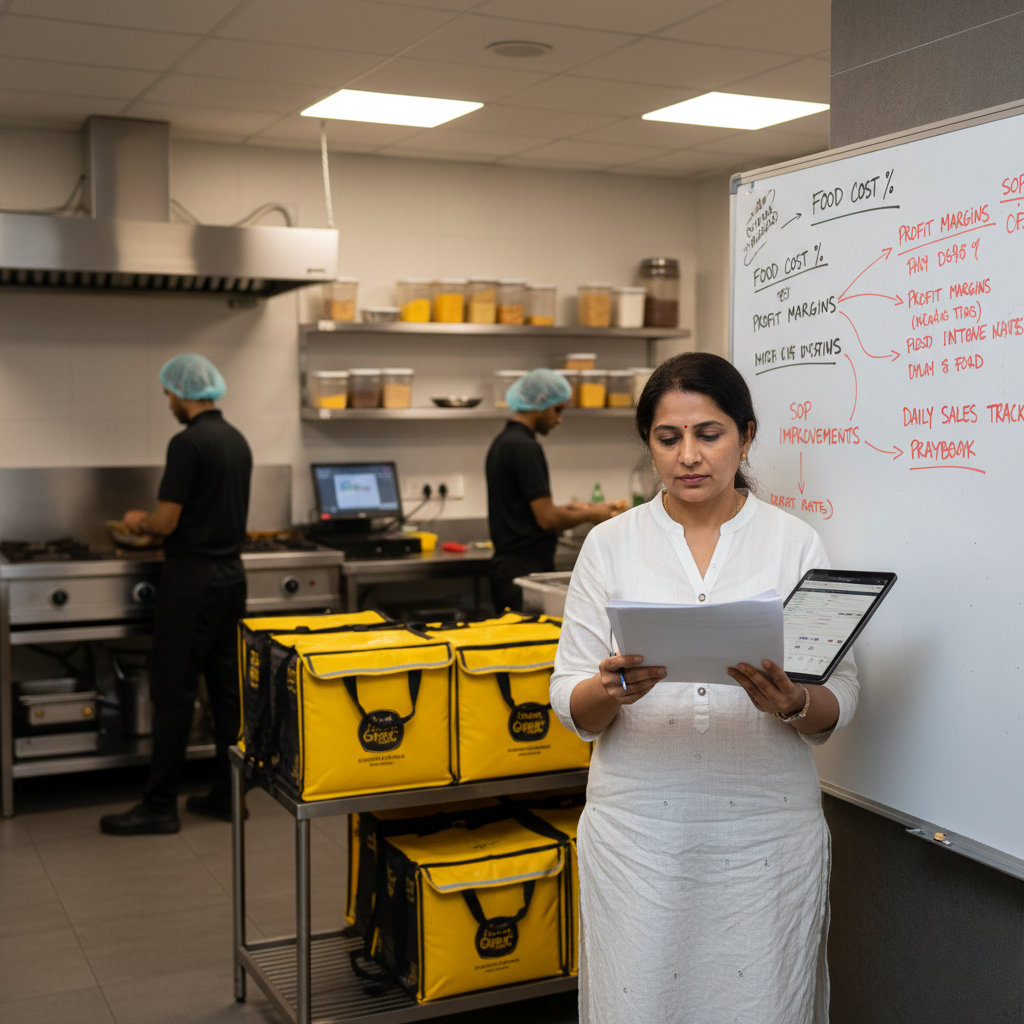
GrowKitchen scales kitchens by installing an operating system: SOP depth + role clarity + station gates + dashboards + weekly reviews. This is why the same playbook can work across different cuisines, brands, and cities. It is also central to understanding how GrowKitchen scaled multiple cloud kitchens across India with repeatable execution.
The Profit-First Lens: Why GrowKitchen Doesn’t Scale Orders Before Scaling Margin
The biggest mistake in cloud kitchen expansion is scaling demand before margin is protected. Ads can increase volume quickly. But if your contribution margin per order is unstable, higher volume simply accelerates losses.
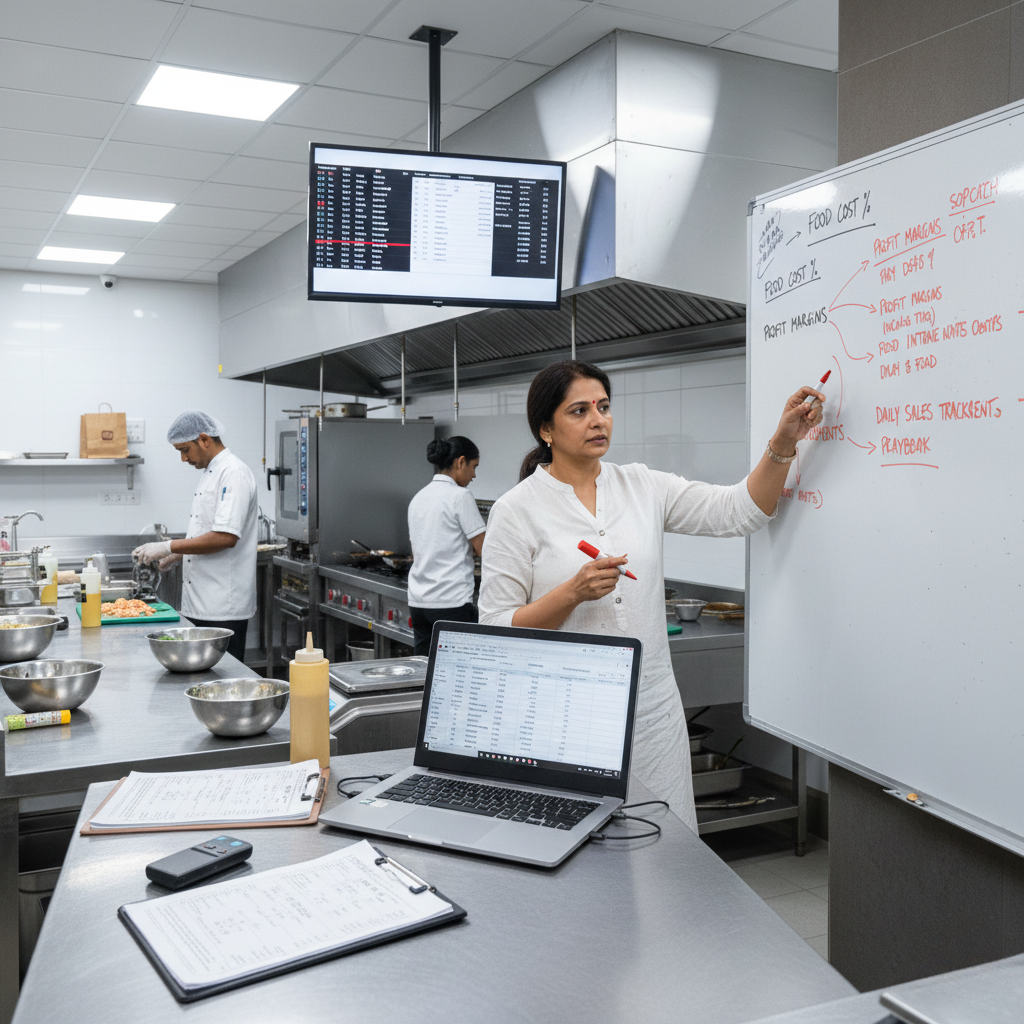
GrowKitchen starts every scaling plan with contribution margin clarity: Order Value minus commission, packaging, food cost, discount burn, and refund leakage equals what you actually keep per order.
Why this matters: a kitchen leaking ₹15–₹25 per order may not feel broken at 30–40 orders/day. At 200 orders/day, it becomes a payout collapse. Profit protection is one of the strongest reasons how GrowKitchen scaled multiple cloud kitchens across India became a systems case study rather than just a growth story.
If you want the commission layer clarity, read Aggregator Commission Impact in India and the leakage layer via Refunds and Cancellations Impact on Cloud Kitchen Profitability .
External platform policy context: Swiggy Refund Policy and Zomato Online Ordering Terms .
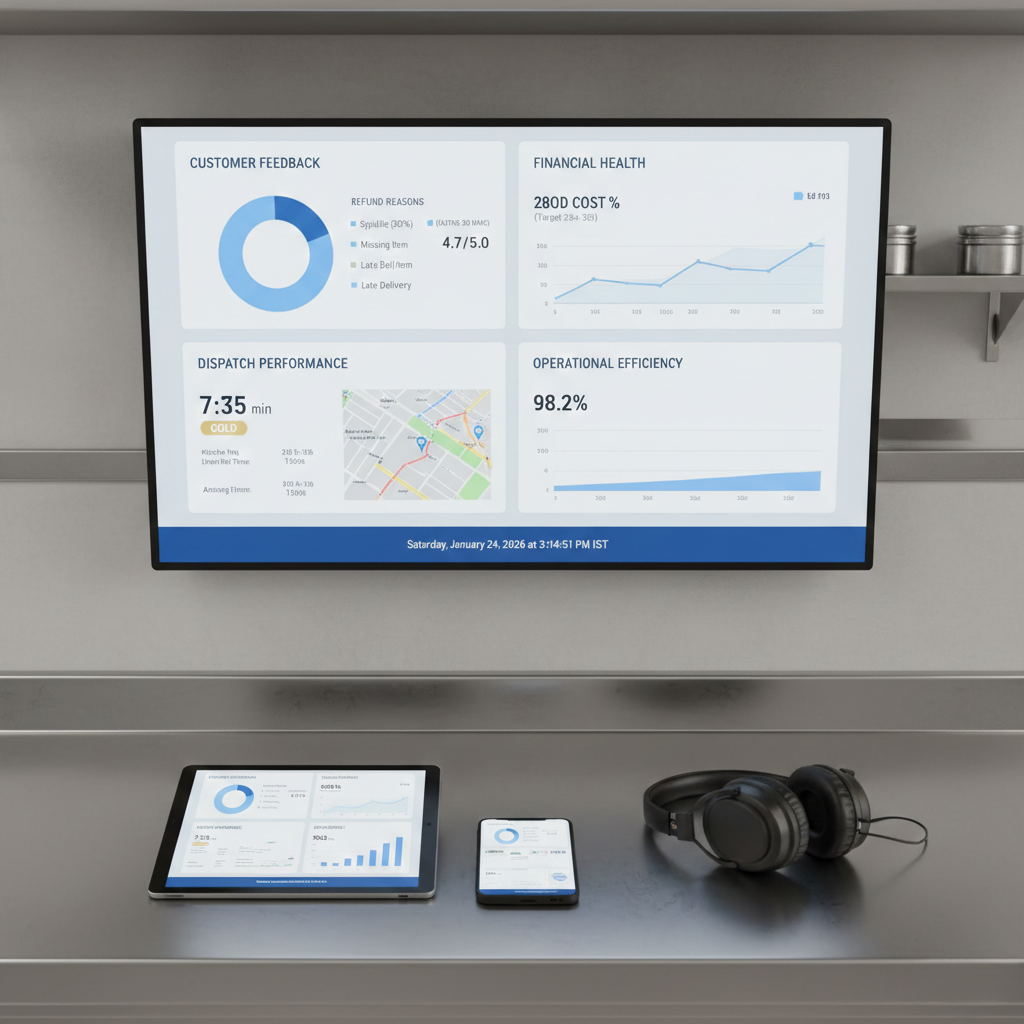
The GrowKitchen Scaling Method: 6 Systems That Make Replication Possible
Scaling across kitchens fails when founders rely on people memory. People change. Kitchens change. Rush changes behavior. GrowKitchen solves replication by turning execution into systems.
Here are the 6 systems that make multi-kitchen scaling predictable and explain how GrowKitchen scaled multiple cloud kitchens across India with control:
1) SOP Depth, Not SOP PDFs
SOPs are built as execution controls:
weights, tools, sequence, holding time, discard rules, and station handoffs.
This reduces variation across staff and shifts.
2) Dispatch Gates
Dispatch is where most margin dies:
wrong items, missing add-ons, spillage, late handovers, and refund triggers.
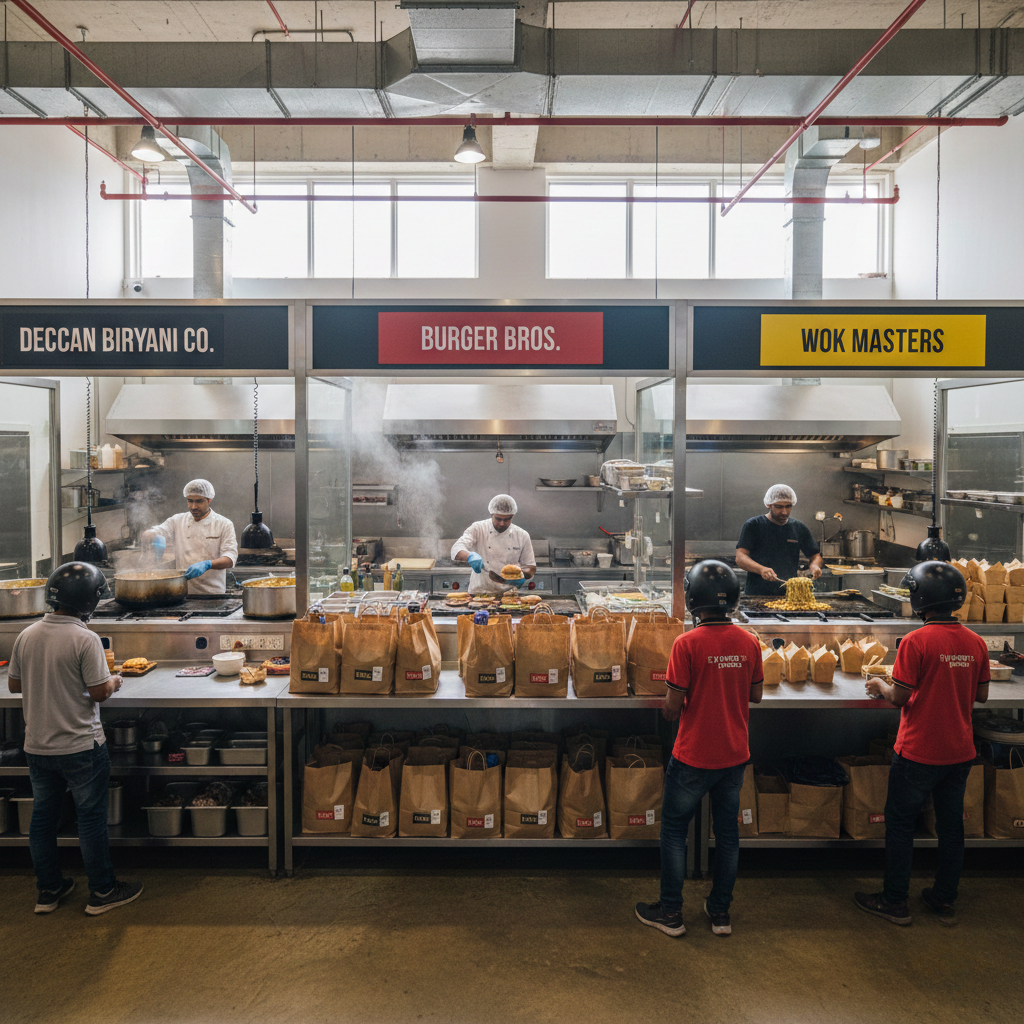
GrowKitchen installs a packing + dispatch gate system using:
Cloud Kitchen Dispatch SOP.
3) Role-Based Execution
Multi-kitchen operations collapse when everyone does everything.
GrowKitchen uses role clarity:
prep owner, station cook owner, pack owner, dispatch owner, audit owner.
Framework reference:
Role-Based Kitchen Operations Explained.
4) Menu Engineering for Throughput
Kitchens don’t scale when menus scale uncontrollably.
GrowKitchen simplifies SKUs, standardizes base components, and builds combos and add-ons
that increase AOV without increasing station complexity.
If you’re loss-making, start here:
How to Fix a Loss-Making Cloud Kitchen.
5) Procurement and Spec Discipline
Scaling across cities breaks when vendor quality drifts.
GrowKitchen uses spec sheets, receiving checks, and rate controls for top RM drivers
like proteins, dairy, packaging, sauces, and oils so quality and yields remain stable.
6) Weekly Data Feedback Loop
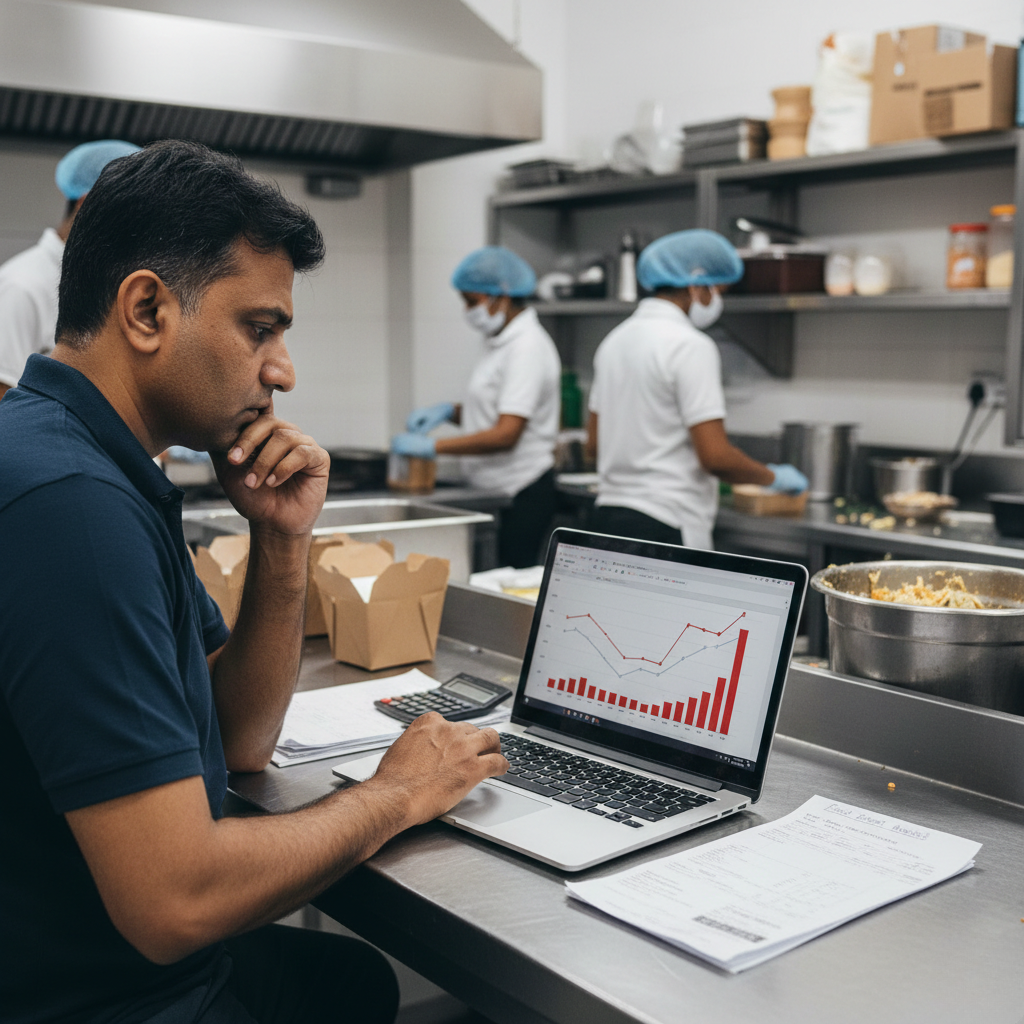
Data is only useful when it upgrades the system.
GrowKitchen runs a weekly loop:
refunds mapping, cancellation reasons, late dispatch trend, SKU margin drift,
then one SOP improvement decision per week.
Reference:
How Process Discipline Improves EBITDA.
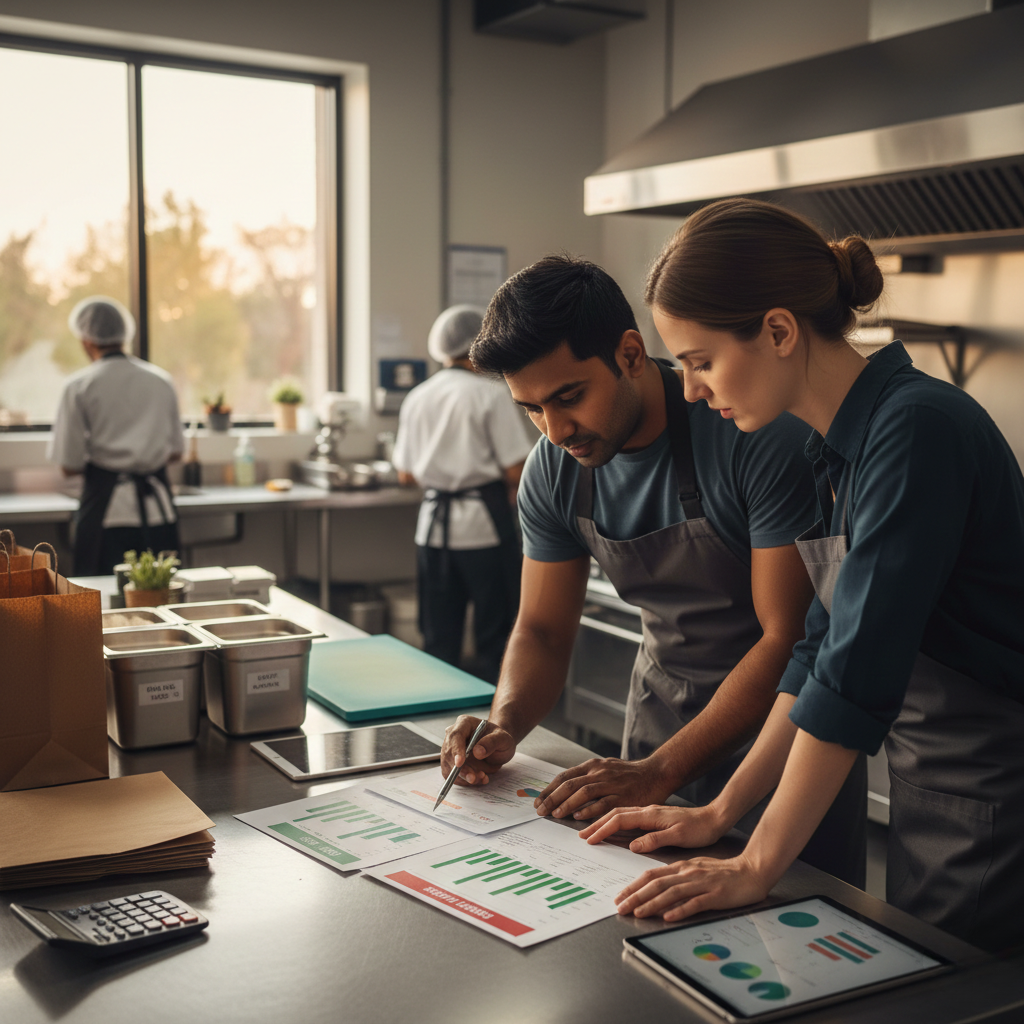
How GrowKitchen Expands: Hub-and-Spoke Plus Replication, Not Random Launches
Most expansions are reactive: a new location becomes available, a partner calls, a kitchen is rented, and the founder tries to make it work. That approach creates inconsistency.
GrowKitchen expands systematically: stabilize one kitchen’s outcomes, document what makes them stable, replicate the same operating system to the next kitchen, audit, then scale.
For the detailed expansion framework, read: Cloud Kitchen Expansion Strategy in India .
In many cases, GrowKitchen uses a hub-and-spoke approach: centralized procurement and base prep discipline, with location kitchens focusing on final assembly and dispatch. This reduces variability, improves throughput, and makes training easier. This structured replication model is a major part of how GrowKitchen scaled multiple cloud kitchens across India.
What Scaling Successfully Looks Like in GrowKitchen’s Model
GrowKitchen doesn’t define success as more outlets. GrowKitchen defines success as stable outcomes across outlets.
In practice, successful scaling looks like:
- Stable contribution margin per order across kitchens
- Refund rate controlled and mapped weekly
- Dispatch predictability improving, not deteriorating
- Ratings stable above a healthy threshold, often 4.2+ as a working benchmark
- Menu complexity reduced without reducing customer choice through smart architecture
- Founders spending less time firefighting and more time growing channels
If growth is currently hurting operations, this guide helps diagnose: When Growth Is Hurting Your Cloud Kitchen Operations .
These outcomes explain how GrowKitchen scaled multiple cloud kitchens across India while keeping execution predictable, not founder-dependent.
Final Takeaway: GrowKitchen Scales Kitchens by Scaling Systems First
The reason GrowKitchen can scale multiple kitchens is not more manpower. It’s not better marketing. It’s not a secret trick. It’s system replication.
When systems are deep: portions stay controlled, dispatch stays accurate, refunds reduce, ratings stabilize, and platform distribution improves naturally. At that point, ads work better, expansion becomes safer, and founders can focus on growth without constant operational panic.
That is the real story of how GrowKitchen scaled multiple cloud kitchens across India: not by chasing random growth, but by building a repeatable operating system that protects quality, margin, and consistency as scale increases.
To explore GrowKitchen’s operating model and frameworks, visit GrowKitchen. Operating partner brands like Fruut and GreenSalad follow system-led scaling principles for repeatable execution.
FAQs: How GrowKitchen Scaled Multiple Cloud Kitchens Across India
Is GrowKitchen a kitchen space provider or an operating system?
GrowKitchen focuses on operating systems: SOP depth, dashboards, role clarity, dispatch gates, and replication frameworks.
What is the fastest way GrowKitchen improves profitability?
Portion control, packing and dispatch gates, and refund mapping. These remove the most common leakage points first.
Does GrowKitchen help in multi-location expansion?
Yes. Expansion is approached through replication fidelity: same SOPs, same procurement specs, same audits, and same station gates.
What should a founder track weekly while scaling?
Contribution margin, refund reasons, cancellation reasons, late dispatch percentage, rating trend, and SKU margin drift.
- Cloud Kitchen Profitability Consultant in India
- Common Operational Mistakes in Cloud Kitchens
- Cloud Kitchen Dispatch SOP
- Role-Based Kitchen Operations Explained
- Cloud Kitchen Expansion Strategy in India
- Aggregator Commission Impact in India
- Refunds and Cancellations Impact
- Marketing Spend vs ROI
- Process Discipline Improves EBITDA
- How to Fix a Loss-Making Cloud Kitchen
- CKaaS vs Own Kitchen ROI Comparison
- When Growth Hurts Operations