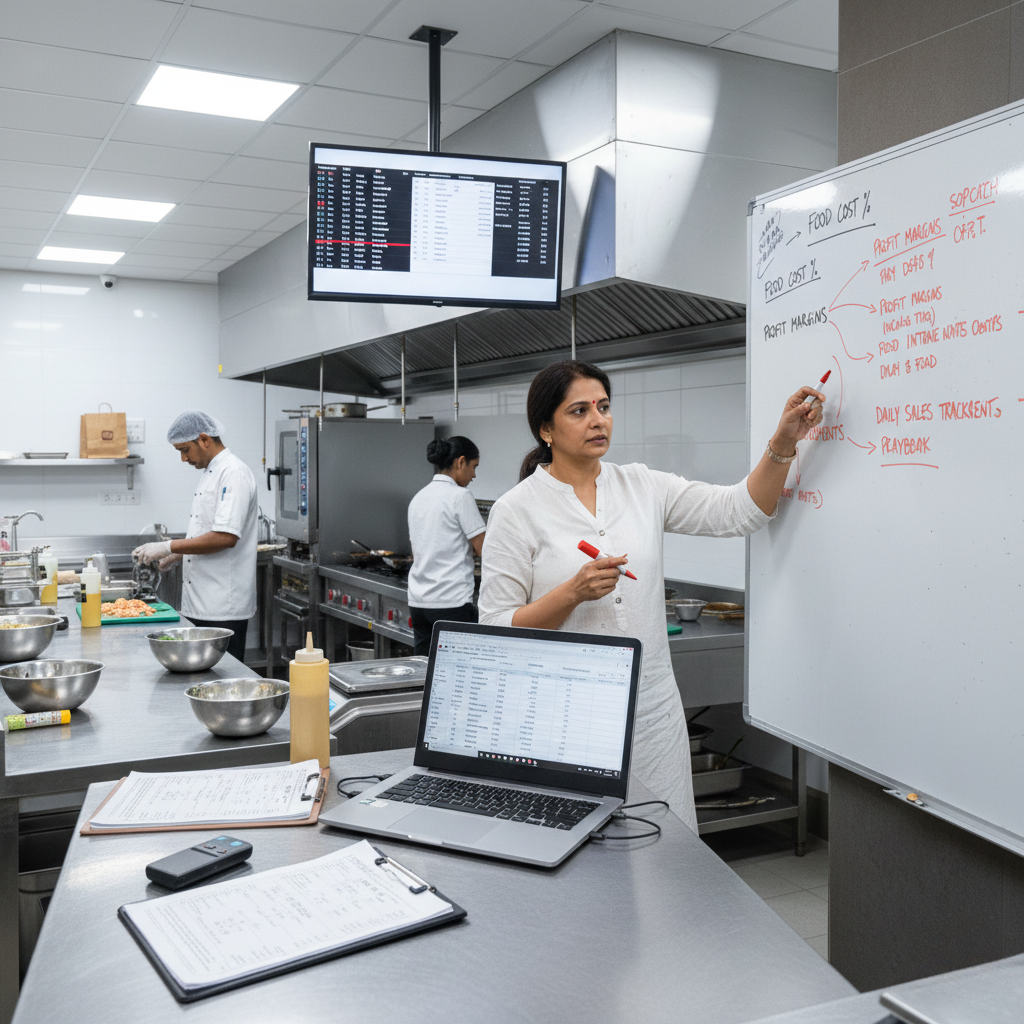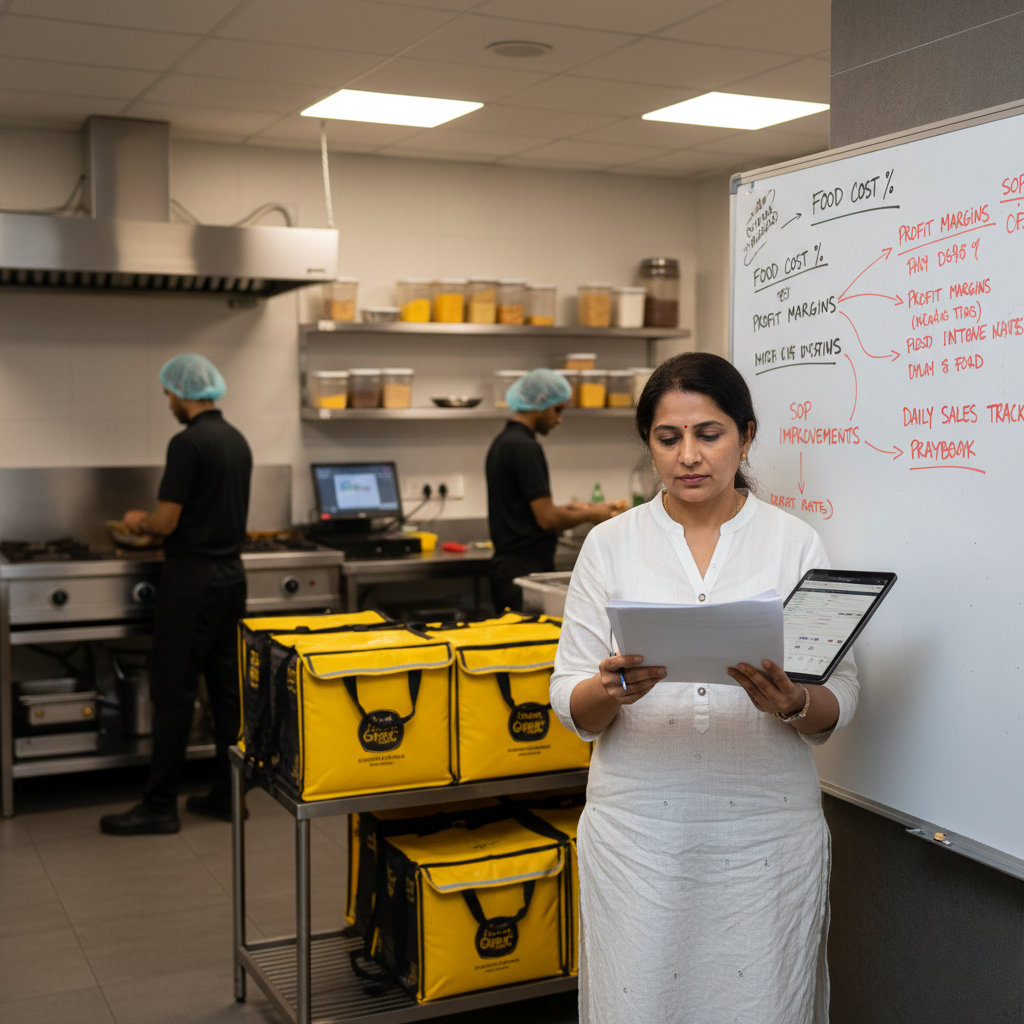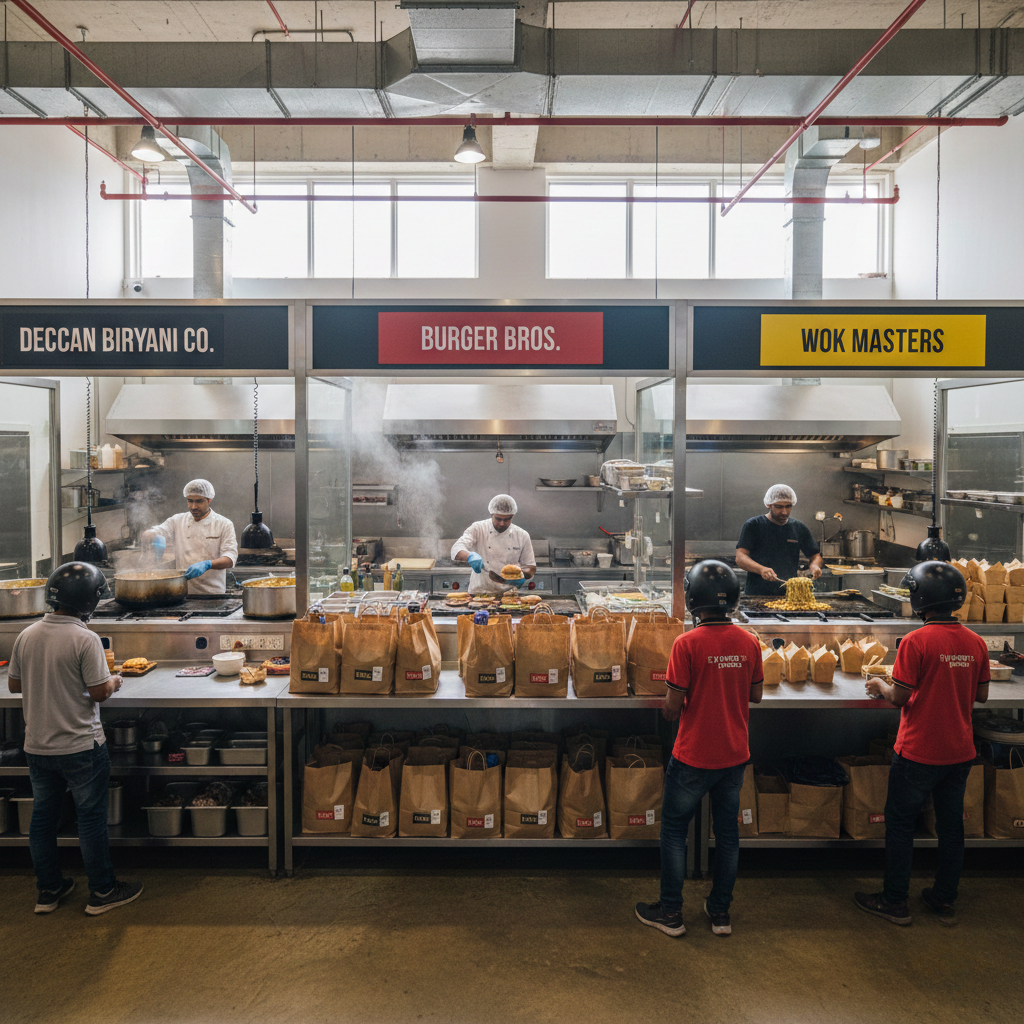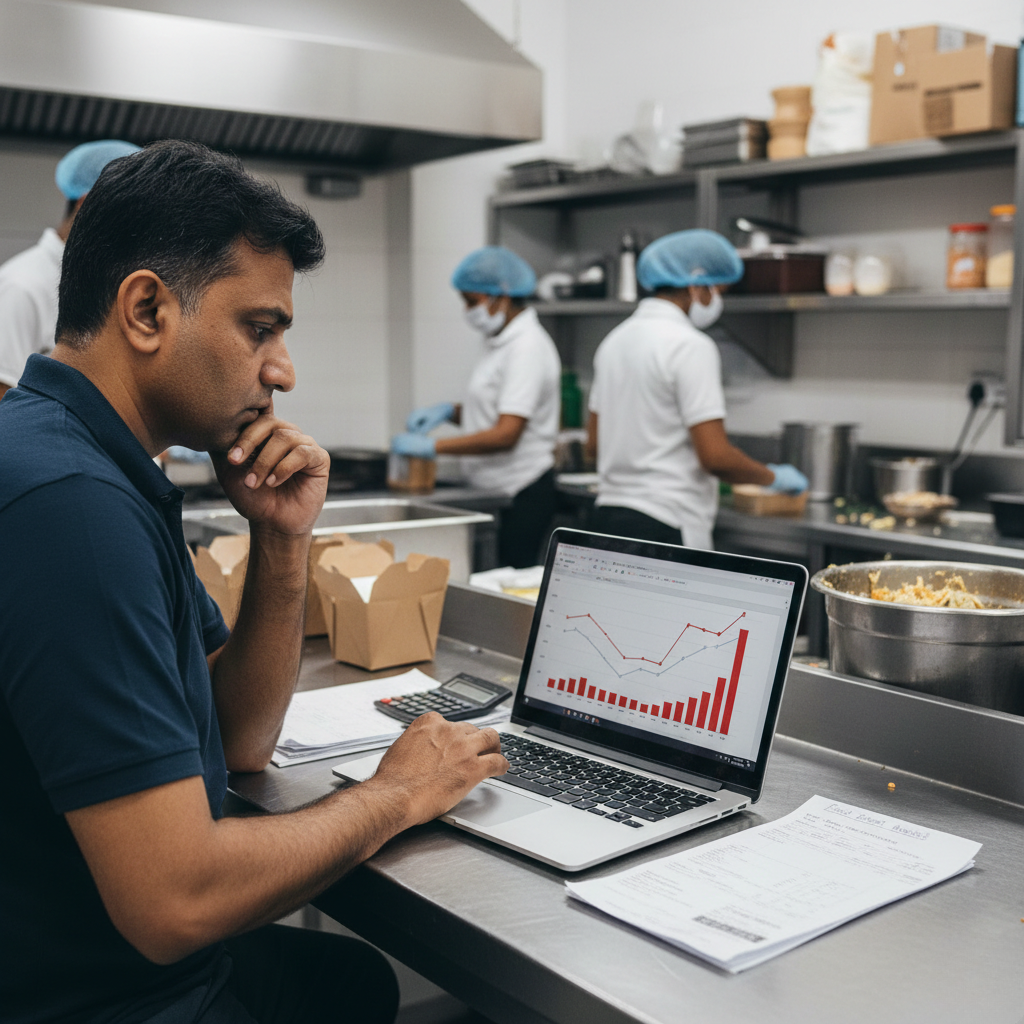

Use Data to Optimize Cloud Kitchen Profitability in 2026-it is essential for survival. Many cloud kitchens operate with strong order volumes and active aggregator presence, yet struggle to convert revenue into consistent profit.
The difference between reactive kitchens and scalable kitchens lies in structured data usage. This step-by-step guide explains how to Use Data to Optimize Cloud Kitchen Profitability in 2026, strengthen margins, and reduce operational leakage.
Why Data Is the Foundation to Use Data to Optimize Cloud Kitchen Profitability in 2026
Revenue shows activity. Data shows direction. Without structured tracking, founders rely on instinct rather than measurable performance indicators.
As explained in Cloud Kitchen Profitability Data-Driven Approach and why cloud kitchen profits decline despite good sales , growth without metric discipline can silently weaken margins.
When you consistently use data to optimize cloud kitchen profitability in 2026, you can:
- Identify high and low contribution menu items
- Track real food cost instead of estimated cost
- Align staffing with demand patterns
- Control discount impact on margins
- Monitor inventory efficiency
Step 1: Track Contribution Margin to Use Data to Optimize Cloud Kitchen Profitability
Contribution margin is the most critical profitability metric when you use data to optimize cloud kitchen profitability in 2026.
Contribution Margin = Selling Price − Variable Costs
Variable costs include:
- Ingredient cost
- Packaging cost
- Aggregator commissions
- Discount value
- Advertising spend
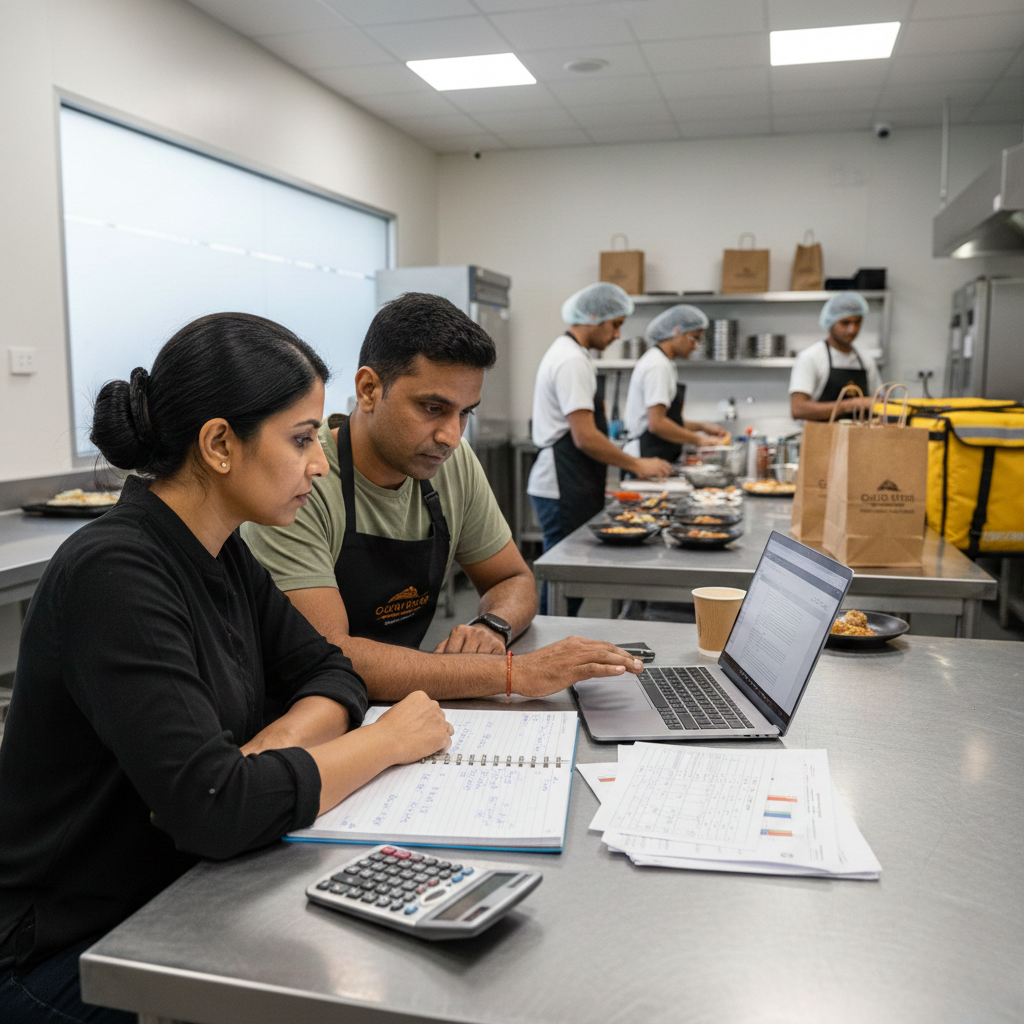
Tracking contribution margin per SKU helps identify which items scale profitably and which items create revenue illusion without real returns.
Step 2: Measure and Stabilize Food Cost Percentage Using Data
Food cost directly influences your ability to use data to optimize cloud kitchen profitability in 2026.
Food Cost % = (Total Ingredient Cost / Total Sales) × 100
Small portion deviations can inflate monthly food cost significantly if not monitored daily.
- Implement gram-based recipe SOPs
- Track daily production variance
- Monitor waste levels
- Audit high-cost ingredients weekly
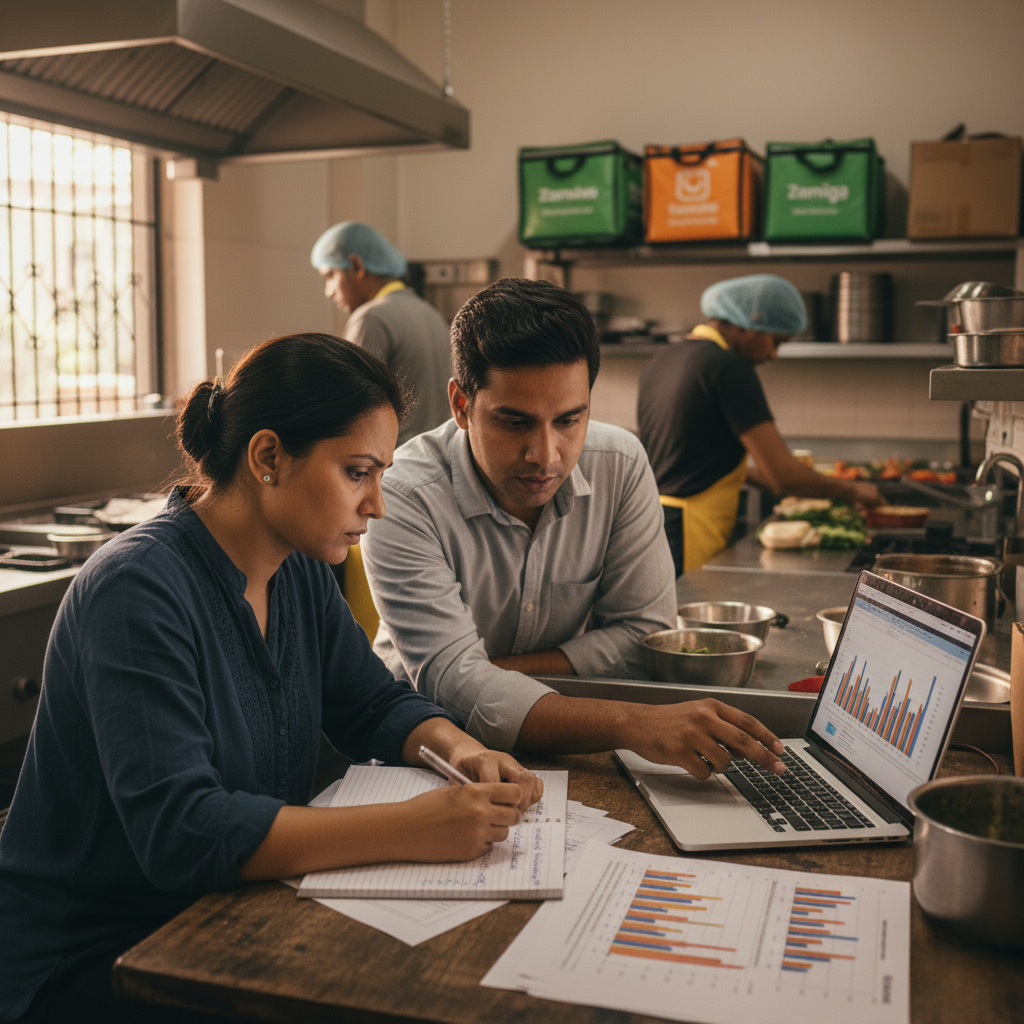
Data-driven portion control ensures food cost remains within target range.
Step 3: Analyze Labor Efficiency by Shift with Data
Labor is one of the largest fixed costs in cloud kitchen operations. To use data to optimize cloud kitchen profitability in 2026, labor alignment is essential.
Labor Cost % = (Total Staff Cost / Total Revenue) × 100
Instead of fixed staffing, use demand data to schedule team members based on order trends.
- Track hourly order volume
- Compare peak vs non-peak staffing
- Measure output per staff member
Demand-aligned scheduling reduces idle payroll and improves shift productivity.
Step 4: Improve Average Order Value (AOV) Using Data
AOV = Total Revenue / Total Orders
When you use data to optimize cloud kitchen profitability in 2026, AOV becomes a powerful growth lever.
- Design high-margin combo meals
- Recommend add-ons strategically
- Promote high-contribution SKUs
- Bundle slow-moving items with popular dishes
Even small AOV improvements compound significantly over monthly order volumes.
Step 5: Control Discount-to-Sales Ratio Using Data Insights
Discounting increases order count but may compress margins if not controlled.
Track:
- Total discount spend per day
- Discount % of revenue
- Contribution margin after discount
More warning signs are discussed in Key Profitability Metrics for Cloud Kitchens .
Step 6: Monitor Inventory Turnover and Waste Using Data
Inventory data reveals hidden cash flow issues.
- Track weekly consumption rates
- Monitor slow-moving stock
- Implement FIFO practices
- Align purchasing with demand forecasts
Inventory discipline stabilizes food cost and protects working capital.
Step 7: Build a Daily Profitability Dashboard to Use Data to Optimize Cloud Kitchen Profitability
High-performing cloud kitchens review profitability daily, not monthly.
- Daily contribution margin summary
- Food cost movement
- Labor efficiency per shift
- Discount impact tracking
- Inventory alerts
Daily dashboards prevent month-end financial surprises.
Common Mistakes While Using Data for Profit Optimization
- Tracking revenue without tracking margin
- Ignoring small food cost drift
- Running discounts without contribution analysis
- Overstaffing based on habit
- Not reviewing SKU-level profitability
How Structured Systems Strengthen Data-Based Profitability
Systems convert raw data into actionable clarity and help use data to optimize cloud kitchen profitability in 2026 effectively.
- Recipe standardization ensures cost stability
- Role clarity improves labor efficiency
- Inventory forecasting reduces waste
- Contribution dashboards improve decision-making
The Strategic Shift: From Guesswork to Measurable Execution
When founders use data consistently, operational stress decreases.
Clarity replaces instinct. Structure replaces firefighting. Metrics replace emotional decisions.
Long-Term Stability Through Data Discipline
Using data to optimize cloud kitchen profitability in 2026 is not about complexity-it is about consistency.
- Track daily
- Review weekly trends
- Adjust monthly strategy
- Align operations with metrics
Profit is engineered through disciplined data interpretation.
Final Thoughts on Using Data to Optimize Cloud Kitchen Profitability in 2026
Revenue growth without data discipline creates volatility. Using structured data transforms unpredictable margins into stable profitability.
When contribution, food cost, labor efficiency, AOV, and inventory are monitored consistently, growth strengthens the business instead of destabilizing it.
Still Have Questions?
For operational and profitability guidance, read the Grow Kitchen FAQs .
You may also explore:
- Data-Driven Decisions for Cloud Kitchen Profitability
- Building Profitable Cloud Kitchen Data-Backed Roadmap
- Cloud Kitchen Profitability Dashboard
- Data-Driven Cloud Kitchen Consulting Services
- Cloud Kitchen Profitability Audit
- Maximize Cloud Kitchen Profit with Data-Driven Strategies