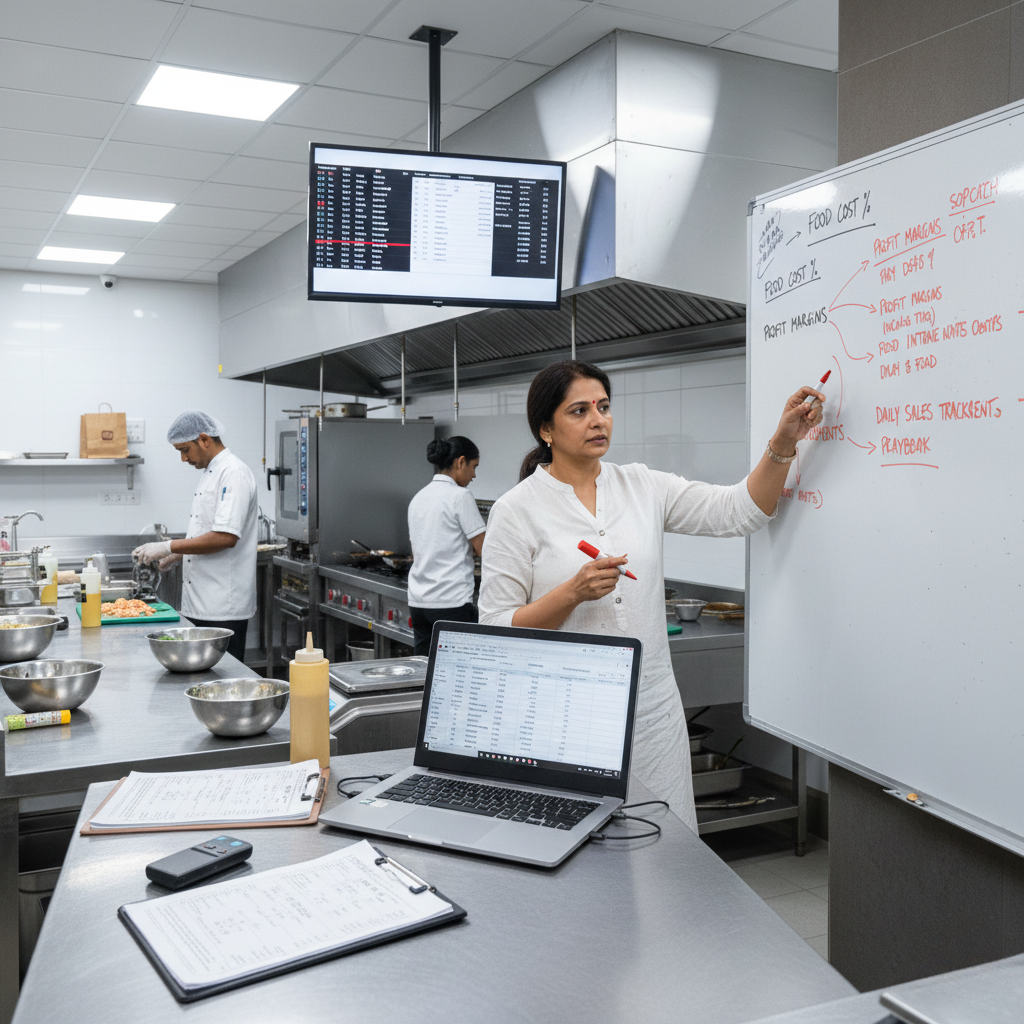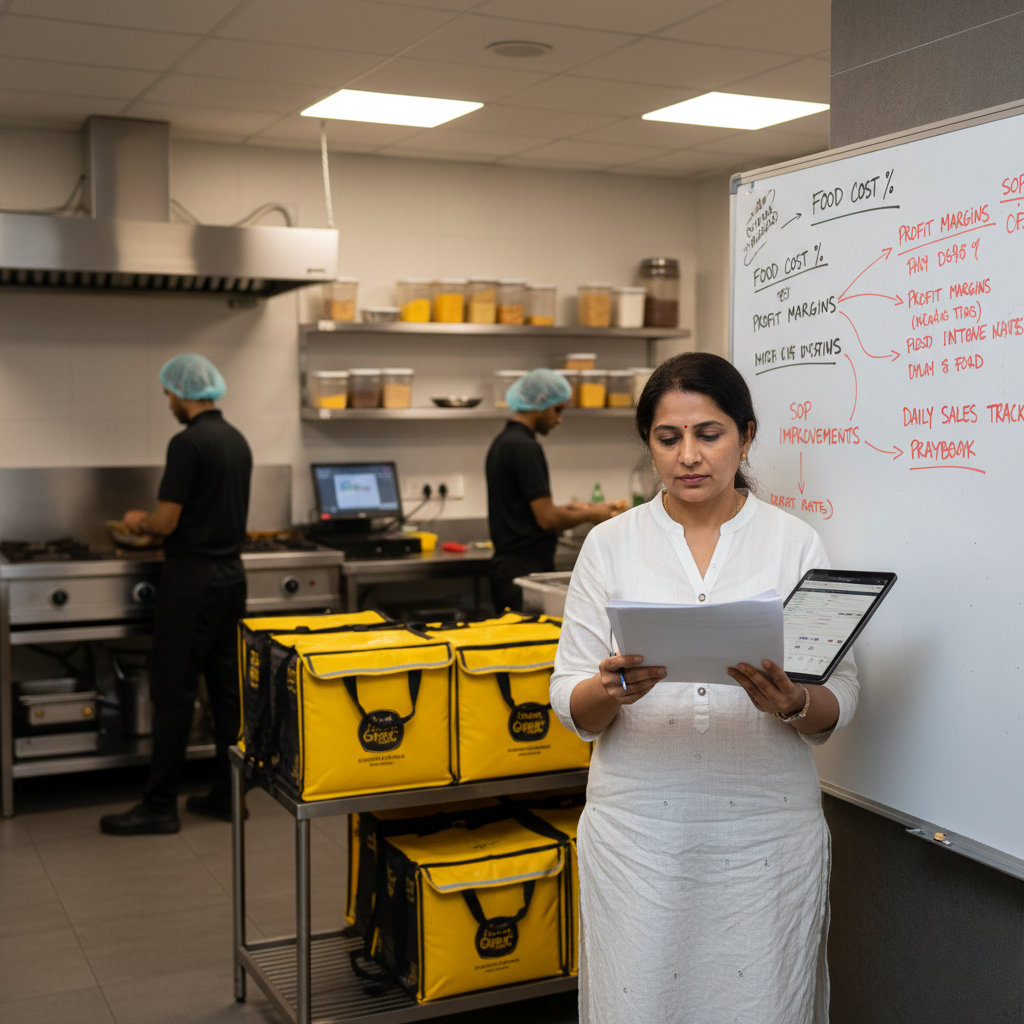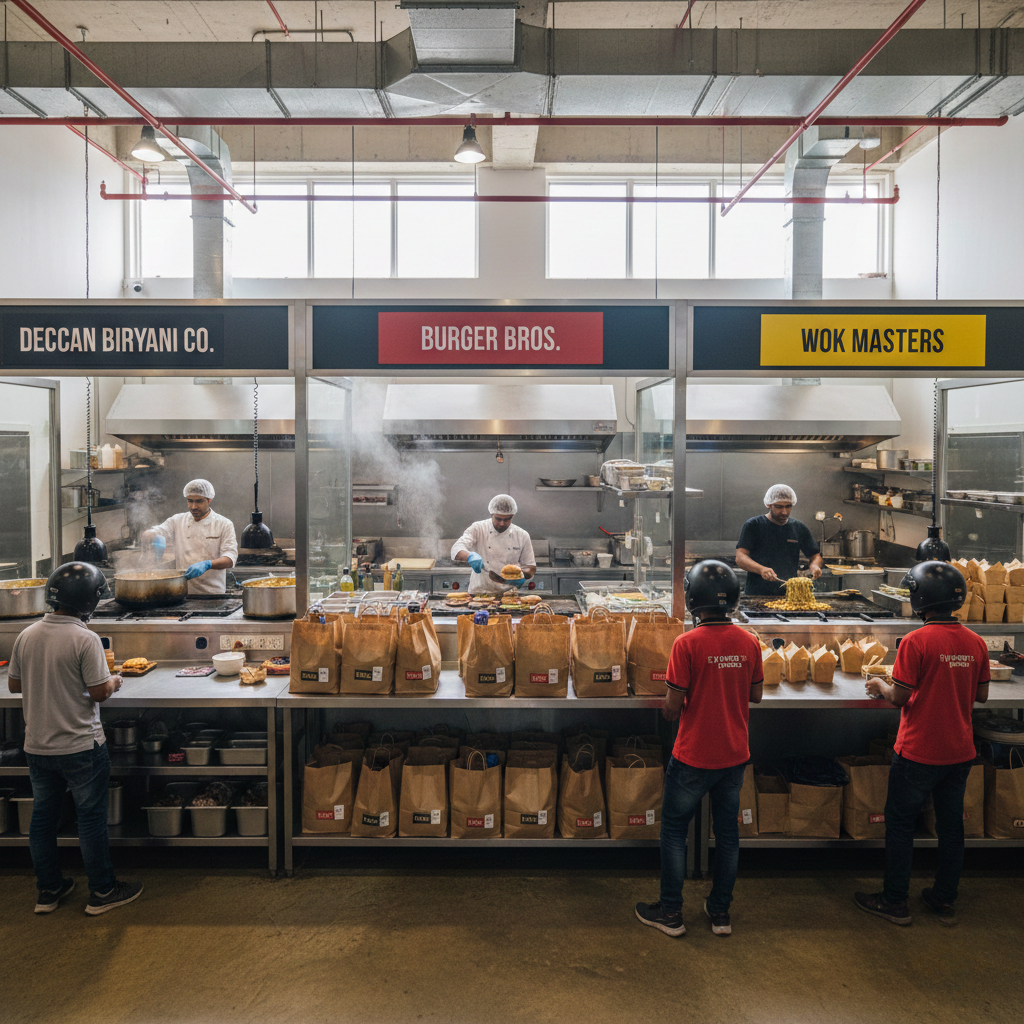

Understanding the key profitability metrics for cloud kitchens is essential for long-term sustainability. Many cloud kitchens generate impressive revenue numbers, high daily order volumes, and strong aggregator visibility-yet still struggle with unpredictable profits.
The difference between busy kitchens and profitable kitchens lies in tracking and improving the right financial indicators. This guide explains the most important key profitability metrics for cloud kitchens, how they influence operational stability, and how structured systems like CKaaS help transform revenue into predictable margins.
Why Key Profitability Metrics for Cloud Kitchens Matter More Than Revenue
Revenue reflects activity. Profitability reflects health. Without monitoring the key profitability metrics for cloud kitchens, founders often mistake sales growth for financial stability.
As explained in & why cloud kitchen profits decline despite good sales, rapid growth without margin discipline can actually accelerate financial leakage.
Tracking the key profitability metrics for cloud kitchens allows founders to identify:
- Which menu items generate real contribution
- Whether discounts are damaging margins
- If labor is aligned with demand
- Where inventory wastage is occurring
The Most Important Key Profitability Metrics for Cloud Kitchens
1. Contribution Margin-The Core Profitability Indicator
Contribution margin is the foundation of all key profitability metrics for cloud kitchens.
Contribution Margin = Selling Price-Variable Costs
Variable costs include:
- Ingredient cost
- Packaging cost
- Aggregator commissions
- Discount value
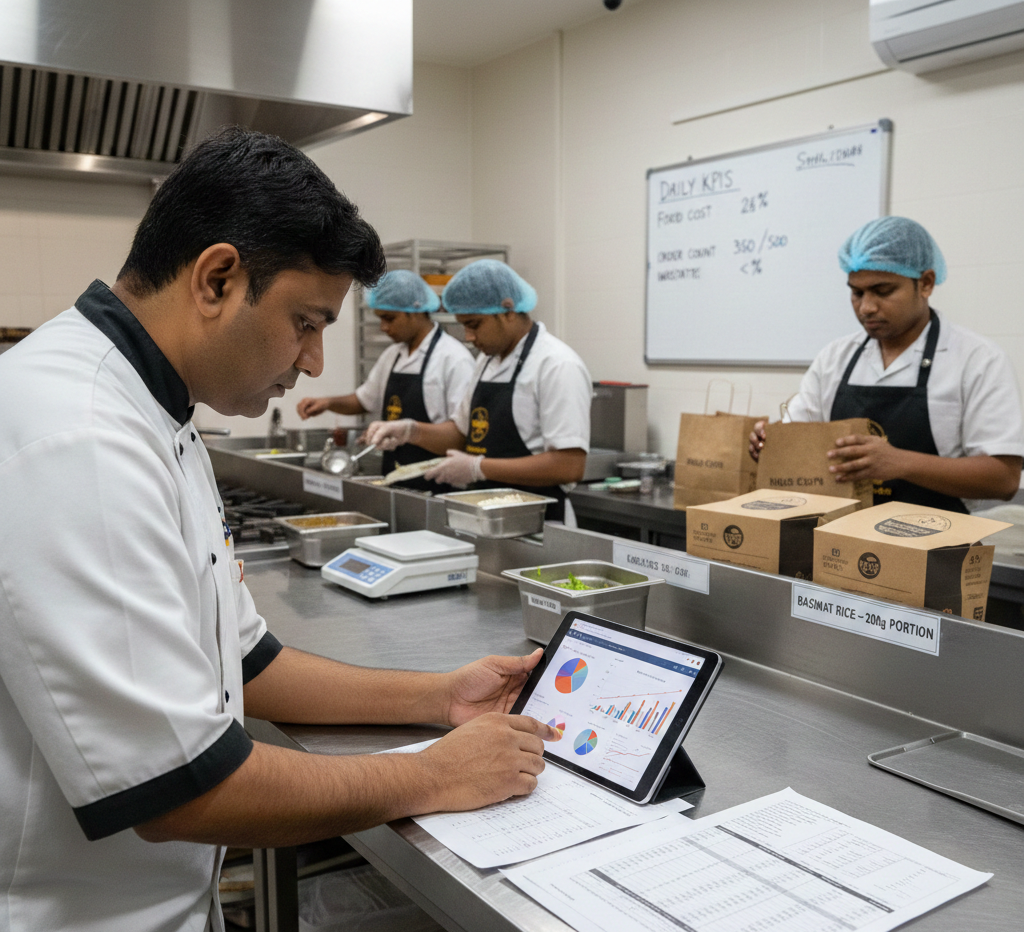
If contribution margin is weak, increasing orders only increases operational pressure without improving profit.
2. Food Cost Percentage
Food cost percentage directly affects the key profitability metrics for cloud kitchens.
Food Cost % = (Total Ingredient Cost / Total Sales) × 100
Without recipe standardization, portion drift and prep inconsistencies cause food cost inflation.

Stable food cost requires:
- Gram-based recipe SOPs
- Yield monitoring
- Waste tracking
3. Labor Cost Ratio
Labor must scale with demand-not with habit. Labor inefficiency weakens the key profitability metrics for cloud kitchens.
Labor Cost % = (Total Staff Cost / Total Revenue) × 100
Demand-based scheduling reduces idle labor and peak-hour stress.
4. Average Order Value (AOV)
AOV impacts revenue per transaction and strengthens contribution margin when optimized strategically.
AOV = Total Revenue / Total Orders
Instead of increasing prices aggressively, smart menu engineering improves AOV sustainably.
5. Discount-to-Sales Ratio
Discounts influence several key profitability metrics for cloud kitchens.
Excessive discounting increases order volume but reduces contribution margin.
More detailed warning signs are discussed in Use Data to Optimize Cloud Kitchen Profitability.
6. Inventory Turnover and Wastage
Inventory management directly affects the key profitability metrics for cloud kitchens.
- Slow-moving stock locks capital
- Over-purchasing increases spoilage
- Poor tracking inflates food cost
Demand-based purchasing reduces financial leakage.
How to Track Key Profitability Metrics for Cloud Kitchens Daily
Most operators review profit monthly. High-performing founders track the key profitability metrics for cloud kitchens daily.
- Daily contribution margin per brand
- Food cost stability
- Labor efficiency per shift
- Inventory alerts
Daily tracking prevents month-end surprises.
Common Mistakes While Tracking Key Profitability Metrics for Cloud Kitchens
- Tracking revenue but ignoring margin
- Applying discounts without contribution analysis
- Ignoring small food cost drift
- Overstaffing during slow hours
Monitoring the key profitability metrics for cloud kitchens consistently transforms reactive decision-making into structured execution.
How CKaaS Improves Key Profitability Metrics for Cloud Kitchens
CKaaS connects operational systems directly to the key profitability metrics for cloud kitchens.
- Standardized recipe gram weights
- Role-based kitchen execution
- Demand-aligned staffing
- Inventory forecasting systems
- Daily contribution dashboards
Instead of asking “Why are profits down?”, CKaaS identifies which metric moved and which process caused it.
The Psychological Shift: From Revenue Focus to Metric Discipline
When founders prioritize the key profitability metrics for cloud kitchens, operational stress decreases.
Clarity replaces guesswork. Structure replaces emotion. Systems replace firefighting.
Long-Term Stability Through Metric-Based Decisions
The key profitability metrics for cloud kitchens act as an early warning system.
- Food cost drift signals portion issues
- Labor spikes reveal scheduling inefficiencies
- Contribution decline highlights pricing imbalance
Metrics do not create profit-disciplined execution does.
Final Thoughts on Key Profitability Metrics for Cloud Kitchens
Revenue creates excitement. Contribution creates sustainability. Monitoring the key profitability metrics for cloud kitchens ensures that growth strengthens the business instead of destabilizing it.
Profit is not accidental. It is engineered through disciplined tracking, structured execution, and consistent system design.
Still Have Questions?
For operational and profitability guidance, read the Grow Kitchen FAQs.
You may also explore:
- Data-Driven Decisions for Cloud Kitchen Profitability
- Building Profitable Cloud Kitchen Data-Backed Roadmap
- Cloud Kitchen Service Providers in India
- Cloud Kitchen Companies in India
- Managed Cloud Kitchen in India
- Multi-Brand Cloud Kitchen in India