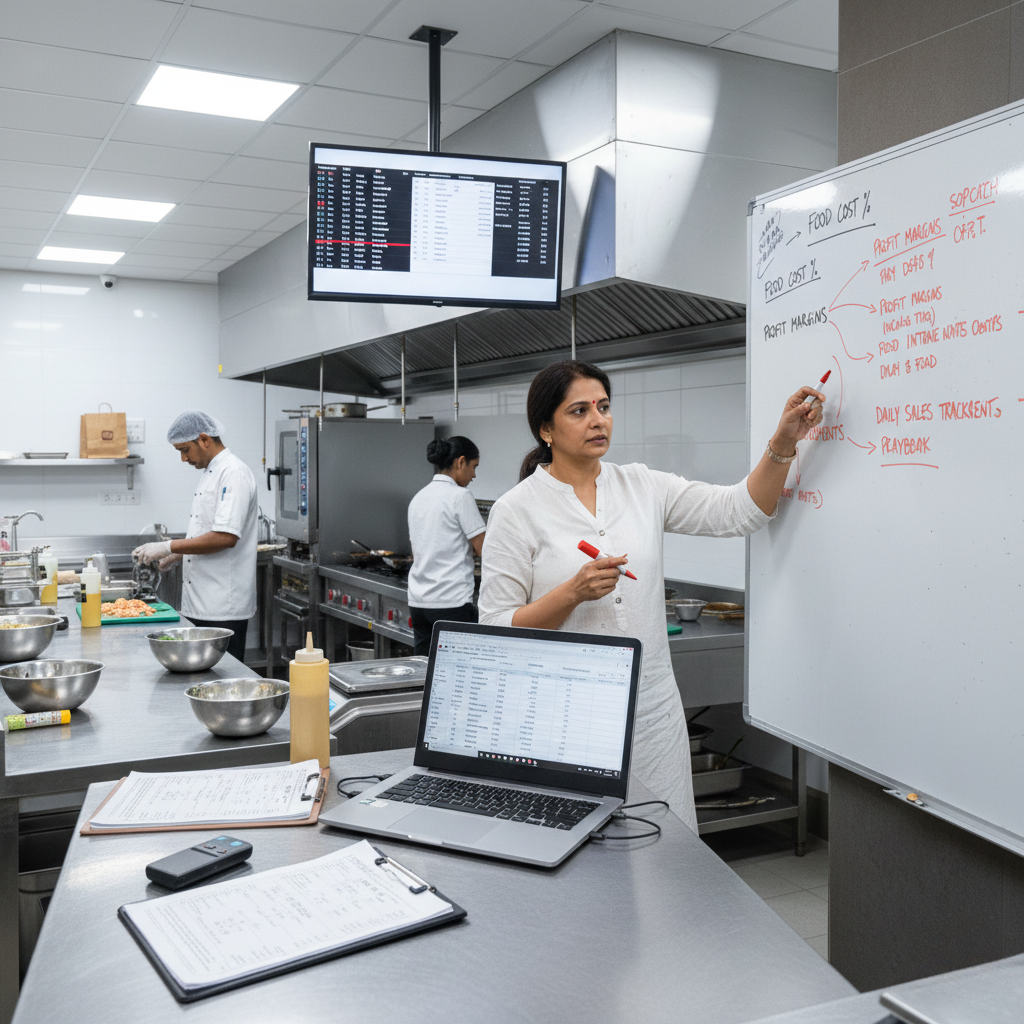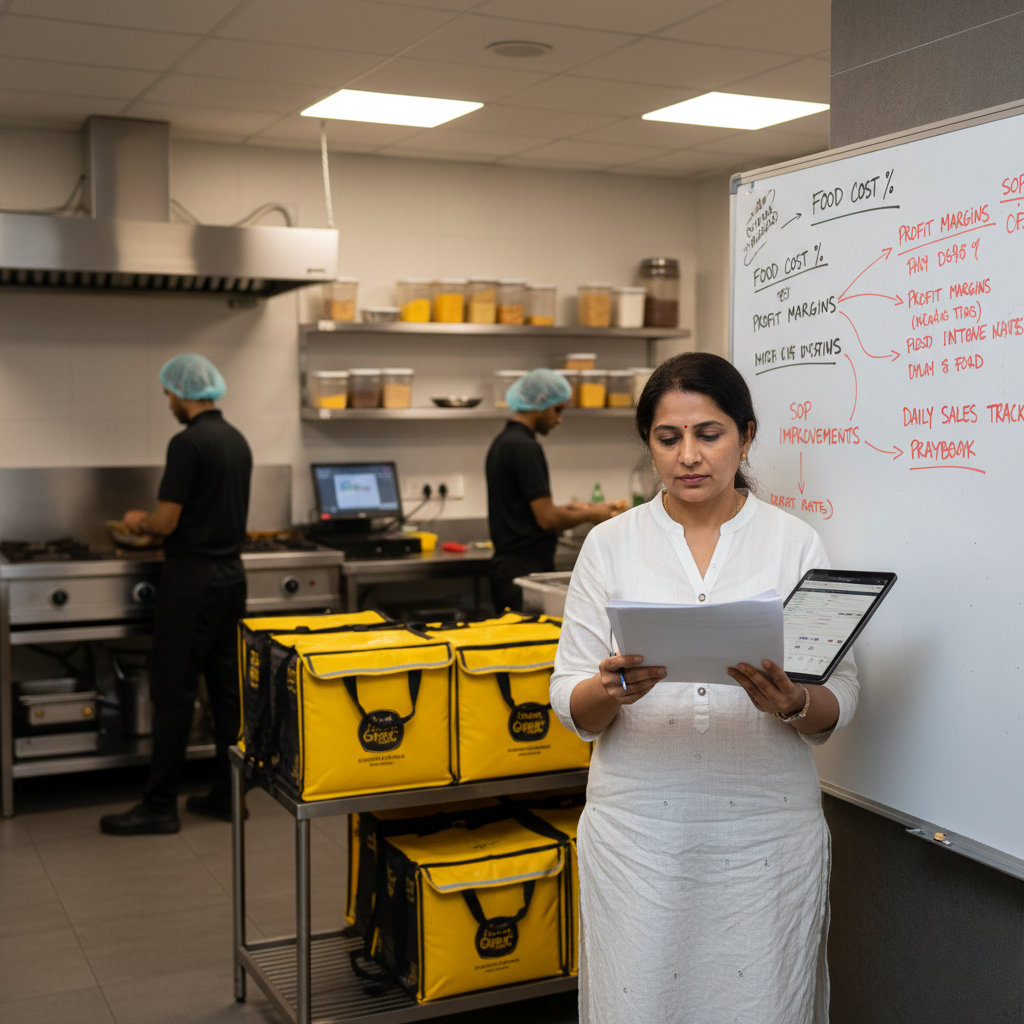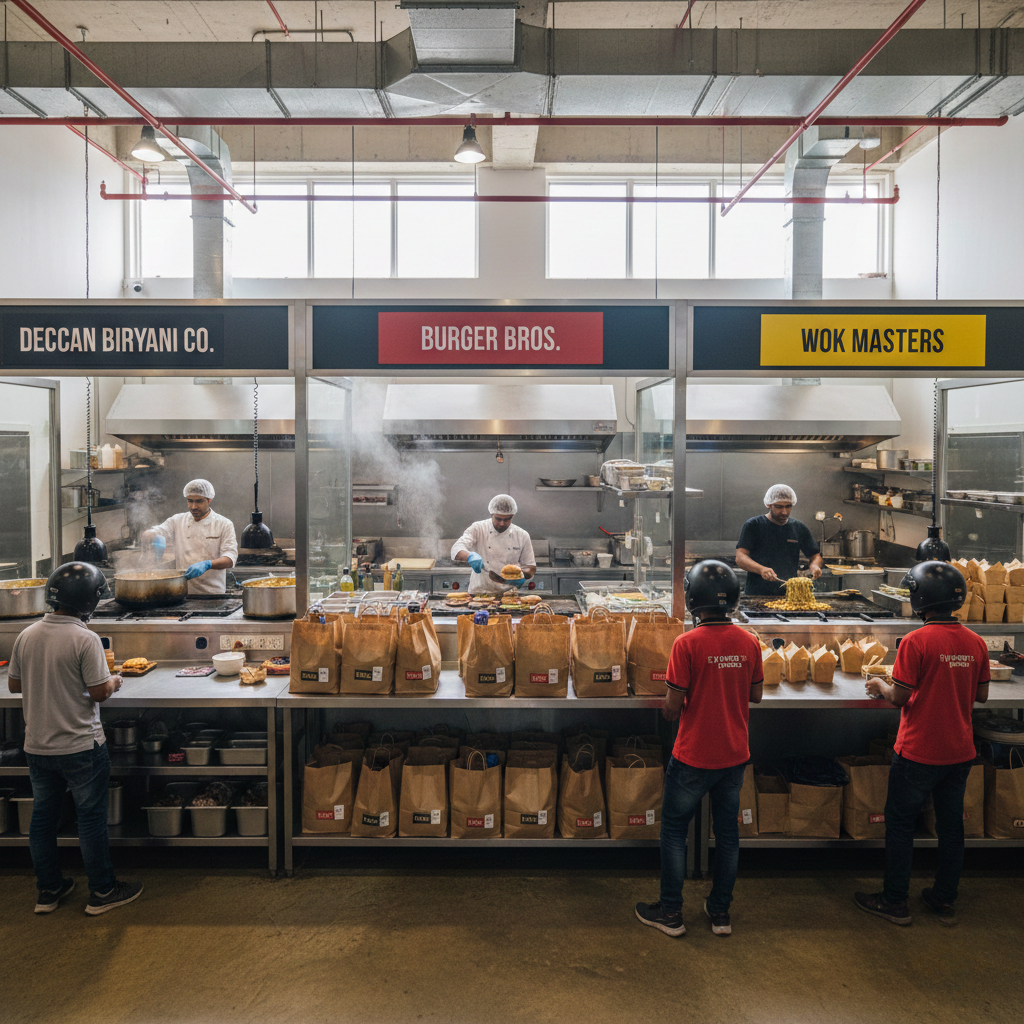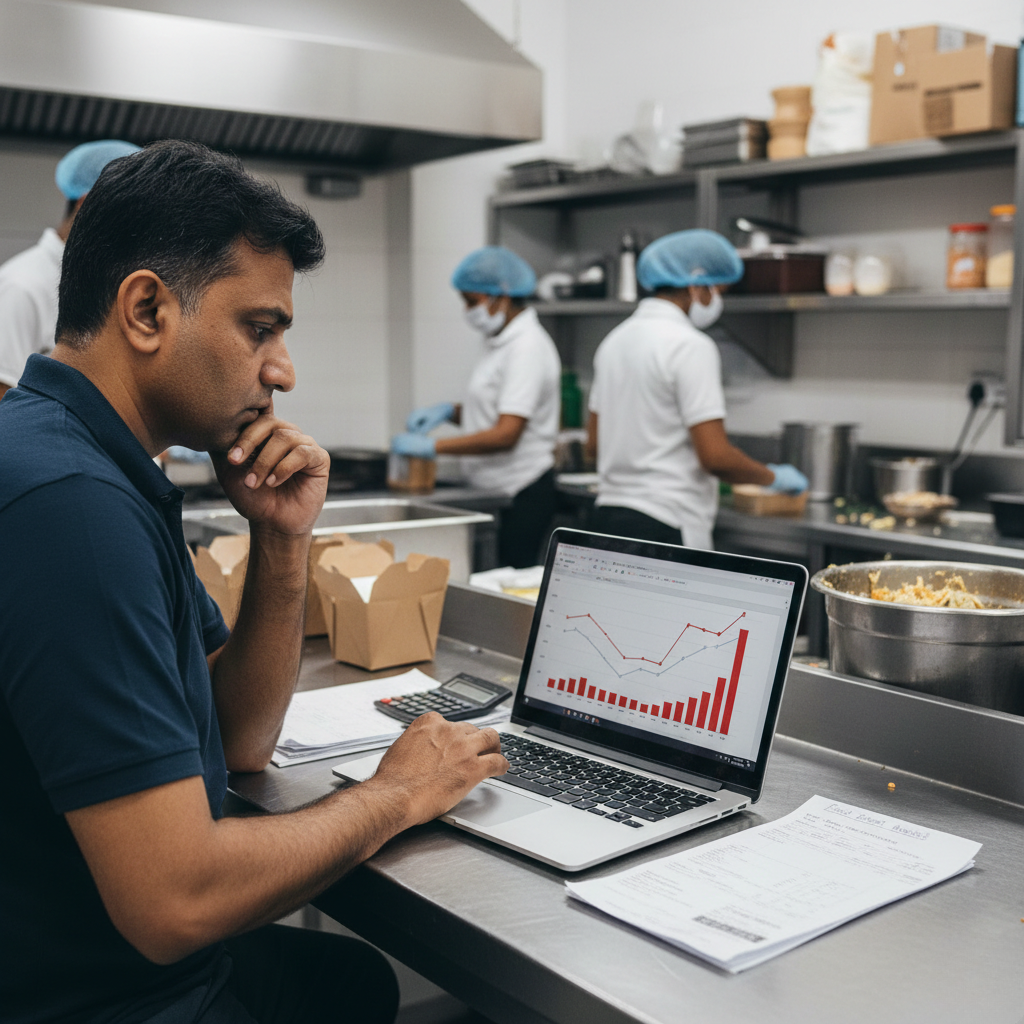
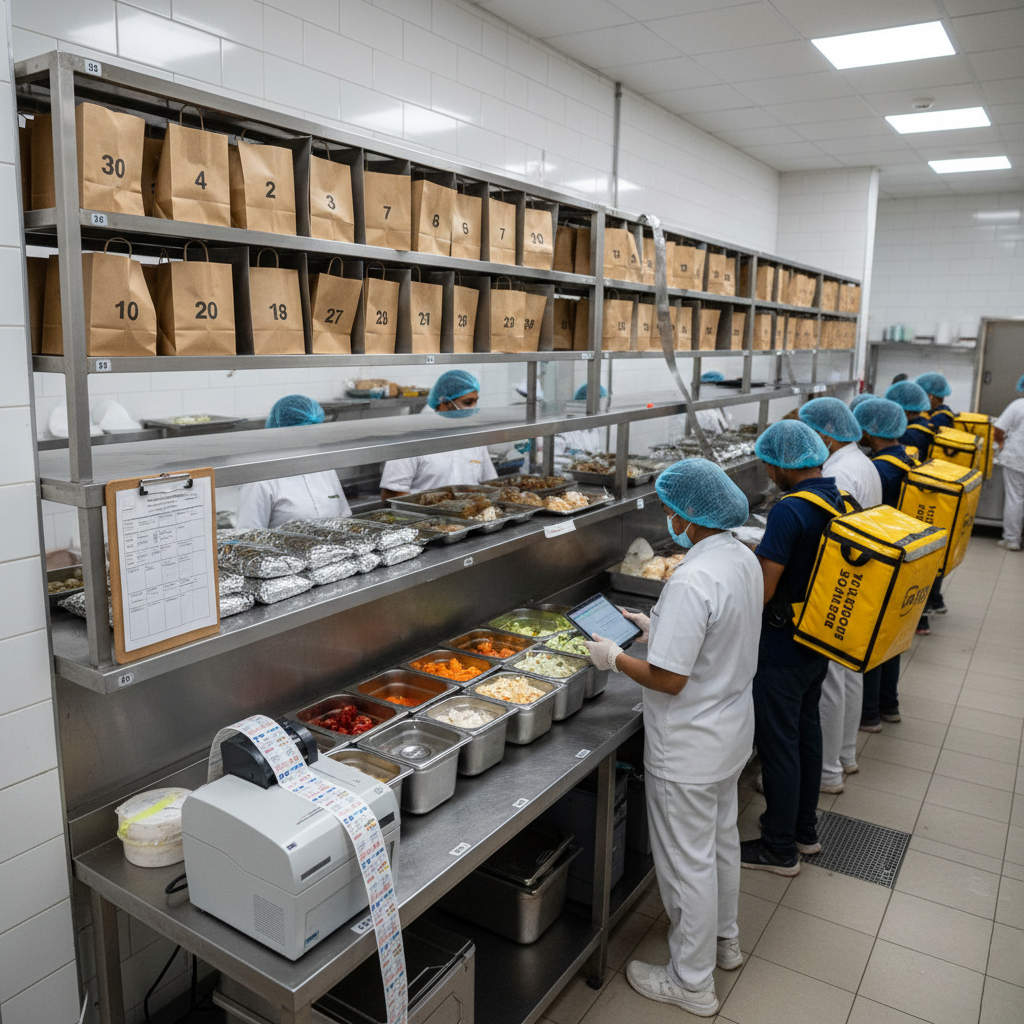
Marketing Spend vs Profitability in cloud kitchens: The CKaaS View is not a “run more ads” growth hack or a “pause discounts” moral lecture. It is a unit-economics + reliability engineering problem: how marketing spend interacts with food cost drift, refunds, cancellations, late dispatch, menu complexity, discount dependency, and platform distribution signals. Most cloud kitchens don’t lose money because marketing doesn’t work. They lose money because marketing amplifies operational leakage: a weak packing system becomes refund spikes, a weak prep system becomes cancellations, a weak dispatch system becomes rating drops, and a weak menu system becomes food cost drift. CKaaS improves profitability by making marketing scalable: stabilizing execution first so every additional rupee spent on growth produces contribution margin, not chaos. This guide explains Marketing Spend vs Profitability from the CKaaS perspective in India using systems, not supervision.
Marketing Spend vs Profitability in cloud kitchens: Why “More Orders” Often Creates Less Profit in Cloud Kitchens
Many founders assume profitability is a marketing equation. Spend more. Get more orders. Increase revenue. Eventually profit will “show up.”
That logic works only when execution is stable. In delivery kitchens, marketing is not a profit engine by default. It is a volume amplifier. If your kitchen leaks at 30 orders/day, marketing will help you leak faster at 80 orders/day.
This is why kitchens with strong dashboards still feel broke: discounts rise, ads keep running, revenue grows, but refunds repeat, cancellations spike, food cost drifts upward, staff panic increases during peak, and ratings swing. The business gets busier, not healthier.
CKaaS exists to replace founder-dependent execution with system-driven execution. If you want the profitability baseline first, start with Cloud Kitchen Profitability Consultant in India and map recurring leakage using Common Operational Mistakes in Cloud Kitchens.
What Marketing Spend Really Buys in Cloud Kitchens (It Buys Volume, Not Profit)
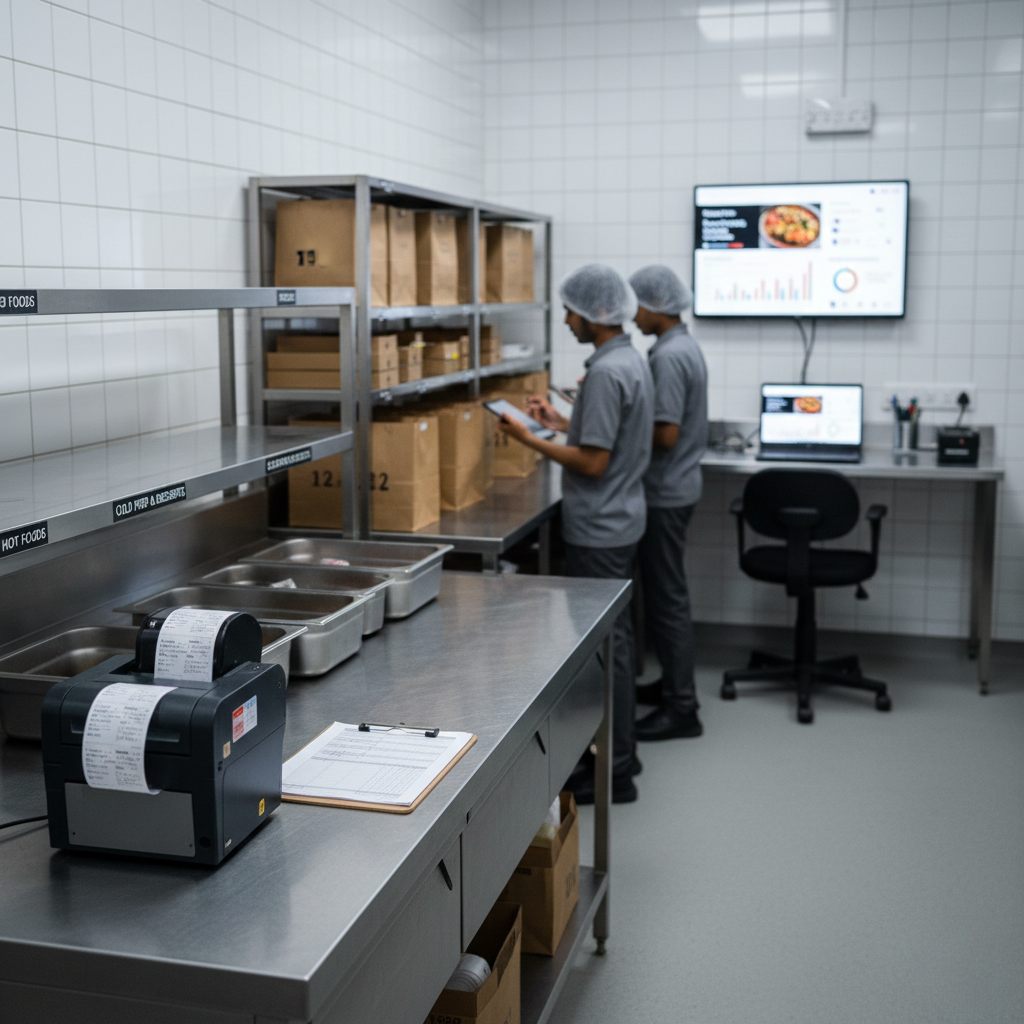
Marketing spend buys attention and orders. It does not buy consistency. It does not buy faster prep. It does not buy packing accuracy. It does not buy better dispatch discipline.
Which means marketing spend can either: increase profit if your unit economics and execution are stable, or increase losses if your kitchen leaks.
The most common misunderstanding: founders measure marketing success by orders. But marketing should be measured by contribution margin created per rupee spent.
This is why CKaaS matters. CKaaS installs the control systems that make marketing survivable: measurable SOPs, role gates, prep planning, packing checklists, dispatch gates, procurement routines, and weekly review loops. When these exist, growth becomes margin-positive instead of chaos-positive.
If you’re currently spending and feeling confused, your real question is not “Should I spend more?” It is “Can my operations convert volume into stable contribution margin?”
The Unit Economics Lens: Marketing Is Profitable Only When Contribution Margin Is Real
Cloud kitchen profitability is decided per order. Not per month. Not per campaign. Per order.
The correct equation:
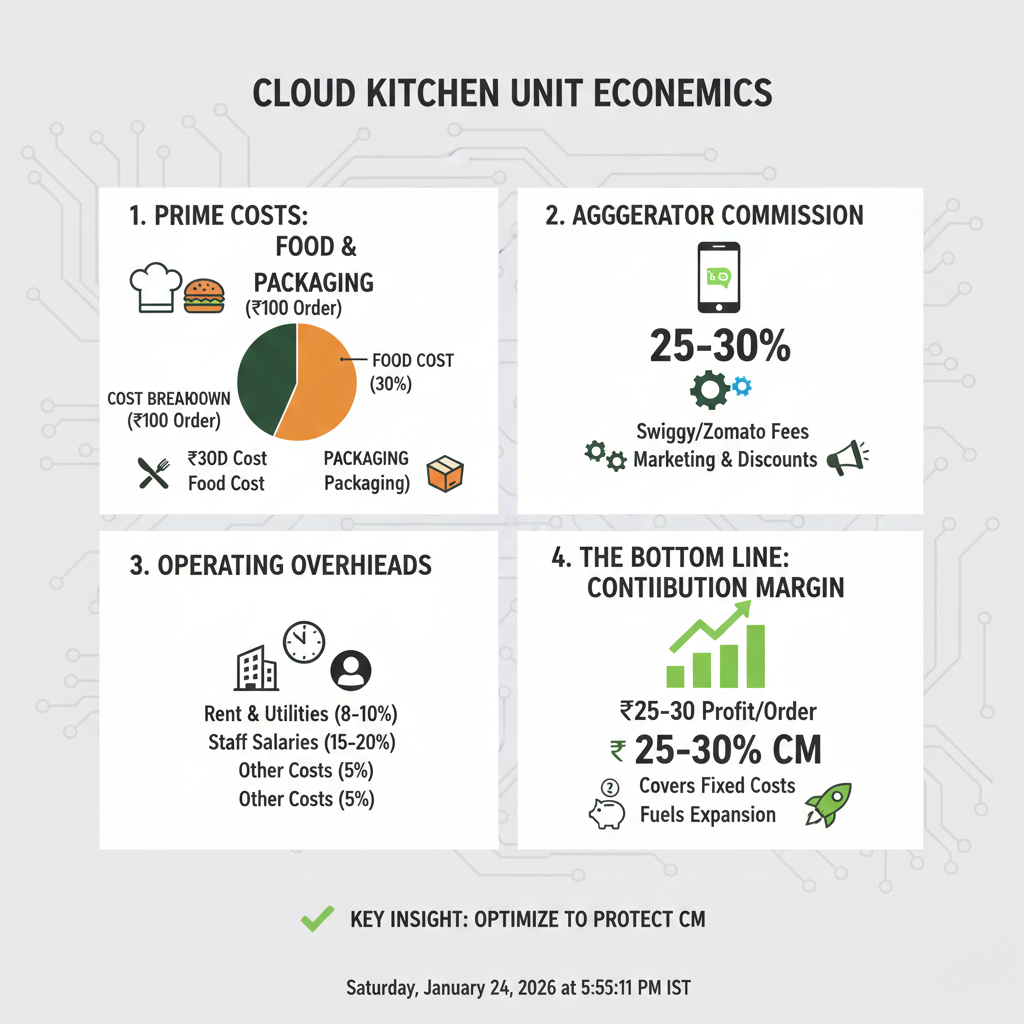
Order Value minus Aggregator commission & charges minus CKaaS fee / revenue share minus Packaging cost minus Food cost (COGS) minus Discount burn minus Refund/penalty leakage equals Contribution Margin.
Now add marketing: Marketing is profitable only if the contribution margin per incremental order is greater than the cost to acquire that order. Otherwise you are buying revenue at a loss.
Marketing breaks profitability during growth because it interacts with leakage: portion drift increases food cost, peak panic increases mistakes, mistakes increase refunds, refunds and late dispatch reduce ratings, ratings reduce distribution, and founders discount more to compensate.
If you want fee + payout clarity, read Aggregator Commission Impact in India and map refund leakage using Refunds and Cancellations Impact on Cloud Kitchen Profitability.
The 14 Systems CKaaS Uses to Make Marketing Spend Convert Into Profit (Not Chaos)
CKaaS does not “replace marketing.” It makes marketing work by stabilizing the system behind the order. These are the systems that protect profitability when volume increases.
1) Contribution margin first, marketing second. CKaaS forces a rule: if contribution margin is unclear, spending more is gambling. Track margin for top SKUs before scaling campaigns.
2) Bestseller-first menu strategy (reduce complexity before growth). Marketing performs best when the kitchen is optimized for a few high-repeat, high-margin SKUs. CKaaS rationalizes menus so peak operations are stable.
3) Measurable SOPs for top sellers. “Training talk” doesn’t survive volume spikes. CKaaS uses measurable SOPs (grams, ml, timings, holding rules) so output stays consistent during campaigns.
4) Portion tools to stop food cost drift during high volume. Growth weeks amplify portion drift. CKaaS installs ladles, scoops, fill lines, and weighing routines so cost per plate doesn’t inflate.
5) Pricing engineered around post-fee margin (not competitor pricing). Many founders price based on what they see on apps. CKaaS engineers pricing using the contribution margin equation so ads don’t push loss-making orders.
6) Procurement routines + RM specs to control input volatility. Campaign weeks often trigger “panic purchases.” CKaaS locks RM specs and reorder routines so cost and taste don’t drift when orders spike.
7) Prep planning with par levels (campaign-proofing). Campaign failures often look like cancellations and long ETAs. CKaaS sets par levels and batch planning so availability stays stable under demand spikes.
8) Batch yield tracking to prevent waste and under-prep. Under-prep causes delays. Over-prep causes wastage. CKaaS measures yields so prep quantities match realistic volume, not hope.
9) Packing checklist to prevent refund spikes during campaign peaks. Marketing increases orders. Orders increase packing errors. CKaaS makes checklist discipline mandatory: item count, add-ons, sauces, cutlery, label match, seal check.
10) Dispatch gate + final scan to protect ETA, ratings, and distribution. Marketing is wasted when dispatch is slow. Slow dispatch reduces ratings and platform visibility. CKaaS installs dispatch discipline via Cloud Kitchen Dispatch SOP.
11) Packaging standards to protect the delivery experience. Ads bring first-time customers. First-time customers judge harshly. Packaging leaks and sloppy presentation create instant 1-star ratings. CKaaS standardizes containers, sealing, labeling, and bag rules.
12) Role ownership to prevent peak chaos. Growth exposes unclear accountability. CKaaS installs role gates: prep owner, cook owner, pack owner, dispatch owner, manager owner. Framework: Role-Based Kitchen Operations Explained.
13) Weekly review loops that connect marketing to operations reality. CKaaS reviews weekly: refund reasons, late dispatch, cancellations, food cost % drift, rating comments, and discount burn. Then it updates SOPs and adjusts growth actions. Discipline lens: How Process Discipline Improves EBITDA.
14) Controlled offers: scale only what the kitchen can execute. The biggest mistake is running aggressive offers to “fix visibility” while operations are unstable. CKaaS stabilizes reliability first, then scales volume. To compare models before pushing growth spend, use: CKaaS vs Running Your Own Cloud Kitchen: ROI Comparison.
If you want the “why marketing spend doesn’t show profit” layer, use Marketing Spend vs ROI in Cloud Kitchens and map repeat failures via Common Operational Mistakes in Cloud Kitchens.
Swiggy/Zomato Reality: Marketing Is Wasted When Reliability Signals Get Worse
Platforms don’t see your ad spend. They see reliability signals: late dispatch, cancellations, refunds, complaints, and rating trends.
When these signals get worse during campaigns, distribution reduces. Then founders spend more or discount more to recover visibility. This is how marketing becomes a treadmill instead of a lever.
External policy context: Swiggy Refund Policy and Zomato Online Ordering Terms.
The takeaway: the real goal of CKaaS is to keep reliability signals clean while volume increases, so platforms reward distribution and marketing spend creates profitable growth.
Where Marketing Turns Into Profit or Loss Daily: Prep Readiness + Packing Accuracy + Dispatch Speed
Marketing spend becomes profitable only when three engines are stable: prep readiness (availability + throughput), packing accuracy (completeness + presentation), and dispatch speed (temperature + ETA reliability).
Prep readiness prevents cancellations and delays. Packing accuracy prevents refunds. Dispatch speed protects ratings and platform visibility. Without these three, marketing is just pushing chaos faster.
Install dispatch predictability using Cloud Kitchen Dispatch SOP and map leakage using Common Operational Mistakes in Cloud Kitchens.
Why CKaaS Makes Marketing Safer Than Founder-Led Growth (When Discipline Exists)
Founder-led marketing often feels like this: spend money, watch orders increase, then personally jump into operations to prevent collapse. That is not scalable. That is founder burnout disguised as growth.
CKaaS makes marketing safer by installing role-based gates that keep execution stable during demand spikes:
Prep role:
owns par levels, batch planning, labeling, and buffers to protect availability during campaigns.
Cook role:
owns portion tools, recipe compliance, and holding rules so quality stays consistent under load.
Pack role:
owns checklist accuracy, add-on verification, sealing, and presentation to prevent refund spikes.
Dispatch role:
owns final scan, label match, rider handover discipline, and speed to protect ETA reliability.
Manager role:
owns weekly review: refund reasons, cancellations, ratings, late dispatch, and SOP upgrades.
Framework: Role-Based Kitchen Operations Explained.
A Practical 7 to 30 Day Plan to Align Marketing Spend With Profitability (The CKaaS Sequence)
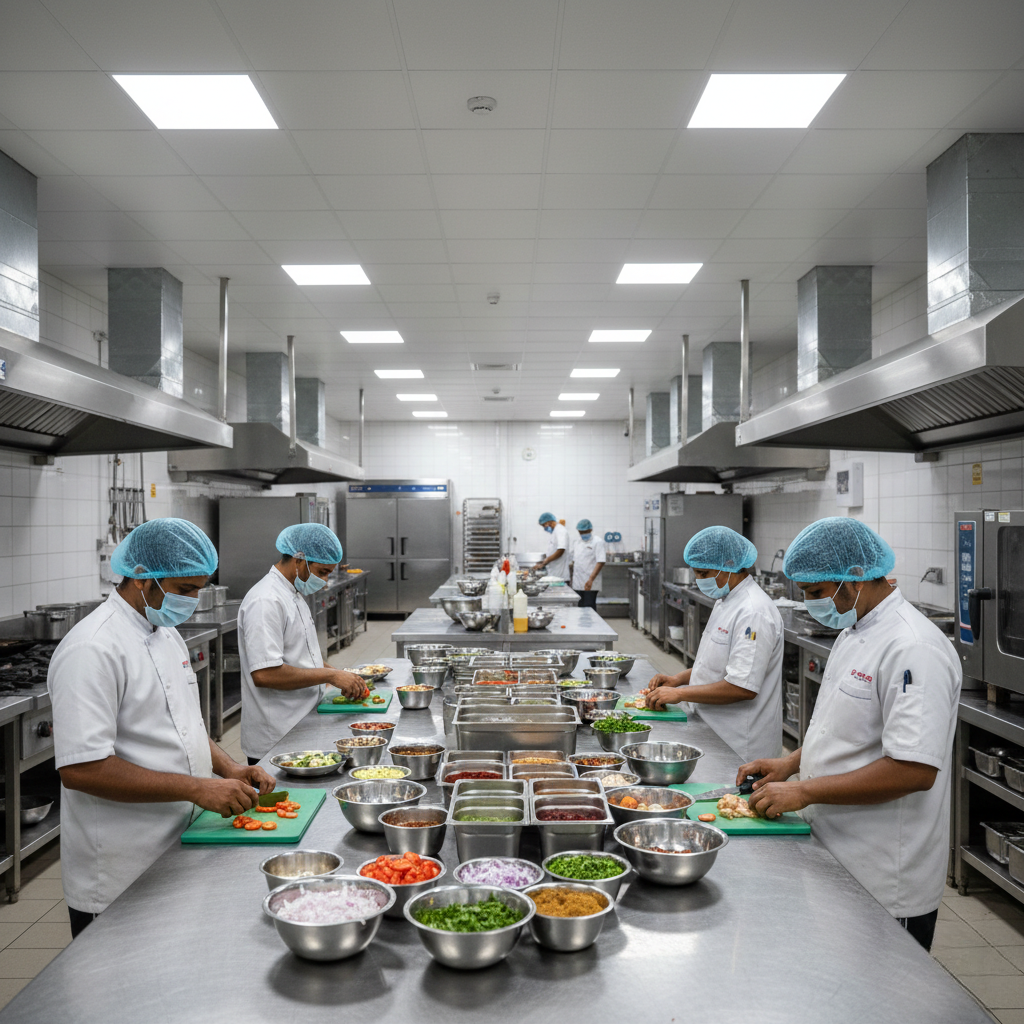
If marketing is running but profits feel unclear, don’t panic. Fix the sequence. Stabilize the conversion layer (operations) first, then scale spend.
Step 1 (Day 1–2): Track contribution margin for top SKUs. Track food cost %, packaging cost, refund leakage, and discount burn. If margin is unclear, spending decisions are blind.
Step 2 (Day 1–3): Freeze the menu around repeatable bestsellers. Reduce SKU chaos. Make stations stable before pushing volume.
Step 3 (Day 2–5): Install packing checklist + dispatch gate. This reduces refund spikes and protects ratings during growth. Implement dispatch discipline via Cloud Kitchen Dispatch SOP.
Step 4 (Day 3–7): Install portion tools + measurable SOPs for top dishes. Stop food cost drift before campaigns amplify it.
Step 5 (Week 2): Build prep planning and par levels for peak. Prevent cancellations and delays that kill distribution.
Step 6 (Week 2): Lock procurement routines + RM specs. Stabilize taste and cost across days so campaigns don’t create inconsistency.
Step 7 (Week 3): Run weekly review loops and adjust spend intelligently. Review refund reasons, late dispatch, cancellations, rating comments, and food cost drift. Then adjust marketing based on what the kitchen can safely execute.
Use the discipline lens: How Process Discipline Improves EBITDA. If you’re comparing models before pushing spend, reference: CKaaS vs Running Your Own Cloud Kitchen: ROI Comparison.
External process references (useful for standardisation thinking): Standardized Work (Lean lexicon), ISO 22000 overview, and FSSAI Hygiene Requirements (Schedule 4 reference).
Final Takeaway: Marketing Spend Becomes Profitable Only When Operations Can Convert Volume Into Margin
Marketing spend is not the enemy. Uncontrolled execution is. Ads amplify volume. If your kitchen is stable, ads amplify profit. If your kitchen leaks, ads amplify loss.
The CKaaS view is simple: stabilize the conversion layer first: measurable SOPs, portion discipline, procurement routines, prep planning buffers, checklist-driven packing, gated dispatch, role ownership, and weekly review loops. Then scale spend.
When reliability signals stay clean, platforms reward distribution. When distribution stays strong, discount dependency reduces. When discount dependency reduces, contribution margin becomes predictable. That is how marketing becomes profitable.
Operating frameworks from GrowKitchen, and operating partner brands like Fruut and GreenSalad are built to convert “marketing volume” into “repeatable margin.”
FAQs: Marketing Spend vs Profitability (The CKaaS View)
Why do more orders sometimes reduce profit in cloud kitchens?
Because volume amplifies leakage: refunds, cancellations, food cost drift, and discount burn increase when operations are unstable.
What is the fastest way to make marketing spend safer?
Packing checklist + dispatch gate + measurable SOPs for top sellers. These reduce refunds and protect ratings under higher volume.
Should I pause ads if ratings are falling?
Usually yes until reliability stabilizes. Ads can push more customers into a broken experience, worsening ratings and distribution signals.
How does CKaaS improve marketing ROI?
By stabilizing execution so incremental orders create contribution margin instead of amplified chaos and refund leakage.
- Cloud Kitchen Profitability Consultant in India
- Common Operational Mistakes in Cloud Kitchens
- Cloud Kitchen Dispatch SOP
- Role-Based Kitchen Operations Explained
- Refunds and Cancellations Impact on Cloud Kitchen Profitability
- Aggregator Commission Impact in India
- Marketing Spend vs ROI in Cloud Kitchens
- How Process Discipline Improves EBITDA
- CKaaS vs Running Your Own Cloud Kitchen: ROI Comparison
- Grow Kitchen on Twitter