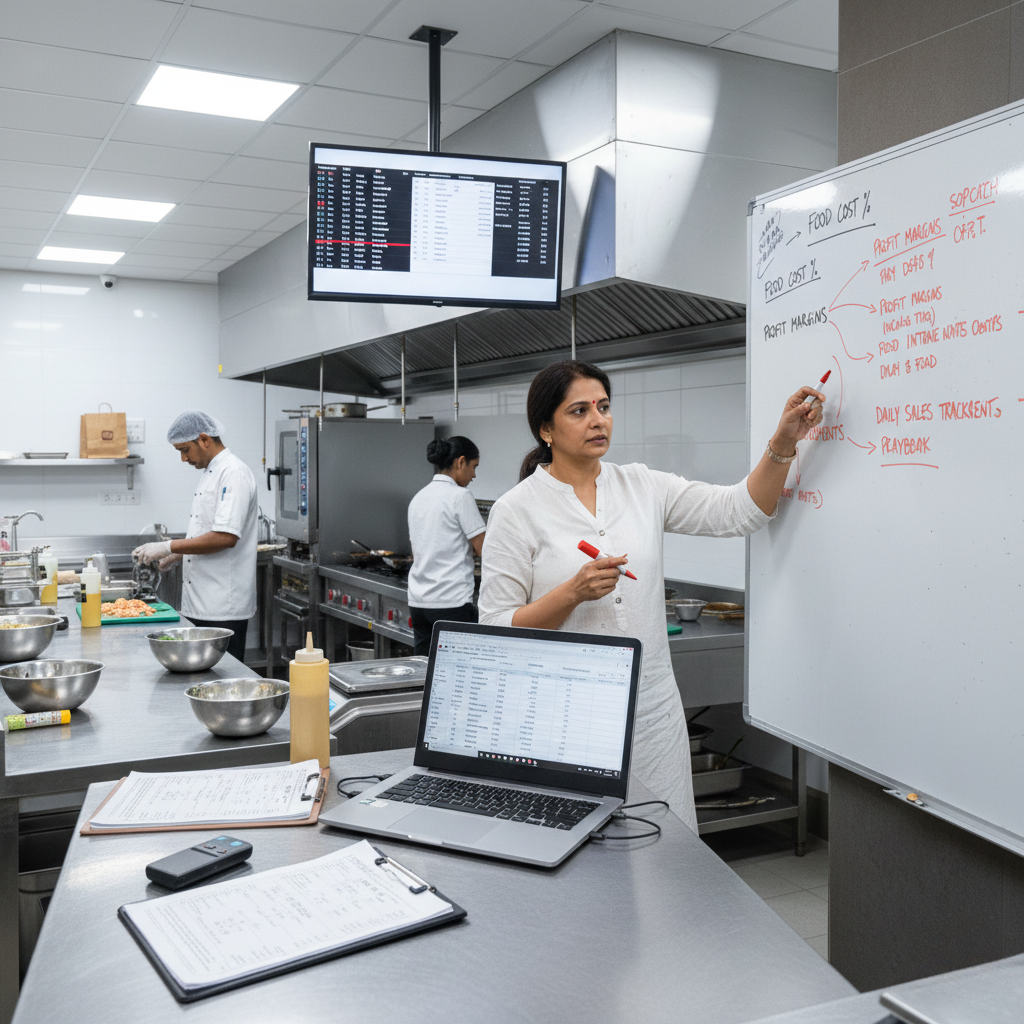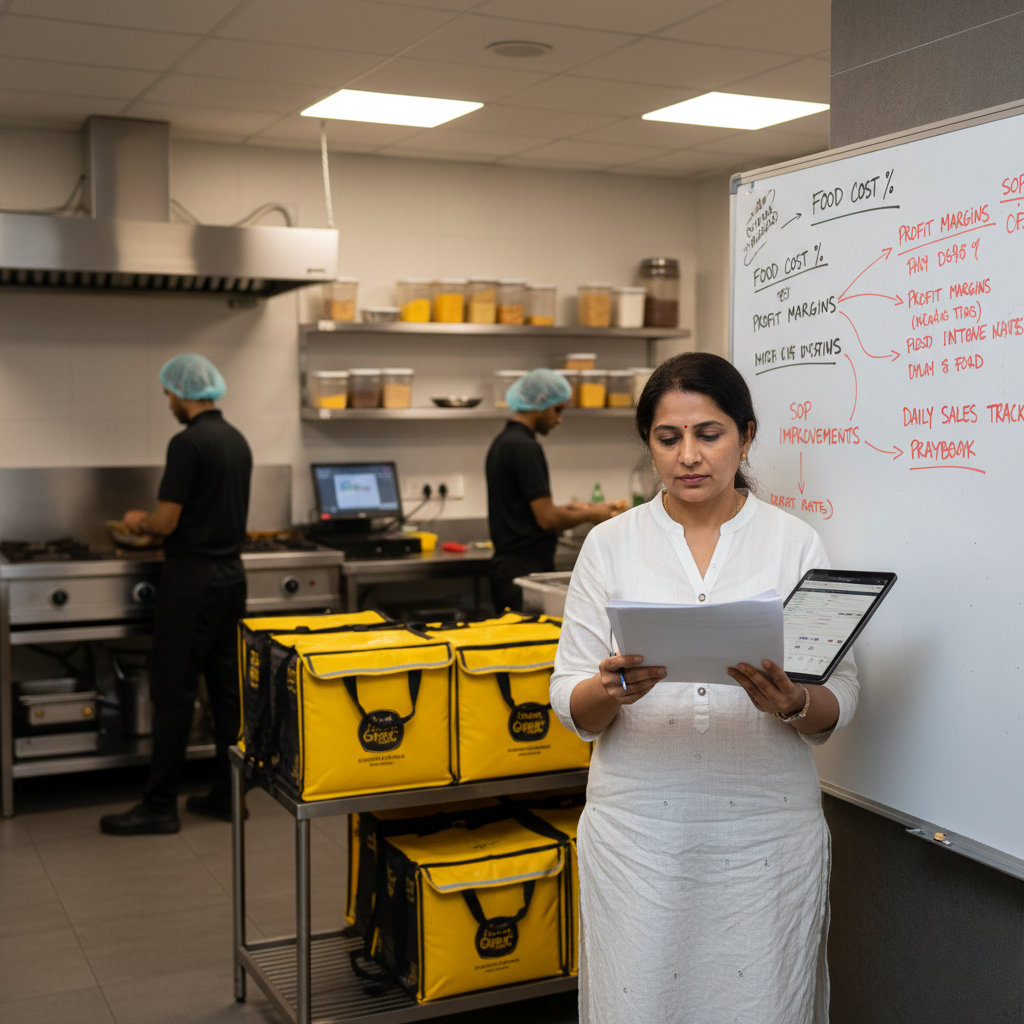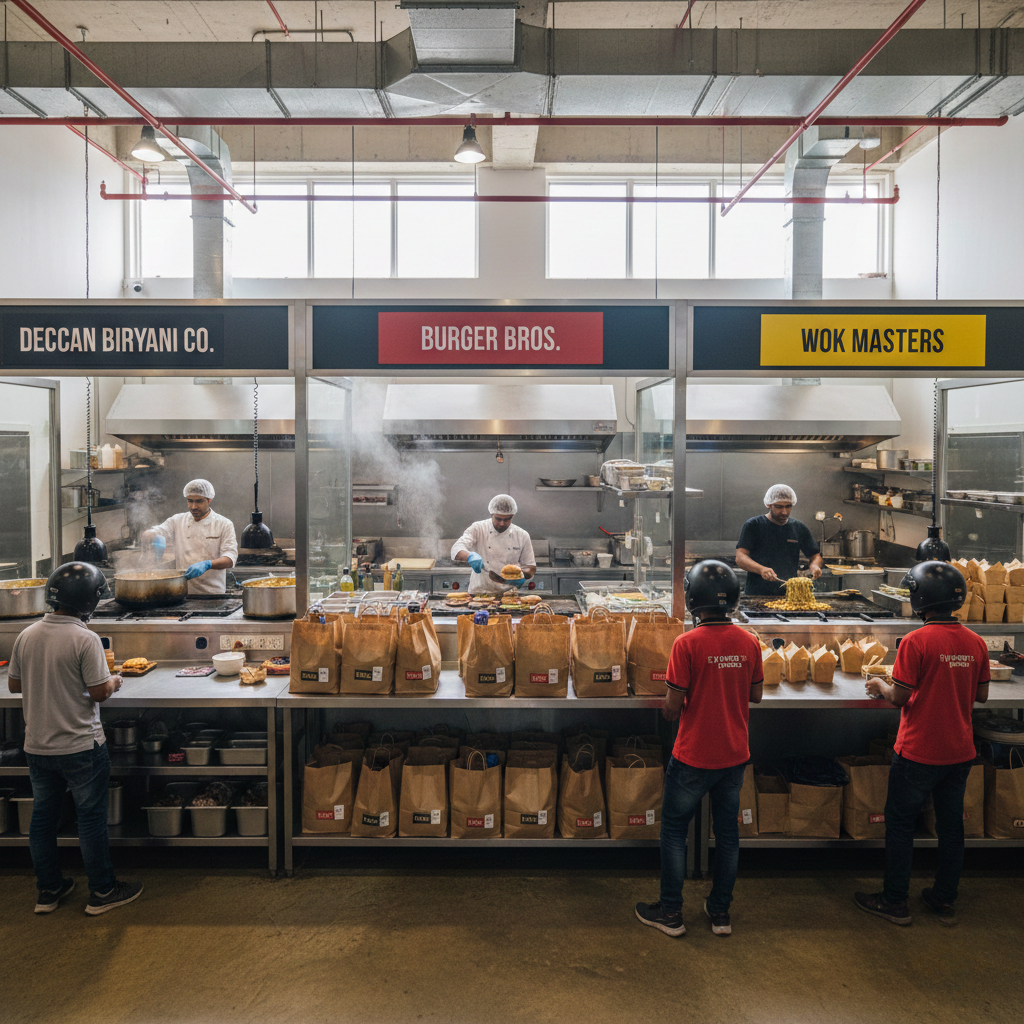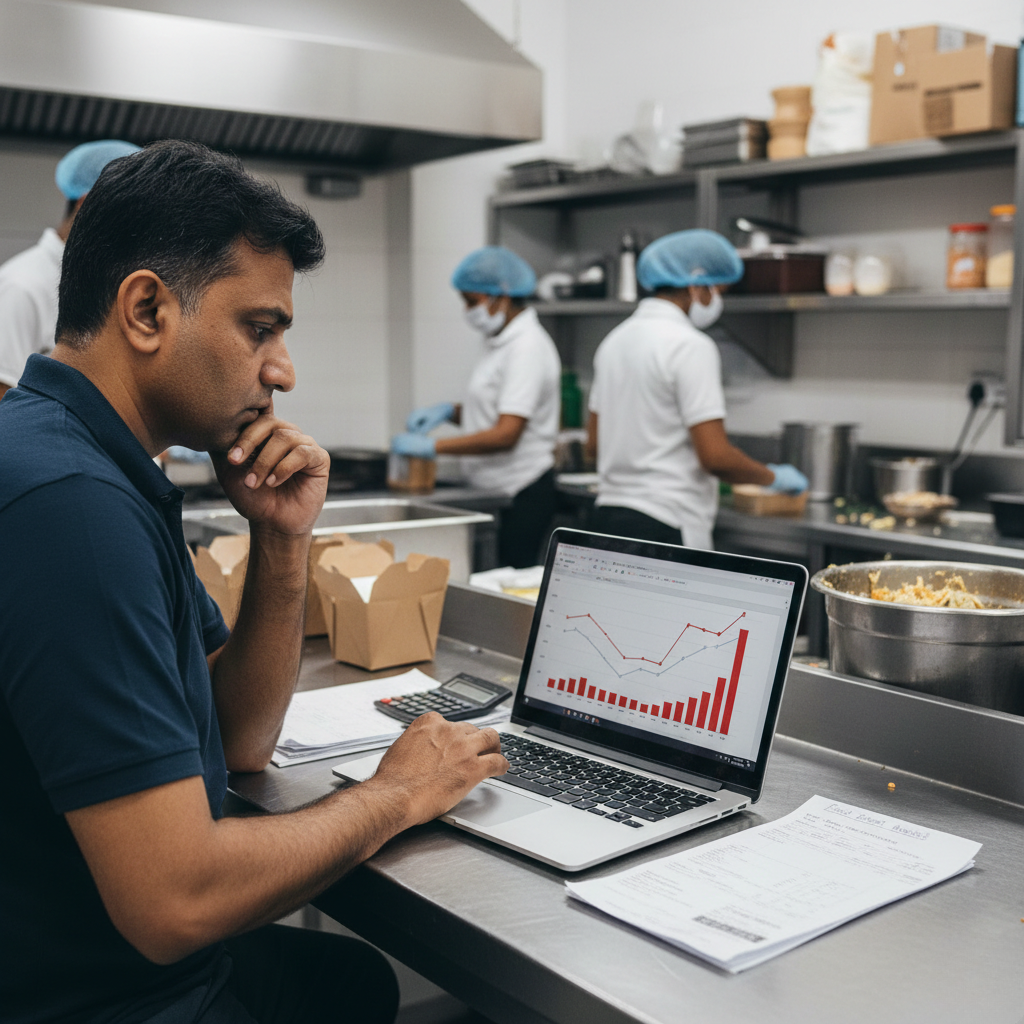
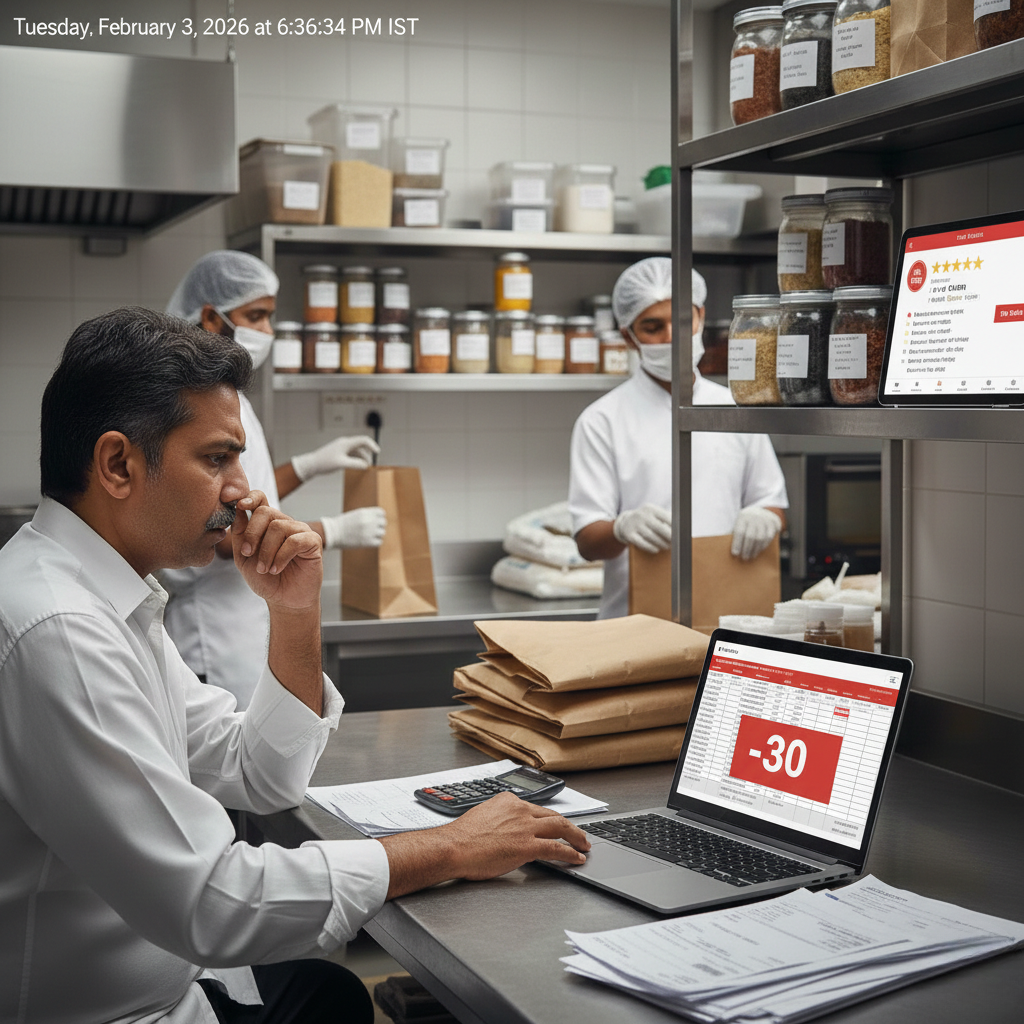
How to Fix a Loss-Making Cloud Kitchen is one of the most critical questions founders face after the initial excitement fades. Orders may be flowing, staff may be working daily, and ratings may even look decent, yet the business continues to lose money. This guide explains why losses persist, what founders usually attempt incorrectly, and how structured operational fixes can turn a loss-making cloud kitchen into a stable, scalable business.
Understanding Why Your Cloud Kitchen Is Loss-Making
Most loss-making cloud kitchens are not failing businesses. They are uncontrolled businesses. Founders often assume the problem is demand. In reality, losses usually come from weak execution, invisible cost leaks, and systems that never matured.
Before fixing losses, it is important to understand the operating environment through Cloud Kitchen Business in India and identify Cloud Kitchens Profitability Consultant in India.
Why Losses Continue Even When Kitchens Are Busy
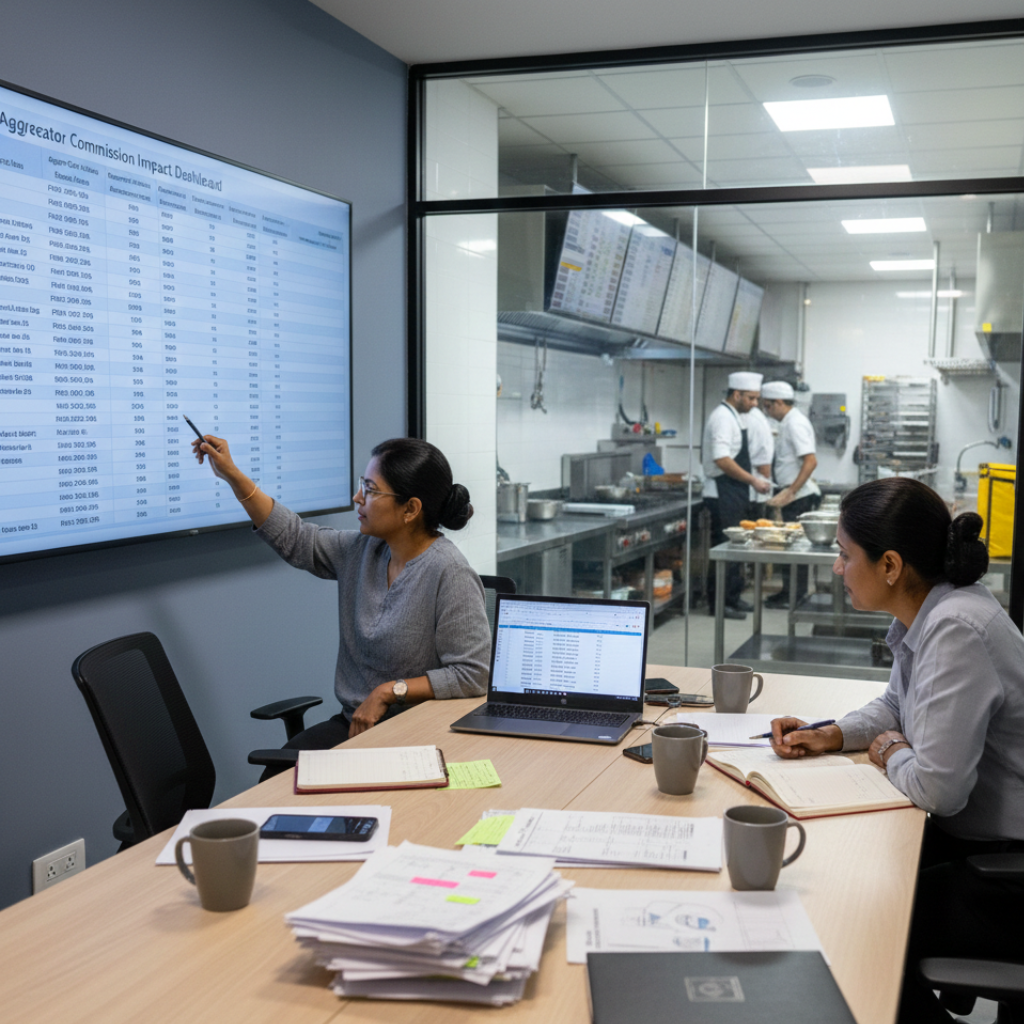
A busy kitchen does not guarantee a profitable kitchen. High order volumes often hide inefficiencies. Food cost creep, staff inefficiency, inventory wastage, and platform penalties grow silently as volume increases.
Fix Food Cost Before Anything Else
Food cost is the foundation of cloud kitchen profitability. If food cost is unstable, no amount of marketing or growth will help. Loss-making kitchens often lack standard recipes, portion discipline, and daily wastage tracking. Fixing food cost requires documentation, measurement, and enforcement.
Learn how structured execution controls food cost in How SOPs Reduce Food Cost & Complaints.
Introduce Role Clarity to Stop Operational Chaos
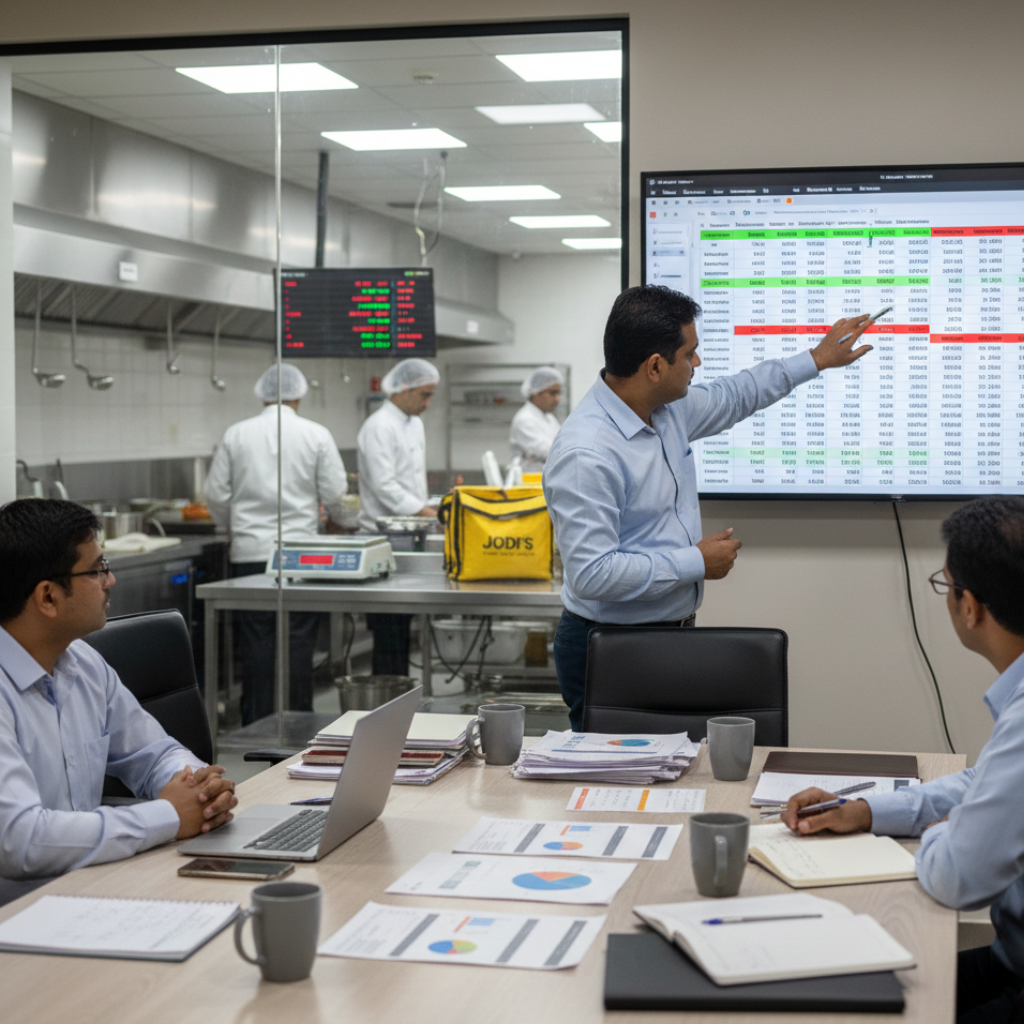
Many loss-making kitchens suffer from role confusion. Everyone does everything, especially during peak hours. This creates duplicated effort, missed prep, delayed dispatch, and staff burnout. Role-based operations improve productivity without increasing headcount.
Understand this structure in Role-Based Kitchen Operations Explained.
Stop Overstaffing to Compensate for Weak Systems
Hiring more staff feels like a quick fix. In reality, it increases losses when roles are unclear. Loss-making kitchens often have low productivity per person. Fixing staff deployment reduces payroll pressure without compromising service.
Learn realistic staffing models in How Many Staff Does a Cloud Kitchen Really Need?.
Repair Dispatch to Stop Refunds and Penalties
Dispatch is one of the biggest hidden loss areas in cloud kitchens. Delays, wrong orders, missing items, and rider mismatches lead to refunds and rating pressure. These losses rarely show clearly in daily reports but destroy weekly profitability.
Learn how structured dispatch fixes this in Cloud Kitchen Dispatch SOP.
Bring Inventory Under Daily Control
Inventory losses never appear on customer reviews, but they directly hit profit. Over-ordering, expiry, and pilferage accumulate silently in loss-making kitchens. Assigning clear ownership and tracking daily movement restores control.
Learn inventory discipline in Cloud Kitchen Inventory Management in India.
Reduce Aggregator Penalties and Payout Leakages
Most founders track commission but ignore penalties. Delayed acceptance, preparation inefficiency, and cancellations reduce payouts quietly. Fixing internal execution improves platform metrics automatically.
Understand the full impact in Cloud Kitchen Aggregator Commission Impact in India.
Stop Using Discounts to Hide Operational Problems
Discounts often mask inefficiency. Loss-making kitchens rely on offers to maintain order flow, sacrificing contribution margin. Profit recovery requires fixing unit economics first, not pushing more volume.
Do Not Scale Until Losses Are Fixed
Scaling a loss-making kitchen accelerates cash burn. Expansion multiplies food cost errors, staffing inefficiency, and dispatch failures.
Learn why growth backfires in When Growth Is Hurting Your Cloud Kitchen Operations.
Final Takeaway: Losses Are Fixable With Control
A loss-making cloud kitchen is not a dead business. It is a business without systems. Founders who focus on execution, discipline, and visibility regain profitability before scaling.
Proven frameworks from GrowKitchen, along with operating brands like Fruut and GreenSalad, demonstrate how operational control turns losses into sustainable growth.
FAQs: How to Fix a Loss-Making Cloud Kitchen
Can a loss-making cloud kitchen become profitable?
Yes. Most losses are operational, not market-driven.
Should I shut down underperforming brands?
Only after analysing food cost and execution per brand.
How long does it take to fix losses?
With strong execution, visible improvement appears within weeks.
Is marketing the solution to losses?
No. Marketing amplifies both profit and loss.