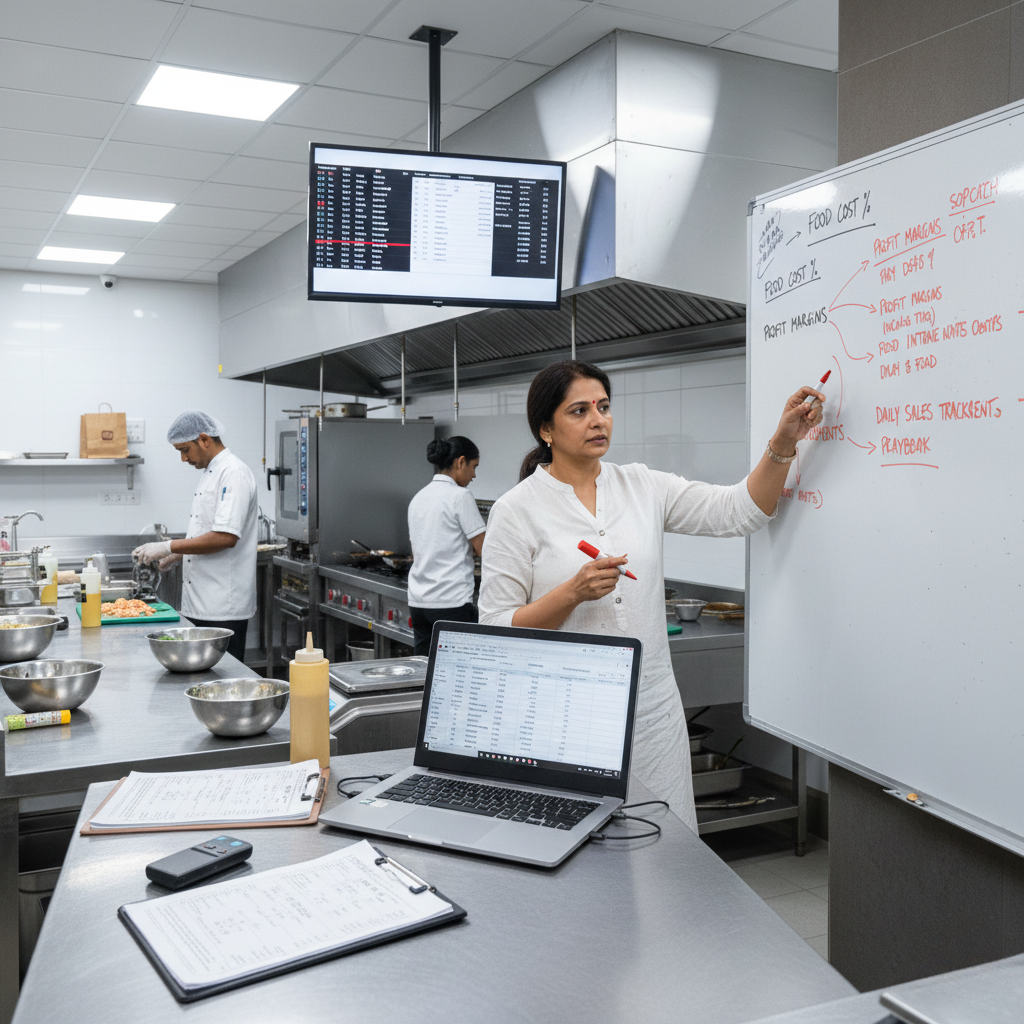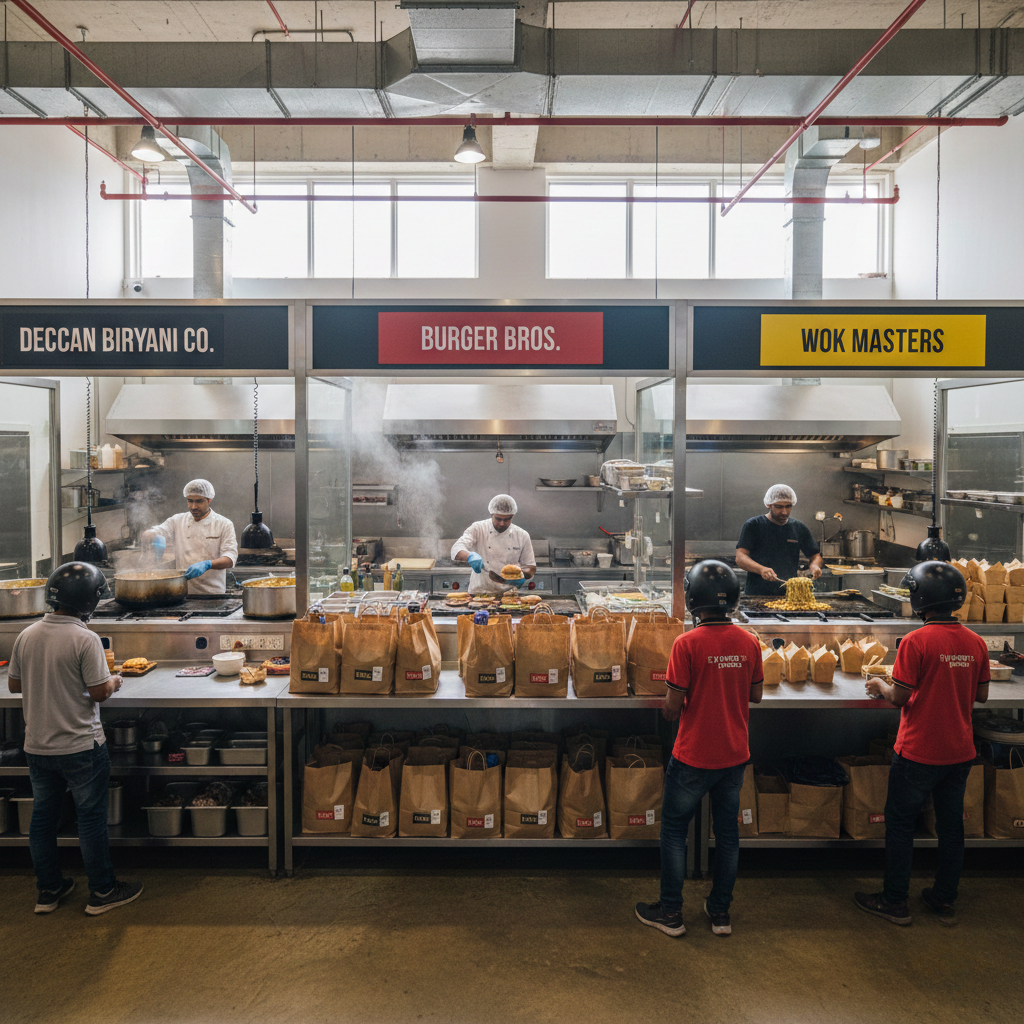
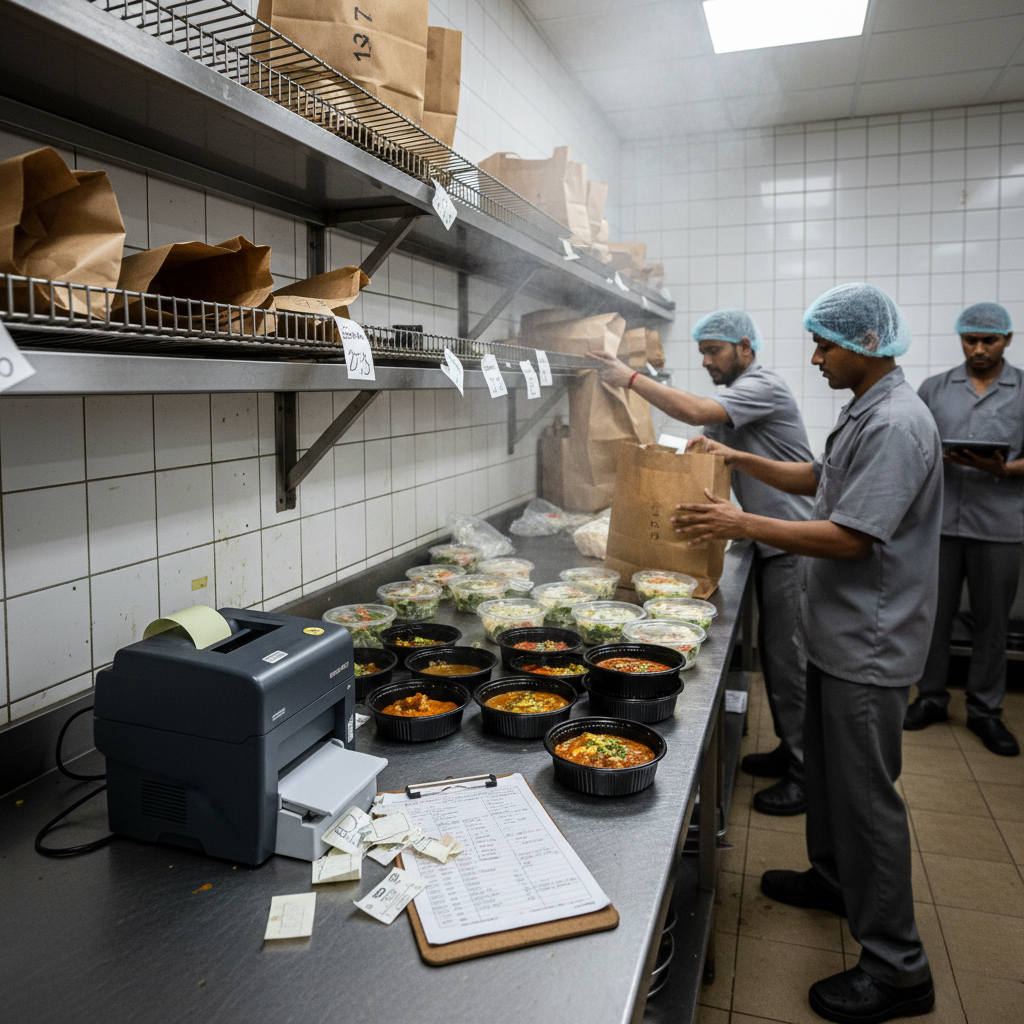
How Poor Ratings Lead to Revenue Loss is one of the most misunderstood dynamics in cloud kitchens. Many founders treat ratings as reputation metrics. Or marketing vanity. In reality, ratings are financial signals. Poor ratings don’t just hurt perception they reduce visibility, lower conversion, increase refunds, inflate CAC, and silently choke growth. Orders may still come. Dashboards may still move. But revenue quality collapses. This guide explains how ratings directly affect cloud kitchen revenue, margins, and scalability and why disciplined operators treat ratings as a core profit metric, not customer feedback.
Why Ratings Are a Revenue Variable, Not a Brand Metric
Most cloud kitchen founders look at ratings emotionally.
A bad review feels personal. A low rating feels unfair.
But platforms do not treat ratings emotionally. They treat them algorithmically.
To understand the business impact, start with Cloud Kitchen Unit Economics Explained, Understanding Contribution Margin in Cloud Kitchens, and Why CAC Matters Even for Delivery Brands.
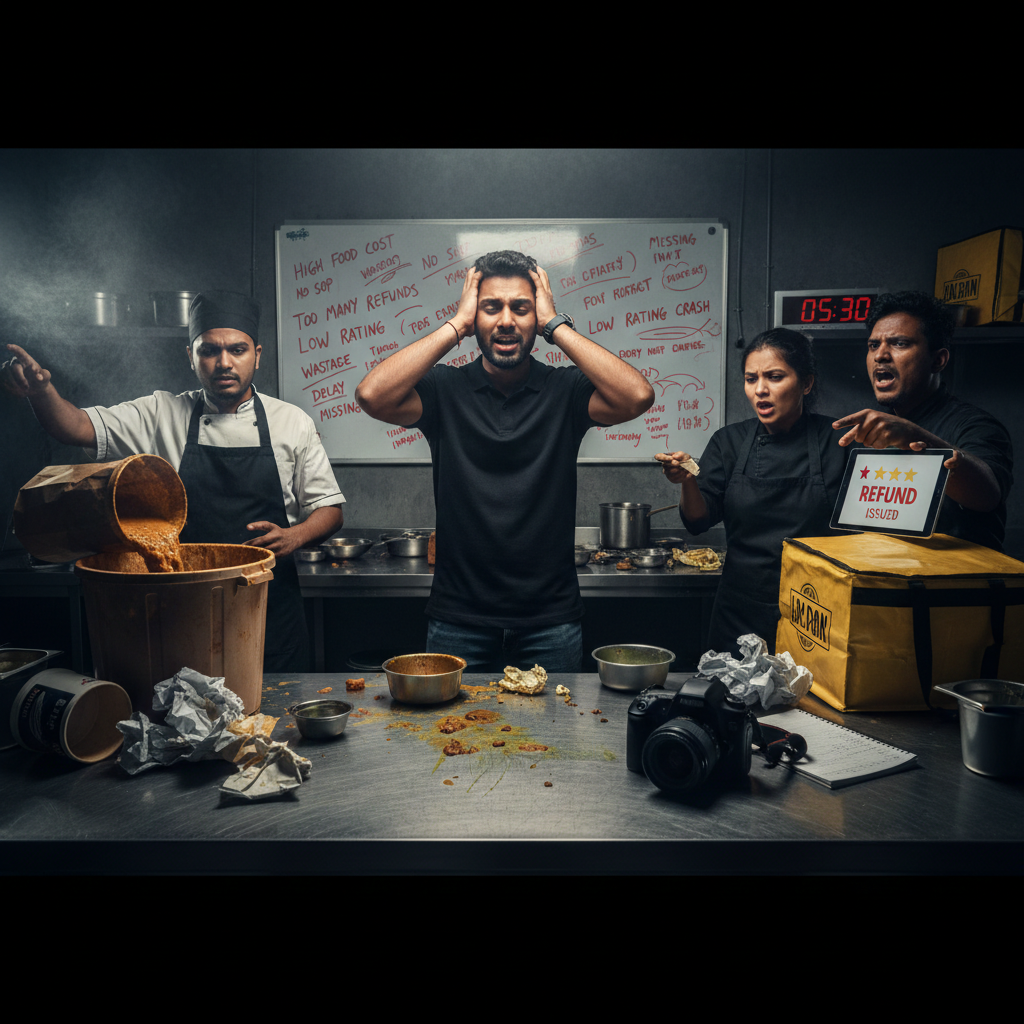
Poor Ratings Don’t Kill Revenue Overnight
Cloud kitchens rarely collapse the day ratings drop.
The impact is gradual. Quiet. Compounding.
Impact #1: Poor Ratings Reduce Platform Visibility
Aggregator algorithms heavily weight ratings.
Kitchens below rating thresholds are shown lower in search, excluded from recommendations, and pushed out of discovery sections.
Lower visibility means fewer impressions before conversion even begins.
Impact #2: Conversion Rate Drops Sharply Below 4.0
Customers filter by rating consciously or subconsciously.
Below 4.0, trust erodes. Clicks reduce. Add-to-cart slows.
This means the same traffic generates fewer orders.
Impact #3: Poor Ratings Force Discount Dependency
Low-rated kitchens rely heavily on discounts to compensate for low trust.
Discounts increase order volume but destroy contribution margin.
Over time, revenue grows while profit shrinks.
Learn why in Why CAC Matters Even for Delivery Brands.
Impact #4: Poor Ratings Correlate With Higher Refunds
Kitchens with low ratings usually suffer from: inconsistent food, packing errors, delays, and SOP gaps.
These issues directly increase refunds.
Refund dynamics are explained in How Refunds & Cancellations Affect Profitability.
Impact #5: Repeat Orders Collapse First
New customers may still experiment.
Repeat customers do not forgive inconsistency.
Poor ratings destroy LTV long before revenue visibly drops.
This aligns with Harvard Business Review’s research , which shows that consistency drives repeat revenue more than promotions or reach.
Impact #6: Paid Ads Become Less Efficient
Ads can drive traffic.
But poor ratings reduce post-click conversion.
CAC rises while realized revenue per customer falls.
Impact #7: Pricing Power Disappears
High-rated kitchens can charge premiums.
Low-rated kitchens cannot increase prices without killing demand.
Margin expansion becomes impossible.
Impact #8: Staff Morale and Discipline Decline
Poor ratings create constant firefighting.
Staff lose pride. Standards slip. Errors increase.
This further reinforces the low-rating loop.
Impact #9: Operational Weakness Gets Exposed
Ratings are symptom indicators.
They expose: portion drift, prep inconsistency, poor packaging, and weak SOPs.
Ignoring ratings means ignoring operational truth.
Impact #10: Poor Ratings Block Scaling
Scaling amplifies ratings.
A 3.6 rating at 30 orders becomes lethal at 300 orders.
This is why professional operators stabilize ratings before expansion.
Why Ratings Must Be Fixed Before Scaling
Growth does not fix ratings.
It exposes them.
Mature kitchens treat ratings as an operational KPI, not a marketing outcome.
How Poor Ratings Lead to Revenue Loss: Final Clarity
Ratings are not opinions.
They are revenue signals.
Kitchens that stabilize food, systems, and execution see ratings rise naturally and revenue follow.
GrowKitchen helps founders fix the operational roots behind poor ratings so growth becomes profitable, not fragile.
FAQs: Ratings and Cloud Kitchen Revenue
Do ratings really affect revenue?
Yes. They impact visibility, conversion, CAC, and repeat orders.
What rating is considered dangerous?
Anything consistently below 4.0.
Can discounts fix poor ratings?
No. Discounts mask problems but worsen profitability.