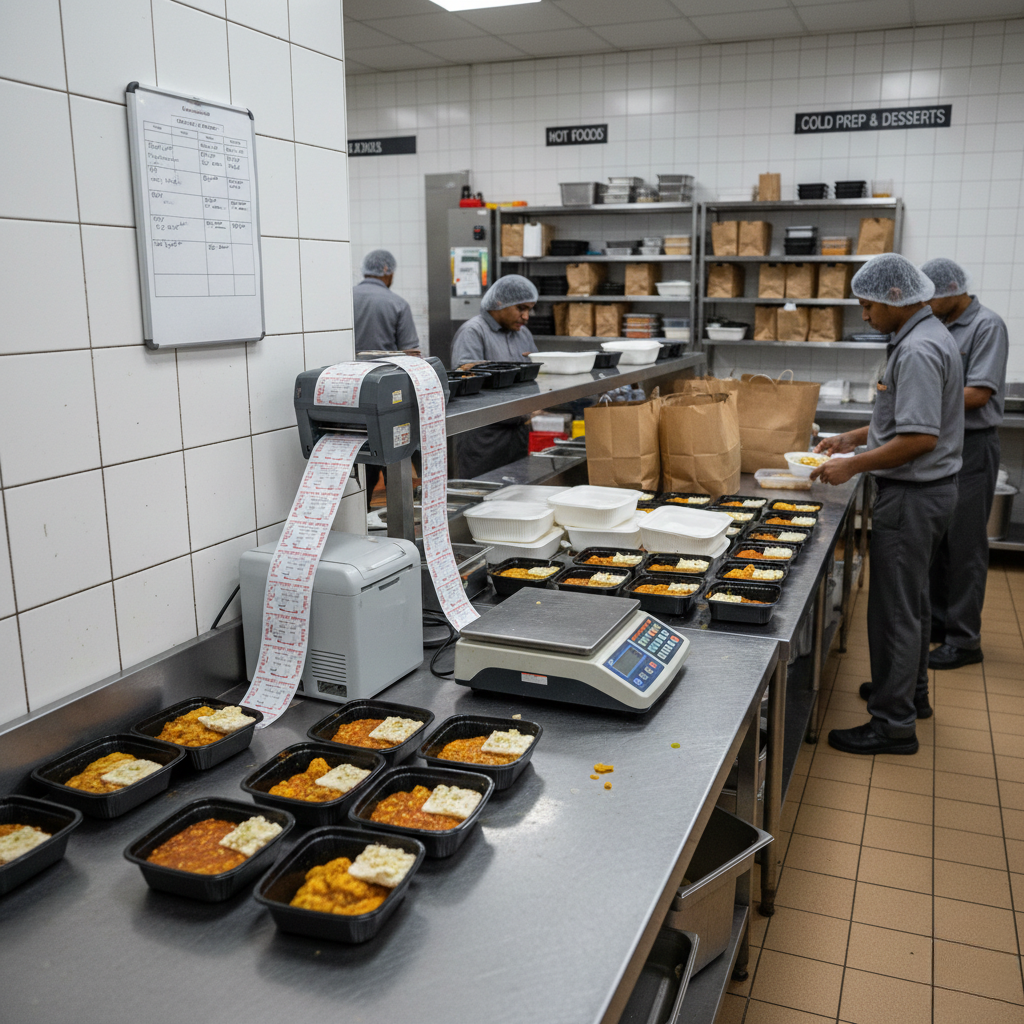
Poor Portion Control Impact on cloud kitchen Margins is one of the most underestimated profit killers in cloud kitchens. It doesn’t look like wastage. It doesn’t feel like a mistake. It shows up as generosity, speed, or habit. A little extra gravy. A slightly heavier protein scoop. An eyeballed serving during rush hours. Orders continue. Ratings remain stable. Yet margins quietly collapse. This guide explains how poor portion control silently destroys contribution margin, why founders miss it, and how disciplined operators build portion systems that protect profit without hurting customer experience.
Why Portion Control Is a Financial System, Not a Kitchen Detail
Most cloud kitchen founders obsess over pricing, discounts, and ads.
Very few obsess over how much food actually leaves the kitchen in every order.
To understand why portion control directly affects profitability, start with Cloud Kitchen Unit Economics Explained, Understanding Contribution Margin in Cloud Kitchens, and Ideal Food Cost Percentage for Cloud Kitchens.
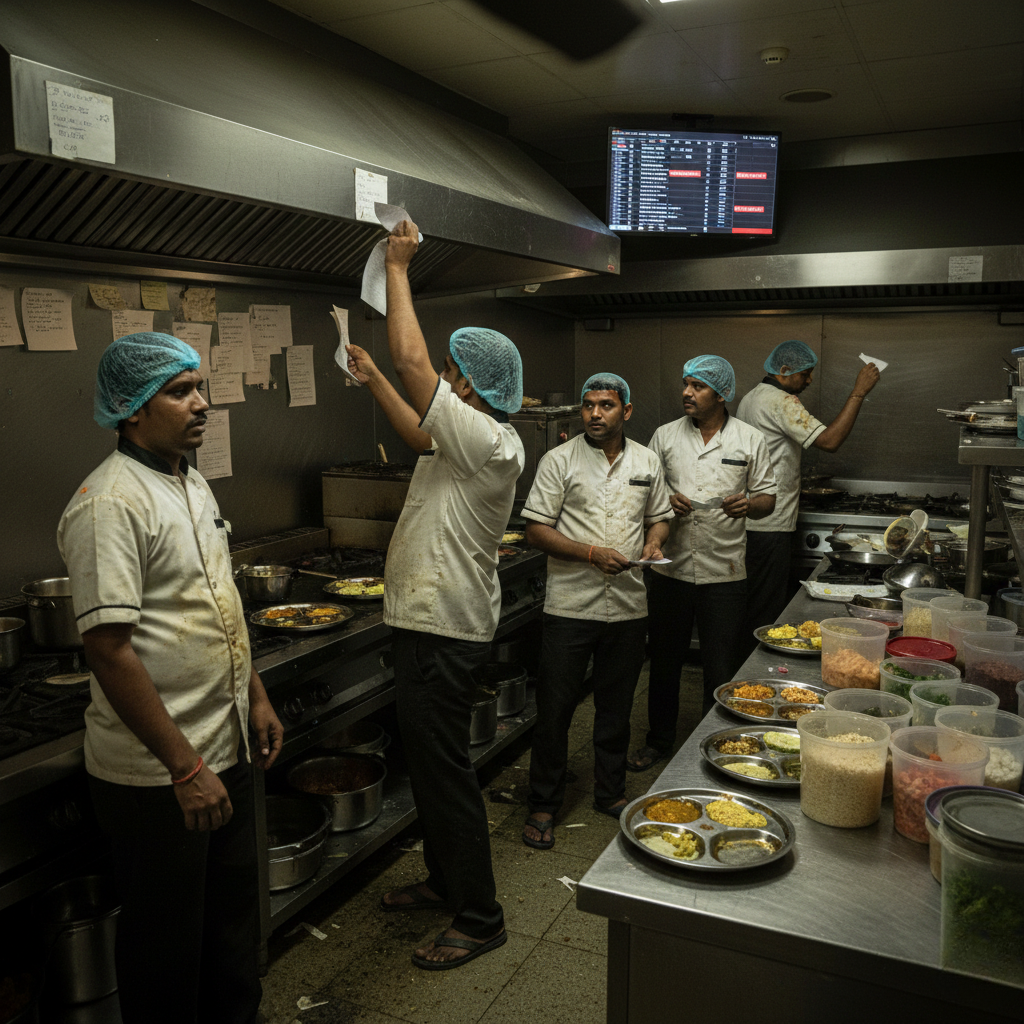
Poor Portion Control Rarely Looks Like a Problem
Portion issues don’t feel dangerous.
They feel like good service, generosity, or speed during peak hours.
Impact #1: Eyeballed Portions Destroy Cost Predictability
When staff serve by sight instead of by measure, portions vary with mood, experience, and rush pressure.
This variability makes food cost uncontrollable even when recipes are correct.
This is why food cost “mysteriously increases” without price changes.
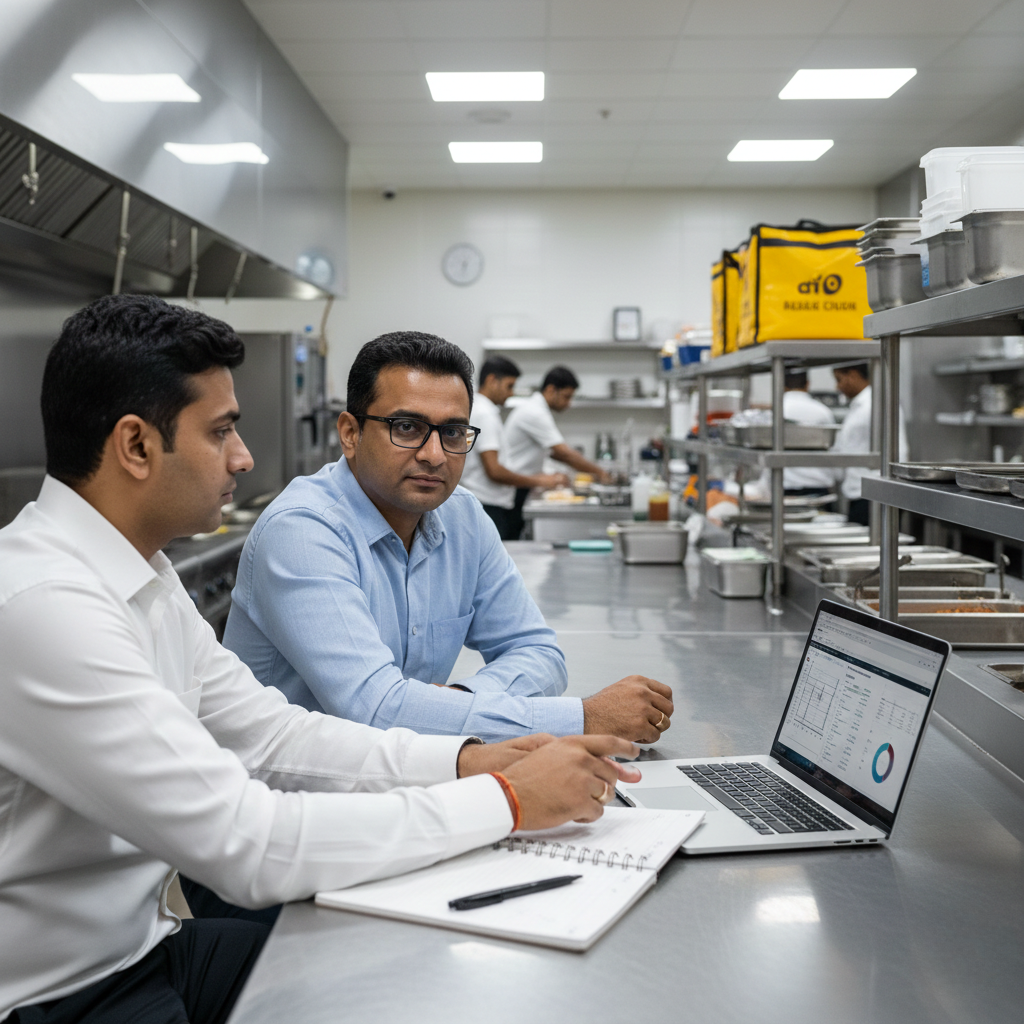
Impact #2: Portion Drift Compounds Daily Without Detection
Portion drift is gradual.
10 grams extra today. 15 grams extra tomorrow. Slightly heavier scoops during rush.
No single order looks wrong. But across hundreds of orders, margins quietly disappear.
Impact #4: Staff-to-Staff Variation Multiplies Losses
Experienced staff often over-serve confidently.
New staff overcompensate to avoid complaints.
Without standardized tools, portion size depends on who is cooking, not on system design.
Impact #5: Portion Control Collapses During Rush Hours
Peak hours prioritize speed.
Measuring feels slow. Scooping feels faster.
This is when the highest volume orders also carry the highest portion leakage.
This reflects Harvard Business Review’s findings , which show that process discipline is essential for maintaining margins at scale.
Impact #6: Poor Portion Control Increases Wastage
Over-served food often leads to leftovers, rejected orders, and remakes.
This converts portion issues into direct wastage.
Learn how wastage compounds losses in How Wastage Destroys Cloud Kitchen Profit.
Impact #7: Portion Inconsistency Triggers Refunds
Inconsistent portions create customer confusion.
One day feels generous. Another day feels insufficient.
This inconsistency drives complaints and refunds.
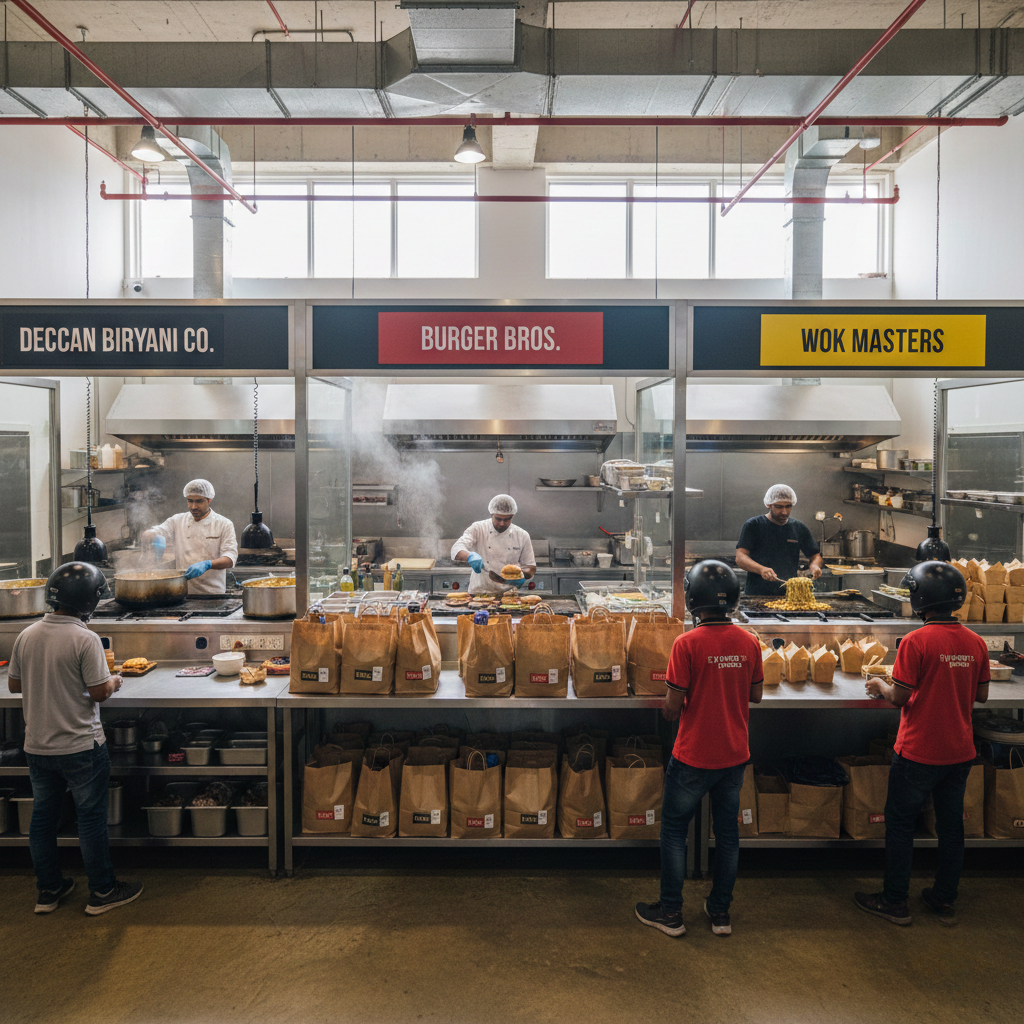
Impact #8: Multi-Brand Kitchens Amplify Portion Errors
Different brands require different portion standards.
Without brand-wise portion SOPs, staff mix up serving sizes, increasing leakage.
Impact #9: Absence of Portioning Tools
Lack of ladles, scoops, weighing scales, and portion charts forces staff to guess.
Guessing is expensive at scale.
Impact #10: Portion Errors Are Never Measured
Kitchens track sales, not grams.
Without portion audits, founders remain unaware of daily margin leakage.
Why Poor Portion Control Becomes Fatal During Scaling
At 20 orders a day, portion drift feels harmless.
At 500 orders a day, the same drift destroys profitability.
This is why professional operators lock portion control before expansion.
Poor Portion Control and Its Impact on Margins: Final Clarity
Portion control is not about being stingy.
It is about consistency, predictability, and financial discipline.
GrowKitchen helps founders design portion systems that protect margins while delivering consistent customer experience.
FAQs: Portion Control in Cloud Kitchens
Does strict portion control hurt customer satisfaction?
No. Consistency improves trust and repeat orders.
What is the biggest portion control mistake?
Allowing eyeballing instead of measurement.
How often should portion audits be done?
Weekly during stability, daily during scaling.