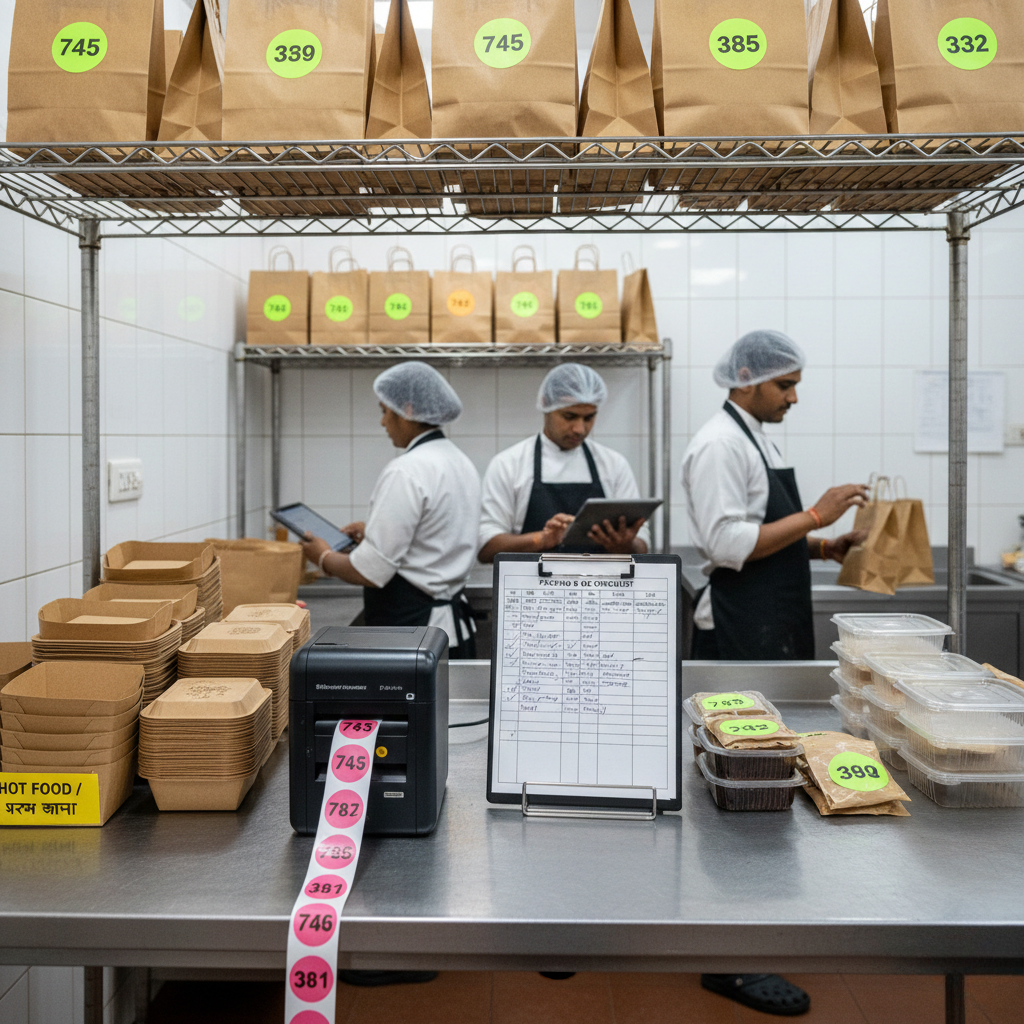
Packaging Cost in cloud kitchens is one of the most overlooked reasons cloud kitchens struggle to become profitable. Many founders obsess over food cost and discounts while packaging quietly eats into margins every single day. Boxes get upgraded. Cutlery gets added “just in case”. Leakage increases with volume. And suddenly, profitable orders stop being profitable. This guide explains how packaging cost silently destroys margins, why most cloud kitchens underestimate its impact, and how disciplined operators control packaging without hurting customer experience or brand perception.
Why Packaging Cost Is Rarely Taken Seriously
Packaging is often treated as a small, unavoidable expense. Something added after food cost is calculated. In reality, packaging is one of the most dangerous variable costs in a delivery-first business. It increases with every order, scales silently, and is rarely audited.
To understand the broader profitability picture, start with Cloud Kitchen Business in India, Cloud Kitchen Unit Economics Explained, and Ideal Food Cost Percentage for Cloud Kitchens.
What Packaging Cost Actually Includes
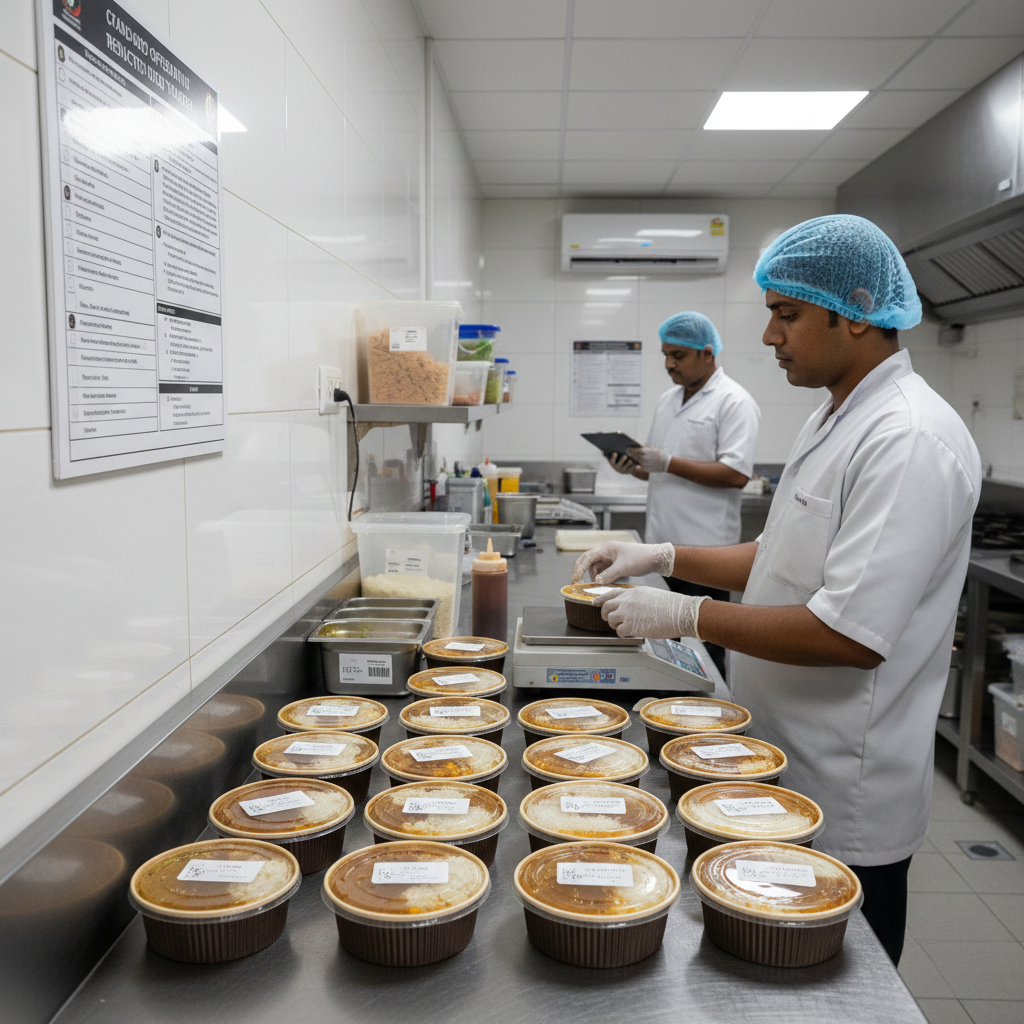
Packaging cost is not just containers. It includes boxes, bowls, lids, bags, cutlery, napkins, seals, stickers, and sometimes inserts. When multiplied by order volume, even small additions become significant.
The Biggest Myth: “Packaging Cost Is Too Small to Matter”
Many founders assume a ₹8–₹15 packaging cost is harmless. But when AOV is ₹250–₹300, packaging can consume 5–8% of revenue. Add commissions and discounts, and contribution margin collapses.
Packaging does not hurt once. It hurts on every order.
Why Packaging Is One of the Most Dangerous Variable Costs
Unlike rent or base salaries, packaging scales directly with volume. Every additional order adds another packaging expense. Kitchens that grow fast often see packaging cost balloon before they realize it.
This is why packaging must be controlled before scaling.
Packaging Cost and Its Direct Impact on Unit Economics
In unit economics, packaging sits alongside food cost and aggregator commissions. A ₹10 increase in packaging can flip a profitable order into a loss-making one.
This is especially dangerous for low AOV menus.
Learn how this connects in Cloud Kitchen Unit Economics Explained.
This aligns with Harvard Business Review’s analysis on hidden operational costs , which explains how small per-unit decisions quietly erode profitability at scale.
Over-Packaging: The Most Common Packaging Mistake
Many kitchens over-package out of fear. Extra boxes, double bags, unnecessary cutlery, and redundant lids are added “just in case”.
This fear-based packaging increases cost without improving ratings.
Why Packaging SOPs Are Critical
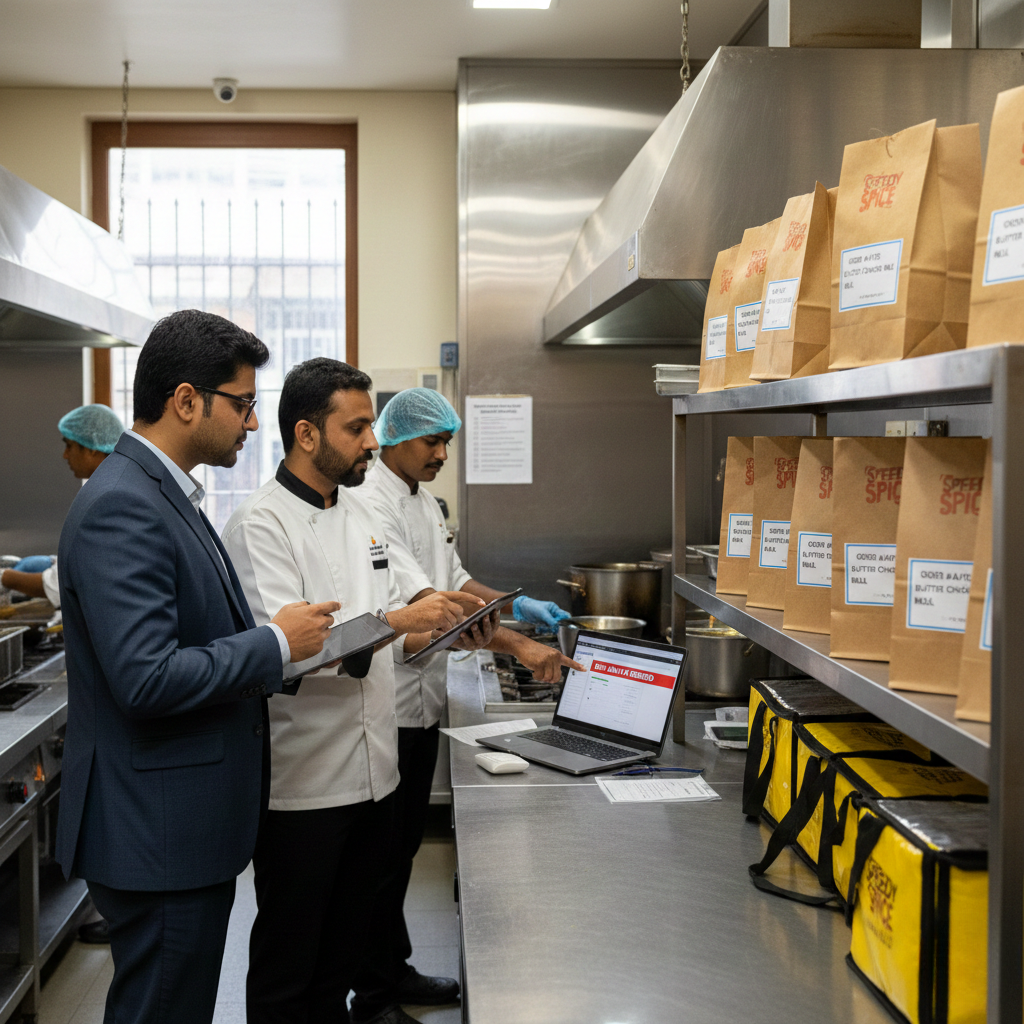
Packaging should never be discretionary. SOPs define: which container, how many units, whether cutlery is included, and how items are sealed. Without SOPs, staff decisions vary by mood and rush.
SOPs turn packaging into a controlled system.
Packaging Inventory Leakage and Wastage
Packaging leakage is rarely tracked. Boxes get damaged, bags tear, and excess stock expires. Because packaging feels “cheap”, wastage is ignored.
Over time, this becomes a major cost drain.
Learn inventory discipline in Cloud Kitchen Inventory Management in India.
Branding vs Profit: Finding the Right Packaging Balance
Custom printed boxes feel premium. But they lock kitchens into higher minimum order quantities, storage challenges, and inflexibility.
Smart kitchens separate functional packaging from branding elements like stickers or sleeves.
Multi-Brand Kitchens and Packaging Chaos
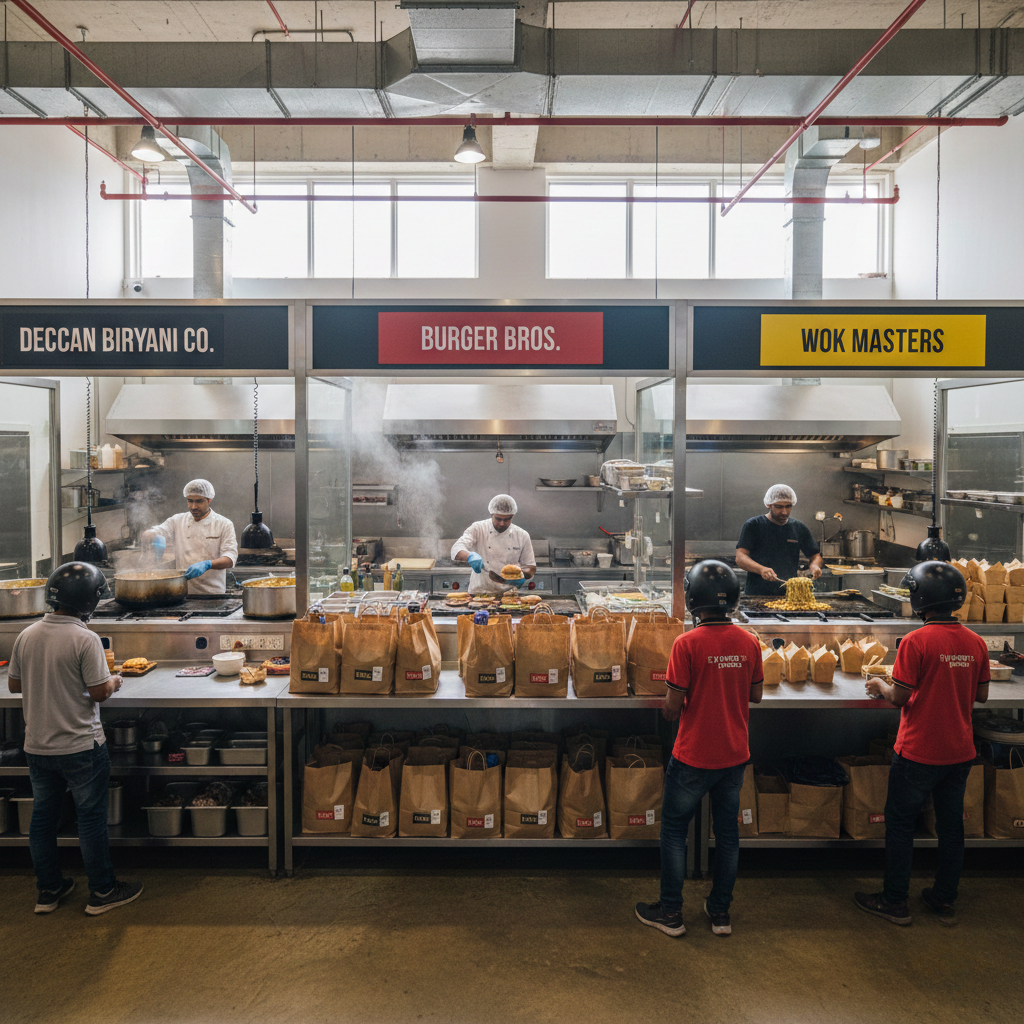
Multi-brand kitchens often explode packaging SKUs. Different boxes, different stickers, different bags. Complexity increases cost and error rates.
Packaging should be standardized wherever possible.
Learn structured design in How to Build SOPs for Multi-Brand Cloud Kitchens.
Why Packaging Cost Must Be Controlled Before Scaling
A ₹5 packaging mistake at 50 orders a day feels harmless. At 500 orders, it becomes a monthly loss. Scaling multiplies every uncontrolled cost.
This principle mirrors Cloud Kitchen Scaling Strategy.
Packaging Cost: The Silent Profit Killer — Final Clarity
Packaging is not an afterthought. It is a core unit economics lever. Kitchens that ignore packaging struggle to protect margins. Kitchens that systemize packaging unlock predictable profitability. GrowKitchen helps founders design packaging SOPs that balance cost, quality, and scale.
FAQs: Packaging Cost in Cloud Kitchens
How much should packaging cost per order?
Ideally 3–6% of order value, depending on cuisine.
Does premium packaging improve ratings?
Rarely. Food quality and delivery speed matter more.
Should cutlery always be included?
No. It should be optional or SOP-controlled.
Can packaging really impact profitability?
Yes. It directly affects contribution margin.