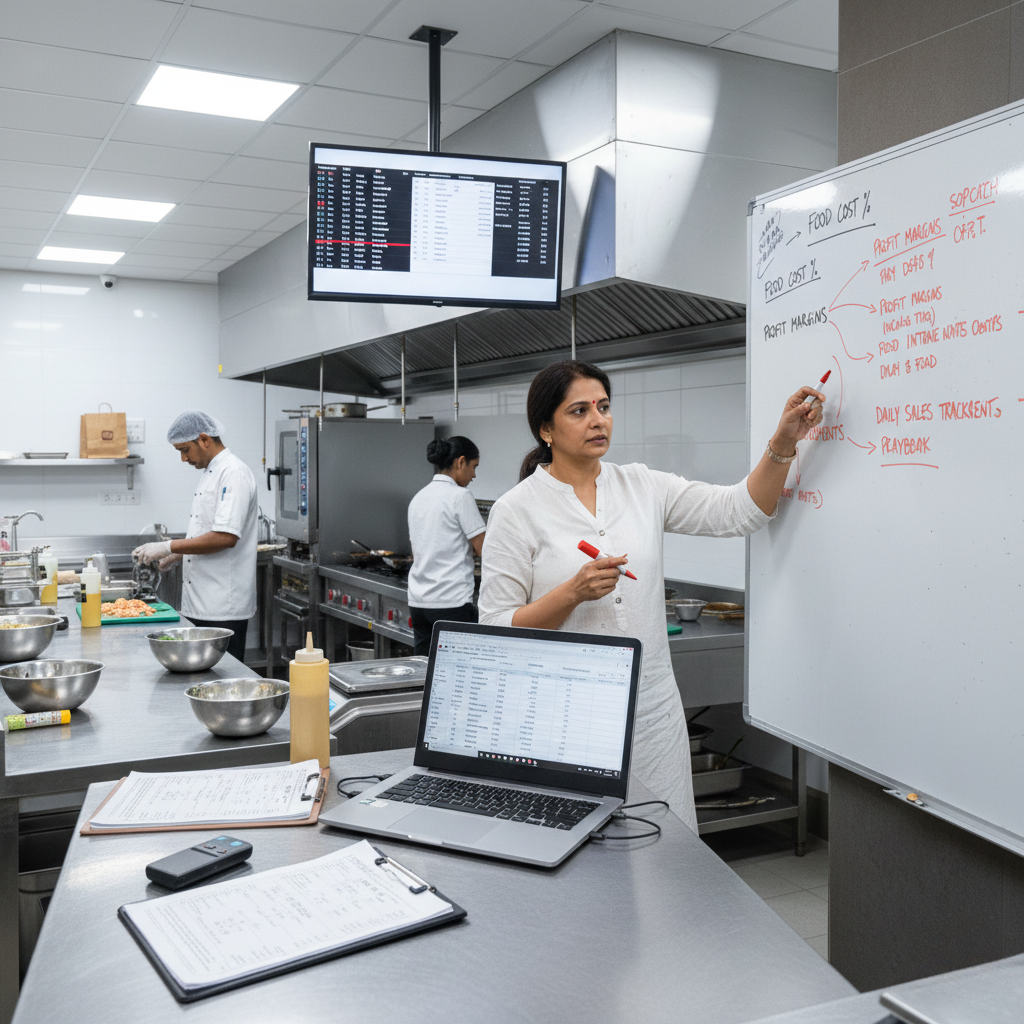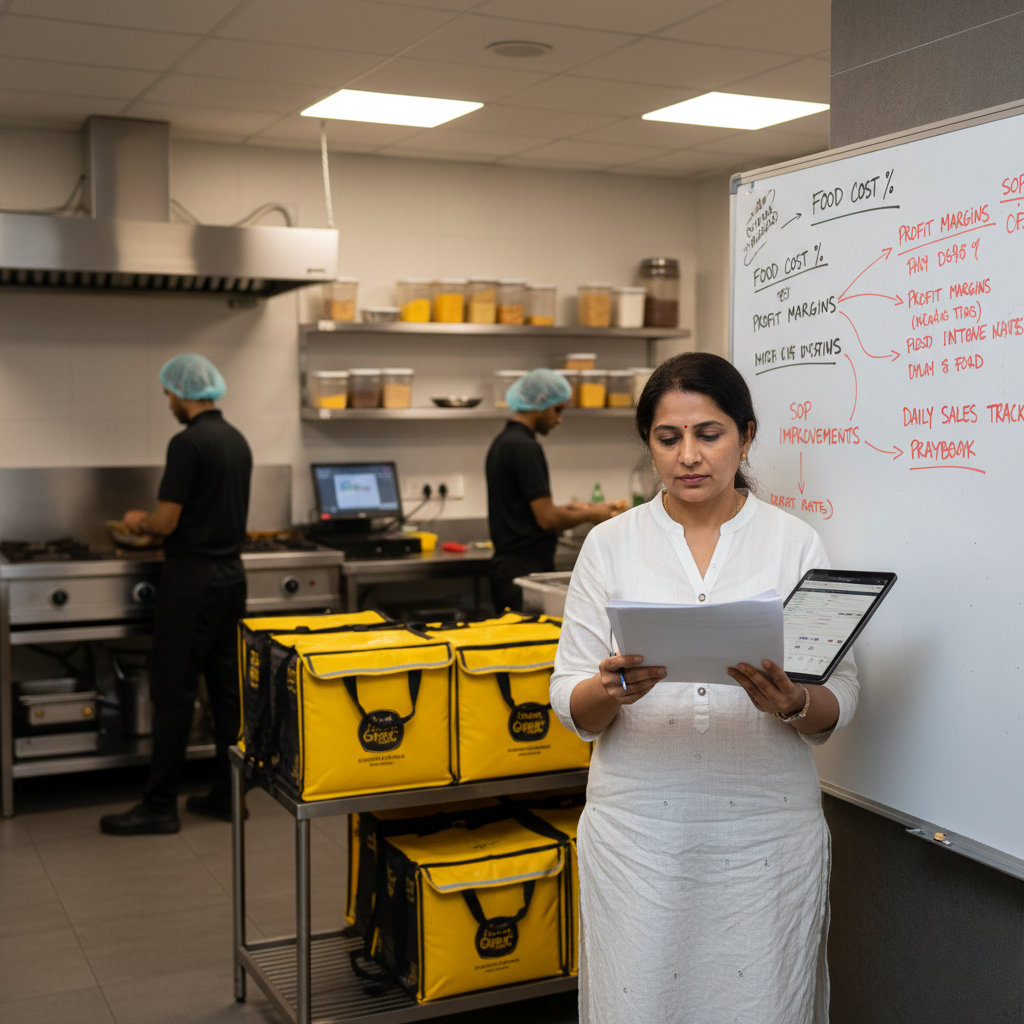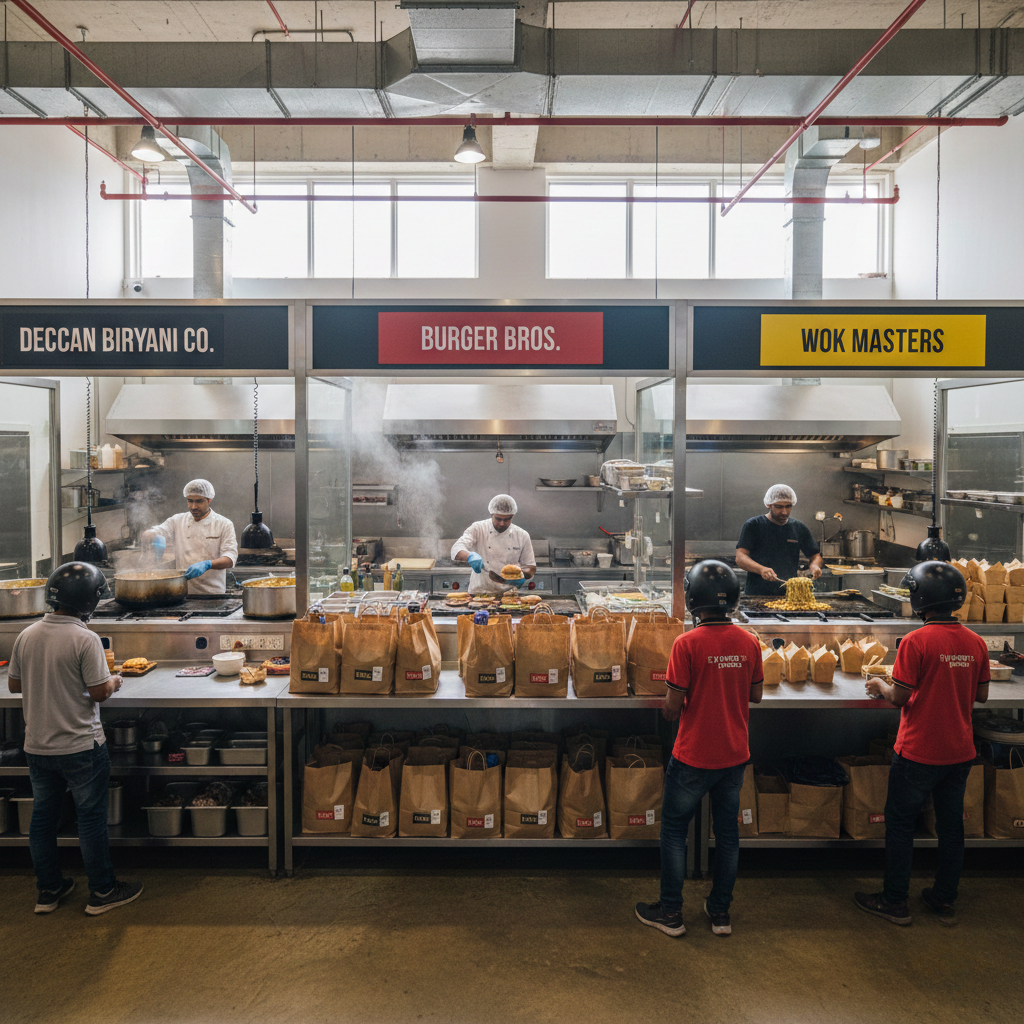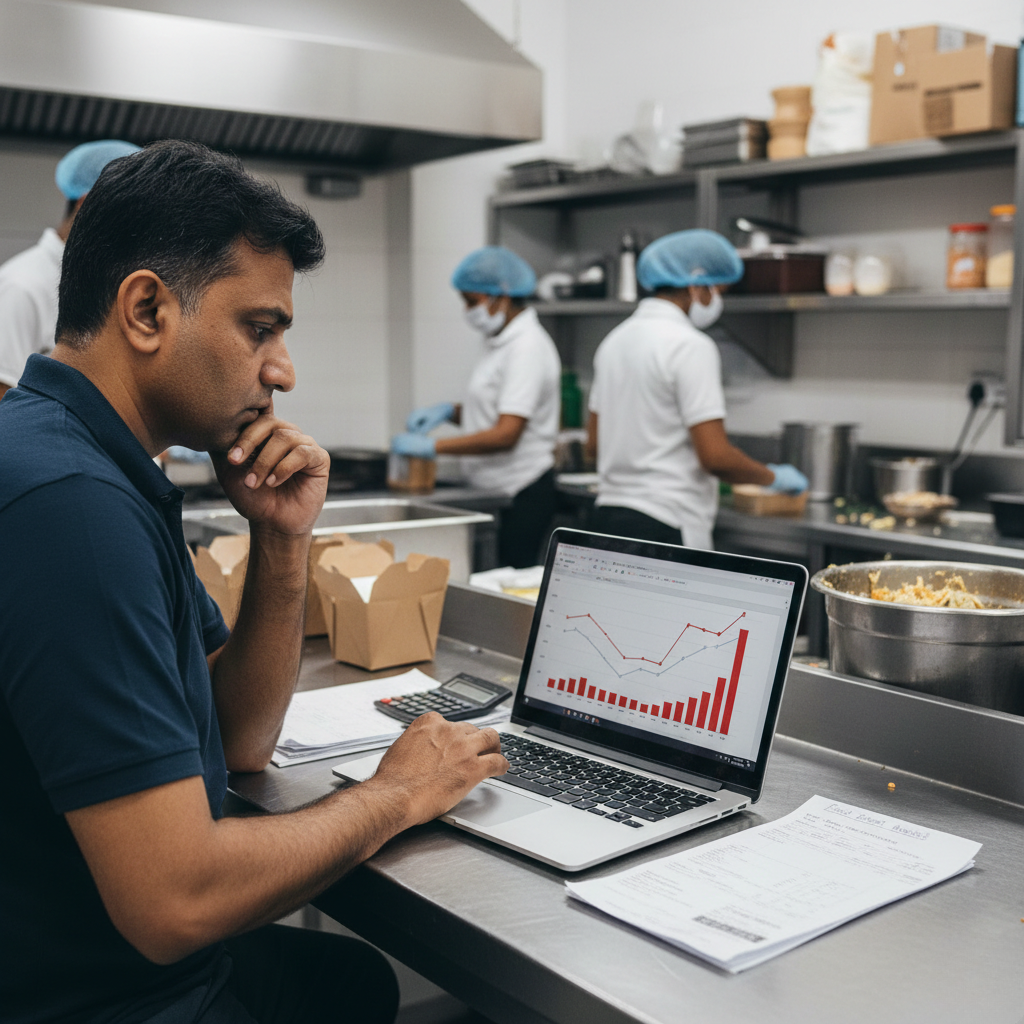
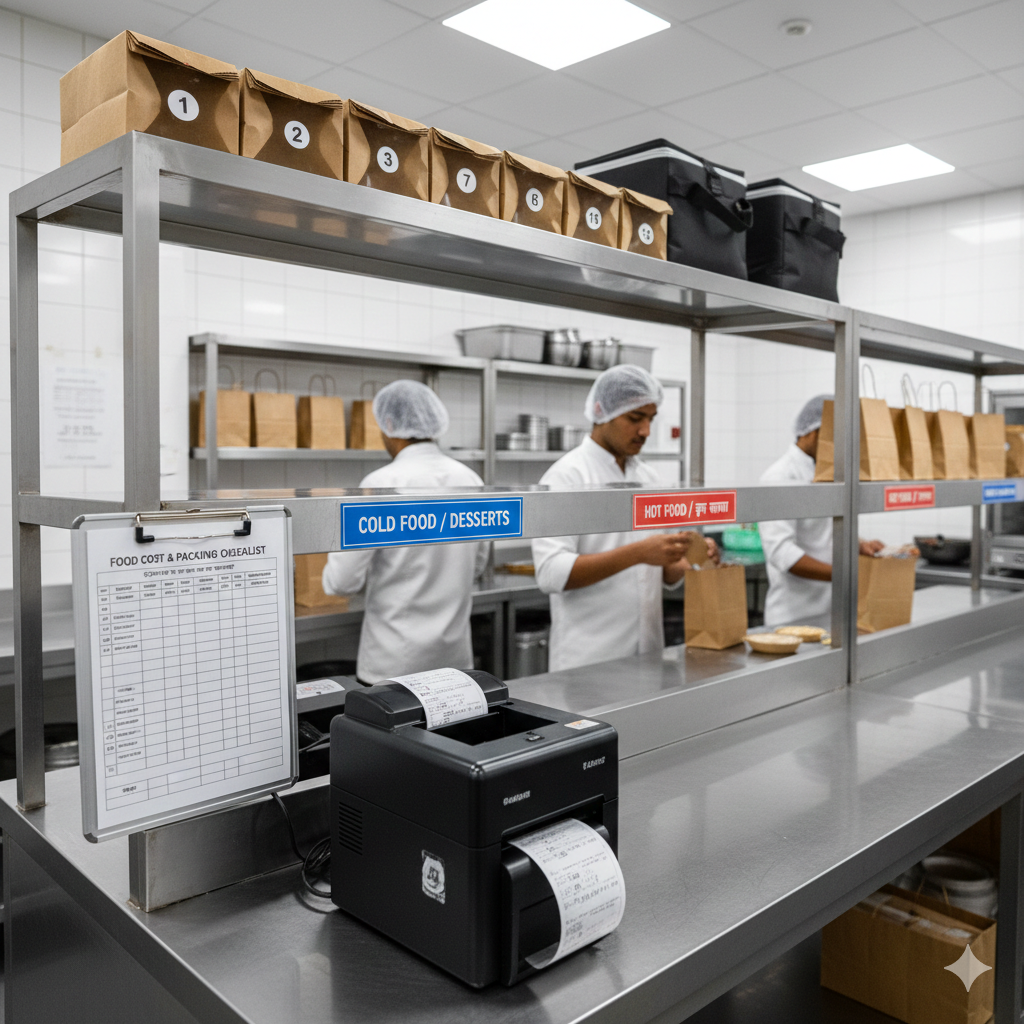
Ideal Food Cost Percentage for Cloud Kitchens is one of the most misunderstood benchmarks in the food delivery business. Many cloud kitchen founders blindly chase “industry numbers” without understanding what food cost actually represents. Some cut portions to hit targets. Others overspend assuming volume will fix it. Both approaches quietly destroy profitability. This guide explains what an ideal food cost percentage really looks like for cloud kitchens, why most kitchens get it wrong, and how disciplined operators control food cost without compromising quality or growth.
Why Food Cost Percentage Is So Often Misunderstood
Food cost percentage is treated as a fixed rule. A number founders try to “achieve”. In reality, food cost is a consequence of design decisions. Two kitchens with the same cuisine can have completely different food cost percentages based on menu structure, sourcing discipline, portion control, and execution maturity.
To understand the broader picture, start with Cloud Kitchen Business in India, Cloud Kitchen Unit Economics Explained, and Cloud Kitchen Profit Margin in India.
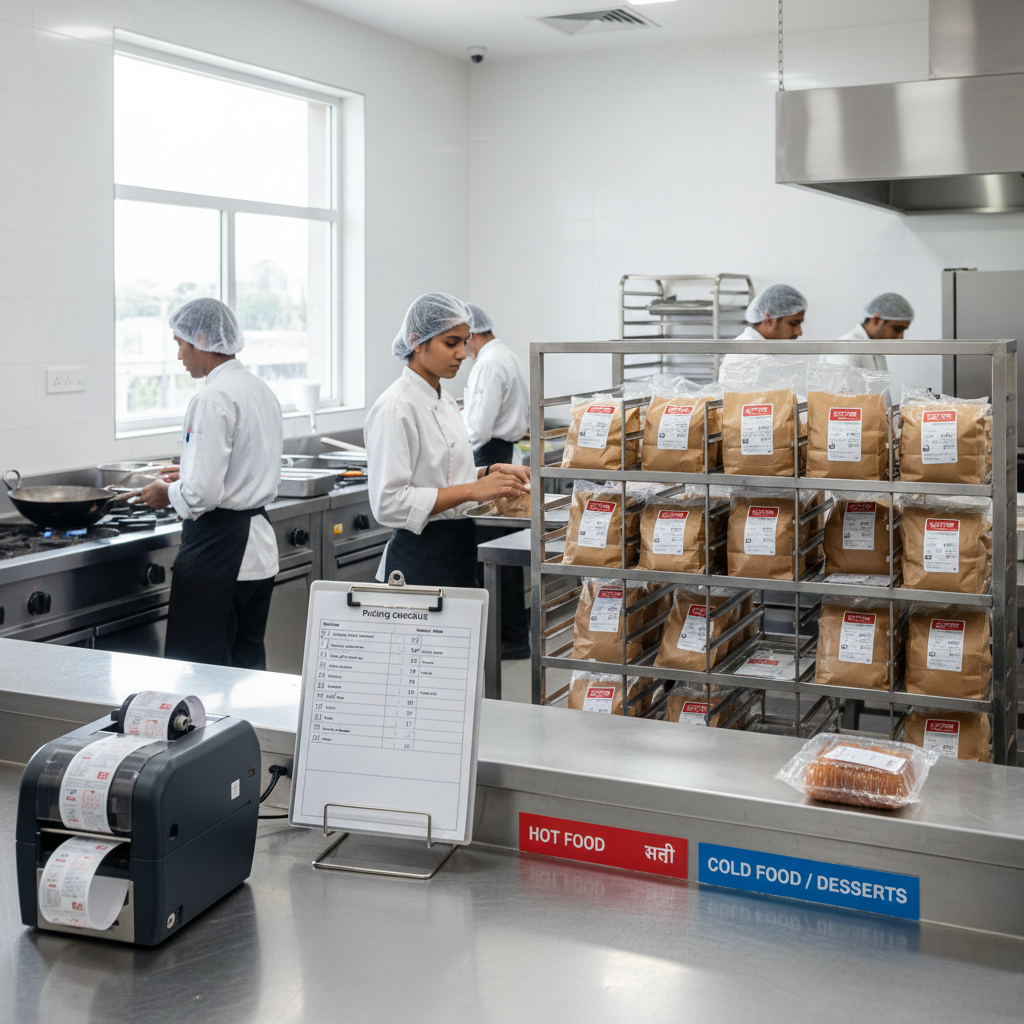
What Food Cost Percentage Actually Means
Food cost percentage is the ratio of ingredient cost to selling price. It tells you how much of every rupee earned is consumed by raw materials. What it does not show is whether the business is healthy.
The Biggest Myth: “Food Cost Must Be Under 30%”
Many founders believe food cost must always stay under 30%. This benchmark comes from dine-in restaurants, not delivery-first kitchens. Cloud kitchens have higher packaging costs, aggregator commissions, and discount exposure.
Blindly copying restaurant benchmarks leads to wrong decisions.
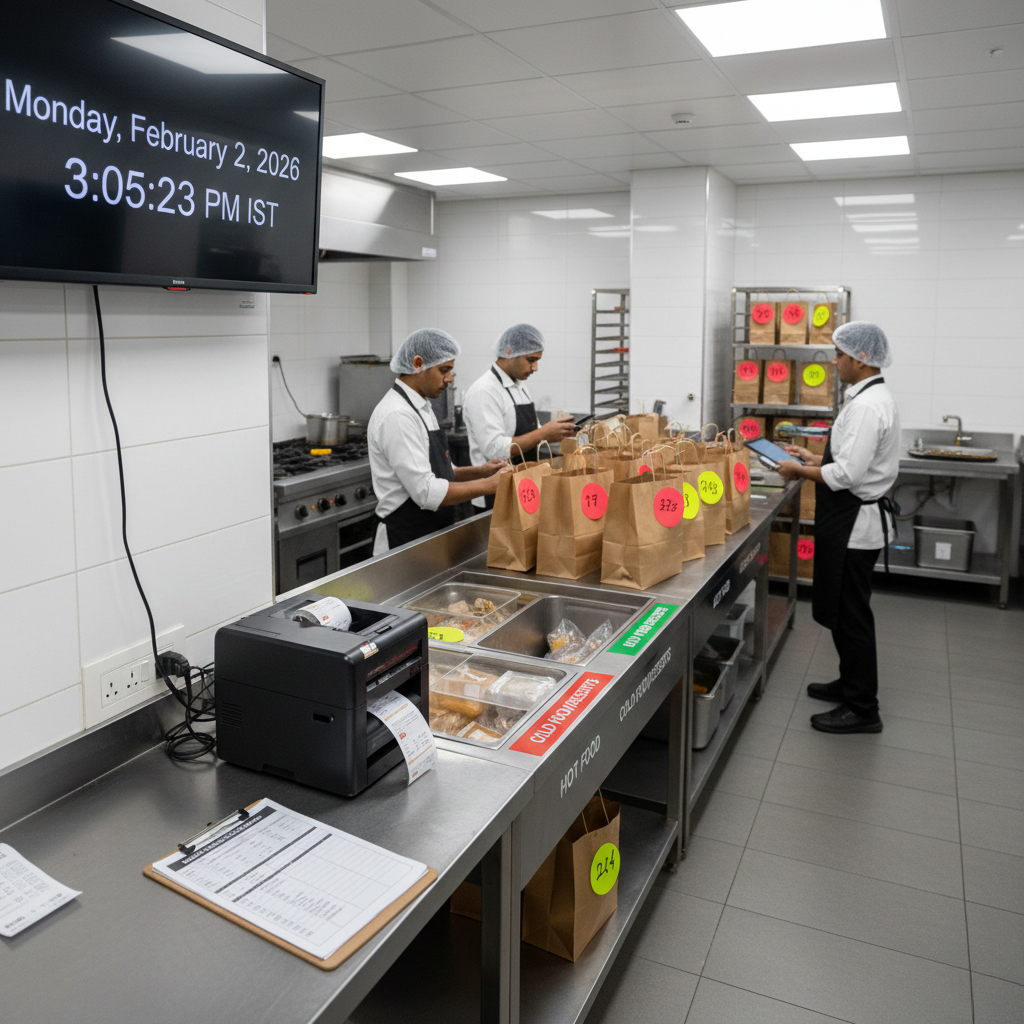
Ideal Food Cost Percentage for Cloud Kitchens in India
For most cloud kitchens, a healthy food cost percentage typically ranges between: 35–45% depending on cuisine, price positioning, and operational maturity.
Lower food cost is not always better. Higher food cost can still be profitable if contribution margin is protected.
Why Ideal Food Cost Varies by Cuisine
Different cuisines have very different raw material structures. Protein-heavy menus, cheese-based products, and imported ingredients naturally push food cost higher.
What matters is not the percentage alone, but how well the menu absorbs it.
Why Contribution Margin Matters More Than Food Cost
Food cost must be viewed alongside packaging, commissions, and refunds. A kitchen with 42% food cost but strong pricing may outperform a kitchen with 30% food cost and weak AOV.
This is why food cost should never be optimized in isolation.
This thinking aligns with Harvard Business Review’s view on cost discipline , which emphasizes intelligent cost control instead of aggressive cost cutting.
Portion Control: The Real Lever Behind Food Cost
Most food cost problems are not sourcing problems. They are portion problems. Inconsistent scoops, eyeballing ingredients, and rushed service silently inflate food cost.
Portion control is a system, not a habit.
Why SOPs Are Critical for Food Cost Control
SOPs lock portion size, cooking process, and plating sequence. Without SOPs, food cost fluctuates daily. With SOPs, food cost becomes predictable.
Predictability is what enables scaling.
Inventory Leakage and Its Direct Impact on Food Cost
Spoilage, over-prepping, FIFO failures, and pilferage all inflate food cost. These losses rarely appear as “food cost overruns” but show up as shrinking margins.
Learn inventory discipline in Cloud Kitchen Inventory Management in India.
Multi-Brand Kitchens and Food Cost Complexity
Multi-brand kitchens often struggle with food cost. Shared raw materials without clear allocation distort food cost numbers. Brands appear profitable while the kitchen bleeds overall.
Food cost control improves only when brands share SOPs, not just inventory.
Learn structured design in How to Build SOPs for Multi-Brand Cloud Kitchens.
Why Food Cost Must Be Stabilized Before Scaling
Scaling amplifies food cost leakage. A 2% error at low volume becomes a major loss at scale. Kitchens that scale without food cost discipline lock themselves into weak margins.
This principle is central to Cloud Kitchen Scaling Strategy.
Ideal Food Cost Percentage for Cloud Kitchens: Final Clarity
There is no magic number. Ideal food cost percentage depends on cuisine, pricing, systems, and execution discipline. Kitchens that treat food cost as a controllable system build businesses that scale. GrowKitchen helps founders design menus and SOPs where food cost is predictable, not guessed.
FAQs: Ideal Food Cost Percentage for Cloud Kitchens
Is lower food cost always better?
No. It must be balanced with contribution margin.
How often should food cost be reviewed?
Weekly for growing kitchens, monthly at minimum.
Do discounts affect food cost percentage?
Yes. Discounts increase food cost percentage instantly.
Can SOPs really stabilize food cost?
Yes. SOPs are the strongest food cost control tool.