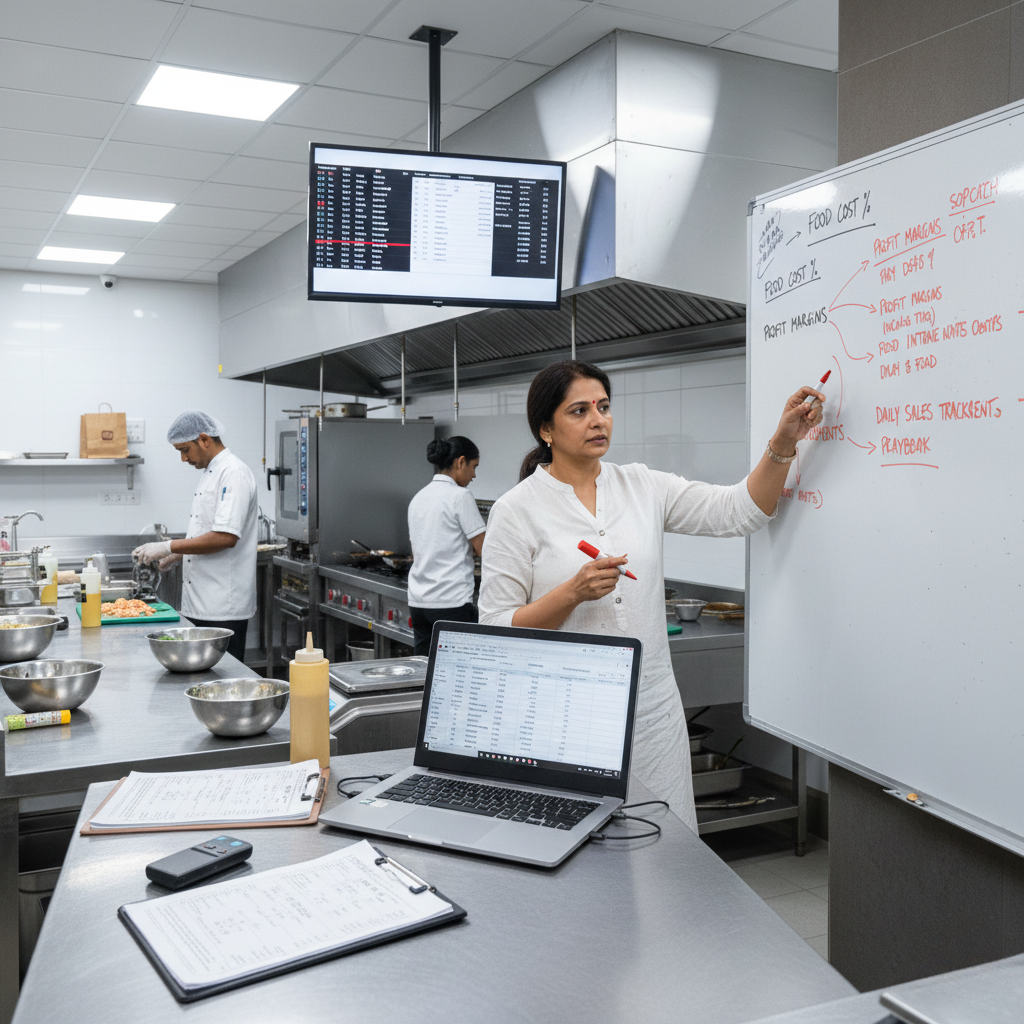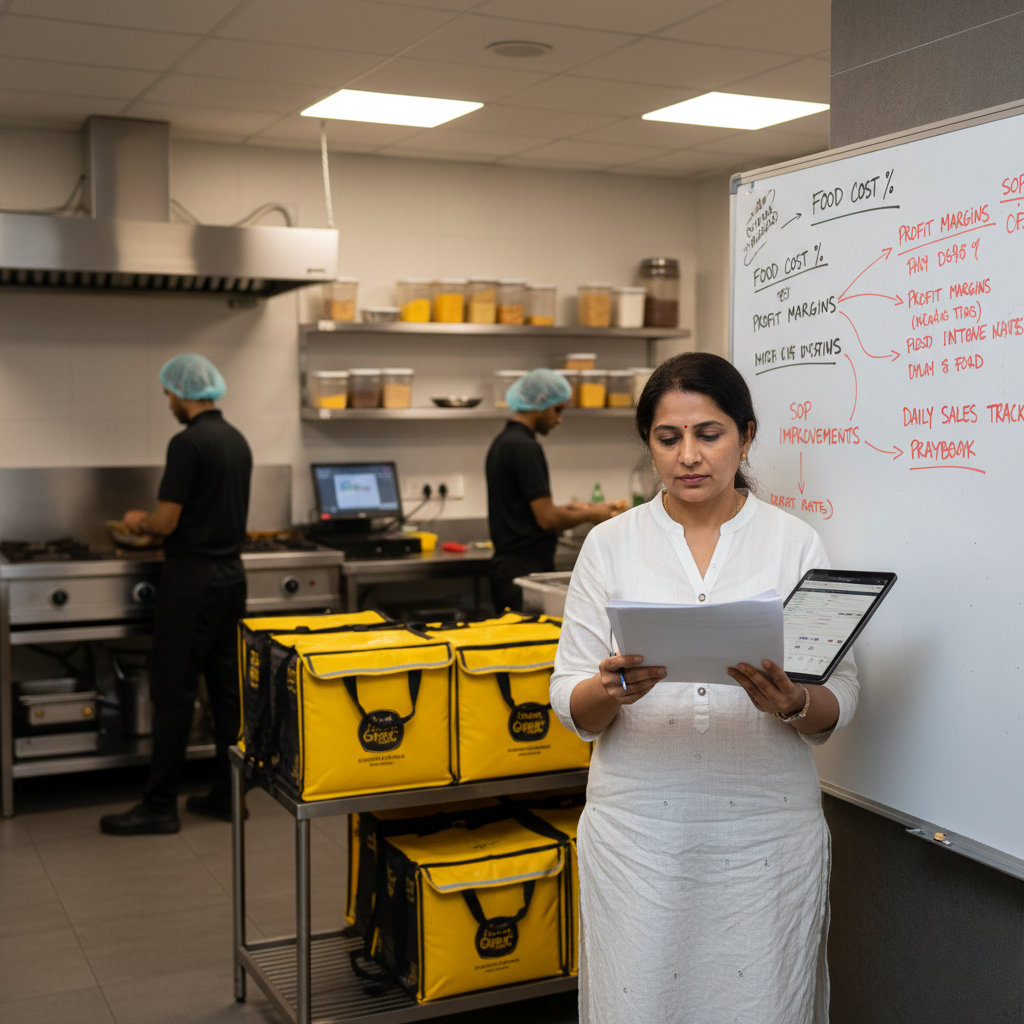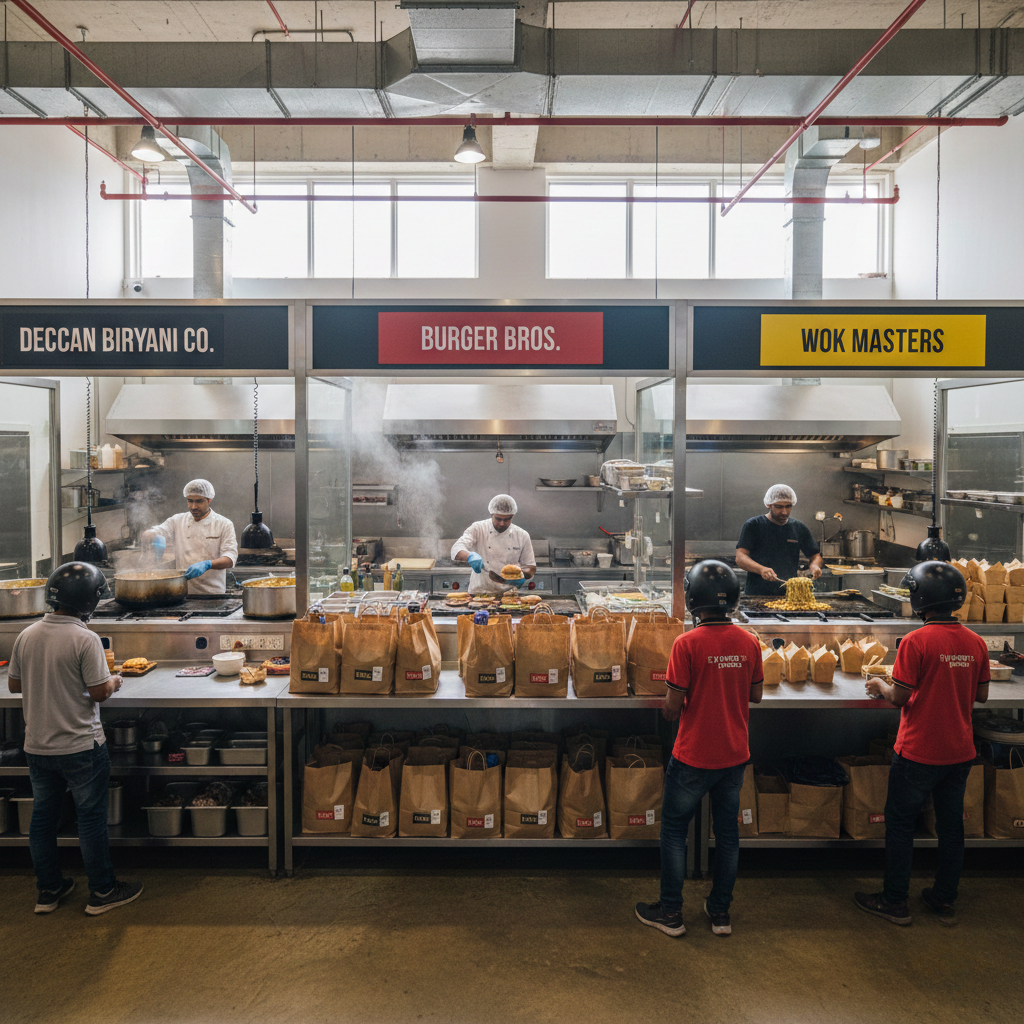
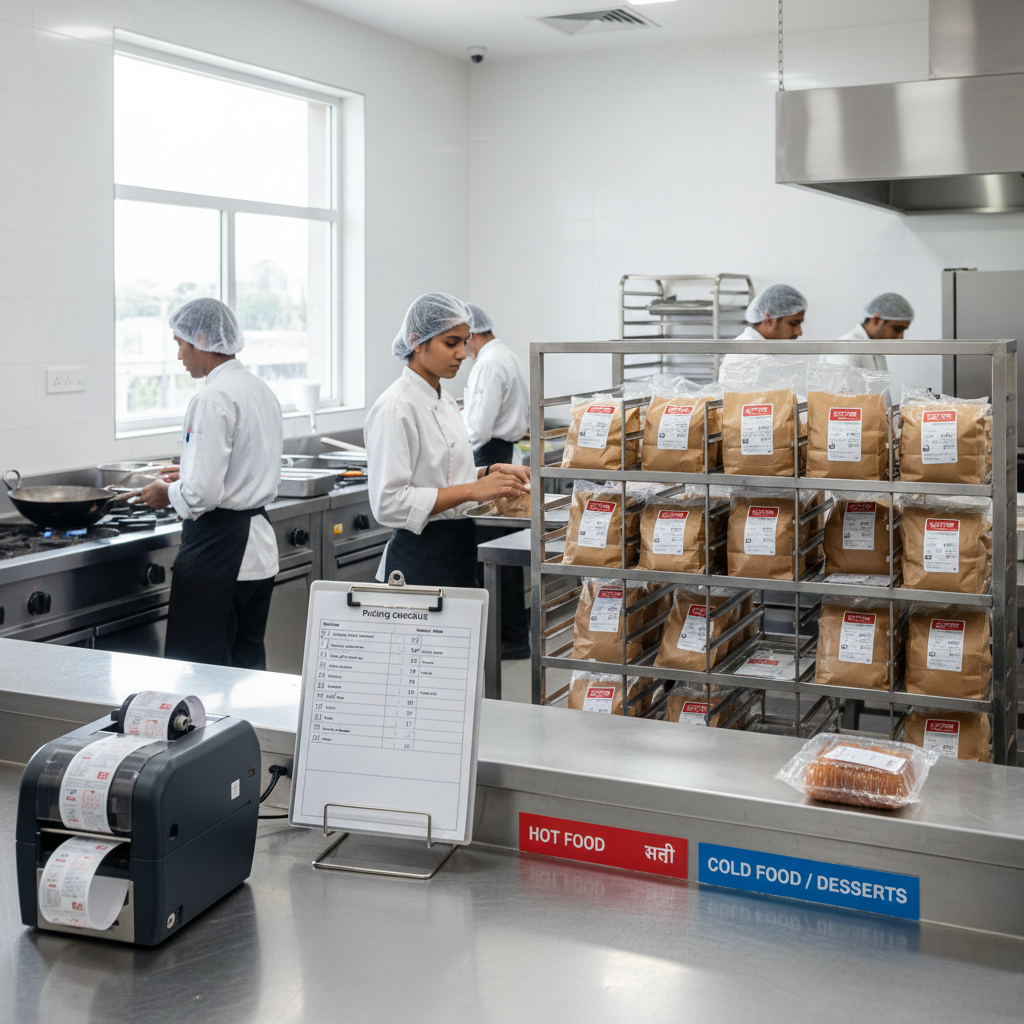
What Healthy Cloud Kitchen Margins Look Like is one of the most misunderstood questions among cloud kitchen founders in India. Many kitchens believe they are profitable simply because revenue is growing. Others assume thin margins are normal and unavoidable in food delivery. Both assumptions are dangerous. This guide explains what healthy cloud kitchen margins actually look like, why most kitchens operate at unhealthy margins, and how disciplined operators design businesses that are stable, scalable, and investor-ready.
Why Cloud Kitchen Margins Are So Often Misunderstood
Margin is not just a financial number. It is a reflection of operational discipline. Two kitchens with the same revenue can have completely different margins. The difference lies in menu design, cost control, staffing efficiency, and execution maturity.
To understand the ecosystem, start with Cloud Kitchen Business in India, Common Operational Mistakes in Cloud Kitchens, and Cloud Kitchen Profit Margin in India.
What “Healthy Margin” Actually Means in a Cloud Kitchen
Healthy margin does not mean maximum margin. It means sustainable margin. A margin that allows the kitchen to pay all costs, absorb fluctuations, reinvest in systems, and scale without stress.
The Biggest Myth: “Delivery Businesses Can’t Have Good Margins”
Many founders believe food delivery margins are permanently thin. This belief comes from kitchens that scale without control. In reality, disciplined cloud kitchens can achieve strong margins even on aggregators.
Poor margins are not a market problem. They are a systems problem.

Healthy Margin Benchmarks for Cloud Kitchens in India
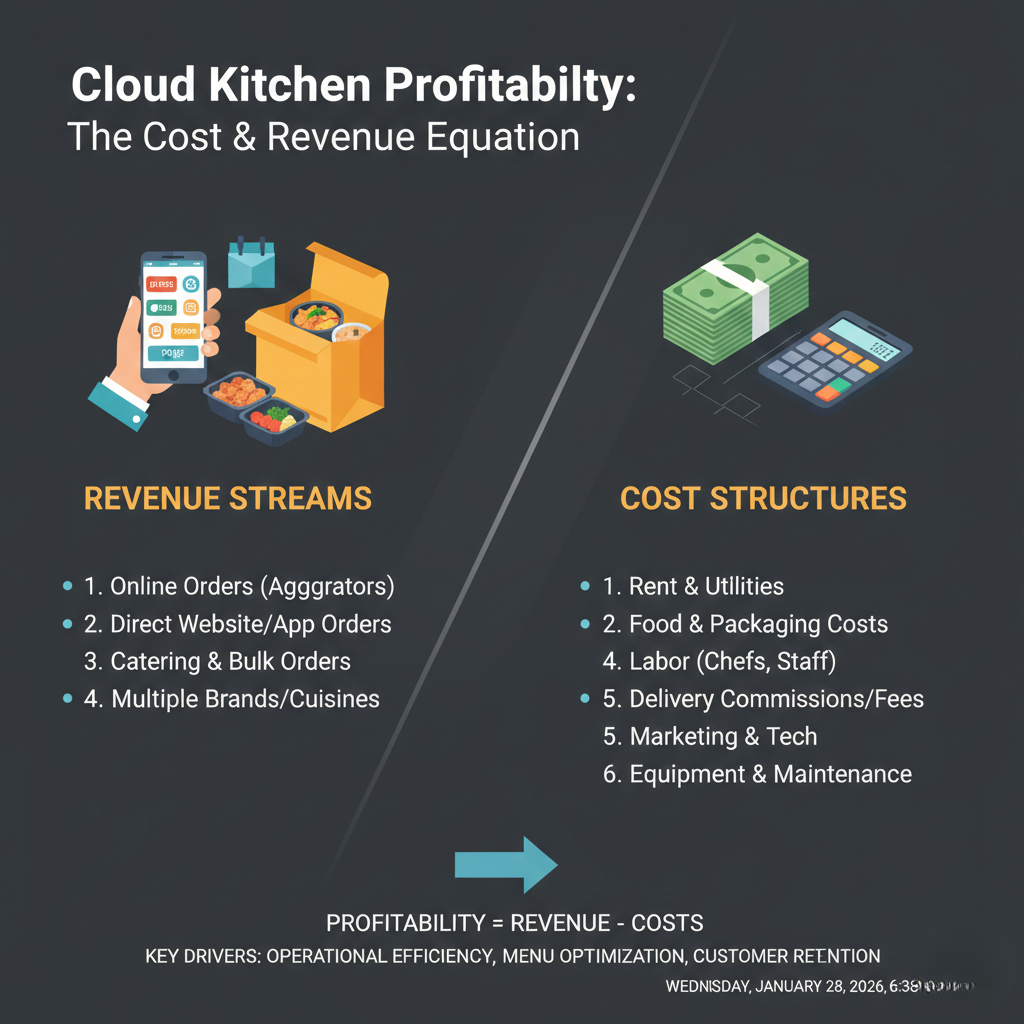
While margins vary by cuisine and format, broadly healthy cloud kitchens operate within: 60–65% gross margin before overheads, 15–25% contribution margin after variable costs, and 8–15% net margin after all expenses.
Kitchens operating below these ranges should not scale. They should fix fundamentals first.
How Cost Structure Determines Margin Health
Margins are decided long before the first order. Menu pricing, portion sizing, packaging choices, staff structure, and vendor discipline all lock in margin outcomes.
Kitchens that price emotionally or copy competitors inherit unhealthy margins by default.
Why Contribution Margin Is the Real Margin That Matters
Contribution margin shows how much money remains after variable costs. This is what pays rent, salaries, marketing, and founder income.
Healthy kitchens protect contribution margin before chasing order volume.
This approach aligns with Harvard Business Review’s view on contribution margins , which emphasizes sustainability over topline growth.
How Staffing Efficiency Protects Margins
Overstaffing is one of the fastest ways to destroy margins. Understaffing increases refunds, rework, and attrition. Healthy kitchens align staffing to throughput, not peak-hour panic.
Learn staffing logic in How Many Staff Does a Cloud Kitchen Need.
Why SOPs Are Non-Negotiable for Healthy Margins
SOPs reduce variability. Variability increases cost. Every uncontrolled action leaks margin. Kitchens with SOPs stabilize output, reduce wastage, and improve staff productivity.
SOPs are margin insurance.
Inventory Discipline: The Silent Margin Protector
Inventory mistakes rarely show up immediately. They quietly reduce margins through spoilage, overproduction, and pilferage. Healthy kitchens treat inventory as a financial system, not a storage task.
Learn control frameworks in Cloud Kitchen Inventory Management in India.
Why Multi-Brand Kitchens Often Destroy Margins
Multi-brand models look attractive. But without unified SOPs, they multiply complexity. Each brand adds training cost, error risk, and operational friction.
Healthy multi-brand kitchens share systems, not just space.
Learn structured design in How to Build SOPs for Multi-Brand Cloud Kitchens.
Why Healthy Margins Must Come Before Scaling
Scaling multiplies whatever margin exists. Weak margins become larger losses. Healthy margins create financial shock absorbers. Profitable kitchens stabilize margins first, then expand with confidence.
This principle is central to Cloud Kitchen Scaling Strategy.
What Healthy Cloud Kitchen Margins Look Like: Final Clarity
Healthy margins are not about luck. They are about structure. Kitchens that understand cost behavior, contribution margins, and operational discipline build businesses that last. GrowKitchen helps founders design cloud kitchens where margins are protected, not hoped for.
FAQs: Healthy Cloud Kitchen Margins
What is a healthy net margin for a cloud kitchen?
Typically 8–15% for well-run kitchens.
Can cloud kitchens survive on low margins?
Only temporarily. Low margins limit scalability.
Do discounts permanently hurt margins?
Yes, if not strategically controlled.
Are margins more important than revenue?
Yes. Margins determine sustainability.