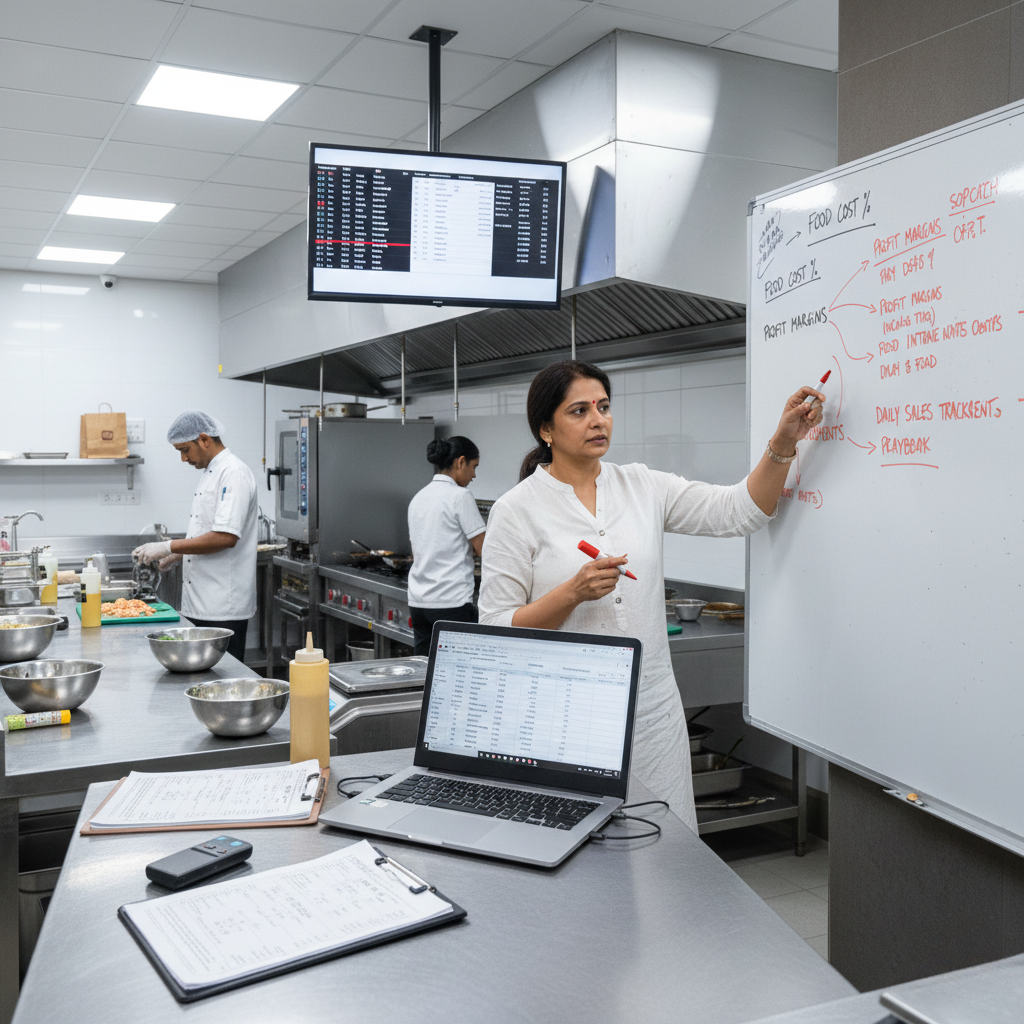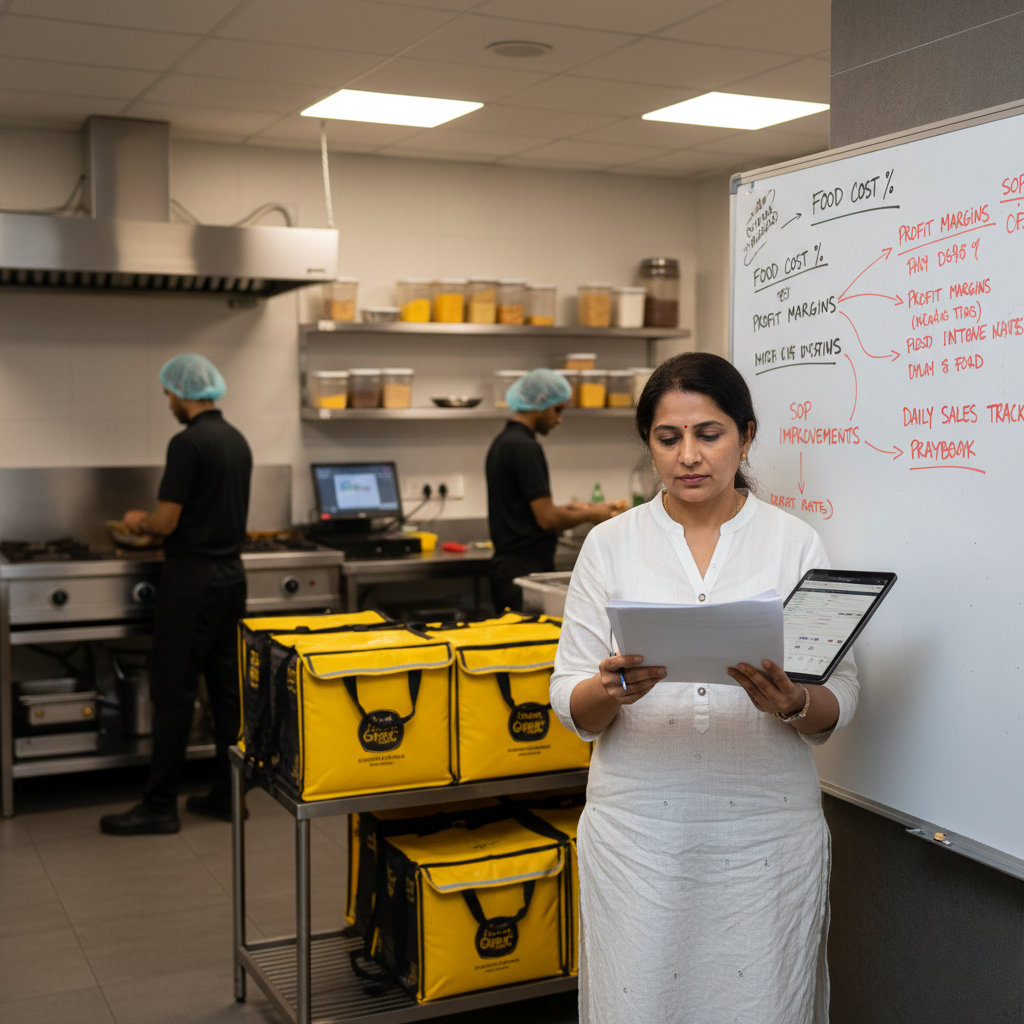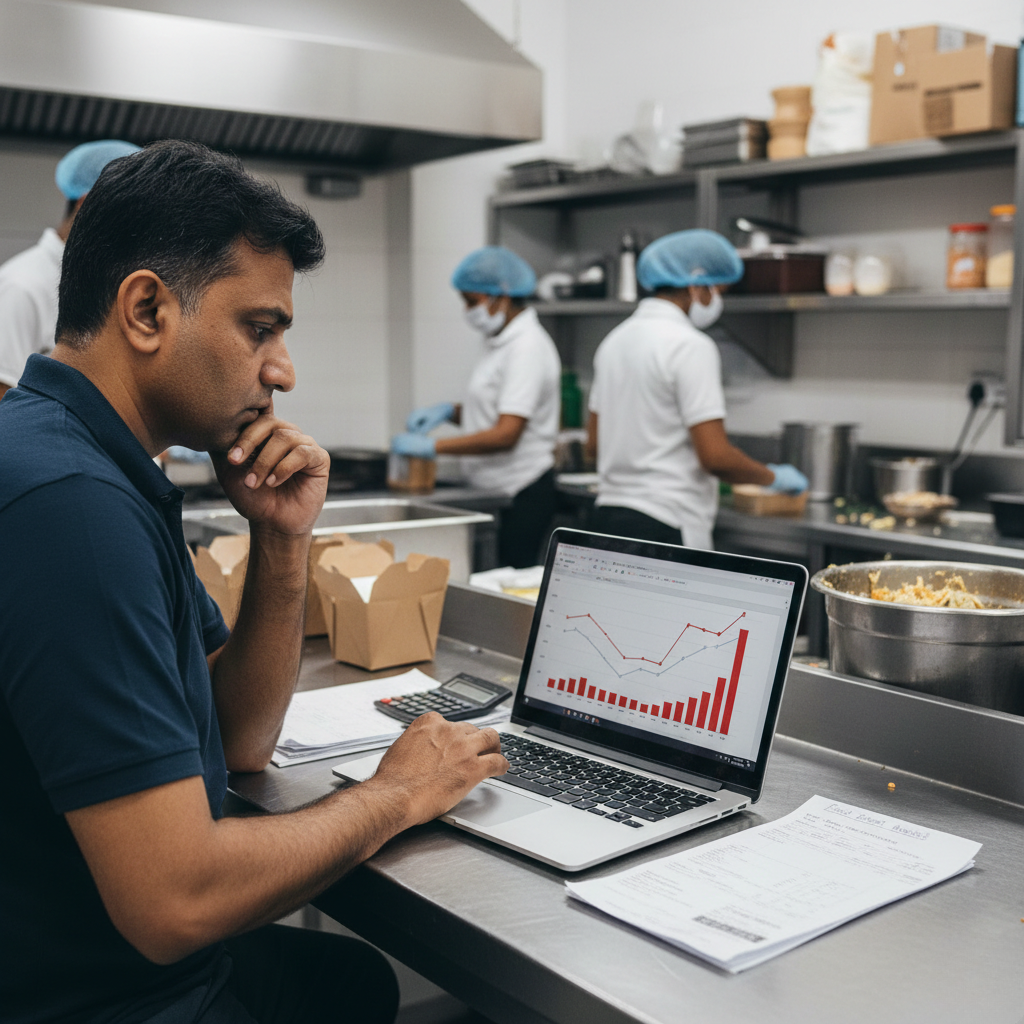
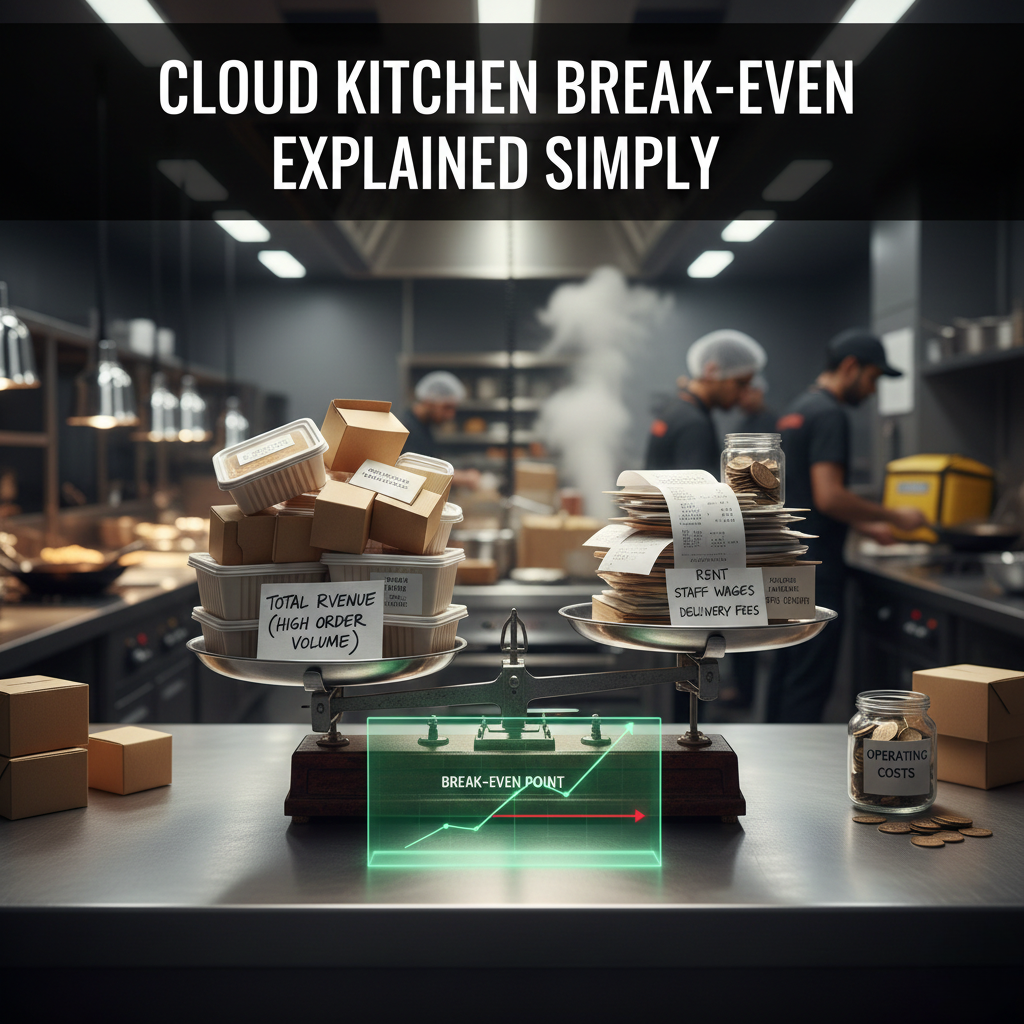
Cloud Kitchen Break-Even Explained Simply is one of the most misunderstood financial concepts among cloud kitchen founders in India. Many kitchens operate for months believing they are “almost profitable” without knowing their real break-even point. Revenue keeps coming in. Orders look healthy. But cash never stabilizes. This guide explains what break-even really means for a cloud kitchen, why most founders calculate it incorrectly, and how profitable kitchens design operations to hit break-even faster and more predictably.
Why Cloud Kitchen Break-Even Is So Often Miscalculated
Break-even is not a generic formula. It is an operational reality. Two kitchens with identical revenue can have very different break-even timelines. The difference lies in cost structure, menu discipline, staffing efficiency, and execution control.
To understand the fundamentals, start with Cloud Kitchen Business in India, Cloud Kitchen Profit Margin in India, and Common Operational Mistakes in Cloud Kitchens.
What Break-Even Actually Means in a Cloud Kitchen
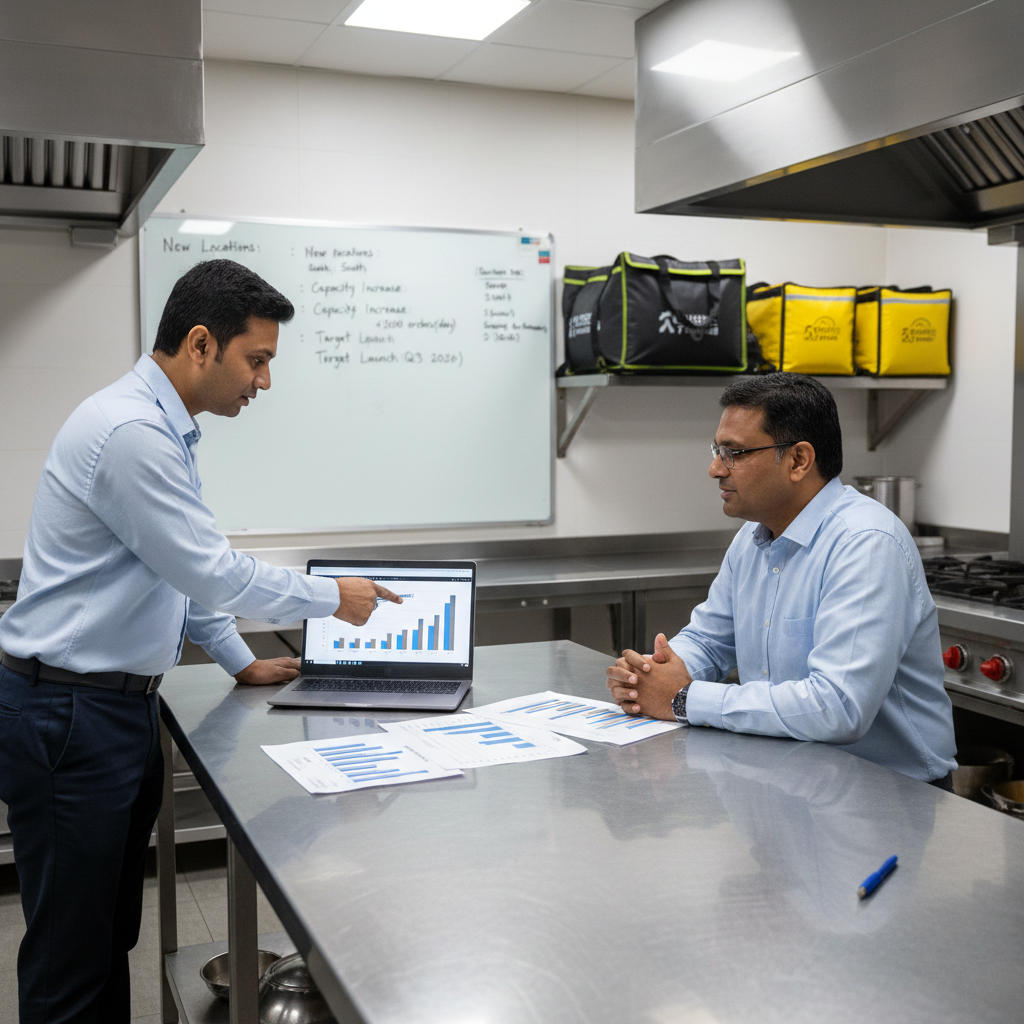
Break-even is the point where your kitchen stops consuming cash and starts sustaining itself. It does not mean high profit. It does not mean business success. It simply means your operations can now pay for themselves.
The Biggest Myth: “Once Orders Increase, We’ll Break Even”
Many founders assume break-even will automatically arrive with volume. In reality, volume often delays break-even. More orders increase variable costs, staff pressure, refunds, and operational errors.
Break-even is not volume-driven. It is margin-driven.
Understanding Fixed Costs vs Variable Costs Clearly
Break-even depends on how well founders understand cost behavior. Fixed costs include rent, base salaries, licenses, and minimum utilities. Variable costs include food, packaging, delivery commissions, and transaction fees.
Misclassifying costs leads to false break-even calculations.
Why Contribution Margin Matters More Than Revenue
Contribution margin is revenue minus variable costs. This is the money available to pay fixed expenses. Kitchens with weak contribution margins cannot reach break-even, regardless of order volume.
This is why discount-heavy kitchens struggle to stabilize cash flow.
This concept is also explained in Harvard Business Review’s break-even analysis guide , which highlights why margin discipline is more important than topline growth.
How Staffing Decisions Delay or Accelerate Break-Even
Overstaffing increases fixed costs and pushes break-even further away. Understaffing increases errors, refunds, and attrition. Break-even requires staffing aligned to throughput, not fear-based hiring.
Learn staffing logic in How Many Staff Does a Cloud Kitchen Need.
Why SOPs Are the Fastest Path to Break-Even
SOPs reduce variability. Variability increases cost. Kitchens with prep, cooking, packing, and dispatch SOPs improve productivity per person and reduce wastage.
SOP-driven kitchens reach break-even faster without aggressive growth.
Inventory Leakage: The Silent Break-Even Killer
Inventory losses are rarely visible on dashboards. Overproduction, spoilage, and poor FIFO silently inflate costs. At scale, inventory leakage can add weeks or months to break-even timelines.
Learn control frameworks in Cloud Kitchen Inventory Management in India.
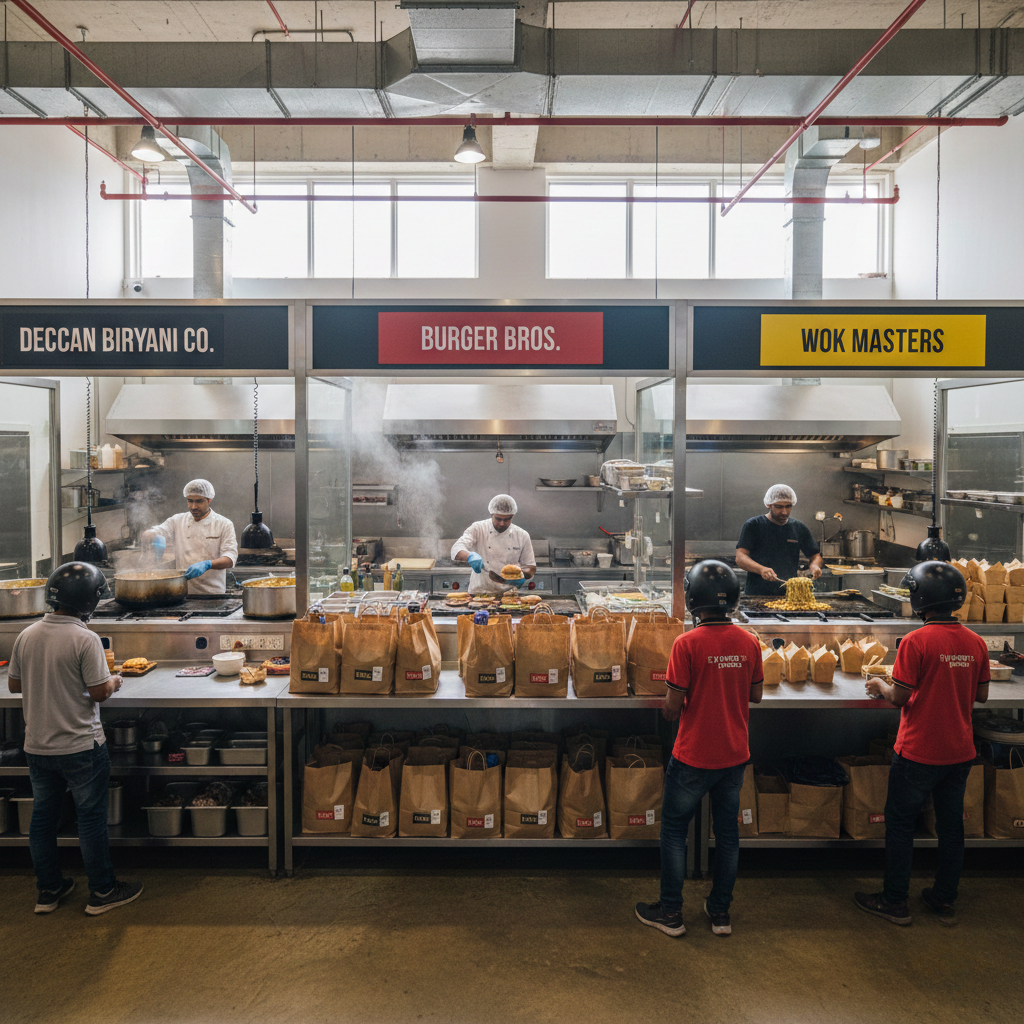
Multi-Brand Kitchens and Break-Even Confusion
Multi-brand kitchens often assume shared costs improve break-even. In reality, brand complexity increases execution cost unless SOPs are unified. Break-even improves only when brands share systems, not just space.
Learn structured design in How to Build SOPs for Multi-Brand Cloud Kitchens.
How Long Does a Cloud Kitchen Usually Take to Break Even?
There is no fixed timeline. Well-designed kitchens can break even in 3–6 months. Poorly structured kitchens may never break even, regardless of revenue.
Time to break-even depends on execution maturity, not market conditions alone.
Why Scaling Before Break-Even Is Dangerous
Scaling multiplies problems. Kitchens that scale before break-even lock in losses at higher volume. Profitable kitchens stabilize first, then expand.
This philosophy is central to Cloud Kitchen Scaling Strategy.
Cloud Kitchen Break-Even Explained Simply: Final Clarity
Break-even is not luck. It is design. Kitchens that understand contribution margins, cost behavior, and operational discipline reach break-even faster and scale with confidence. GrowKitchen helps founders design systems that turn revenue into stability, not stress.
FAQs: Cloud Kitchen Break-Even
Is break-even the same as profitability?
No. Break-even only means costs are covered.
Can discounts help reach break-even faster?
Rarely. Discounts usually delay break-even.
Should break-even be calculated monthly or daily?
Monthly is more accurate for fixed costs.
Do SOPs really impact break-even?
Yes. SOPs directly improve cost efficiency.