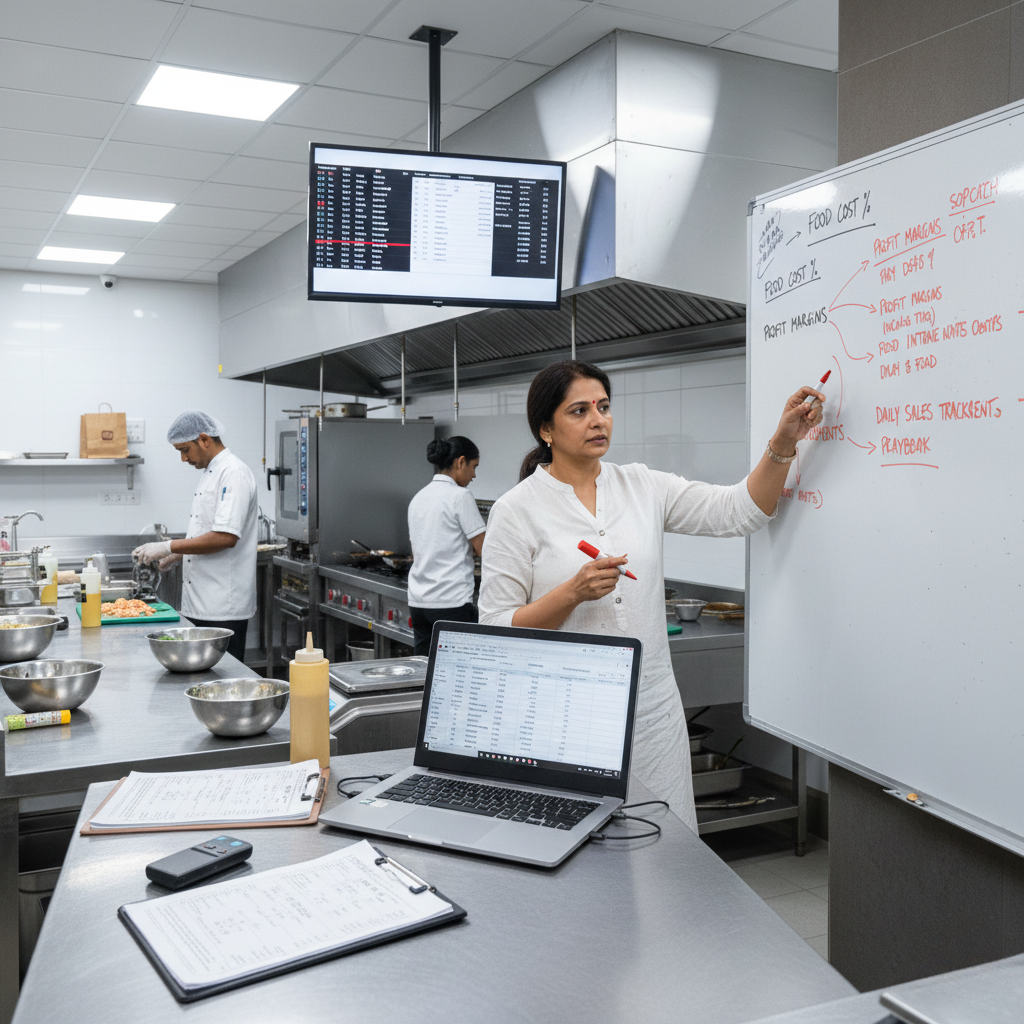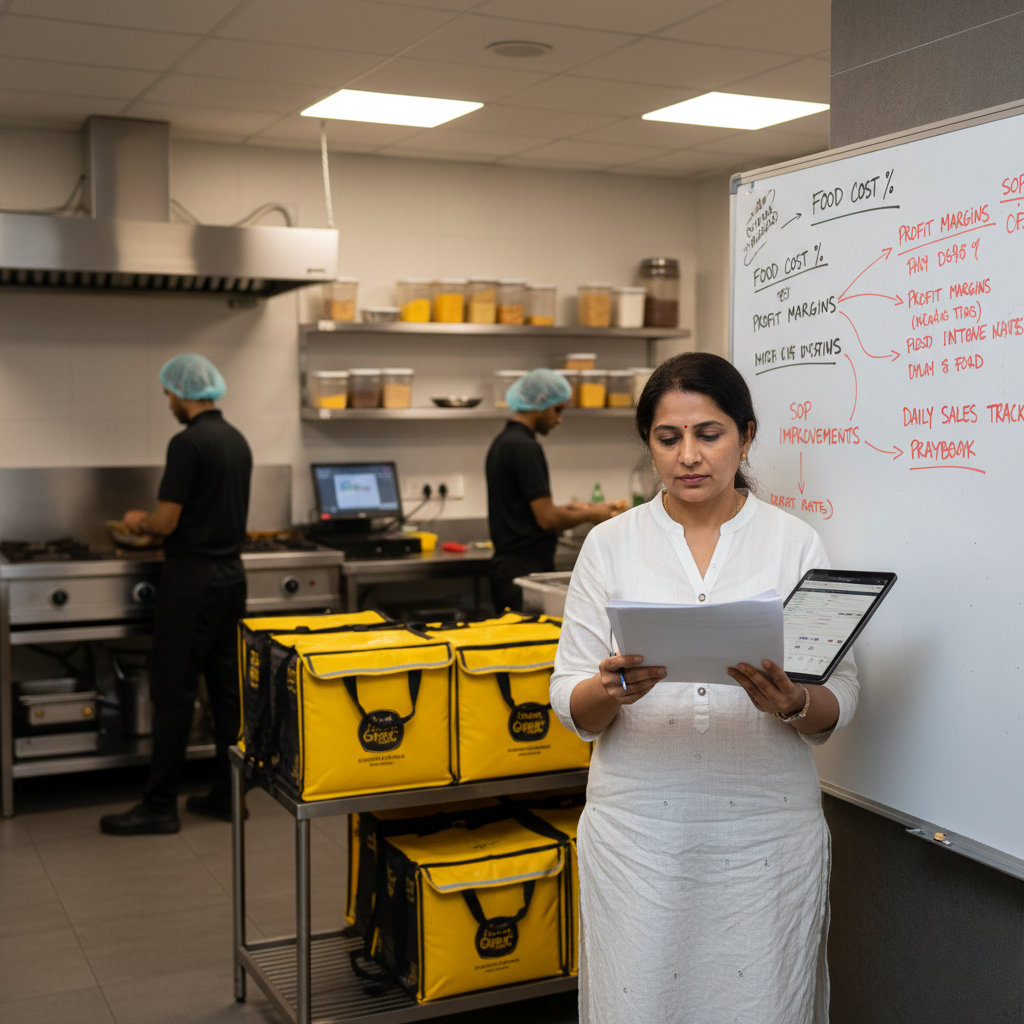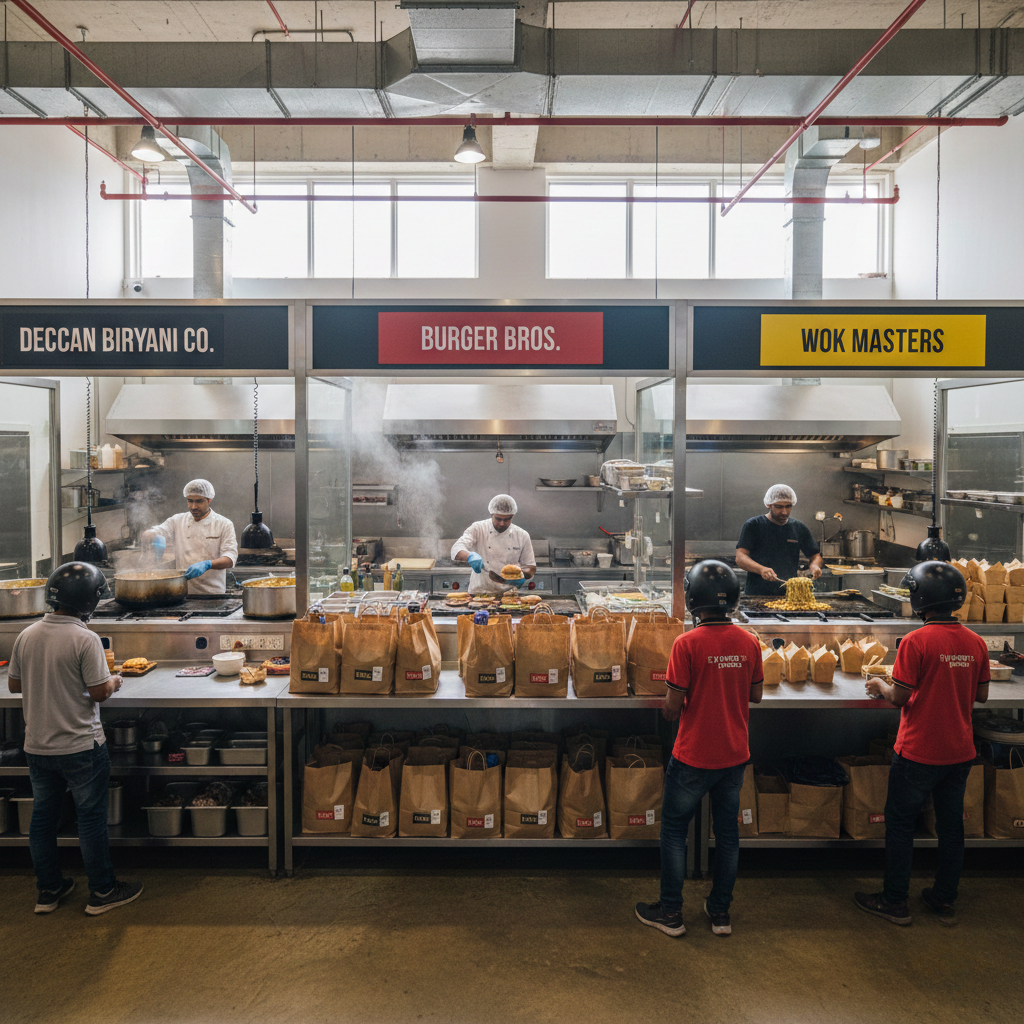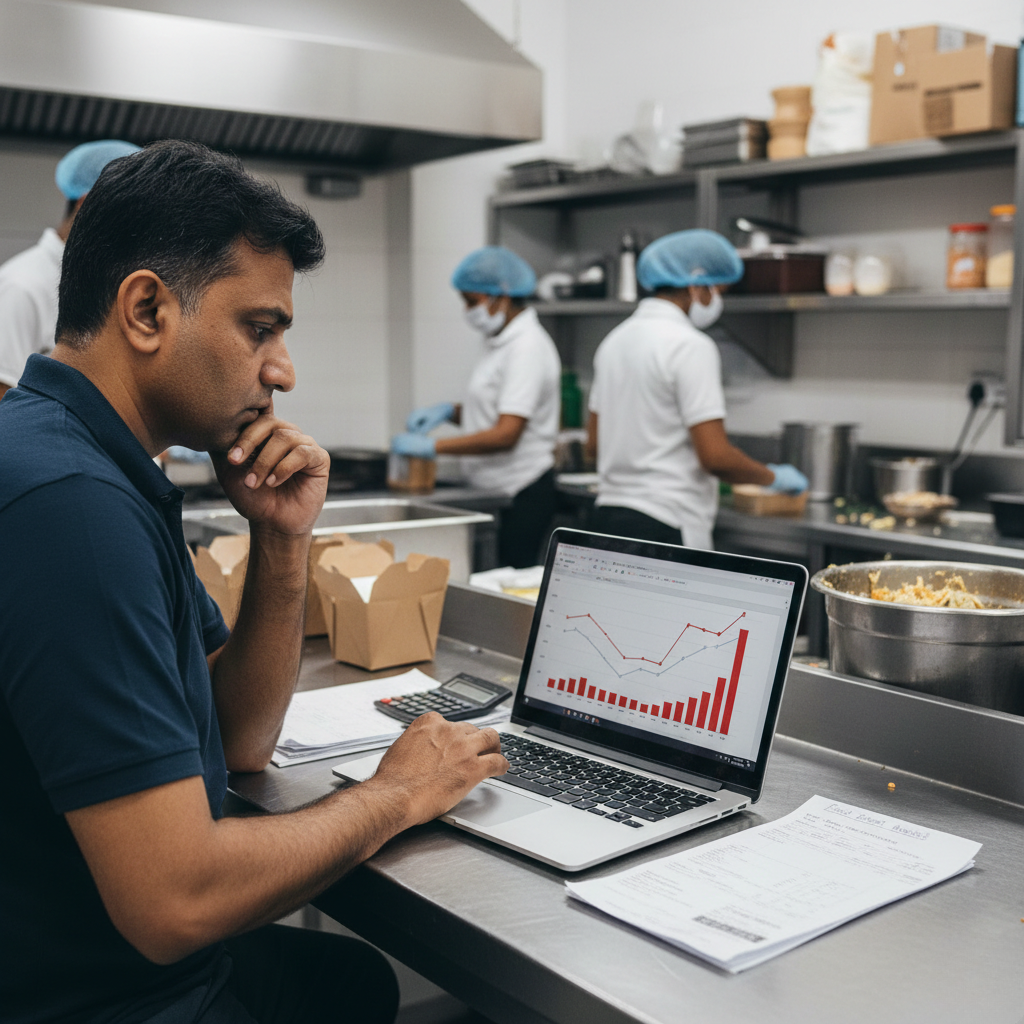
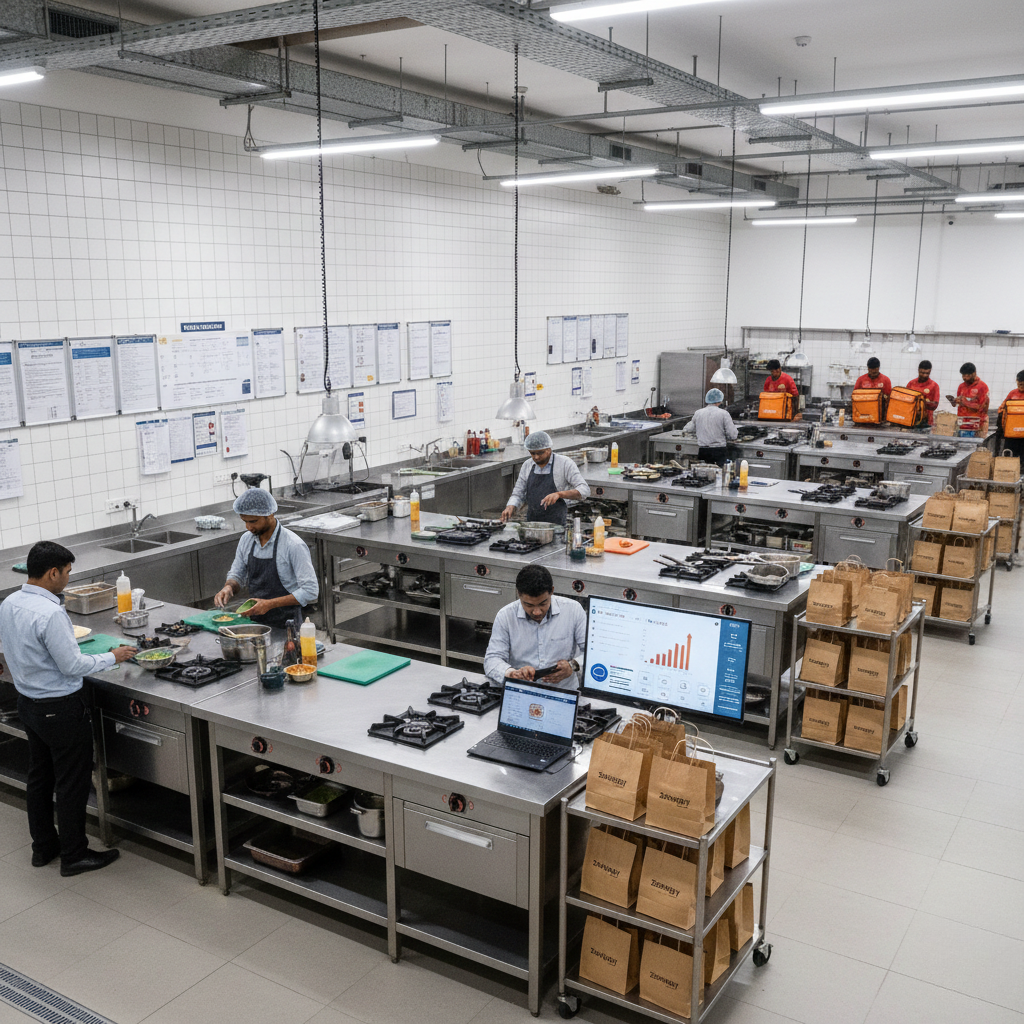
Cloud Kitchen Scaling Strategy India is often misunderstood as opening more locations or adding more brands. In reality, scaling a cloud kitchen is not a growth problem, it is a control problem. Many kitchens in India collapse right after their first growth phase because they scale demand before building systems. This guide explains what real cloud kitchen scaling means, why most scaling attempts fail, and how founders can scale sustainably without burning cash, teams, or brand trust.
Why Cloud Kitchen Scaling Looks Easier Than It Is
On the surface, cloud kitchens appear easy to scale. There is no dine-in space, limited front-end staff, and strong aggregator demand.
This illusion leads founders to believe that scaling is simply a matter of increasing orders, adding brands, or opening new kitchens.
In reality, scaling exposes every hidden weakness in operations, cost control, and systems.
If you are still understanding the foundation, begin with Cloud Kitchen Business in India and Cloud Kitchen Operation Consultant.
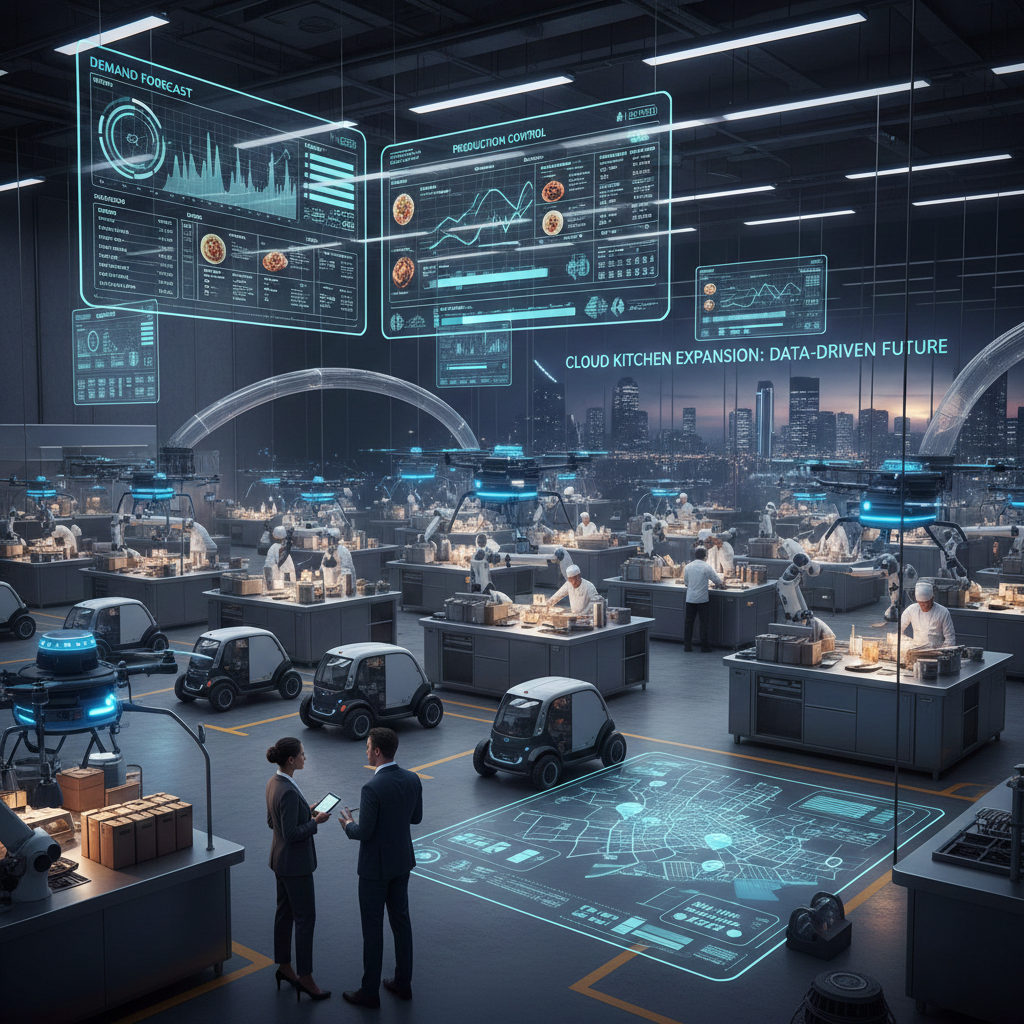
What Scaling Really Means in Cloud Kitchens
Scaling does not mean selling more food. It means delivering the same experience, quality, and profitability at higher volumes and across locations.
If margins shrink, complaints increase, or founders burn out, the business is not scaling. It is stretching.
Unit Economics Must Stabilize Before Scaling
The first rule of scaling is knowing whether each order makes money.
Many cloud kitchens scale without understanding contribution margins, platform commissions, discount leakage, and true food costs.
Scaling broken unit economics multiplies losses faster than revenue.
This mistake is common and explained in Cloud Kitchen Profit Margin in India.
Why Operations Decide Scalability
Operations are the backbone of scaling. Without SOPs, kitchens rely on individual effort and founder oversight.
As volumes increase, this dependency becomes unsustainable. Errors rise, response time slows, and stress increases.
Scaling should reduce effort per order, not increase it.
Operational gaps are detailed in Common Operational Mistakes in Cloud Kitchens.

SOPs Are the First Scaling Tool
SOPs convert knowledge into systems.
Prep SOPs ensure readiness. Service SOPs ensure execution. Inventory and dispatch SOPs ensure control.
Without SOPs, every new staff member adds variability instead of capacity.
Learn the foundation in What Are SOPs in Cloud Kitchen Operations.
Inventory Control Enables Predictable Growth
Scaling increases inventory complexity. More volume, more vendors, and faster movement.
Without strong inventory systems, wastage and pilferage grow invisibly.
Inventory discipline protects cash flow during expansion.
This is covered in Cloud Kitchen Inventory Management in India.
Portion Control Prevents Margin Erosion
Higher volume amplifies portion drift.
Small inconsistencies become significant losses when multiplied across thousands of orders.
Portion control systems stabilize food costs during scale.
This is explained in Importance of Portion Control in Cloud Kitchens.
Dispatch Is the First Scaling Bottleneck
Dispatch errors rise sharply as order volume increases.
Missing items, wrong branding, and delayed handovers damage ratings quickly.
Dispatch SOPs protect both revenue and reputation, as outlined in Cloud Kitchen Dispatch SOP.
Why Ratings Drop During Scaling
Ratings usually fall not because of food quality, but because of operational stress.
Late orders, inconsistent portions, and service breakdowns surface during peak growth.
This relationship is explored in Operations vs Marketing: What Actually Drives Ratings?.
Scaling Through Multi-Brand Strategy
Many kitchens scale by adding brands instead of locations.
While efficient, this strategy requires strict brand separation through SOPs.
Without systems, multi-brand kitchens collapse faster.
Learn the correct approach in How to Build SOPs for Multi-Brand Cloud Kitchens.
Managing Aggregators During Scale
Aggregators reward consistency. Scaling kitchens must protect preparation time, cancellation rate, and ratings.
Excessive discounting during scale hides structural problems.
Industry insights can be followed via GreenSaladin, along with execution models seen at Green Salad and Fruut.
Systems Create Scalable Leadership
Founders often become the bottleneck during scale.
Systems decentralize decision-making, allowing teams to perform independently.
Dashboards, SOPs, and review frameworks replace constant firefighting.
These systems form the Cloud Kitchen Operations Framework.
Final Thoughts: Scale After Control
Cloud kitchen scaling is not about speed. It is about stability.
Kitchens that scale too early collapse under their own growth.
Those that build systems first scale calmly and profitably.
Structured scaling frameworks from GrowKitchen help founders grow without chaos.
FAQs: Cloud Kitchen Scaling Strategy
When should a cloud kitchen start scaling?
Only after unit economics and operations are stable.
Is multi-brand scaling safer than multi-location?
Only if strong SOPs are in place.
Why do ratings drop during scaling?
Because operational stress increases faster than systems.
Can scaling be paused?
Yes. Pausing to fix systems often saves businesses.