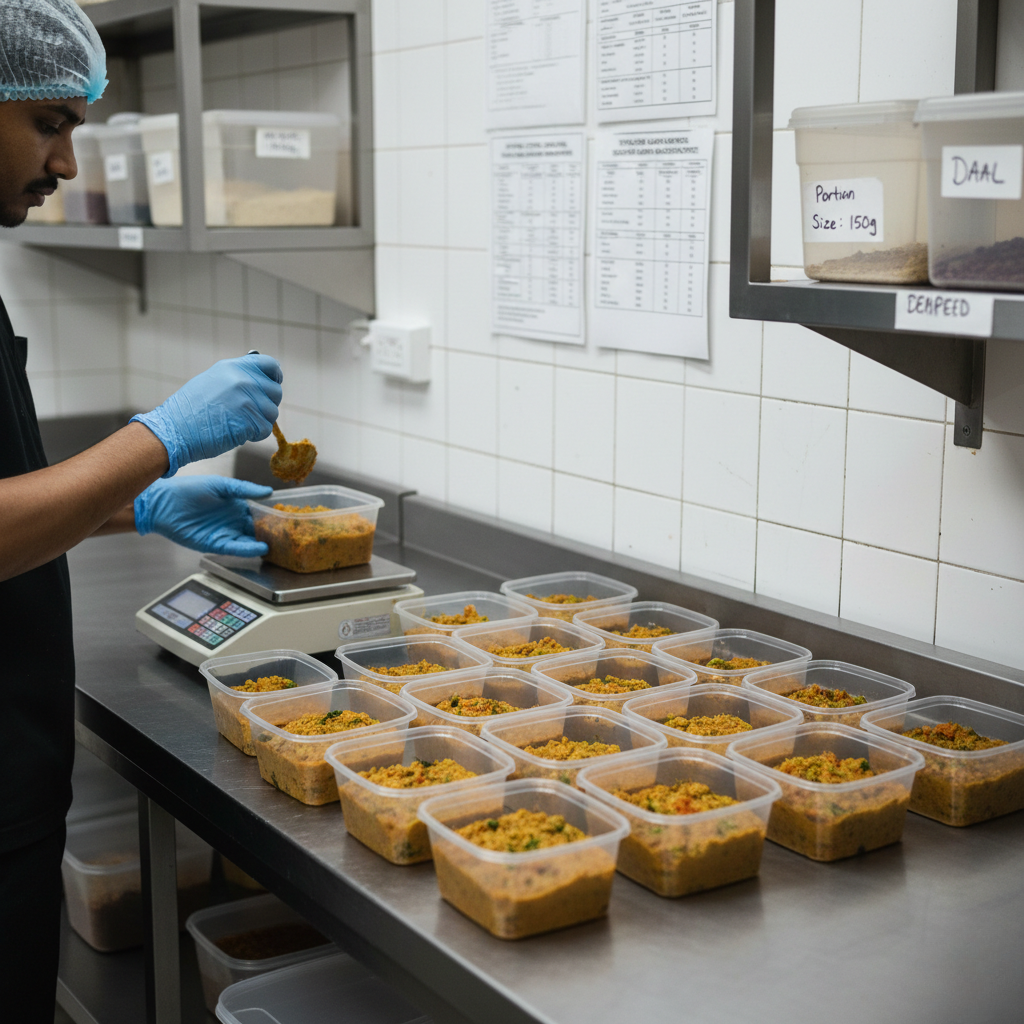
Importance of Portion Control in Cloud Kitchens is often underestimated until margins start collapsing. Many cloud kitchen founders believe portion control is only about reducing food quantity. In reality, portion control is an operational discipline that directly impacts profitability, consistency, ratings, and scalability. This guide explains why portion control fails in cloud kitchens, how it silently creates losses, and how structured systems protect margins without hurting customer experience.
Why Portion Control Becomes a Problem in Cloud Kitchens
Cloud kitchens operate in high-speed environments where consistency must be achieved without customer visibility. Unlike dine-in restaurants, there is no immediate feedback loop.
Founders often rely on staff judgment, visual estimation, or habit-based serving. At low volumes, this appears harmless.
As order volumes increase, portion inconsistency becomes a silent margin killer.
To understand the broader operational context, explore Cloud Kitchen Business in India and Cloud Kitchen Operations Consultant.
What Portion Control Really Means
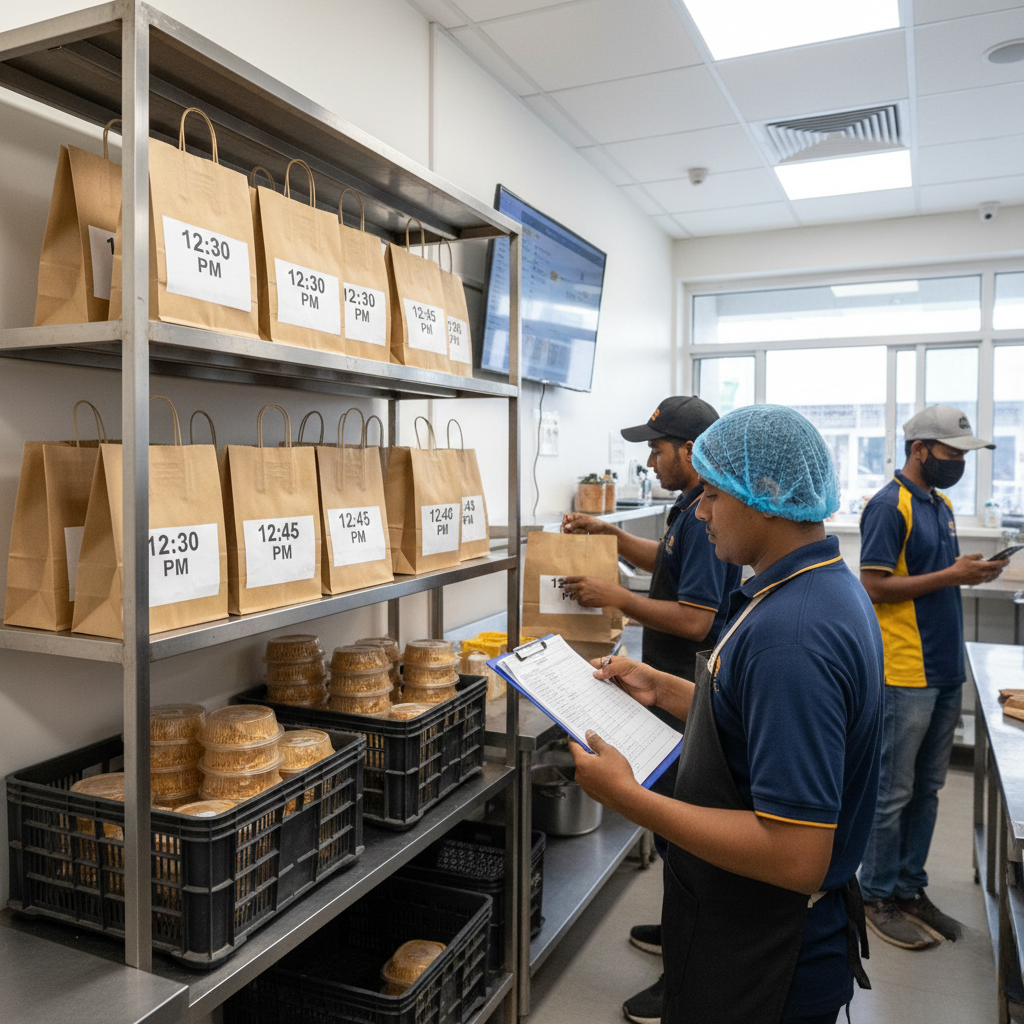
Portion control is not about serving less food. It is about serving the right quantity every time.
Customers expect consistency, not generosity on one day and disappointment on another.
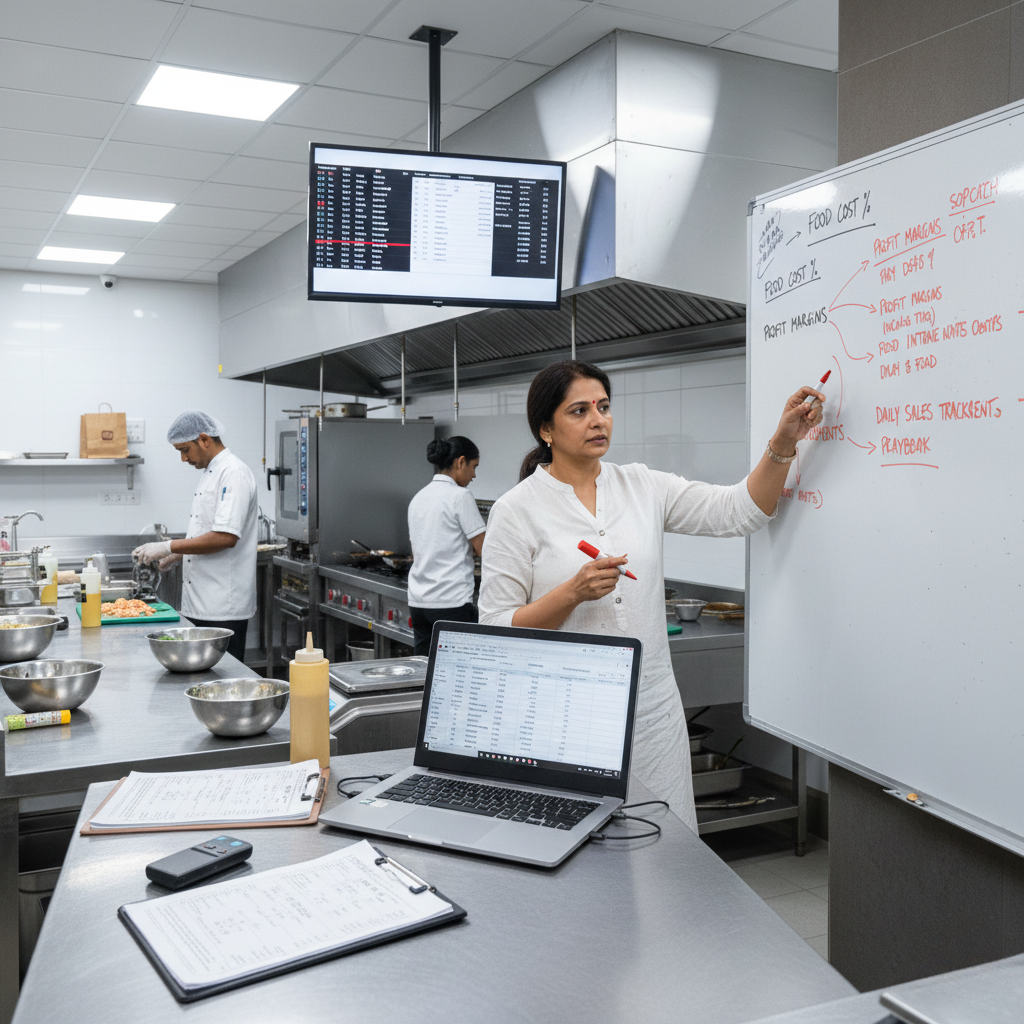
How Portion Control Directly Impacts Unit Economics
Every dish has a designed food cost. That cost assumes a fixed portion size.
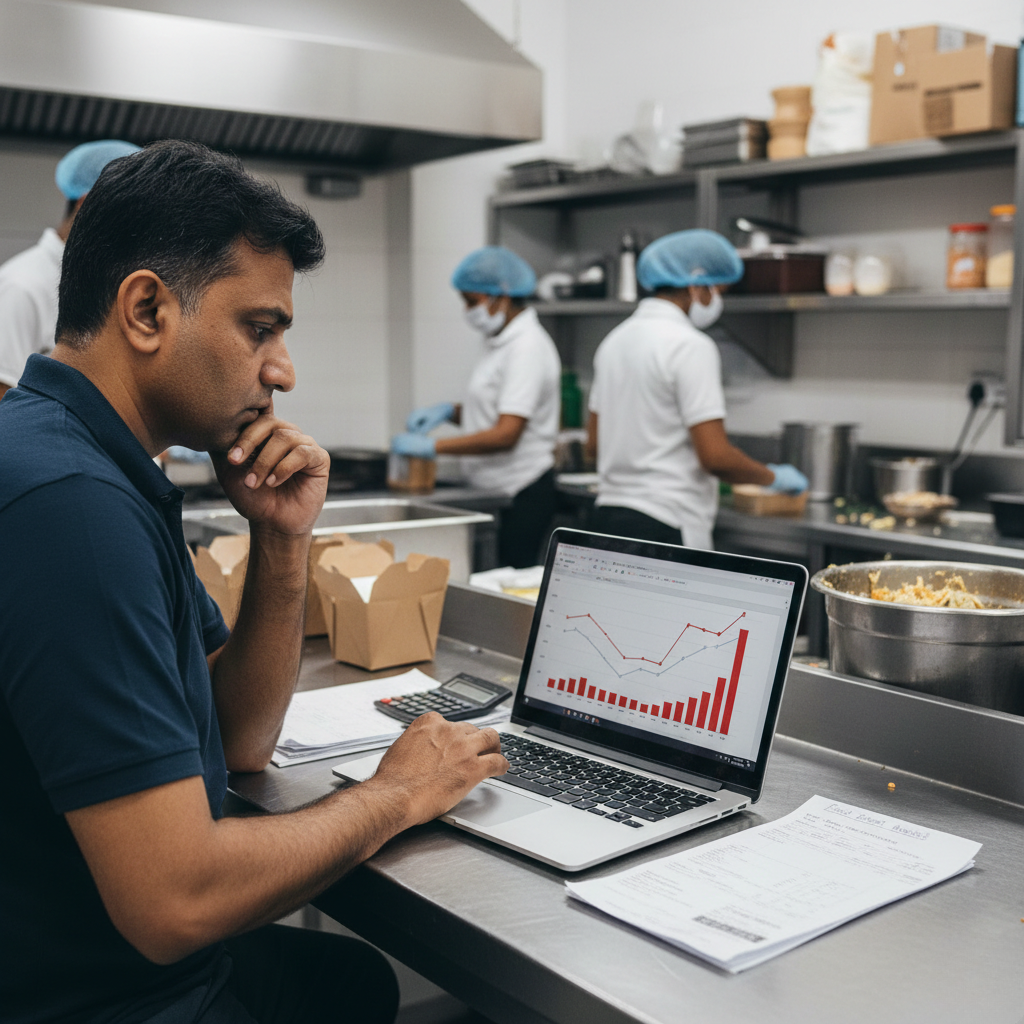
When portion sizes fluctuate, food cost increases invisibly. A few extra grams per order compound into massive monthly losses.
Many kitchens discover that their best-selling items are unprofitable purely due to portion drift.
This is explained in detail in Cloud Kitchen Profit Margin in India.
Portion Control Is an Operational System, Not a Rule
Asking staff to “be careful” with portions is not portion control.
True portion control requires standardized recipes, measured ladles, scoops, weighing protocols, and training.
Without systems, portion control depends on mood, experience, and fatigue.
Portion Control Starts During Prep
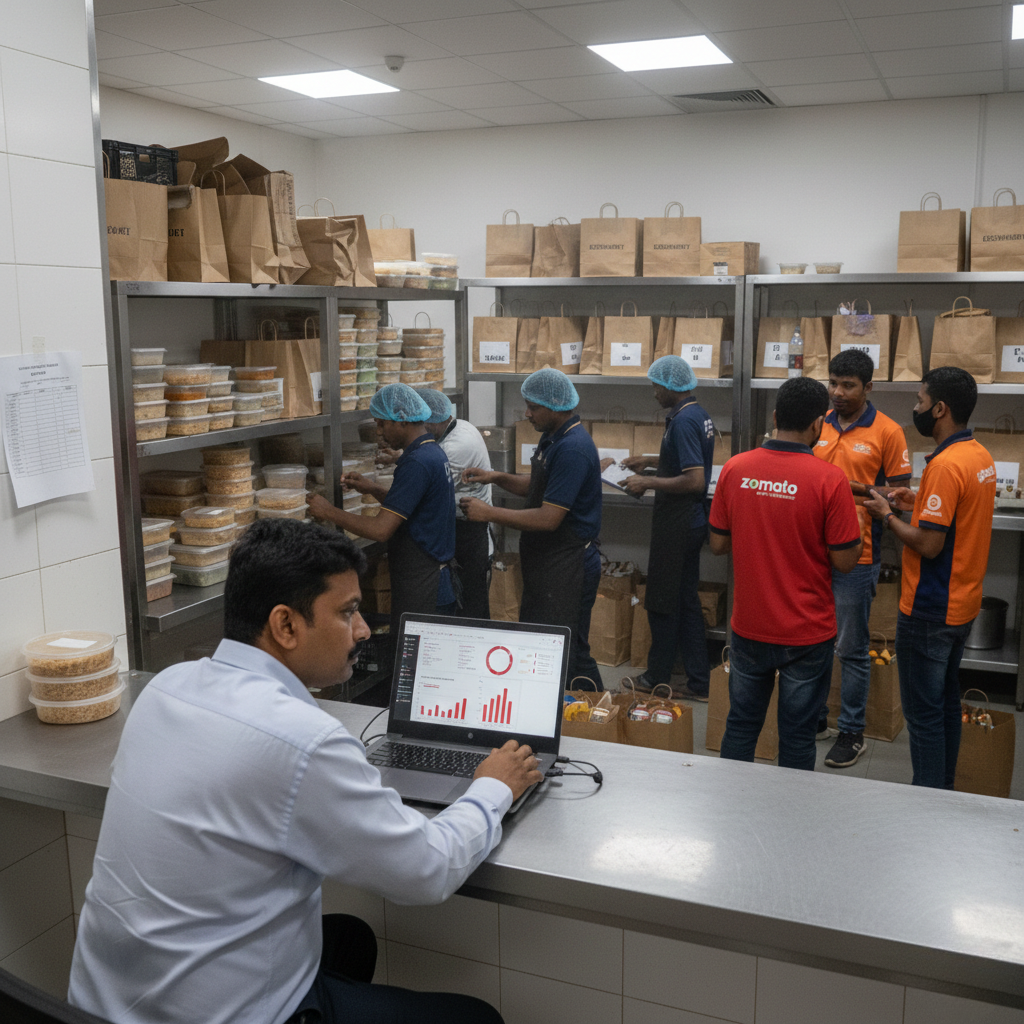
Portion inconsistency often begins during preparation, not during service.
Incorrect batch sizing, uneven cutting, and inconsistent marination make accurate portioning impossible later.
This is why portion control must be built into prep SOPs.
Learn how prep systems affect execution in Prep SOP vs Service SOP Explained.
Service-Time Portion Drift and Customer Complaints
During peak hours, speed often overrides accuracy.
Staff rush orders, skip measuring, and rely on instinct. This creates unpredictable portion sizes.
Customers compare portions visually across orders, leading to dissatisfaction and poor ratings.
Inventory Losses Are Often Portion Losses
Many founders assume inventory losses are due to wastage or theft.
In reality, uncontrolled portioning is one of the biggest inventory drains.
Inventory systems expose portion drift when consumption exceeds theoretical usage.
This connection is explained in Cloud Kitchen Inventory Management in India.
How Portion Control Affects Ratings
Customers rarely complain when portions are consistent.
Complaints arise when portion size varies between orders or does not match expectations.
This links portion control directly to ratings, as explored in Operations vs Marketing: What Actually Drives Ratings?.
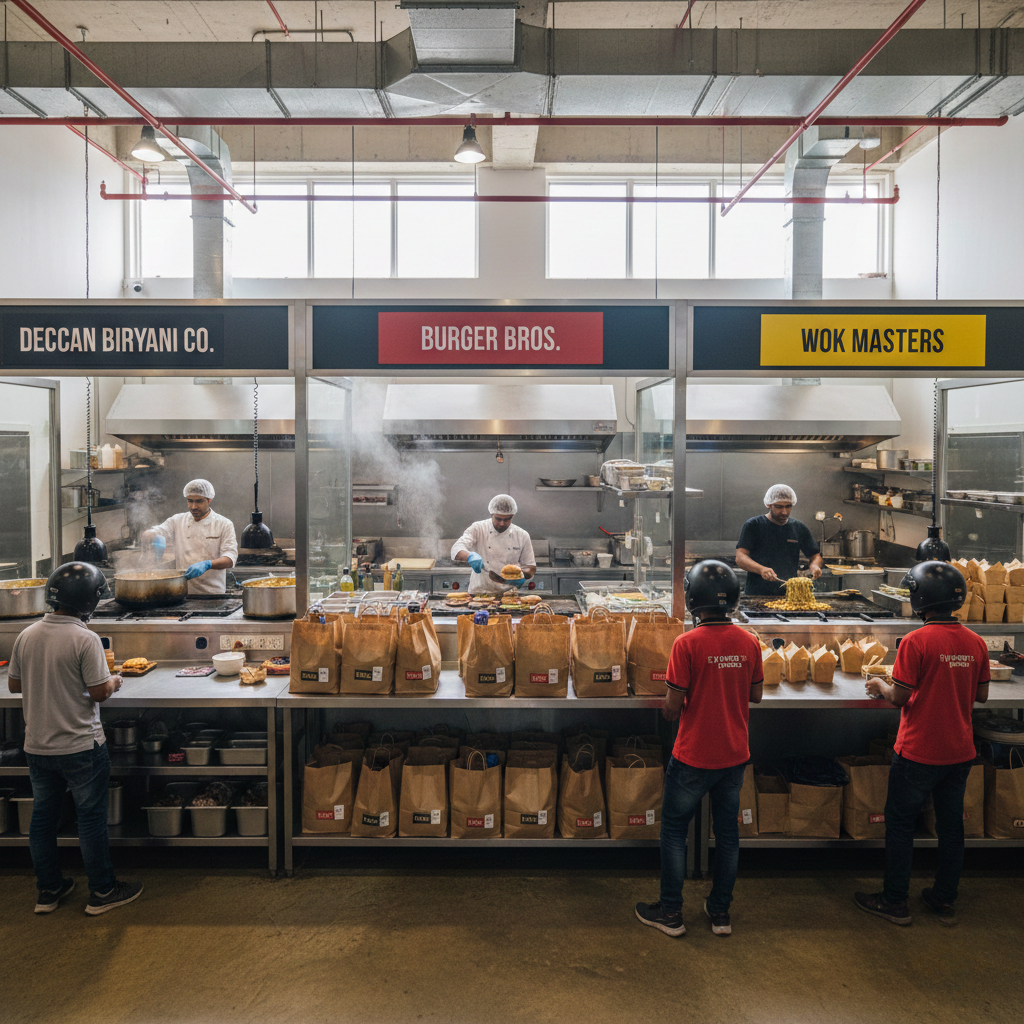
Portion Control Challenges in Multi-Brand Kitchens
Multi-brand kitchens face amplified portion risks. Shared ingredients across brands blur portion boundaries.
Without brand-wise portion SOPs, one brand often subsidizes another unknowingly.
This is a critical issue in How to Build SOPs for Multi-Brand Cloud Kitchens.
Training Is Essential for Portion Discipline
Portion control fails when training is informal.
Staff must understand why portioning matters, not just how to do it.
Clear SOPs reduce conflict between speed and accuracy.
Systems That Enforce Portion Control
Successful kitchens rely on ladle sizes, digital weighing scales, batch charts, and periodic audits.
These systems reduce dependency on individual discipline.
Portion control becomes automatic, not enforced.
These systems align with the Cloud Kitchen Operations Framework.
Final Thoughts: Portion Control Protects Profit and Trust
Portion control is not cost-cutting. It is promise-keeping.
Kitchens that master portion control experience stable margins, fewer complaints, and stronger customer trust.
It is one of the simplest yet most ignored operational levers.
Structured operational systems from GrowKitchen help founders build portion discipline without hurting growth.
FAQs: Portion Control in Cloud Kitchens
Is portion control about reducing quantity?
No. It is about serving consistent quantities every time.
Does portion control affect customer satisfaction?
Yes. Consistency improves trust and ratings.
Can portion control reduce food costs?
Yes. It eliminates invisible food cost leakage.
When should portion control systems be implemented?
From the first day of operations.