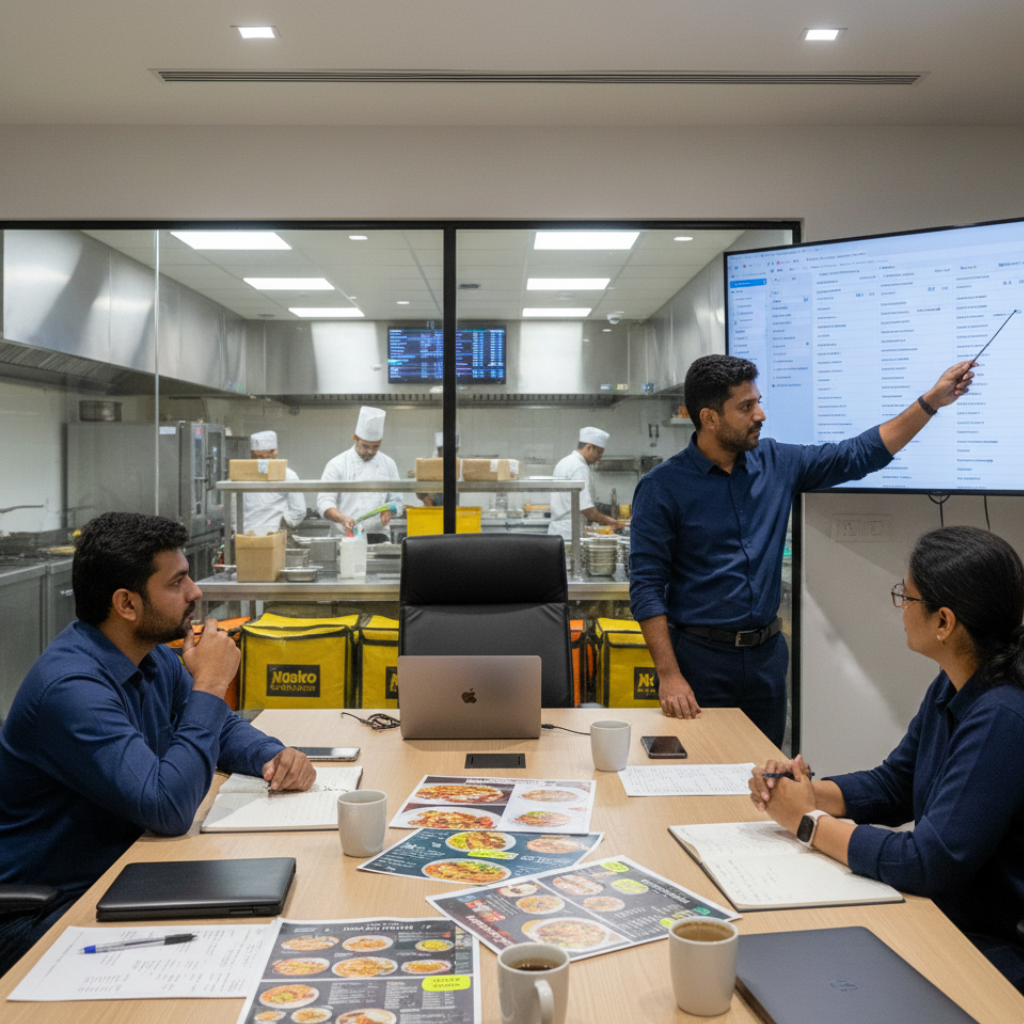
Cloud Kitchen Expansion Strategy-The Indian cloud kitchen industry is growing rapidly, driven by rising food delivery demand, changing consumer behavior, and lower setup costs compared to traditional restaurants. However, expansion without a clear strategy often leads to operational chaos, profit leakage, and brand dilution.
This guide explains how to expand a cloud kitchen business in India strategically-while maintaining profitability, quality, and control. Cloud Kitchen Business in India Explained

Why Cloud Kitchen Expansion Requires Strategic Planning
Many cloud kitchen founders assume that opening multiple outlets automatically increases revenue. In reality, expansion multiplies risks if systems are not standardized. Increased costs, inconsistent food quality, inventory mismanagement, and higher commission payouts can quickly erode margins.
A structured cloud kitchen expansion strategy ensures:
- Consistent food quality across locations
- Centralized cost control
- Scalable operations
- Brand trust and repeat orders
Choose the Right Cloud Kitchen Expansion Model
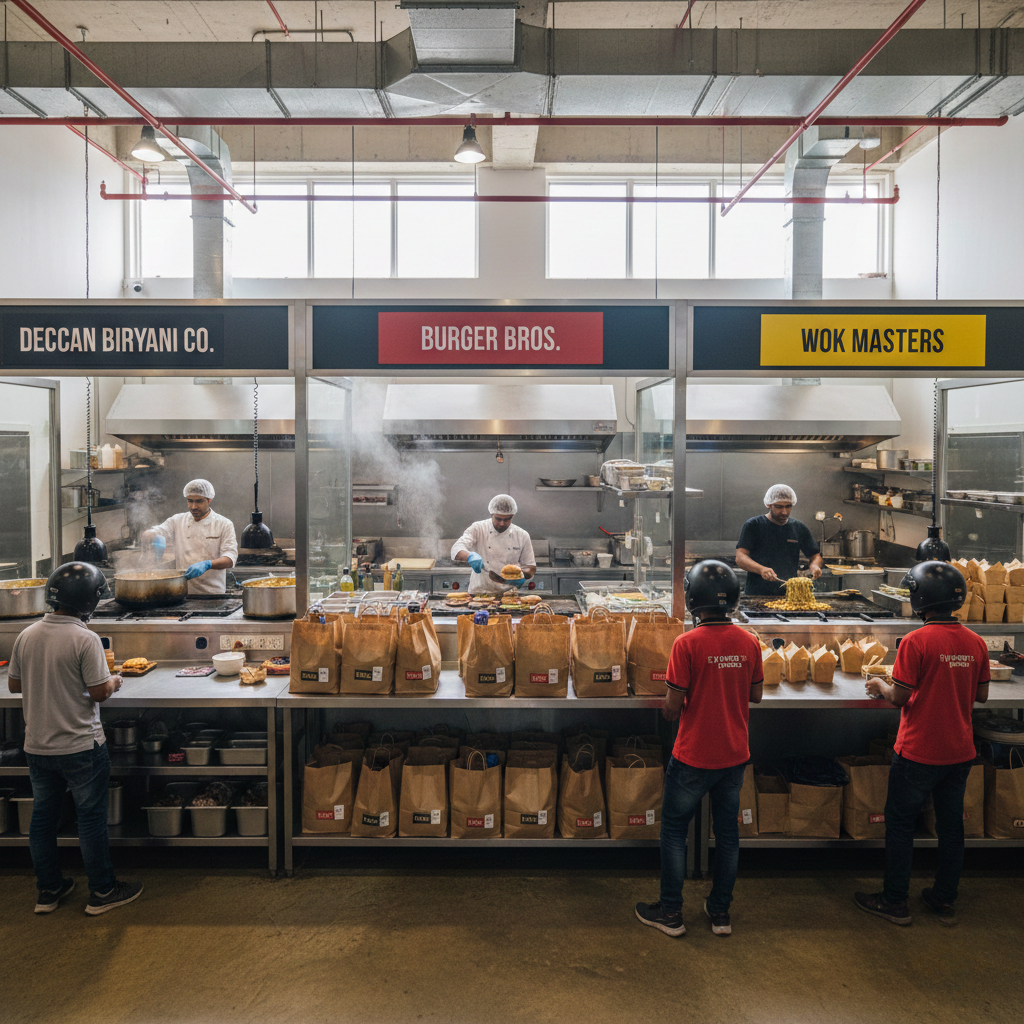
1. Multi-Brand Cloud Kitchen Model
Instead of opening new locations, you can introduce multiple brands from the same kitchen. This reduces rent, manpower, and utility costs while targeting different customer segments.
2. Hub-and-Spoke Model
A central hub kitchen handles bulk preparation while spoke kitchens manage final cooking and delivery. This model works well for metro cities with high order density.
3. Franchise or Partner Kitchens
Franchising allows faster geographic expansion with lower capital investment, but requires strong SOPs and quality audits to maintain control.
Standardize Operations Before Scaling
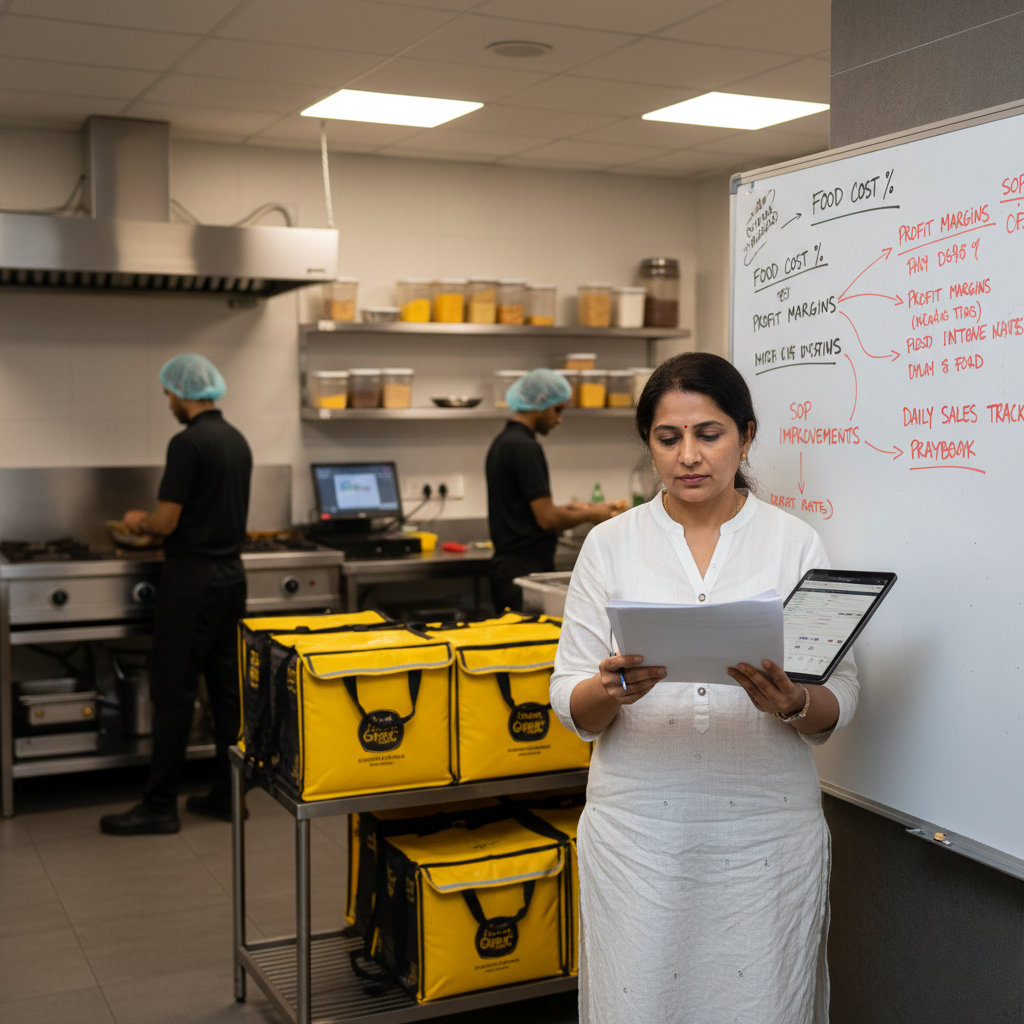
Operational standardization is the backbone of profitable expansion. Every process-from food preparation to packaging-must be documented and repeatable.
- Standard recipes with precise measurements
- Vendor-approved ingredient sourcing
- Uniform packaging and branding
- Centralized inventory tracking
Using POS and kitchen management systems helps monitor real-time performance across locations.
Maintain Financial Control While Expanding
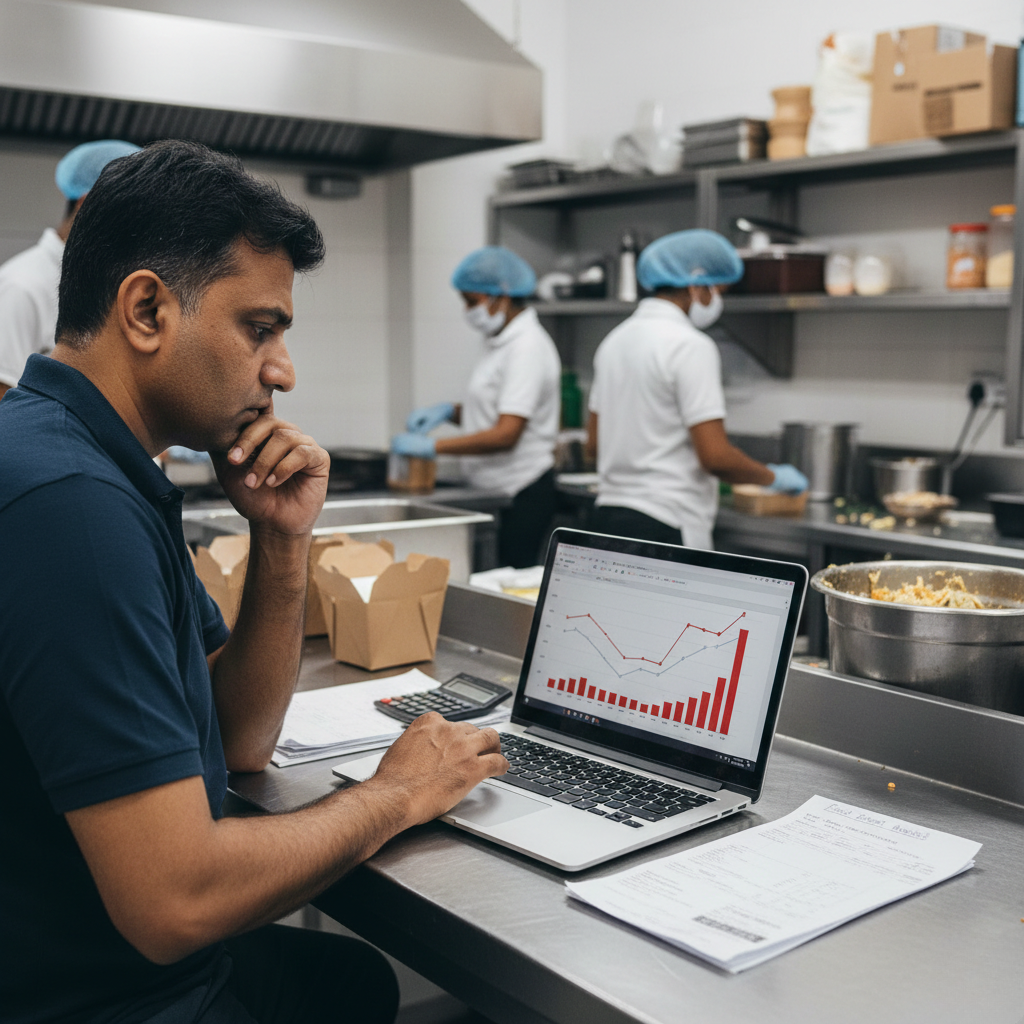
Many cloud kitchens fail due to poor unit economics. Each new kitchen must be profitable independently.
Key metrics to track:
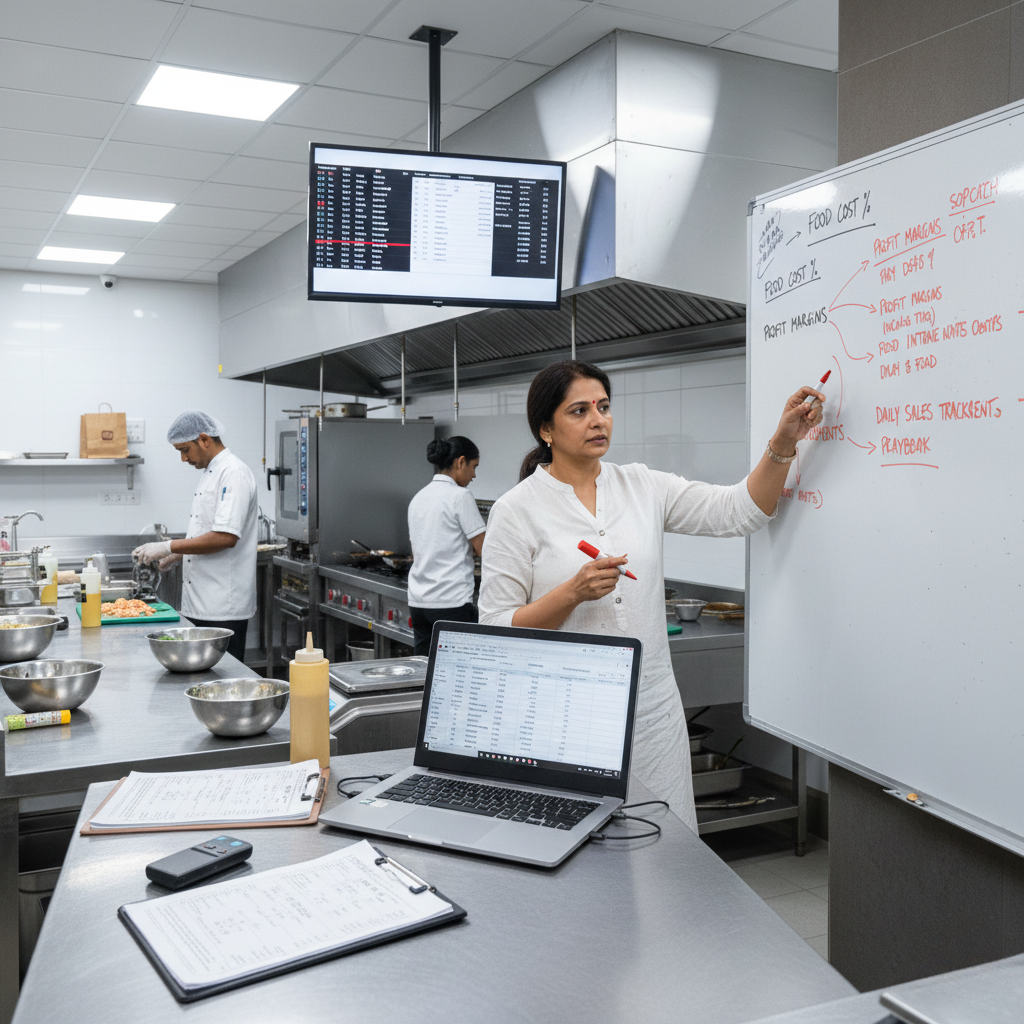
- Food cost percentage
- Delivery platform commission
- Customer acquisition cost
- Average order value (AOV)
Avoid expanding into low-demand areas. Validate demand using delivery platform heatmaps and historical order data.
Role of Technology in Cloud Kitchen Scaling
Technology enables centralized control across multiple kitchens. Invest in:
- Integrated POS systems
- Automated inventory management
- Sales and demand forecasting tools
- Performance dashboards
According to industry insights from Restaurant India, tech-enabled cloud kitchens scale 40% faster with fewer operational errors.
Smart Delivery Platform Strategy
Over-dependence on aggregators like Swiggy and Zomato can hurt margins. As you expand:
- Negotiate better commission rates
- Promote direct ordering via your website
- Use hyperlocal marketing for repeat customers
Building a loyal customer base reduces dependency on paid promotions.
Quality Control Across Locations
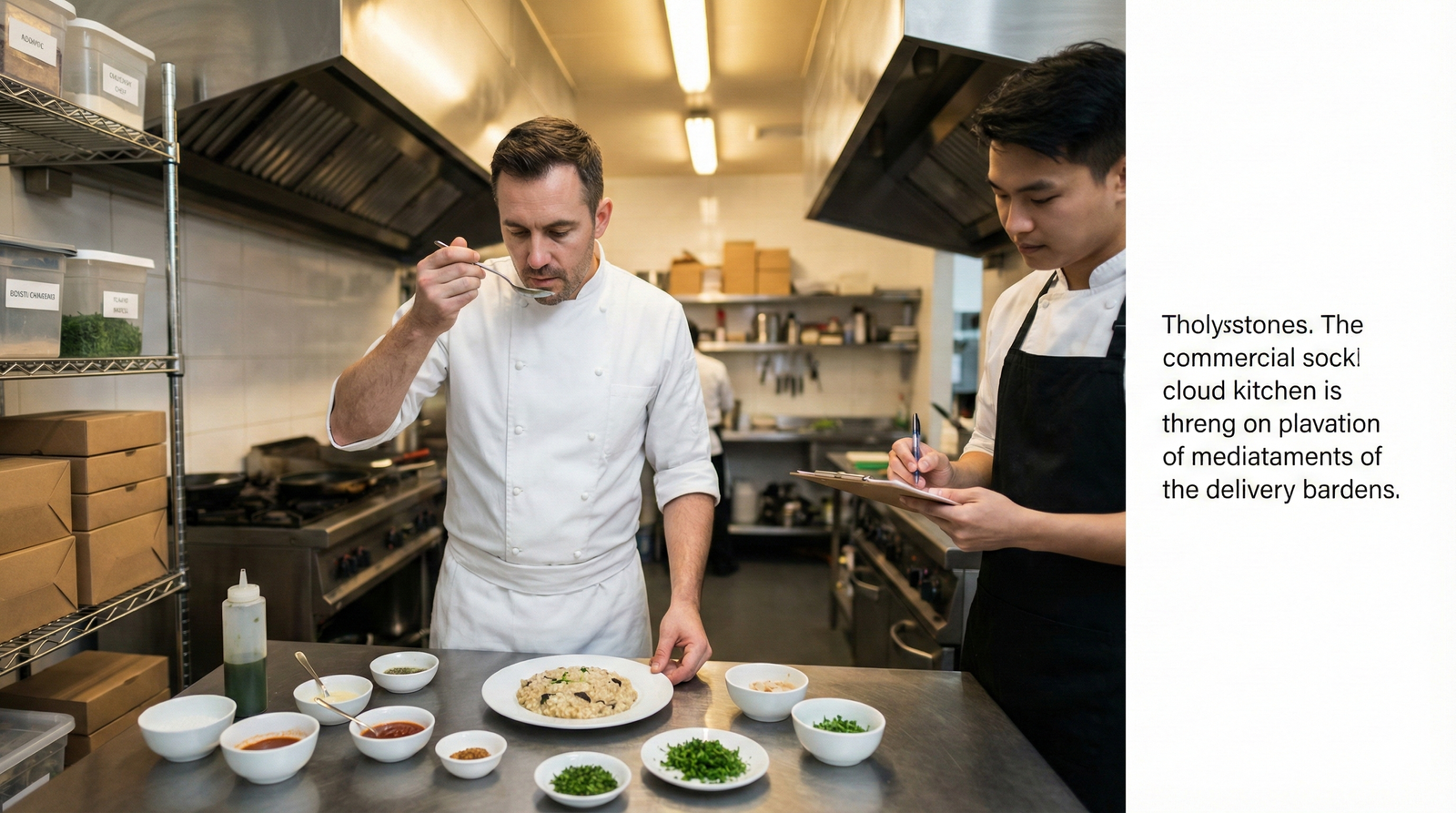
Loss of food quality is the biggest risk during expansion. Implement:
- Regular kitchen audits
- Mystery order checks
- Centralized customer feedback analysis
Consistent quality ensures brand trust and long-term profitability.
Frequently Asked Questions (FAQ)
Is cloud kitchen expansion profitable in India?
Yes, cloud kitchen expansion is profitable if unit economics are positive and operations are standardized before scaling.
How many kitchens should I open before franchising?
Ideally, operate 2–3 profitable company-owned kitchens before moving to a franchise model.
Which cities are best for cloud kitchen expansion?
Tier 1 and high-density Tier 2 cities like Bengaluru, Hyderabad, Pune, and Chennai offer strong demand.
How much capital is needed to expand a cloud kitchen?
Expansion costs vary but typically range from ₹5–15 lakhs per new kitchen depending on location and scale.
People Also Read
- Cloud Kitchen Business Model in India Explained
- Cloud Kitchen Setup Cost in India (Detailed Breakdown)
- Is Cloud Kitchen Business Profitable in India?
- Challenges of Cloud Kitchen Business in India