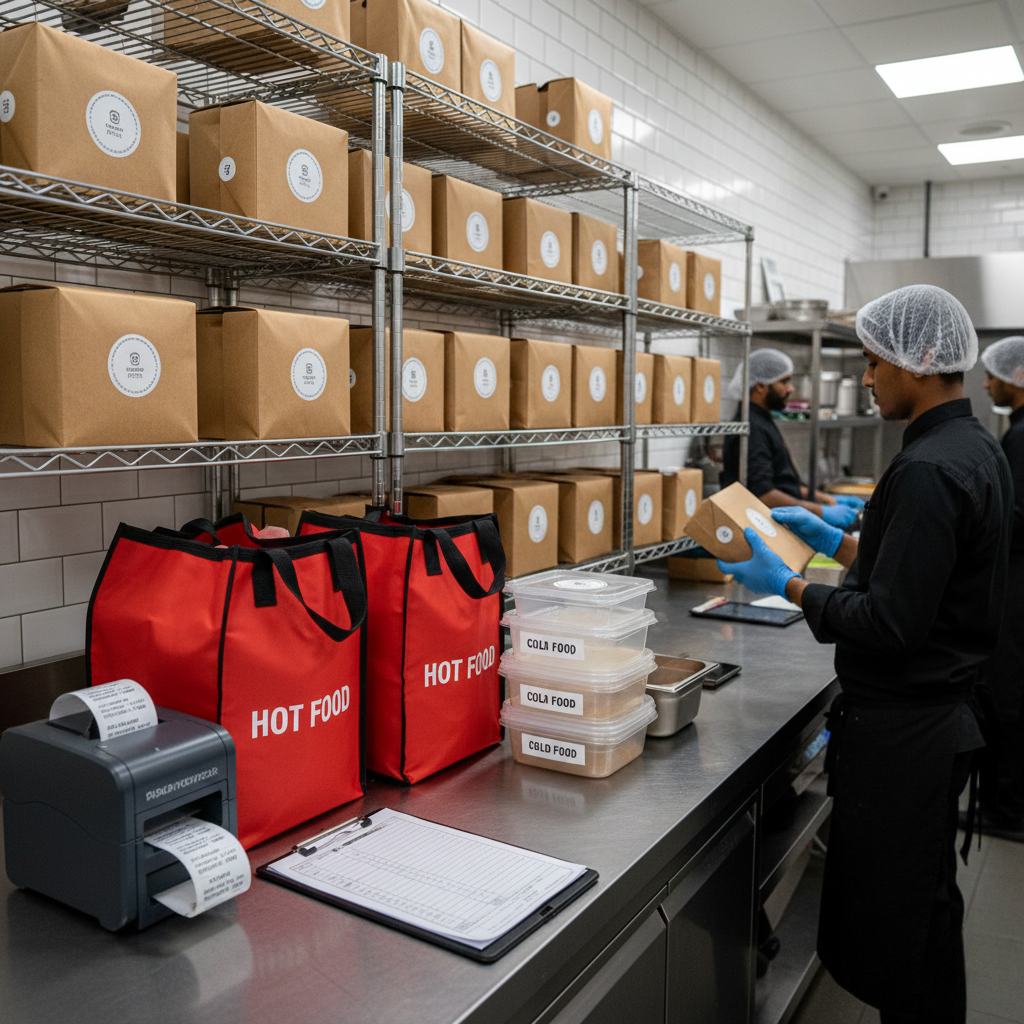
Packaging Innovations Increase Customer Ratings-CKaaS (Cloud Kitchen as a Service) lets you launch your own food brand without opening a kitchen or buying a franchise. In this guide, we break down how smart, delivery-first packaging can directly improve customer ratings, repeat orders and brand recall-especially when paired with a strong CKaaS backend.
Why Packaging Matters So Much in Delivery-Only Brands
In a dine-in restaurant, guests experience your ambience, service and plating. In delivery, your packaging is the “restaurant”. It’s the first thing customers see, touch and judge before taking a bite.
For Swiggy and Zomato brands, packaging directly influences ratings, photos, reviews and re-order behaviour. Leaky gravies, soggy fries or crushed burgers quickly turn into 1-star reviews-no matter how good the recipe is.
How Packaging Innovations Increase Customer Ratings
Most customer complaints on aggregators are not about taste they’re about temperature, texture and presentation on arrival. All three are packaging problems first, product problems second.
1. Temperature & Texture
Soups arriving lukewarm, fries turning soggy, biryani losing aroma-each of these can be reduced using insulated, vented and compartmentalised packaging tailored to the dish type.
2. Spillage & Leakage
A single leakage in the bag can ruin the entire order experience. Tamper-evident lids, double-sealed gravy containers and outer liners reduce leaks and protect ratings.
3. Visual Presentation on Opening
Even in delivery, customers expect a neat, appetising layout. Smart inserts, portion dividers and garnish compartments help the dish look closer to your menu photos when the box is opened.
4. Perceived Hygiene & Safety
Stickers with time-of-pack, chef hygiene notes and tamper-proof seals increase trust- especially for salads, sushi, desserts and cold beverages.
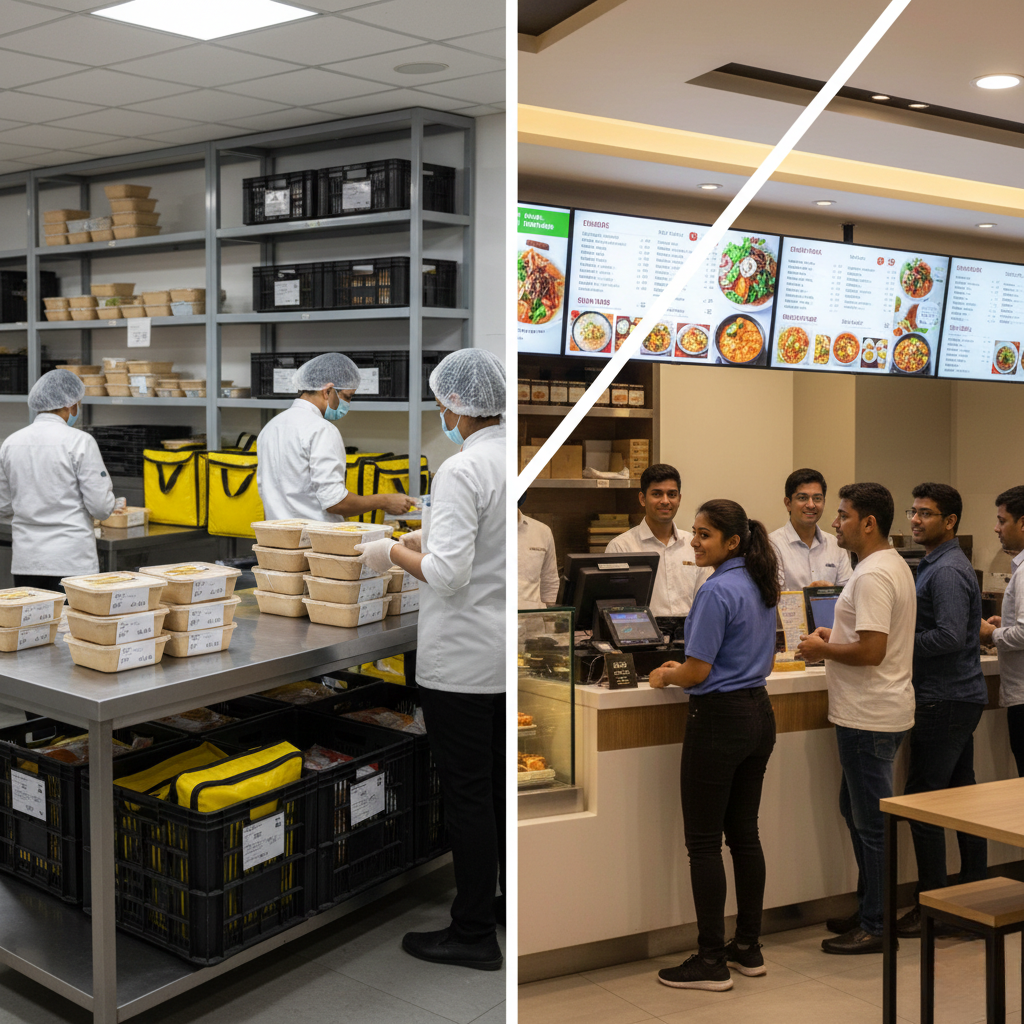
Functional Packaging Innovations That Customers Notice
Before thinking of aesthetics, get the functional basics right. These innovations directly protect food quality and reduce refund cases.
1. Dish-Specific Containers
Use different containers for gravies, dry items and fried food. For example, vented boxes for fries and burgers, deep-lid containers for biryani, and leak-proof cups for sauces and curries.
2. Compartmentalised Boxes for Combos
When rice, curry, salad and bread are jammed into one container, textures get ruined. Compartmentalised trays keep each element intact and increase the perceived value of the meal.
3. Smart Vents & Steam Escape
Punching the right vents in lids keeps fried and baked items from turning soggy. This is critical for burgers, wraps, fries and fried chicken brands.
4. Insulated Outer Bags
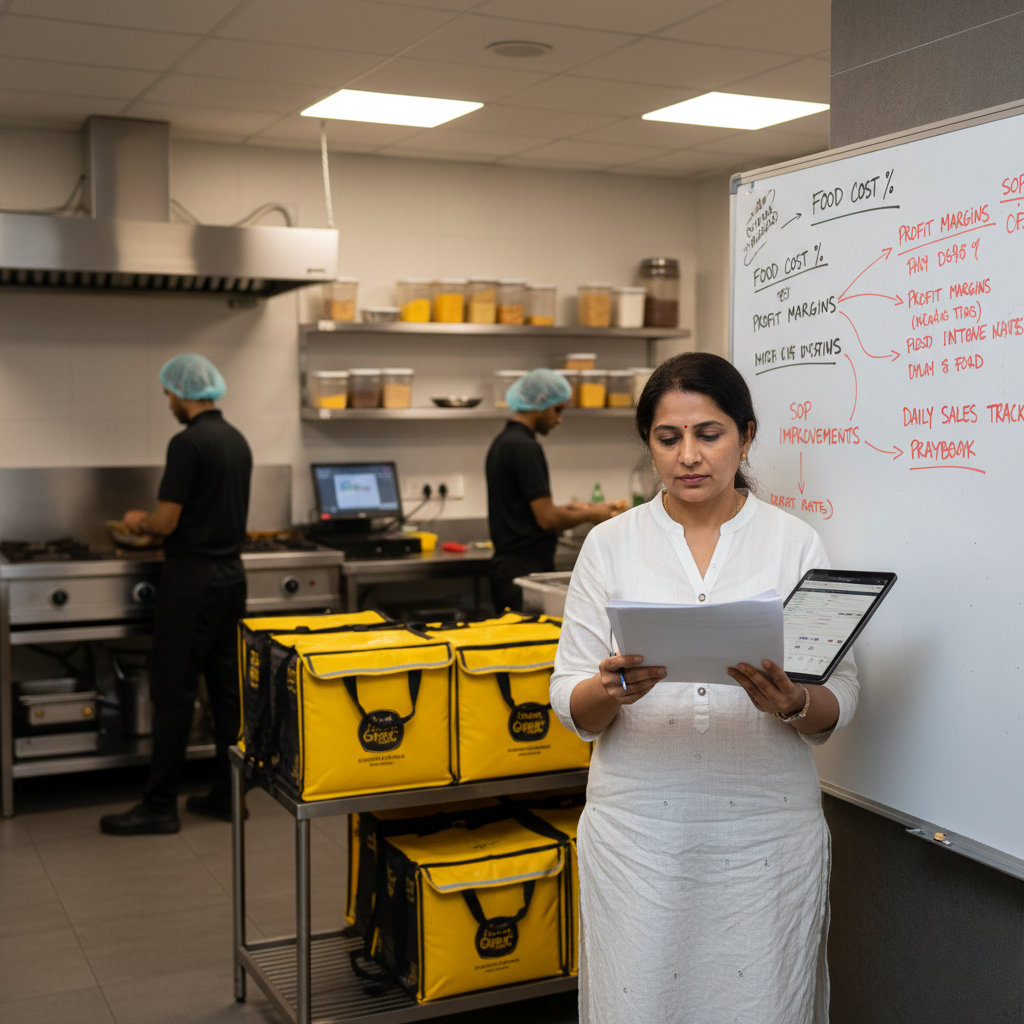
Good outer bags retain heat and protect against dust and rain. Branded insulated bags for own delivery fleets can significantly improve customer delight on first impressions.
Branding & Unboxing That Drives 5-Star Reviews
Once functional quality is secured, great brands focus on the emotional side of packaging: how it feels to unbox your food.
1. Clear, Consistent Brand Identity
Use a consistent colour palette, logo placement and typography across boxes, stickers and bags. This builds instant recall when customers reorder from Swiggy or Zomato later.
2. Simple “Thank You” & Heating Instructions
A small printed card or flap message with heating tips, storage guidance and a thank-you note reduces complaints and encourages mindful reviews.
3. Personalisation Touches
Adding the customer’s name, a handwritten note or dish-specific fun messages (for example, “Best enjoyed with your favourite series!”) makes the order feel premium without high cost.
4. Social & QR Integrations
QR codes on boxes can drive customers to feedback forms, loyalty programs or Instagram pages, converting a one-time order into a repeat relationship.
Eco-Friendly Packaging and Its Impact on Ratings
Customers are increasingly vocal about plastic waste and sustainability. For many urban customers, eco-friendly packaging is not just a nice-to-have – it’s a decision factor.
1. Kraft Boxes & Paper Containers
Switching to kraft-based boxes and paper bowls for dry and semi-dry items improves brand perception instantly. They also photograph better in user-generated content.
2. Reduced Single-Use Plastics
Offering cutlery only on request, using paper bags instead of plastic, and avoiding over-wrapping shows you respect the customer’s environment as much as their appetite.
3. Messaging Around Sustainability
Short messages on the packaging explaining your eco choices can trigger positive mentions in reviews and social media posts.
How CKaaS Helps Standardise Packaging Across Kitchens
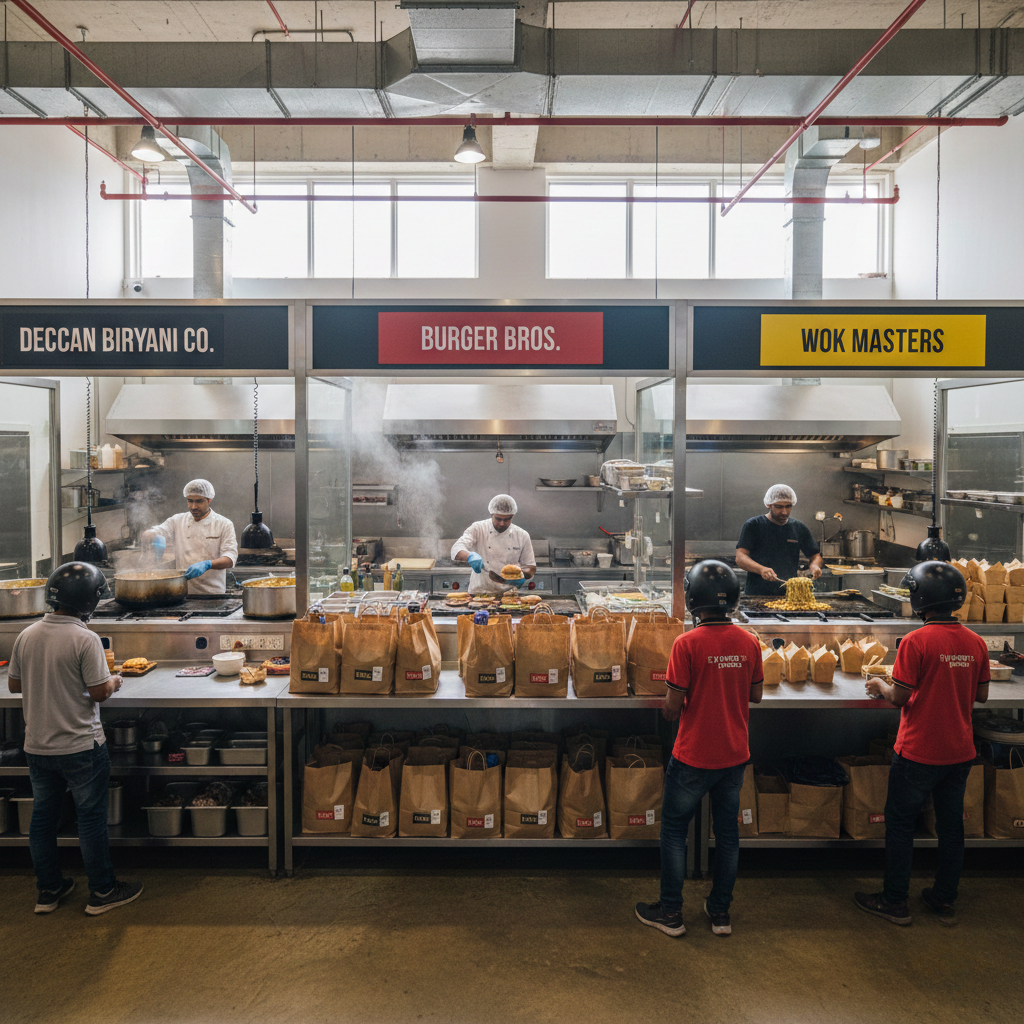
The biggest challenge for multi-location brands is consistency. This is where a strong CKaaS partner can turn packaging into a repeatable, scalable system.
1. Centralised Vendor Management
CKaaS operators can negotiate bulk rates with packaging vendors and ensure the same SKUs are used across all kitchens-keeping both quality and costing predictable.
2. Packaging SOPs for Each Dish
Detailed SOPs specify which container, lid, sticker and outer bag to use for every item. This reduces errors during rush hours and protects ratings during peak demand.
3. Constant Feedback from Aggregator Data
CKaaS dashboards can track complaint reasons, low ratings and refund triggers by dish and area, helping you iterate packaging proactively instead of reacting to bad reviews later.
How to Measure Packaging Impact on Ratings
Treat packaging like any other experiment: test, measure and refine.
1. Before/After Rating Comparison
Implement new packaging for a set of key dishes and monitor average ratings, complaints and photos over 30–60 days. Look for visible rating lifts and fewer “leakage/soggy” mentions.
2. Tagging Feedback Categories
Create simple tags for your internal team-packaging, taste, delivery, quantity-and map customer feedback to these. Packaging upgrades should show improvement in the packaging tag first.
3. Cost vs Rating ROI
Some packaging upgrades increase cost per order by ₹3-₹7 but can add far more value via better ratings, higher conversions and fewer refunds. CKaaS partners can help you model this financially.
FAQ: Packaging & Customer Ratings for Delivery Brands
Do I need expensive premium packaging to get good ratings?
No. You need smart, dish-appropriate packaging-not necessarily premium. Focus on leak-proofing, temperature, vents and basic branding first, then gradually upgrade aesthetics.
How much should I budget for packaging in a delivery-only brand?
Most successful delivery brands keep packaging cost around 4-8% of selling price, depending on cuisine and ticket size. The target is to protect ratings while staying within your food cost model.
Can better packaging really increase re-orders?
Yes. When customers know your food arrives hot, neat and intact every time, they trust your brand for important occasions-office lunches, parties, late-night meals-which drives repeat orders.
How does CKaaS make packaging easier to manage?
With CKaaS, you don’t have to coordinate with each individual kitchen. Your CKaaS partner standardises packaging SOPs, vendor relationships and stock management so you focus on brand, not logistics.
Want CKaaS Support for Packaging & Ratings?
GrowKitchen’s CKaaS network in Mumbai & Pune combines smart packaging SOPs, tested vendors and delivery-first menu design-so your food arrives in perfect condition and your ratings keep climbing.