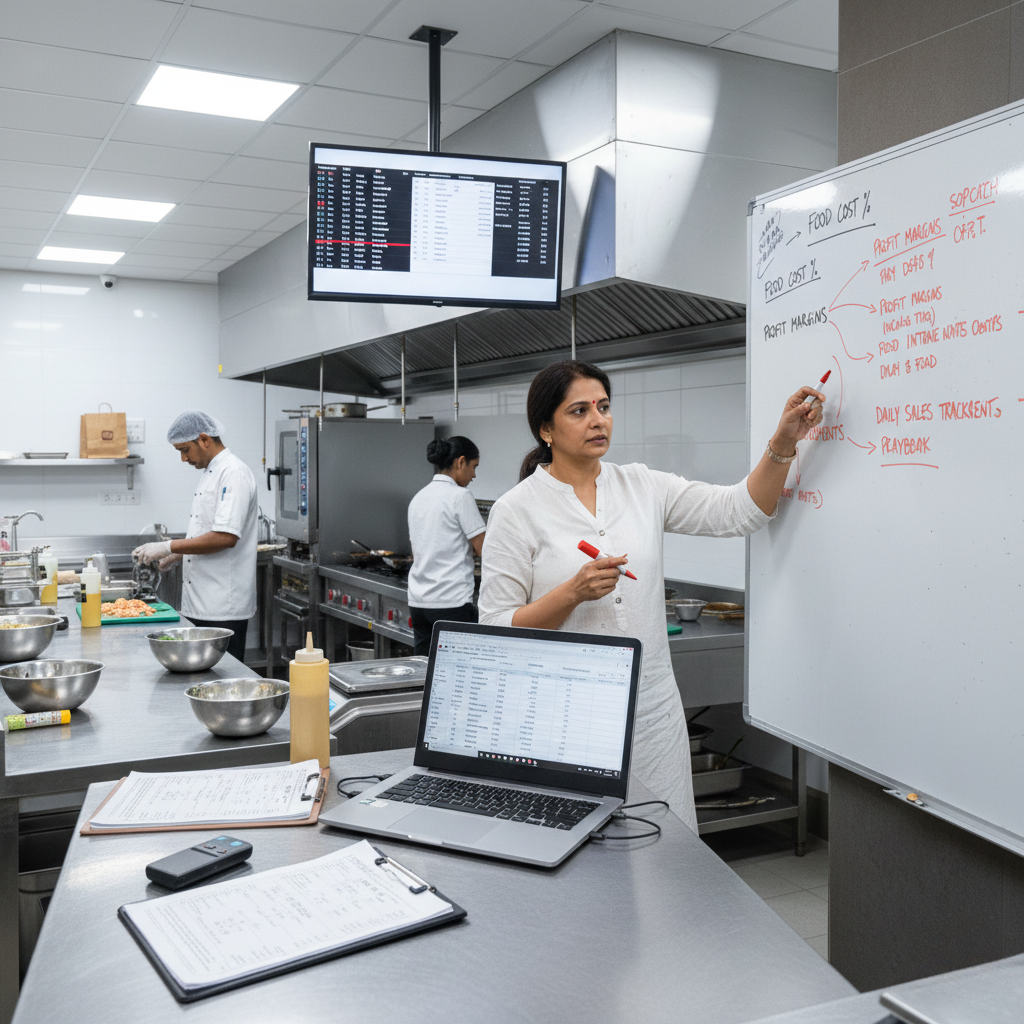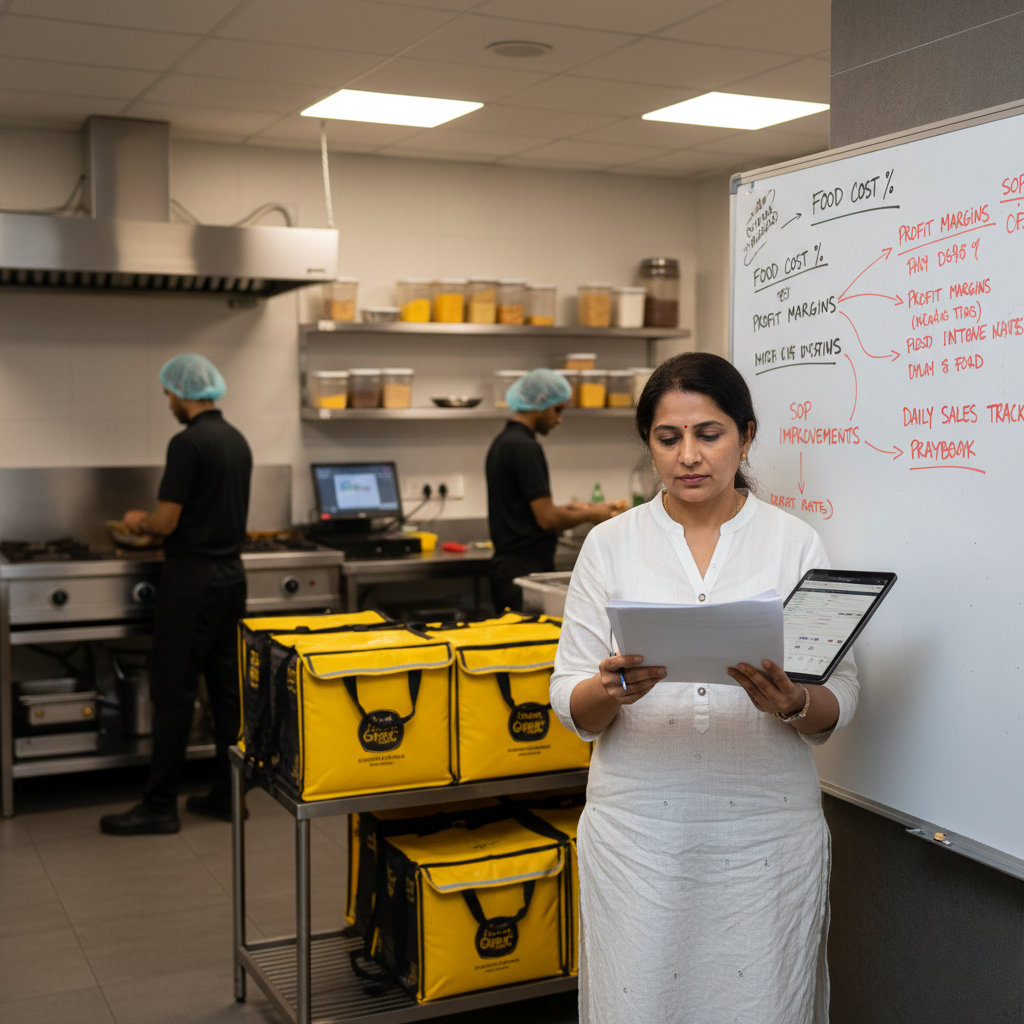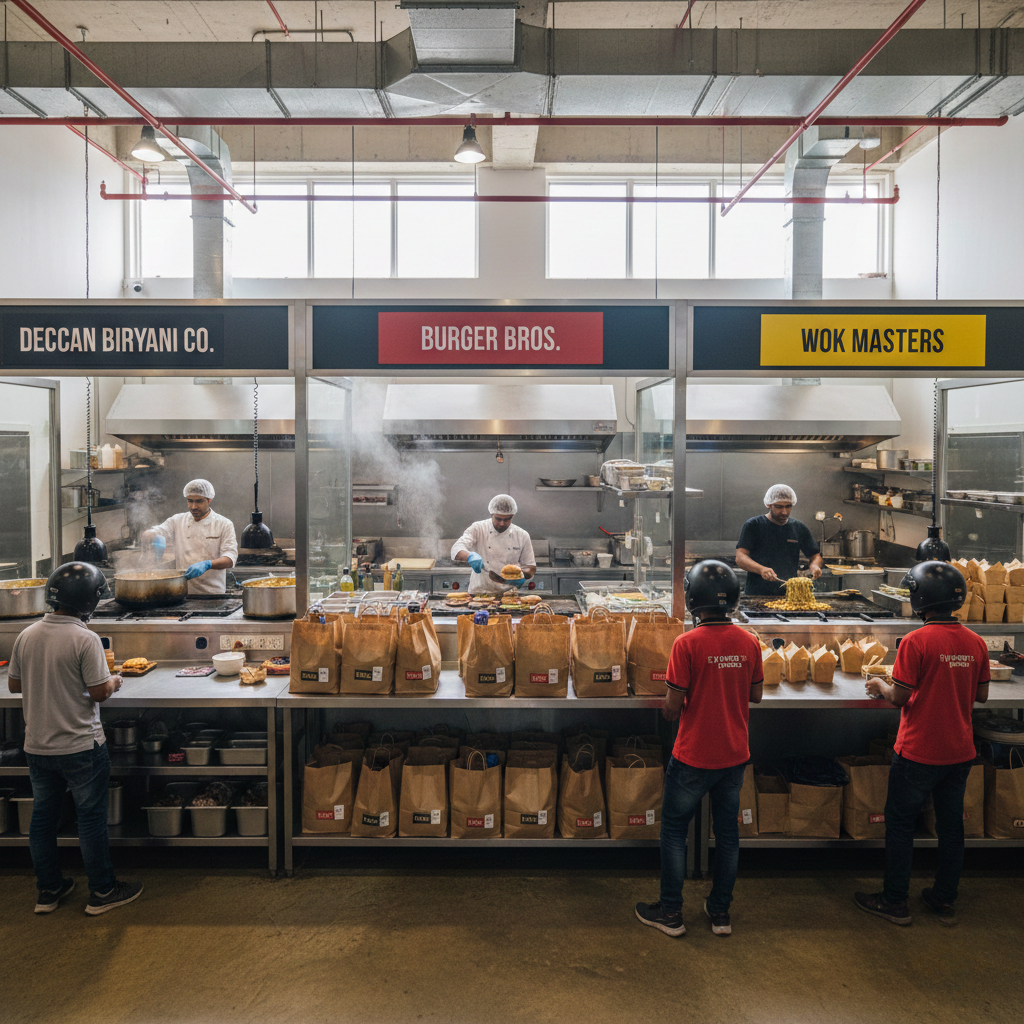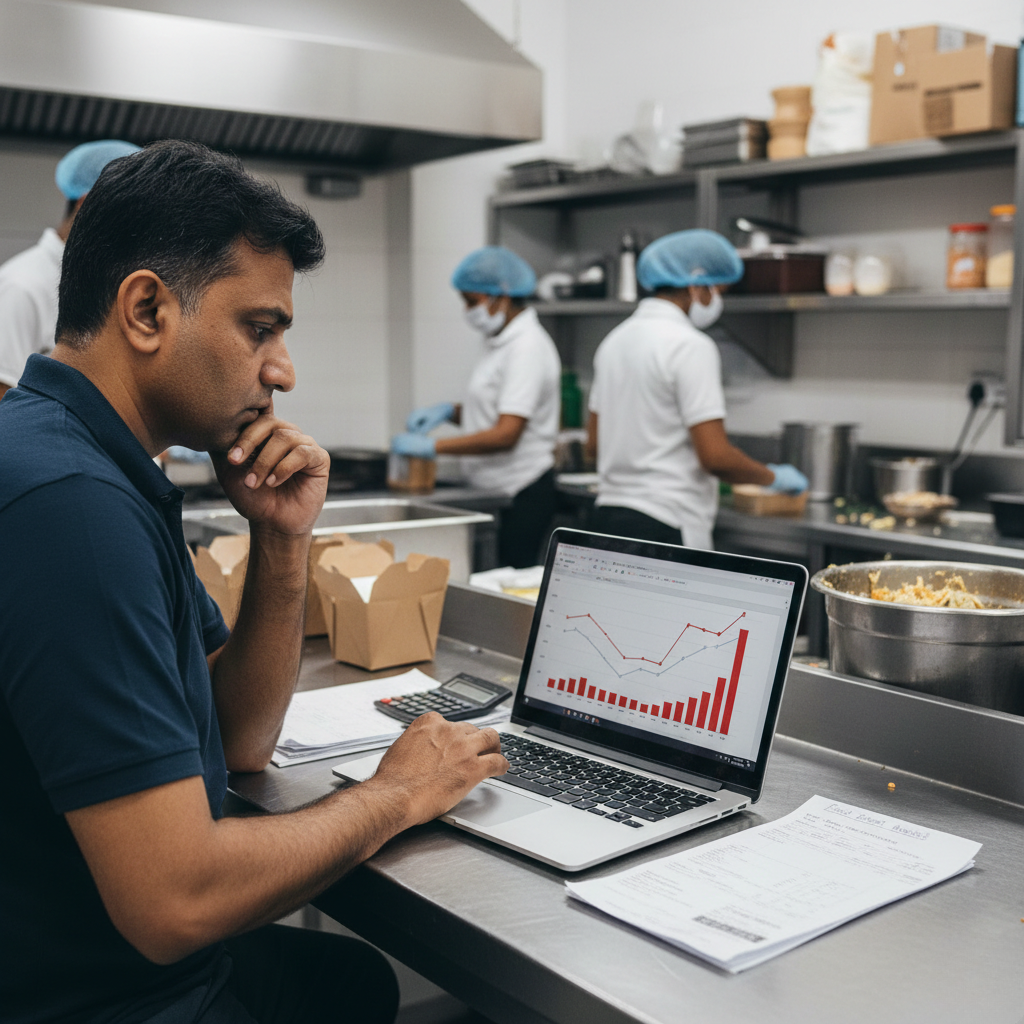
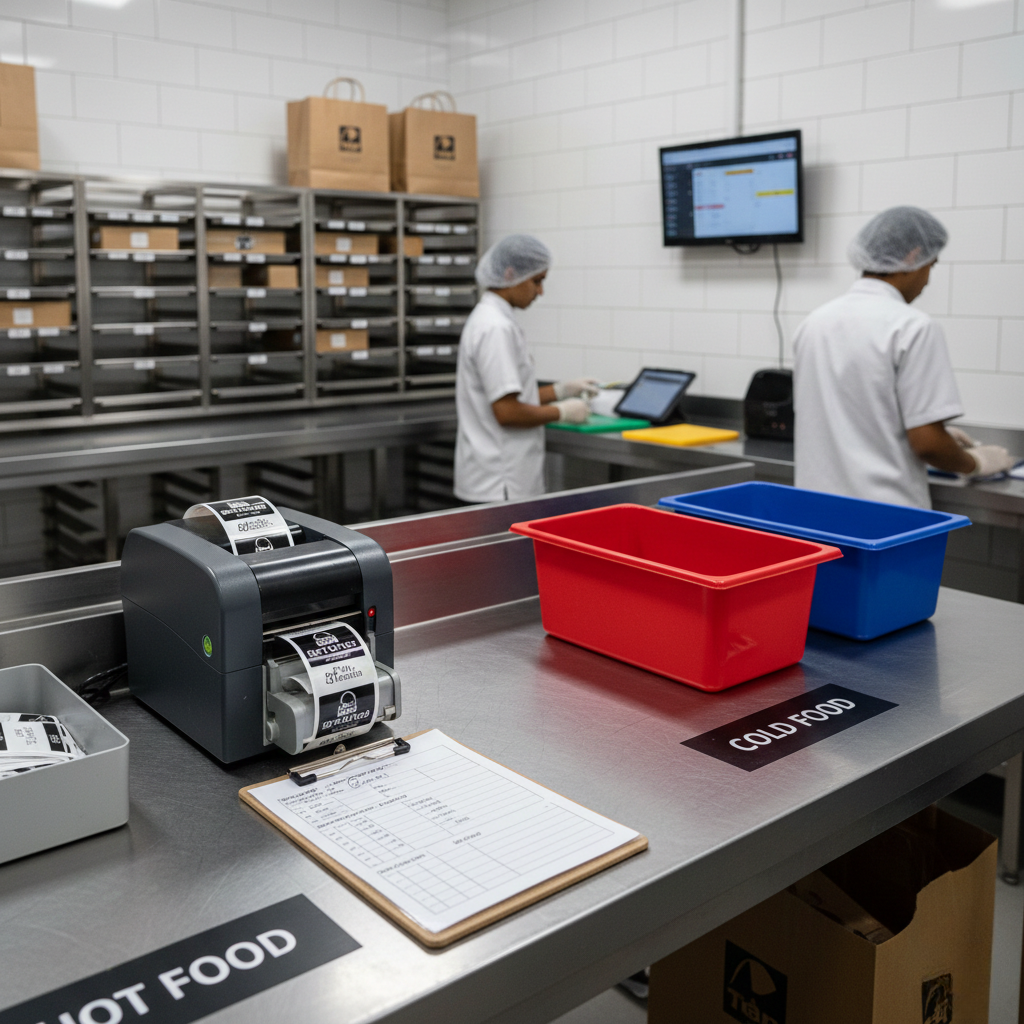
CKaaS Helps Influencers Build Food Brands-CKaaS (Cloud Kitchen as a Service) is making it possible for influencers and creators to turn their personal brand into a real food brand-without opening a kitchen or running day-to-day operations. In this guide, we break down how CKaaS helps influencers launch, grow and scale food brands in 2025.
Why CKaaS Is Perfect for Influencers & Creators
As an influencer, you already have the hardest part figured out-attention and trust. Your audience listens to your recommendations, follows your lifestyle and wants to experience what you eat, wear and use.
The problem is, traditional food businesses need time, capital and operations-kitchens, staff, licenses, inventory, rentals and delivery management. Most creators don’t have the bandwidth to manage all of that alongside content.
What Does an Influencer-Led Food Brand Look Like?
An influencer-led food brand is designed around your persona, lifestyle and content niche. Your audience doesn’t just buy a meal-they buy a slice of your world.
Examples of Creator-Aligned Concepts
- A fitness creator launching high-protein bowls and salads that match their daily diet.
- A travel vlogger launching a “global street food” menu inspired by cities they visit.
- A mommy blogger offering kid-friendly, tiffin-ready meals with clean ingredients.
- A gaming or pop-culture creator launching late-night munchies and comfort food for their community.
CKaaS turns these concepts into a delivery-ready menu, plugged into Swiggy and Zomato, running out of professional cloud kitchens in your target cities.
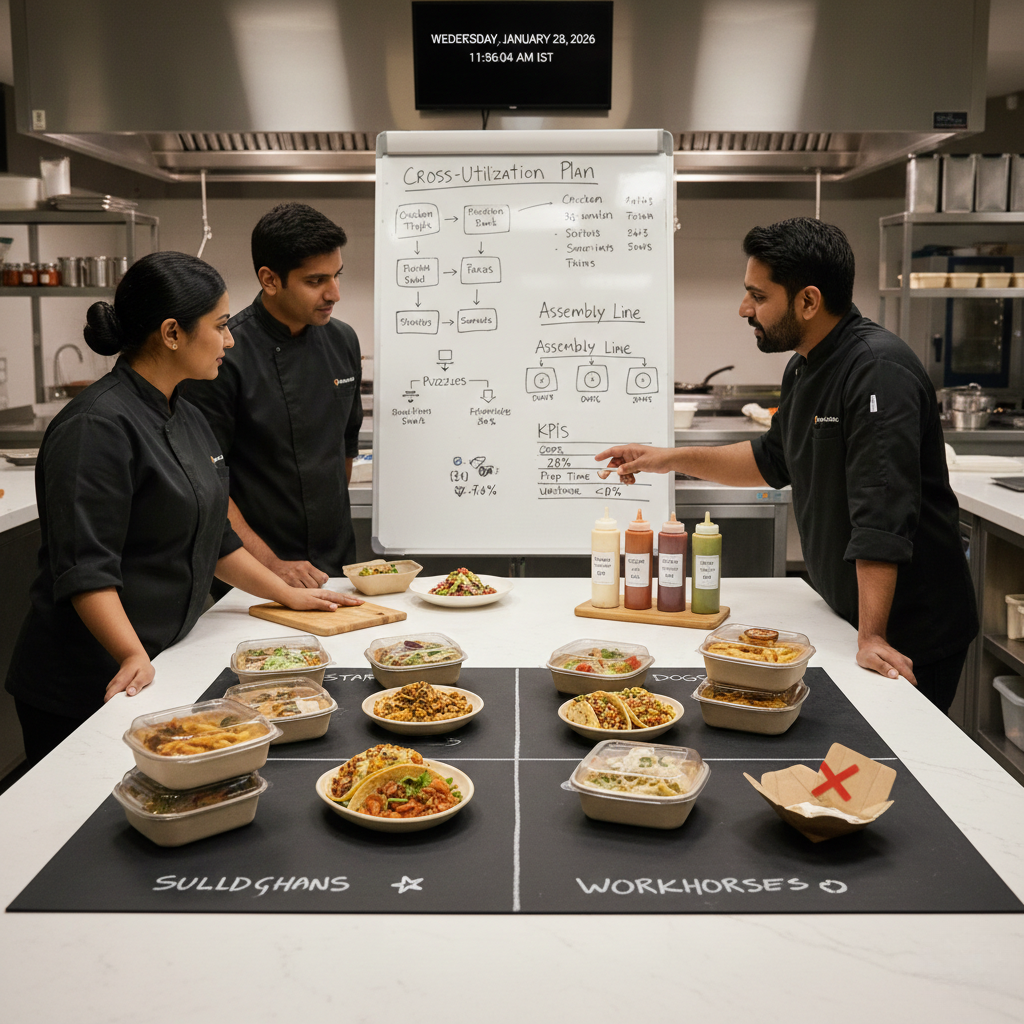
How CKaaS Helps Influencers Build Food Brands (Step-by-Step)
Here’s how a typical influencer–CKaaS collaboration works from idea to live orders:
Step 1-Brand Concept & Positioning
You start with your personal niche-fitness, lifestyle, travel, gaming, fashion, parenting, etc. The CKaaS team helps convert that into a clear food concept with a defined target audience, cuisine direction and price band that fits delivery platforms.
Step 2-Menu Co-Creation
You share your favourite dishes, flavour preferences and non-negotiables (high protein, no maida, street-style, etc.). CKaaS converts this into a delivery-friendly menu with 12–30 SKUs, tested recipes and standardised SOPs so every kitchen can replicate it.
Step 3-Brand Identity & Packaging
Your existing visual identity-colours, fonts, logo style, phrases you use-becomes the base for packaging, stickers and in-bag experiences. The goal is for your followers to feel, “This looks exactly like their content-but in food form.”
Step 4-Kitchens, Coverage & Aggregator Onboarding
CKaaS maps your brand across existing cloud kitchens in the right micro-markets (e.g., college clusters, office hubs, residential hotspots). They handle onboarding on Swiggy and Zomato-menus, photos, tags, add-ons-and you get creator-level visibility.
Step 5-Launch Campaign & Content
You drive the launch via your Instagram, YouTube, Shorts, Reels or Telegram community. CKaaS supports with offers, combos, launch discounts and tracking codes so you can see which content pieces convert best.
Step 6-Scale, Iterate & Collaborate
As orders grow, winning SKUs are pushed harder with ads and content. Underperforming dishes are improved or removed. New collabs (co-branded meals, limited-edition drops, seasonal menus) can be launched without changing any kitchen infrastructure.
Revenue Models: How Influencers Earn with CKaaS
There are multiple ways to structure influencer–CKaaS partnerships depending on your scale, audience and risk appetite.
1. Revenue Share per Order
The most common model-you earn a fixed percentage of net sales or contribution margin per order. CKaaS handles kitchen costs, staff and day-to-day operations.
2. Flat Fee + Performance Bonus
Ideal for large creators. You receive a base monthly fee for brand usage or promotions plus a performance-linked bonus if sales targets are met.
3. Joint Brand Ownership
For long-term plays, the influencer and CKaaS operator can share brand equity, treating the food brand like a startup. This works best when both parties are committed for several years.
4. Limited Edition or Seasonal Drops
Influencers can also do limited-time collabs – for example, a “Summer Shredding Bowl Collection” or “Navratri Special Protein Thalis”-without committing to a permanent brand.
Key Advantages of CKaaS for Influencers
Zero Kitchen Management
No staff hiring, no vendor negotiation, no daily ops stress. CKaaS handles the backend like a professional kitchen operator while you remain the face and story of the brand.
Faster Launch Cycles
Because the kitchen, licenses and systems already exist, you can go from idea to live orders in weeks instead of months, syncing launches with content seasons or campaigns.
Stronger Brand Monetisation
Instead of depending only on brand deals and affiliate links, you build an ownable, compounding asset-a food brand that can grow across cities independent of algorithm changes.
Real-World Community Touchpoint
Fans don’t just like and comment – they eat your brand. Meet-ups, pop-ups, creator events and offline experiences become much easier when you have a food brand backbone.
Risks Influencers Should Know (and How CKaaS Reduces Them)
“What if the food quality is bad?”
Your reputation depends on consistency. This is why it’s critical to choose a CKaaS partner with strong SOPs, QC checks and training systems. Ask for tasting sessions, trial orders and live kitchen visits before signing.
“What if sales don’t match my reach?”
Strong content doesn’t always mean instant orders. Start with realistic projections, test one or two cities, and iterate on pricing, photos, timings and offers instead of over-scaling too fast.
“Who owns the brand if things go wrong?”
Your contract should clearly state that you own the brand IP-name, logo, social handles, recipes and customer community. CKaaS provides an operations layer, not a franchise claim over your persona.
How Influencers Should Evaluate a CKaaS Partner
Before committing your face and name to any food brand, ask these questions:
- How many kitchens do they run and in which micro-markets?
- What existing brands do they operate? Are there happy founders you can speak to?
- How do they handle ratings, refunds and negative reviews on Swiggy/Zomato?
- What is the exact commercial model-revenue share, fee, lock-in, targets?
- Who controls branding, menu changes and customer communication?
- Is there a clear exit clause if you want to pause, rebrand or move the brand?
A good CKaaS partner will be transparent, data-driven and comfortable having these conversations before launch-not after issues begin.
FAQ: Influencers & CKaaS Food Brands
Do I need to invest money to start a CKaaS food brand?
It depends on the model. Many CKaaS setups are low or zero capex for influencers, with earnings happening via revenue share. Some creators may invest in branding, shoots or launch campaigns for higher upside.
Can I run the food brand under my own name?
Yes. You can either build a completely new brand or launch it as a “by <Your Name>” extension to your existing persona, depending on your strategy and comfort.
What if I move cities or change niches?
Because operations sit with CKaaS, your physical location doesn’t matter. If your niche changes, you can update the menu, positioning or even rebrand while keeping the same kitchen network running in the background.
Can smaller or mid-tier creators also use CKaaS?
Absolutely. Even creators with 10K–50K highly engaged followers can launch tight, micro-market-focused food brands if the audience fit and concept are strong.
Influencer Thinking About Launching a Food Brand?
GrowKitchen’s CKaaS network in Mumbai & Pune runs the kitchens, staff and daily operations while you focus on content, brand and community. From menu creation to Swiggy/Zomato onboarding, we help you turn your persona into a scalable food brand.