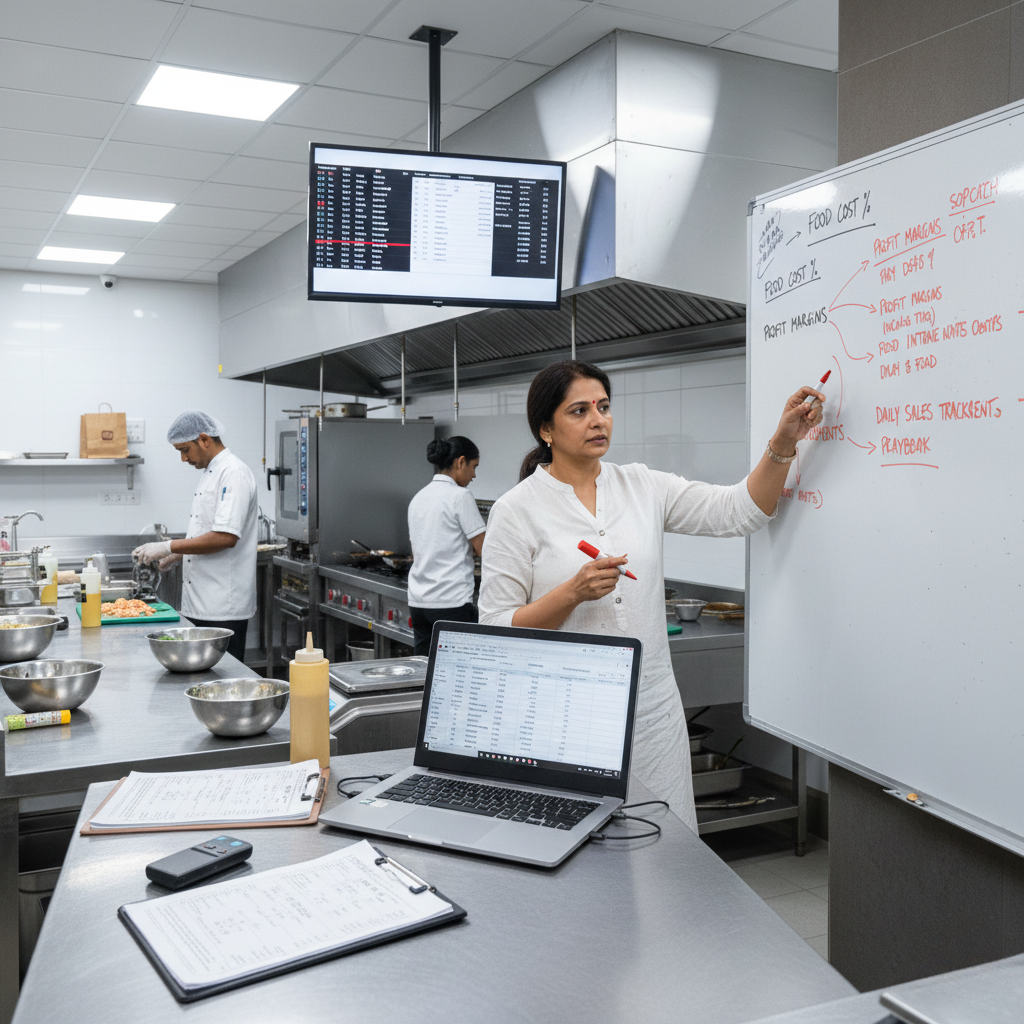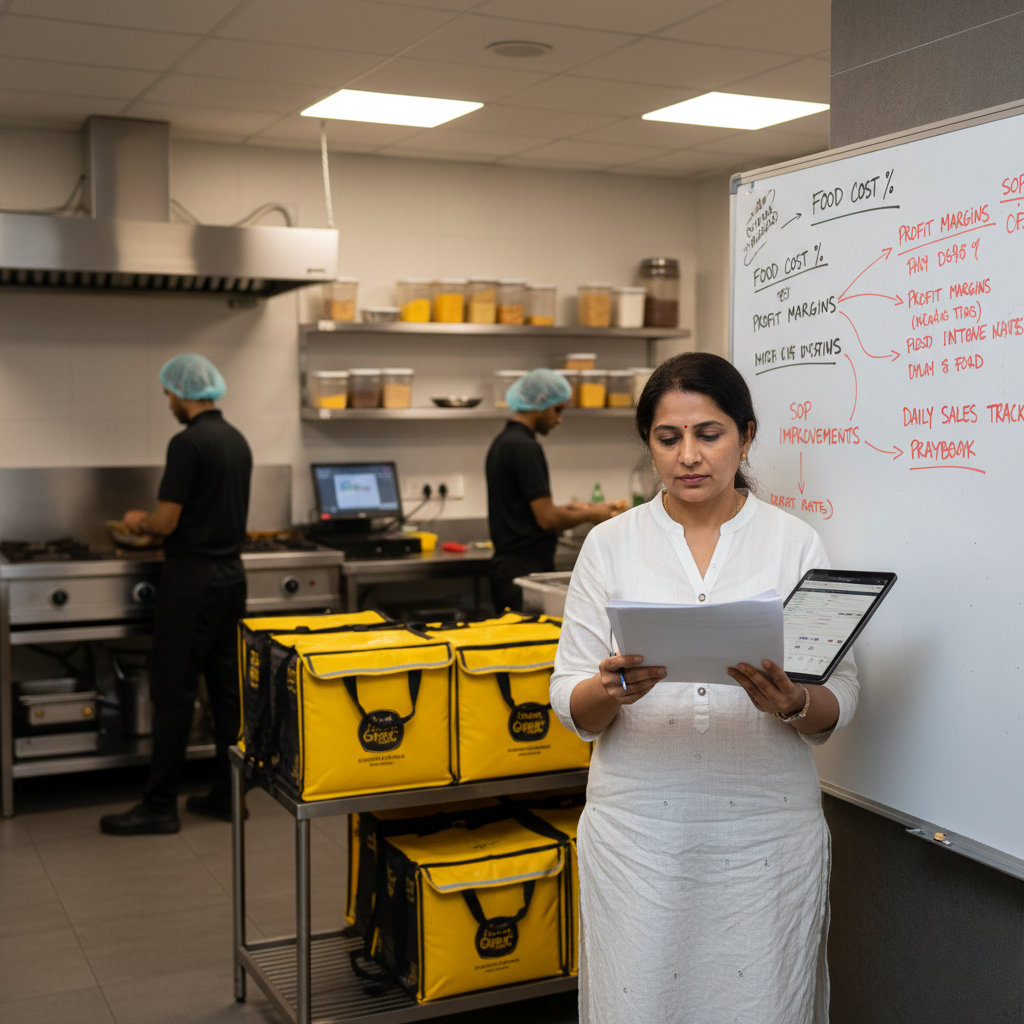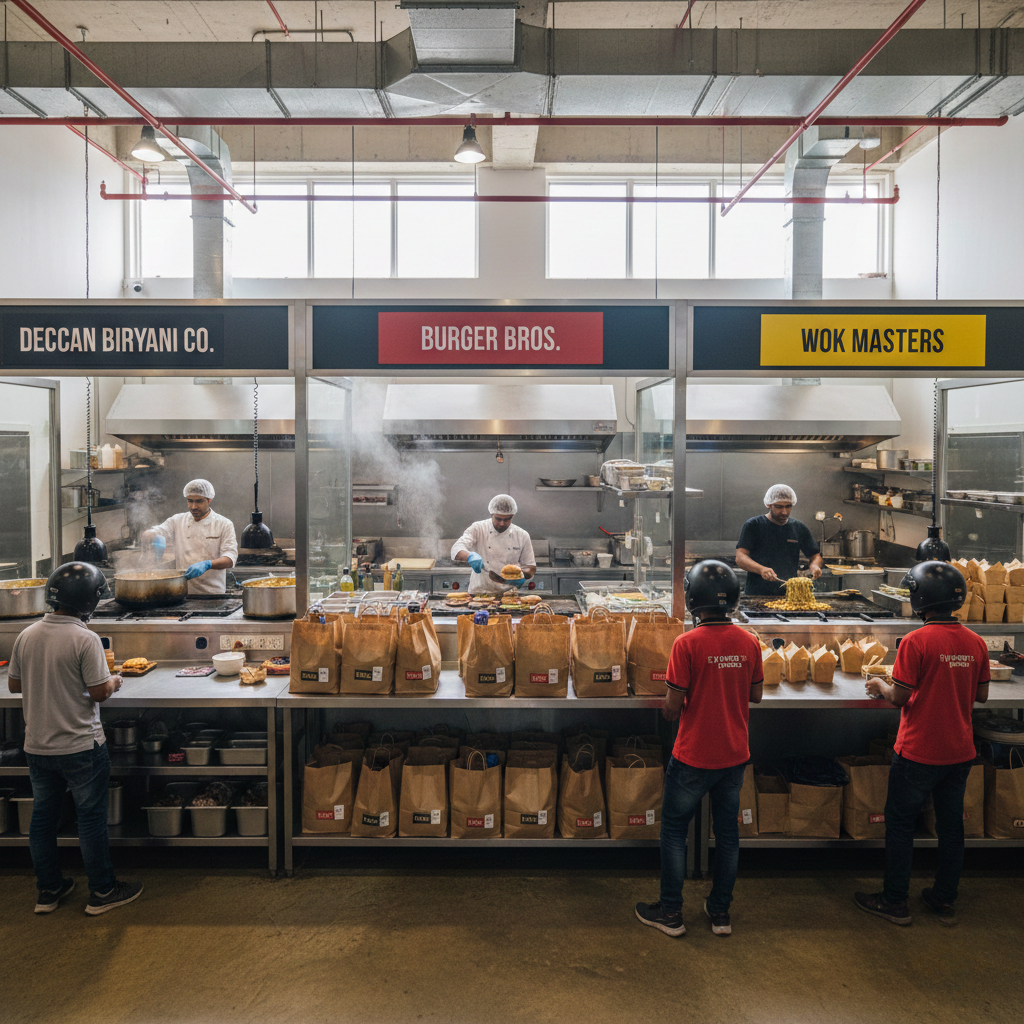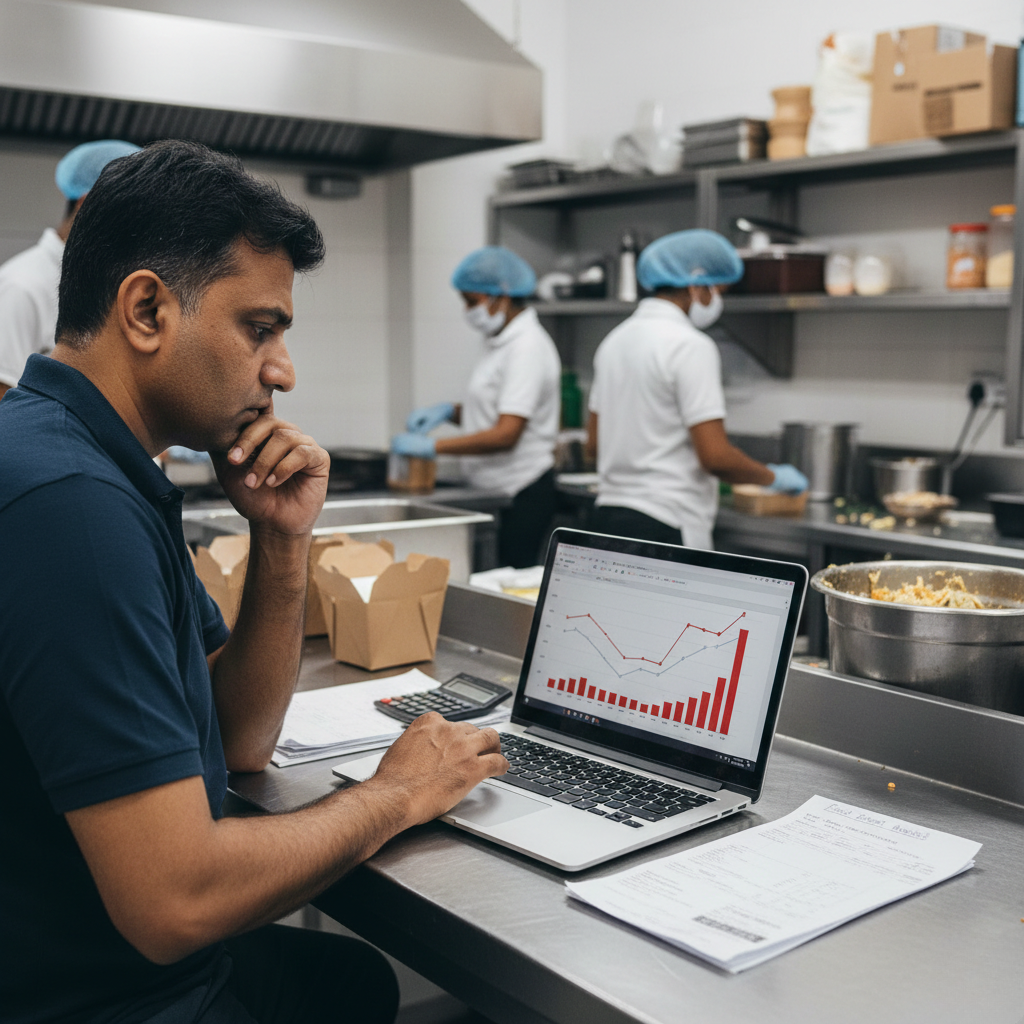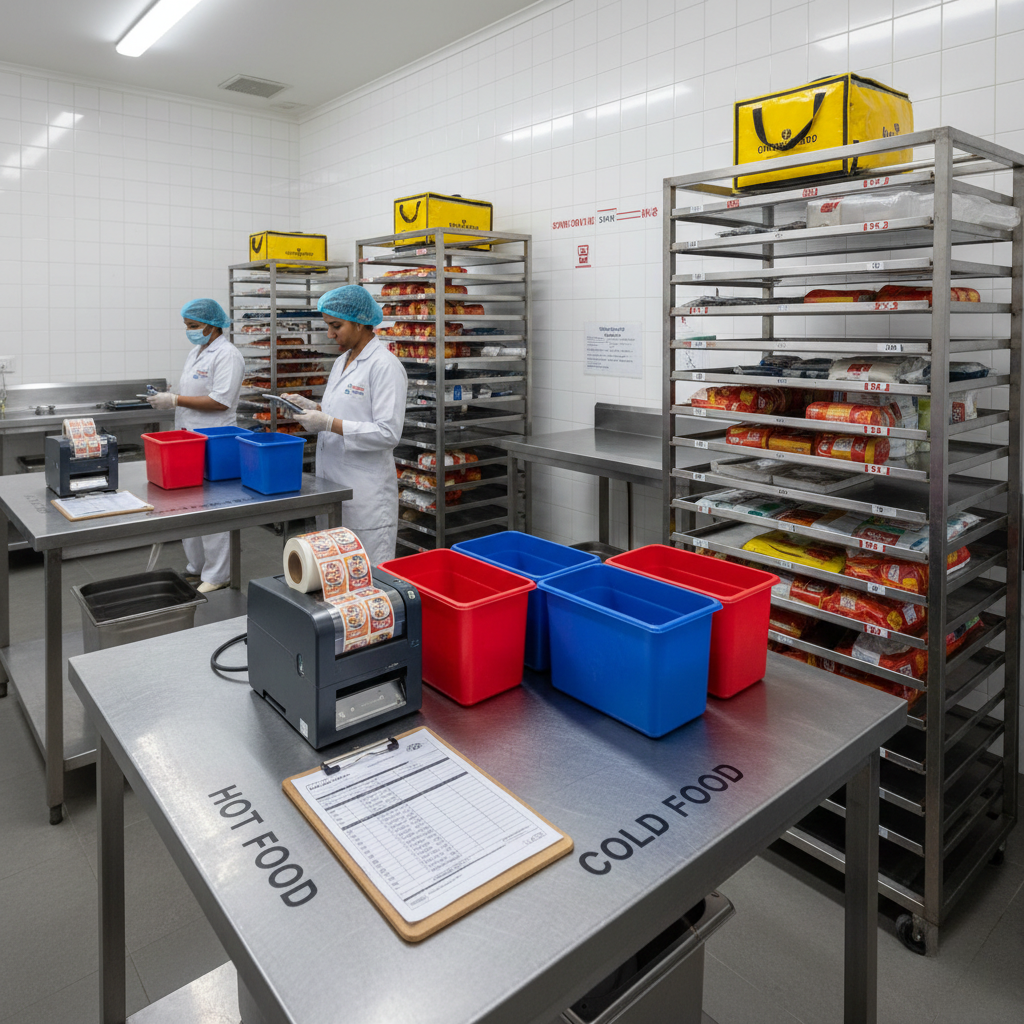
CKaaS vs Franchise Profitability-CKaaS (Cloud Kitchen as a Service) lets you launch your own food brand without opening a kitchen or buying a franchise. In this guide, we compare CKaaS vs food franchise models, and break down which one can generate more profit for food founders in 2025.
CKaaS vs Franchise: Which Model Makes More Profit in 2025?
In 2025, food founders have two main ways to enter the delivery market: buy a food franchise or launch their brand through CKaaS (Cloud Kitchen as a Service).
Both models can generate revenue, but their profitability, risk profile and cash flow are completely different. CKaaS is asset-light and flexible, while franchises are asset-heavy but more traditional and structured.
How Profit Works in a Food Franchise Cloud Kitchen
A franchise cloud kitchen follows a standard playbook. You pay for the right to use an established brand and follow their SOPs, recipes and pricing structure.
1. High Upfront Capex
To open a franchise kitchen, you typically invest in:
- Franchise fee and brand onboarding
- Kitchen buildout, equipment and interiors
- Licenses, deposits and basic inventory
This can add up to ₹20-40 lakh+ depending on city and brand, before your first real order comes in.
2. Ongoing Royalties & Marketing Fees
Most franchises charge a percentage of sales as:
- Royalty (for using the brand name)
- Brand marketing fee (national campaigns, creatives, etc.)
These fees come straight out of your top-line, bringing down your net profit per month.
3. Fixed Overheads on You
As the franchisee, you bear most fixed expenses:
- Rent, utilities and maintenance
- Staff salaries and payroll compliances
- Local marketing, aggregator offers and discounts
Even if sales dip in a particular month, these costs don’t disappear-your profit shrinks, but your obligations stay fixed.
How Profit Works in the CKaaS Model
In CKaaS, you don’t buy a franchise. Instead, you plug your own brand into a ready cloud kitchen network that is run by a specialist operator.
1. Low or Zero Upfront Investment
You usually don’t pay for kitchen setup, equipment or staff. Instead, you pay:
- A fixed monthly management fee per kitchen, and/or
- A small revenue share based on sales
That means you preserve capital for branding, content and performance marketing instead of tying it up in assets.
2. Shared or Outsourced Fixed Costs
The CKaaS operator handles most operational overheads-staff, rent, utilities and basic kitchen management. Your primary focus is:
- Brand positioning and creative
- Menu engineering and pricing
- Marketing and demand generation
This structure makes your downside risk more manageable, especially in the first 12-18 months.
3. Cleaner, More Predictable P&L
Instead of a mix of scattered overheads, the CKaaS fee behaves like a single, clear line item in your P&L. This simplifies:
- Forecasting monthly profitability
- Testing multiple concepts
- Shutting down or scaling up quickly based on data
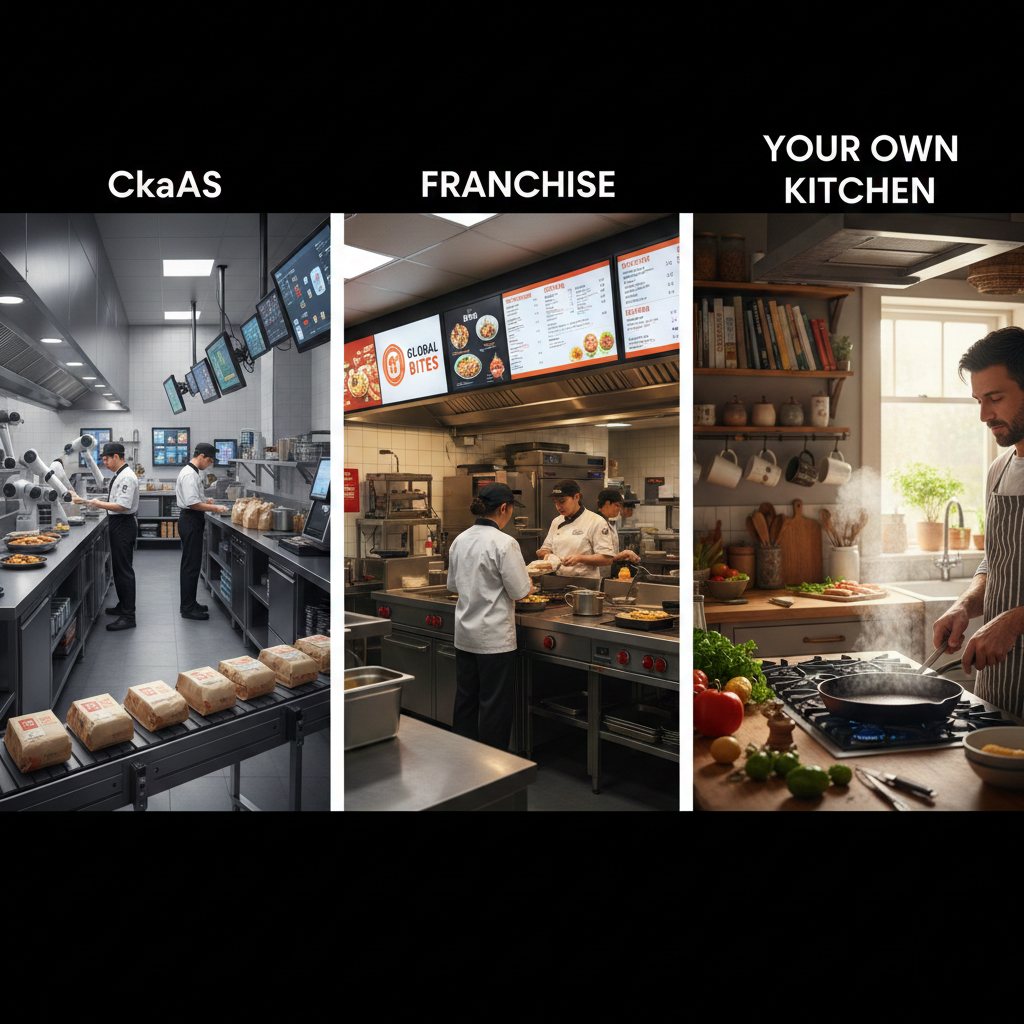
CKaaS vs Franchise: Illustrative P&L Comparison for 2025
Every brand and market is different, but this simplified example shows how profit can differ between CKaaS and a franchise cloud kitchen at similar order volumes.
Scenario: Same Monthly Sales for Both Models
Assume both CKaaS and franchise kitchens do ₹10 lakh in monthly sales in 2025.
- Food cost (raw material): similar in both models
- Aggregator commissions and packaging: similar in both models
- Big difference: fixed overheads and fee structure
Franchise P&L Snapshot (Illustrative)
- Gross sales: ₹10,00,000
- Less: Food cost & packaging
- Less: Aggregator commission
- Less: Rent, utilities, staff salaries
- Less: Royalty + brand marketing fee
Net result: Profit can be decent, but only after your large upfront investment has been deployed and the outlet has ramped up.
CKaaS P&L Snapshot (Illustrative)
- Gross sales: ₹10,00,000
- Less: Food cost & packaging
- Less: Aggregator commission
- Less: CKaaS service fee (management + revenue share)
Net result: Profit margin per order can be similar or higher than a franchise, but without tying up ₹20-40 lakh in assets. Your payback period on marketing and brand building is often faster.
Break-Even & Payback: Who Wins in 2025?
The real test of profitability is not just monthly profit-it’s how long it takes to recover your investment.
Franchise Break-Even
If you invest ₹25-30 lakh to set up a franchise kitchen, even a profit of ₹1-1.5 lakh per month means a payback period of 18-30+ months, assuming sales stay stable.
CKaaS Break-Even
With CKaaS, your upfront investment is mostly in branding, menu work and marketing. If your monthly costs are limited to CKaaS fees and campaigns, you can often:
- Hit cash-flow break-even faster, and
- Test multiple brands or cuisines with the same budget
In other words, CKaaS focuses on profitable experiments rather than long, capex-heavy bets.
Who Makes More Profit: CKaaS or Franchise?
There is no one-size-fits-all answer, but some patterns are clear in 2025:
When Franchise Can Make Sense
- You want a big, established brand name on Day 1
- You have access to large capital and are comfortable locking it for years
- You want strong brand-level support and can accept lower flexibility
When CKaaS Usually Wins on Profit
- You prefer asset-light, low-risk scaling
- You want to own the brand IP and build a long-term asset
- You value faster testing & iteration across cities and cuisines
For many modern founders, especially in delivery-first markets, CKaaS can deliver better risk-adjusted profit and more control over brand equity.
Risk, Cash Flow & Scale: The 2025 Reality
In a market driven by aggregator dynamics, inflation and shifting customer behaviour, controlling your downside is as important as chasing upside.
Franchise: High Commitment, Slower Flexibility
Franchise contracts often come with multi-year lock-ins, strict SOPs and penalties for early exit. This can make pivoting or shutting an underperforming outlet difficult.
CKaaS: Flexible, Data-Driven Scaling
CKaaS models usually allow you to:
- Test a city or micro-market with limited commitment
- Move to new locations within the network based on data
- Run multiple brands from the same kitchen backbone
This flexibility compounds over time, often resulting in higher network-level profit, not just single-outlet profit.
How to Decide Between CKaaS and Franchise in 2025
Before choosing CKaaS or franchise, ask yourself:
- Do I want to own my brand or borrow someone else’s?
- Is my priority speed and flexibility or stability and standardisation?
- How much capital am I willing to lock for 3-5 years?
- Do I enjoy marketing and brand building, or do I just want operations?
If you lean towards brand ownership, experimentation and an asset-light model, CKaaS is likely the better profit engine for your food business in 2025.
FAQ: CKaaS vs Franchise Profitability in 2025
Is CKaaS always more profitable than a franchise?
Not always. A strong franchise in a high-demand location can be very profitable. However, CKaaS often delivers better risk-adjusted profit because you avoid heavy upfront capex and long lock-ins.
Can I start with CKaaS and later move to my own kitchen?
Yes. Many founders use CKaaS to validate demand and build brand traction first. Once the brand stabilises, they may open their own flagship kitchen or hybrid outlet-while still using CKaaS for new markets.
Are margins lower in CKaaS because of service fees?
CKaaS fees do reduce margin per order, but they also remove major overheads. When you factor in capital saved and flexibility gained, overall profitability can still be equal or higher than a franchise setup.
Which model is better for first-time food founders in 2025?
For most new founders, CKaaS is safer and faster. You learn the market, build your brand and understand delivery dynamics without risking your entire savings on a single outlet.
Want to Build a More Profitable Food Brand with CKaaS?
GrowKitchen’s CKaaS network in Mumbai & Pune gives you ready cloud kitchens, trained staff and full operational support-so you can focus on building a profitable food brand, not running a kitchen.