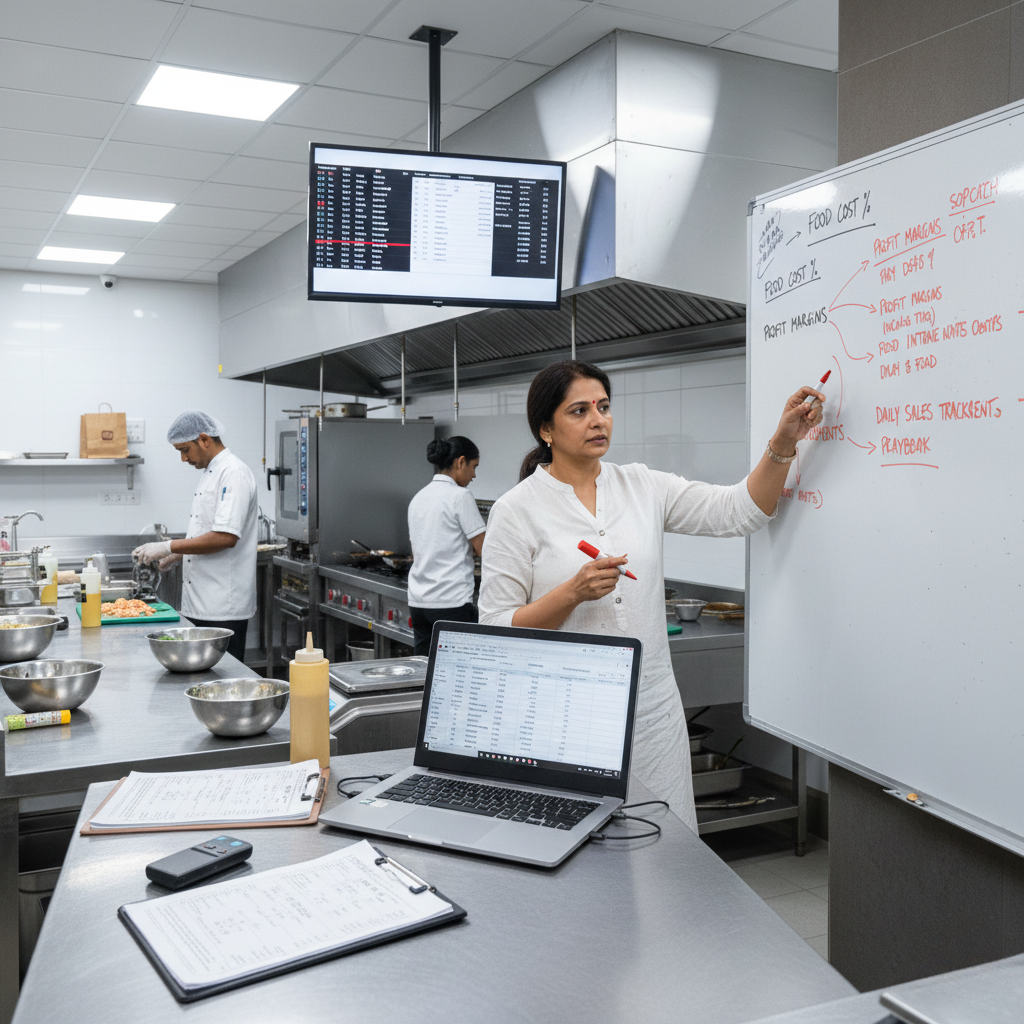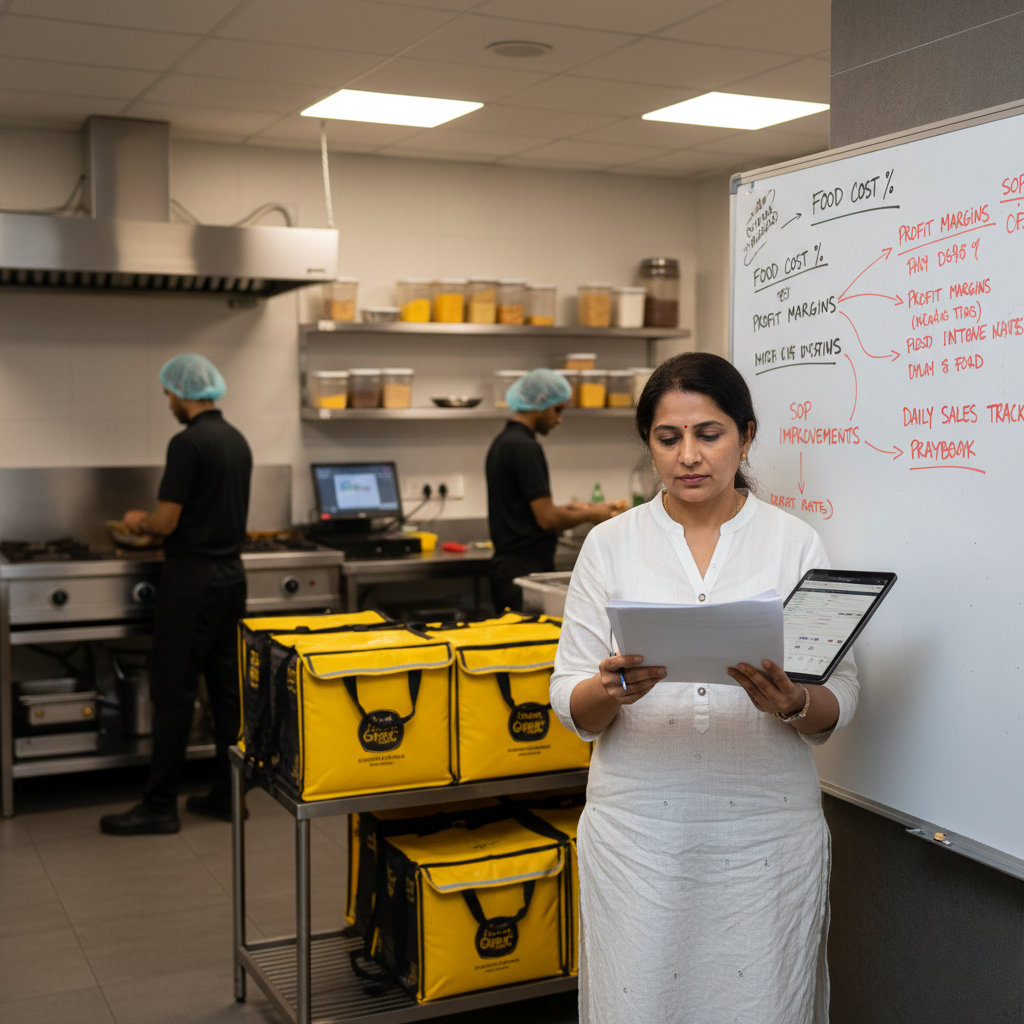
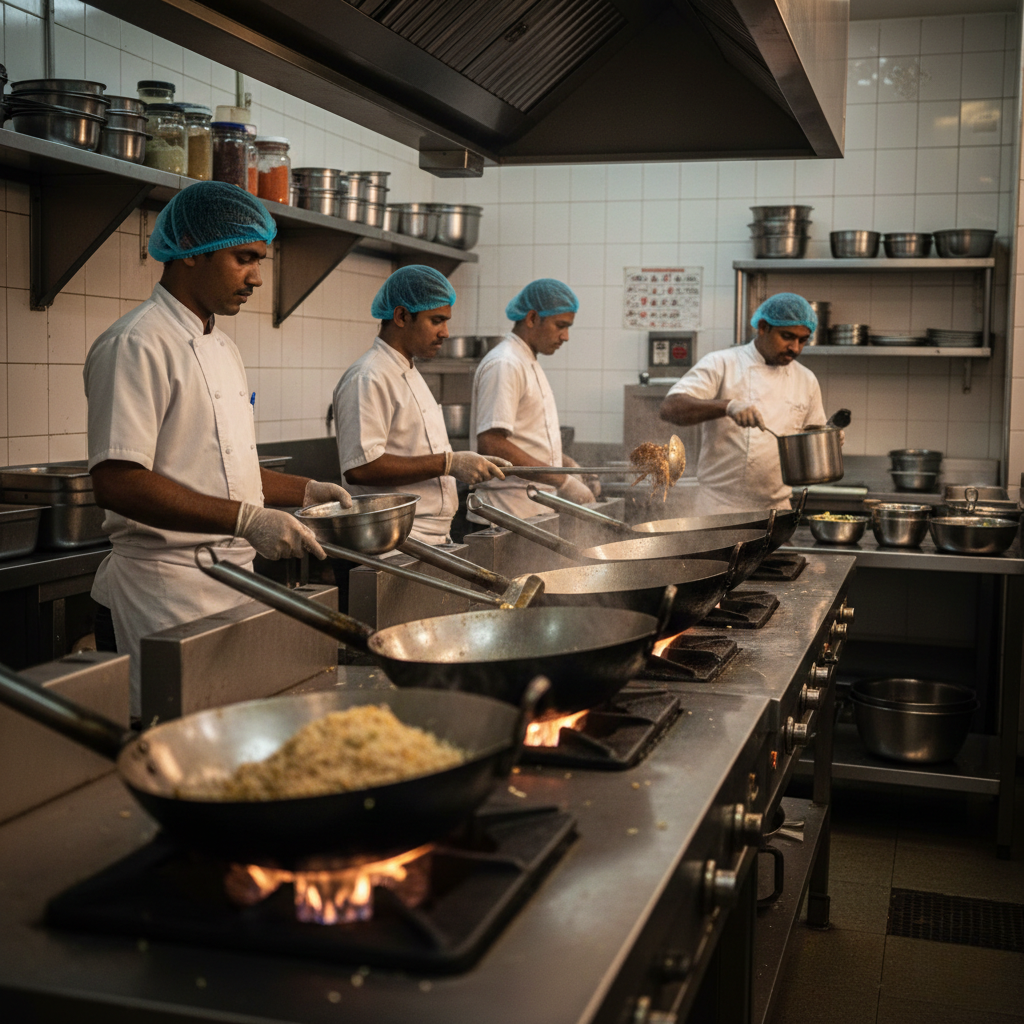
CKaaS Scale Food Brand to 5-10 Locations Using CKaaS (Cloud Kitchen as a Service) gives you plug-and-play kitchens, trained staff and ready delivery zones-so once your brand works in one location, you can quickly clone it into 5-10 high-potential areas without heavy capex. In this guide, we break down why CKaaS is the fastest, lowest-risk way to scale your food brand across multiple locations.
Why Scale Food Brand to 5-10 Locations Using CKaaS
Traditional restaurant and cloud kitchen expansion is slow because every new outlet needs fresh capex, fresh staff and fresh setup time. CKaaS flips this model.
With Cloud Kitchen as a Service, you plug your brand into an existing network of ready kitchens. Once your menu, operations and pricing work in one location, the same playbook can be rolled out into 5-10 locations with far less friction than opening independent kitchens each time.
CKaaS vs Owning Your Own Cloud Kitchens (for Scaling)
Scaling from one outlet to many is not just about more sales-it’s about how quickly and safely you can add capacity without breaking operations or cash flow.
1. Setup Time per New Location
With your own kitchen model, each new location means finding a property, negotiating leases, building interiors, buying equipment and hiring from scratch. This can take 3–6 months per location.
With CKaaS, your partner already has operational kitchens. Most of the groundwork is done. You mainly need to align on menu, training and listing updates-which can bring the timeline down to weeks instead of months.
2. Capex vs Opex at Scale
Owning multiple cloud kitchens locks you into rentals, deposits, equipment and interiors at each location. If a micro-market underperforms, that capital is hard to recover.
The CKaaS model shifts you toward a service-fee + revenue-share structure. That means you can test more locations without committing to full capex every time.
3. Operations Complexity
Managing staff, vendors and quality across 5-10 kitchens can become a full-time job by itself if you own everything.
CKaaS partners already have centralised SOPs, training and vendor networks. You plug into an existing operations engine instead of building one from scratch.
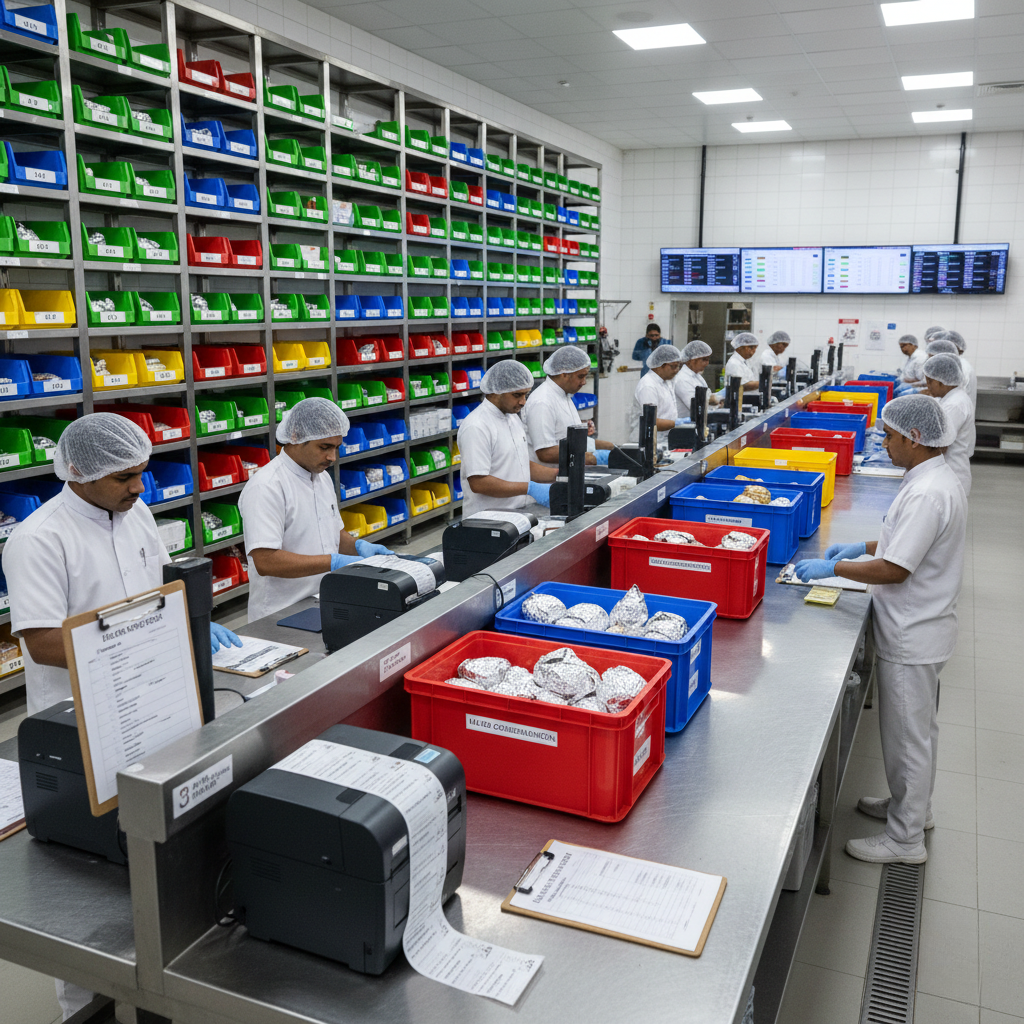
The CKaaS Playbook for Scaling to 5-10 Locations
Smart founders don’t start with 10 kitchens. They prove the model in 1-2 kitchens, then copy what works into more locations. Here’s how that looks with CKaaS.
Stage 1-Validate in 1-2 Kitchens
You test your brand in carefully chosen micro-markets (for example, Mahim, Bhandup, Kothrud or Wadgaon Sheri). You refine:
- Top-performing SKUs and combos
- Ideal price bands for your TG
- Packaging that survives delivery
- Promos that boost ratings and repeat orders
Stage 2-Standardise the Playbook
Once you see consistent performance, you freeze recipes, SOPs, plating, photos and Swiggy/Zomato listing structure. This becomes your brand playbook that can be deployed into new kitchens.
Stage 3-Scale to 3-5 Locations
Your CKaaS partner maps your brand into additional kitchens that fit your TG and cuisine demand. Because the operations backbone is already in place, you focus on city-wise marketing and influencer campaigns instead of setup headaches.
Stage 4-Expand Toward 5–10 Locations
As the brand stabilises, you can evaluate expansion into new clusters or cities. The CKaaS team handles training and rollout, while you manage brand storytelling, partnerships and performance marketing.
How CKaaS Improves Unit Economics While Scaling
Scaling fast only makes sense if each additional kitchen helps your overall economics-not just vanity metrics. CKaaS can help here in a few ways.
Shared Fixed Costs Across Brands
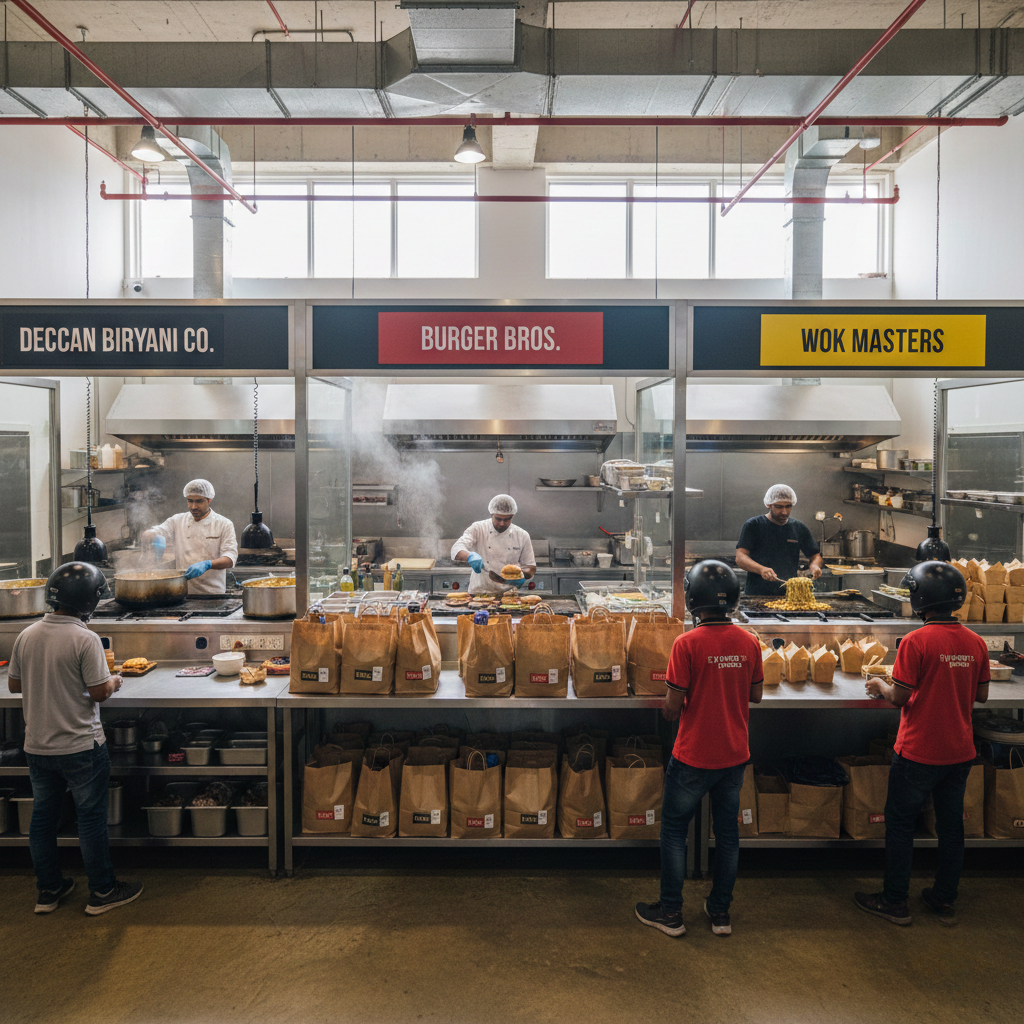
CKaaS kitchens often run multiple brands under one roof. That means core costs like rent, utilities and some manpower are distributed, improving contribution margins compared to a single-brand kitchen model.
Better Negotiation Power with Vendors
A CKaaS operator buying for multiple kitchens and brands usually has better bulk pricing and supply consistency than a solo brand running a single kitchen.
Faster Payback Period on Experiments
Because you are not sinking capex into every new location, your payback depends more on marketing ROI and menu performance than on recovering heavy setup cost.
Who Should Use CKaaS to Scale to 5–10 Locations?
Digital-First Food Brands
If your brand is built around Swiggy/Zomato, Instagram and YouTube, CKaaS lets you go from “good in one pocket of the city” to “visible across multiple delivery hotspots” quickly.
Influencers & Creator-Led Brands
Creators can use CKaaS to turn follower demand into multiple-city availability without running kitchens. Your audience sees one brand; CKaaS quietly powers multiple locations in the background.
Existing Brands Ready for the Next Stage
If you already run one or two outlets successfully, CKaaS can be the bridge between “local hero” and “multi-location brand” without the typical franchise or capex-heavy route.
Risks & Mistakes to Avoid While Scaling with CKaaS
Expanding Too Fast Without a Proven Playbook
The temptation to sign up for 8-10 kitchens at once is real. But unless your menu, pricing and operations are proven in 1-2 kitchens, you may end up scaling problems, not profits.
Ignoring Micro-Market Differences
Not every area behaves the same. CKaaS lets you be flexible, but you still need location-wise menu tweaks, offer strategies and ad budgets.
Weak Brand Building
CKaaS solves operations, not branding. If you don’t invest in content, reviews, influencers and storytelling, adding more kitchens will not automatically fix awareness issues.
Key Metrics to Track While Scaling with CKaaS
To make sure you are scaling smart, keep an eye on:
- Orders per day per kitchen (and per brand)
- Average order value (AOV) and repeat rate
- Contribution margin per order after CKaaS fees
- Swiggy/Zomato ratings and review velocity
- City-wise or cluster-wise marketing ROI
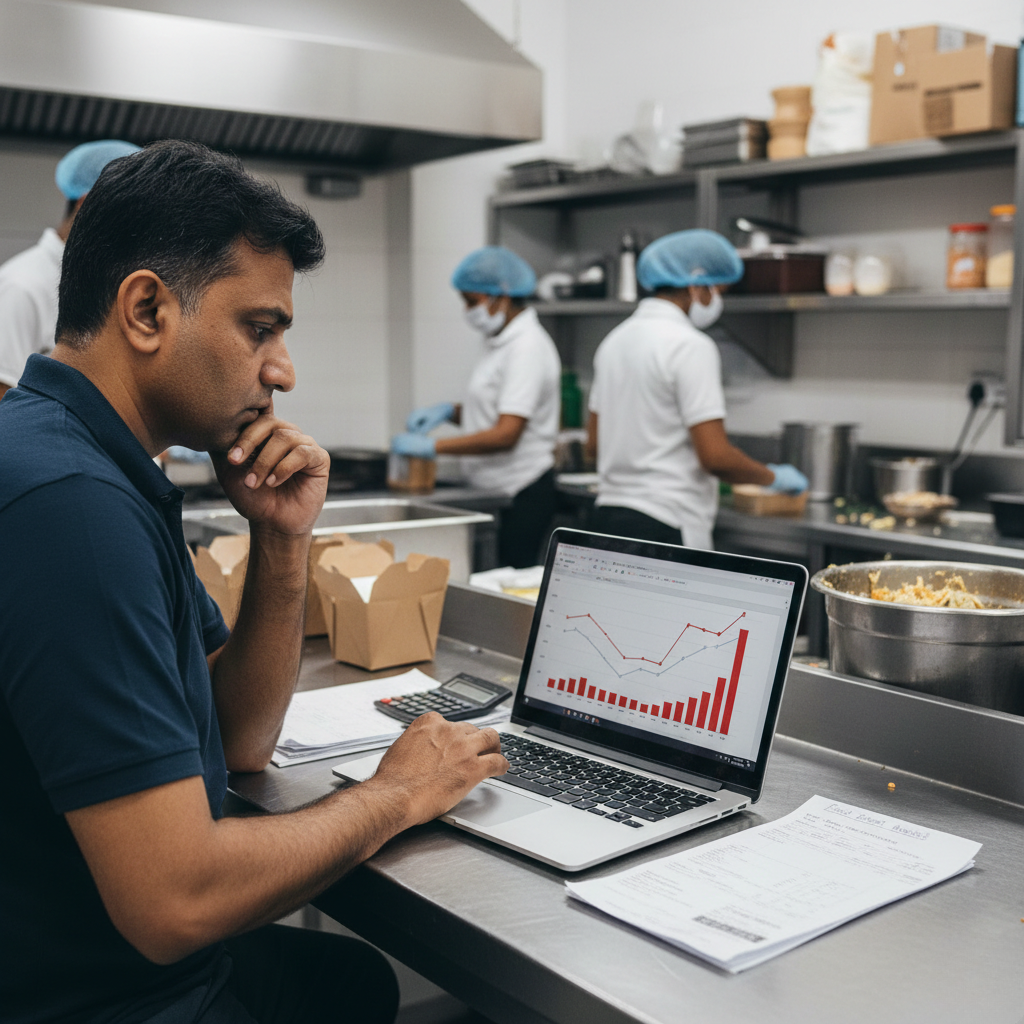
A good CKaaS partner will provide dashboards and reports so you can make decisions based on data, not guesswork.
FAQ: People Also Ask About Scaling with CKaaS
How many locations should I start with on CKaaS?
Most brands should start with 1-2 kitchens, then expand to 3-5 and eventually 5-10 once the playbook is proven and unit economics are clear.
Can I mix CKaaS kitchens with my own kitchens?
Yes. Many founders use CKaaS to test new micro-markets while running their own flagship or hero kitchen in a key location.
How fast can I realistically go from 1 to 5-10 locations?
It depends on your brand’s performance and your CKaaS partner’s network. In a strong market, brands can go from 1-2 to 5-10 locations within 12-18 months with a disciplined rollout plan.
Do I lose flexibility if I scale with CKaaS?
No-if the agreement is structured right. You still own the brand and can adjust menu, combos, creatives and offers, while the CKaaS partner handles the kitchen engine.
Ready to Scale Your Food Brand to 5-10 Locations with CKaaS?
GrowKitchen’s CKaaS network in Mumbai & Pune gives you ready cloud kitchens, trained staff and performance reporting-so you can focus on brand, content and growth while we handle the kitchen engine behind your expansion.