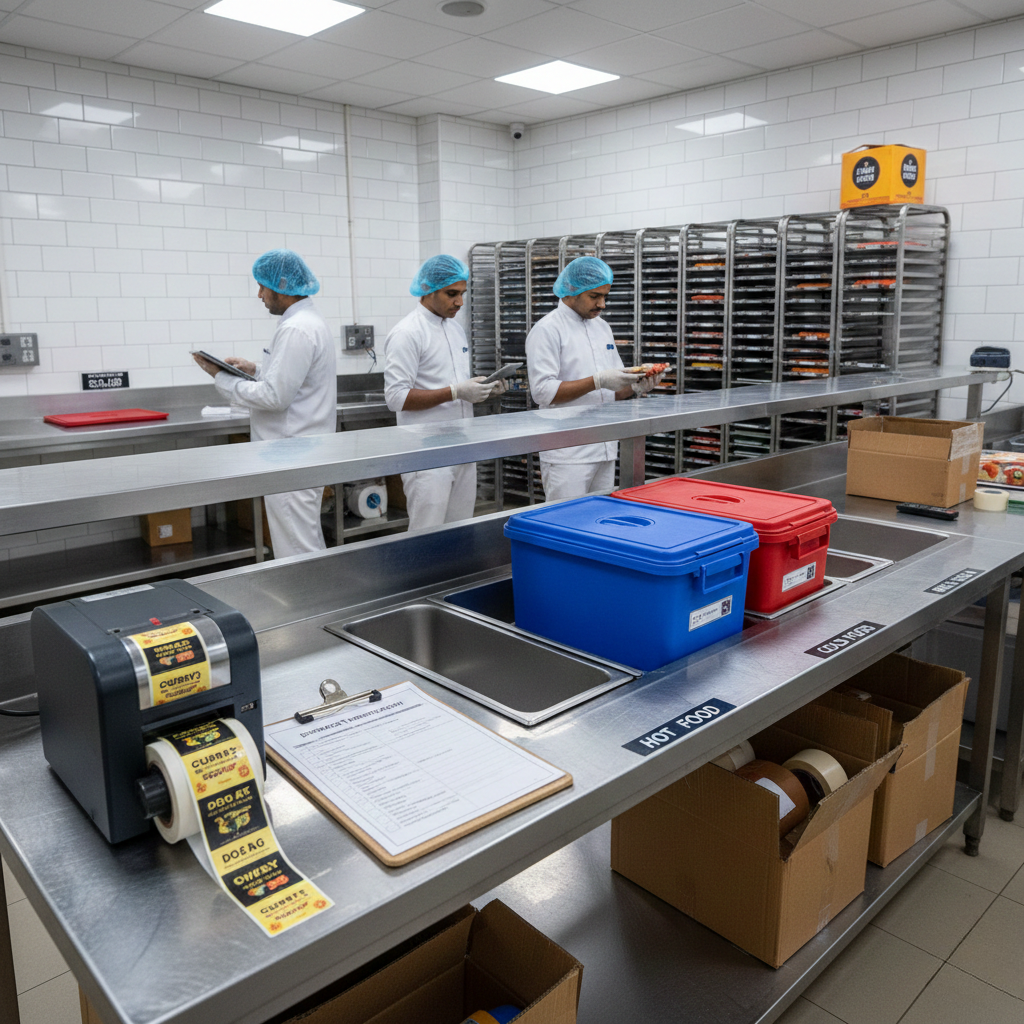
Start Food Brand With Zero Investment Using CKaaS-What if you could start a food brand with zero kitchen investment? CKaaS (Cloud Kitchen as a Service) makes that possible by giving you access to ready cloud kitchens, trained staff and Swiggy/Zomato listings while you focus on brand, menu and marketing. In this guide, we break down exactly how CKaaS helps you start a food brand with zero investment in infrastructure.
How CKaaS Helps You Start Food Brand With Zero Investment
Traditionally, starting a restaurant or cloud kitchen meant locking ₹10-25 lakh+ into rent deposits, equipment, interiors and staff before your first order went live.
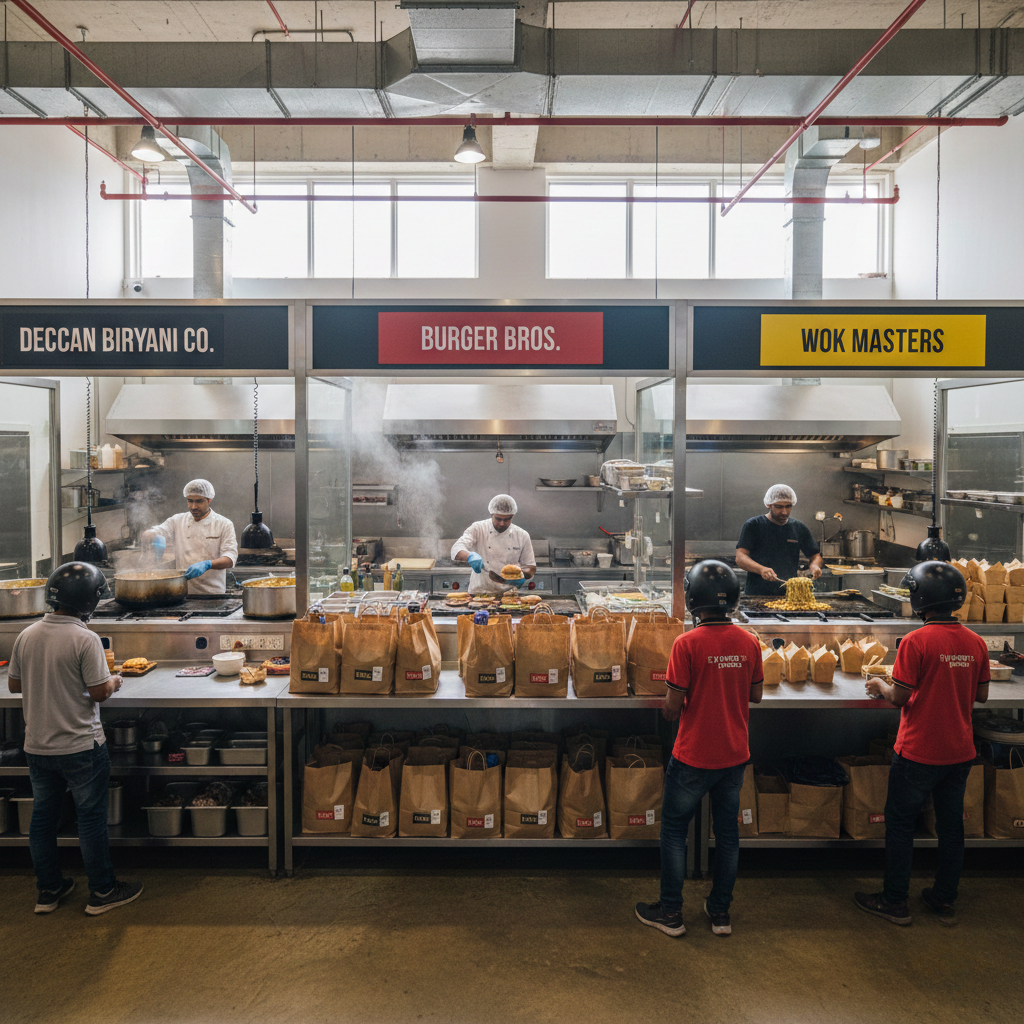
With CKaaS (Cloud Kitchen as a Service), you don’t invest in the kitchen at all. Instead, you plug your food brand into an existing cloud kitchen network that already has:
- Licensed commercial kitchens in proven delivery zones
- Trained chefs and helpers on payroll
- Vendor relationships for ingredients and packaging
- Swiggy and Zomato operations already running
You bring the brand, recipes and marketing. The CKaaS partner brings infrastructure, manpower and daily execution. This is how you’re able to start a food brand with near-zero upfront capex.
What “Zero Investment” Really Means in CKaaS
“Zero investment” doesn’t mean there are no costs at all. It means you are not locking capital into kitchen infrastructure. In a CKaaS model, your cash goes into:
- Brand identity (logo, shoot, packaging design)
- Menu engineering and food trials
- Swiggy/Zomato creatives and listing optimisation
- Initial marketing and ads to build order flow
You skip rentals, deposits, exhaust systems, heavy kitchen equipment and hiring your own full-time staff. Instead, you pay a monthly CKaaS fee and/or revenue share that is directly linked to sales performance.
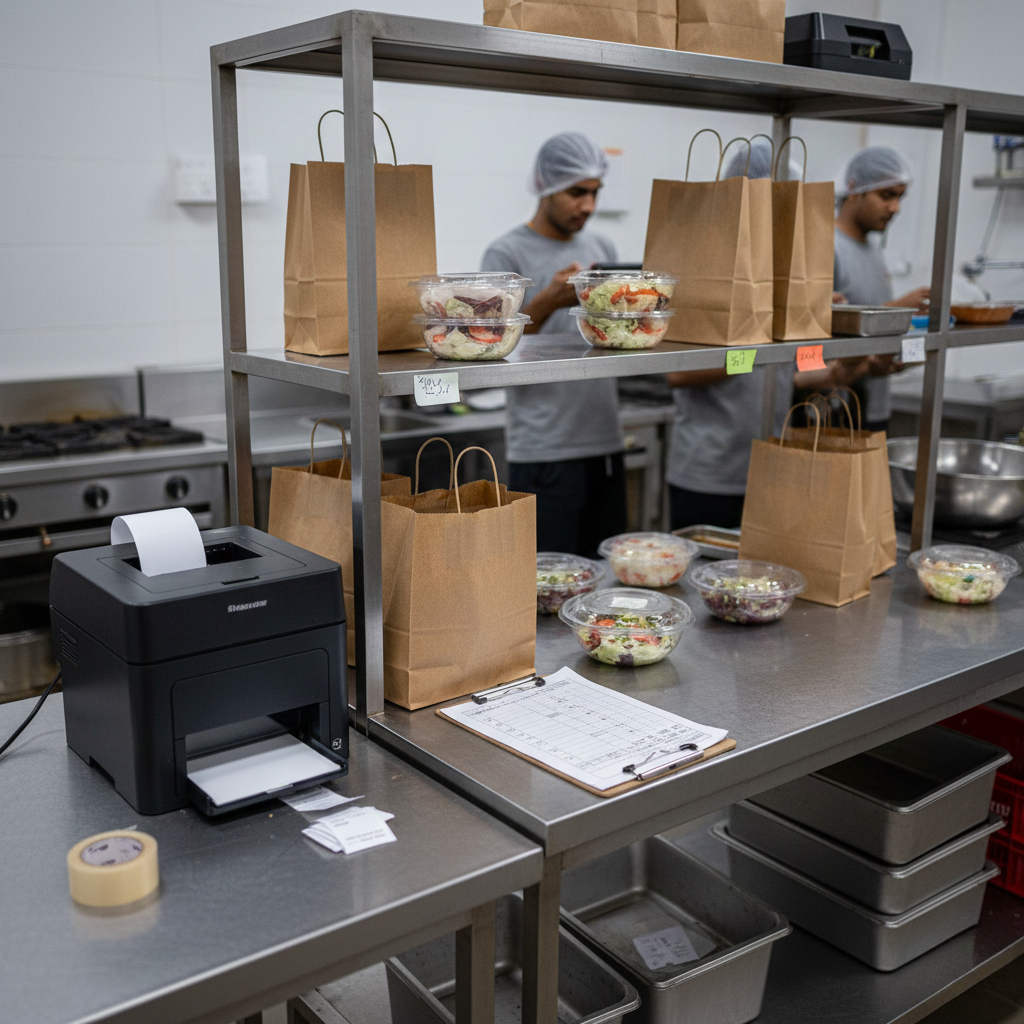
Why CKaaS Is the Easiest Way to Start a Food Brand With Zero Kitchen Capex
CKaaS removes the hardest, slowest and riskiest parts of starting a food business-finding a kitchen, doing interiors, buying equipment and building operations from scratch. Instead, you step into:
- Ready-to-use cloud kitchens in locations already validated by orders
- Existing production teams who understand aggregator SLAs
- Proven systems for prep lists, inventory and dispatch
- Operational dashboards that show orders, ratings and revenue
This lets you put 80-90% of your energy into what actually builds the brand: taste, packaging, storytelling and marketing.
Who Can Start a Food Brand With Zero Investment Using CKaaS?
1. Influencers and Creators
You already have an audience that trusts your taste. CKaaS lets you convert that trust into a food brand without becoming a full-time kitchen operator. You focus on launches, collabs, reels and content; the CKaaS partner handles orders.
2. Home Chefs
If you’ve built a loyal base through home delivery or pop-ups, CKaaS is the next step to scale. You don’t need to rent a bigger place or hire a team-you move your recipes into a professional CKaaS kitchen and go live on Swiggy/Zomato.
3. Existing Restaurants
Restaurant owners can launch new virtual brands via CKaaS without disturbing their dine-in operations. It’s a low-risk way to test new cuisines, price points or target segments under separate brand names.
4. FMCG and Food Startups
FMCG brands can test hot, ready-to-eat formats using CKaaS instead of setting up pilot kitchens in each city. You get real consumer behaviour data in weeks, not months.
Step-by-Step: How to Start a Food Brand With Zero Investment Using CKaaS
Here’s a simple launch roadmap showing how CKaaS helps you start a food brand with zero kitchen capex.
Step 1-Define the Brand and City
Finalise your cuisine, price band and target audience. Decide where you want to start-for example, Mumbai or Pune. Your CKaaS partner will map this to their best performing kitchens.
Step 2-Build a Delivery-First Menu
With the CKaaS team, you design a lean, high-margin menu that travels well, is easy to prep and matches Swiggy/Zomato search behaviour. This usually means 15–25 SKUs to start, with strong hero SKUs and clear add-ons.
Step 3-Lock Commercials and Zero-Capex Structure
You agree on how the zero-investment model will work:
- Monthly CKaaS management fee per kitchen (if applicable)
- Revenue share or performance-linked incentives
- Who funds marketing and aggregator ads
- Reporting frequency and dashboards
Step 4-Recipe Handover and Training
The CKaaS kitchens receive your recipes, SOPs and tasting notes. Trial batches are done to ensure the taste matches your expectations and is consistent across all CKaaS locations.
Step 5-Swiggy and Zomato Go-Live
Listings go live with photos, descriptions, tags and pricing optimized for discovery. You start with launch offers or combo deals to drive first-time trials and reviews.
Step 6-Scale Only What Works
Once a brand works in one CKaaS kitchen, you can replicate it across more kitchens or cities with the same zero-capex structure. Poorly performing SKUs or offers are adjusted using live data.
Understanding Unit Economics in a Zero-Investment CKaaS Model
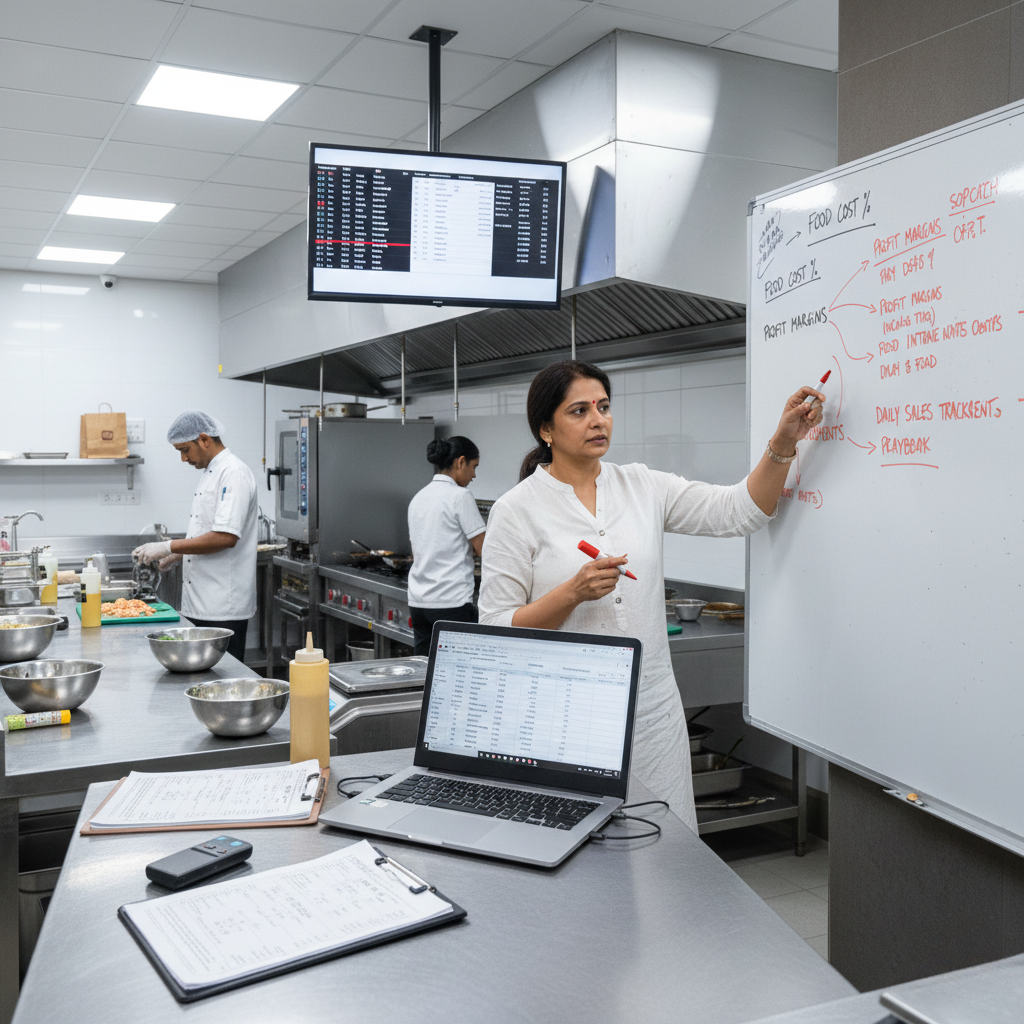
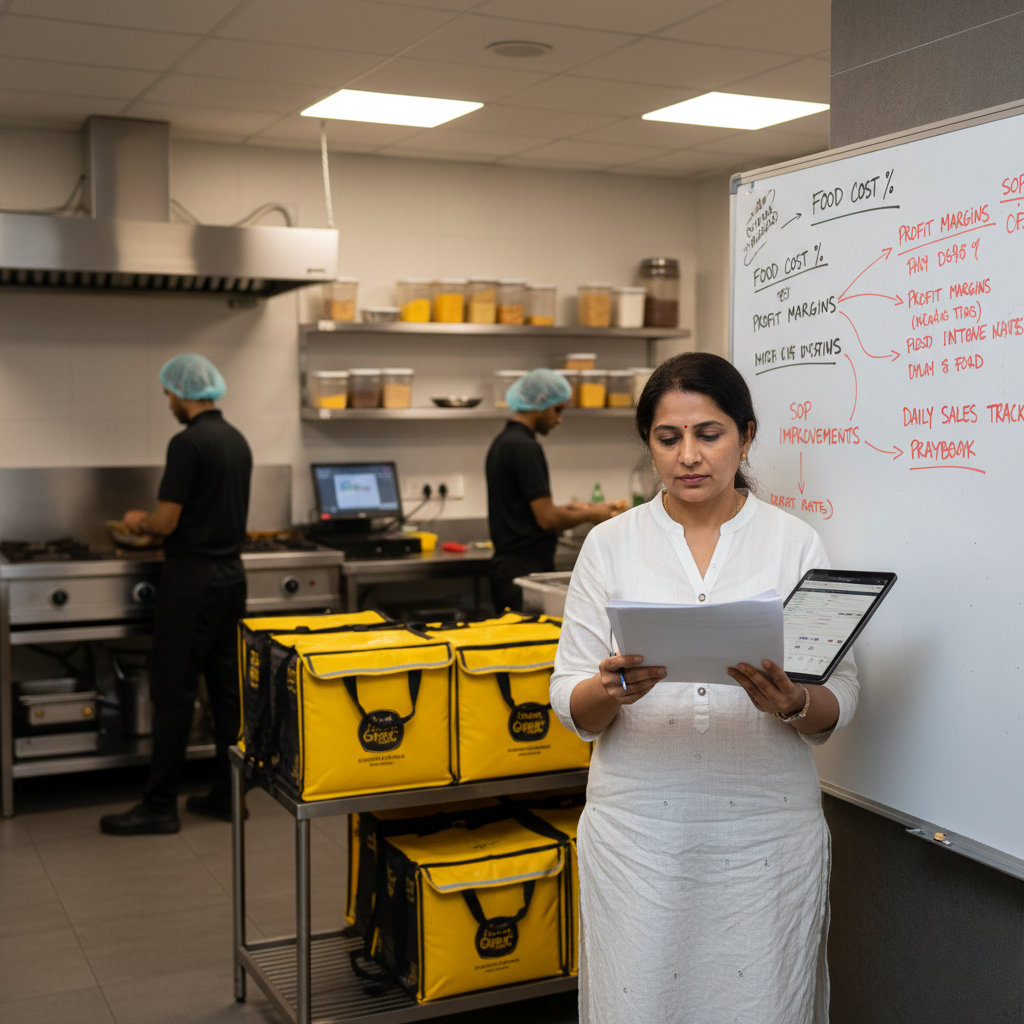
Even when you start a food brand with zero kitchen investment, unit economics still matter. You should track:
- Average Order Value (AOV) after discounts and commissions
- Food cost percentage per SKU
- CKaaS fee / revenue share as a percentage of sales
- Marketing spend per incremental order
- Contribution margin after all variable costs
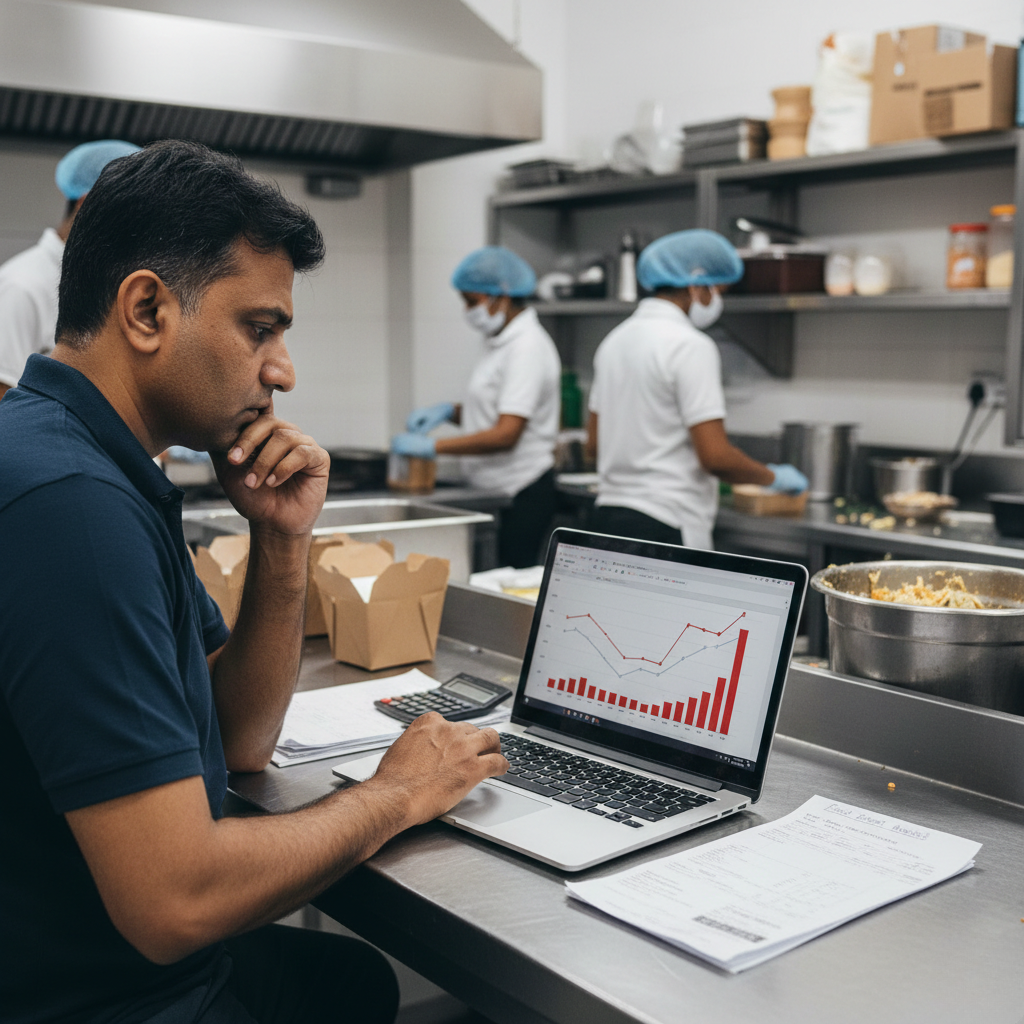
A good CKaaS partner supports you with dashboard-level visibility into these numbers so you can optimise menu, pricing and marketing quickly.
Risks and Mistakes to Avoid in a Zero-Investment Food Brand
Zero kitchen investment doesn’t mean zero risk. Some common mistakes to avoid:
- Depending only on Swiggy/Zomato: You still need basic brand presence on Instagram, Google and WhatsApp to build recall.
- Ignoring reviews and ratings: Poor order experience will kill your brand faster than any cost optimisation.
- Unclear commercials: Make sure CKaaS fees, revenue share and lock-in terms are clearly documented.
- No menu focus: Too wide a menu kills prep efficiency and confuses guests.
FAQ: Starting a Food Brand With Zero Investment Using CKaaS
Is it really possible to start with zero kitchen investment?
Yes. In a CKaaS model, you don’t pay for kitchen setup, equipment or staff. You invest in brand, content and marketing instead, while paying a service fee and/or revenue share to the CKaaS operator.
Can I move out of CKaaS and set up my own kitchen later?
Absolutely-as long as your contract protects your brand IP and recipes. CKaaS is often used as a launch and validation layer before investing in your own infrastructure.
What happens if the brand doesn’t work?
Because you haven’t sunk large capital into a kitchen, your downside is limited to marketing spend and CKaaS fees during the test period. You can pivot cuisine, positioning or even shut down with minimal loss compared to a full restaurant.
Is CKaaS better than taking a food franchise?
If you want to build your own brand and stay asset-light, CKaaS is usually better. If you prefer running a proven brand with strict SOPs and are okay with higher capex, a franchise might fit. Many founders use CKaaS to test concepts before scaling further.
Ready to Start a Food Brand With Zero Kitchen Investment?
GrowKitchen’s CKaaS network in Mumbai & Pune lets you launch a delivery-first food brand with ready cloud kitchens, trained staff and complete operational support-so your investment goes into brand, not buildings.