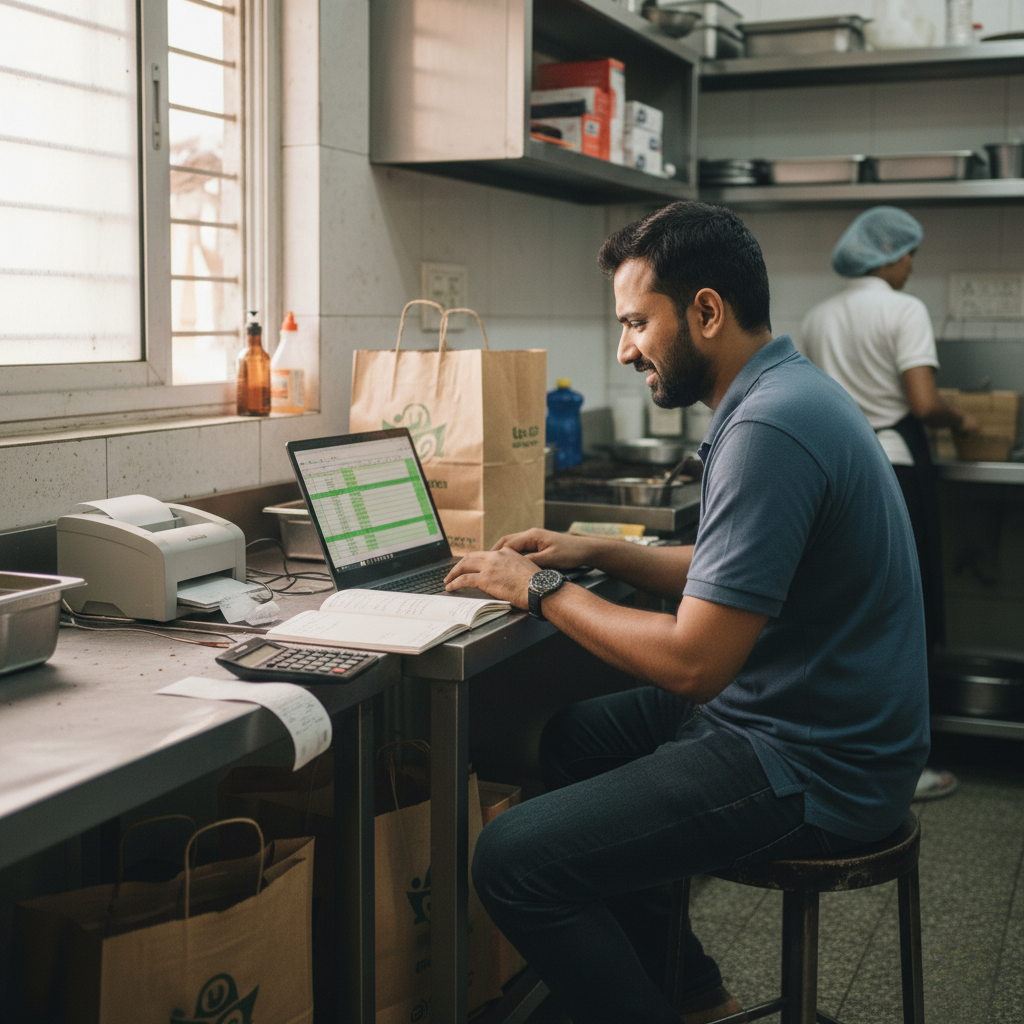
Running a cloud kitchen in India can look deceptively successful from the outside. Orders keep coming in, aggregator dashboards show steady revenue, and customer ratings seem fine. Yet, behind the scenes, many founders quietly struggle with losses month after month. Cloud kitchen as a service
This article is written as a case-study-driven guide for founders who are already operating a cloud kitchen but are unable to generate consistent profits. Instead of theoretical advice, it focuses on what actually goes wrong on the ground-and how those problems are fixed.
The Reality of Loss-Making Cloud Kitchens in India
A large number of Indian cloud kitchens fall into a specific trap. They cross the initial launch phase, achieve decent daily order volumes, but never build the systems required for profitability. Revenue grows, but margins quietly disappear.
In one such case, a multi-brand cloud kitchen was generating over ₹2 lakh in monthly revenue. Despite this, the founder had no clear answer to a simple question: “How much profit did we actually make last month?”
This situation is far more common than most founders admit. You can read more on this pattern in How to Fix a Loss-Making Cloud Kitchen in India.
Why Revenue Does Not Mean Profit
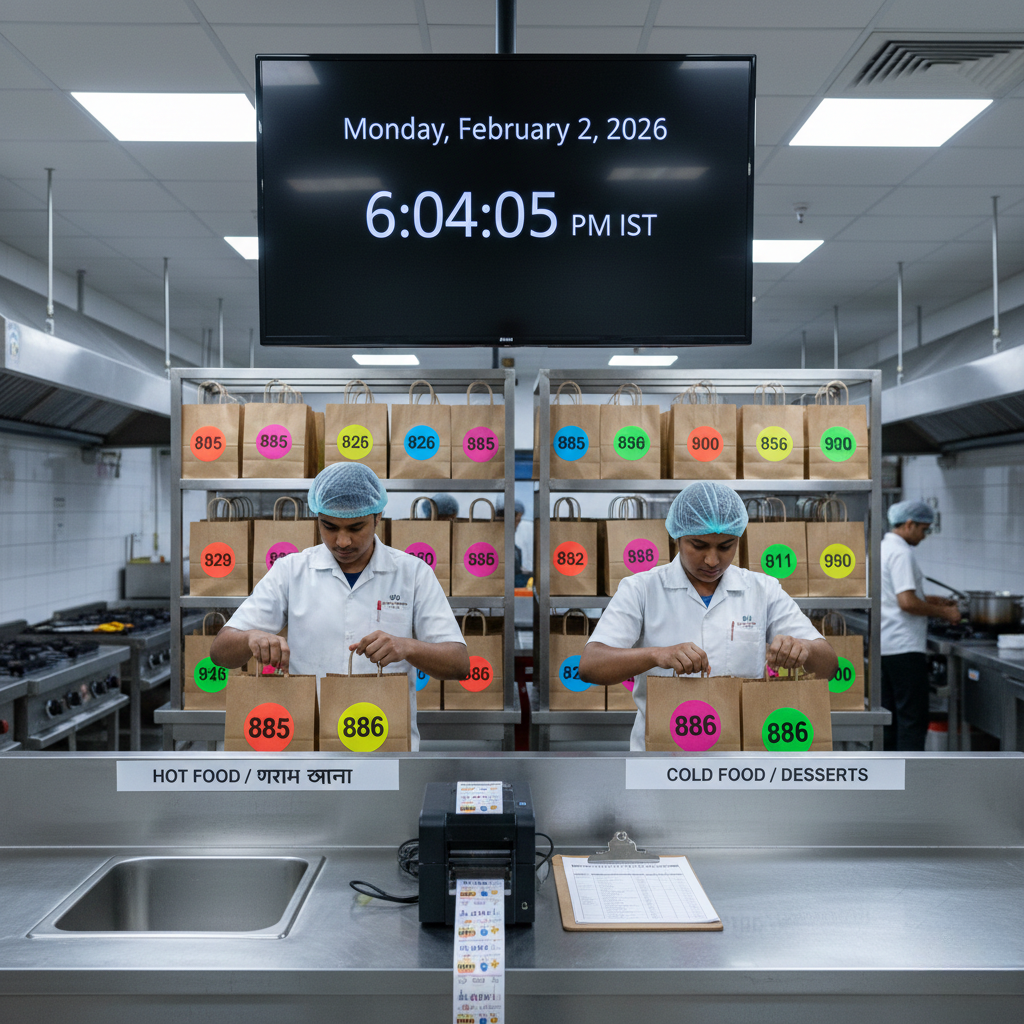
In India, aggregator-led growth often creates an illusion of success. Discounts, offers, and ranking boosts increase order volume, but they also hide inefficiencies in operations.
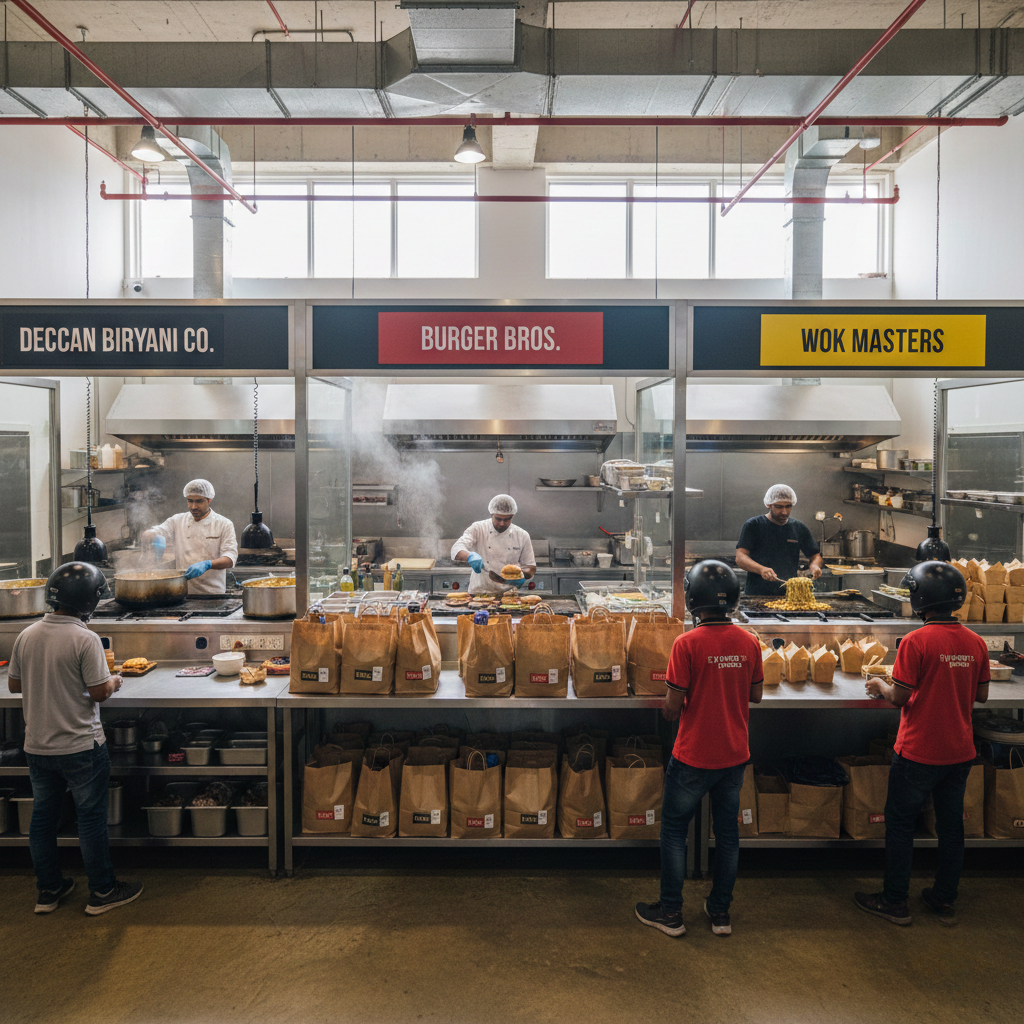
In the case we studied, the kitchen was running two brands from a single setup. Both brands had different menus, different prep styles, and different ingredient usage-but none of this was tracked systematically.
As a result:
- Food cost fluctuated weekly without explanation
- Staff costs stayed constant even when orders dropped
- Inventory purchases were based on intuition, not data
- Discounts were applied without knowing their margin impact
This is exactly why discounts alone rarely fix profitability. (Read Signs Your Cloud Kitchen Needs a Profitability Consultant.)
Diagnosing the Real Problem: A Case Study Lens
When this kitchen was analysed from an operational perspective, it became clear that the issue was not demand. The issue was the absence of structure.
The diagnostic process focused on four core areas:
- Recipe and portion control
- Staff deployment across the day
- Inventory buying and wastage
- Daily profit visibility
None of these were being actively measured. Decisions were made based on experience, not numbers. While experience matters, it cannot replace systems once a kitchen starts scaling.
This is a recurring theme across Indian kitchens that scale too fast without discipline, as discussed in what happens when cloud kitchens scale without systems.
Step 1: Fix Recipe Costing Before Anything Else
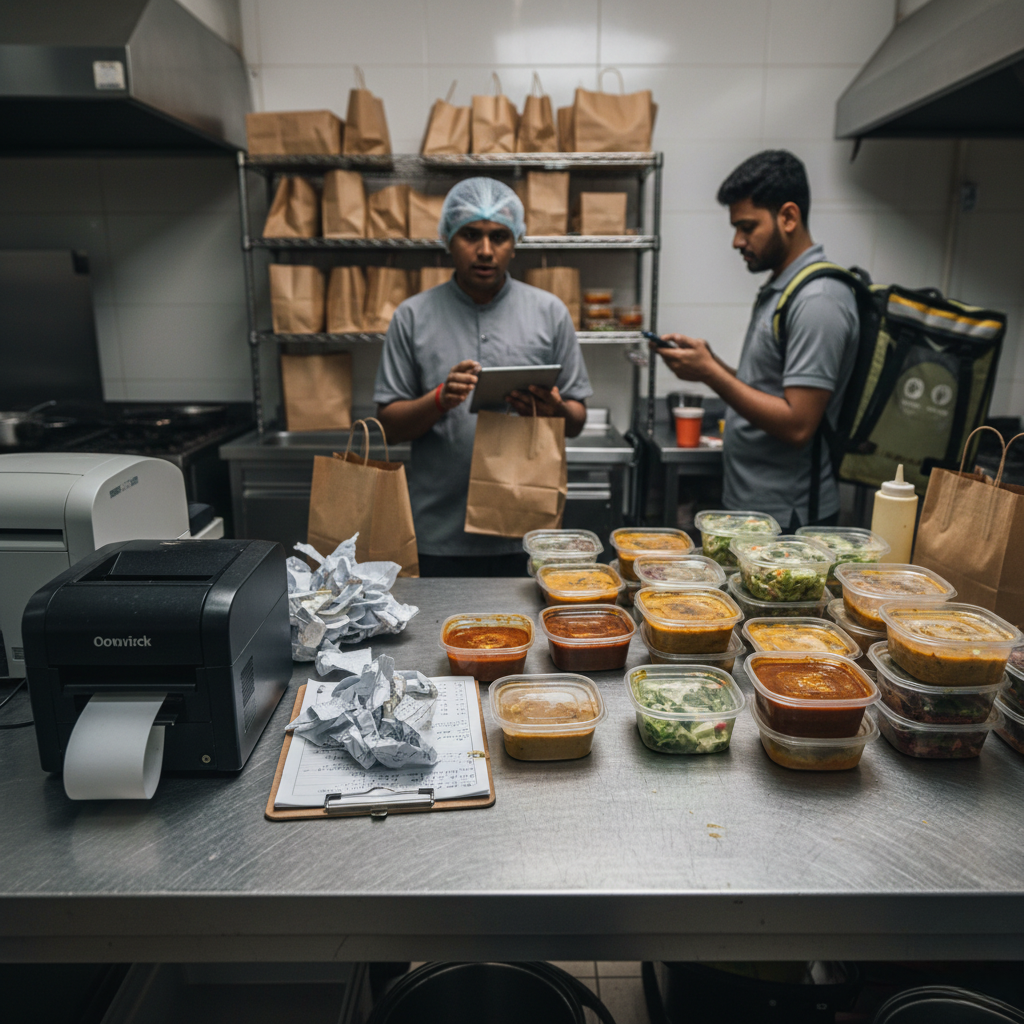
The first corrective step was recipe standardization. Each menu item was broken down into:
- Exact ingredient quantities
- Real purchase prices (not old assumptions)
- Yield loss and wastage
Once recipe-level costing was completed, the founder realised that some best-selling items were barely breaking even. Others were loss-making despite high order volume.
This single exercise explained a large portion of the missing profits.
Step 2: Align Staff Cost With Order Flow
In many Indian cloud kitchens, staff schedules are fixed based on habit. The same number of cooks work slow afternoons and peak dinner hours.
In this case, order data showed that nearly 60% of daily orders came within a 4-hour window. Yet staff strength remained constant throughout the day.
By restructuring shifts around real demand:
- Idle labour hours were reduced
- Peak-hour service quality improved
- Staff stress during rush hours dropped
No layoffs were required-only smarter scheduling.
Step 3: Control Inventory and Stop Silent Wastage
Inventory was the next major leak. Purchases were being made in bulk without aligning with weekly sales forecasts. This resulted in:
- Spoilage of fresh produce
- Overstocking of slow-moving ingredients
- Cash locked in unused inventory
By switching to weekly demand-based purchasing, wastage reduced significantly within the first month.
Step 4: Make Profit Visible on a Daily Basis
One of the biggest psychological shifts came from daily profit tracking. Instead of waiting for month-end surprises, the founder could now see:
- Daily contribution margin
- Brand-wise performance
- Impact of discounts in real time
This clarity changed decision-making completely. Emotional reactions were replaced with data-backed choices.
The Result: From Losses to Stability
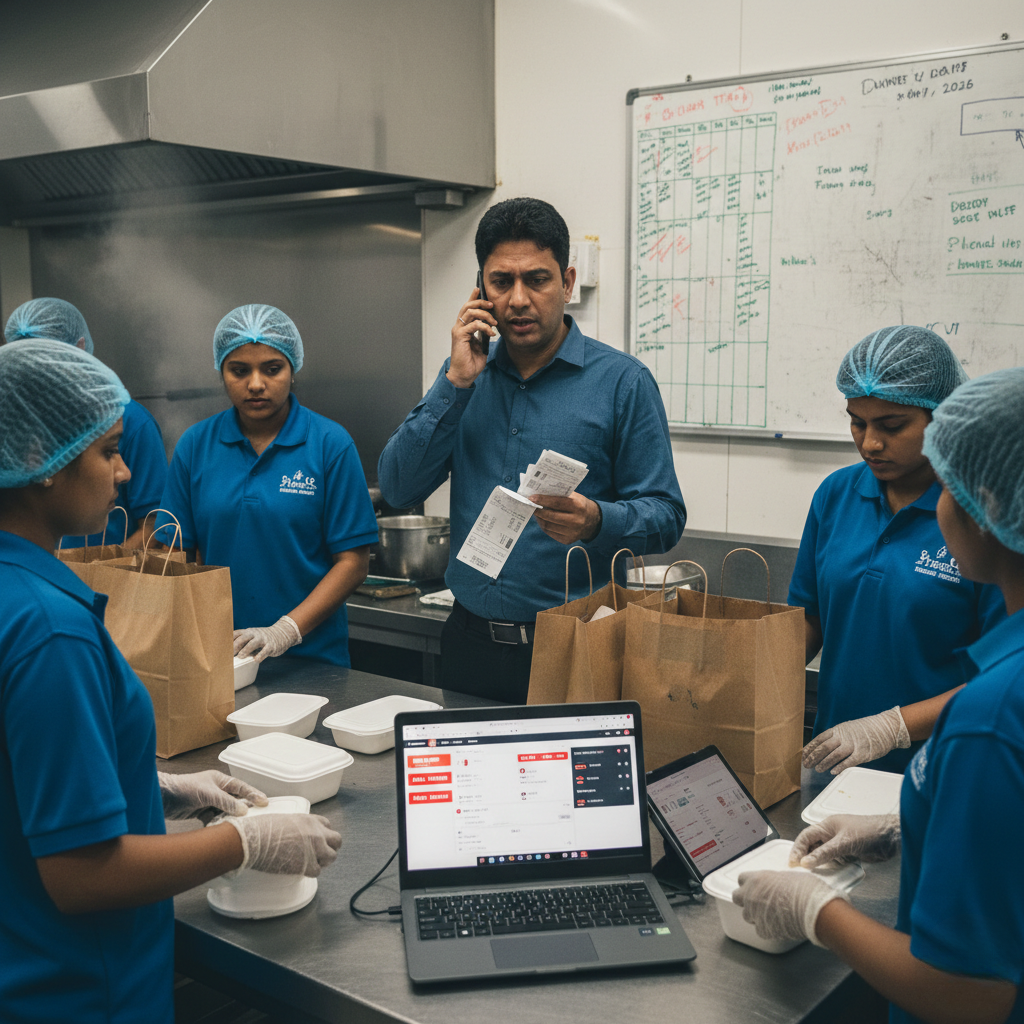
Within 45–60 days, the kitchen moved from uncertainty to control. Revenue did not spike dramatically-but profits stopped leaking.
More importantly, the founder finally understood the business.
This systems-first approach is actively discussed and shared across operator communities such as Grow Kitchen, Grow Kitchen on LinkedIn, and Grow Kitchen on Facebook.
Lessons for Cloud Kitchen Founders in India
- Revenue is not proof of profitability
- Discounts hide operational mistakes
- Systems matter more than experience after a point
- Daily visibility reduces long-term stress
Many established brands such as Green Salad and Fruut followed similar discipline-first approaches during their scaling phases.
Industry professionals like Rahul Tendulkar often emphasize that operational clarity is the real growth lever in food businesses.
Final Thoughts
If your cloud kitchen in India is running but losing money, the solution is rarely more marketing or more brands. The real fix lies in tightening operations, controlling costs, and building visibility.
Loss-making kitchens don’t fail because founders don’t work hard. They fail because systems were never built at the right time.
Still Have Questions?
For common operational, profitability, and scaling questions, read the Grow Kitchen FAQs.
You may also find these internal resources helpful:
- How to Fix a Loss-Making Cloud Kitchen
- From Zero Profit to Sustainable Margins
- Signs Your Cloud Kitchen Needs a Profitability Consultant