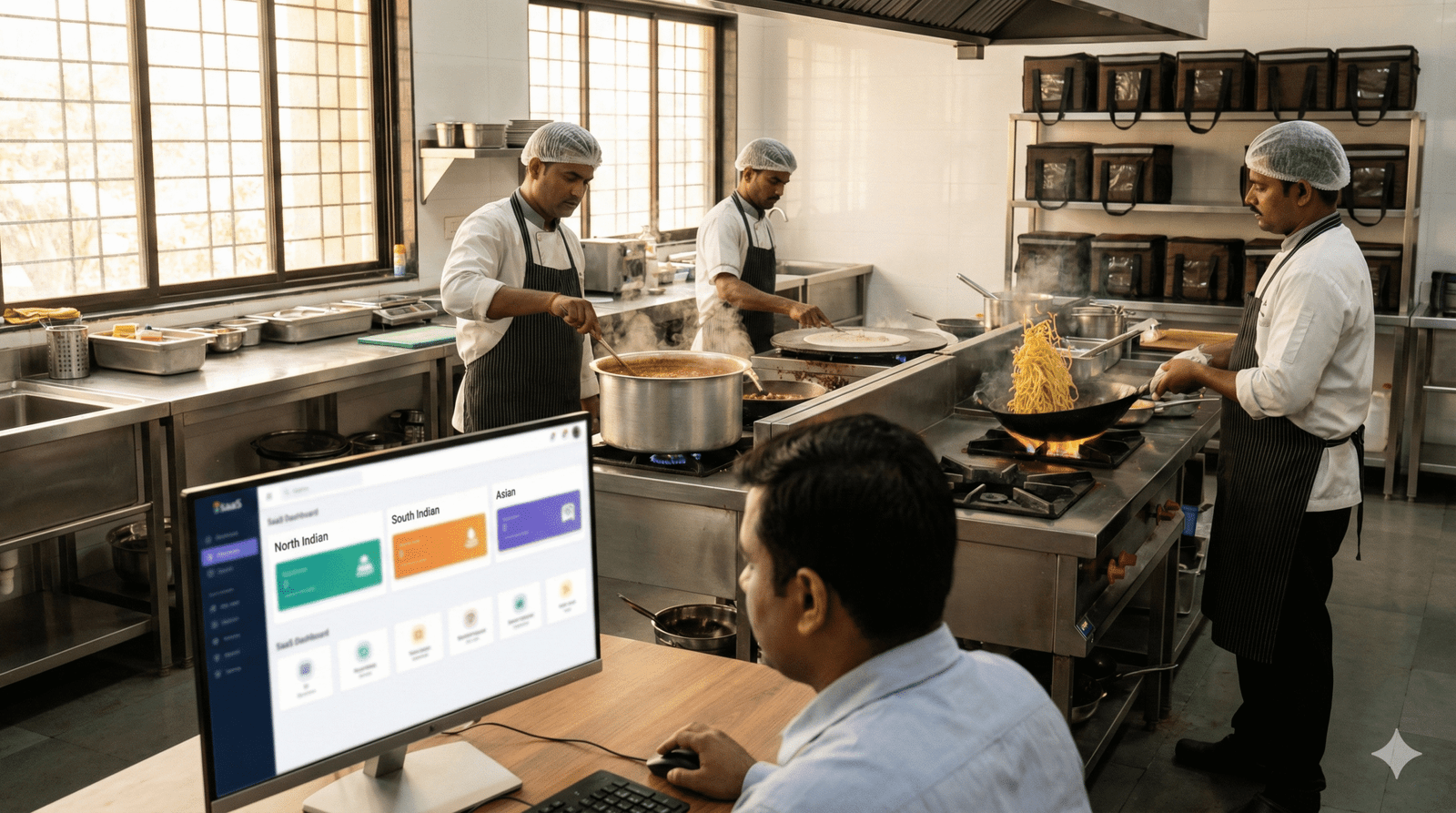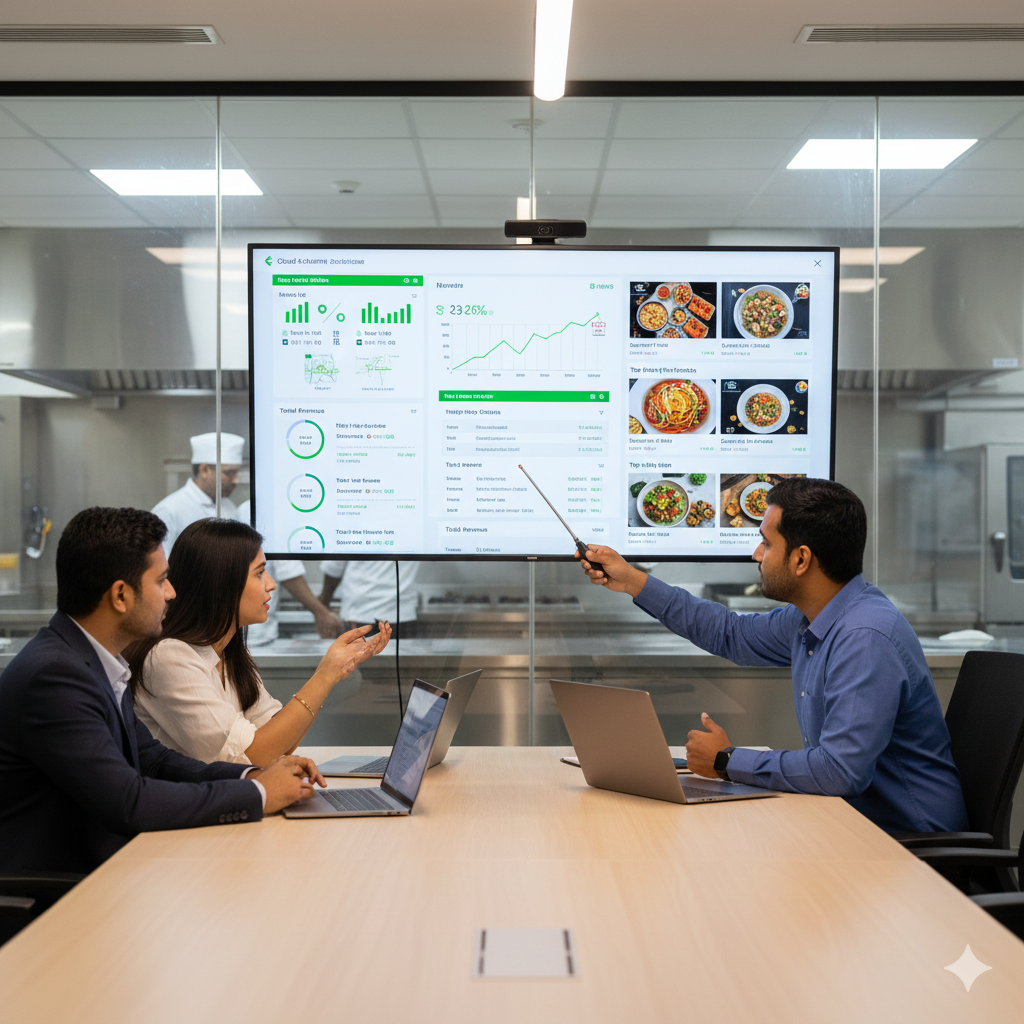
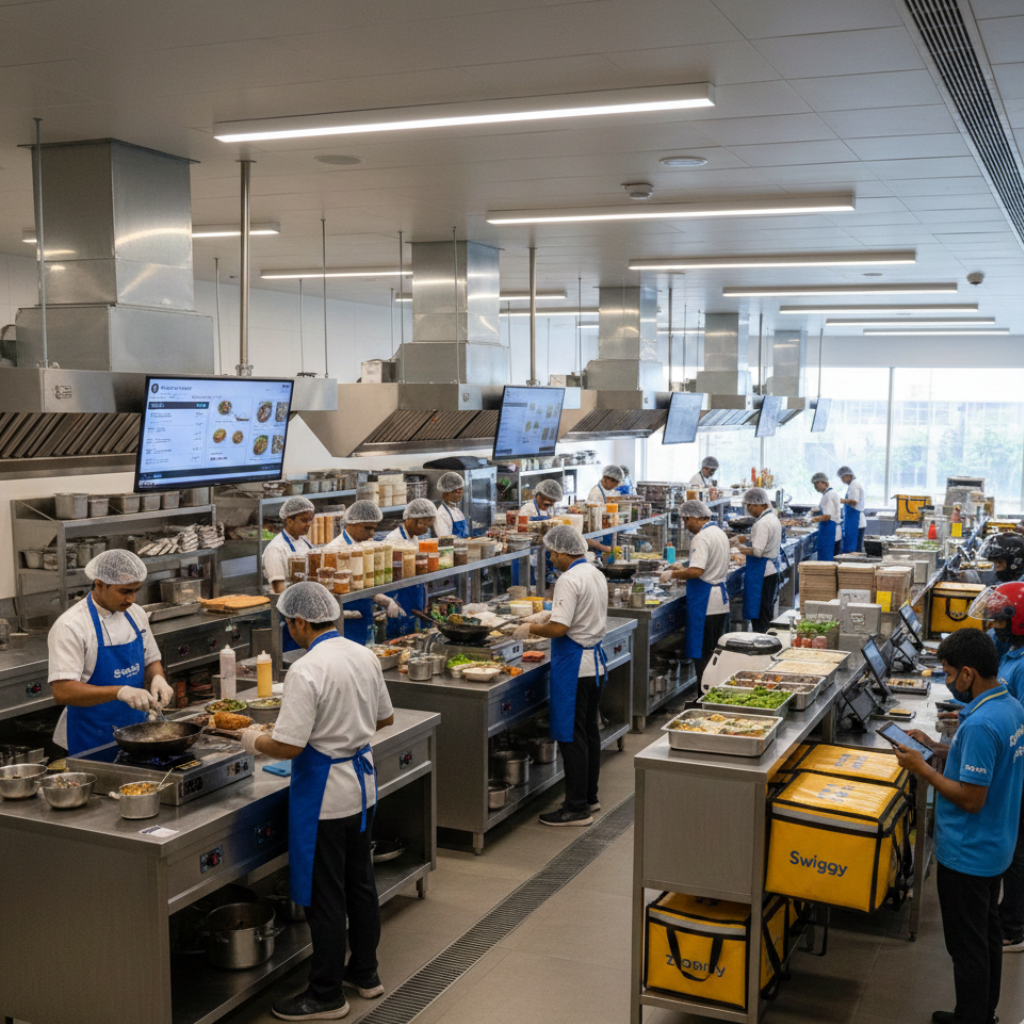
The cloud kitchen business in India has quietly evolved from a “low-cost restaurant idea” into one of the most scalable food business models of the decade. What started as a survival model during high rentals and aggregator dominance has now become a system-driven, repeatable business framework used by serious founders, operators, and food brands across metros and Tier-2 cities. In this in-depth guide, we break down how cloud kitchens actually work in India, what it costs to start one, the real economics behind profitability, common mistakes founders make, and how successful brands scale from one kitchen to multiple locations profitably. If you’re planning to start a delivery-first brand, or you’re already running one and want to improve margins, this guide will give you the frameworks you need—without fluff, without theory, and without “motivational” advice.
What Is a Cloud Kitchen Business in India?
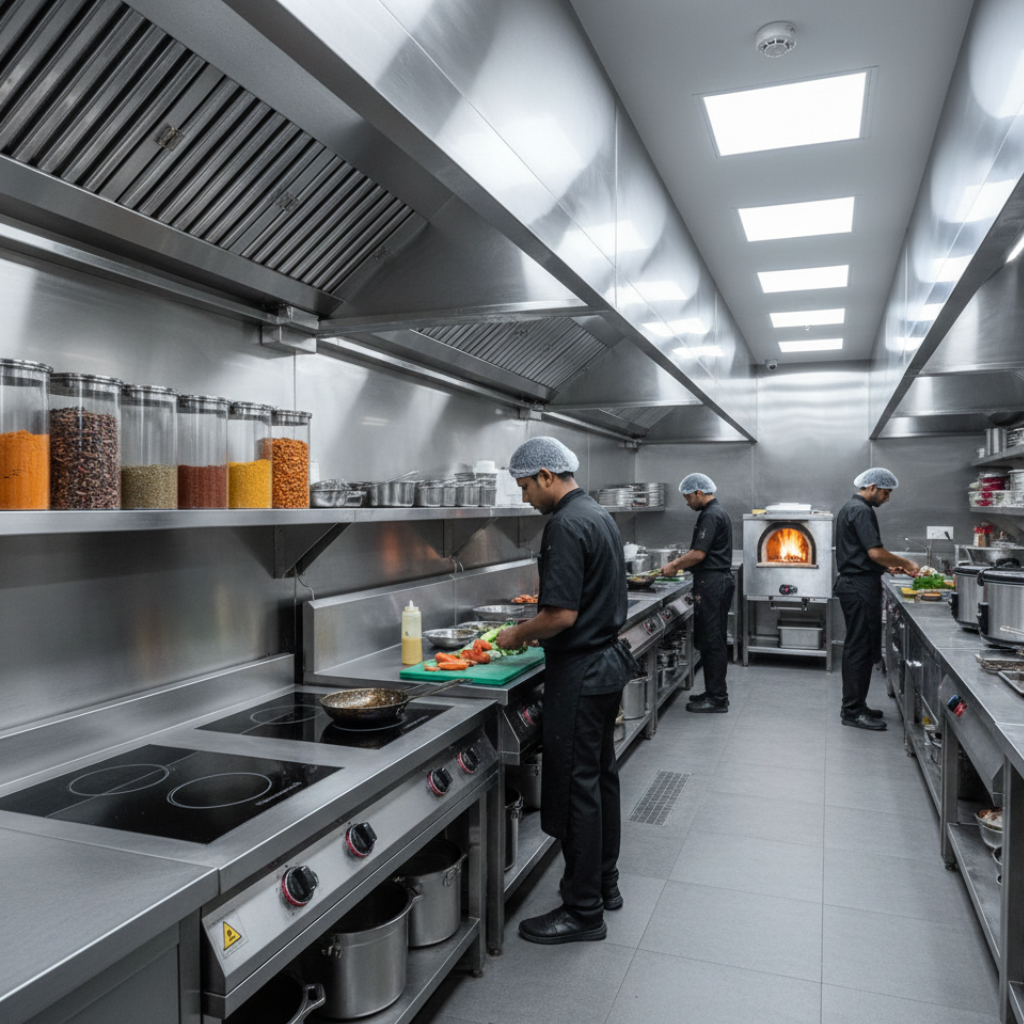
A cloud kitchen business in India is a delivery-first food business model where food is prepared in a professional kitchen setup without any dine-in facility. Customers discover the brand, place orders, and receive food entirely through online channels such as food delivery platforms, brand websites, WhatsApp ordering, or subscriptions.
Unlike traditional restaurants, cloud kitchens eliminate front-of-house operations. There are no waiters, no table service, no expensive décor, and no dependence on walk-in footfall. The entire business is optimised around food production, packaging accuracy, delivery speed, and digital visibility. LinkedIn.
In practice, a cloud kitchen operates like a “production unit” built for repeat orders: a tighter menu, faster assembly, consistent recipes, and a dispatch-focused layout. The goal is simple-deliver the same taste and experience every time, without operational chaos. If you’re new to the basics, start with our step-by-step guide: How to Start a Cloud Kitchen in India.
In the Indian context, cloud kitchens emerged as a direct response to rising rentals, increasing manpower costs, shrinking restaurant margins, and the explosive growth of online food delivery platforms. Today, they are no longer a shortcut or jugaad model-they are a structured business format backed by SOPs, unit economics, and scalable systems.
The most important thing to understand is this: cloud kitchens are not just “restaurants without tables.” They are a different operating system. A dine-in restaurant can survive on ambience and footfall. A cloud kitchen survives on systems-menu engineering, packaging, delivery performance, ratings, and repeat order behaviour.
Why the Cloud Kitchen Business Model Works in India
India offers a uniquely fertile environment for cloud kitchens. Consumer behaviour, real estate economics, and platform-led discovery combine to make delivery-first food businesses more viable here than in many global markets.
1. Rising Rentals & Shrinking Margins
Commercial restaurant rentals in Indian cities have increased faster than average restaurant revenues. High-street locations demand long lock-in periods, hefty deposits, and high monthly burn. Add GST, rising electricity costs, and manpower inflation, and the fixed-cost pressure becomes intense.
Cloud kitchens bypass this by operating from low-rent areas, residential clusters, or industrial zones where location visibility is irrelevant. You’re paying for a functional space, not a “brand address.” That difference alone can decide whether your business survives month 3 or scales to multiple units.
2. Aggregator-Led Demand
Food discovery in India has shifted decisively to delivery apps. Customers do not search for restaurants by brand; they search by cuisine, dish, rating, delivery time, and deals. This means a new cloud kitchen can get discovered faster than a new dine-in restaurant, as long as it understands platform mechanics.
Cloud kitchens align perfectly with this behaviour by optimising menus, pricing, photography, packaging, and prep time for aggregator algorithms rather than foot traffic. In many micro-markets, being “fast + consistent + highly rated” beats being “famous.”
3. Price-Sensitive Consumers
Indian consumers are extremely value-conscious. Cloud kitchens reduce overhead costs like rent, service staff, and ambience, allowing brands to price competitively while maintaining healthier margins. This makes them ideal for mass-premium and mid-ticket segments.
The winning formula in India is not “cheap food.” It’s “fair price + consistent taste + fast delivery.” If your food arrives hot, correctly packed, and tastes the same every order, customers return—even without discounts.
4. Multi-Brand, Multi-Cuisine Advantage
One of the biggest advantages of the cloud kitchen model in India is the ability to run multiple brands from the same physical infrastructure. A single kitchen can operate Indian meals for lunch, fast food in the evening, and bowls or snacks late night—maximising asset utilisation across the day.
This is especially powerful because Indian demand is time-based: breakfast behaves differently from lunch, and late-night orders behave differently from evening snacks. Multi-brand kitchens can design menus and operations to capture demand across multiple dayparts, instead of sitting idle for half the day.
5. Faster Testing, Faster Learning
Cloud kitchens allow faster experimentation. You can test a new category, pricing band, or cuisine concept in a single micro-market without spending lakhs on a dine-in outlet. That speed of iteration is a massive advantage in India, where consumer tastes vary by locality even within the same city.
Types of Cloud Kitchen Models in India
1. Single-Brand Cloud Kitchen
A single-brand cloud kitchen focuses on one cuisine or concept. This model is best suited for first-time founders who want operational simplicity, tighter control over quality, and clearer brand positioning. It also allows faster learning and optimisation in the early stages.
The best single-brand cloud kitchens usually win through a “signature product” (example: one hero bowl, one signature biryani style, or a unique sauce system). They don’t try to become a generalist restaurant. They become “the best at one thing” inside a delivery radius.
2. Multi-Brand Cloud Kitchen
In a multi-brand setup, multiple virtual brands operate from the same kitchen. Each brand has its own menu, pricing, and positioning on delivery platforms. This model is popular among experienced operators aiming to increase order density, reduce idle kitchen time, and improve overall revenue per square foot.
The key rule: multi-brand is not “more dishes.” It’s “more demand segments.” A smart multi-brand kitchen uses shared ingredients and mother bases to keep complexity low, while the customer sees variety and different cuisines.
3. Managed Cloud Kitchen / CKaaS Model
Managed cloud kitchens, often called Cloud Kitchen as a Service (CKaaS), provide ready infrastructure, trained staff, SOPs, procurement support, and sometimes even marketing assistance. Founders focus on brand-building while operations are handled by the kitchen operator. This model enables faster expansion with lower capital investment.
For founders who want to build a brand without operational headaches, CKaaS works best when roles are clearly defined: the operator owns efficiency and execution, while the founder owns positioning, product-market fit, and customer retention. You can also compare models here: Is Franchise Better Than a Cloud Kitchen?
4. Aggregator-Owned Kitchens
Some kitchens are owned, influenced, or heavily supported by food delivery platforms. While these offer scale and demand assurance, they often come with limited control over pricing, branding, and long-term margins.
If you’re using aggregator-supported models, focus heavily on contribution margin control. The risk is building a business that grows revenue but never builds independence.
5. Central Kitchen + Spoke Kitchens (Hub-and-Spoke)
Larger operators often build a central kitchen for batch prep, sauces, gravies, and core components, and then distribute to smaller spoke kitchens for final assembly and dispatch. This model improves consistency, reduces wastage, and simplifies training across locations. If you’re building this, read: Centralized Kitchen Model in India.
Cost to Start a Cloud Kitchen Business in India
One of the biggest reasons entrepreneurs choose cloud kitchens is the relatively low startup cost compared to traditional restaurants. However, costs vary significantly based on cuisine, city, equipment choice, and scale.
Typical Cost Breakdown (Single Kitchen)
- Kitchen setup & equipment: ₹3-6 lakh
- Licenses & compliance: ₹30,000-₹50,000
- Initial raw material & packaging: ₹50,000-₹1 lakh
- Branding, menu, onboarding: ₹50,000-₹1.5 lakh
- Monthly fixed costs (rent + staff): ₹60,000-₹1.2 lakh
Cities like Mumbai and Bangalore sit on the higher end of this range, while Pune, Ahmedabad, and Tier-2 cities allow significantly leaner setups. Your cuisine also impacts setup cost: a pizza brand needs ovens and dough systems, while a bowl brand can run leaner with induction, batch sauces, and cold storage.
Hidden Costs Most Founders Ignore
Cloud kitchens fail not because founders don’t spend money—but because they spend in the wrong places. The most common hidden costs include: wastage from untracked inventory, rework due to inconsistent recipes, refunds due to wrong packing, and rating drops due to delayed delivery.
Treat your initial setup as more than equipment. You’re building an operating system. A strong SOP + training layer can save more money than a fancy kitchen interior ever will. To reduce operational errors from day 1, use this checklist: Cloud Kitchen SOP Checklist.
Is Cloud Kitchen Business Profitable in India?
Cloud kitchens in India can be highly profitable-but only when unit economics are designed intentionally. The biggest mistake founders make is assuming that high order volume automatically translates into profit.
Healthy Unit Economics Benchmarks
- Food cost: 28-32%
- Aggregator commission: 20-25%
- Packaging: 6-8%
- Manpower + rent: 12-18%
- Net contribution margin target: 15-20%
Kitchens consistently delivering 80-120 orders per day with stable ratings, controlled food costs, and repeat customers typically reach break-even within 3-6 months of launch. But profitability is not one metric-it’s a chain of control.
What Actually Creates Profit in a Cloud Kitchen
Profit is created when you control three things simultaneously: menu engineering (right dishes, right pricing, right combos), costing discipline (portion control, RM control, packaging control), and delivery performance (fast prep, fewer complaints, higher ratings).
A cloud kitchen can do 200 orders/day and still lose money if food cost is high, refunds are frequent, and ratings are low. Another kitchen can do 70 orders/day and still be profitable if it has tight SOPs and strong repeat orders.
Contribution Margin vs Net Profit (Know the Difference)
Many founders get trapped in “gross sales obsession.” The correct view is contribution margin per order after commission, food cost, and packaging. Once that is stable, you scale. If it’s unstable, scaling only multiplies loss. To go deeper on margin control, read: How to Optimise Cloud Kitchen Profit Margins.
Common Reasons Why Cloud Kitchens Fail in India
1. Launching Too Many Dishes
Large menus increase inventory complexity, wastage, and preparation errors. Successful cloud kitchens focus on a tight set of high-repeat dishes and expand only after stabilising operations.
A practical approach is to start with 12-18 SKUs per brand, build 4–6 hero items, and create combos that lift average order value. Your menu should be designed for speed and repeat—not for showing variety.
2. Ignoring SOPs & Costing
Without documented SOPs, portion control, and recipe costing, food costs silently creep up and destroy margins. In India, this happens faster because ingredient prices fluctuate and staff turnover is frequent.
If your staff is “free-pouring sauces” or “eyeballing portions,” your profitability is already leaking. SOPs are not paperwork. They are your margin protection layer.
3. Overdependence on Discounts
Discounts can drive short-term traction but damage long-term unit economics. Sustainable growth comes from retention, repeat orders, and brand trust.
Instead of discounting everything, discount strategically: first order incentive for direct channel, upsell-based discounts, time-bound reactivation offers, and bundle pricing to lift AOV.
4. Scaling Before Stabilising
Expanding to new locations before fixing demand, ratings, and staff training multiplies problems instead of revenue.
A simple rule: don’t open the next kitchen until your first kitchen has stable ratings, predictable daily order volume, and controlled food cost for 60–90 days.
5. Weak Packaging & Delivery Experience
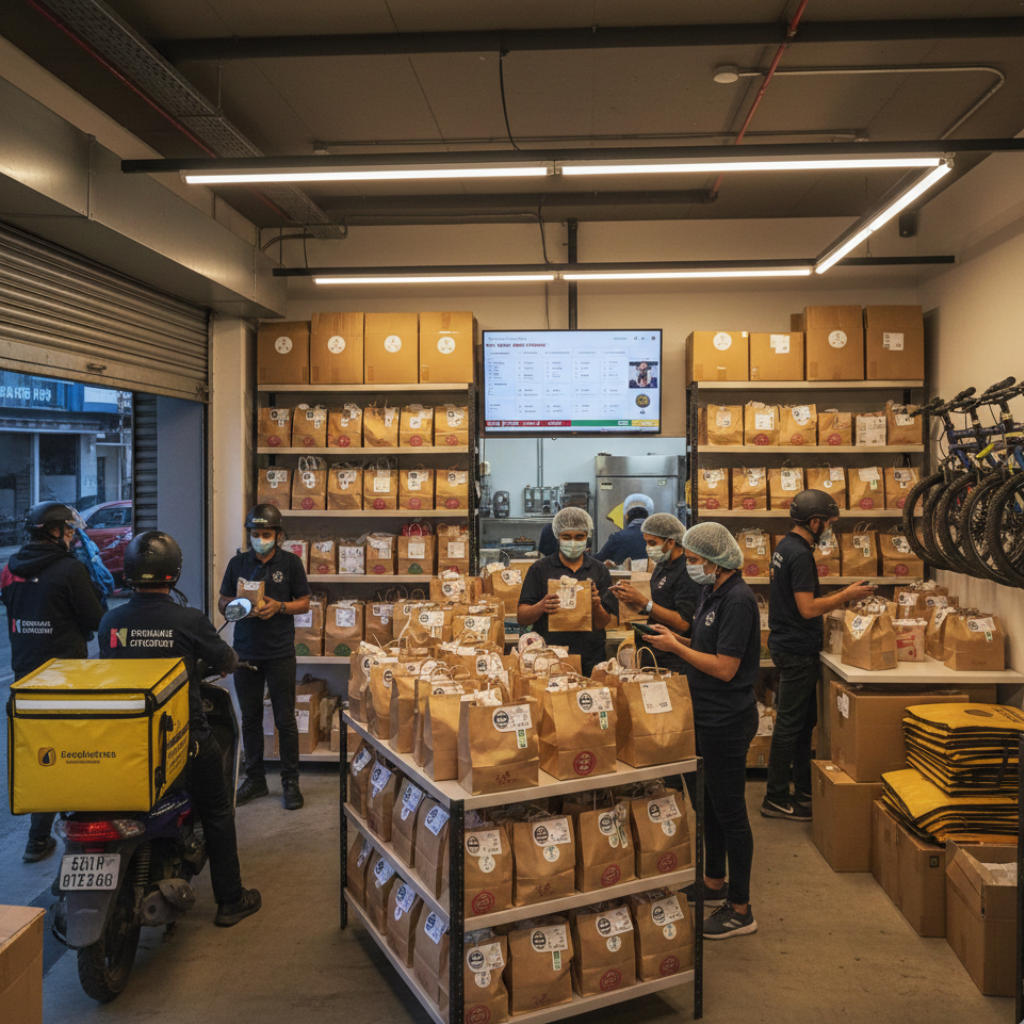
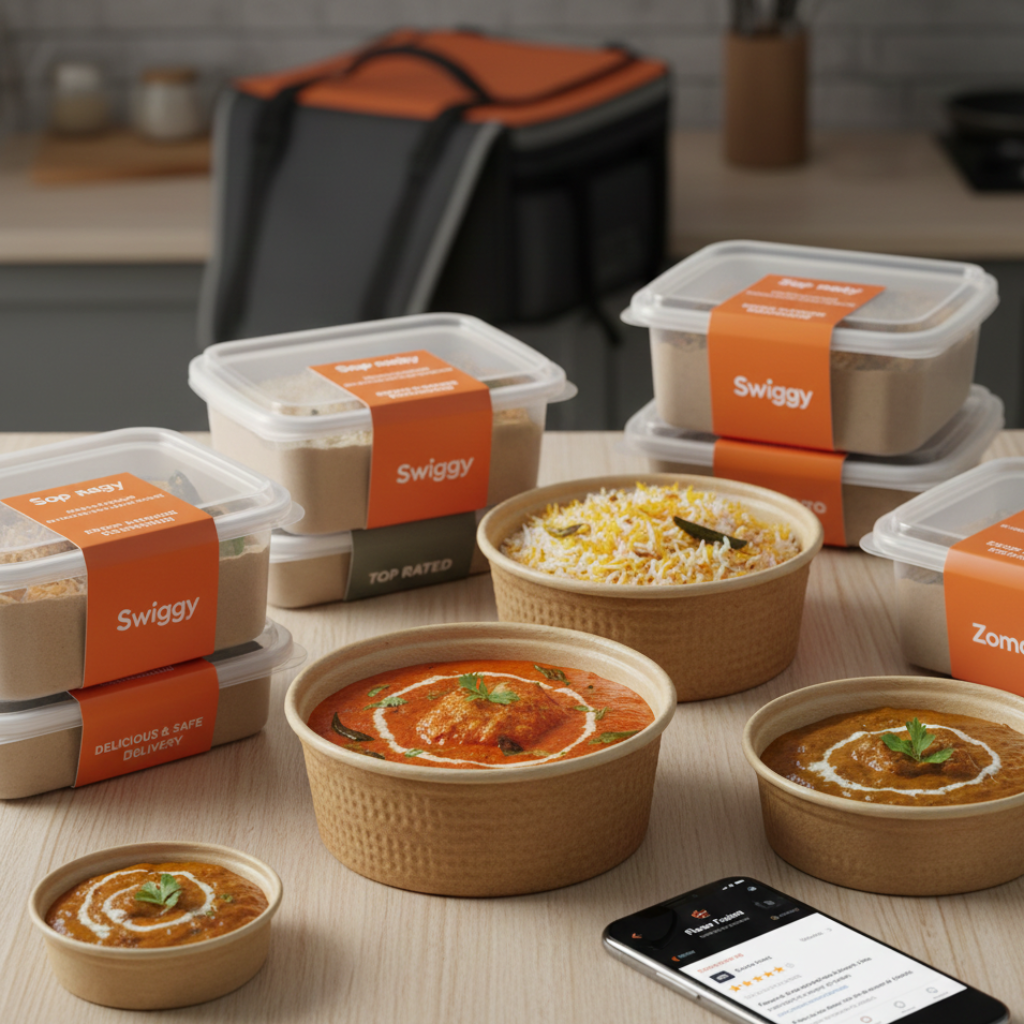
In cloud kitchens, packaging is part of the product. If food leaks, arrives cold, or looks messy on opening, you lose ratings and repeat customers. The best kitchens treat packaging like a quality checkpoint, not an afterthought.
For a deeper breakdown of failure patterns, read: Why Cloud Kitchens Fail in India.
How to Scale a Cloud Kitchen Business in India
1. Perfect One Kitchen First
One profitable, stable kitchen is worth more than five unstable ones. Demand patterns, food costs, SOPs, and staff training must be locked before thinking about expansion.
Your first kitchen should become your “training kitchen”-a system you can replicate. If your kitchen runs only because you personally supervise everything, you don’t have a scalable business yet. You have a job.
2. Replicate Systems, Not Just Menus
Scaling works when processes are repeatable. This includes supplier mapping, prep SOPs, training manuals, and quality control checkpoints.
Your menu is only one part of the system. The real replication unit is: recipe → prep → packing → dispatch → rating → repeat order.
3. Centralise Procurement & Prep
Shared sourcing and batch preparation improve consistency, reduce procurement costs, and simplify training across locations.
A strong approach is to standardise “mother bases”: base gravies, sauces, spice mixes, marinades, and core components that can create multiple dishes without increasing complexity.
4. Build Direct Customer Channels
WhatsApp, subscriptions, CRM-led engagement, and repeat ordering reduce dependence on aggregators and improve lifetime value.
If you want to build repeat orders without heavy discounts, this is worth reading: WhatsApp for Cloud Kitchen Growth.
5. Scale by Micro-Markets, Not by Cities
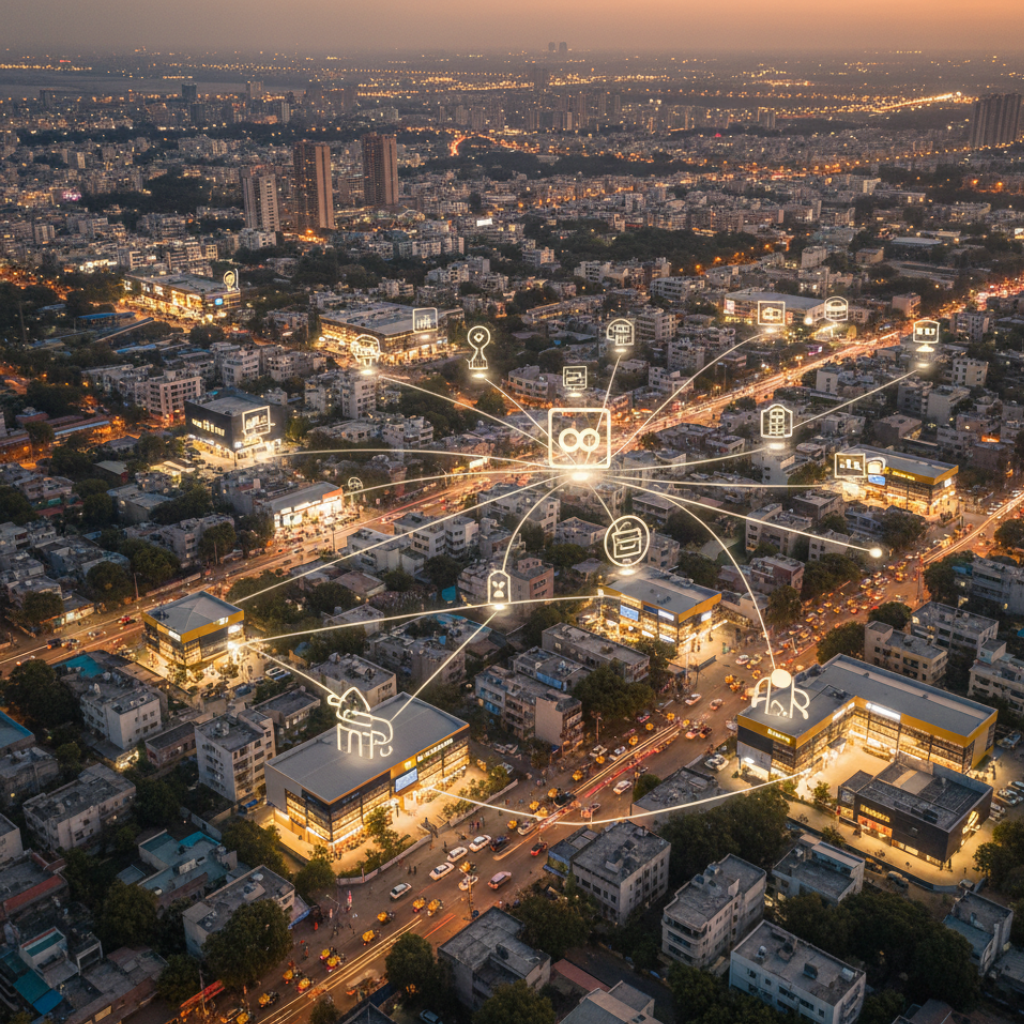
The smartest cloud kitchen brands expand micro-market by micro-market. Each area has its own demand patterns, price sensitivity, cuisine preferences, and peak ordering windows. Treat expansion like a network of local wins, not a single “city launch.”
If you’re planning multi-location expansion, use this guide: Scale Cloud Kitchens to Multiple Locations.
Future of Cloud Kitchen Business in India
The next phase of cloud kitchens in India will not be driven by novelty, but by operational excellence and retention-led growth.
- Hyperlocal brand clusters
- Subscription-first food models
- Multi-brand kitchen networks
- Technology-led cost optimisation
- Central kitchens powering multiple spokes
- CRM + WhatsApp automation driving repeat orders
Brands that focus on systems, repeatability, and unit economics will dominate the next decade of food delivery in India. The winners will not be the loudest brands. They will be the most operationally disciplined.
FAQ: Cloud Kitchen Business in India
Is cloud kitchen better than a restaurant?
For delivery-focused brands, yes. Cloud kitchens offer lower fixed costs, faster scalability, and higher flexibility than dine-in restaurants. Restaurants win on experience. Cloud kitchens win on systems and repeat orders.
How long does it take to break even?
Most well-run cloud kitchens break even within 3-6 months if demand, costs, and ratings are managed properly. The timeline depends on your order volume, contribution margin, and fixed cost structure.
Can I run multiple brands from one kitchen?
Yes. Multi-brand operations are one of the biggest advantages of the cloud kitchen model in India. But success requires shared ingredients, shared SOPs, and controlled complexity.
Do cloud kitchens work in Tier-2 cities?
Absolutely. Lower rentals, growing delivery adoption, and less competition make Tier-2 cities highly attractive. Many operators also see faster repeat behaviour in Tier-2 clusters because choices are fewer.
What cuisines work best for cloud kitchens in India?
Cuisines that travel well and assemble fast typically win: biryani, bowls, rolls, North Indian meals, Chinese combos, burgers, fried chicken, and salads. The key is packaging performance + repeatability, not just taste.
What is the biggest mistake first-time founders make?
They focus on branding before building the operating system. A cloud kitchen is a process business. SOPs, costing, and consistency come first. Marketing works only when your product experience is stable.
Planning to Start or Scale a Cloud Kitchen in India?
GrowKitchen helps founders design profitable cloud kitchen models, fix unit economics, and scale across cities with systems-not guesswork. If you want a scalable kitchen playbook, SOP structure, menu engineering and growth roadmap, our team can help you build it faster and cleaner.
Talk to a Cloud Kitchen Consultant