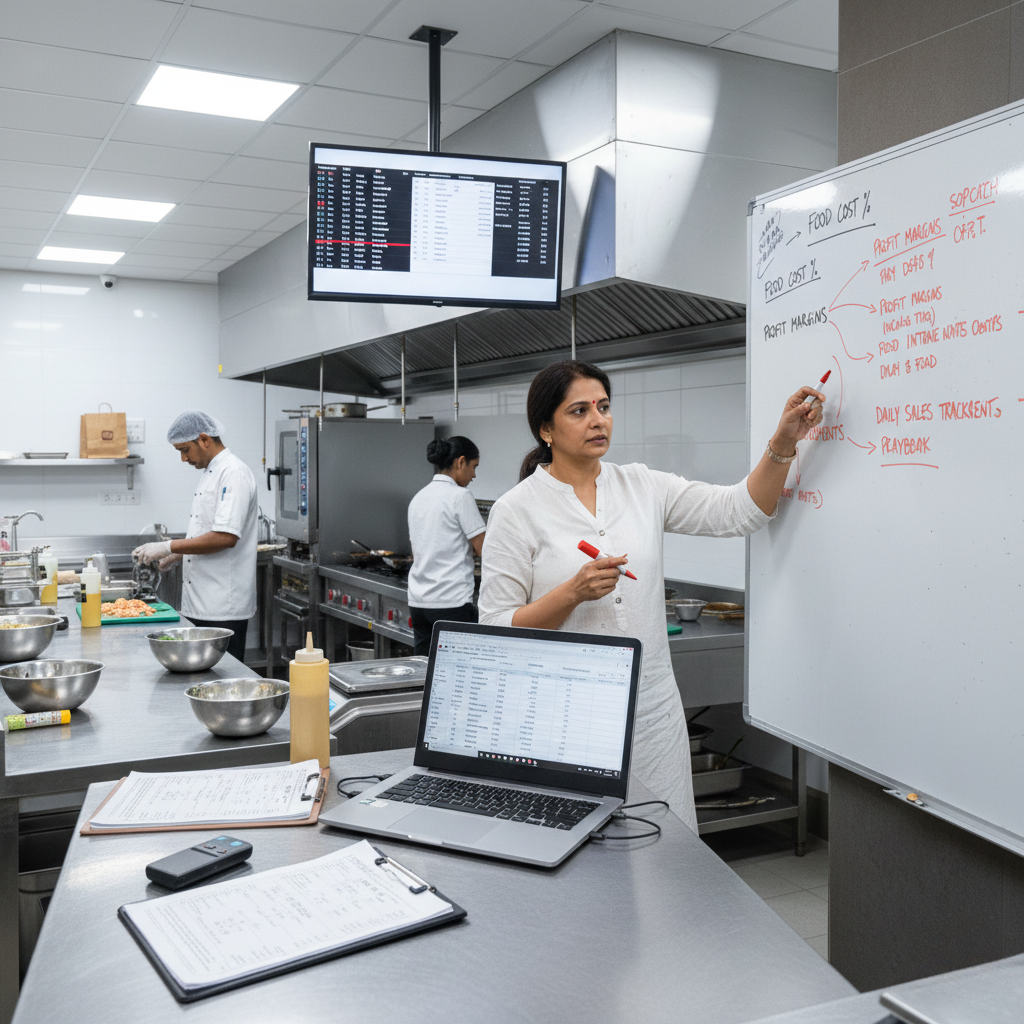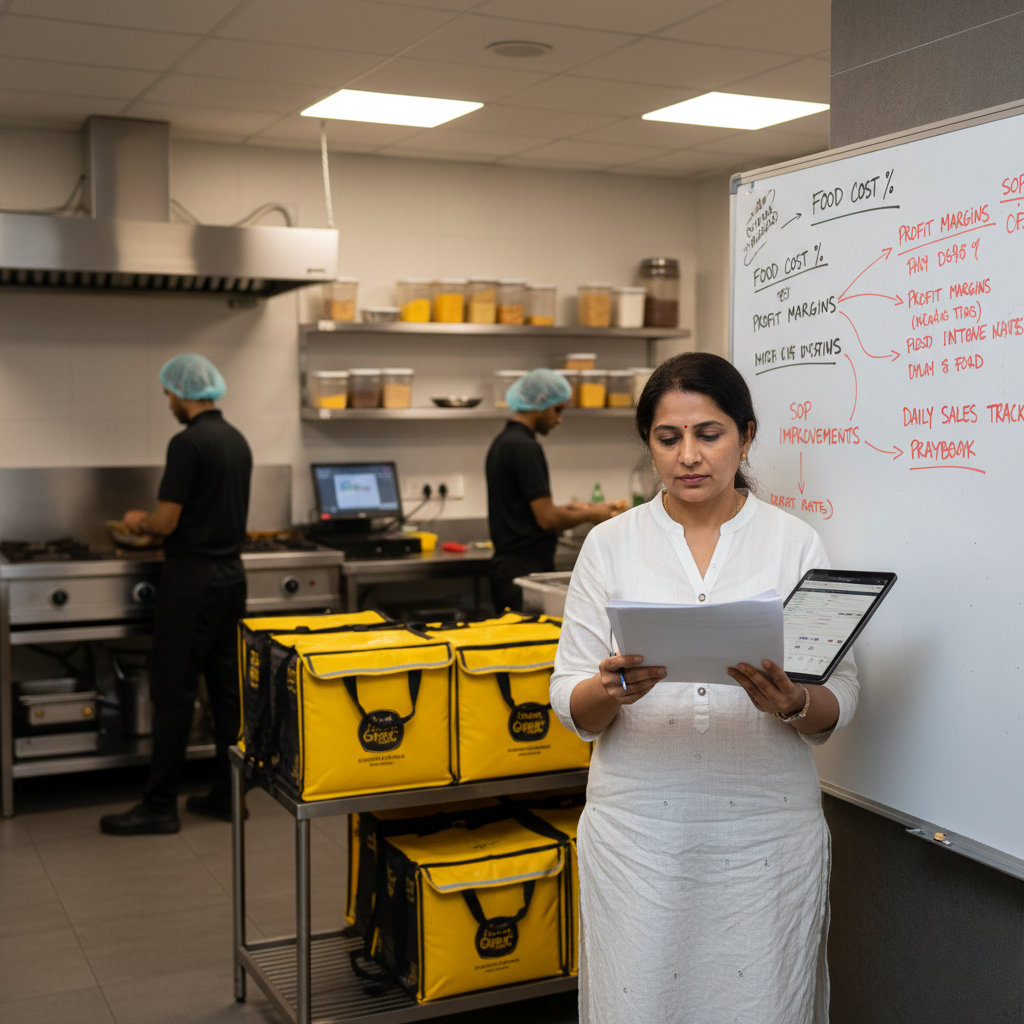
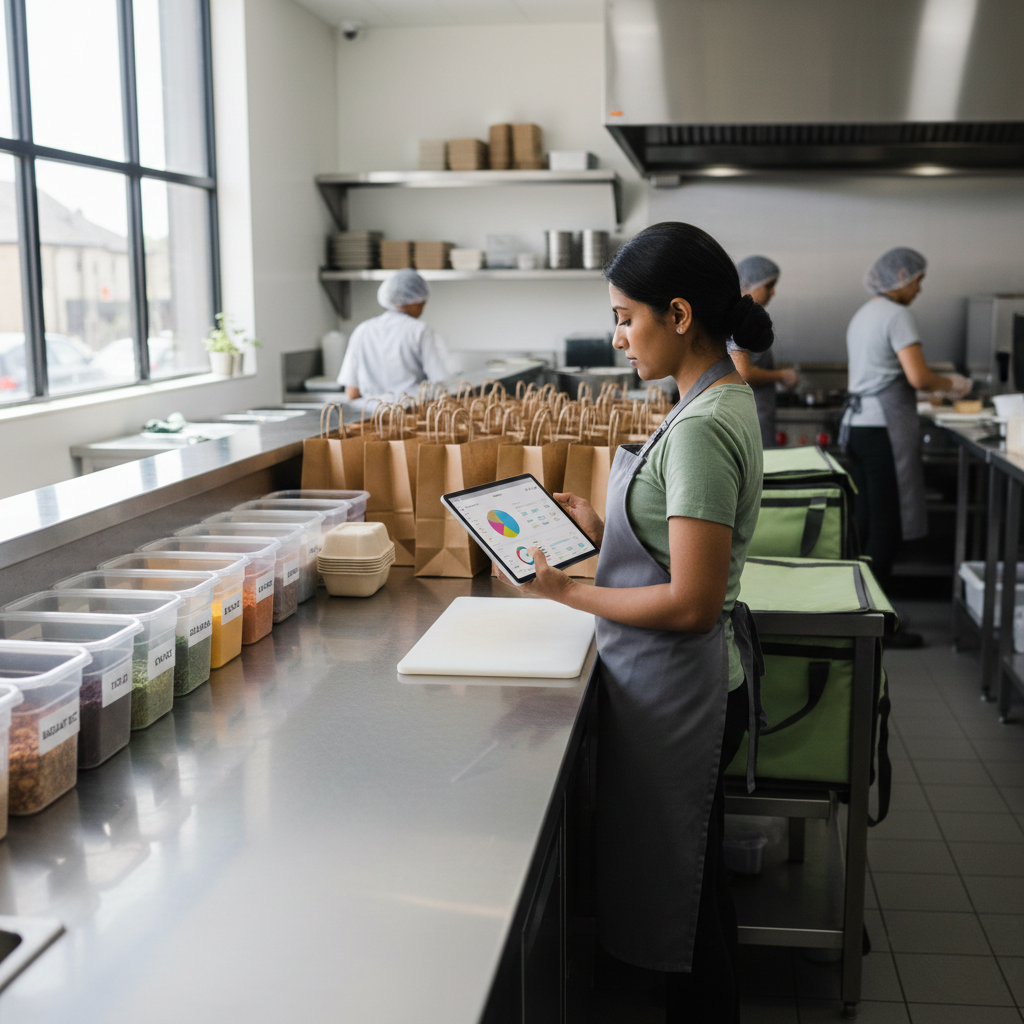
Cloud Kitchen Profit Recovery Case Study-This case study explores a problem that quietly affects a large number of cloud kitchens in India. Orders were coming in at scale. Daily volumes looked impressive. Dashboards showed growth. Yet, despite all this activity, margins kept shrinking. Cloud kitchen as a service
The founder summed it up during the first conversation: “We are doing more orders than ever, but profit seems to be going backwards.” This Cloud Kitchen Profit Recovery Case Study explains why that happens-and how CKaaS helped reverse the trend.
Cloud Kitchen Profit Recovery Case Study: Background
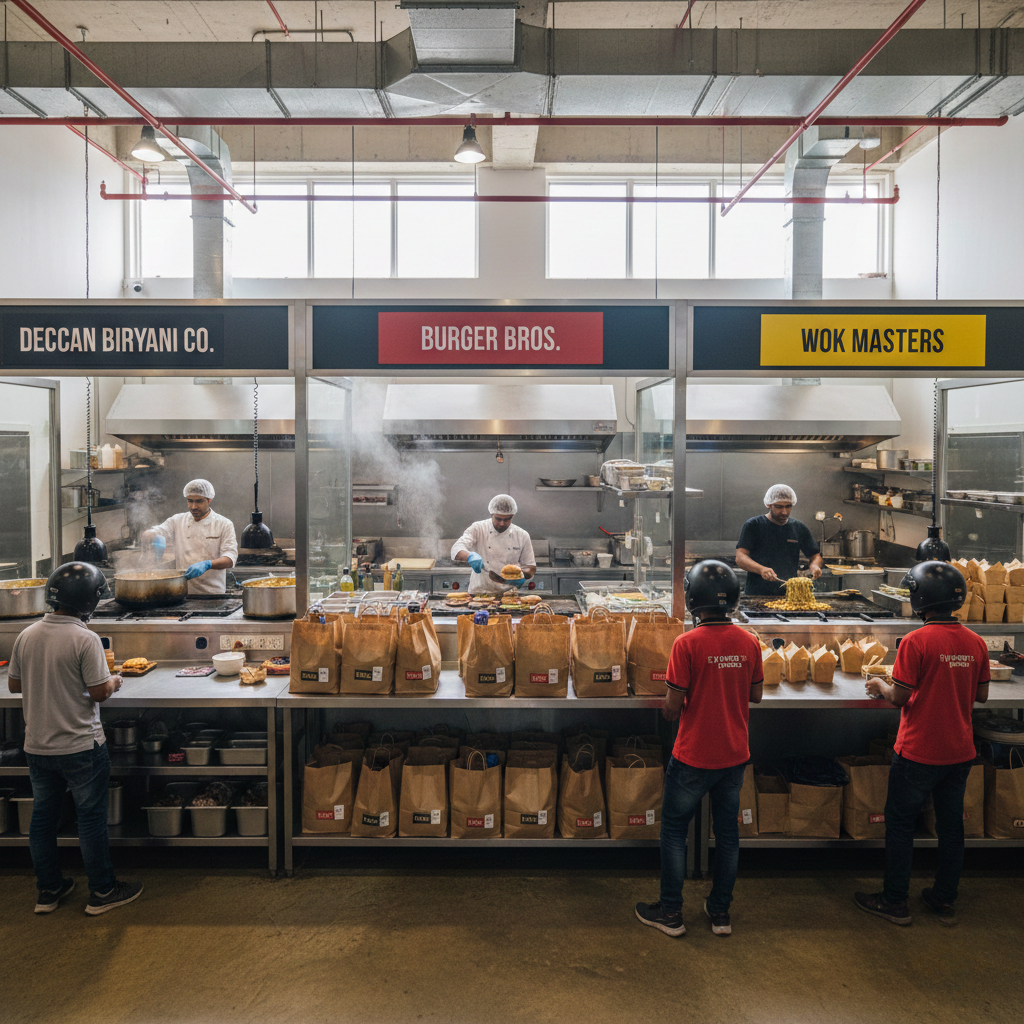
The kitchen operated from a single location but managed multiple brands on food aggregators. Daily orders ranged between 140 and 180, depending on promotions and day of the week. On paper, this was a growing business.
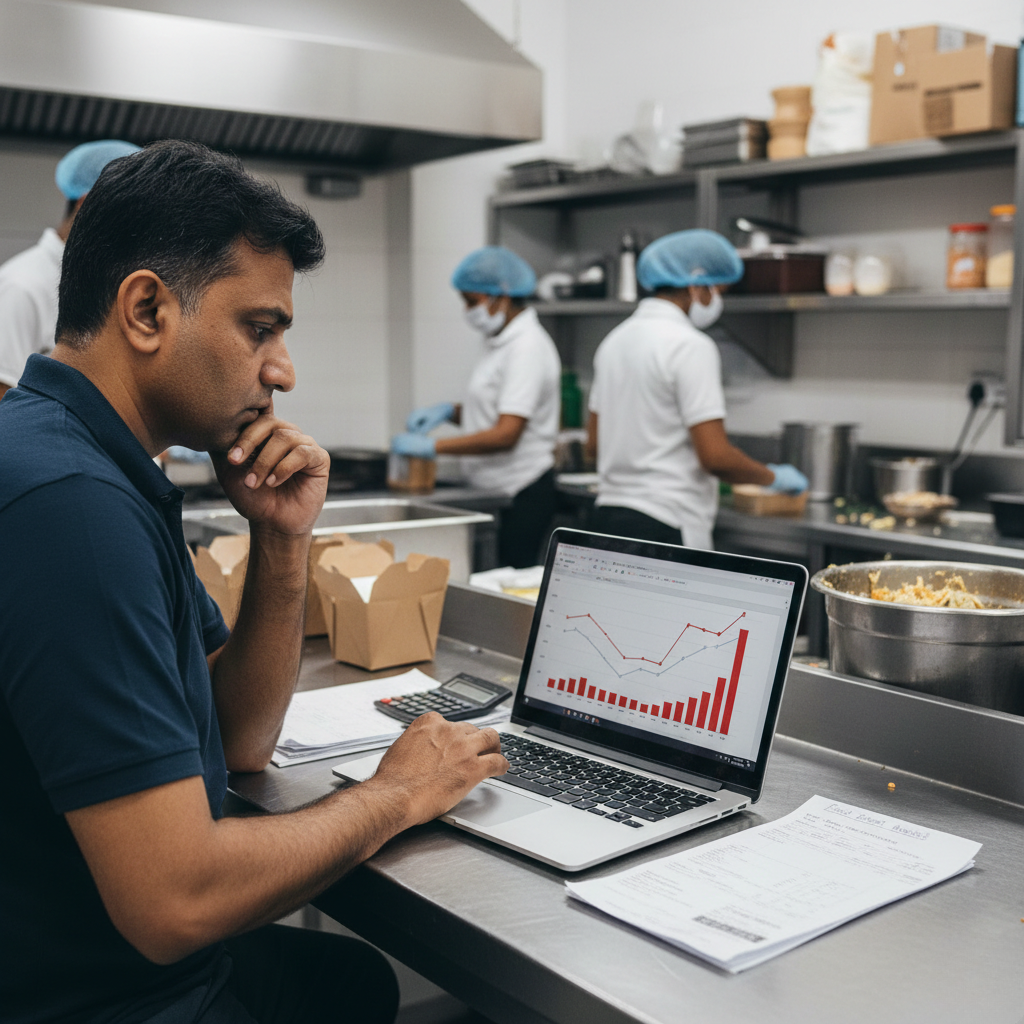
However, month-end numbers told a different story. Net margins were inconsistent and often negligible. Some months ended close to breakeven. Others quietly slipped into losses.
The founder was confused. Sales were higher than before, customer complaints were low, and operational chaos had reduced compared to the early days. Yet profitability was deteriorating.
This pattern is increasingly common in Indian cloud kitchens, especially during the growth phase, as explained in when growth is hurting your cloud kitchen operations.
Cloud Kitchen Profit Recovery Case Study: The Core Problem
The problem was not lack of demand. It was the quality of demand.
Each additional order added workload, pressure, and cost-but not enough contribution. Discounts, platform commissions, and inconsistent execution were eating into margins silently.
In simple terms, the kitchen was scaling volume without scaling profit.
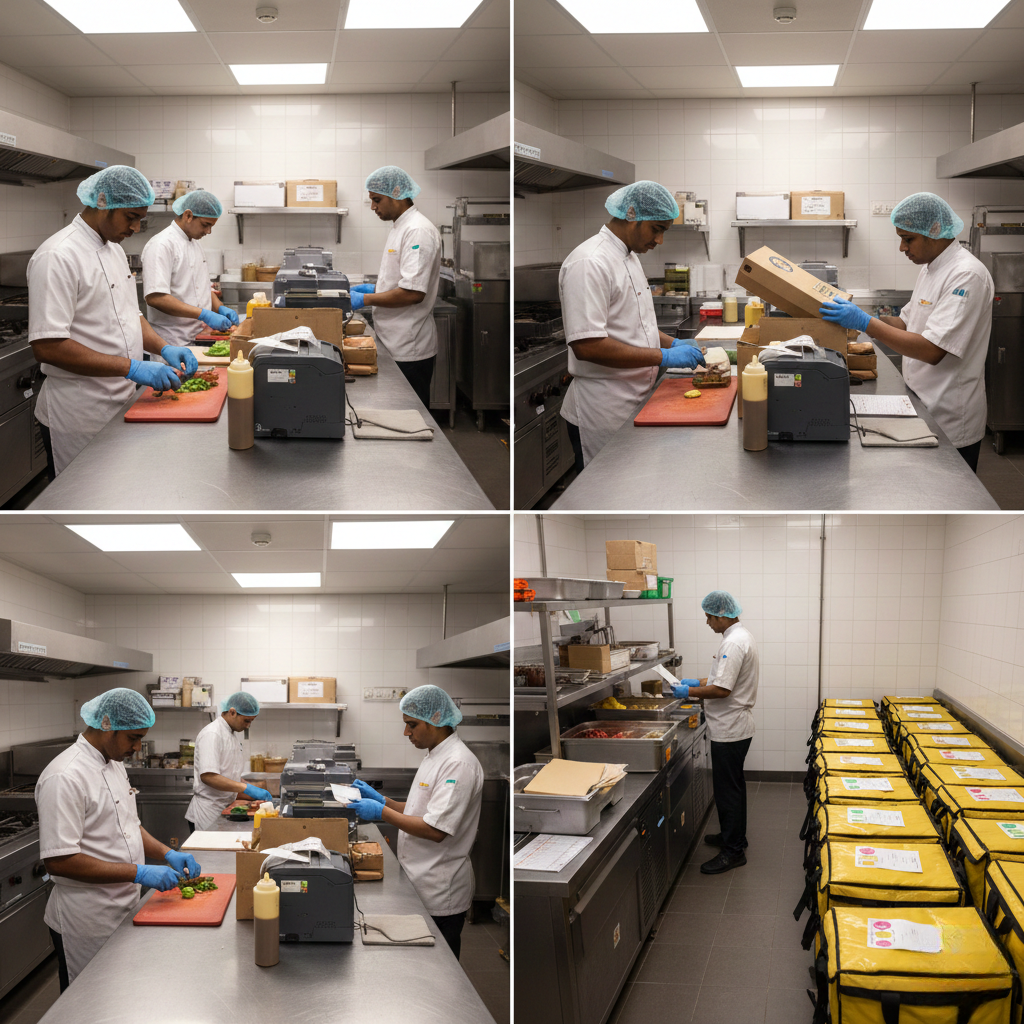
Cloud Kitchen Profit Recovery Case Study: Initial Diagnostic
CKaaS deliberately ignored topline revenue during the first phase. Instead, the diagnostic focused on:
- Contribution margin per order
- Brand-wise profitability
- Food cost consistency
- Staff productivity per hour
- Inventory purchase vs consumption
What emerged was clarity. Orders were high, but contribution per order was dangerously thin.
Hidden Issue #1: Best Sellers With Weak Margins
Recipe-level costing revealed a critical insight. Several of the kitchen’s best-selling items were either low-margin or borderline loss-making.
These items were heavily promoted through discounts to maintain ranking and volume. After aggregator commissions and inconsistent portioning, they barely contributed to profit.
This explains why increasing orders did not improve margins-a problem discussed in why discounts are not solving your profit problem.
Hidden Issue #2: Cost Structures Scaling Faster Than Revenue
As orders increased, costs scaled in an uncontrolled manner:
- More staff added without productivity tracking
- Higher ingredient purchases without yield control
- Increased wastage during peak rush hours
The kitchen assumed higher volume would automatically absorb these costs. Instead, margins kept shrinking.
This is a classic mistake in kitchens that grow before building systems, highlighted in what happens when cloud kitchens scale without systems.
Hidden Issue #3: No Daily Margin Visibility
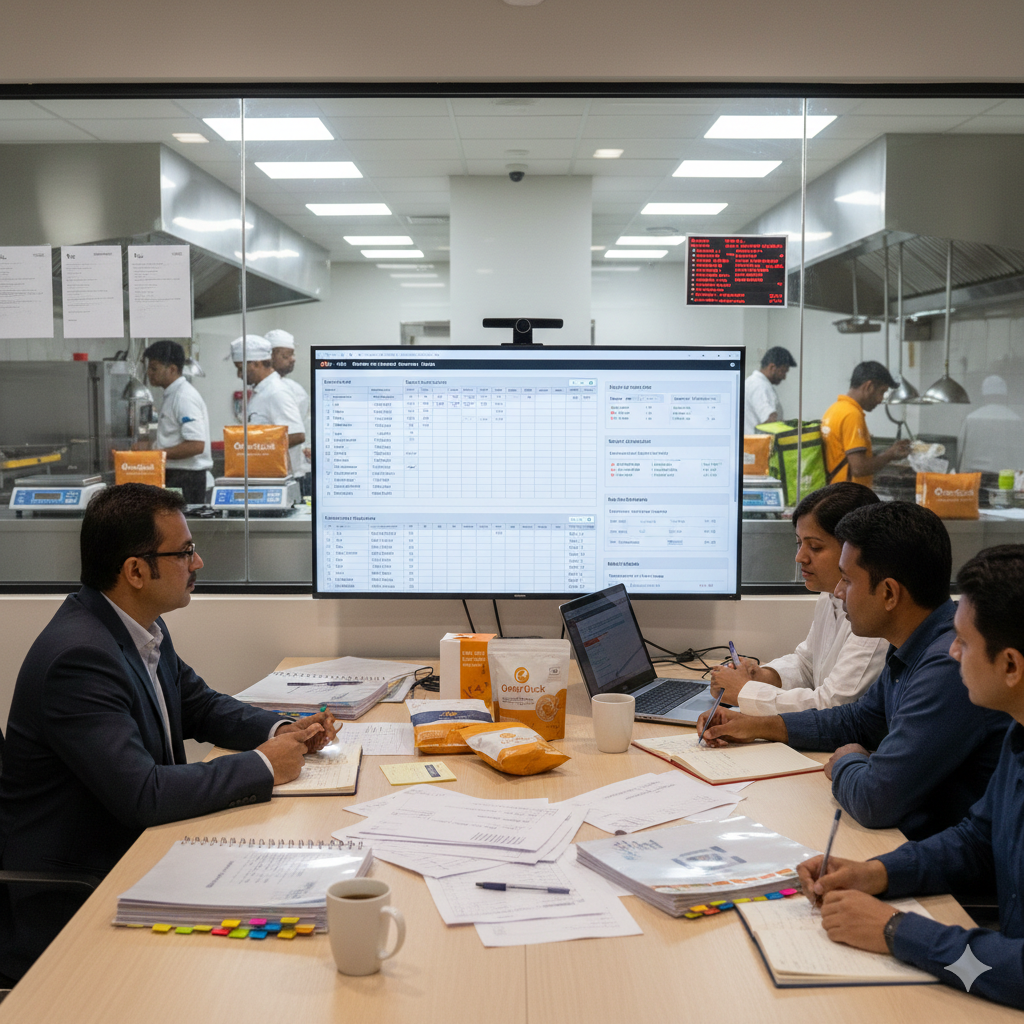
Revenue was tracked daily. Profit was not.
The founder only reviewed profitability at month-end, when it was already too late to correct mistakes. Discount-heavy days, overstaffed shifts, and high-wastage weekends went unnoticed.
Without daily visibility, the kitchen was flying blind.
Cloud Kitchen Profit Recovery Case Study: CKaaS Intervention
CKaaS focused on margin recovery, not growth acceleration.
The intervention included:
- Standardizing recipe gram weights across all shifts
- Locking ingredient costs into recipe-level costing
- Introducing daily contribution margin tracking
- Aligning staff schedules to hourly order density
- Re-evaluating discounts based on real margin impact
No new brands were added. No new platforms were explored. The same order volume was managed with better control.
Operational Discipline in Practice
Once systems were introduced, behavior inside the kitchen changed naturally.
- Portion control reduced food cost variability
- Staff became more productive during peak hours
- Inventory purchases aligned with weekly forecasts
- Discount decisions became data-driven
This shift from instinct to insight made the biggest difference.
Cloud Kitchen Profit Recovery Case Study: Final Outcome
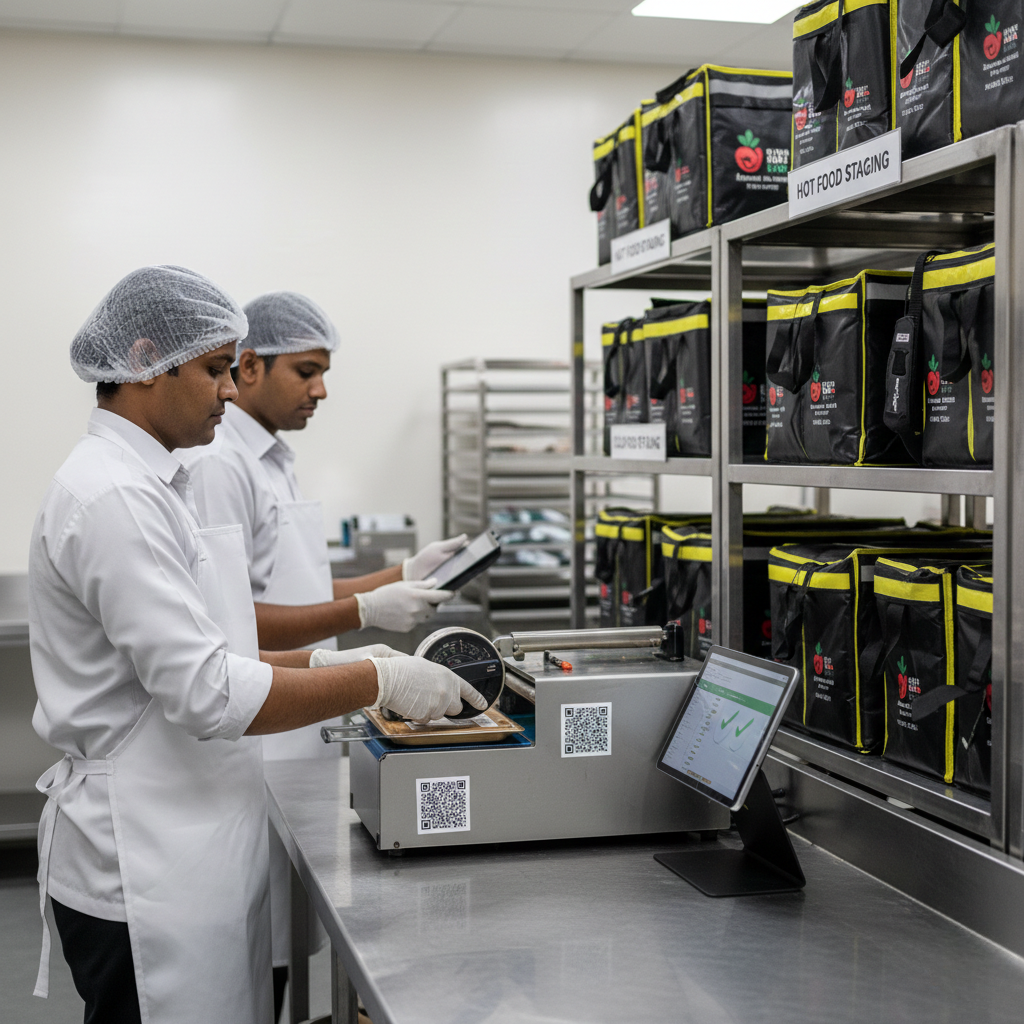
Within 60 days, the kitchen achieved something critical: margin recovery without sacrificing order volume.
- Food cost stabilized within a predictable range
- Staff cost aligned with real demand
- Wastage reduced significantly
- Daily margin visibility improved decision-making
Orders remained high. The difference was that they finally made sense financially.
Founder Takeaways From This Case
- High orders can hide low margins
- Revenue growth is not profit growth
- Discounts amplify weak systems
- Visibility changes behavior
This Cloud Kitchen Profit Recovery Case Study shows that high orders become valuable only when contribution margin, food cost, staff planning, inventory, and discounts are controlled together.
These lessons are echoed by operators and advisors across the industry, including communities around Grow Kitchen.
Why CKaaS Worked Here
CKaaS worked because it treated profitability as an operational outcome, not a marketing result.
Instead of chasing more orders, it focused on:
- Cost predictability
- Process discipline
- Decision visibility
This approach aligns with insights shared by professionals such as Rahul Tendulkar and brands that scaled sustainably like Green Salad and Fruut.
Final Thoughts
If your cloud kitchen has high orders but low margins, the issue is not demand. It is structure.
More volume will only magnify weak systems. Margin recovery starts with clarity. That is the core lesson from this Cloud Kitchen Profit Recovery Case Study.
Still Have Questions?
For common operational and profitability questions, read the Grow Kitchen FAQs.
You may also find these internal resources helpful:
- How to Fix a Loss-Making Cloud Kitchen
- From Zero Profit to Sustainable Margins
- When Growth Is Hurting Your Cloud Kitchen Operations