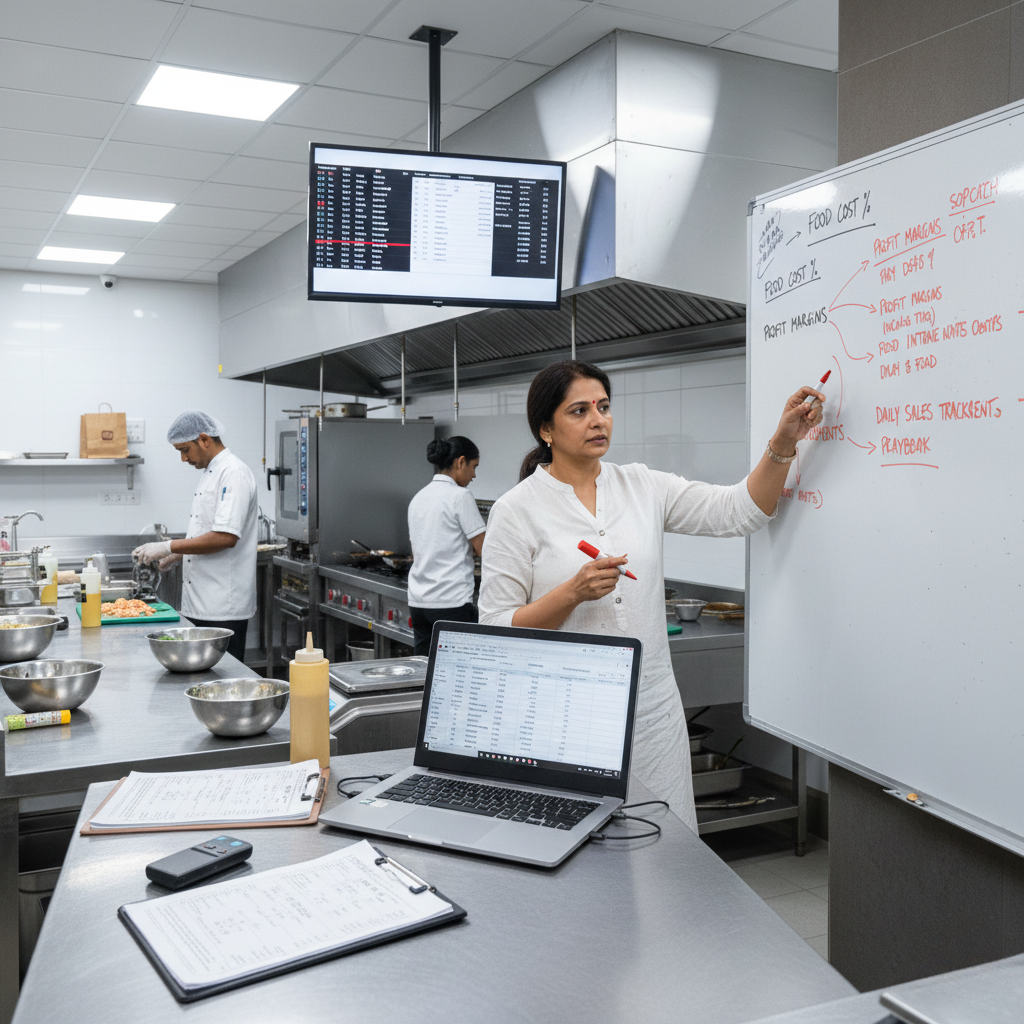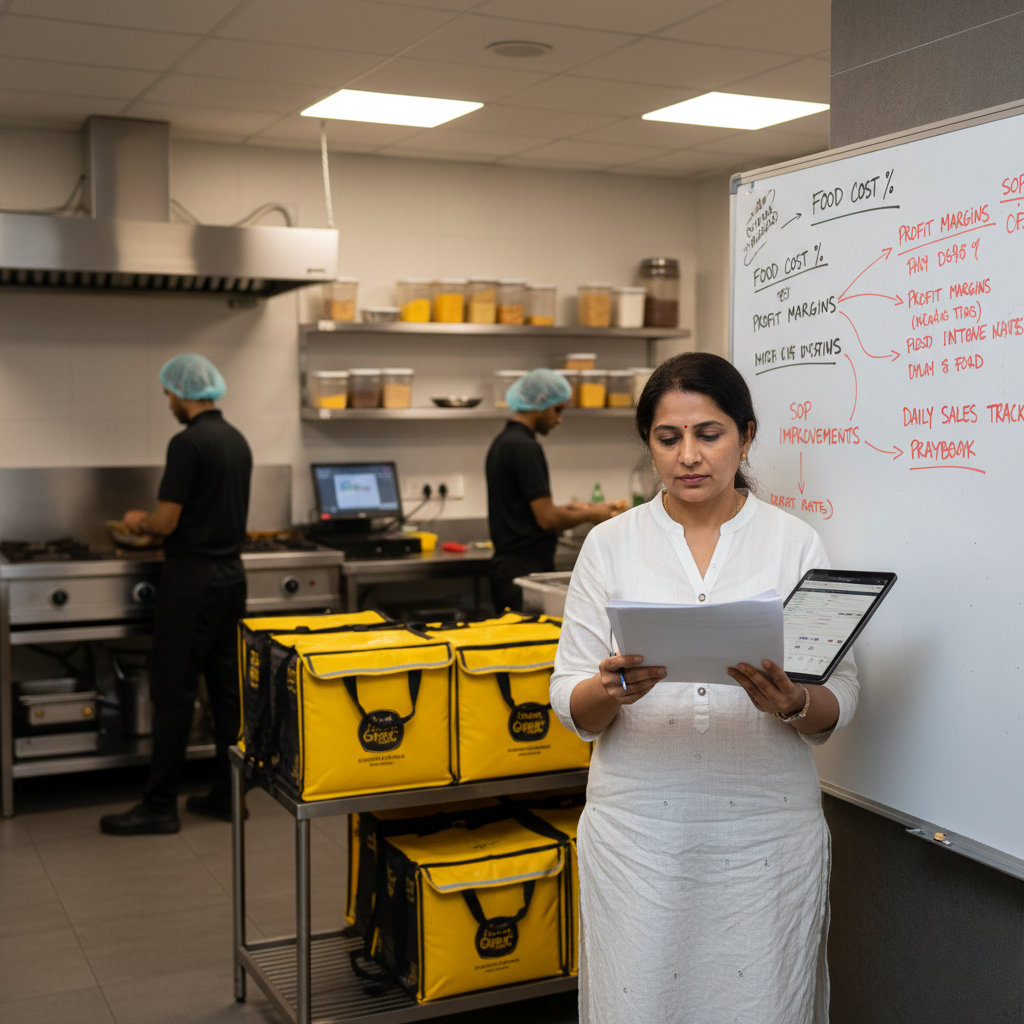

Cloud Kitchen Cash Flow Case Study-This case study captures a situation that many cloud kitchen founders in India experience silently. Orders were steady, delivery partners were active all day, and the kitchen never felt idle. Yet, despite being busy every single day, the bank account remained empty. Cloud kitchen as a service
The founder described the situation bluntly: “We are working non-stop, but there’s never money left at the end of the month.” This Cloud Kitchen Cash Flow Case Study explains why that happens-and what changed once CKaaS was applied.
Cloud Kitchen Cash Flow Case Study: The Situation
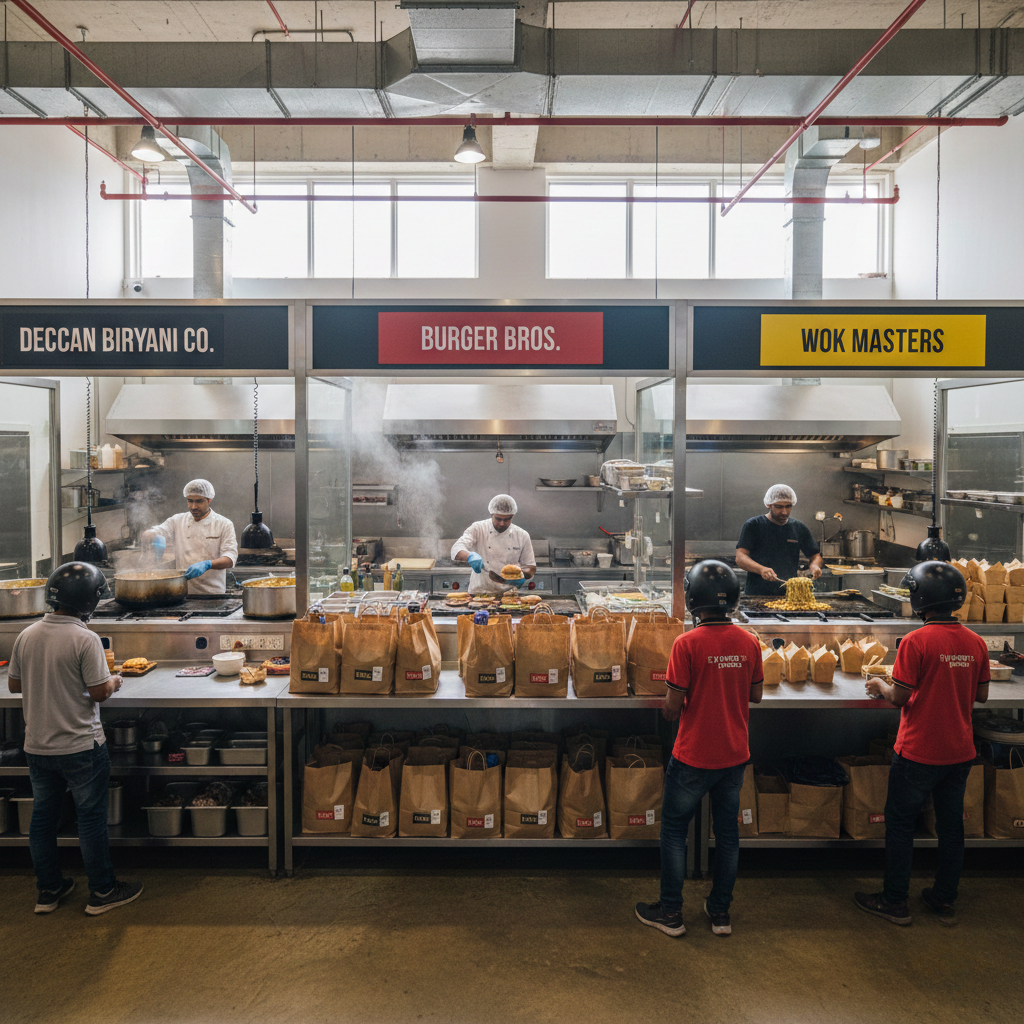
At a glance, the kitchen looked successful. It was operating multiple brands from a single location and averaging over 120 orders per day on aggregators. Staff worked continuously during peak hours, and customer ratings remained stable.
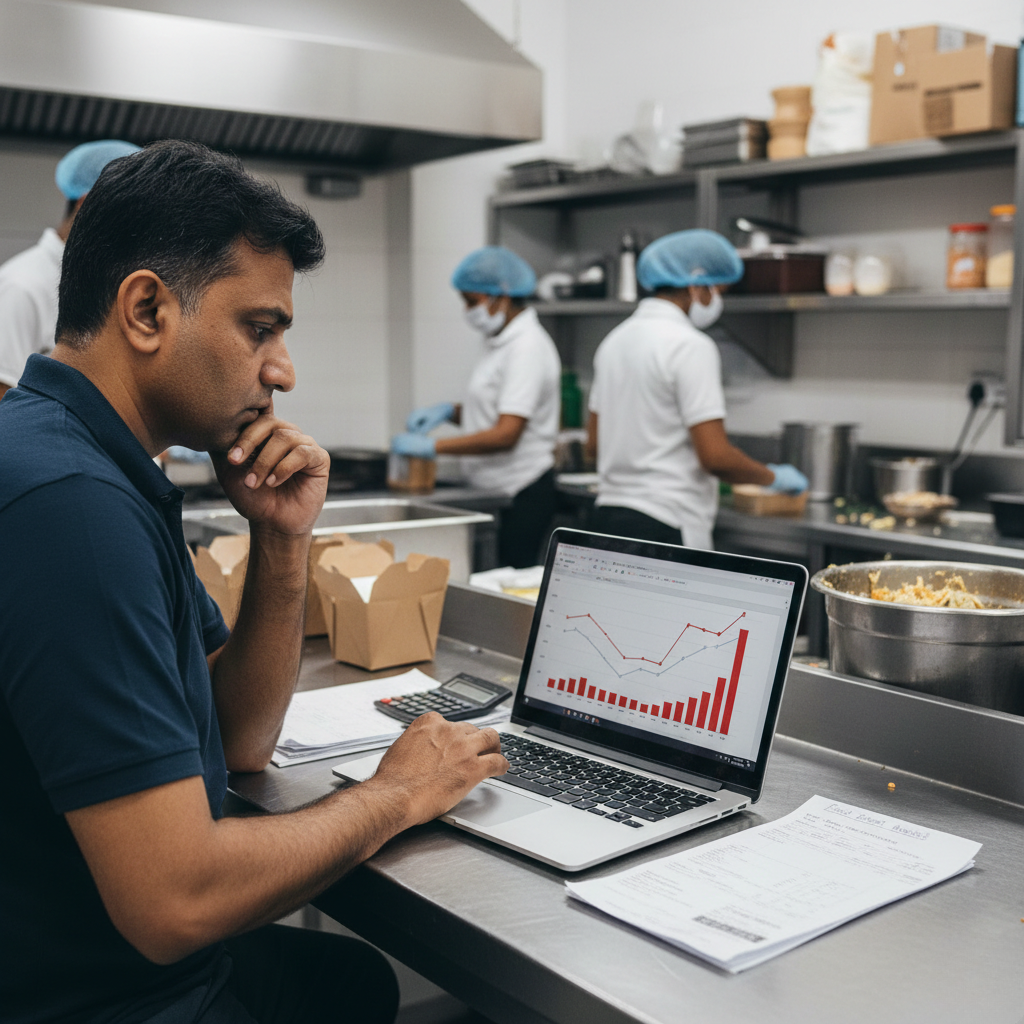
However, financial stress was constant. Vendor payments were delayed, buffers were shrinking, and the founder avoided checking the bank balance too often. Despite high activity, the business felt fragile.
This mismatch between effort and outcome is similar to what many founders experience, as explained in Orders but no profit in cloud kitchens.
The Illusion of Busyness
The biggest misconception in this case was equating busyness with success. More orders created more pressure, but they did not improve profitability.
As order volume increased:
- Discount dependency increased
- Staff fatigue led to more mistakes
- Food wastage rose during peak rush
- Costs scaled faster than contribution
The kitchen was running harder, not smarter.
Cloud Kitchen Cash Flow Case Study: Initial Diagnosis
Instead of focusing on sales, CKaaS started with structure. The diagnostic focused on:
- Contribution margin per order
- Staff productivity by hour
- Inventory usage versus purchase volume
- Cash inflow and outflow timing
What emerged was clear: the kitchen had activity, but no financial visibility.
Hidden Issue #1: High Orders, Low Margins
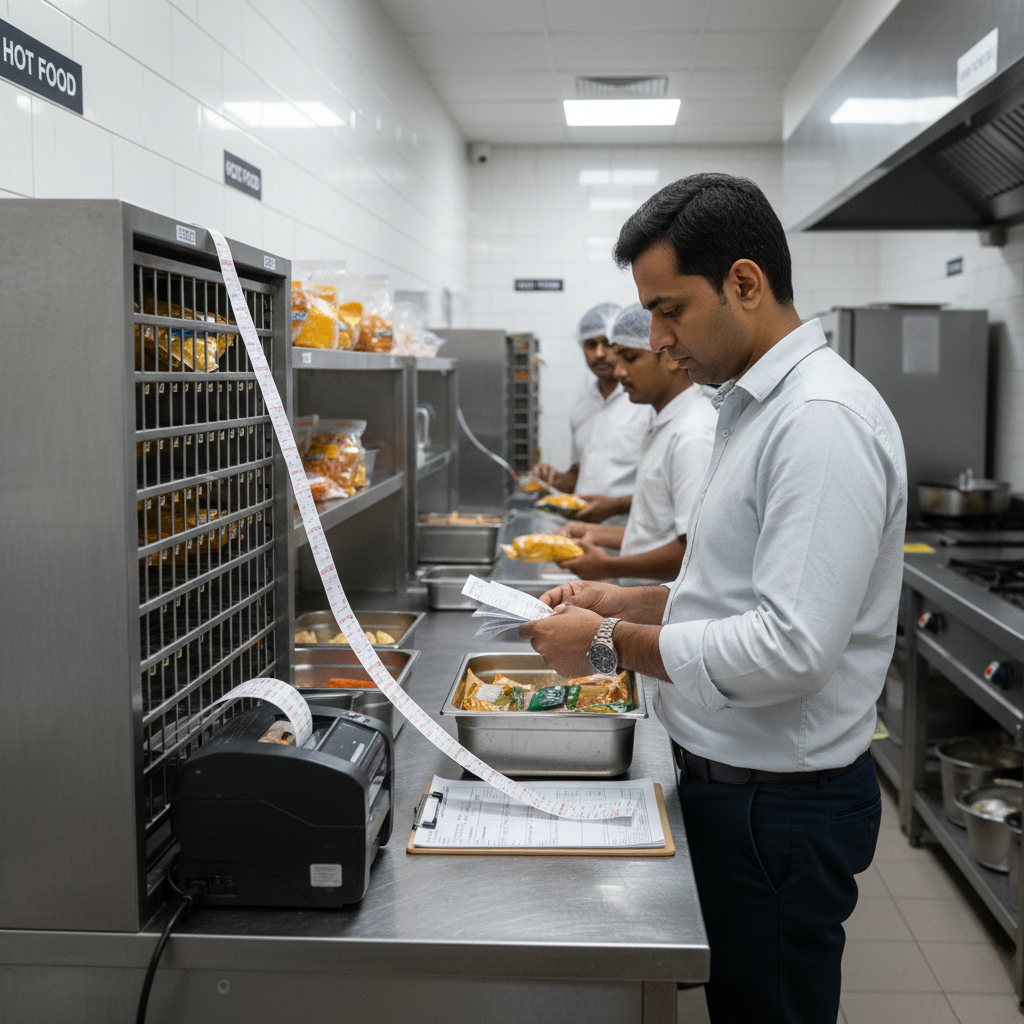
Once recipe-level costing was done properly, it became obvious that several best-selling items had extremely thin margins. After platform commissions, discounts, and inconsistent portioning, many orders contributed very little.
This explained why increasing orders never translated into cash in the bank.
Hidden Issue #2: Staff Cost Not Aligned With Demand
Staff schedules were fixed based on habit. The same number of cooks worked during slow afternoons and peak dinner rush.
Order data showed that nearly 65% of daily orders came within a limited evening window. Outside this window, staff productivity dropped sharply.
This resulted in:
- Idle labour during non-peak hours
- Overworked staff during peak hours
- Higher error rates when pressure was highest
Hidden Issue #3: Inventory Locking Up Cash

Inventory purchasing was driven by fear of stockouts instead of real demand planning. This led to:
- Over-purchasing perishable items
- Higher spoilage
- Cash stuck in unused inventory
For a kitchen already struggling with cash flow, this worsened the situation.
Cloud Kitchen Cash Flow Case Study: What CKaaS Changed
CKaaS did not add new brands or increase marketing spends. The intervention focused entirely on operational discipline.
- Standardized recipe gram weights
- Introduced daily contribution margin tracking
- Aligned staff shifts to hourly order flow
- Implemented weekly demand-based inventory planning
- Evaluated discounts based on margin impact
The team stayed the same. The difference was clarity.
Cloud Kitchen Cash Flow Case Study: Final Result
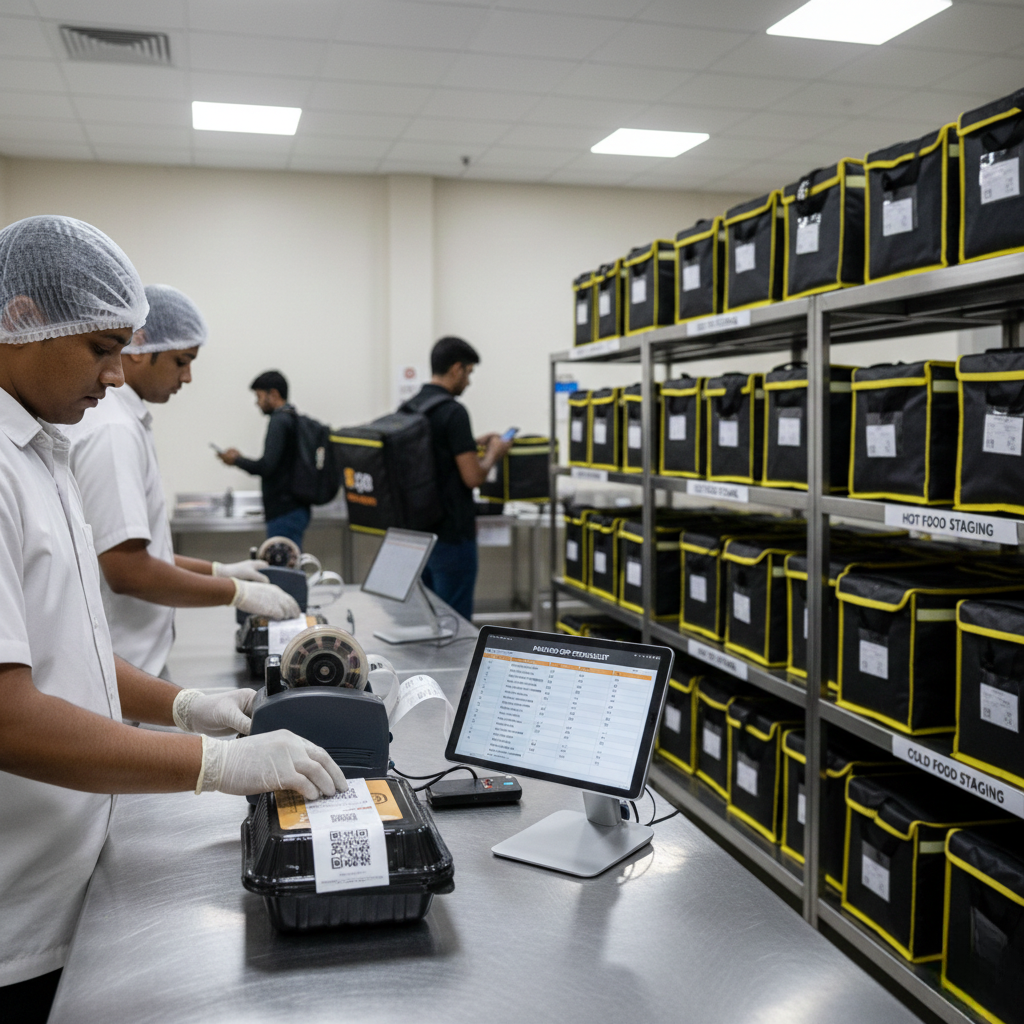
Within 45–60 days, the kitchen was still busy-but the experience felt completely different.
- Cash flow stabilized
- Vendor payments became predictable
- Founder stress reduced significantly
- Daily visibility replaced monthly surprises
For the first time, effort inside the kitchen was reflected in the bank account.
Key Learnings From This Case Study
- Busyness is not a financial metric
- High order volume can hide losses
- Discounts amplify operational weaknesses
- Systems matter more than hustle
This Cloud Kitchen Cash Flow Case Study shows that cash flow improves only when contribution margin, staff planning, inventory control, discounts, and daily visibility work together.
Final Takeaway
If your cloud kitchen is busy but your bank account is empty, the problem is not demand. It is the absence of systems that connect daily operations to profitability.
More orders will not fix broken structure. Clarity will. That is the core lesson from this Cloud Kitchen Cash Flow Case Study.
Still Have Questions?
For common operational and profitability questions, read the Grow Kitchen FAQs.
You may also find these internal resources useful:
- How to Fix a Loss-Making Cloud Kitchen
- From Zero Profit to Sustainable Margins
- Signs Your Cloud Kitchen Needs a Profitability Consultant