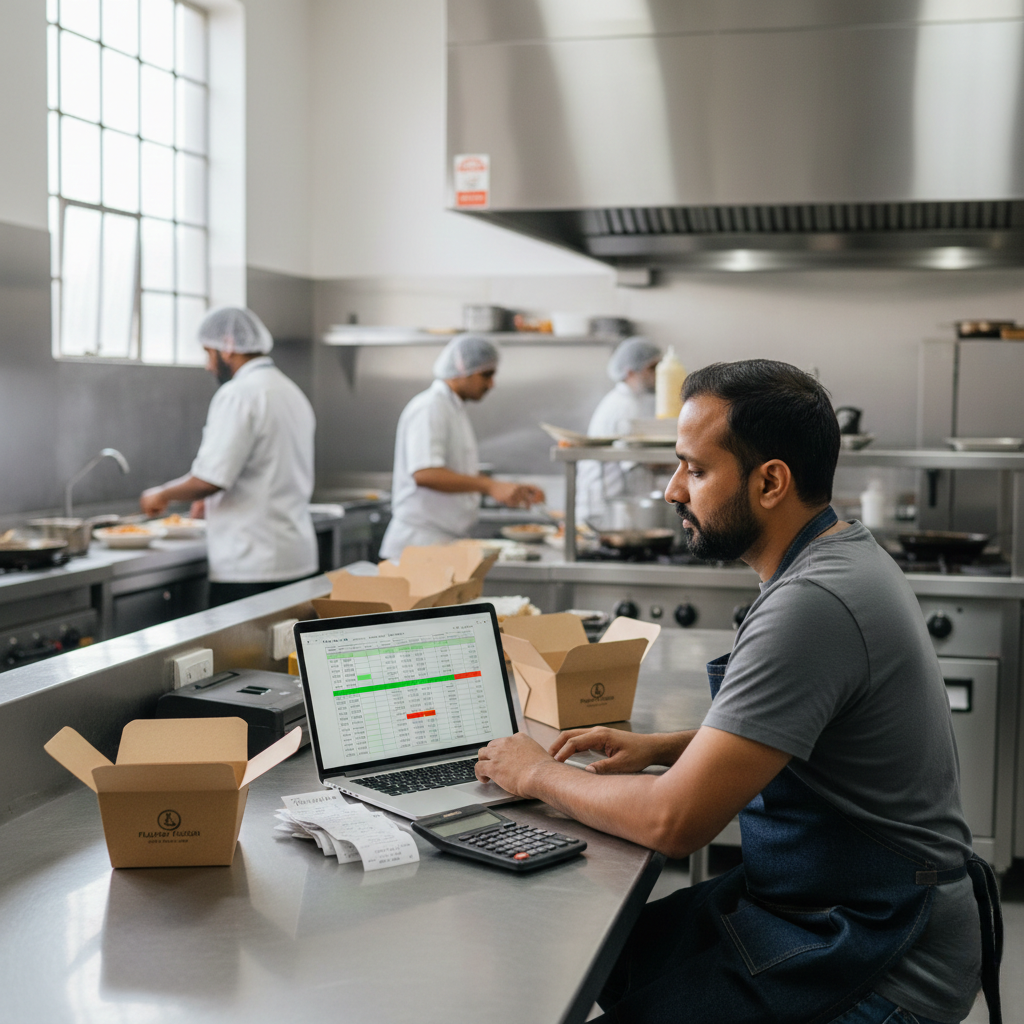
Profit First Approach for Cloud Kitchens is a mindset shift most founders realise too late. Traditional businesses aim for profit after all expenses, but cloud kitchens operate in high-commission, low-margin environments where that logic breaks down. Many kitchens survive on volume, hoping profit will appear later. This guide explains what a profit-first approach really means in cloud kitchens, why revenue-first thinking fails, and how founders can redesign operations to protect margins before chasing growth.
Why Traditional Profit Thinking Fails in Cloud Kitchens
Most founders are taught a simple formula: revenue minus expenses equals profit. In cloud kitchens, this formula is dangerous. High aggregator commissions, variable food costs, and operational penalties mean expenses expand to absorb revenue. As sales increase, costs increase faster. Profit never stabilises.
To understand this ecosystem clearly, revisit Cloud Kitchen Business in India and review Common Operational Mistakes in Cloud Kitchens.
What Profit First Actually Means for Cloud Kitchens
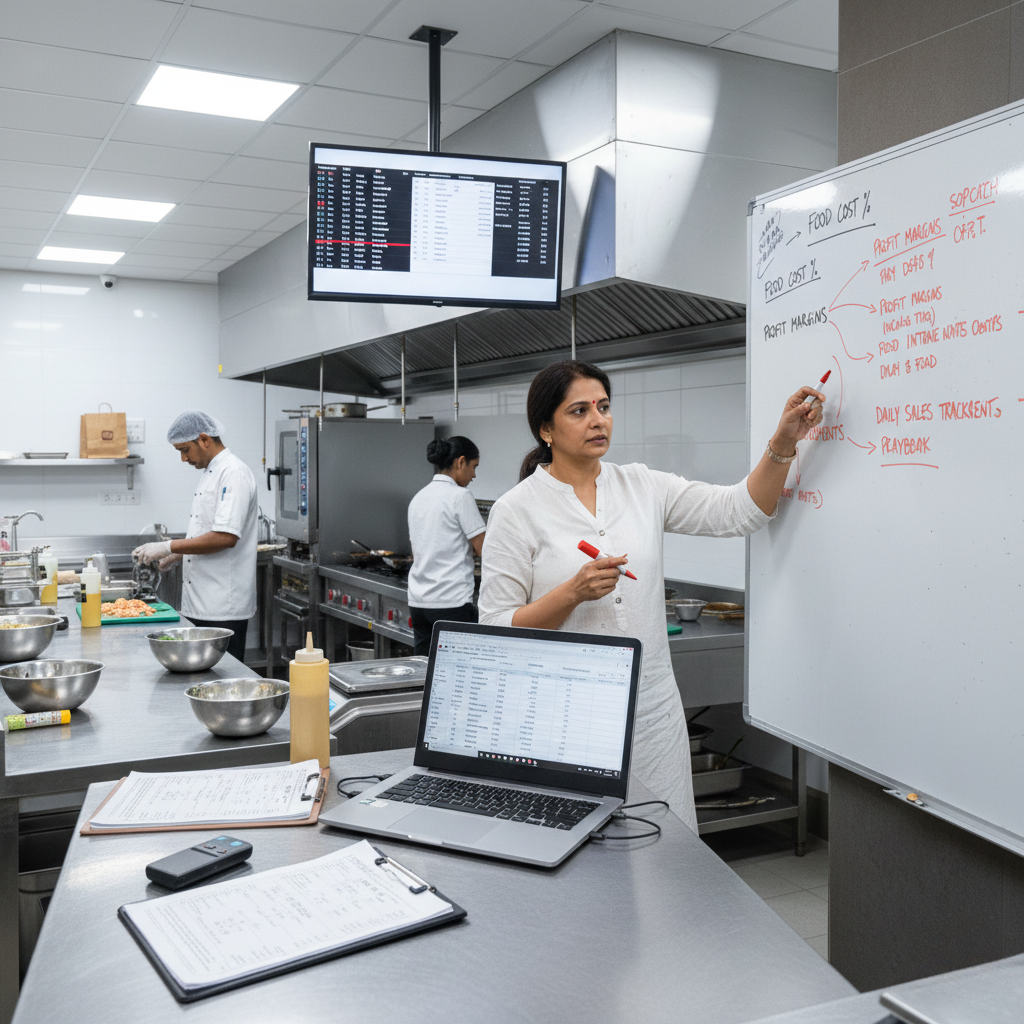
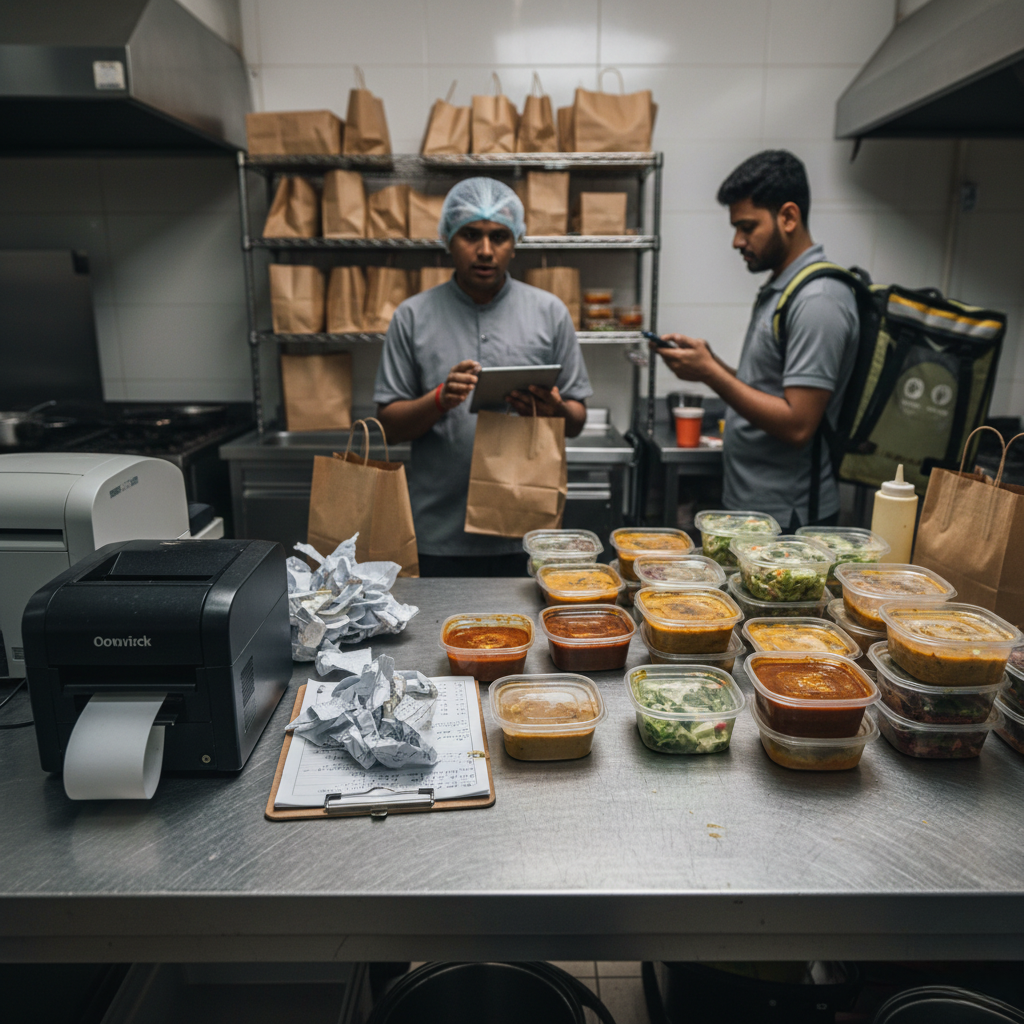
Profit first does not mean cutting quality or starving operations. It means deciding the profit target first, then designing operations that fit within the remaining budget.
Why Revenue-First Thinking Keeps Kitchens Stuck
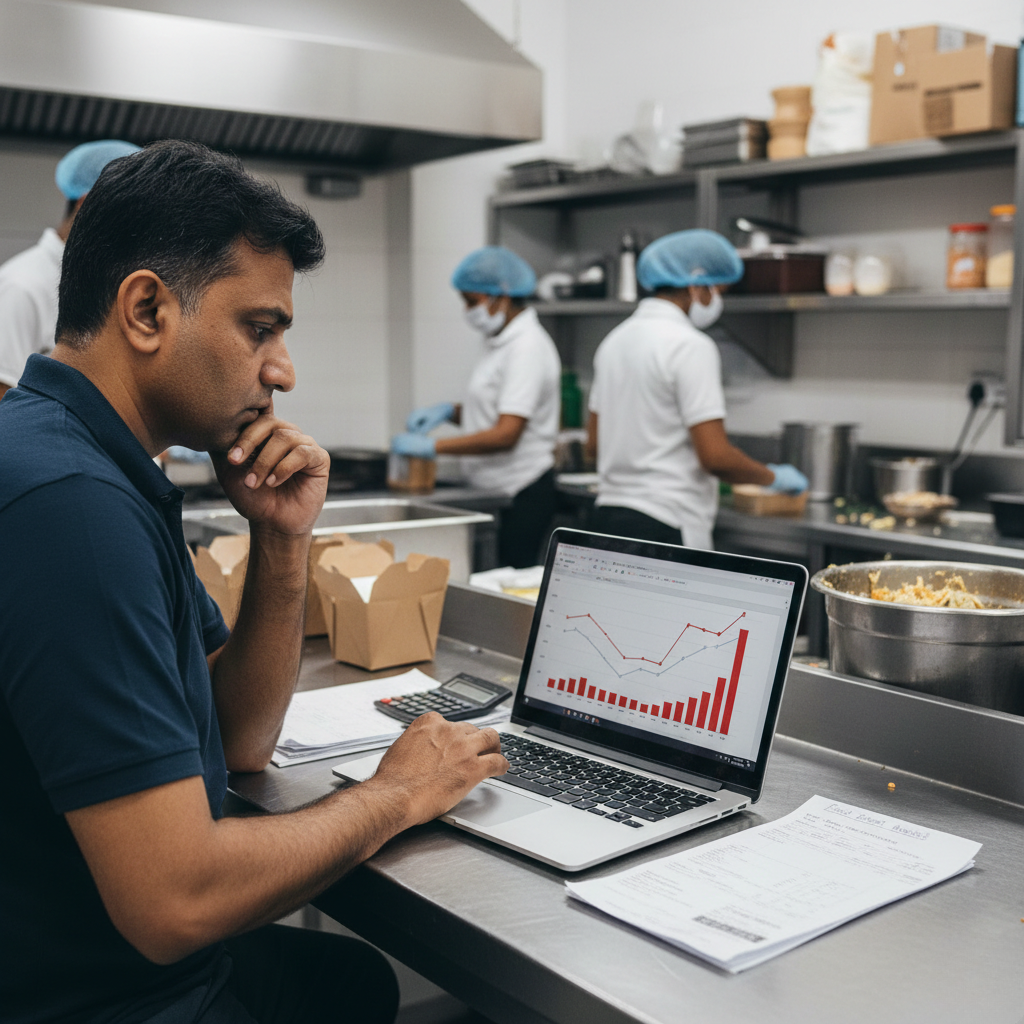
Revenue feels like progress. Dashboards light up, orders increase, and activity creates momentum. But revenue-first thinking encourages founders to ignore margins. Expenses adjust upward silently. Kitchens end up busy, stressed, and still unprofitable.
Profit First Starts With Unit Economics
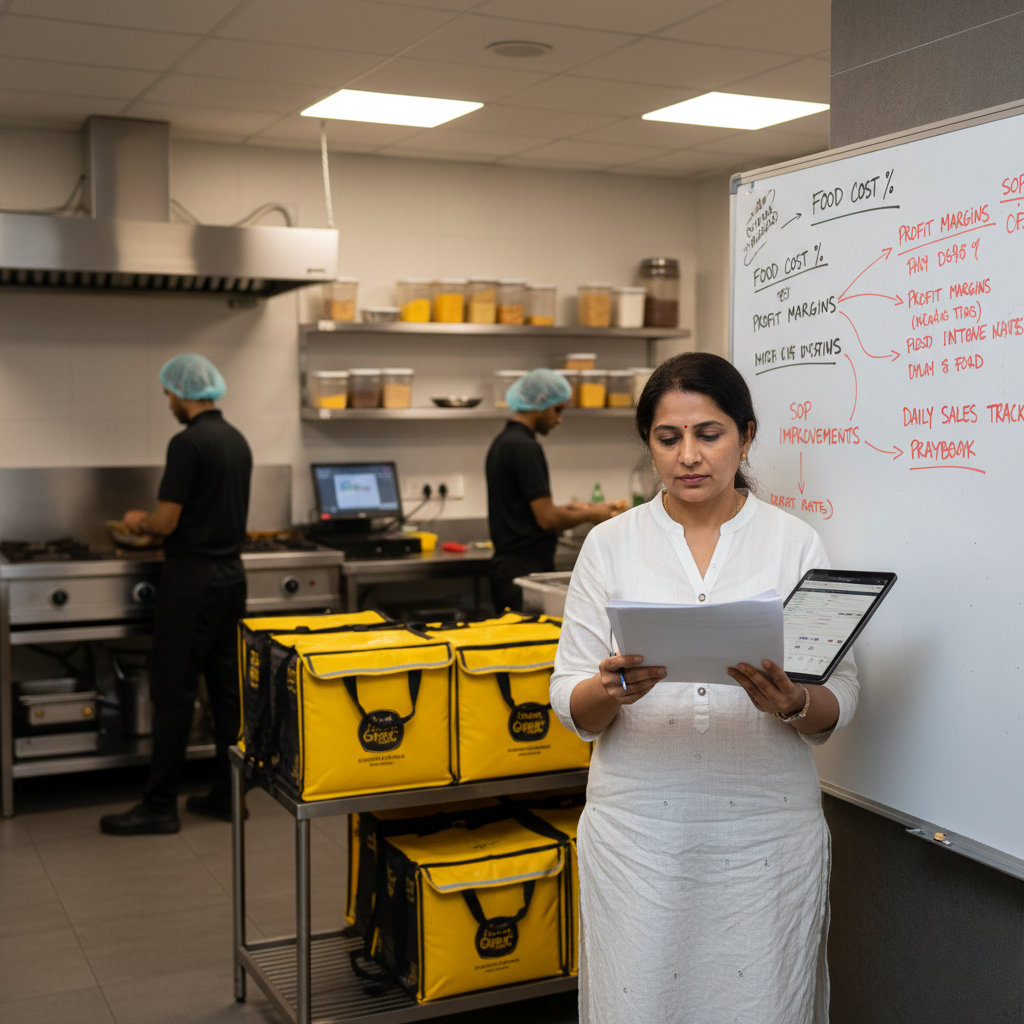
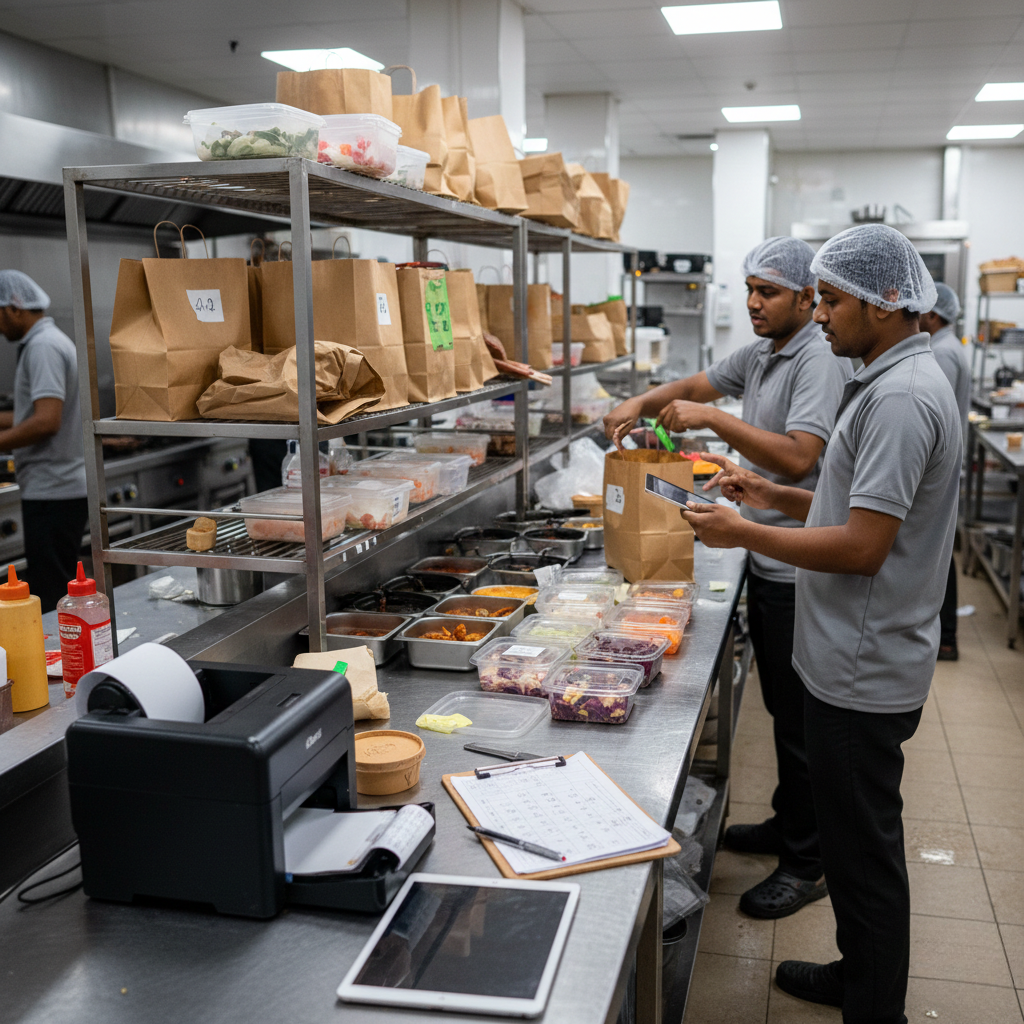
A profit-first kitchen knows its per-order contribution margin. Food cost, packaging, commissions, payment charges, refunds, and discounts are accounted for before growth decisions. Without this clarity, profit-first thinking cannot exist.
Food Cost Control Is the Backbone of Profit First
Food cost is the largest variable expense in a cloud kitchen. Profit-first kitchens enforce recipe discipline, portion control, and daily wastage tracking. This prevents margins from leaking during busy periods.
Learn how structured systems reduce food cost in How SOPs Reduce Food Cost & Complaints.
Designing Staff Cost Around Profit
Profit-first kitchens do not overstaff to compensate for chaos. They design roles, workflows, and shift structures to maximise output per person. Payroll becomes predictable instead of reactive.
This approach relies on Role-Based Kitchen Operations Explained.
Why Profit First Kitchens Take Dispatch Seriously
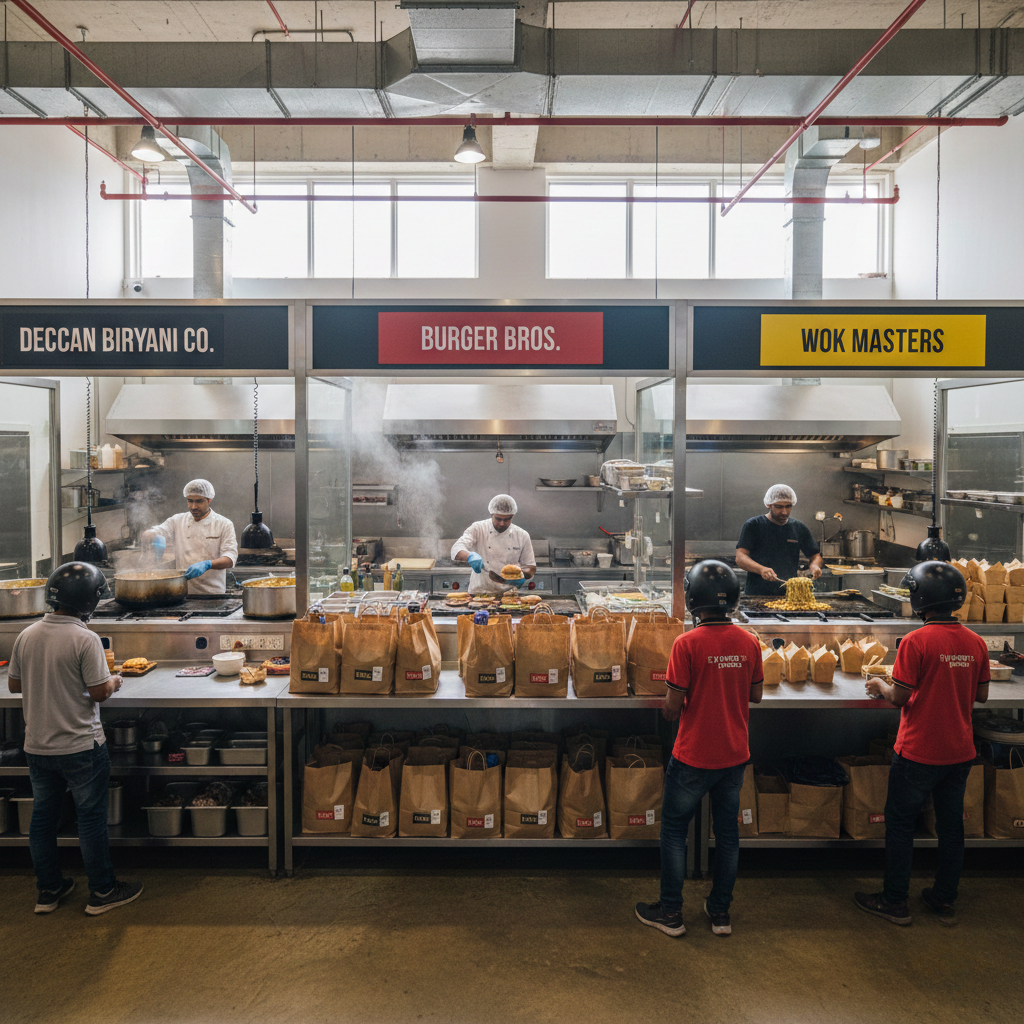
Dispatch errors create invisible losses. Refunds, penalties, and rating pressure slowly erode profit-first intent. Kitchens focused on profit treat dispatch as a control point, not an afterthought.
Learn structured dispatch discipline in Cloud Kitchen Dispatch SOP.
Profit First Requires Controlling Aggregator Leakage
Profit-first kitchens monitor more than commission percentages. Acceptance delays, preparation inefficiency, cancellations, and late handovers reduce payouts quietly. Fixing internal execution stabilises aggregator economics.
Understand this fully in Cloud Kitchen Aggregator Commission Impact in India.
Why Profit First Kitchens Use Discounts Sparingly
Discounts are not banned in a profit-first model. They are used intentionally, with clear contribution limits. Kitchens that discount to survive are not profit-first.
Understand the danger of offer dependency in Why Discounts Are Not Solving Your Profit Problem.
Inventory Discipline Protects Profit First Decisions
Inventory losses undermine profit without affecting customer experience. Profit-first kitchens track stock movement daily, control ordering cycles, and assign clear ownership. This converts survival margins into sustainable profit.
Learn inventory control in Cloud Kitchen Inventory Management in India.
Profit First Changes How Kitchens Scale
Profit-first kitchens do not scale to find profit. They scale after profit is predictable. This reduces stress, cash burn, and operational failure during expansion. Learn structured expansion thinking in Cloud Kitchen Scaling Strategy.
Shifting From Survival to Profit First Operations
The transition does not happen overnight. Founders must gradually tighten controls, improve visibility, and resist revenue-only decisions. Over time, profit becomes consistent instead of accidental.
Final Takeaway: Profit First Is a Discipline
Profit-first thinking changes how founders evaluate success. Activity is replaced with accountability. Revenue is balanced with margins. Proven operational frameworks from GrowKitchen, along with operating brands like Fruut and GreenSalad, show how profit-first execution builds sustainable cloud kitchen businesses.
FAQs: Profit First Approach for Cloud Kitchens
Does profit first mean reducing quality?
No. It means reducing inefficiency, not value.
Can new cloud kitchens use profit first?
Yes. Early discipline prevents future losses.
How long does it take to see results?
Visibility improves immediately. Margins stabilise over weeks.
Is profit first suitable for multi-brand kitchens?
Yes. It becomes even more important as complexity increases.