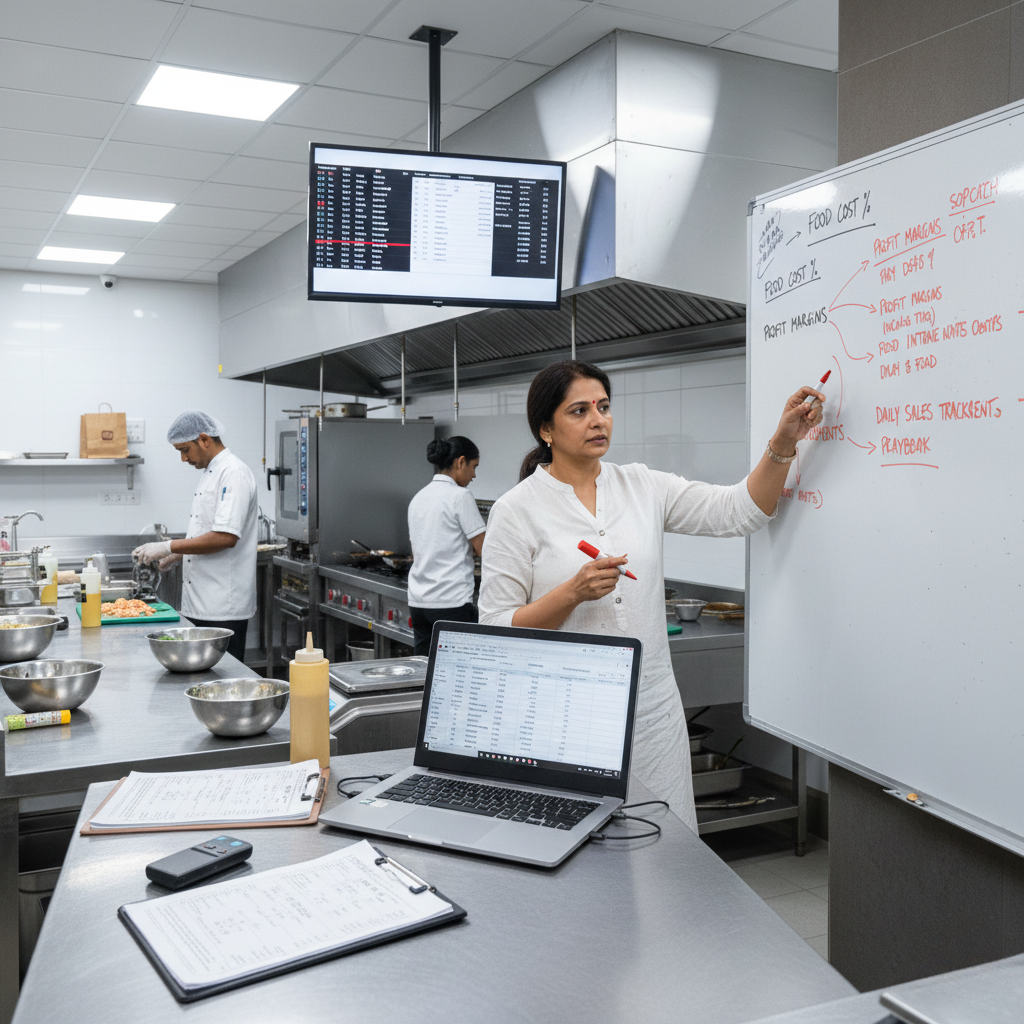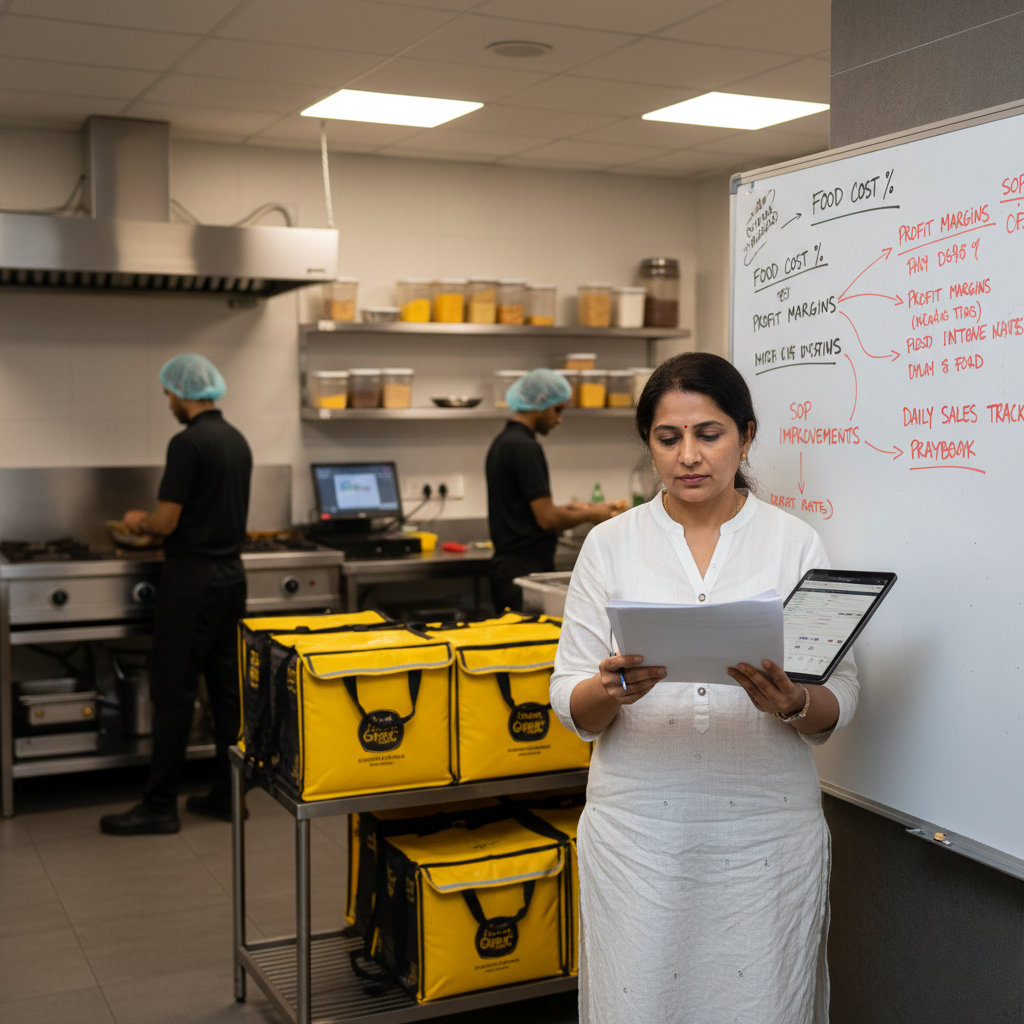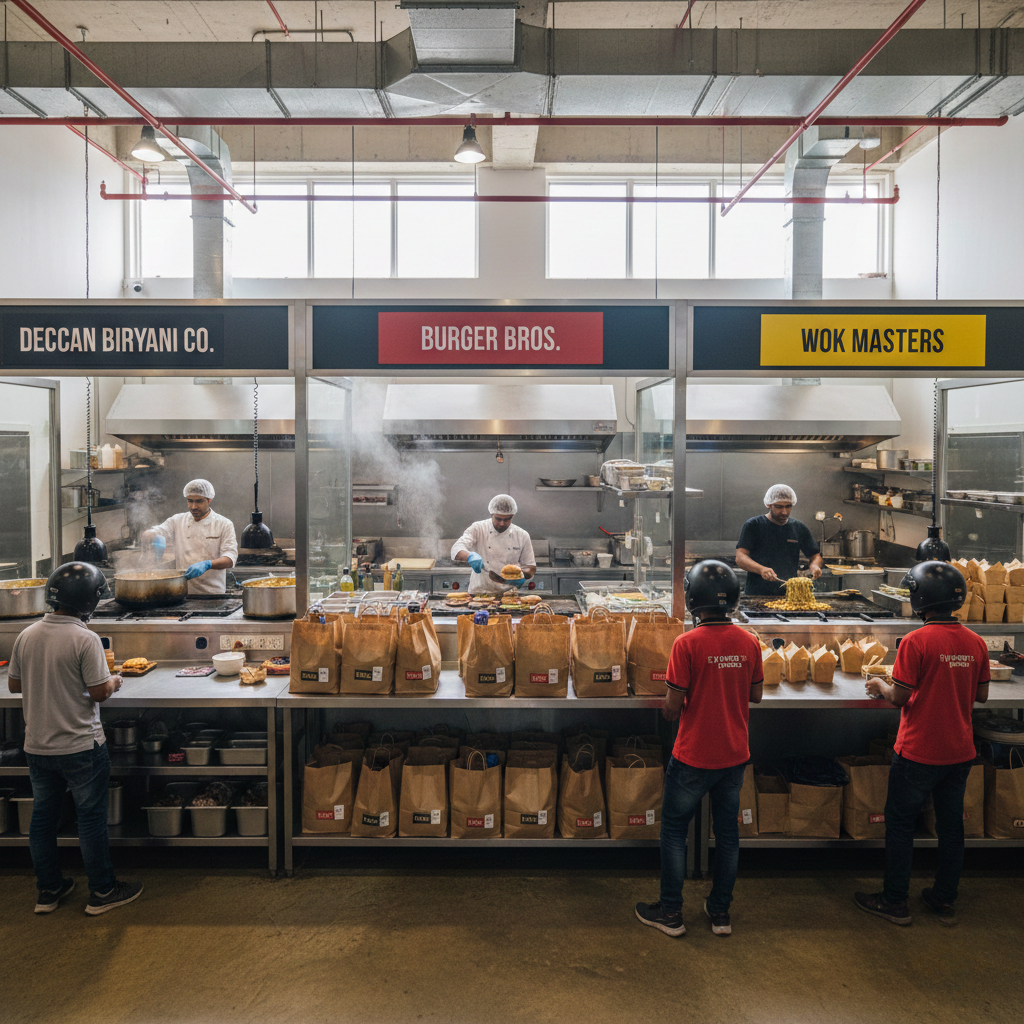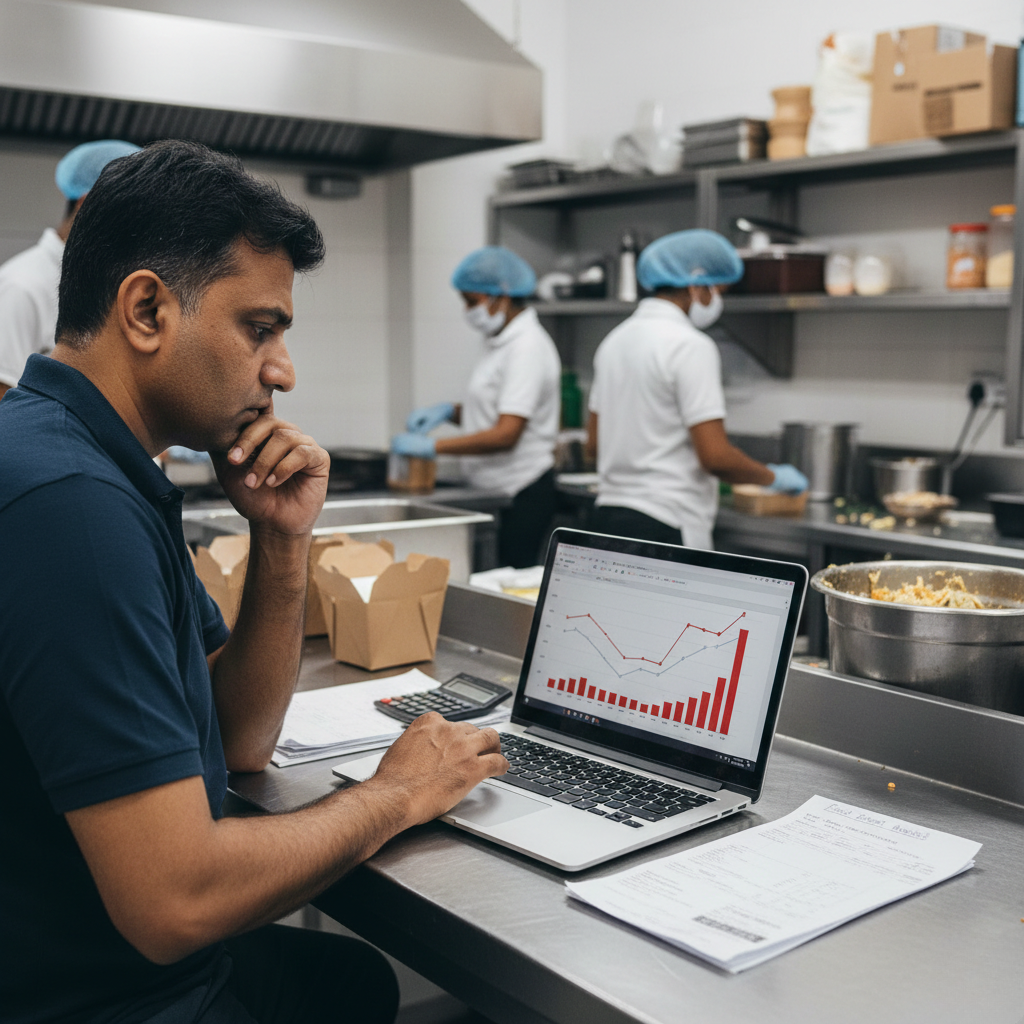
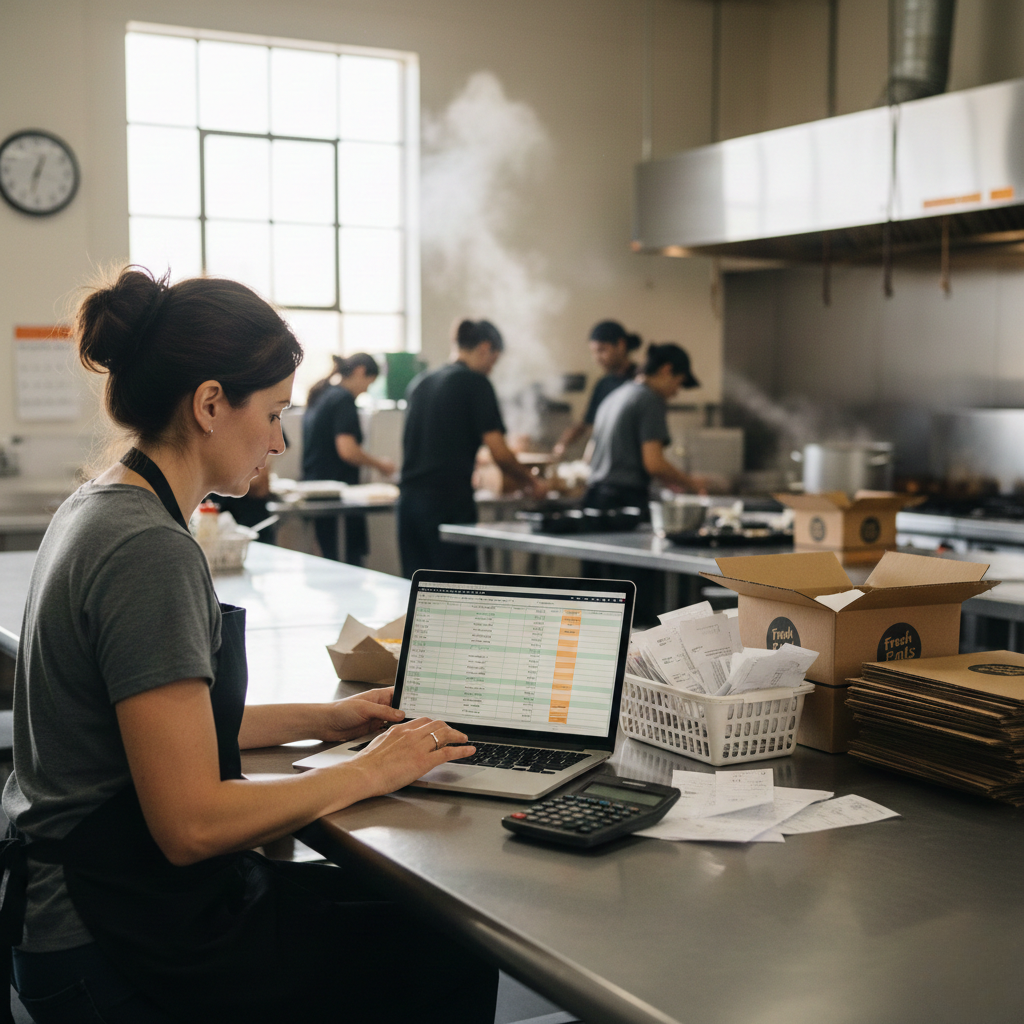
How to Stabilise Profits Before Scaling is one of the most important questions cloud kitchen founders must answer honestly. Many kitchens rush into expansion after seeing steady orders or decent ratings, only to realise later that growth magnified losses. Profit instability is not a growth-stage problem. It is a system problem. This guide explains why profits must be stabilised first, what instability really looks like, and how founders can lock profitability before adding more brands, locations, or volume.
Why Scaling Without Stable Profits Is Dangerous
Many cloud kitchens confuse momentum with readiness. A busy kitchen feels successful, but busyness does not guarantee control. When profits fluctuate month to month, scaling multiplies uncertainty. Weak unit economics, execution gaps, and cost leaks spread across a larger operation. Before planning growth, founders must understand the business fundamentals through Cloud Kitchen Business in India and recognise Common Operational Mistakes in Cloud Kitchens.
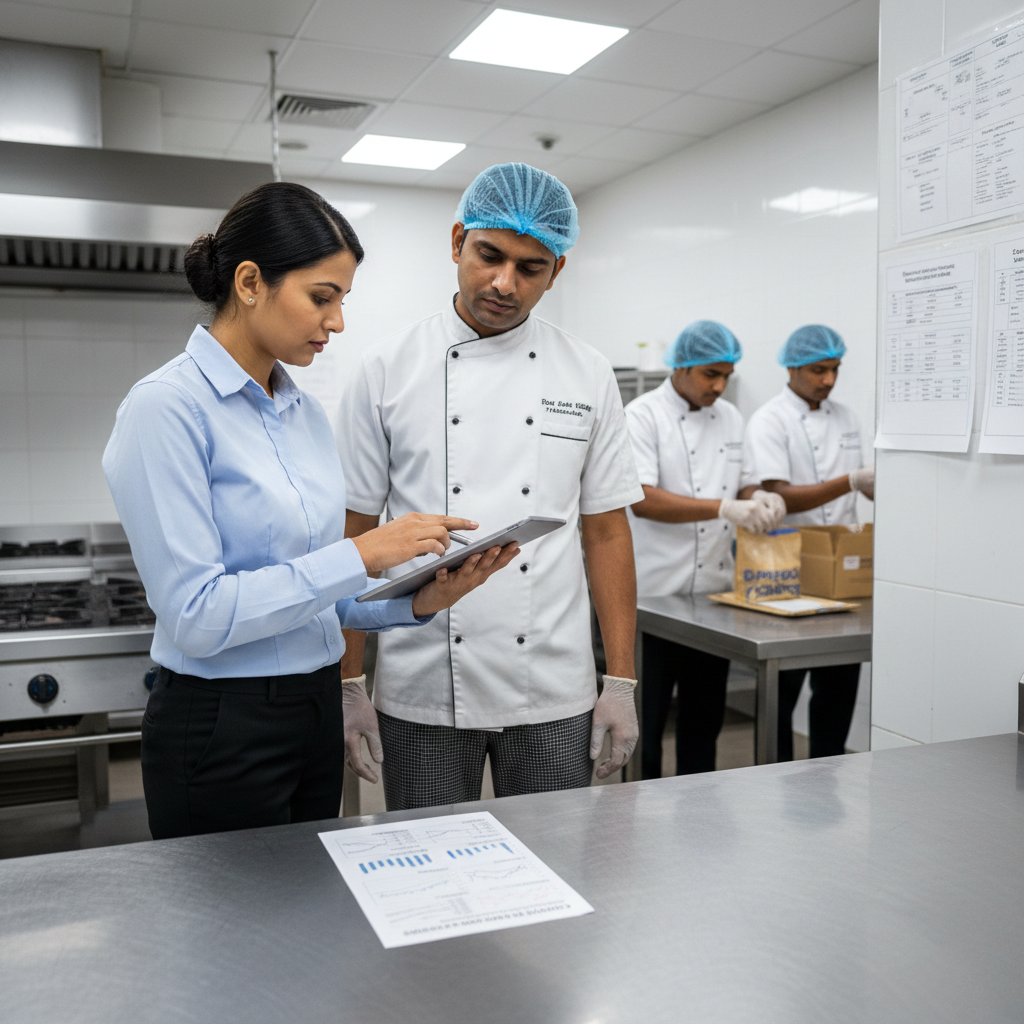
Profit Stability Comes Before Growth Confidence
Scaling should feel predictable, not risky. If founders feel anxious about adding volume, extending hours, or launching new brands, profit stability has not been achieved.
Stabilise Unit Economics Before Anything Else
Profit stability starts with knowing how much each order contributes. Many kitchens track revenue but do not track contribution margin after food cost, packaging, commissions, refunds, and discounts. Without stable per-order contribution, monthly profits will always fluctuate.
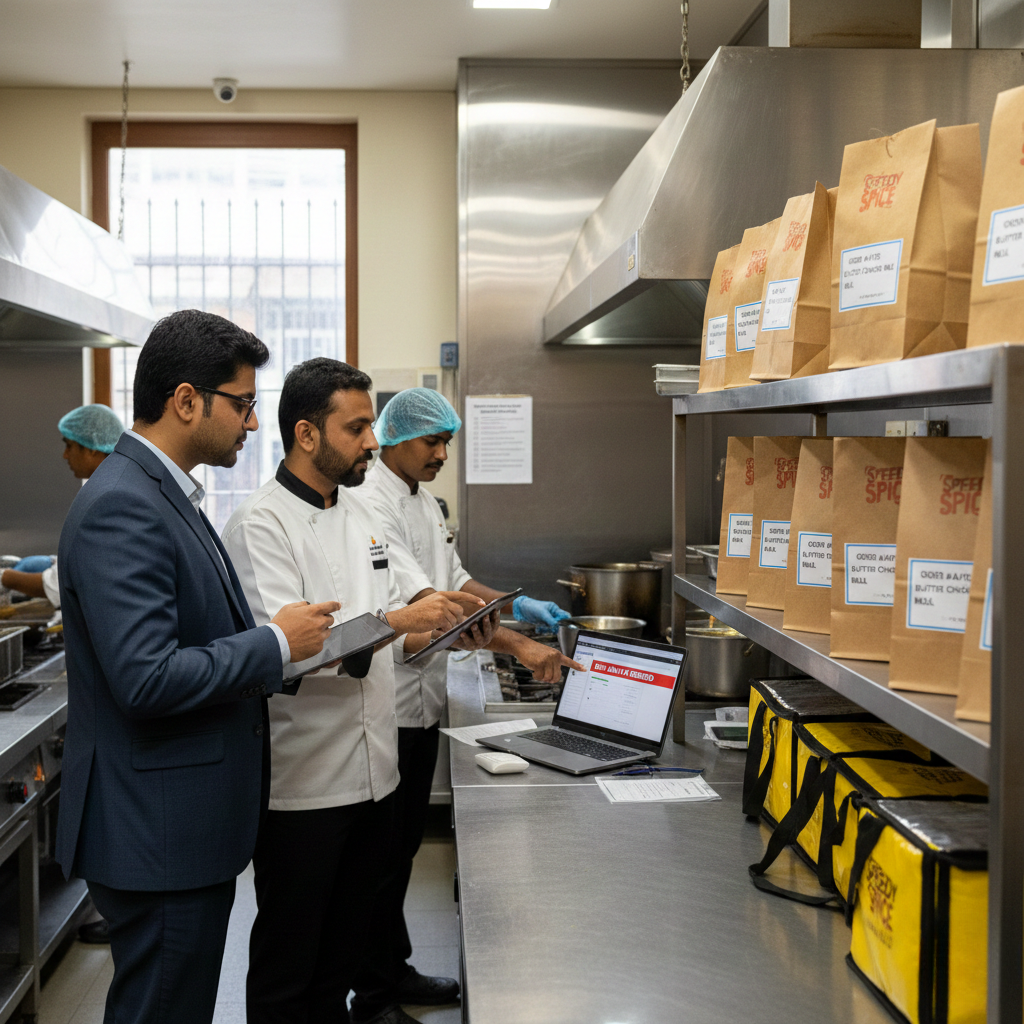
Lock Food Cost to Stabilise Margins
Food cost volatility is the biggest reason profits fluctuate. Portion drift, recipe inconsistency, supplier substitutions, and untracked wastage quietly destabilise margins. Kitchens that stabilise food cost see immediate improvement in profit predictability.
Learn how execution systems reduce food cost in How SOPs Reduce Food Cost & Complaints.
Profit Stability Depends on Staff Productivity
Many founders add staff to manage pressure instead of fixing flow. This increases payroll without increasing output, making profits unstable. Stable kitchens focus on productivity per person, not headcount.
This shift is enabled through Role-Based Kitchen Operations Explained.
Fix Dispatch to Remove Hidden Profit Volatility
Dispatch errors rarely shut kitchens down, but they create unpredictable losses. Refunds, penalties, and delayed handovers fluctuate daily, destabilising profits. Kitchens with disciplined dispatch experience smoother weekly margins.
Learn how to stabilise dispatch execution in Cloud Kitchen Dispatch SOP.
Inventory Discipline Is Required for Stable Profits
Inventory losses do not appear in ratings, but they destabilise margins silently. Over-ordering, expiry, and pilferage create unpredictable cost spikes. Daily inventory visibility is essential for profit stability.
Learn inventory discipline in Cloud Kitchen Inventory Management in India.
Aggregator Metrics Directly Affect Profit Stability
Stable profits require stable payouts. Late acceptance, preparation delays, and cancellations reduce payouts inconsistently. Kitchens that fix internal execution stabilise aggregator performance automatically.
Understand this relationship in Cloud Kitchen Aggregator Commission Impact in India.
Reduce Discount Dependence Before Scaling
Kitchens relying on discounts experience volatile margins. Offers increase volume temporarily but reduce predictability. Stable profits require healthy margins without constant discounts.
Understand why offers fail to stabilise profit in Why Discounts Are Not Solving Your Profit Problem.
How to Know Profits Are Truly Stable
Stable profits are repeatable. Margins remain consistent across weekdays, weekends, and moderate volume changes. Founders stop firefighting and start predicting outcomes.
Only Stable Profits Can Be Scaled Safely
Scaling should replicate success, not spread problems. Kitchens that stabilise profits first scale with confidence, lower stress, and predictable cash flow.
Learn structured expansion thinking in Cloud Kitchen Scaling Strategy.
Final Takeaway: Stabilise Before You Multiply
Profit stability is the foundation of sustainable growth. Kitchens that rush into scaling often return to fix basics later at higher cost.
Proven frameworks from GrowKitchen, along with operating brands like Fruut and GreenSalad, show how disciplined execution creates stable profits before expansion begins.
FAQs: How to Stabilise Profits Before Scaling
Can I scale slowly without stable profits?
Slow scaling still multiplies weak systems.
How long should profits remain stable before scaling?
Consistent margins across multiple months indicate readiness.
Do good ratings mean profits are stable?
No. Ratings measure experience, not margins.
What is the first sign profits are stabilising?
Reduced variance in weekly and monthly margins.